Professional
production

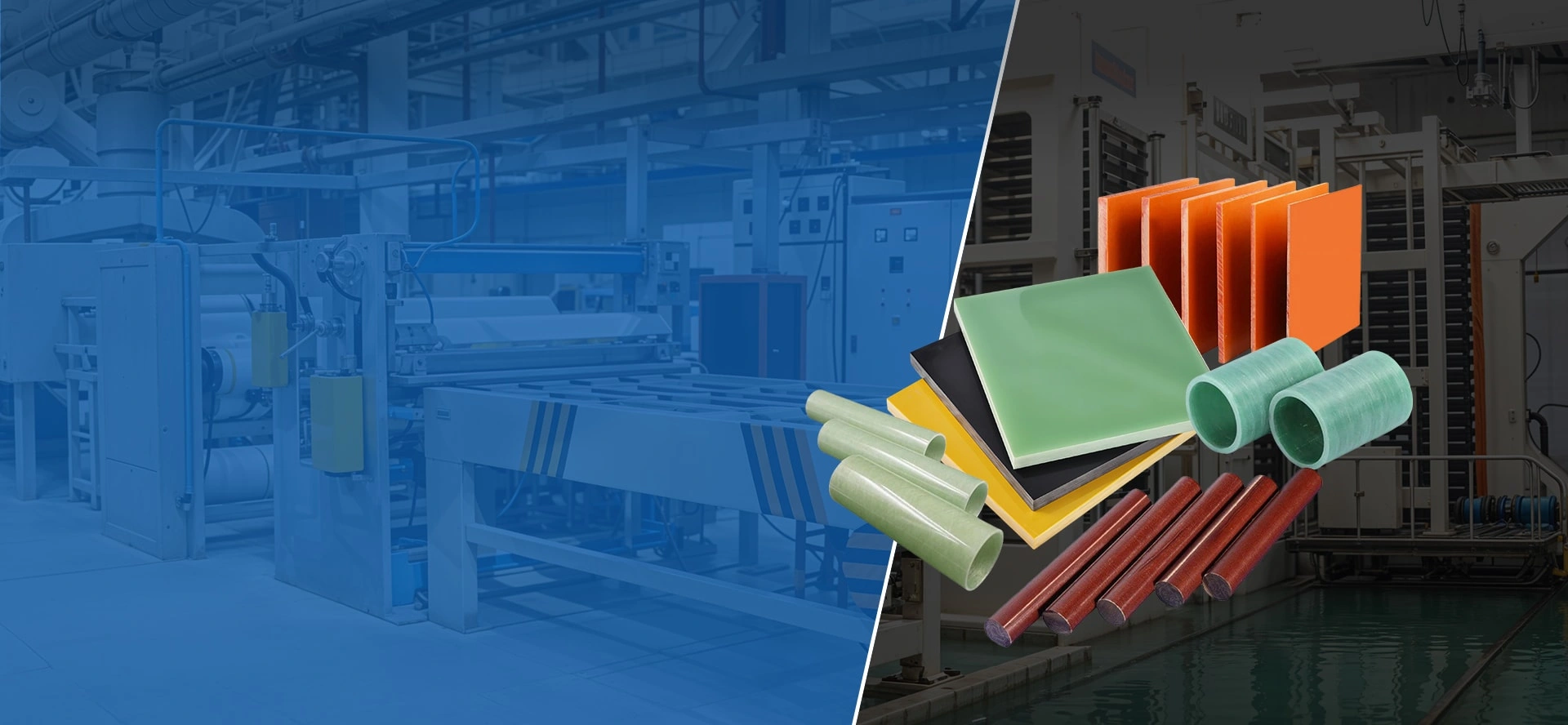
With integrated production lines, advanced testing equipment, and a team of professional technicians, we achieve an impressive annual production output of up to 15,000 tons

APPLICATION

YILONG’s laminated insulation materials are widely used across a variety of industries where electrical, thermal, and mechanical reliability are critical. From electronics to aerospace, our solutions support high-performance equipment, ensure safety, and extend service life under demanding operating conditions.

WHO WE ARE

LEADING MANUFACTURER OF EPOXY GLASS CLOTH LAMINATES

Established in 2005, YILONG is a national high-tech enterprise dedicated to the R&D and manufacturing of electrical insulation materials. With a production base covering 110,000 square meters and 288 employees including 36 technical professionals, we hold 26 patents, including 4 invention patents, reflecting strong innovation capabilities.

about company pic
EST
2005
company factory img
  • COMPETITIVE PRICES

    We provide cost-effective solutions while maintaining the highest standards of quality.

  • ASSURED QUALITY

    Our products undergo rigorous quality control and comply with international certifications such as Reach, RoHS, CE, and ISO.

  • TIMELY DELIVERY

    With streamlined production and logistics processes, we ensure prompt delivery.

  • FAVORABLE PAYMENT TERMS

    Typically 30% deposit and 70% before shipment. But it’s negotiable to suit your needs.

  • ROBUST CORPORATE STRENGTH

    We provide cost-effective solutions while maintaining the highest standards of quality.

  • TRUSTED BY LEADING DOMESTIC AND INTERNATIONAL BRANDS

    Our products undergo rigorous quality control and comply with international certifications such as Reach, RoHS, CE, and ISO.

  • GOVERNMENT SUPPORT

    With streamlined production and logistics processes, we ensure prompt delivery.

  • ADVANCED TECHNOLOGY AND R&D

    Typically 30% deposit and 70% before shipment. But it’s negotiable to suit your needs.

LATEST NEWS

What Is the Difference Between Nylon Board and Bakelite Board in Insulating Materials?

Nylon Boards and Bakelite Boards are two widely used materials in the insulation industry. Although both serve as effective electrical insulators, they differ significantly in composition, performance, and suitable applications. Understanding these differences helps engineers, buyers, and manufacturers select the right insulation material based on operating temperature, mechanical requirements, and environmental conditions.

05 - Dec - 2025
MORE
Comprehensive Overview of 3241 Semiconductor Insulation Board: Properties, Applications, and Industry Value

The 3241 Semiconductor Insulation Board, also known as Epoxy-Phenolic Glass Cloth Laminated Sheet, is a high-performance insulating material widely used in electrical and mechanical engineering. Manufactured with epoxy resin modified with phenolic resin and high-quality electrical-grade glass cloth, this material offers an ideal balance of insulation strength, heat resistance, mechanical strength, and anti-corona performance. Its stable performance at elevated temperatures and under high electrical stress makes it a preferred choice in many industrial applications.

03 - Dec - 2025
MORE
Comparison Between 3240 and 3241 Epoxy Sheets

3240 and 3241 Epoxy Sheets are high-performance laminated materials widely applied in electrical, industrial, aerospace, and automotive industries. Both are glass cloth-reinforced epoxy-phenolic laminates, but they differ in resin formulation and resulting performance, making each suitable for specific industrial requirements. Understanding these differences is crucial for selecting the most appropriate material for insulation, structural, or high-temperature applications.

01 - Dec - 2025
MORE
Why Flange Isolation Gasket Kits Are Vital for Pipeline Corrosion Prevention?

Pipeline corrosion is one of the most costly and dangerous challenges faced in oil, gas, water, and chemical processing industries. When dissimilar metals come into contact, galvanic corrosion can begin rapidly, compromising pipeline reliability and leading to leaks, failures, and costly maintenance. Flange Isolation Gasket Kits provide a proven solution by creating an electrical barrier that stops unwanted current flow at critical flange connections. Using high-performance dielectric Isolation Kits is one of the most effective ways to protect pipelines, extend service life, and reduce long-term operating costs.

28 - Nov - 2025
MORE
Polyimide PCBs - Material Properties, Types, Manufacturing and Applications

As the global PCBA industry continues to grow, more engineers and buyers are searching for advanced circuit board materials. One phrase that frequently appears in Google search is “Polyimide Rigid PCB”. However, this term is misleading because polyimide is not used to manufacture rigid boards—it is primarily a flexible PCB substrate.

27 - Nov - 2025
MORE
How Much Does 3240 Epoxy Sheet Cost Per Kilogram?

The 3240 Epoxy Sheet, also known as 3240 epoxy phenolic glass cloth laminated sheet, is a widely used insulation material recognized by its typical yellow appearance. Its price varies significantly depending on the grade, manufacturing standard, and sheet thickness.

25 - Nov - 2025
MORE
How to Select the Ideal Mica Gasket for Extreme Heat Environments?

Selecting the right Mica Gasket is essential for achieving reliable sealing performance in high-temperature environments. Whether you work in automotive manufacturing, aerospace engineering, or industrial furnace operations, the correct gasket choice directly impacts equipment efficiency, safety, and long-term durability. Understanding how Mica Gaskets function and how to select the proper type will help reduce maintenance time and prevent costly equipment failures.

21 - Nov - 2025
MORE
How to Choose the Right Mica Sheet Thickness for Your Application

Selecting the proper Mica Sheet thickness is a key decision in electrical insulation, thermal protection, and high-temperature engineering. Although Mica Sheets may look like simple materials, their performance is deeply influenced by one critical factor—thickness. Making the right choice ensures stable operation, improved durability, and long-term safety of your equipment.

19 - Nov - 2025
MORE
The Evolving Applications of Mica Tubes and Emerging Industry Trends

Mica Tubes have become an essential insulation material across multiple industries thanks to their exceptional thermal stability, electrical insulation properties, and long service life. As high-temperature environments and high-voltage systems become more common in modern manufacturing, the demand for reliable mica-based insulation solutions continues to increase. This article explores the expanding applications of Mica Tubes and highlights the latest technological developments influencing the global insulation materials market.

17 - Nov - 2025
MORE
Understanding Dielectric Strength in FR4 epoxy laminates

Dielectric strength is a fundamental property of FR4 epoxy laminates that determines their effectiveness as electrical insulators. It refers to the maximum electric field that a material can withstand without experiencing electrical breakdown, allowing current to pass through. For FR4 sheets, which are widely used in printed circuit boards (PCBs) and electrical insulation components, understanding dielectric strength is essential for selecting the right material to ensure safety, reliability, and optimal performance in electronic devices.

14 - Nov - 2025
MORE

FAQ