
Selecting the right mica material is a critical decision in electrical insulation, thermal protection, and high-performance industrial applications. Among naturally occurring mica minerals, Muscovite Mica and Phlogopite Mica are the two most widely used due to their stable structure, excellent insulating properties, and proven performance in demanding environments. However, their different chemical compositions lead to distinct physical and electrical characteristics, making each type suitable for specific applications.
At YILONG, we help customers choose the most appropriate mica solution by matching material properties with real operating conditions.
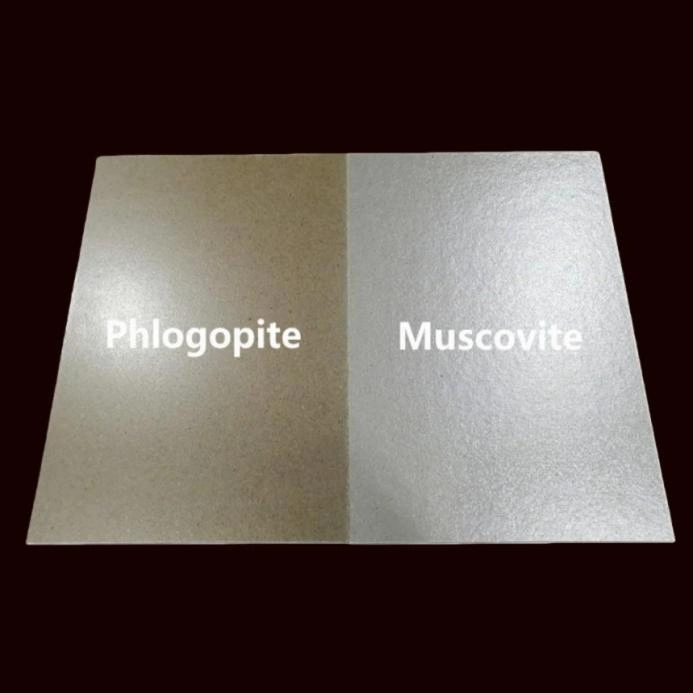
Understanding the Chemical Difference Between Muscovite and Phlogopite
Muscovite Mica is an aluminum- and potassium-based hydrated silicate, while Phlogopite Mica is a magnesium- and potassium-based hydrated silicate. This difference in composition directly affects thermal endurance, dielectric strength, mechanical behavior, and long-term stability.
In appearance, muscovite typically exhibits ruby, green, or white tones, whereas phlogopite is commonly amber, silver, or green. Beyond color, their performance differences are far more important when selecting mica sheets, tubes, or fabricated insulation components.
Muscovite Mica: High Dielectric Performance for Electrical Applications
Muscovite Mica is widely recognized for its exceptional dielectric strength and overall balance of electrical, mechanical, and environmental properties. It offers excellent resistance to moisture, strong cleavage integrity, and reliable performance under electrical stress. These characteristics make Muscovite Mica a preferred material for precision electrical and electronic insulation.
Typical Applications of Muscovite Mica
In the electronics industry, Muscovite Mica is used in capacitors, insulating spacers, and semiconductor components where stable dielectric performance is required.
In high-temperature viewing windows, muscovite sheets provide transparency combined with heat resistance for equipment such as heaters and industrial stoves.
In paints and coatings, muscovite improves film strength, water resistance, and surface brightness.
In plastics and composites, muscovite serves as a functional filler to enhance mechanical stability and heat deformation resistance.
In cosmetics, its natural reflective properties contribute to controlled shimmer and smooth texture.
Key Properties of Muscovite Mica
|
Property |
Specification |
|
Chemical Formula |
KAl₂(AlSi₃O₁₀)(OH)₂ |
|
Dielectric Strength |
Approx. 25.7 kV/mm |
|
Continuous Operating Temperature |
500–600°C |
|
Bending Strength |
2400 psi |
|
Moisture Absorption |
<1% |
|
Cleavage |
Perfect |
|
Color Range |
Ruby, Green, White |
|
Transparency |
High (especially ruby muscovite) |
Phlogopite Mica: Superior Thermal Stability for Extreme Conditions
Phlogopite Mica is distinguished by its excellent high-temperature resistance and stable electrical insulation under thermal stress. Due to its magnesium-rich structure, phlogopite can operate reliably at significantly higher temperatures than muscovite, making it ideal for harsh thermal environments.
Typical Applications of Phlogopite Mica
In foundry and steel industries, Phlogopite Mica is widely used for insulation exposed to temperatures approaching 1000°C.
In automotive and aerospace sectors, it is used in flame-retardant and heat-resistant insulation components.
In electrical engineering, phlogopite provides dependable insulation in high-heat electrical systems.
In construction and decorative materials, it offers durability and a natural stone-like appearance.
In cosmetics, phlogopite delivers a subtle, warm reflective effect.
Key Properties of Phlogopite Mica
|
Property |
Specification |
|
Chemical Formula |
KMg₃(AlSi₃O₁₀)(OH)₂ |
|
Dielectric Strength |
Approx. 21.7 kV/mm |
|
Calcination Temperature |
800°C |
|
Maximum Operating Temperature |
800–1000°C |
|
Bending Strength |
1500 psi |
|
Dielectric Constant (50 Hz) |
5.4 |
|
Chemical Resistance |
Resistant to acids and alkalis |
|
Color Range |
Amber, light silver to dark brown |
|
Preferred Use |
High-temperature insulation |
Phlogopite vs Muscovite: Key Performance Comparison
|
Property |
Phlogopite Mica |
Muscovite Mica |
|
Density (g/cm³) |
2.6–3.2 |
2.6–3.2 |
|
Color Range |
Amber, Silver, Green |
Ruby, Green, White |
|
Specific Heat |
0.2 |
0.21 |
|
Maximum Operating Temperature (°C) |
800–1000 |
500–600 |
|
Dielectric Strength (kV/mm) |
~21.7 |
~25.7 |
|
Moisture Absorption |
Very Low |
Very Low |
|
Acid Sensitivity |
Sulphuric acid |
Hydrofluoric acid |
|
Shear Strength (MN/m²) |
1000–1300 |
220–270 |
|
Compression Strength (MN/m²) |
— |
190–285 |
|
Permittivity (15°C) |
5–6 |
6–7 |
How to Choose the Right Mica for Your Application
When electrical insulation performance is the primary concern and operating temperatures remain below 600°C, Muscovite Mica is often the optimal choice. Its higher dielectric strength and mechanical toughness make it ideal for electronic components and precision insulation.
For applications involving sustained high temperatures, flame exposure, or thermal cycling, Phlogopite Mica offers superior stability and longer service life. It is particularly suitable for furnaces, heating systems, and heavy industrial equipment.
At YILONG, we evaluate factors such as operating temperature, voltage level, mechanical stress, environmental exposure, and product geometry to recommend the most suitable mica material for each project.
Conclusion
Muscovite and Phlogopite Mica each play an essential role in modern electrical and thermal insulation systems. Their differences in chemical composition and performance characteristics determine where they deliver the greatest value. Understanding these differences allows engineers and manufacturers to make informed material choices that improve safety, efficiency, and product longevity.
YILONG remains committed to supplying high-quality mica sheets, mica tubes, and customized mica insulation components that meet international standards and support the evolving needs of global industries. Please feel free to contact us at yilong@yilonginsulation.com or Whatsapp 86 15866869385.
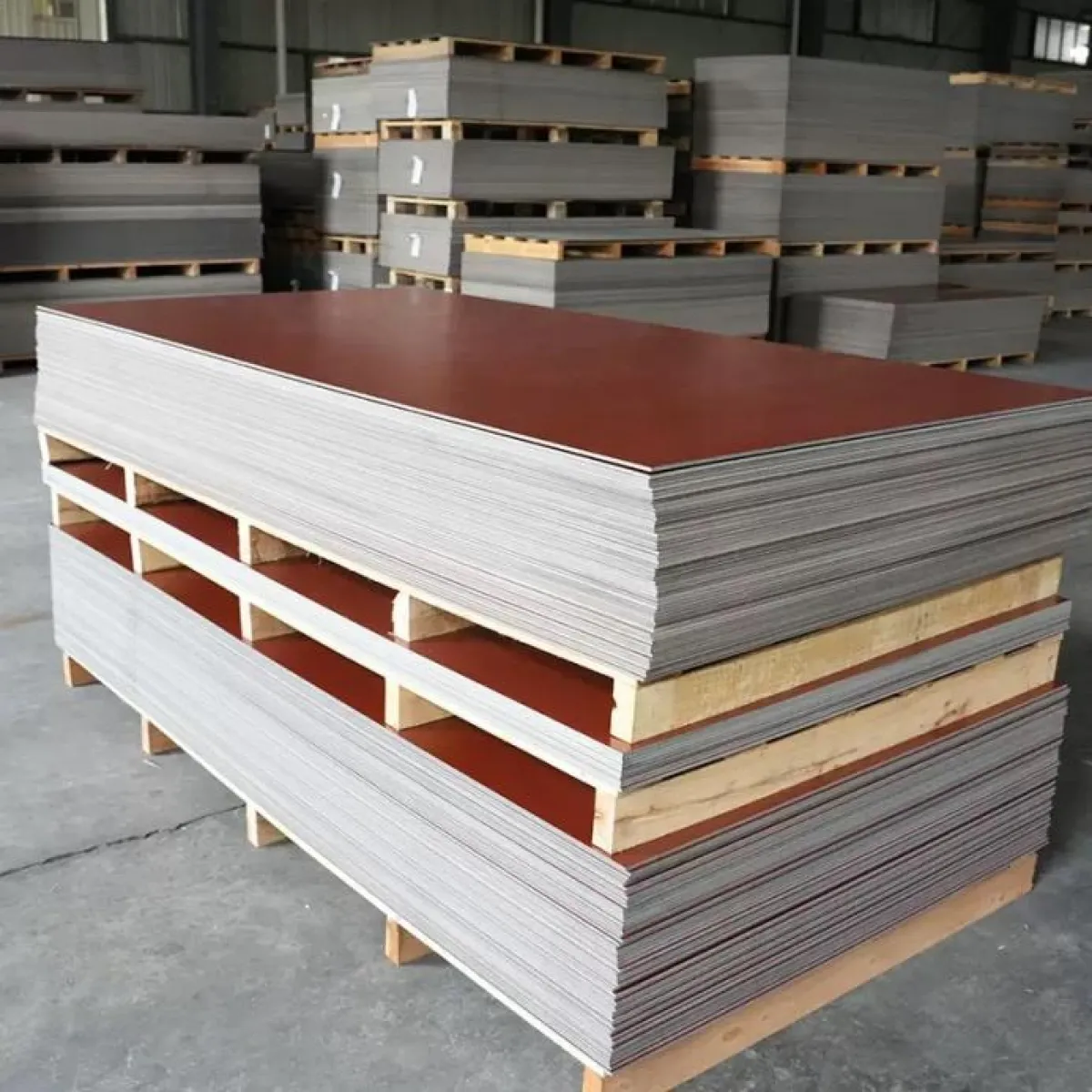
PFCP201 is manufactured using high-quality insulating paper impregnated with phenolic resin. After the raw materials are carefully inspected, the paper is passed through an automat
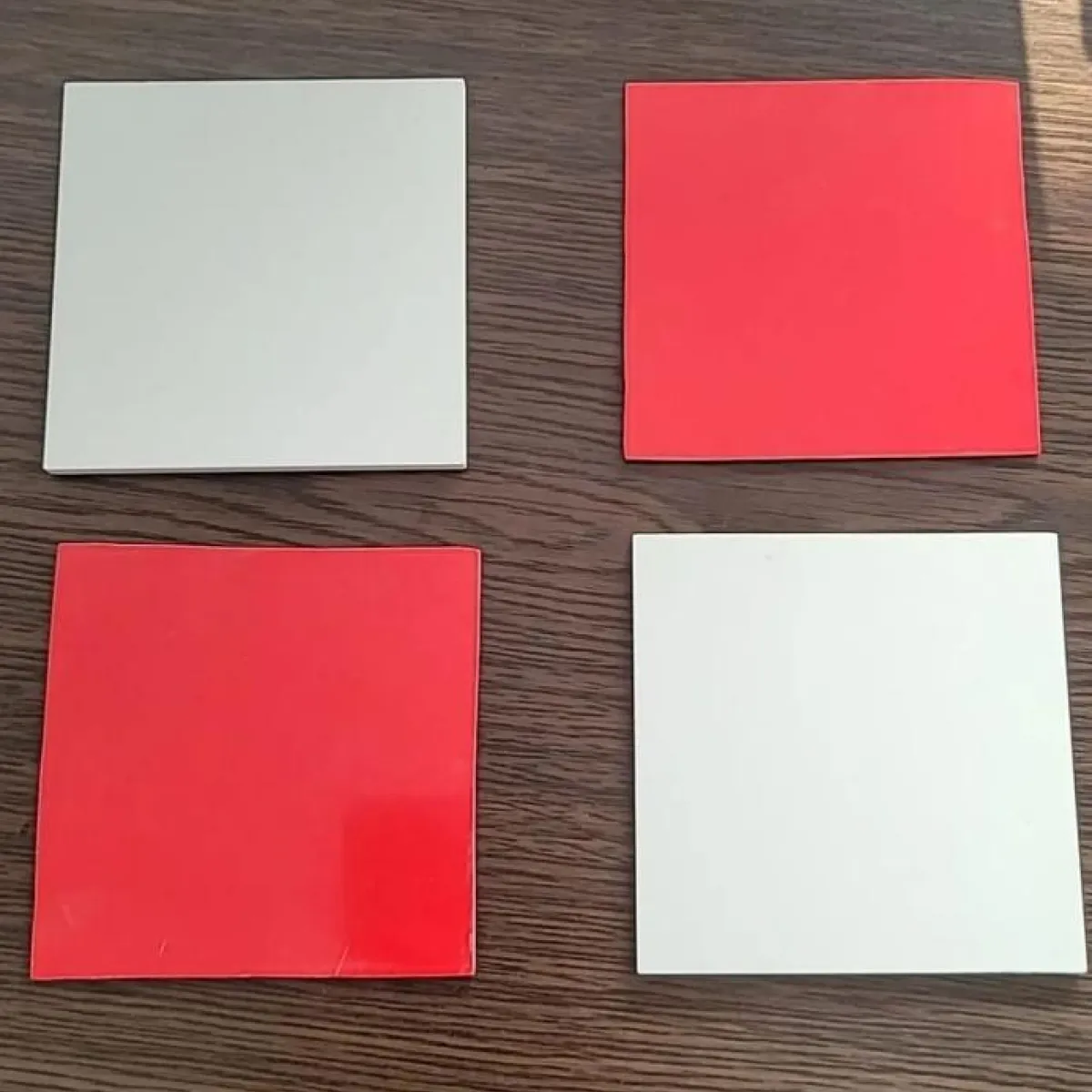
GPO-3 insulation board, also known as UPGM-203, is a rigid electrical insulation material made from alkali-free glass fiber mat impregnated with unsaturated polyester resin and pro
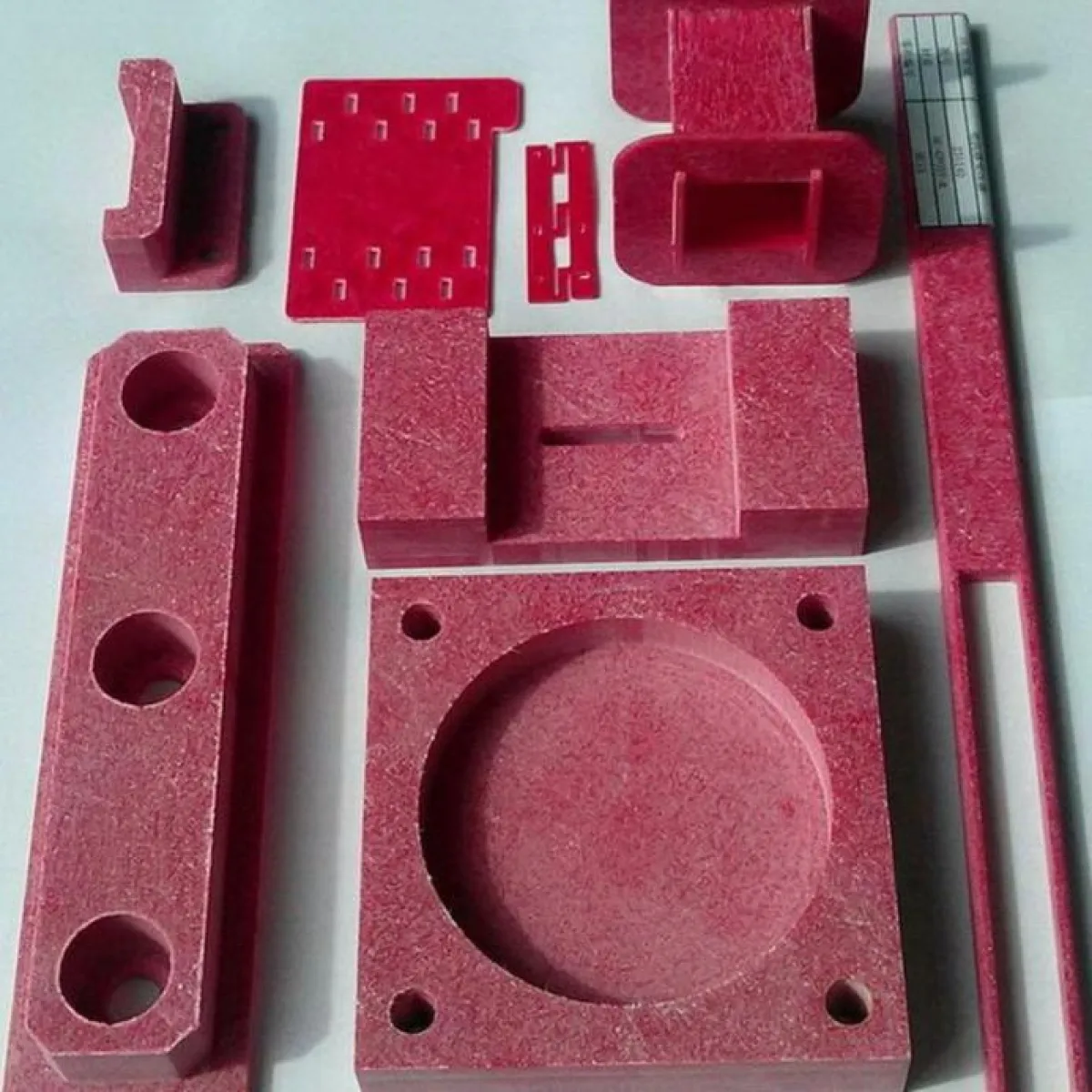
Compared with many conventional insulation materials, GPO-3 offers two particularly important advantages: strong resistance to heat and moisture, and stable electrical insulation p
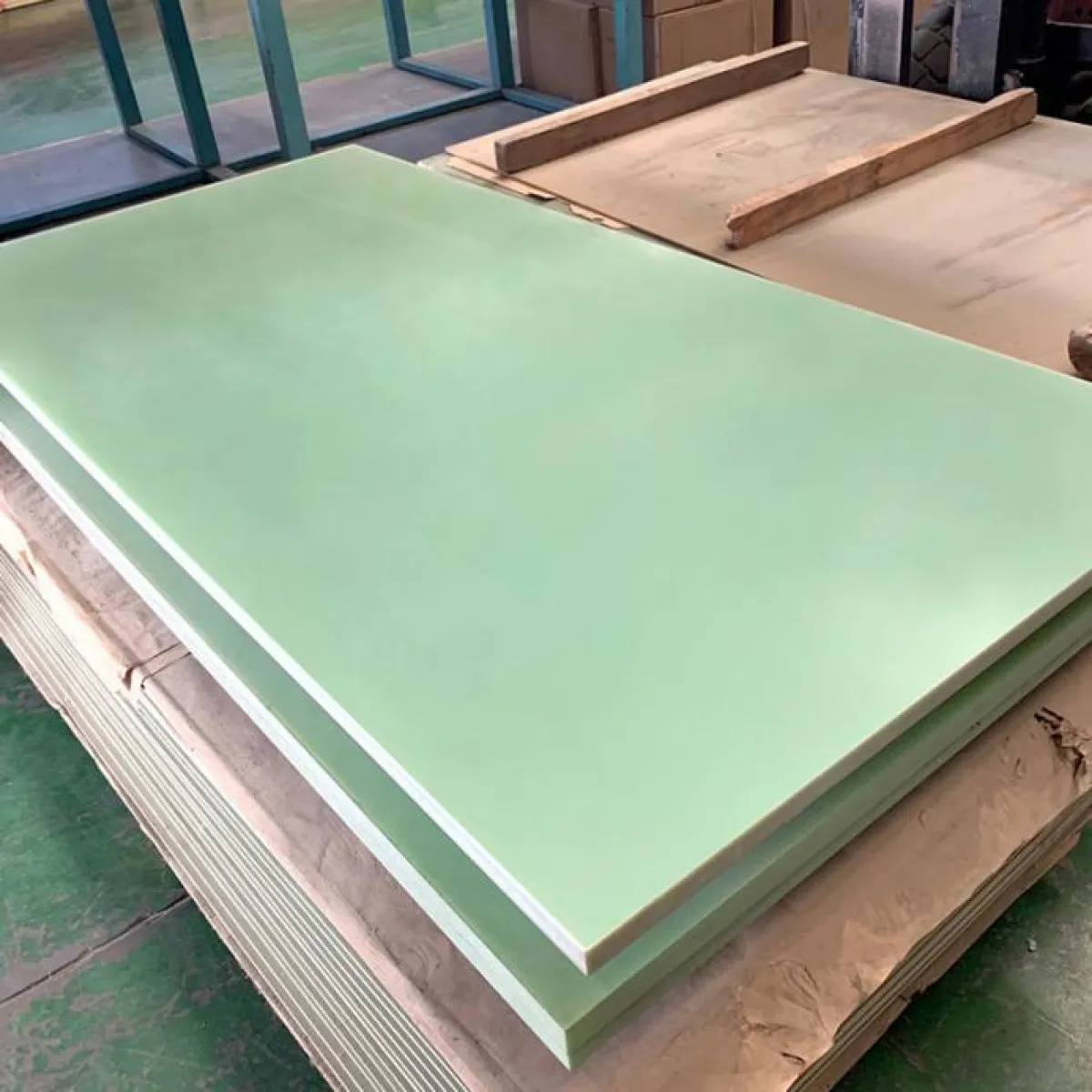
However, selecting a cryogenic insulation material based only on its standard properties may not be enough. In actual service, continuous immersion, concentrated mechanical loads,

Silicone Glass Cloth Sheet (G7) combines silicone resin with glass fiber cloth to provide a balance of high-temperature resistance, electrical insulation, mechanical strength, and
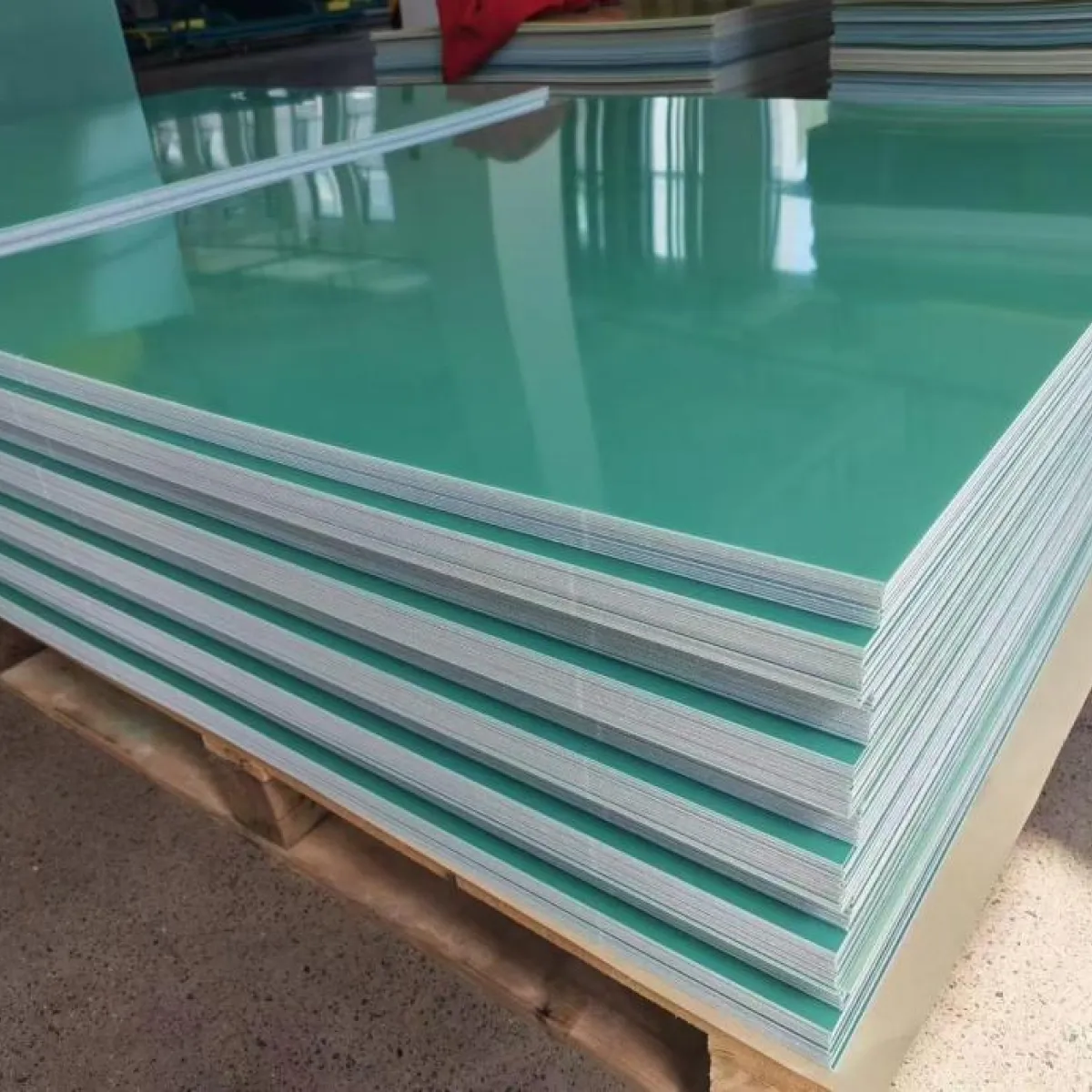
These properties make EPGC308 particularly suitable for electrical equipment operating under high temperature, high humidity and high-voltage conditions.
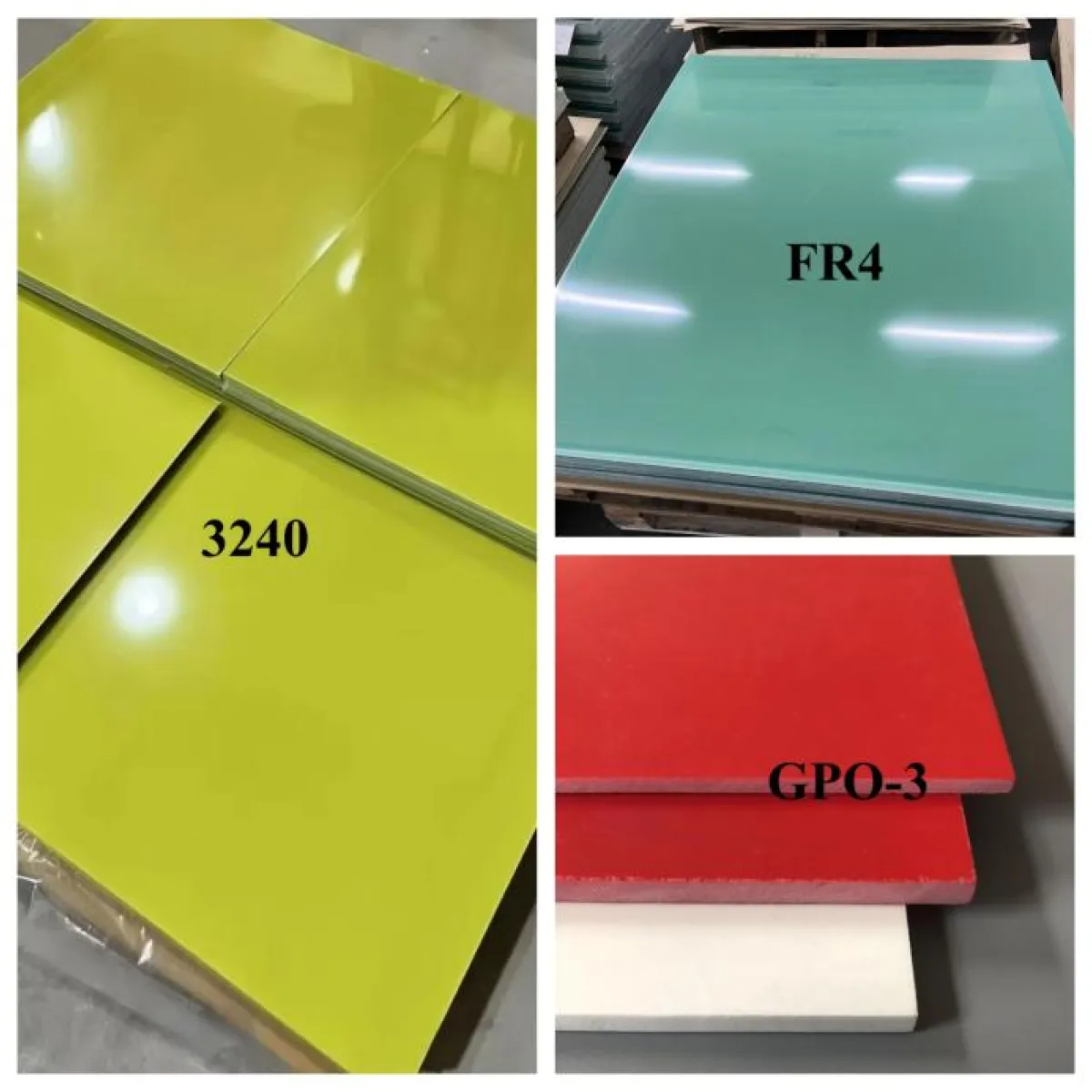
Understanding these differences can help engineers and buyers select the most suitable insulation material for their specific operating conditions.
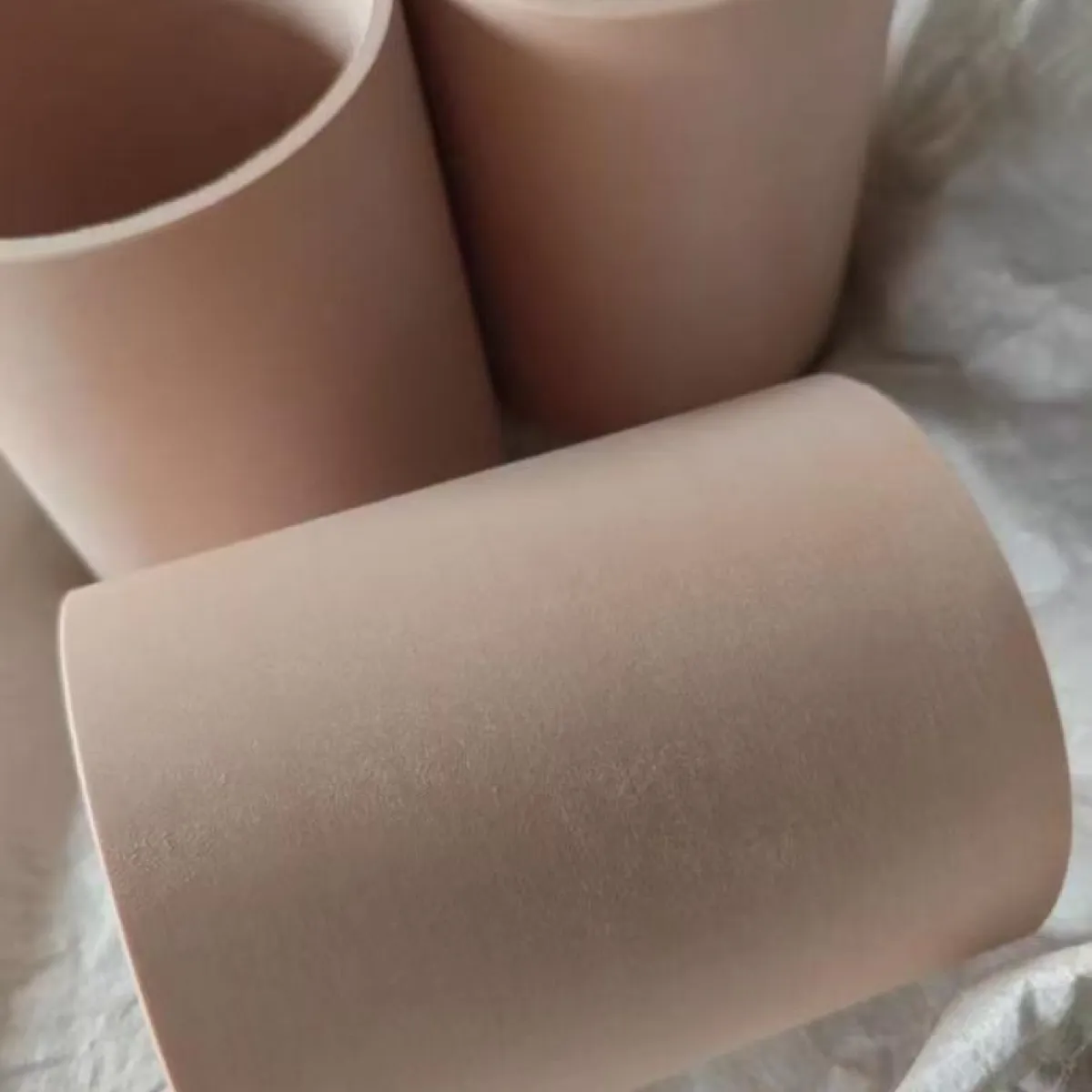
Phenolic Cotton Tube boasts multiple prominent competitive strengths for industrial use. It features extraordinary insulating performance: fully non-conductive, anti-static, and st
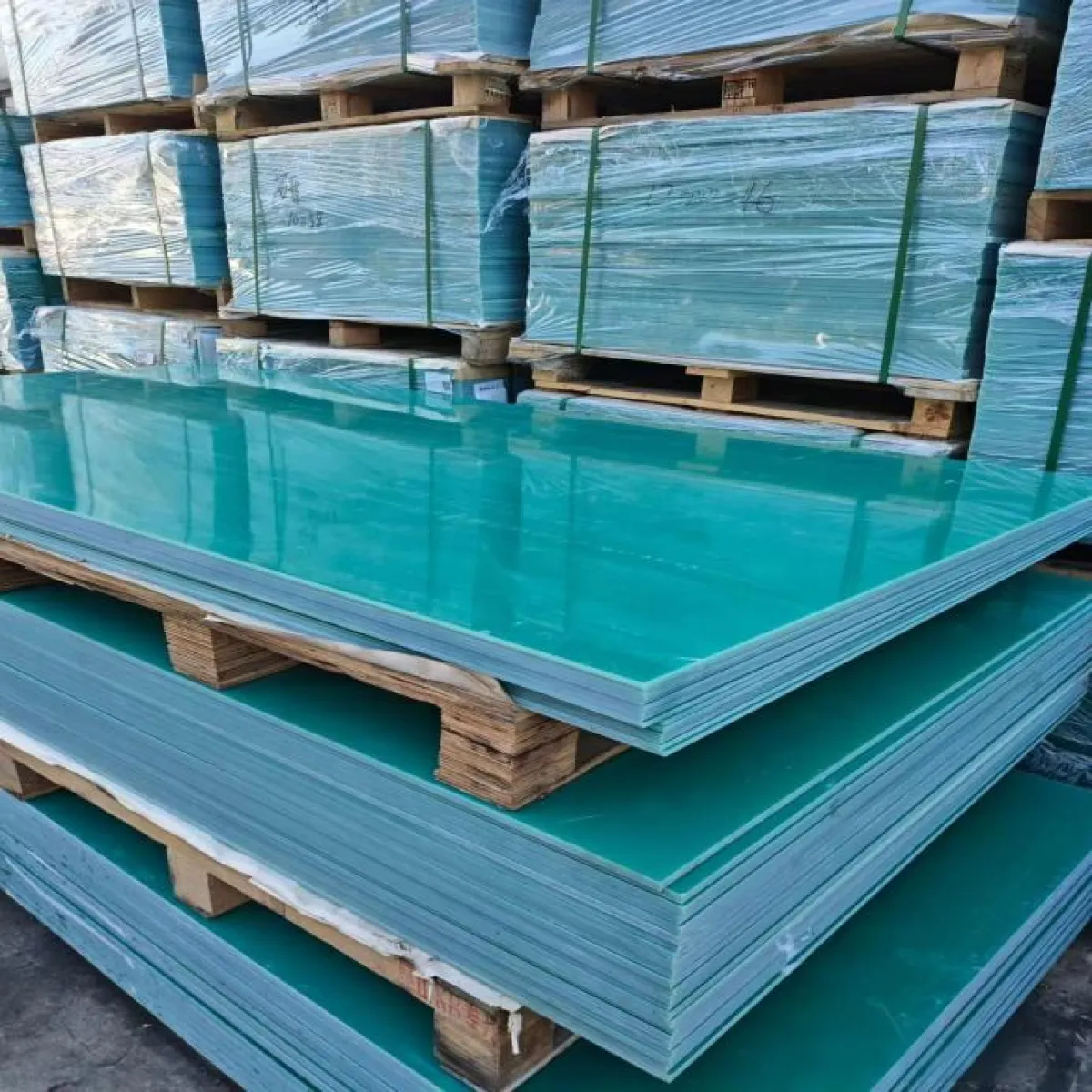
First let us look at its regular uses. In power plants, substations, power distribution rooms and other sites, Insulation Laminated Board is commonly laid on floors to avoid electr
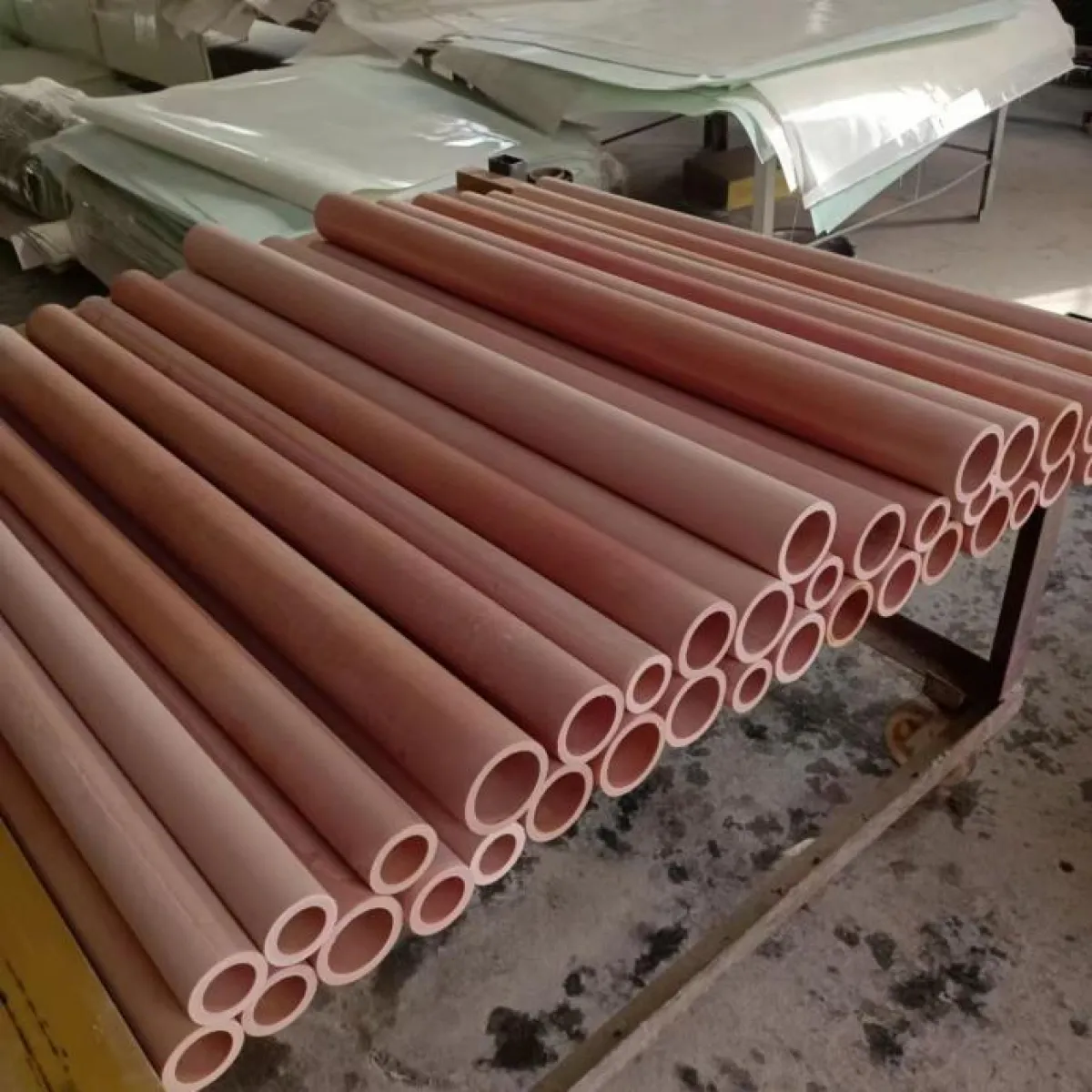
From the perspective of composite materials, Phenolic Cloth Tube is not made of a single substance, but formed by combining thermosetting phenolic resin with reinforcing materials

No.3, Mianzhi Street, Zhucheng, Shandong, China





Copyright © 2026 by Qingdao Yilong Insulation Material Company Limited All Rights Reserved