
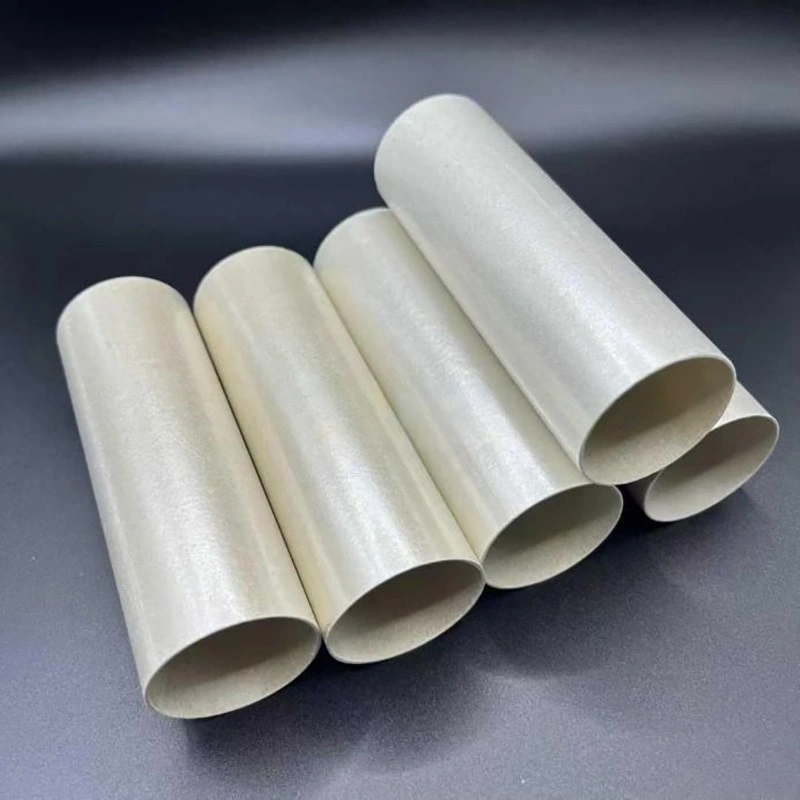
Mica tubes are widely recognized as a high-performance insulation solution in electrical and thermal systems. Thanks to their excellent dielectric strength, heat resistance, and dimensional flexibility, Mica tubes are essential components in motors, heating equipment, power devices, and advanced industrial systems. At YILONG, we manufacture Mica tubes engineered to meet diverse application requirements while ensuring long-term safety and reliability.
How Mica tubes Are Manufactured
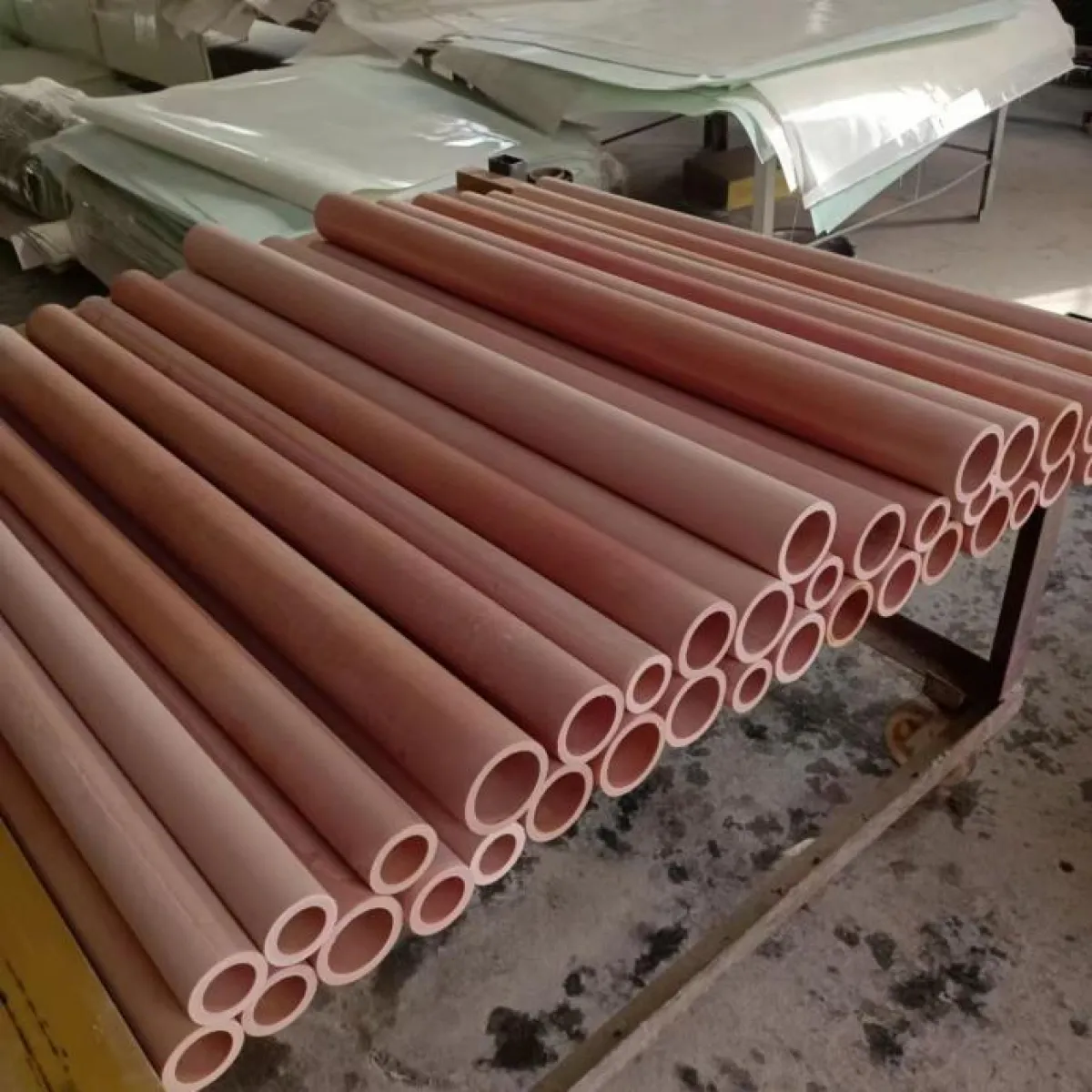
Mica tubes are typically produced using mica paper or split mica combined with high-performance binders such as silicone or epoxy resin. Through a controlled forming process—most commonly convolute winding—the mica layers are tightly bonded into a seamless tubular structure. This manufacturing method enhances mechanical strength, minimizes weak points, and ensures uniform insulation performance along the entire tube length.
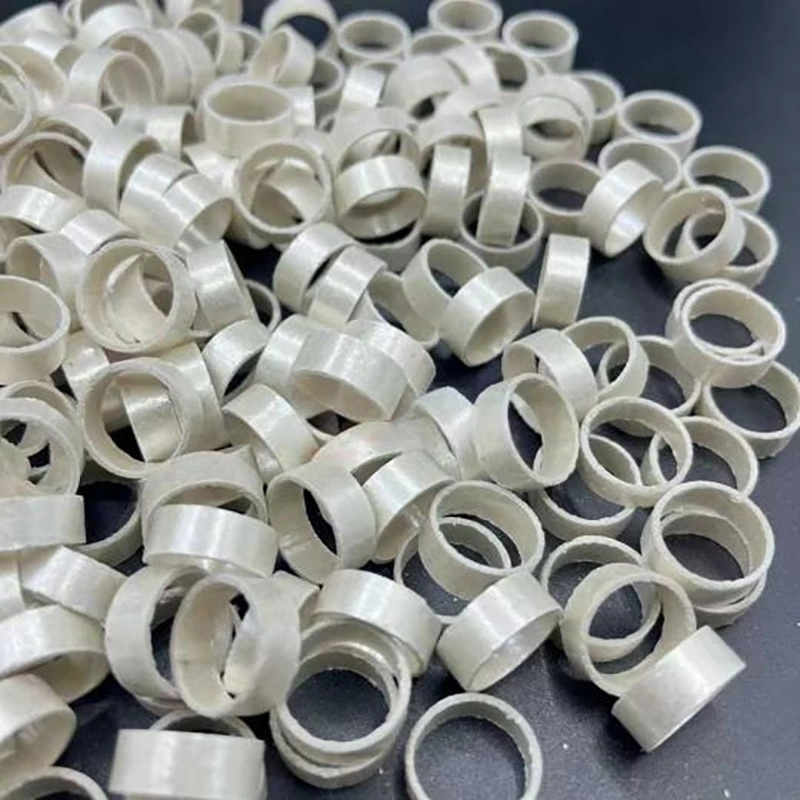
The resulting structure provides continuous insulation coverage, effectively blocking heat transfer, electrical conduction, and moisture penetration. One of the key advantages of Mica tubes lies in their dimensional flexibility, allowing inner diameter, wall thickness, and length to be customized to suit specific equipment designs and operating conditions.
Material Composition of Mica tubes
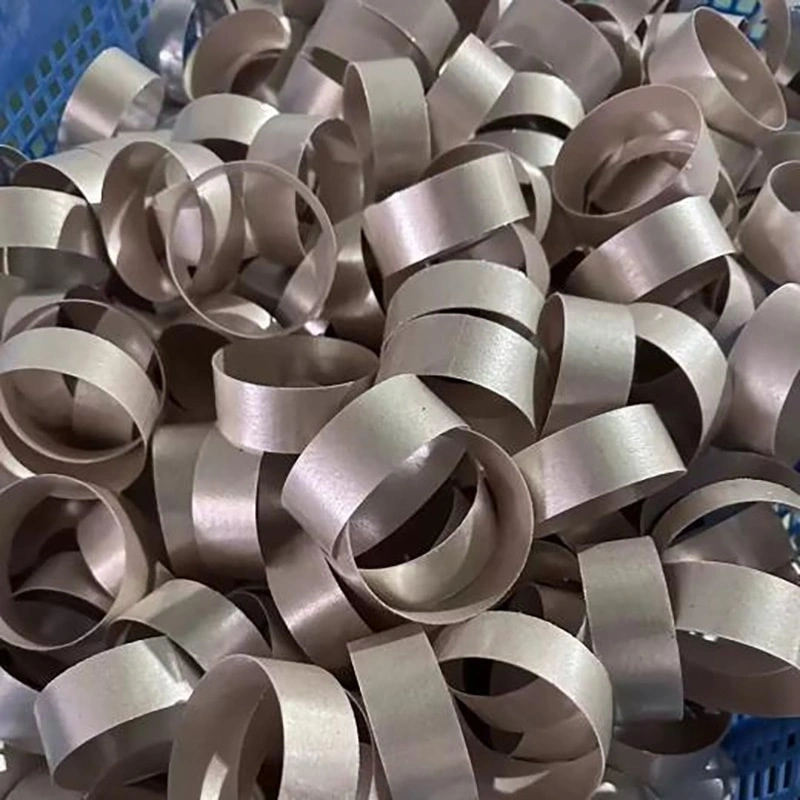
Mica tubes are made from mica paper derived from finely processed natural mica flakes. These flakes are uniformly distributed and overlapped during forming, creating a dense insulation barrier. The binder system plays a crucial role in determining thermal endurance, mechanical stability, and environmental resistance. Silicone-bonded Mica tubes typically offer superior heat resistance, while epoxy-bonded variants provide enhanced mechanical strength for moderate-temperature applications.
Main Types of Mica tubes
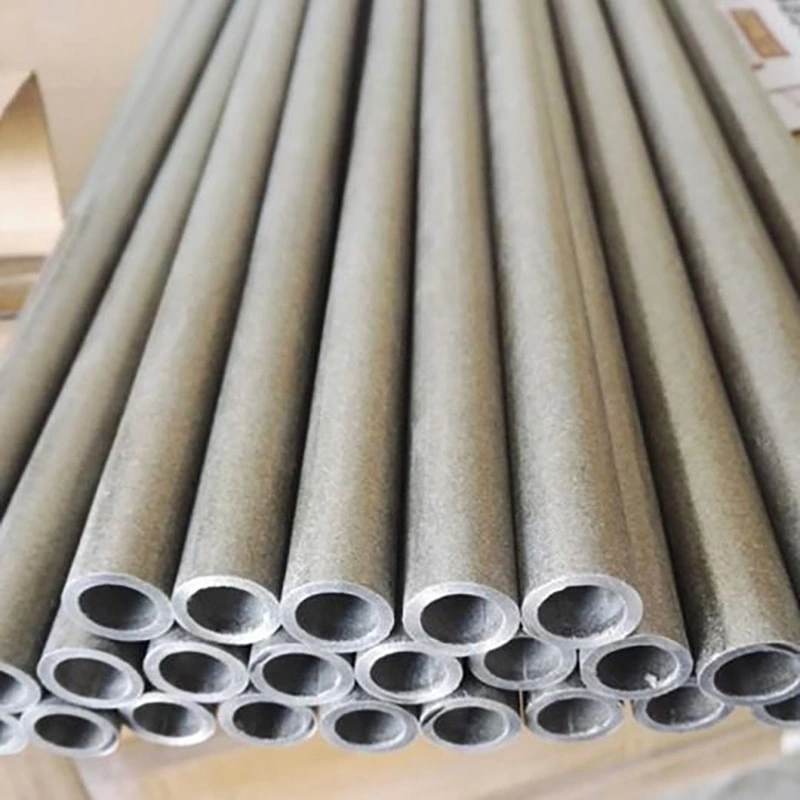
Mica tubes are available in several material types, each designed for specific operating environments.
Muscovite Mica tubes are commonly used in electrical insulation applications requiring strong dielectric properties and stable performance at temperatures up to approximately 500°C. They are widely applied in motors, appliances, and general electrical equipment.
Phlogopite Mica tubes are selected for higher-temperature environments, withstanding continuous exposure up to around 700°C. Due to their superior thermal stability, they are frequently used in heating elements, furnaces, and industrial thermal systems.
Synthetic Mica tubes are engineered for extreme conditions, offering temperature resistance exceeding 1000°C along with excellent dielectric strength. These tubes are suitable for high-frequency, high-voltage, and advanced energy applications where conventional insulation materials may fail.
Choosing the correct mica tube type depends on operating temperature, electrical load, environmental exposure, and system design requirements.
Key Advantages of Mica tubes
Mica tubes provide a unique combination of properties that make them highly reliable in demanding applications.
They offer high dielectric strength, ensuring stable electrical insulation even under elevated voltages. Their inherent heat resistance allows them to maintain structural and insulating integrity in high-temperature environments. Mica is chemically inert, resisting acids, alkalis, oils, and solvents, which makes Mica tubes suitable for harsh industrial conditions. Despite being lightweight, Mica tubes exhibit good mechanical strength and resist deformation under stress. In addition, they show excellent resistance to moisture and UV exposure, supporting long service life in variable environments.
These advantages make Mica tubes a preferred insulation solution across multiple industries.
Comparison with Other Insulation Materials
Compared with conventional insulation materials such as PVC, rubber, or fiberglass, Mica tubes deliver superior thermal performance and electrical stability. While plastics and elastomers degrade at relatively low temperatures, mica maintains insulation properties at temperatures reaching 1000°C. Its dielectric performance also exceeds many alternatives, making Mica tubes suitable for high-voltage systems.
Although Mica tubes may have a higher initial material cost, their durability and resistance to extreme conditions often reduce maintenance frequency and replacement costs, resulting in lower total lifecycle expenses. Additionally, mica is a naturally occurring mineral, aligning with growing industry demand for environmentally responsible materials.
Physical and Chemical Properties of Mica tubes
From a physical perspective, Mica tubes exhibit excellent thermal stability, strong electrical insulation, and good mechanical robustness. Their layered structure provides flexibility for shaping and fitting around cylindrical components without compromising insulation performance.
Chemically, Mica tubes are non-flammable, chemically stable, and hydrophobic. They resist moisture absorption, corrosion, and chemical attack, ensuring consistent performance in humid, chemically aggressive, or high-temperature environments.
Electrical and Industrial Applications
Mica tubes are extensively used in high-voltage equipment such as transformers, capacitors, and power distribution systems, where reliable insulation is critical. In heating appliances and industrial heaters, Mica tubes safely encase heating elements, improving efficiency and preventing electrical leakage.
They are also widely applied in electromechanical devices, aerospace systems, automotive electronics, and renewable energy equipment. In wind power, solar energy, and EV systems, Mica tubes protect electrical components operating under fluctuating temperatures and harsh environmental conditions.
How to Choose the Right Mica Tube Size
Selecting the appropriate mica tube size requires careful evaluation of application needs. The inner diameter should match the insulated component precisely, while wall thickness must provide adequate electrical and thermal protection. Operating temperature limits, voltage levels, and mechanical stress should be considered during selection.
It is also important to evaluate long-term durability and material quality. Choosing Mica tubes from experienced manufacturers like YILONG ensures consistent performance, accurate specifications, and reliable quality control.
Conclusion
Mica tubes are a critical insulation solution for modern electrical and thermal systems. Their outstanding dielectric strength, heat resistance, chemical stability, and customization flexibility make them indispensable across a wide range of industries. By understanding material types, properties, and sizing considerations, engineers and manufacturers can select Mica tubes that enhance safety, efficiency, and service life.
YILONG remains committed to providing high-quality mica tube solutions that support advanced technologies and meet the evolving demands of global industries.
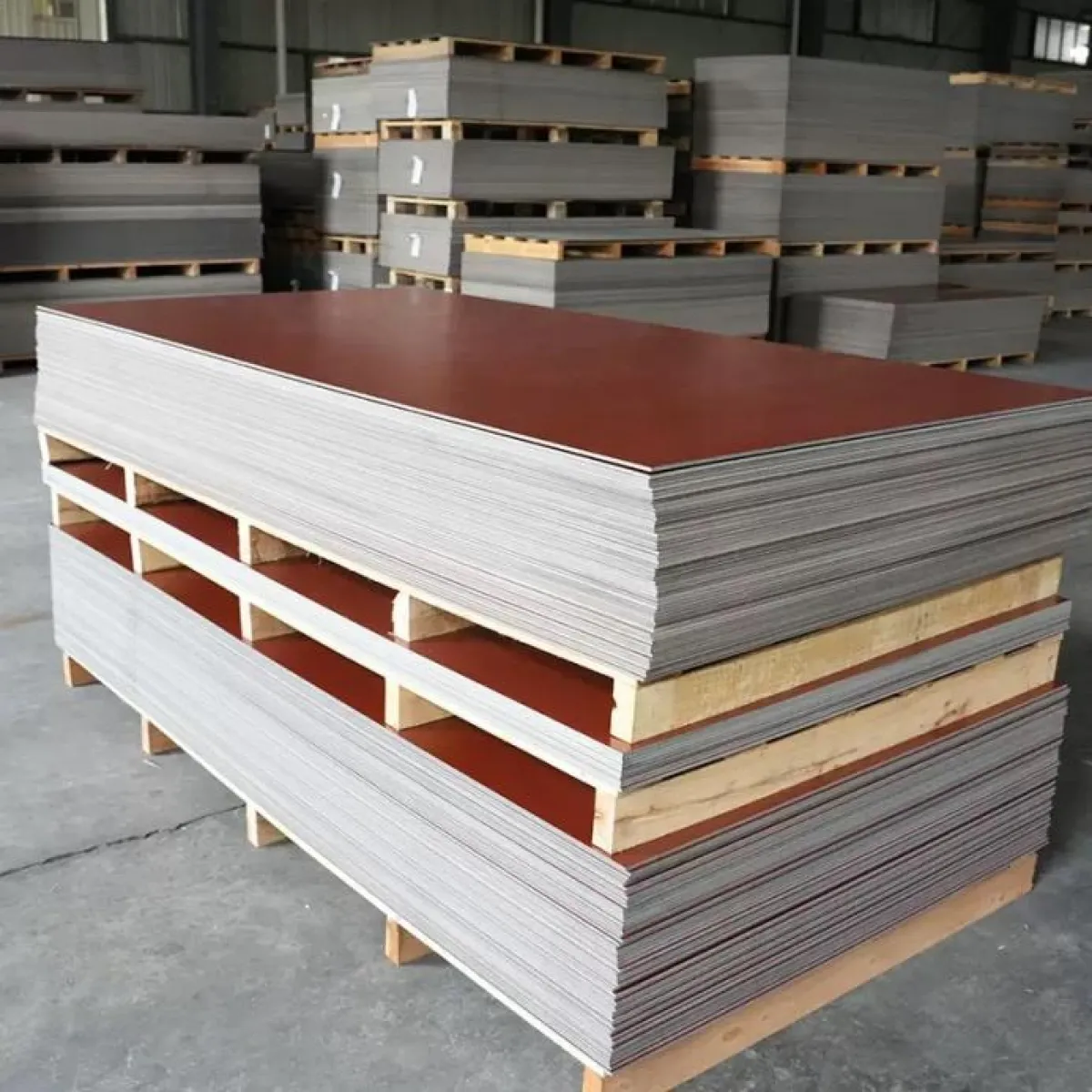
PFCP201 is manufactured using high-quality insulating paper impregnated with phenolic resin. After the raw materials are carefully inspected, the paper is passed through an automat
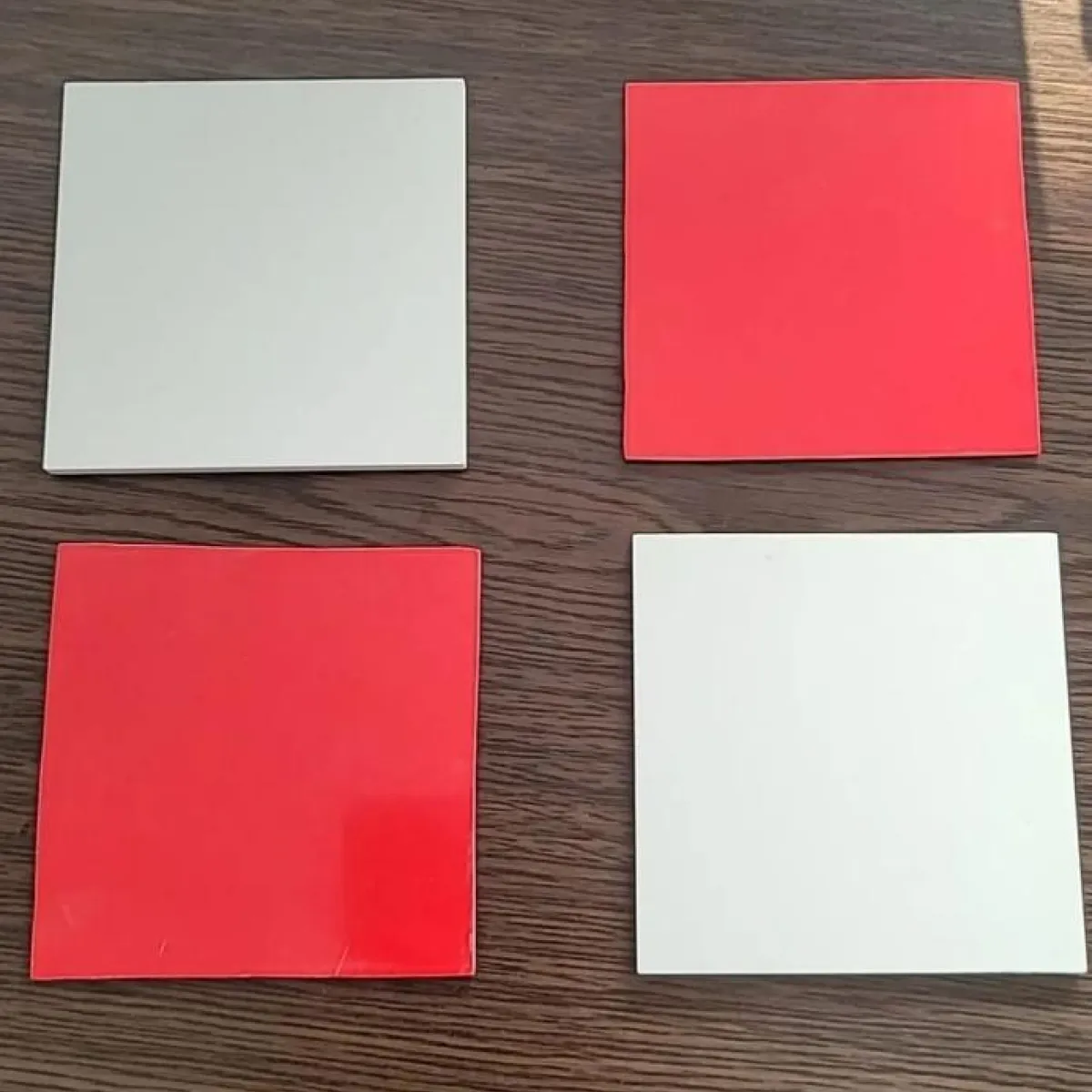
GPO-3 insulation board, also known as UPGM-203, is a rigid electrical insulation material made from alkali-free glass fiber mat impregnated with unsaturated polyester resin and pro
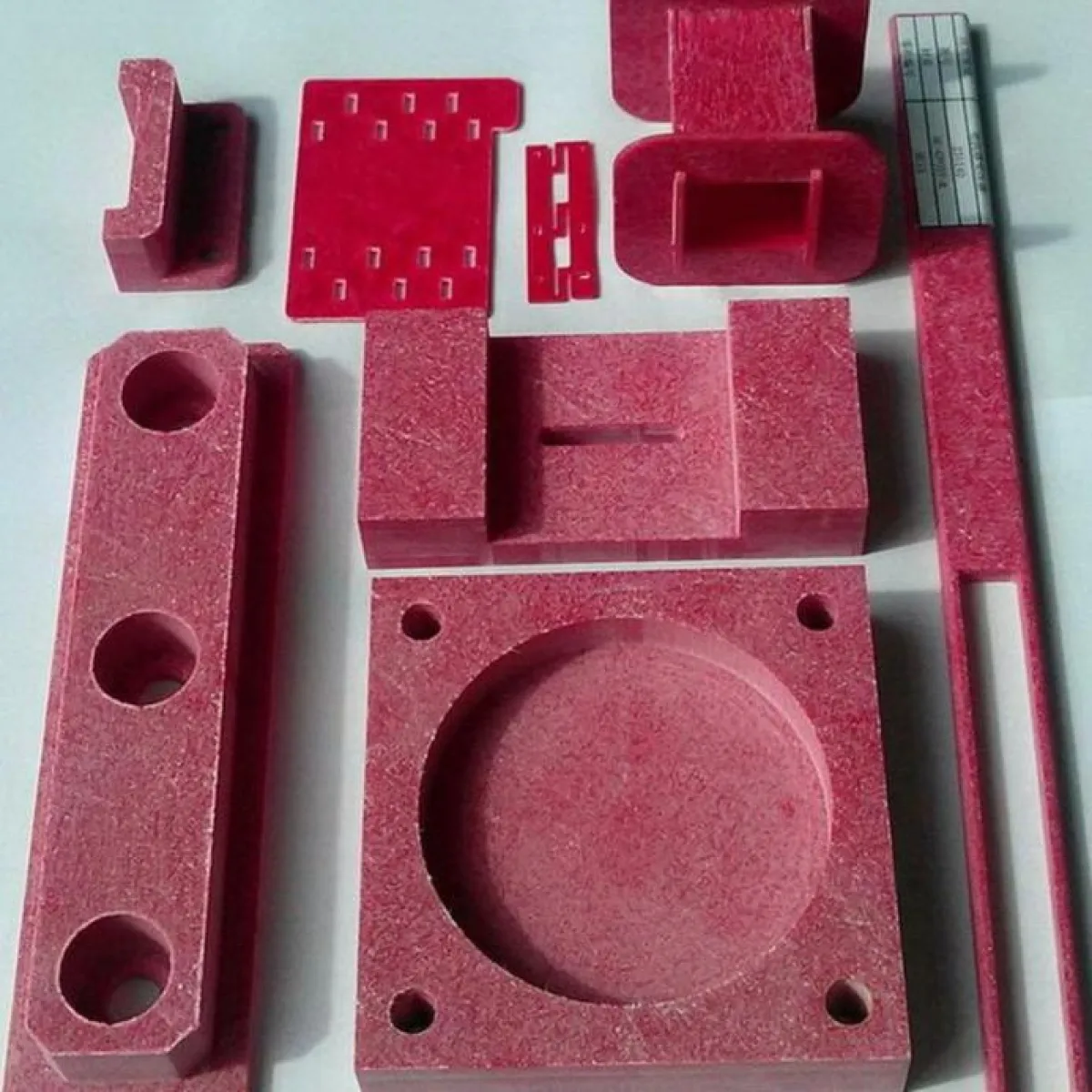
Compared with many conventional insulation materials, GPO-3 offers two particularly important advantages: strong resistance to heat and moisture, and stable electrical insulation p
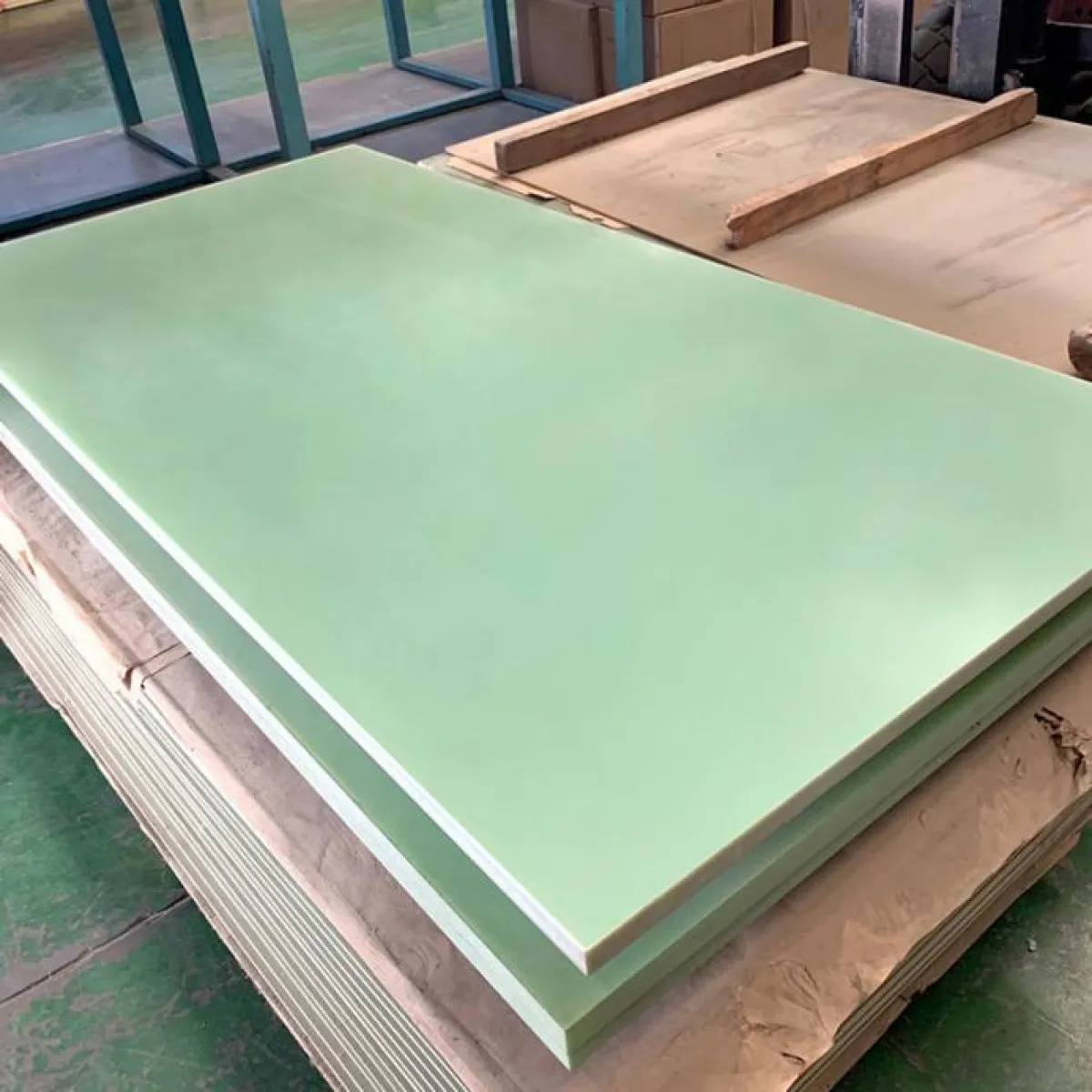
However, selecting a cryogenic insulation material based only on its standard properties may not be enough. In actual service, continuous immersion, concentrated mechanical loads,

Silicone Glass Cloth Sheet (G7) combines silicone resin with glass fiber cloth to provide a balance of high-temperature resistance, electrical insulation, mechanical strength, and
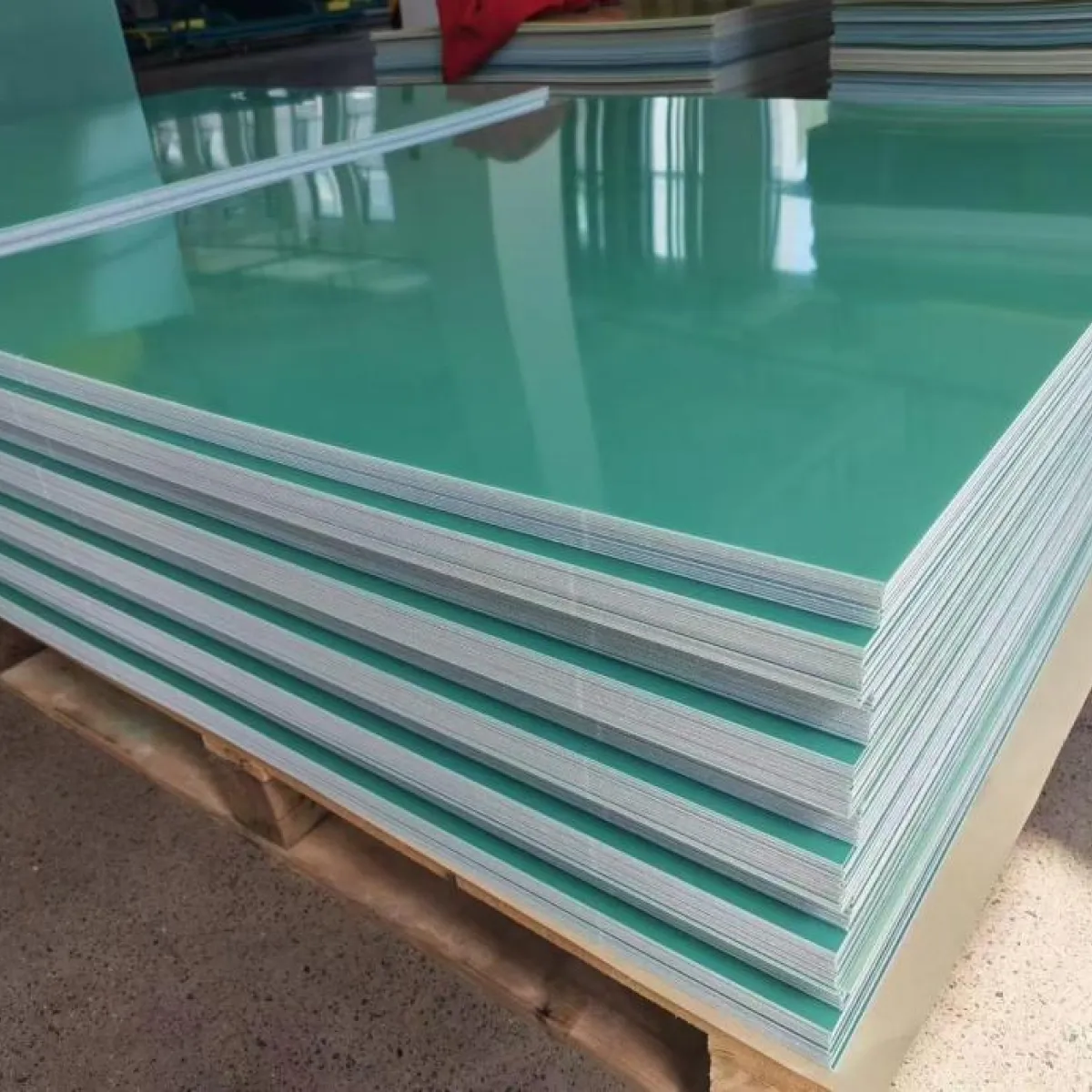
These properties make EPGC308 particularly suitable for electrical equipment operating under high temperature, high humidity and high-voltage conditions.
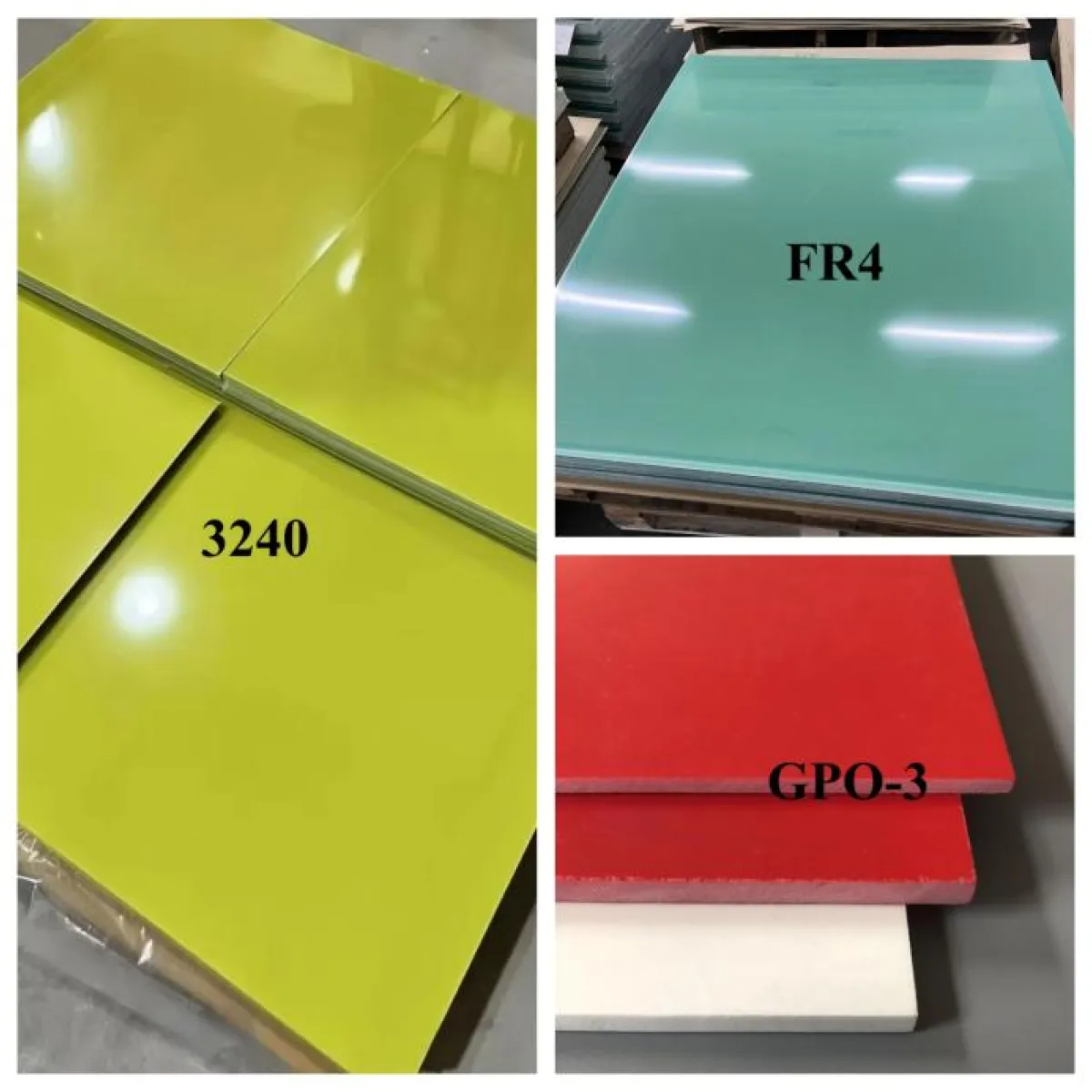
Understanding these differences can help engineers and buyers select the most suitable insulation material for their specific operating conditions.
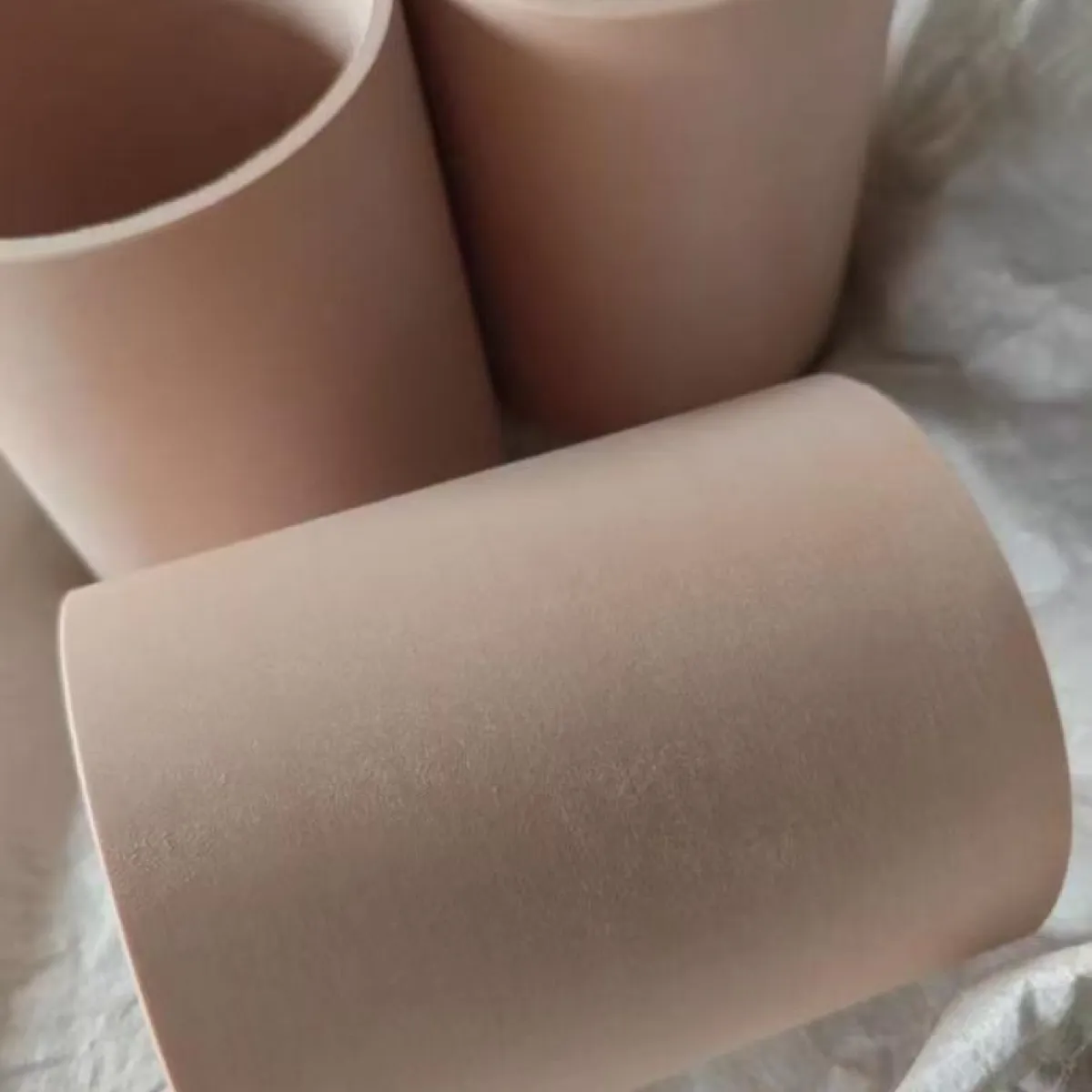
Phenolic Cotton Tube boasts multiple prominent competitive strengths for industrial use. It features extraordinary insulating performance: fully non-conductive, anti-static, and st
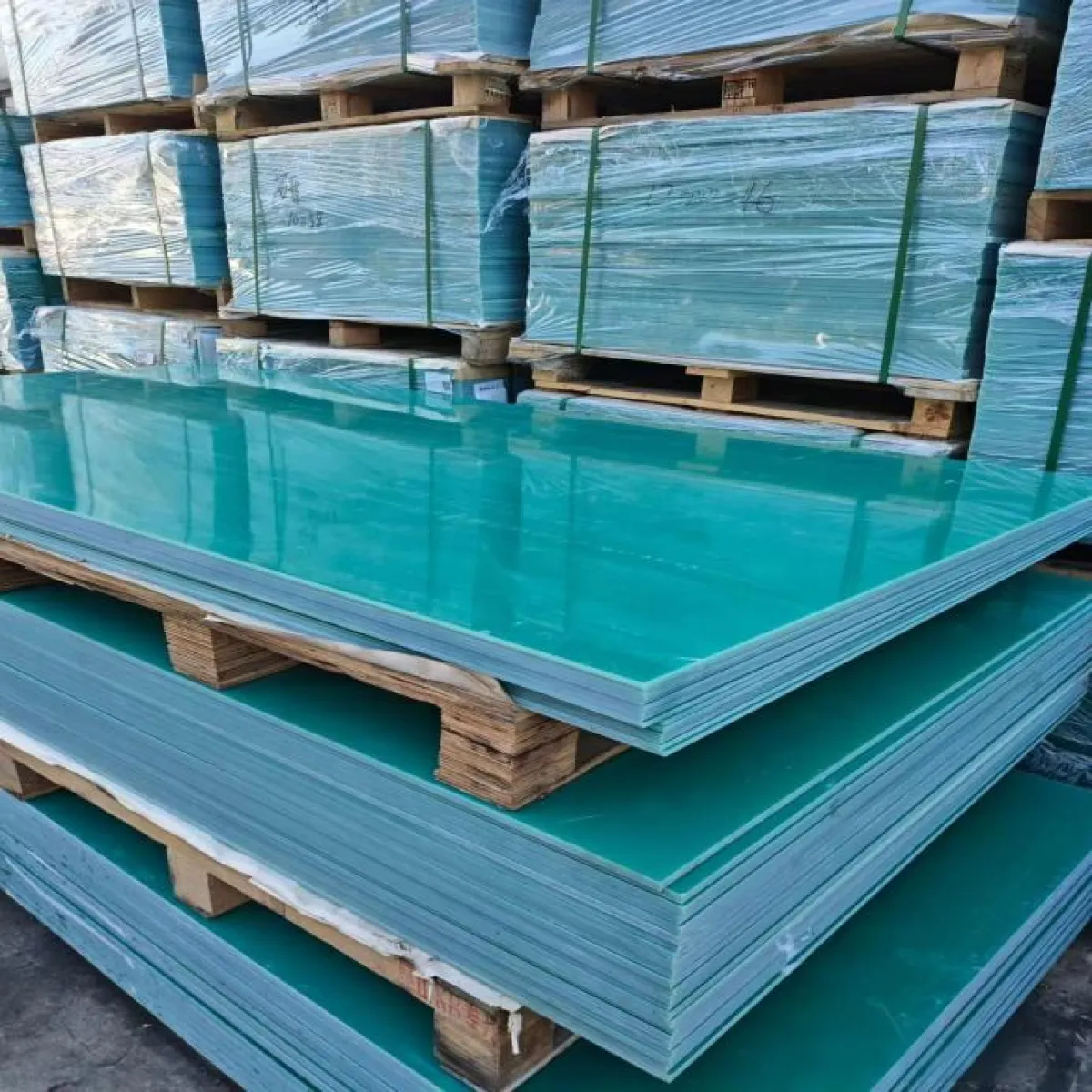
First let us look at its regular uses. In power plants, substations, power distribution rooms and other sites, Insulation Laminated Board is commonly laid on floors to avoid electr
From the perspective of composite materials, Phenolic Cloth Tube is not made of a single substance, but formed by combining thermosetting phenolic resin with reinforcing materials

No.3, Mianzhi Street, Zhucheng, Shandong, China





Copyright © 2026 by Qingdao Yilong Insulation Material Company Limited All Rights Reserved