
YILONG INSULATION provides reliable electrical insulation and engineered composite materials for demanding applications across Electrical Power & Equipment, Rail Transit, New Energy, Automotive & New Energy Vehicles, Electronics & Electrical Engineering, Industrial Equipment & Machinery, Aerospace & Aviation, Oil, Gas & Petrochemical, Construction & Infrastructure, and Medical & Healthcare.
Our product range includes epoxy glass laminates, phenolic cotton laminates, GPO-3, filament-wound tubes and other customized insulation components, designed to meet different requirements for electrical insulation, mechanical strength, thermal resistance, flame retardancy, dimensional stability and corrosion resistance.
With in-house R&D, production and CNC machining capabilities, YILONG can support customers from material selection and customized specifications to precision machining and stable batch supply. Our experience in electrical equipment and rail transit applications helps us provide practical material solutions tailored to each working environment.
YILONG INSULATION — Reliable Materials, Practical Solutions.
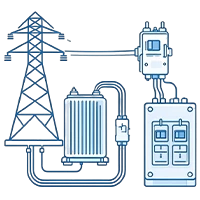
Electrical power equipment requires reliable insulation materials to ensure electrical separation, thermal stability, mechanical strength and long-term operating reliability under demanding service conditions. YILONG INSULATION supplies high-performance epoxy glass laminates, phenolic cotton laminates and other electrical insulation materials for a wide range of power and electrical equipment, including motors and generators, transformers, transmission and distribution systems, switchgear and other electrical equipment. Depending on the specific application and design requirements, these materials can be supplied as insulation sheets or CNC-machined into customized insulation components, such as plates, spacers, washers, supports and other structural parts, according to customer drawings, dimensions and tolerances.
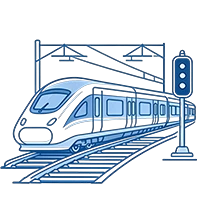
Rail transit systems operate under continuous vibration, temperature fluctuations, moisture and electrical stress, placing high demands on the reliability of electrical insulation and supporting components. In high-speed rail, conventional railway, metro and traction systems, YILONG insulation materials are used in traction motors, transformers, switchgear, power conversion equipment and other onboard electrical assemblies to maintain electrical separation and mechanical stability during operation. Typical components include motor insulation parts, transformer barriers, terminal supports, insulating sleeves and precision-machined structural components. Material selection depends on the specific operating conditions, with key considerations including dielectric strength, flame resistance, mechanical strength, temperature resistance, moisture resistance and dimensional stability.
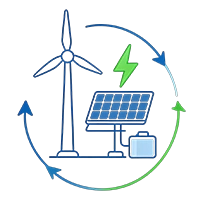
The rapid development of renewable energy is driving the use of advanced electrical equipment in wind power, photovoltaic systems, energy storage and charging infrastructure, where reliable insulation is essential for safe and stable operation. These systems involve power generation, power conversion, energy storage and electrical transmission, creating requirements for materials with electrical insulation, mechanical strength, thermal stability, moisture resistance and dimensional stability. Typical applications include wind turbine generators, PV inverters, combiner boxes, energy storage systems, battery equipment, charging stations, power converters and electrical cabinets, where insulating materials can be used for electrical barriers, insulation supports, busbar insulation components, terminal insulation parts, structural components and other customized machined parts according to the equipment design and operating requirements.
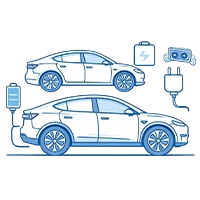
The electrification of modern vehicles has introduced increasingly complex high-voltage systems, electric drive units and power electronics, creating demanding requirements for electrical insulation and component reliability. In electric vehicles, EV motors, automotive electronics and charging systems, YILONG insulation materials help maintain electrical isolation while withstanding vibration, heat, mechanical stress and continuous electrical operation. Typical applications include motor insulation components, inverter and power-electronics insulation, battery system components, busbar insulation, electrical barriers and charging equipment components, with materials available for precision machining to meet specific dimensional, mechanical and electrical requirements.
Modern electronic and electrical systems require materials with reliable electrical insulation, dimensional stability, precision and consistent performance within increasingly compact and integrated equipment. In consumer electronics, computers, communication systems, industrial control equipment and PCB-related applications, YILONG insulating materials can be used for electrical isolation, component mounting, circuit protection and structural support. Depending on the equipment design, typical applications include PCB support components, insulating barriers, terminal insulation parts, connector components, mounting components and other precision-machined parts, with material selection and dimensional tolerances tailored to the specific electrical and mechanical requirements.Consumer Electronics
Industrial equipment and machinery often operate under continuous mechanical loads, vibration, friction, temperature changes and demanding environmental conditions, requiring materials that can provide mechanical strength, dimensional stability and reliable electrical insulation where needed. In heavy industry, industrial machinery, pumps, compressors, motors and mechanical equipment, engineered insulation materials can be used in drive systems, rotating equipment, electrical assemblies and structural components to provide electrical isolation, mechanical support and wear resistance. Depending on the equipment and operating conditions, typical applications include bushings, sleeves, wear-resistant components, insulation barriers, support components and other precision-machined parts, with material selection and machining tolerances tailored to the specific equipment design.

Aerospace and aviation systems demand materials that combine low weight, electrical insulation, mechanical strength, thermal stability and dimensional precision while maintaining reliable performance under vibration, temperature changes and other demanding operating conditions. In aircraft, aerospace equipment, avionics and electrical systems, insulating composite materials can support electrical isolation, component mounting and structural reinforcement in critical assemblies. Depending on the equipment and design requirements, typical applications include terminal insulation components, electrical barriers, structural supports, connector components, insulating sleeves and precision-machined parts, with material selection based on the required electrical, mechanical, thermal and dimensional performance.
Oil, gas and petrochemical equipment operates in demanding environments involving high temperatures, pressure, chemicals, moisture and continuous mechanical loads. Insulation and engineered composite materials are used to provide electrical isolation, mechanical support, wear resistance and dimensional stability in equipment such as pumps, compressors, motors, valves, electrical systems and pipeline-related equipment. Depending on the application, these materials can be used for bushings, sleeves, wear-resistant components, insulation barriers, support parts and other precision-machined components, with material selection based on the required electrical, mechanical, thermal and chemical resistance.

Construction and infrastructure projects require durable materials for electrical systems, structural assemblies and engineering installations exposed to moisture, weather, temperature variations and long-term environmental conditions. In building construction, municipal engineering and infrastructure projects, electrical insulation materials are used in applications such as building power systems, electrical enclosures, control installations, lighting equipment, transportation infrastructure and utility facilities. Their role may include electrical isolation, protection of electrical connections, component mounting and structural support in installations where reliability and dimensional stability are important. For outdoor and demanding environments, material selection may consider moisture resistance, mechanical strength, thermal stability, electrical insulation and resistance to environmental exposure. Customized insulation and structural components can also be CNC machined to meet specific drawings and installation requirements.

Medical and laboratory equipment requires reliable materials that can maintain dimensional stability and electrical insulation while operating in controlled but demanding environments. In medical equipment, healthcare systems and laboratory instruments, insulating materials may be used in diagnostic devices, analytical instruments, imaging equipment, electronic control systems and other assemblies where electrical isolation and precise component positioning are required. Depending on the equipment design, applications can include electrical insulation parts, mounting components, terminal supports, protective barriers and precision-machined components. Material selection may consider dielectric strength, mechanical strength, dimensional stability, thermal resistance, moisture resistance and clean, consistent material performance. For specialized equipment, insulation components can be CNC machined according to customer drawings and tight dimensional requirements.

No.3, Mianzhi Street, Zhucheng, Shandong, China


Copyright © 2026 by Qingdao Yilong Insulation Material Company Limited All Rights Reserved


