
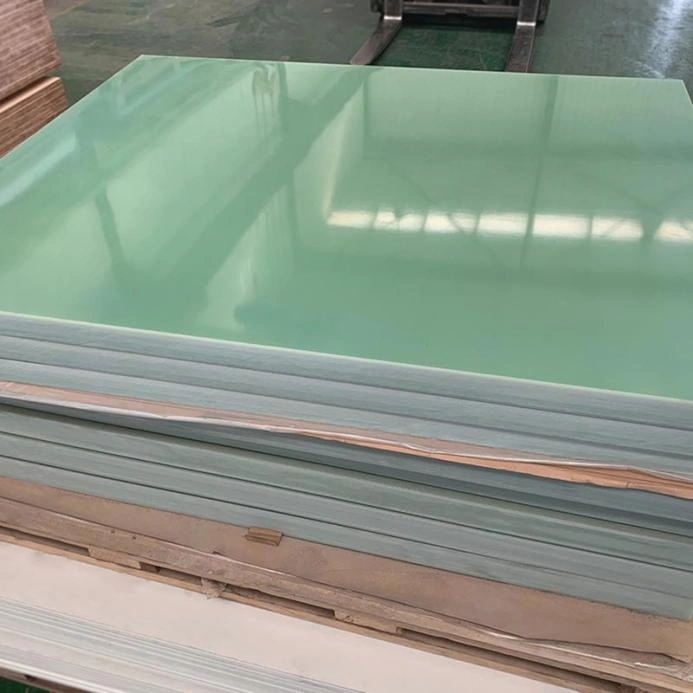
Epoxy Sheets, fiberglass sheets, and FR4 sheets are essential materials in various industries due to their unique properties and applications. Each material has distinct advantages, making them suitable for different uses in electronics, aerospace, construction, and other sectors. Understanding the differences between them is key to selecting the right material for a given application. This article provides a clear breakdown of these materials, focusing on their composition, mechanical properties, thermal characteristics, and applications.
1. Composition and Manufacturing Process
Epoxy Sheets
Epoxy Sheets are primarily made from epoxy resin, which is a thermosetting polymer. These sheets are created by mixing epoxy resin with hardening agents and curing the mixture under controlled conditions. The resulting material has a cross-linked molecular structure, giving it exceptional chemical resistance, electrical insulation properties, and dimensional stability. Epoxy Sheets can be customized to offer different characteristics, such as impact resistance and flexibility.
Fiberglass Sheets
Fiberglass sheets are made by embedding glass fibers within a polymer matrix, typically polyester or vinyl ester resin. The glass fibers are either woven or arranged in specific patterns, which are then impregnated with resin and cured. This structure provides fiberglass sheets with high tensile strength and excellent durability, while the polymer matrix ensures moldability. The material is light yet strong, offering a high strength-to-weight ratio.
FR4 Sheets
FR4 sheets are a specific type of fiberglass-reinforced epoxy laminate. They are made by layering fiberglass cloth with epoxy resin that contains flame-retardant compounds. This material is pressed and cured at high temperatures, resulting in a sheet that offers a combination of electrical insulation, mechanical strength, and fire resistance. The "FR" in FR4 stands for "Flame Retardant," and the number "4" indicates a particular formulation that meets strict fire safety standards.
2. Mechanical and Physical Properties
Strength and Durability
Epoxy Sheets: Known for their excellent chemical resistance and dimensional stability, Epoxy Sheets are often used in applications requiring long-lasting performance. They are ideal for precise and durable applications.
Fiberglass Sheets: These sheets are highly resistant to impact and have excellent tensile strength due to the glass fibers embedded within them. They are often chosen for their lightweight yet durable nature.
FR4 Sheets: Combining the strengths of both epoxy and fiberglass, FR4 sheets offer high mechanical strength, making them suitable for applications where both durability and electrical insulation are critical.
Thermal Characteristics
Epoxy Sheets: While Epoxy Sheets offer good thermal stability, they can have limitations at high temperatures, making them unsuitable for extreme environments.
Fiberglass Sheets: These sheets offer superior thermal insulation properties, which makes them ideal for applications that require heat management.
FR4 Sheets: Designed to maintain stability across varying temperature conditions, FR4 sheets are widely used in electronics and electrical systems where thermal resistance is essential.
3. Electrical Insulation Properties
Epoxy Sheets
Epoxy Sheets are highly valued for their excellent dielectric properties, making them ideal for electrical insulation in devices. They are commonly used in applications such as insulators and protective coatings for electrical components.
Fiberglass Sheets
While not primarily designed for electrical insulation, fiberglass sheets still provide some degree of electrical resistance. They are used in applications where both structural integrity and electrical insulation are necessary, though not as efficiently as epoxy-based materials.
FR4 Sheets
FR4 sheets are specifically engineered for electronic applications and provide superior dielectric strength and low signal loss. This makes them the go-to material for printed circuit boards (PCBs), where reliable electrical insulation is essential.
4. Applications and Industry-Specific Uses
l Aerospace and Automotive Industries.
In these industries, material selection impacts both performance and safety.
Epoxy Sheets: Used in structural components and protective coatings, Epoxy Sheets offer chemical resistance and durability.
Fiberglass Sheets: Popular for interior components, body panels, and composite structures, fiberglass sheets are favored for their strength-to-weight ratio.
FR4 Sheets: Crucial in avionics and electronic systems, FR4 sheets provide the flame-retardant properties required for safety-critical applications.
l Electronics and Electrical Engineering
The electronics industry relies heavily on these materials for various components:
Epoxy Sheets: Used for insulators, encapsulants, and protective coatings in electronic devices.
Fiberglass Sheets: Often used as reinforcing materials in circuit boards and electronic housings.
FR4 Sheets: Dominates the PCB industry, where high electrical insulation, mechanical strength, and flame resistance are paramount.
l Construction and Industrial Applications
Each of these materials serves distinct purposes in construction and industrial settings:
Epoxy Sheets: Utilized for flooring systems, protective linings, and structural repairs due to their durability and resistance to chemicals.
Fiberglass Sheets: Ideal for roofing, wall panels, and tank linings because of their corrosion resistance and light weight.
FR4 Sheets: Though less common in general construction, FR4 sheets are used in electrical panels and industrial control systems where fire safety is critical.
Conclusion
The differences between Epoxy Sheets, fiberglass sheets, and FR4 sheets lie in their composition, mechanical properties, and specific applications. Epoxy Sheets are known for their chemical resistance and electrical insulation, making them ideal for precise and durable applications. Fiberglass sheets offer high strength-to-weight ratios and excellent thermal insulation, which is crucial in industries like aerospace and construction. FR4 sheets, combining the strengths of both epoxy and fiberglass, are particularly suited for electronics, offering superior flame-retardant, mechanical, and electrical properties.
By understanding the distinct characteristics of each material, engineers and designers can make informed decisions to select the most suitable option for their specific needs. For more information about insulating sheets and to discuss which material would work best for your project, feel free to contact YILONG at yilong@yilonginsulation.com. Our team, with over 20 years of experience, is ready to assist you in choosing the best solution for your application.
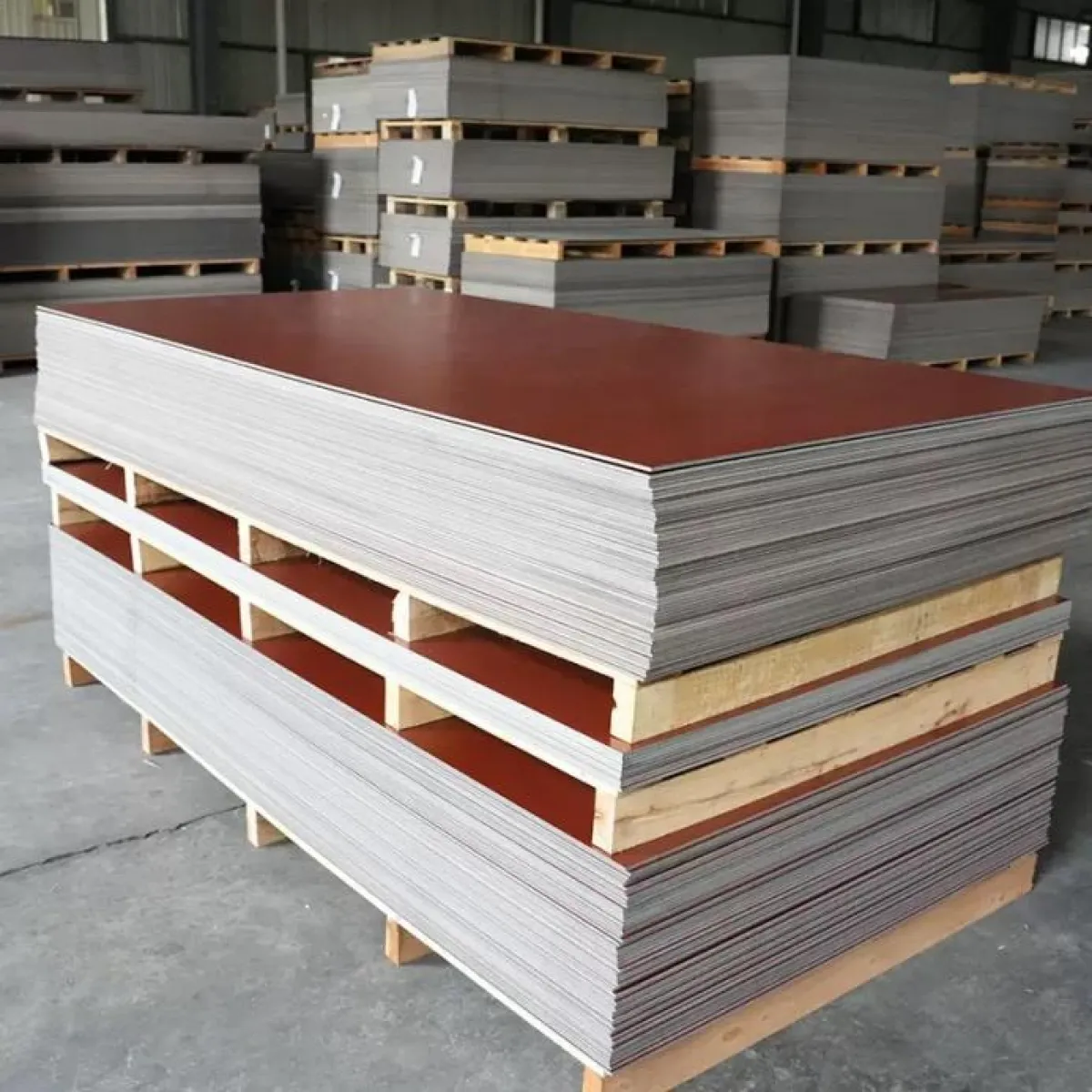
PFCP201 is manufactured using high-quality insulating paper impregnated with phenolic resin. After the raw materials are carefully inspected, the paper is passed through an automat
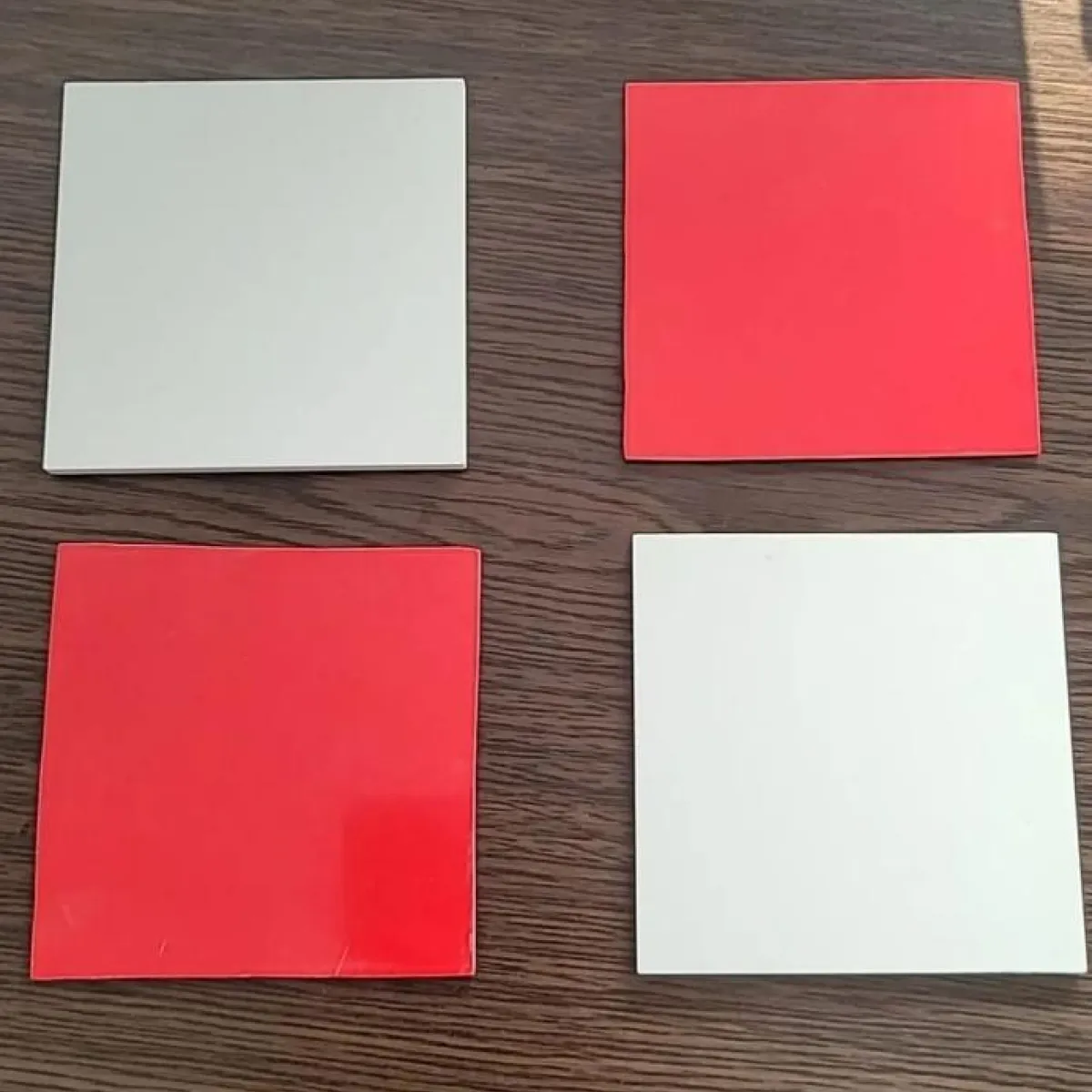
GPO-3 insulation board, also known as UPGM-203, is a rigid electrical insulation material made from alkali-free glass fiber mat impregnated with unsaturated polyester resin and pro
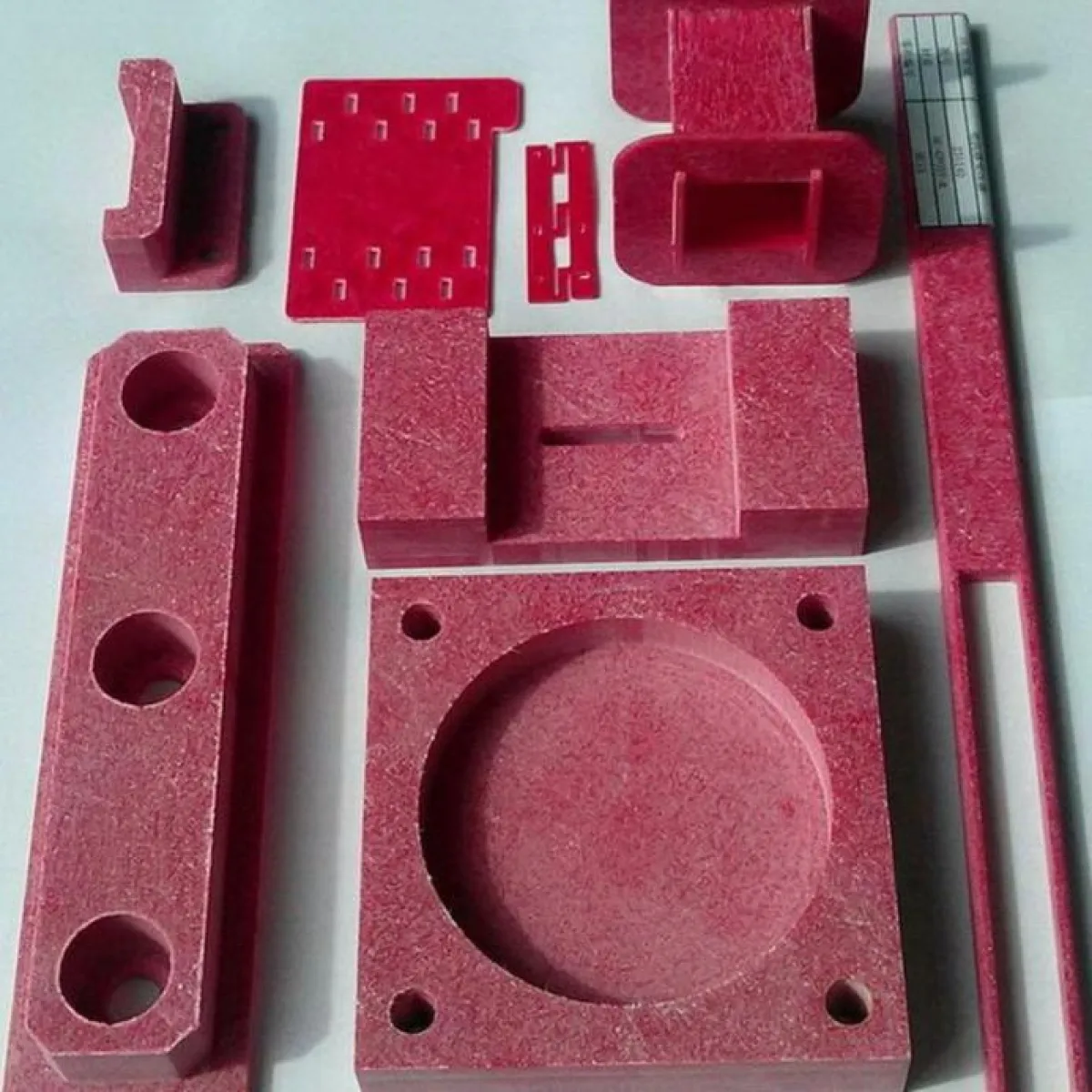
Compared with many conventional insulation materials, GPO-3 offers two particularly important advantages: strong resistance to heat and moisture, and stable electrical insulation p
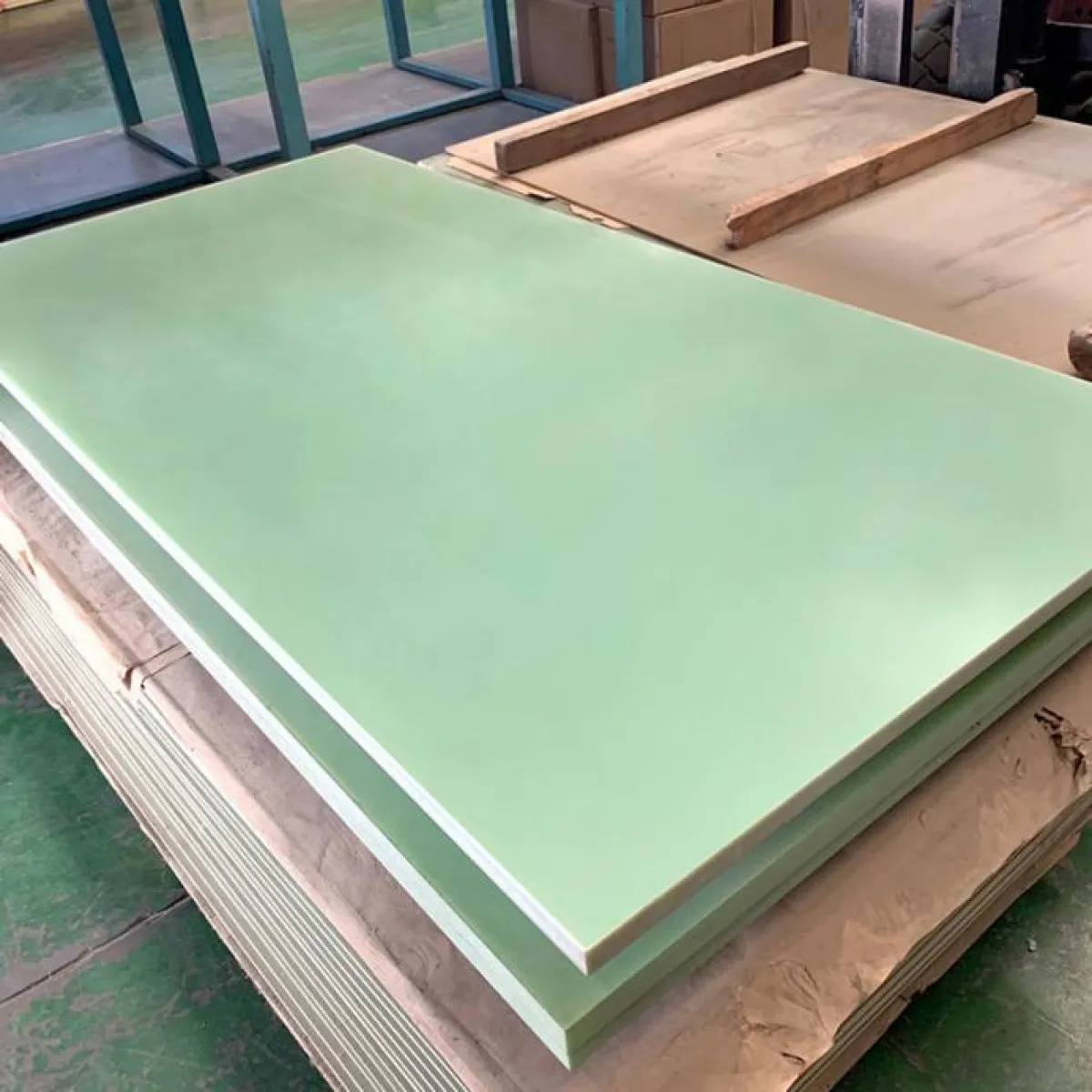
However, selecting a cryogenic insulation material based only on its standard properties may not be enough. In actual service, continuous immersion, concentrated mechanical loads,

Silicone Glass Cloth Sheet (G7) combines silicone resin with glass fiber cloth to provide a balance of high-temperature resistance, electrical insulation, mechanical strength, and
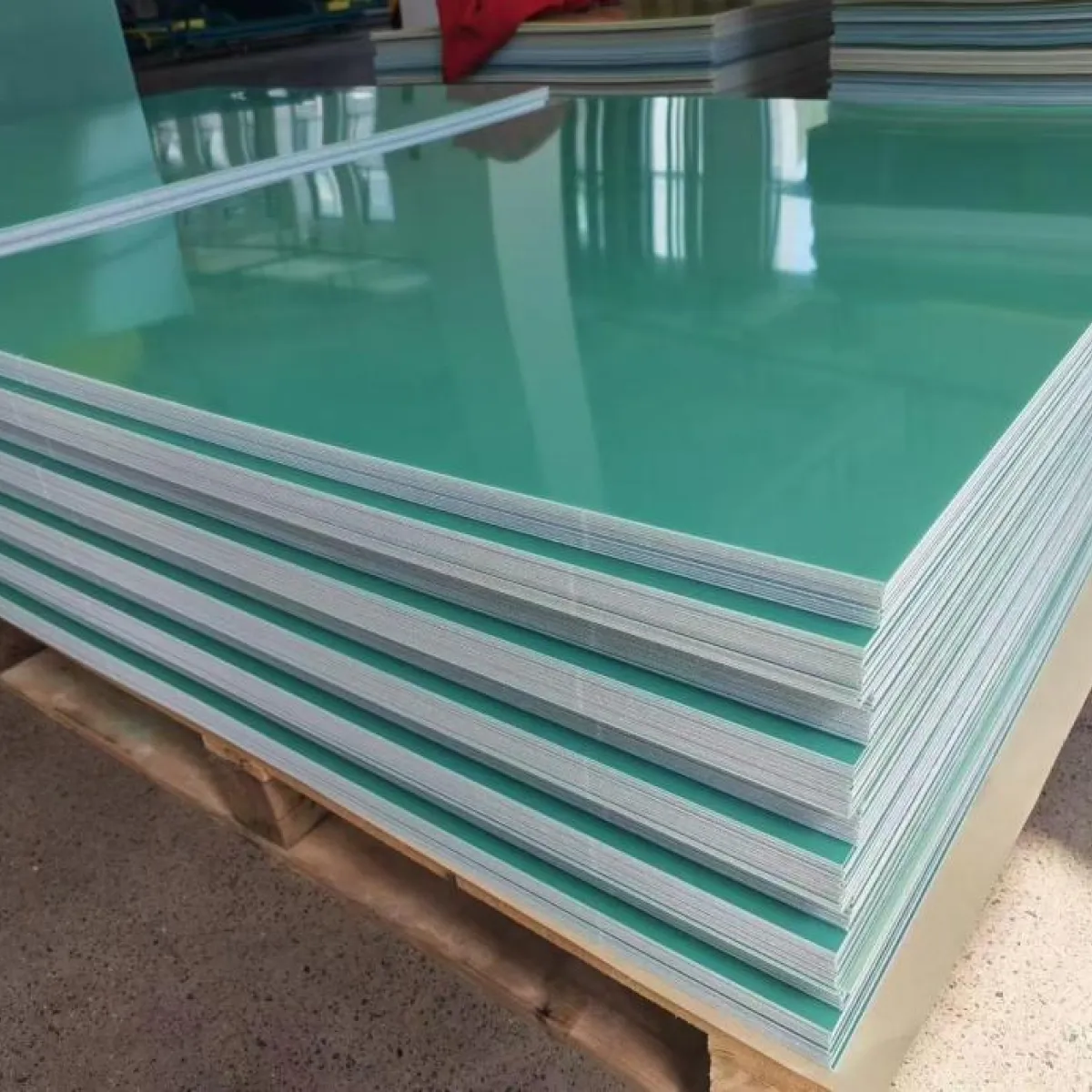
These properties make EPGC308 particularly suitable for electrical equipment operating under high temperature, high humidity and high-voltage conditions.
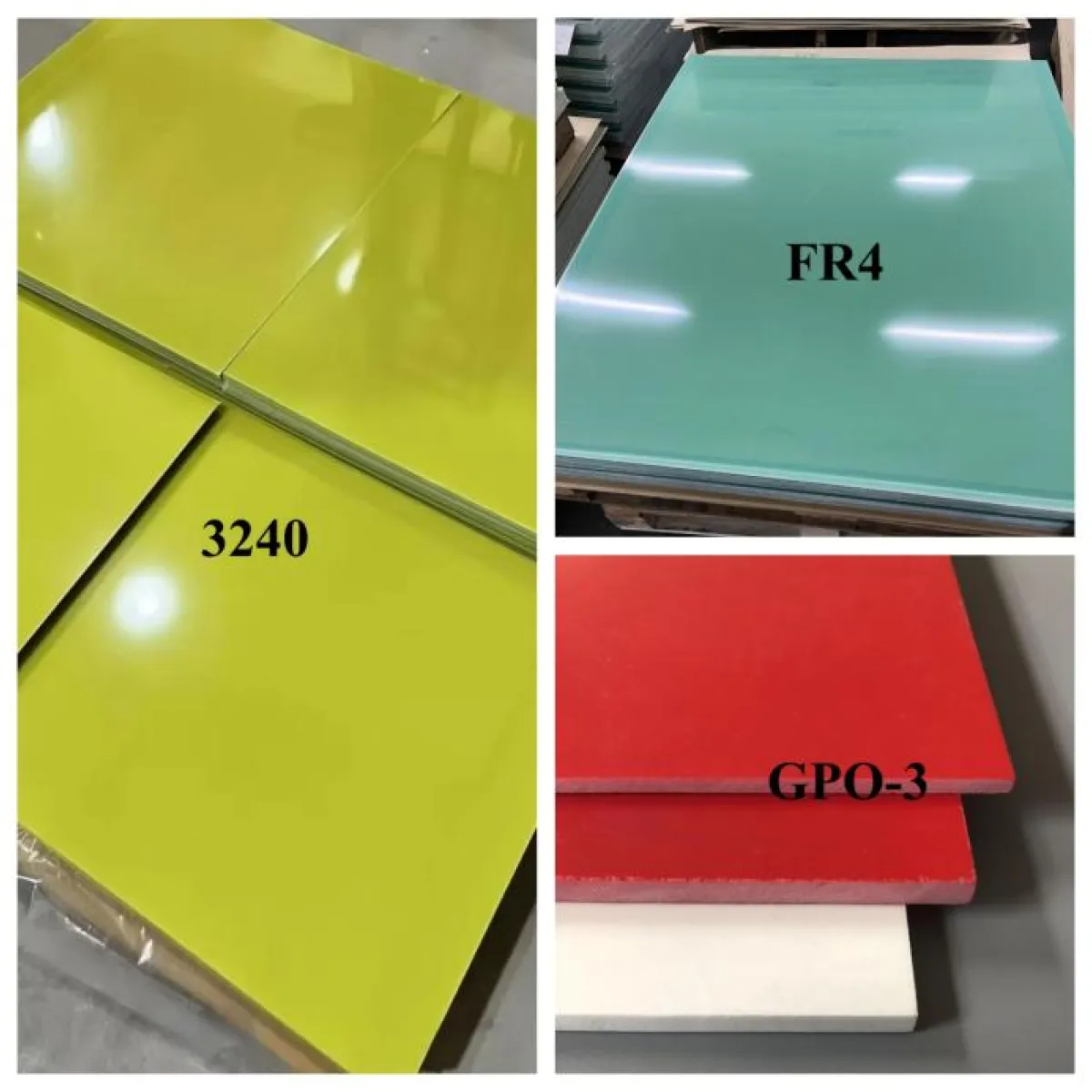
Understanding these differences can help engineers and buyers select the most suitable insulation material for their specific operating conditions.
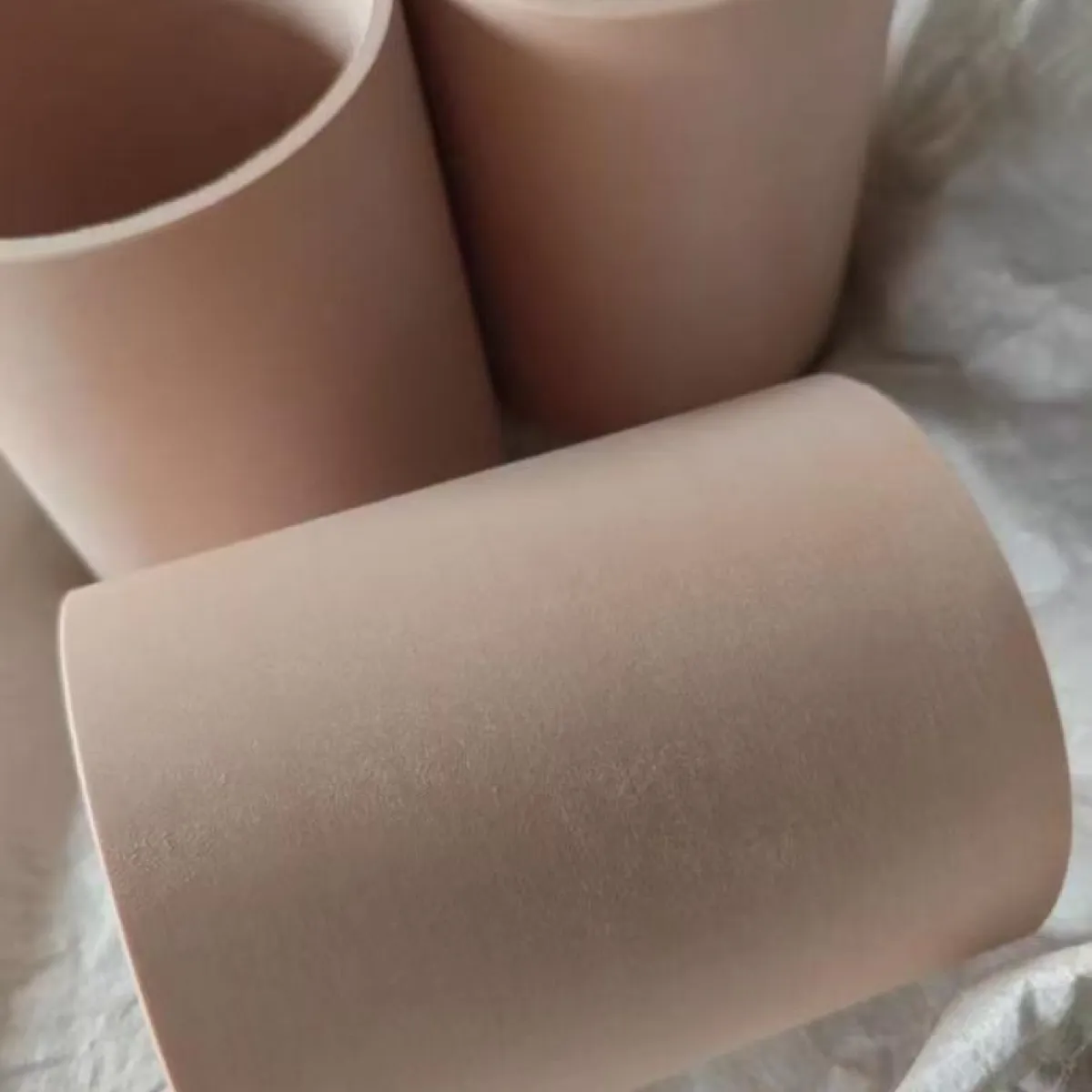
Phenolic Cotton Tube boasts multiple prominent competitive strengths for industrial use. It features extraordinary insulating performance: fully non-conductive, anti-static, and st
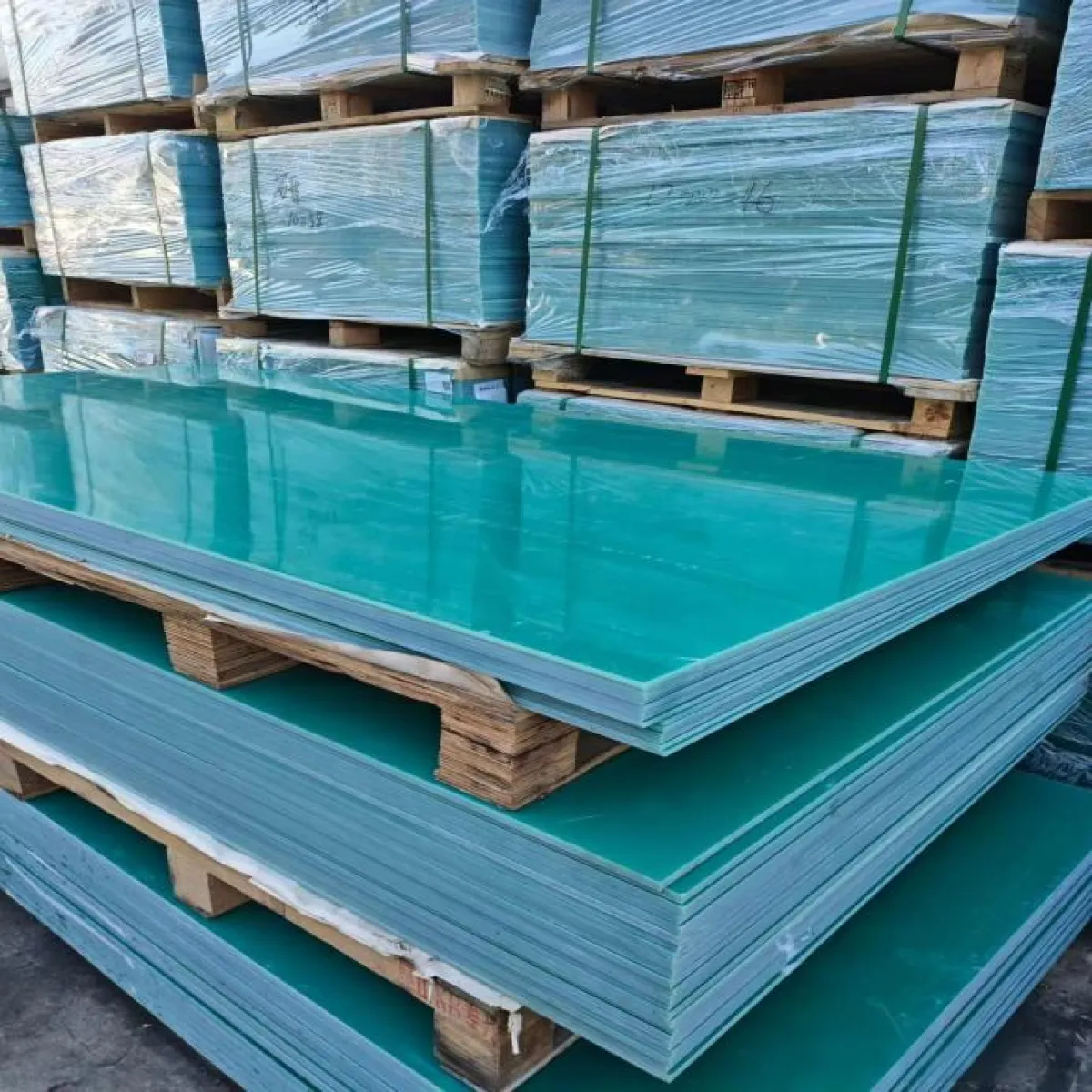
First let us look at its regular uses. In power plants, substations, power distribution rooms and other sites, Insulation Laminated Board is commonly laid on floors to avoid electr
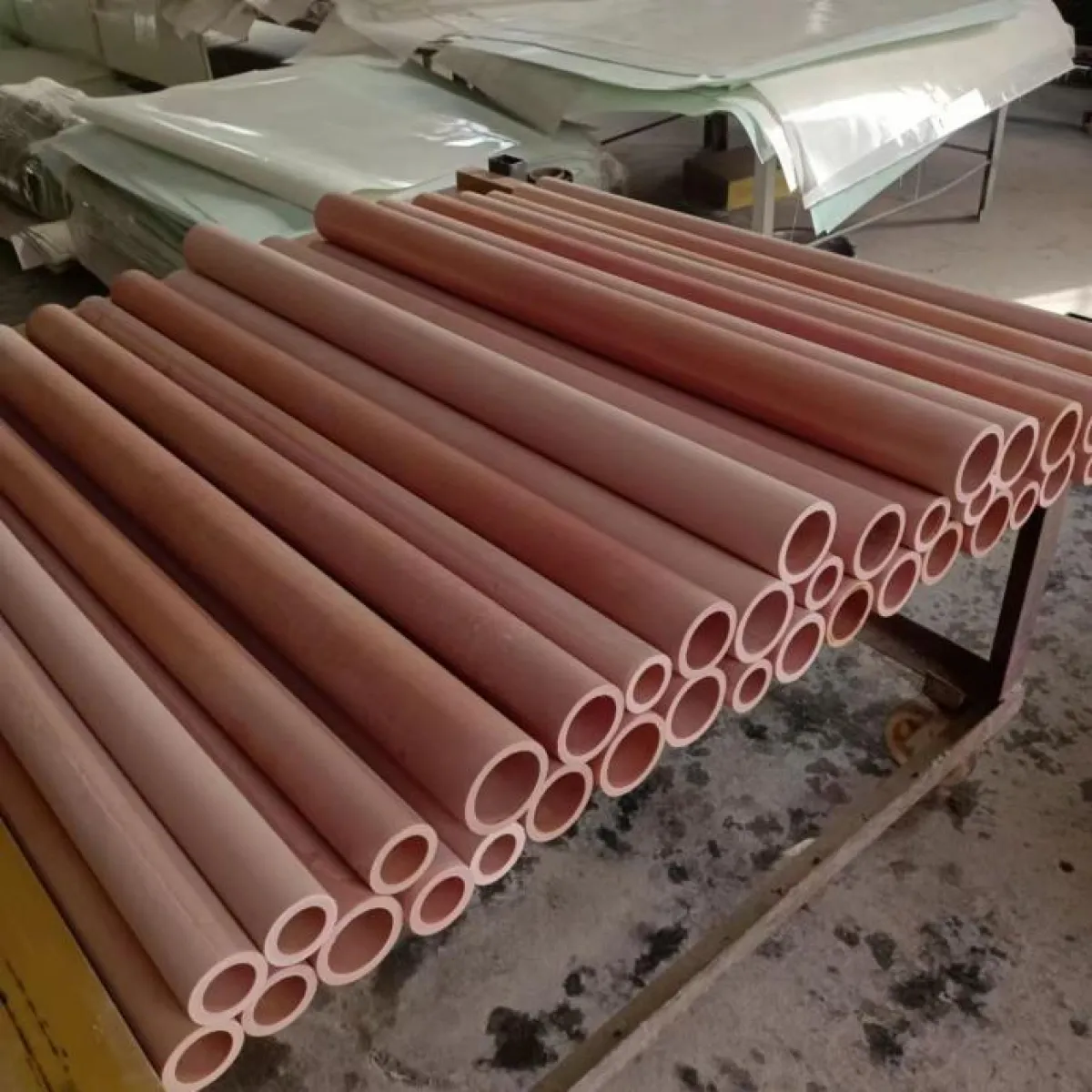
From the perspective of composite materials, Phenolic Cloth Tube is not made of a single substance, but formed by combining thermosetting phenolic resin with reinforcing materials

No.3, Mianzhi Street, Zhucheng, Shandong, China





Copyright © 2026 by Qingdao Yilong Insulation Material Company Limited All Rights Reserved