
Epoxy Fiberglass Tubes and Rods are essential insulating components used in electrical equipment, transformers, motors, composite structures, and high-strength mechanical assemblies. Their superior mechanical strength, dielectric performance, and moisture resistance make them indispensable in modern industrial applications. As a specialist in advanced insulating materials, YILONG ensures each tube and rod is manufactured through a strict and highly controlled production process. Understanding this process also helps customers evaluate product quality and choose reliable suppliers.
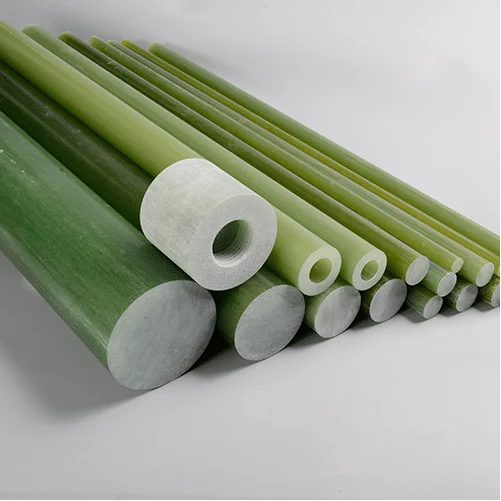
1. Raw Material Selection and Resin Preparation
Production starts with high-quality raw materials. The reinforcement typically consists of E-glass fiber cloth, roving, or yarn, selected for excellent tensile strength and dimensional stability. The matrix system is a specially formulated epoxy resin blended with curing agents, accelerators, and additives to enhance heat resistance, electrical insulation, and bonding strength. At YILONG, resin formulations are optimized to achieve stable viscosity and uniform wet-out throughout the winding or pultrusion process.
2. Fiberglass Pre-Treatment
Before processing, fiberglass materials must be dried and treated to remove moisture and impurities. This step ensures better resin penetration and prevents voids or delamination. Fibers may be arranged into continuous rovings, woven fabrics, or prepreg formats depending on the tube or rod design. Proper pre-treatment is critical for achieving high dielectric strength and consistent mechanical properties.
3. Filament Winding or Pultrusion Forming
Epoxy Fiberglass Tubes are typically produced using filament winding, while rods are commonly made through pultrusion.
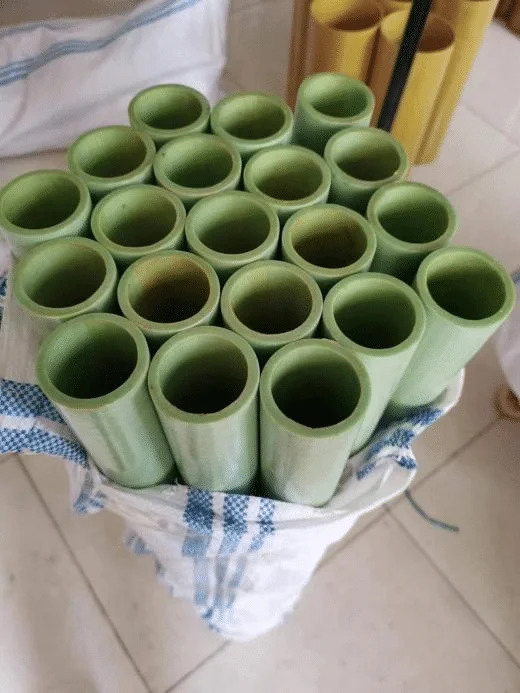
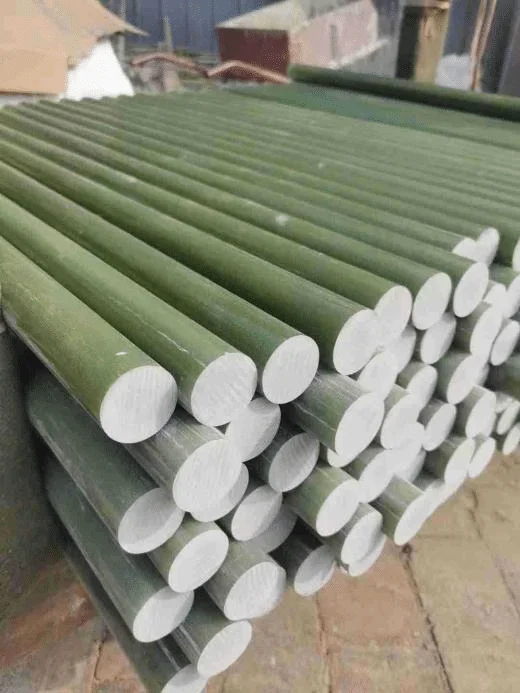
During filament winding, resin-coated fiberglass fibers are precisely wound onto a rotating mandrel in controlled angles such as hoop, helical, or cross-patterns. This technique provides excellent structural strength and ensures even wall thickness. For rods, the pultrusion process continuously pulls glass fibers through a resin bath and into a heated die, forming a smooth and uniform profile. YILONG uses advanced forming equipment to maintain stable tension, accurate alignment, and high repeatability.
4. Heat Curing and Solidification
After forming, the impregnated fiberglass composite undergoes a high-temperature curing cycle. Controlled heating activates the resin system, allowing cross-linking to occur and forming a rigid, thermoset structure. The curing schedule—including temperature ramp-up, soaking, and post-curing—directly affects final performance. Proper solidification ensures Epoxy Fiberglass Tubes and Rods achieve required levels of heat resistance, mechanical strength, and electrical insulation.
5. Mandrel Removal and Dimensional Finishing
Once fully cured, tubes are removed from the mandrel and trimmed to the required length. Outer and inner surfaces may undergo grinding or polishing to achieve precise tolerances and smooth finishes. For pultruded rods, final calibration and surface treatment ensure uniform diameter and excellent straightness. YILONG maintains strict dimensional inspection standards to guarantee compatibility with customers’ assembly requirements.
6. Quality Testing and Final Inspection
Before shipment, every batch goes through mechanical, electrical, and thermal property testing. Typical evaluations include flexural strength, dielectric strength, insulation resistance, water absorption, density, and heat deflection temperature. Visual inspection is also performed to ensure products are free from bubbles, cracks, or delamination. Only qualified Epoxy Fiberglass Tubes and Rods are packed and delivered to end users.
Conclusion
The production process of Epoxy Fiberglass Tubes and Rods requires precision, advanced equipment, and strict quality control. Through optimized resin systems, controlled forming technologies, and comprehensive testing, YILONG delivers stable, high-performance insulating components widely used across electrical, mechanical, and composite industries. Understanding the manufacturing steps also helps customers recognize the importance of choosing a trustworthy supplier with proven expertise and consistent quality.
For more details, please contact YILONG yilong@yilonginsulation.com at any time.
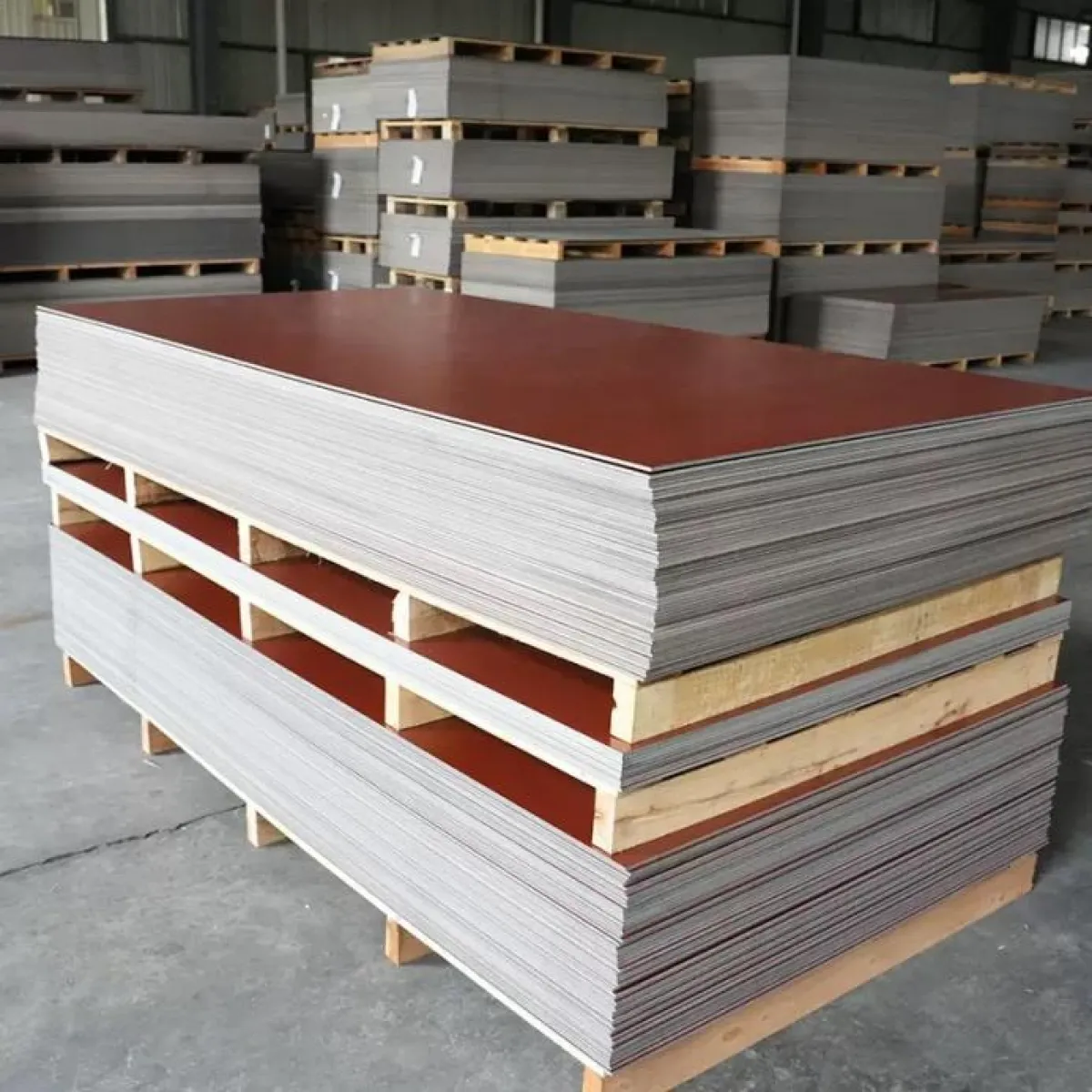
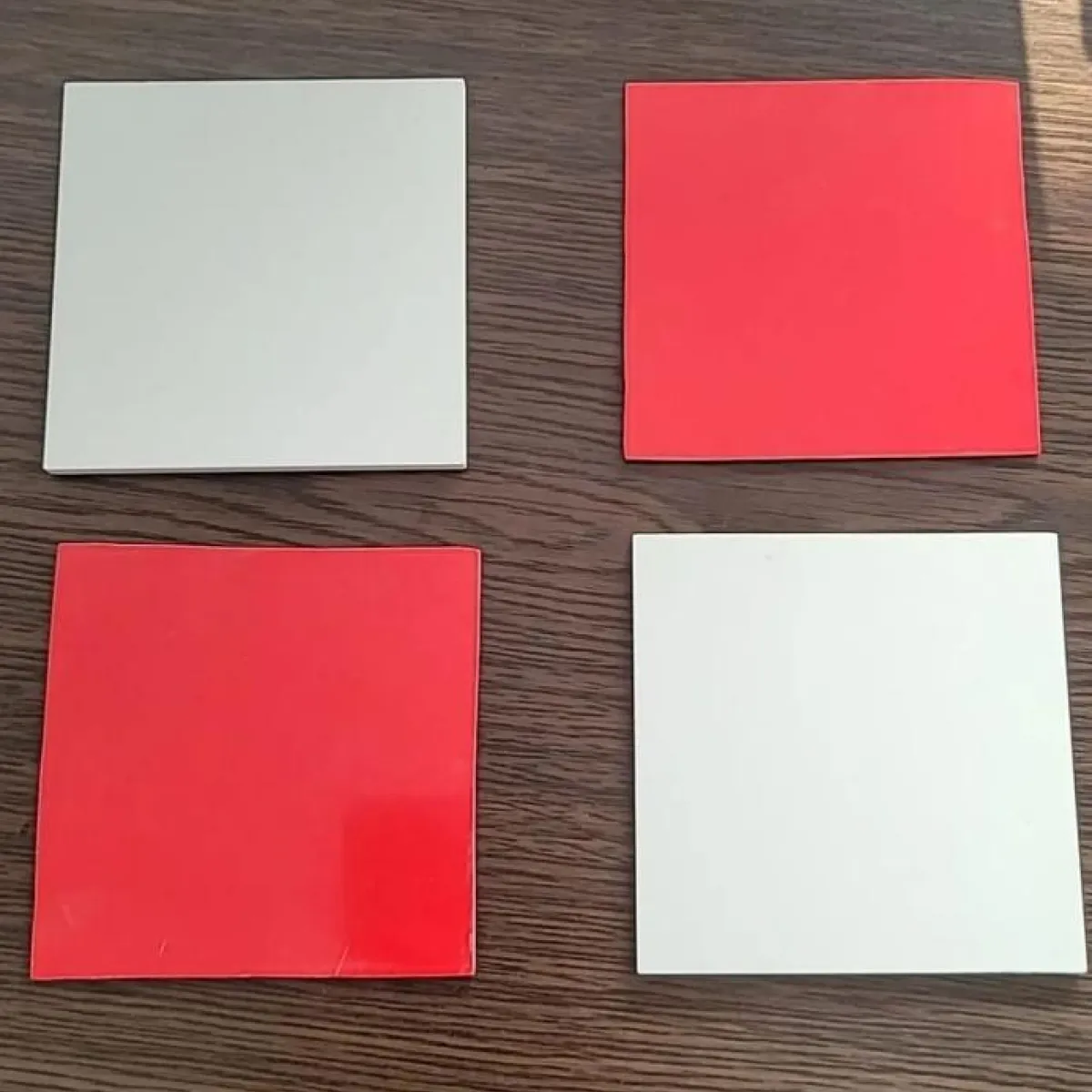
PFCP201 is manufactured using high-quality insulating paper impregnated with phenolic resin. After the raw materials are carefully inspected, the paper is passed through an automat
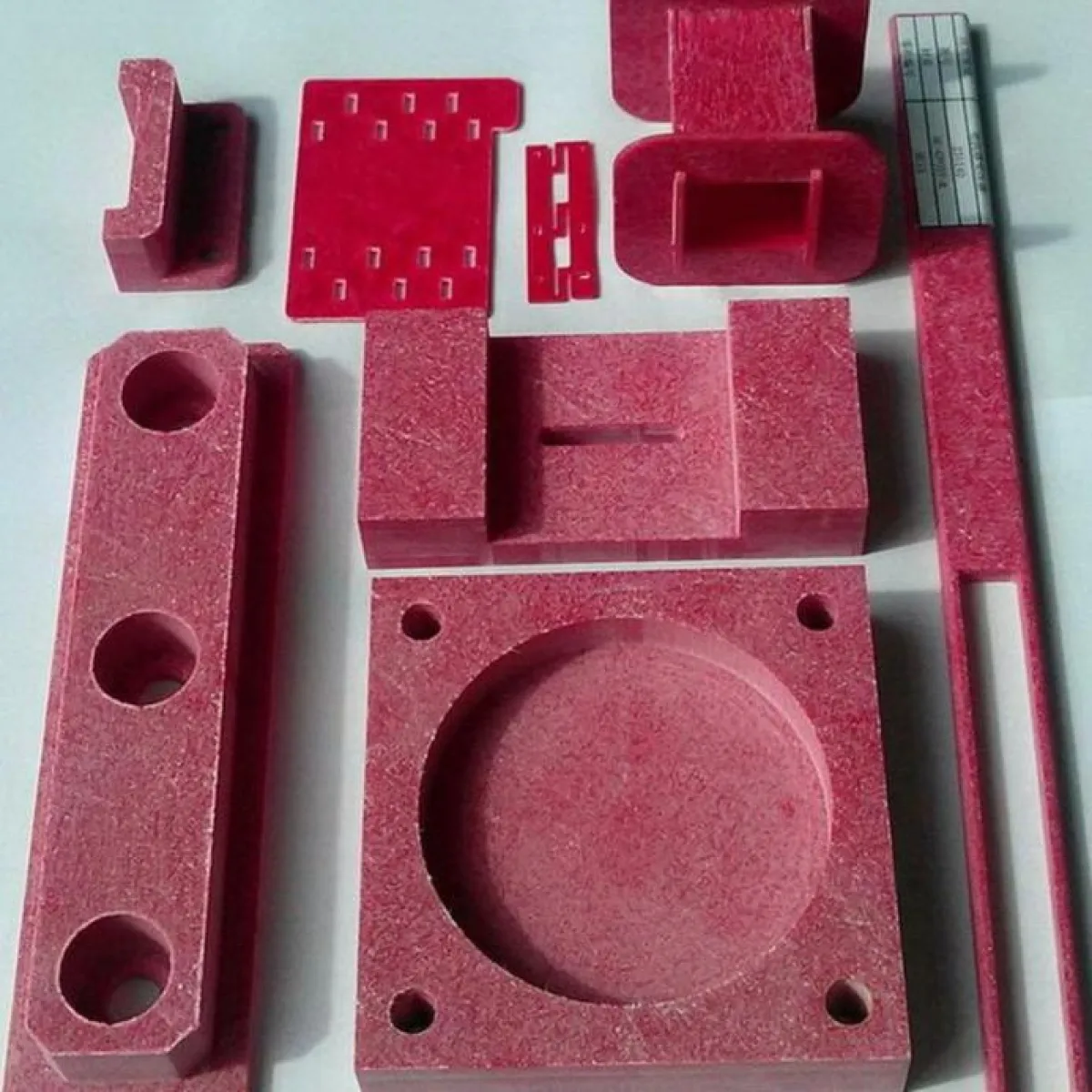
GPO-3 insulation board, also known as UPGM-203, is a rigid electrical insulation material made from alkali-free glass fiber mat impregnated with unsaturated polyester resin and pro
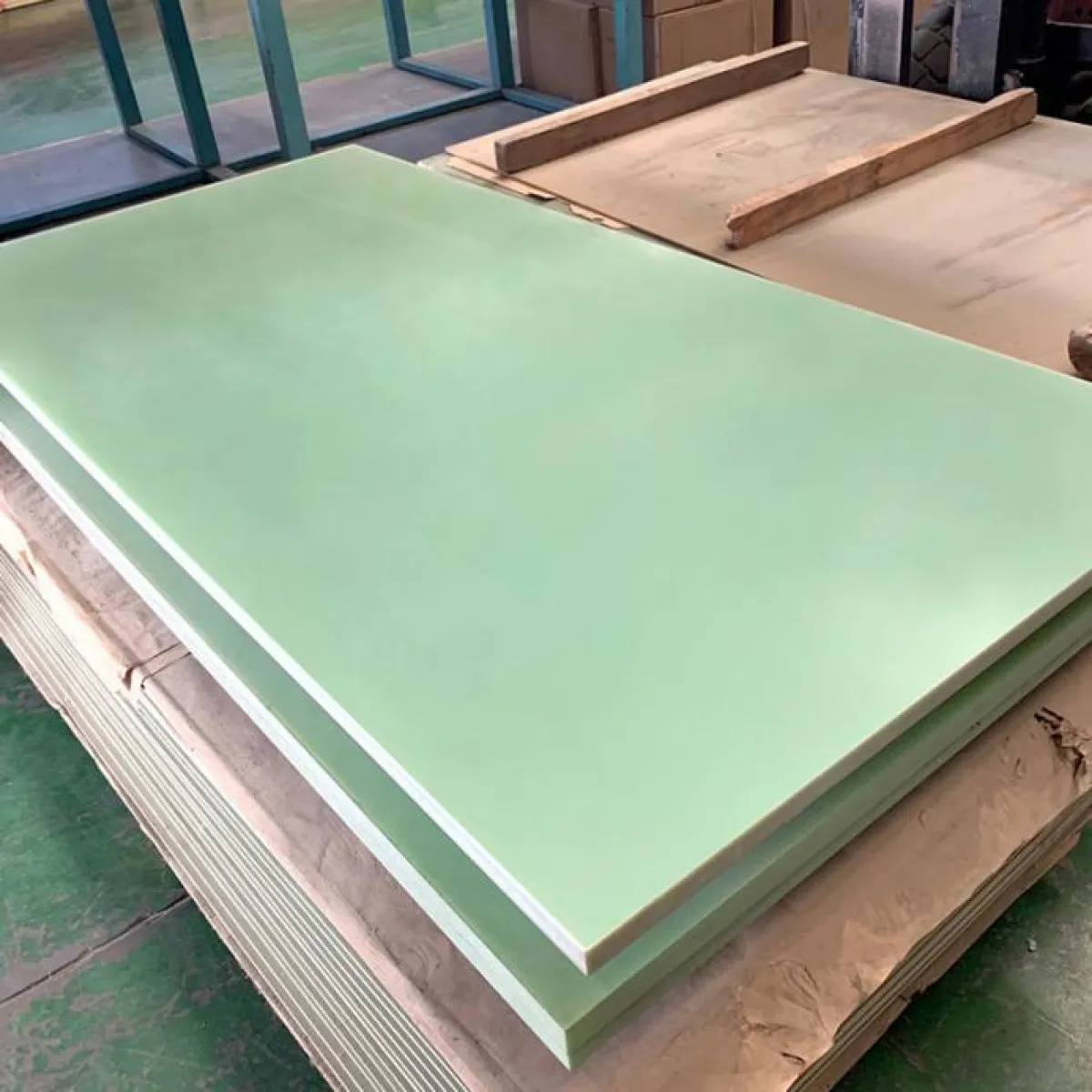
Compared with many conventional insulation materials, GPO-3 offers two particularly important advantages: strong resistance to heat and moisture, and stable electrical insulation p
However, selecting a cryogenic insulation material based only on its standard properties may not be enough. In actual service, continuous immersion, concentrated mechanical loads,

Silicone Glass Cloth Sheet (G7) combines silicone resin with glass fiber cloth to provide a balance of high-temperature resistance, electrical insulation, mechanical strength, and
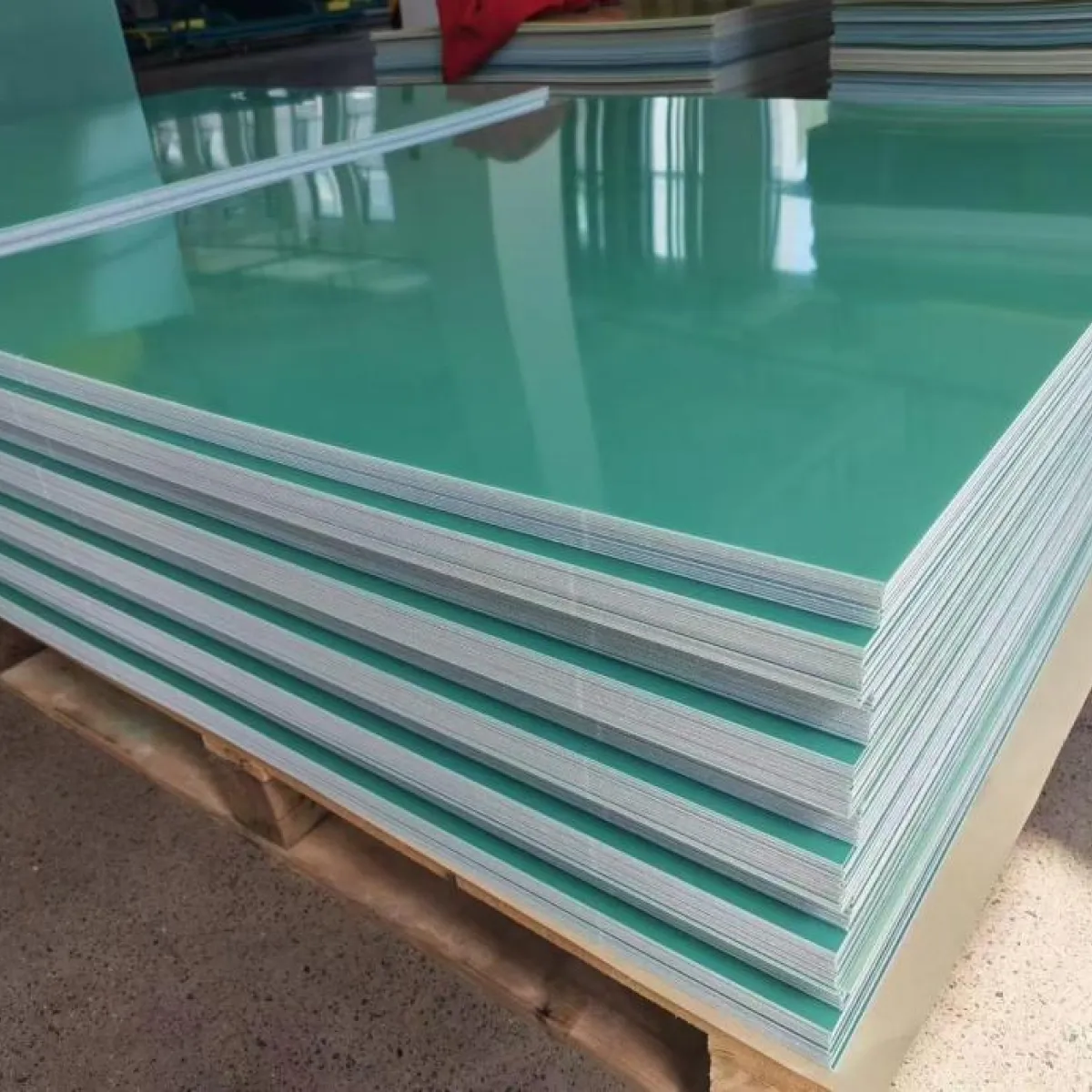
These properties make EPGC308 particularly suitable for electrical equipment operating under high temperature, high humidity and high-voltage conditions.
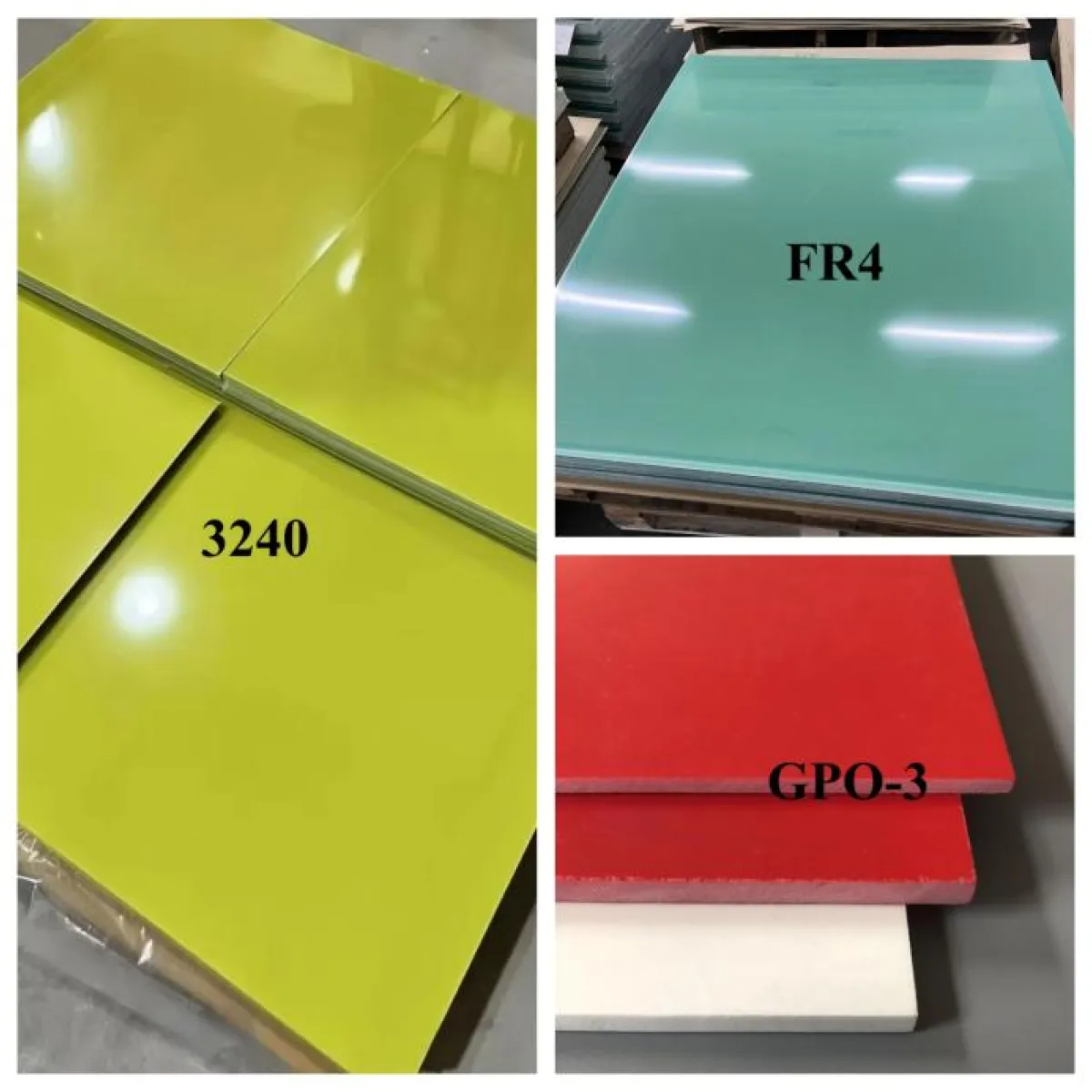
Understanding these differences can help engineers and buyers select the most suitable insulation material for their specific operating conditions.
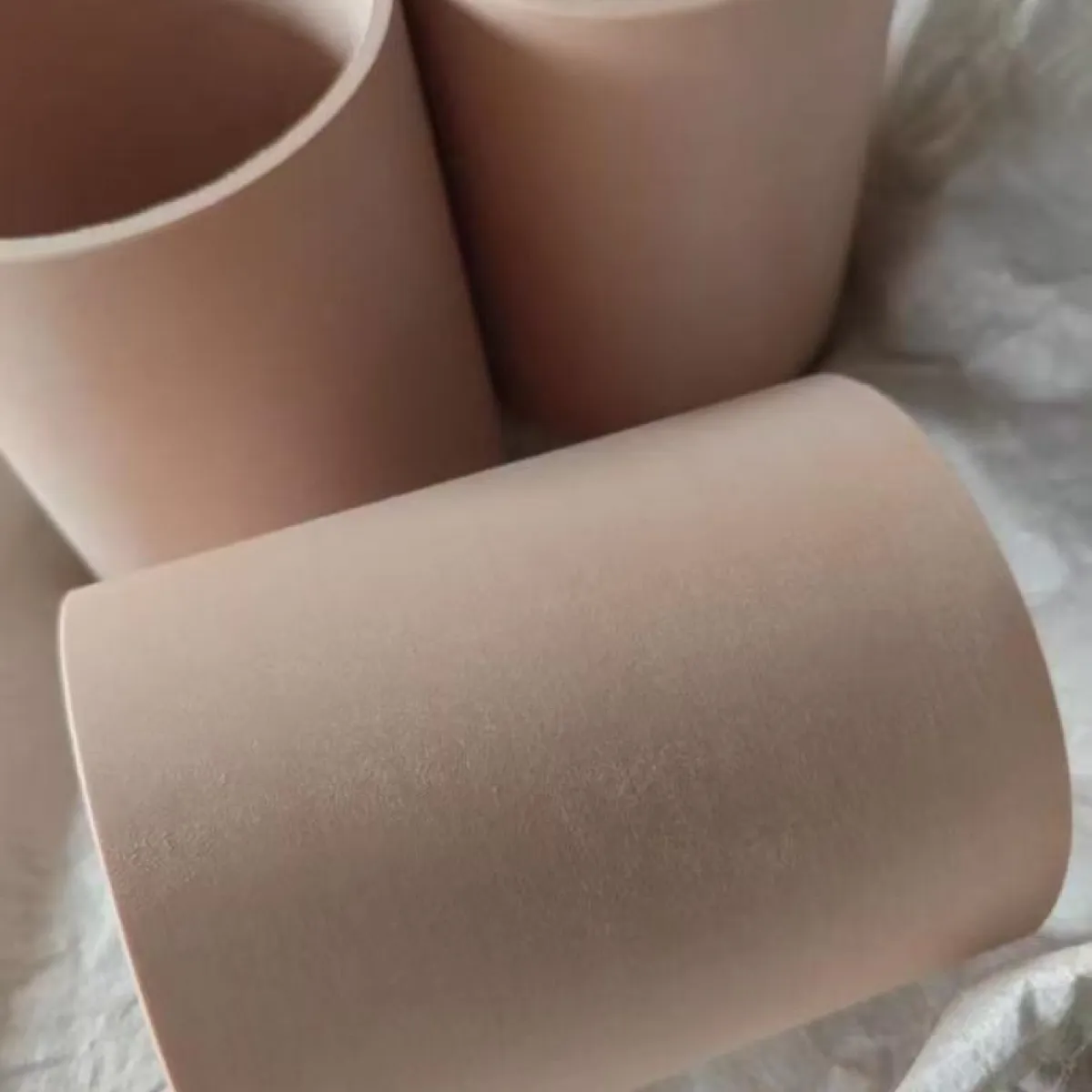
Phenolic Cotton Tube boasts multiple prominent competitive strengths for industrial use. It features extraordinary insulating performance: fully non-conductive, anti-static, and st
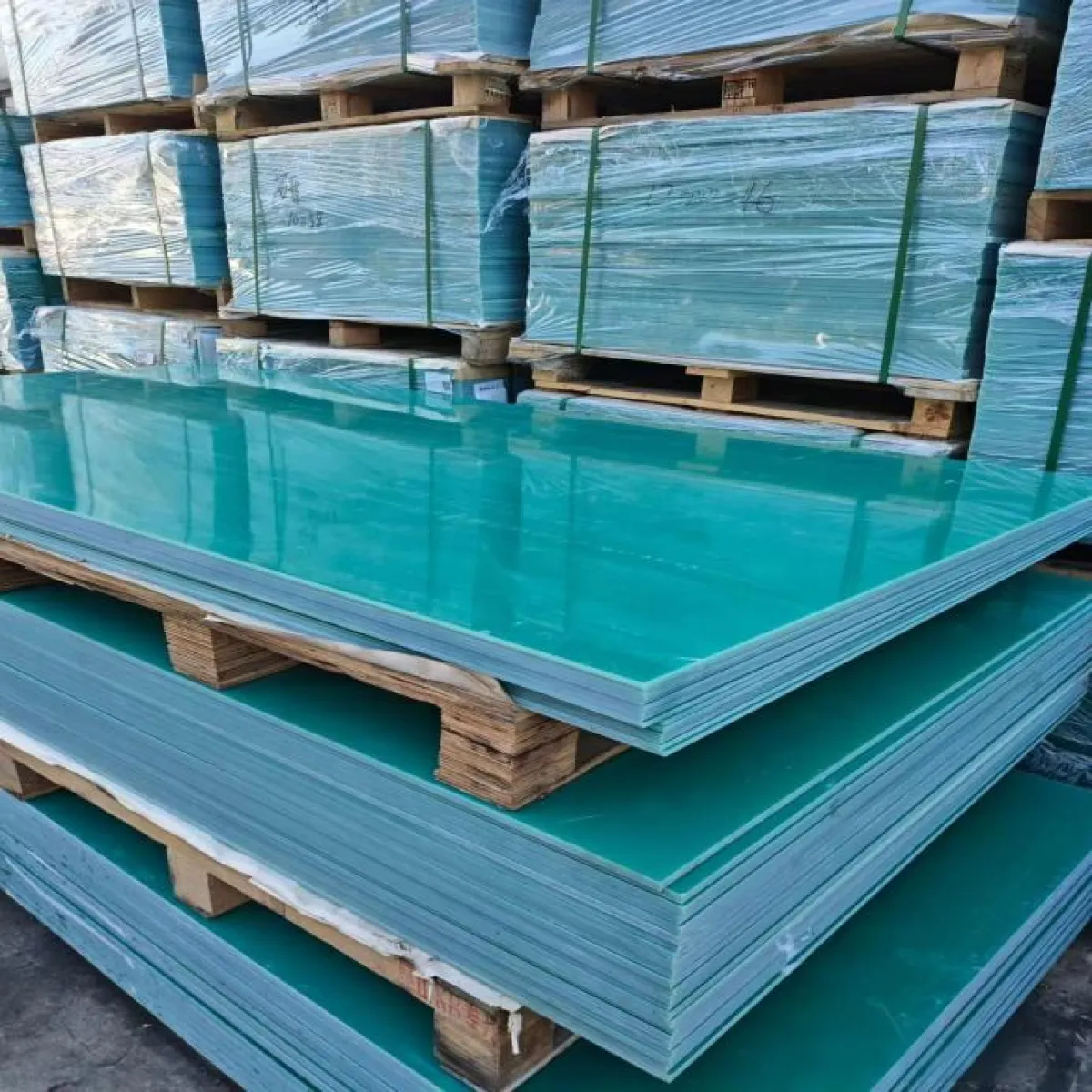
First let us look at its regular uses. In power plants, substations, power distribution rooms and other sites, Insulation Laminated Board is commonly laid on floors to avoid electr
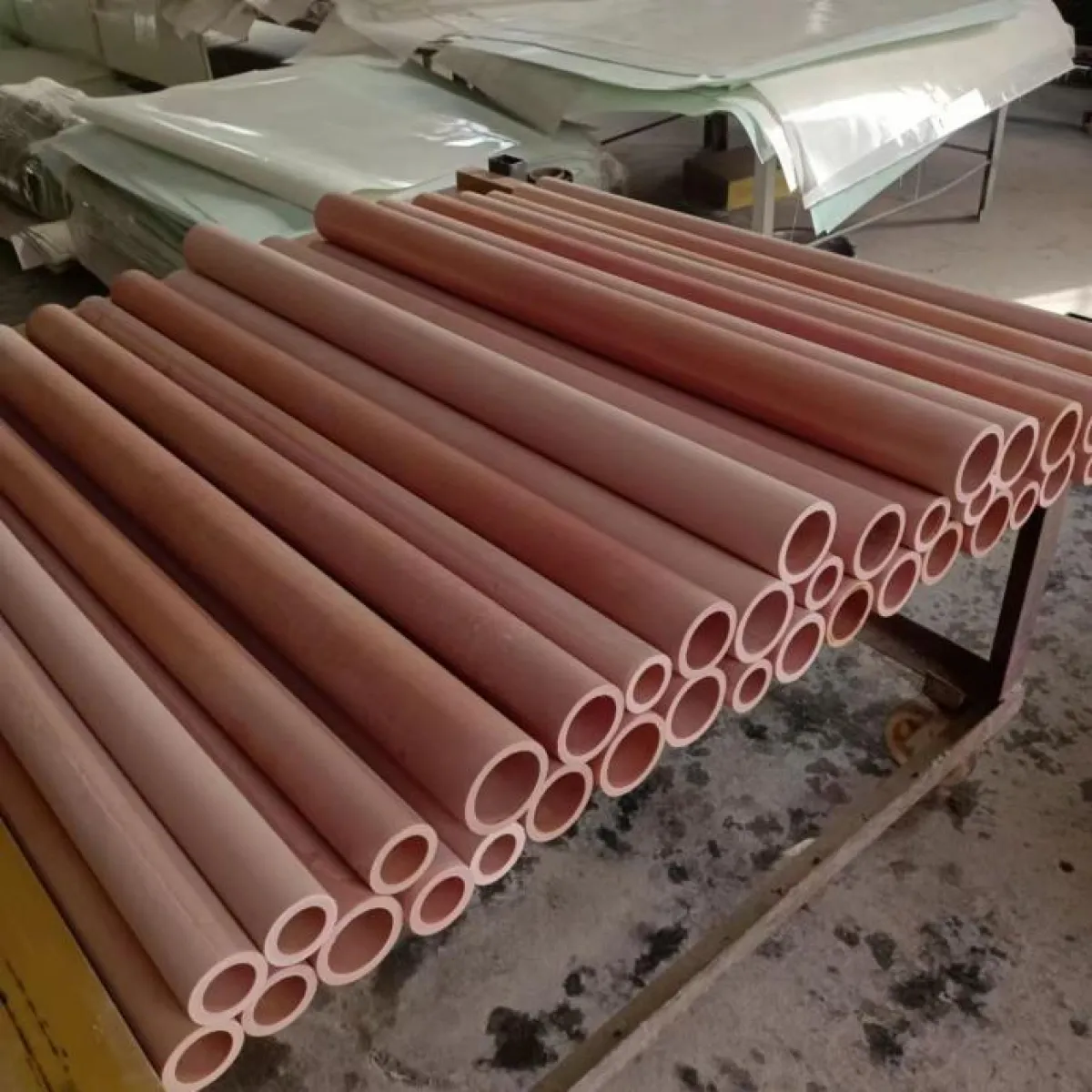
From the perspective of composite materials, Phenolic Cloth Tube is not made of a single substance, but formed by combining thermosetting phenolic resin with reinforcing materials

No.3, Mianzhi Street, Zhucheng, Shandong, China





Copyright © 2026 by Qingdao Yilong Insulation Material Company Limited All Rights Reserved