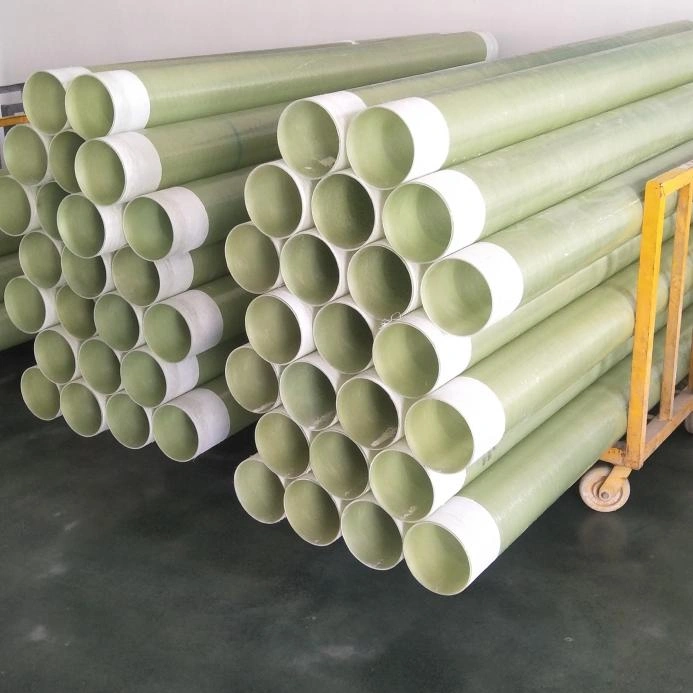
Epoxy Glass Fiber Pipes have become essential structural and insulating components across electrical engineering, petrochemical installations, municipal piping systems, and industrial manufacturing. With the increasing demand for lightweight, corrosion-resistant, and high-strength composite pipes, manufacturers continue to refine production technologies to deliver superior performance and reliability. Today, the industry generally recognizes three major production processes for Epoxy Glass Fiber Pipes: the reciprocating filament winding process, the continuous filament winding process, and the centrifugal casting process. Each method offers unique advantages depending on the application environment, mechanical requirements, and production scale. As a trusted manufacturer of composite insulation materials, YILONG provides technical insight into these processes to help customers select the most appropriate solution for their projects.
Reciprocating Filament Winding Process: Precision and Versatility
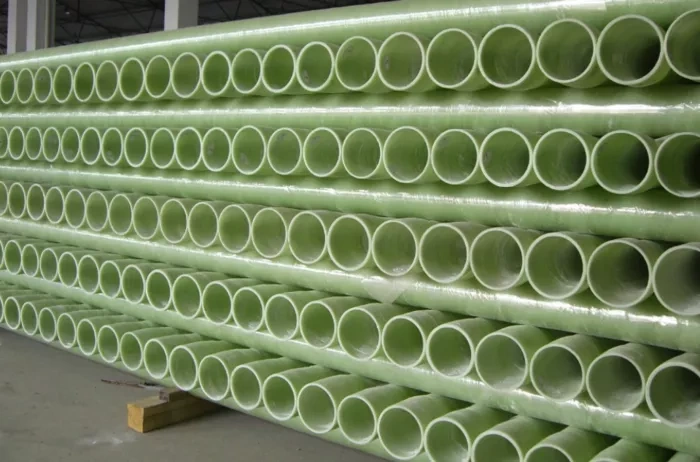
The reciprocating filament winding process, classified as a fixed-length forming method, is one of the most widely used techniques in the composite pipe industry. In this process, the resin dipping tank moves back and forth along the length of a rotating mandrel while continuous glass fiber rovings pass through the resin bath and are wound onto the mandrel. The fibers are laid at a precisely controlled winding angle, regulated by the interplay between the mandrel’s rotational speed and the linear motion of the dipping tank. This movement is typically managed through a computerized electromechanical control system to ensure accuracy and repeatability.
As layers accumulate, the pipe gradually reaches its designed wall thickness. Once winding is complete, the resin undergoes partial or full curing while still on the mandrel, ensuring dimensional stability. After curing, the mandrel is removed, leaving behind a high-strength composite pipe. This process is favored due to its adaptability, strong mechanical properties, and wide application range. Pipes produced through reciprocating winding exhibit excellent hoop strength, balanced fiber distribution, and reliable long-term performance, making this method the preferred option among global manufacturers, including YILONG.
Continuous Filament Winding Process: Efficient Production for Large-Scale Output
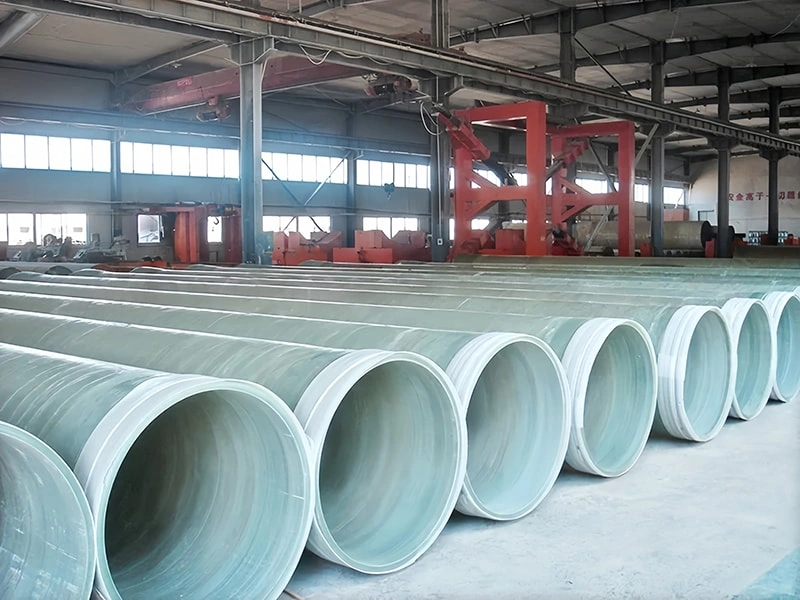
The continuous filament winding process, classified as a continuous method, is designed for high-efficiency manufacturing. In this system, the pipe is formed as a moving tube advances steadily along a core mold. During movement, the tube passes multiple supply stations that deliver resin-impregnated rovings, chopped glass fibers, and resin–sand mixtures. These materials are layered and compacted in a continuous manner as the tube progresses through the forming section.
This method offers significant advantages in mass production scenarios, including high output capacity, stable fiber placement, and reduced labor intensity. Continuous winding is particularly suitable for long piping systems used in municipal water transport, cable conduit networks, and industrial fluid handling. Although the mechanical properties may differ from those of reciprocating winding products, continuous winding can achieve excellent consistency and is ideal for large-volume, cost-efficient production lines.
Centrifugal Casting Process: Dense Structure and Smooth Inner Wall
The centrifugal casting process, also categorized as a fixed-length method, uses centrifugal force to distribute materials evenly inside a rotating steel mold. Cut glass fibers, fillers, and quartz sand are fed into the mold, followed by the injection of catalyzed resin. As the mold rotates at high speed, centrifugal force drives the resin into every void between fibers and fillers, displacing air and producing a dense, void-free composite structure.
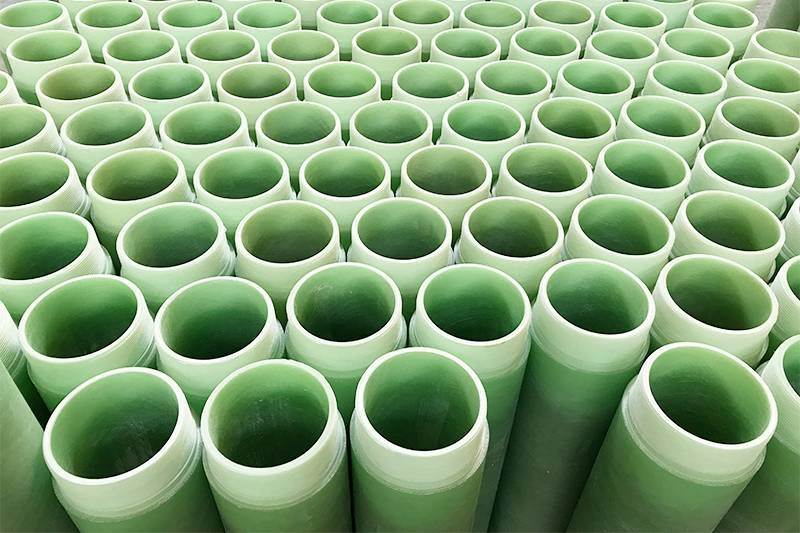
A key benefit of this method is the formation of a resin-rich interior surface layer under centrifugal pressure, resulting in a smooth, glossy inner wall with excellent corrosion resistance and reduced friction losses. The pipe is then cured at elevated temperatures while still rotating, ensuring a uniform structure and high strength. Products manufactured using this method are often referred to as fiberglass reinforced plastic (FRP) sand pipes, widely used in high-pressure pipelines, underground drainage, and applications requiring heavy-duty structural performance.
Comparative Advantages and Industry Trends
While all three production processes have proven value, the reciprocating filament winding process remains the most widely adopted globally. Its excellent structural integrity, optimized fiber orientation, and broad adaptability make it ideal for electrical insulation systems, chemical pipelines, mechanical housings, and precision industrial applications. Continuous filament winding excels in high-throughput environments, whereas centrifugal casting offers superior density and smoothness for specialized engineering projects.
As market demands evolve toward higher durability, longer service life, and improved performance under harsh conditions, more manufacturers are investing in automated control, high-efficiency curing systems, and advanced resin formulations. YILONG continues to refine these technologies to provide Epoxy Glass Fiber Pipes with enhanced mechanical strength, better dielectric properties, and improved environmental resistance.
Conclusion
Understanding the three major production processes of Epoxy Glass Fiber Pipes is crucial for engineers, designers, and procurement specialists seeking optimal performance in composite piping systems. Whether the requirement is high mechanical strength, large-scale output, or dense structural integrity, each process offers unique benefits tailored to specific applications. Through continuous innovation and strict quality control, YILONG remains committed to supplying high-performance Epoxy Glass Fiber Pipes that meet the demanding standards of modern industries.
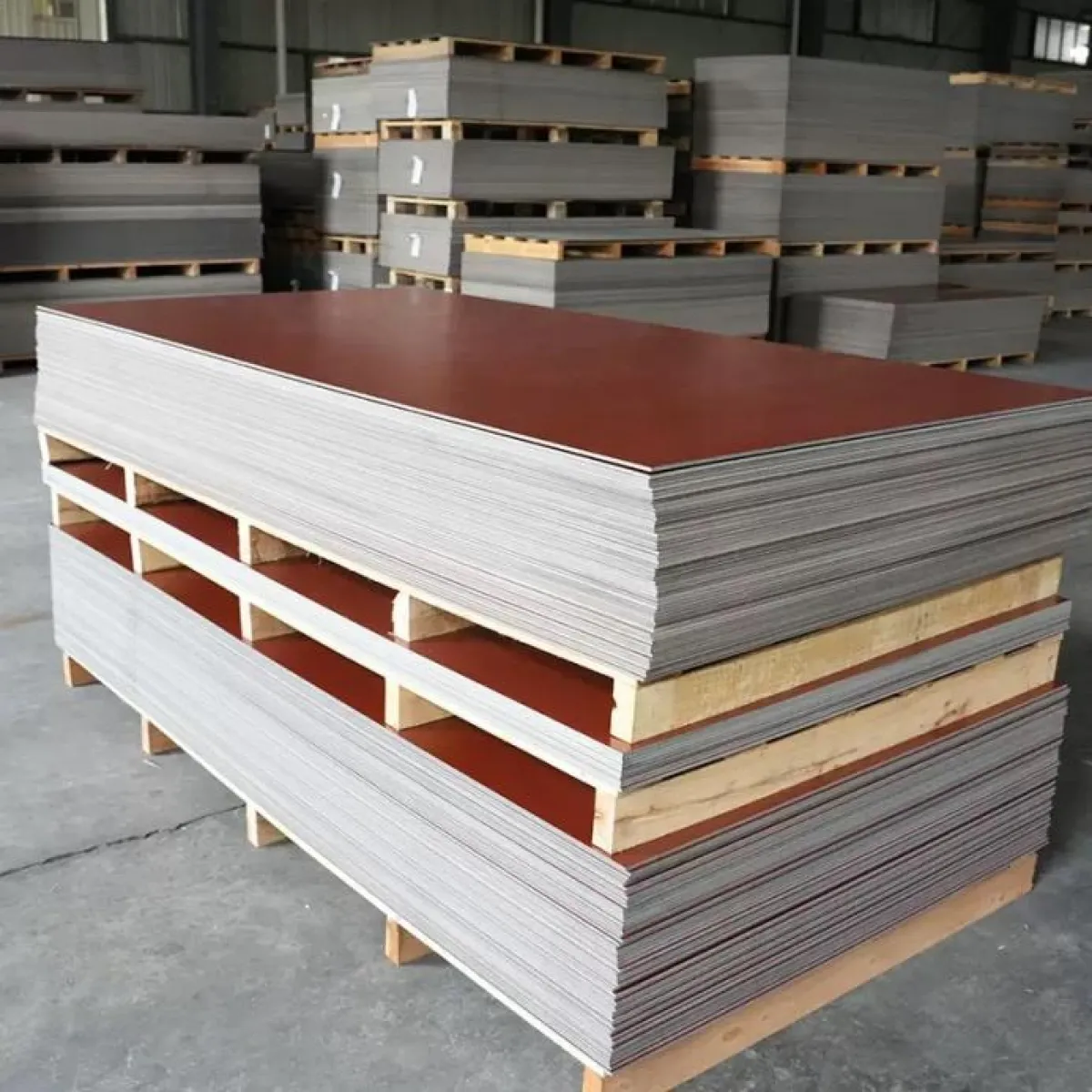
PFCP201 is manufactured using high-quality insulating paper impregnated with phenolic resin. After the raw materials are carefully inspected, the paper is passed through an automat
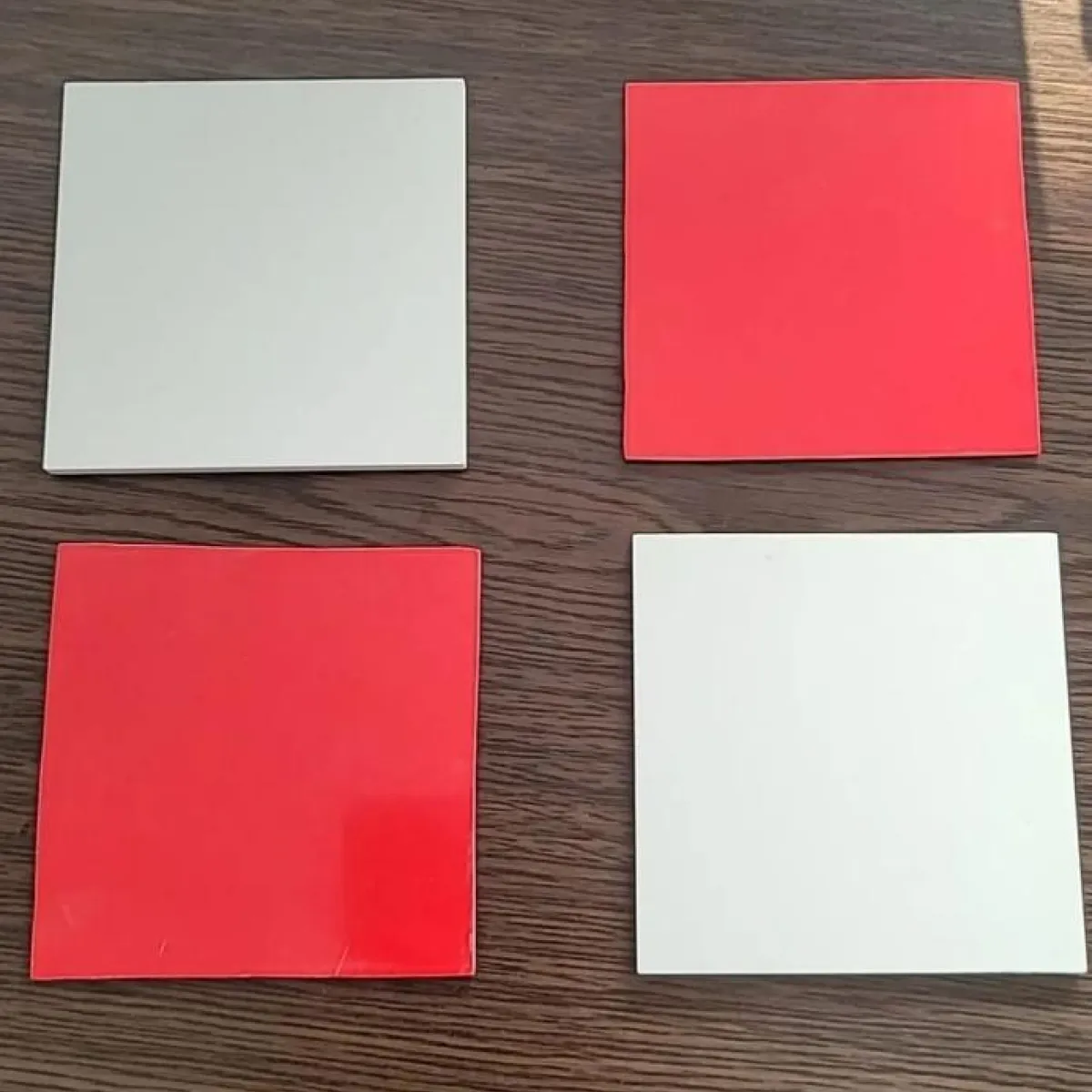
GPO-3 insulation board, also known as UPGM-203, is a rigid electrical insulation material made from alkali-free glass fiber mat impregnated with unsaturated polyester resin and pro
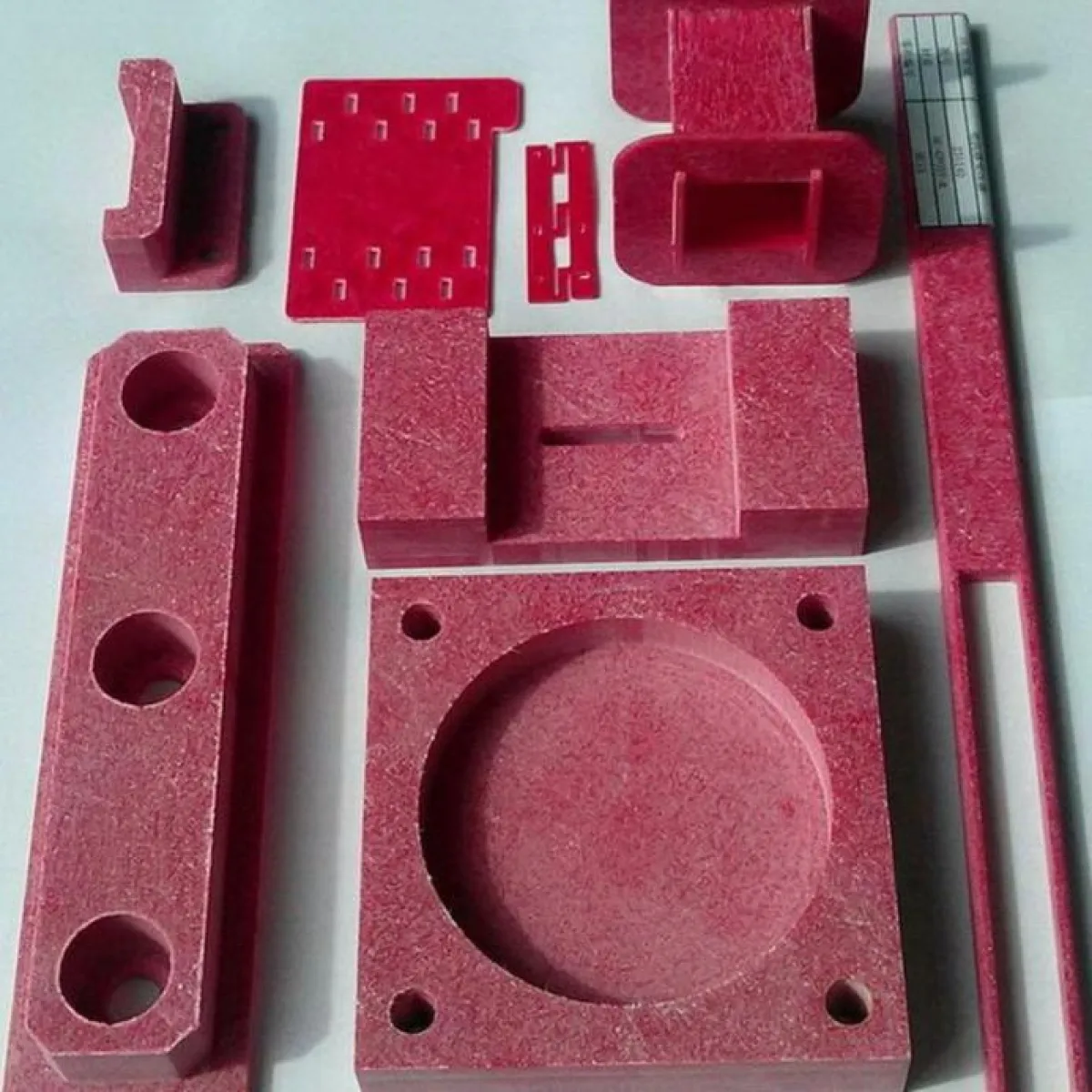
Compared with many conventional insulation materials, GPO-3 offers two particularly important advantages: strong resistance to heat and moisture, and stable electrical insulation p
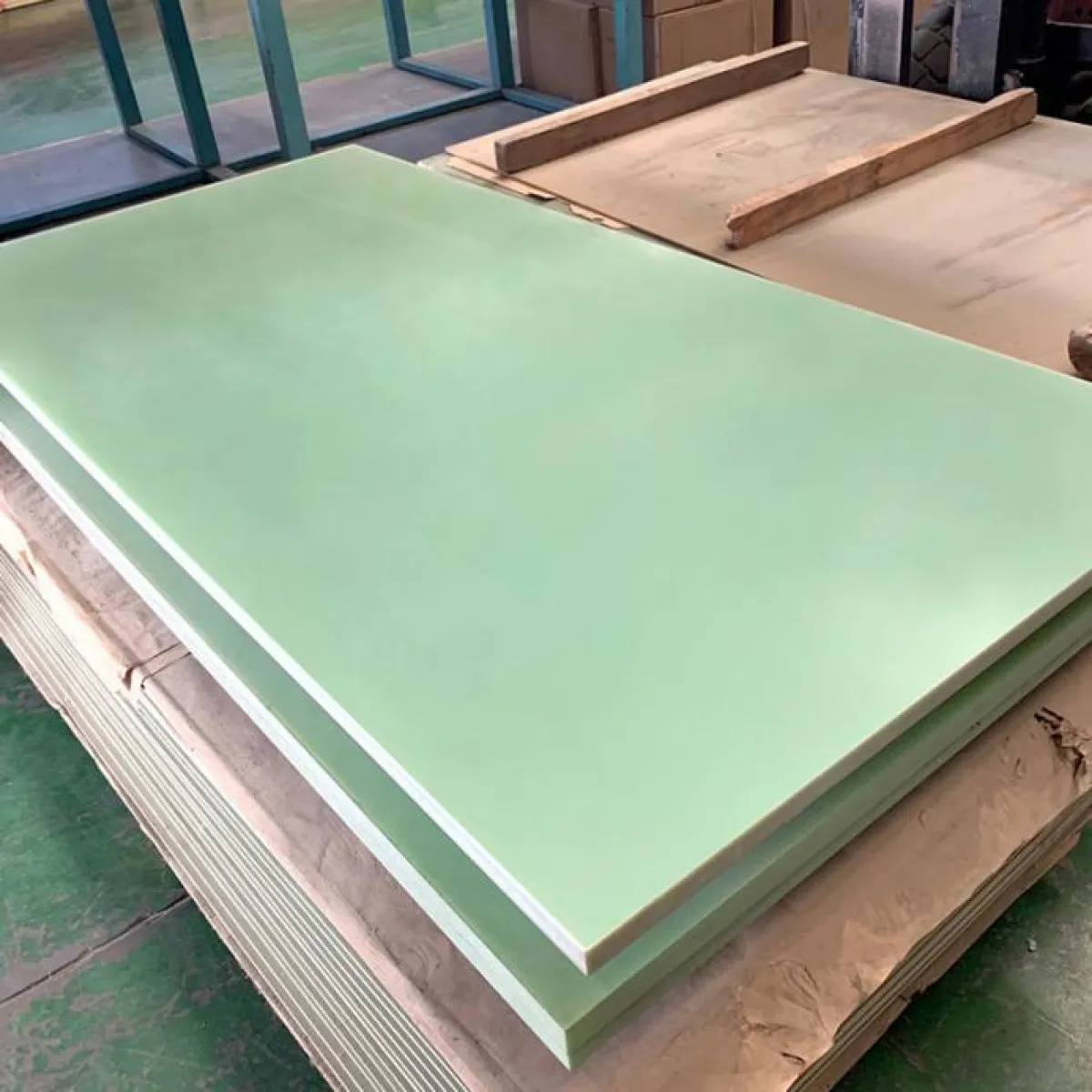
However, selecting a cryogenic insulation material based only on its standard properties may not be enough. In actual service, continuous immersion, concentrated mechanical loads,

Silicone Glass Cloth Sheet (G7) combines silicone resin with glass fiber cloth to provide a balance of high-temperature resistance, electrical insulation, mechanical strength, and
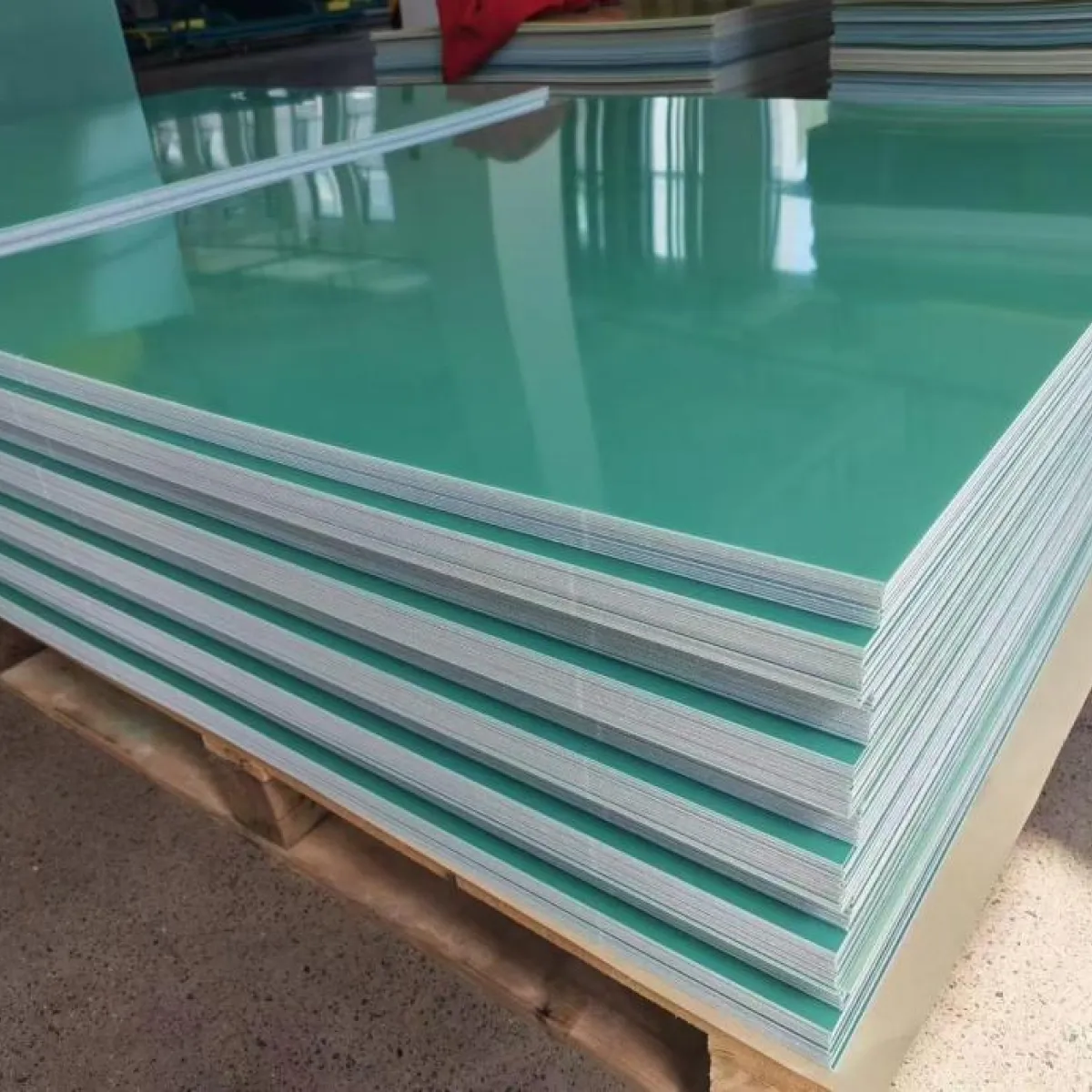
These properties make EPGC308 particularly suitable for electrical equipment operating under high temperature, high humidity and high-voltage conditions.
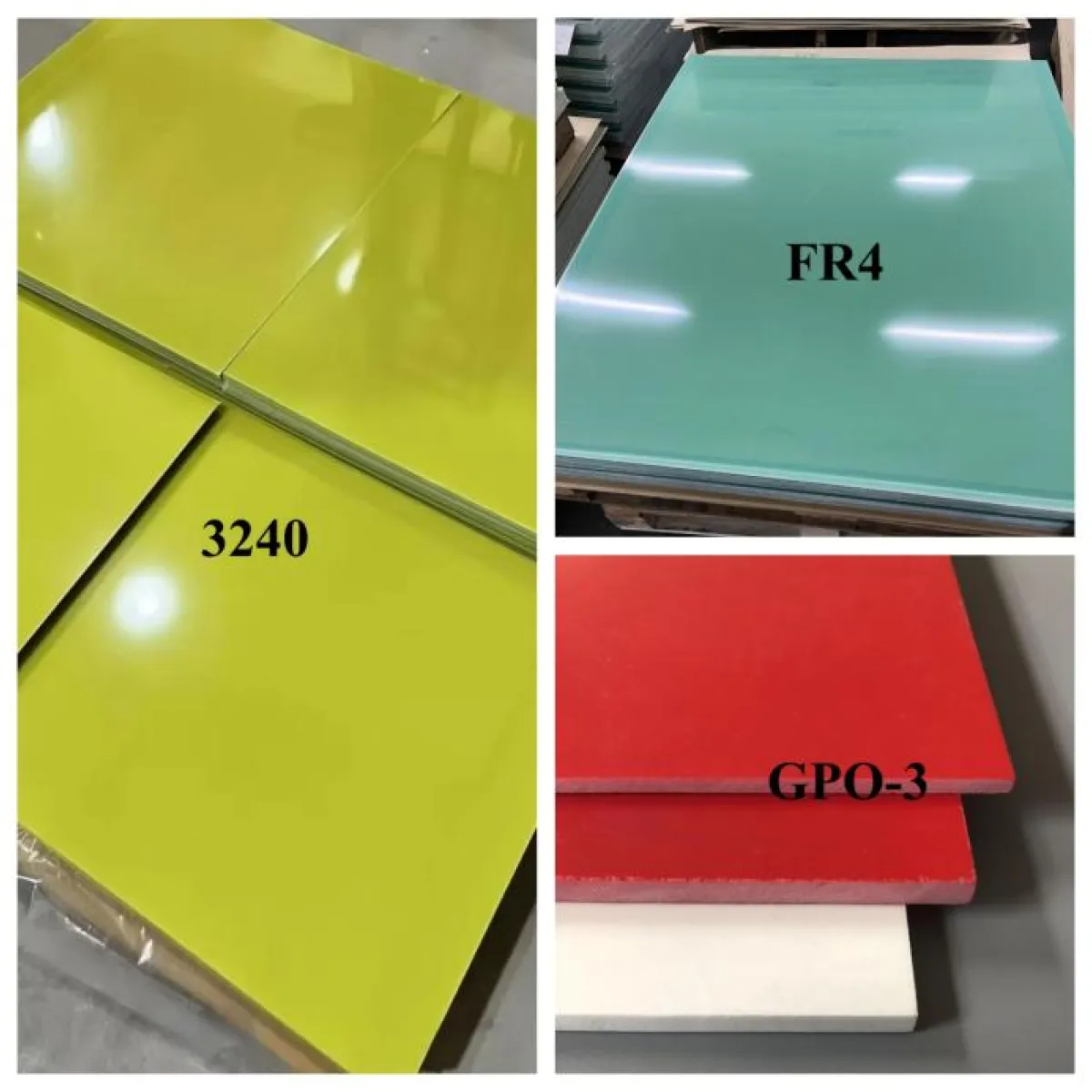
Understanding these differences can help engineers and buyers select the most suitable insulation material for their specific operating conditions.
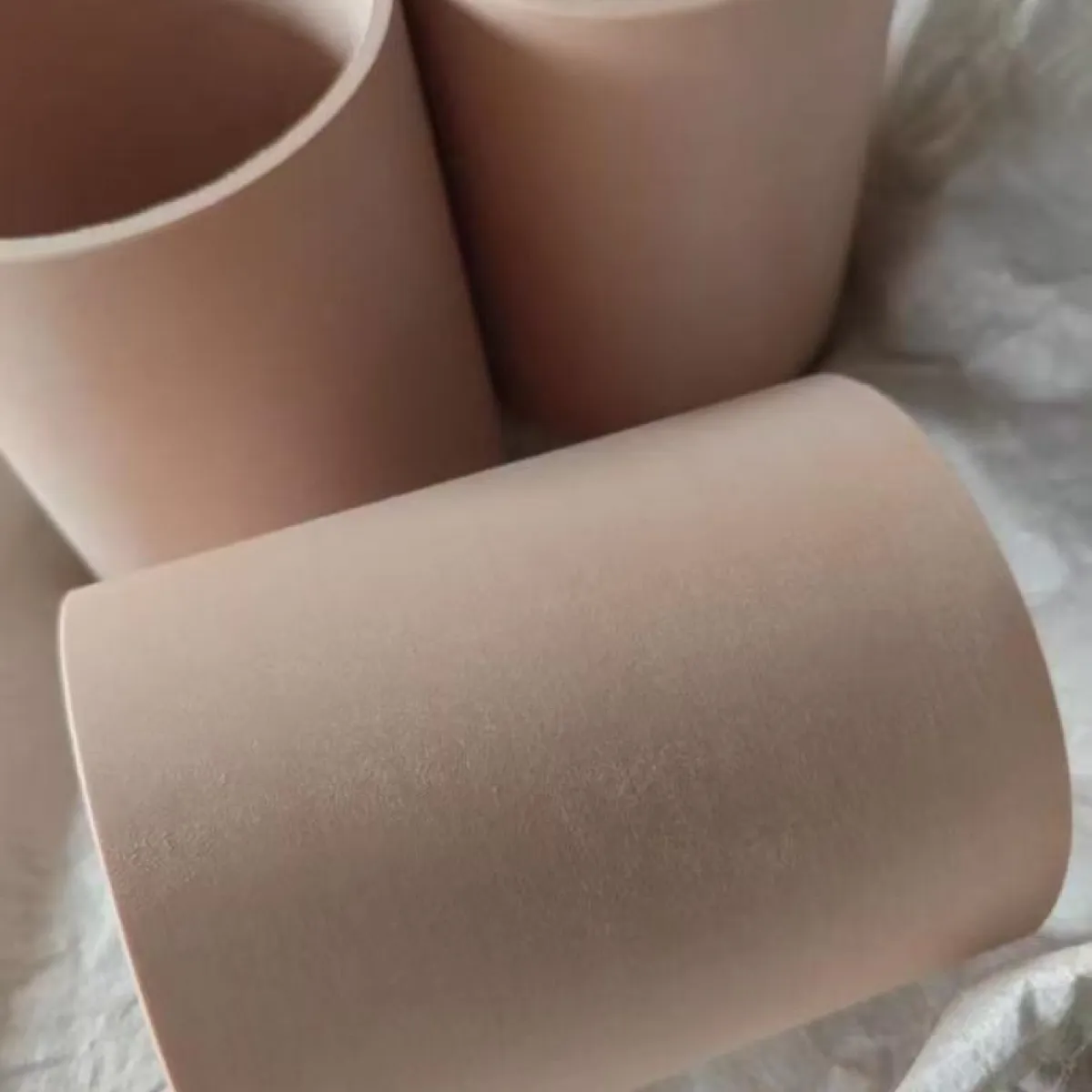
Phenolic Cotton Tube boasts multiple prominent competitive strengths for industrial use. It features extraordinary insulating performance: fully non-conductive, anti-static, and st
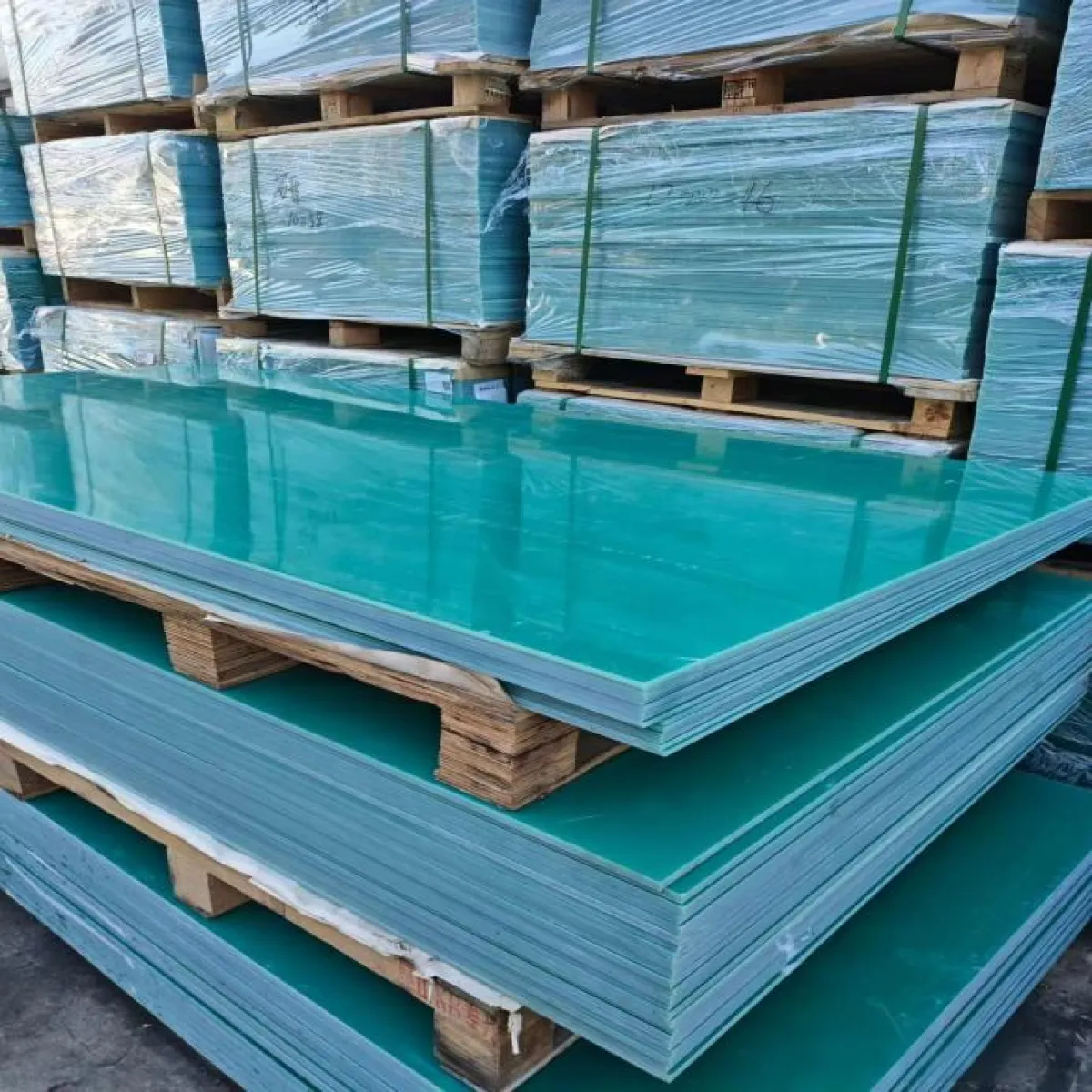
First let us look at its regular uses. In power plants, substations, power distribution rooms and other sites, Insulation Laminated Board is commonly laid on floors to avoid electr
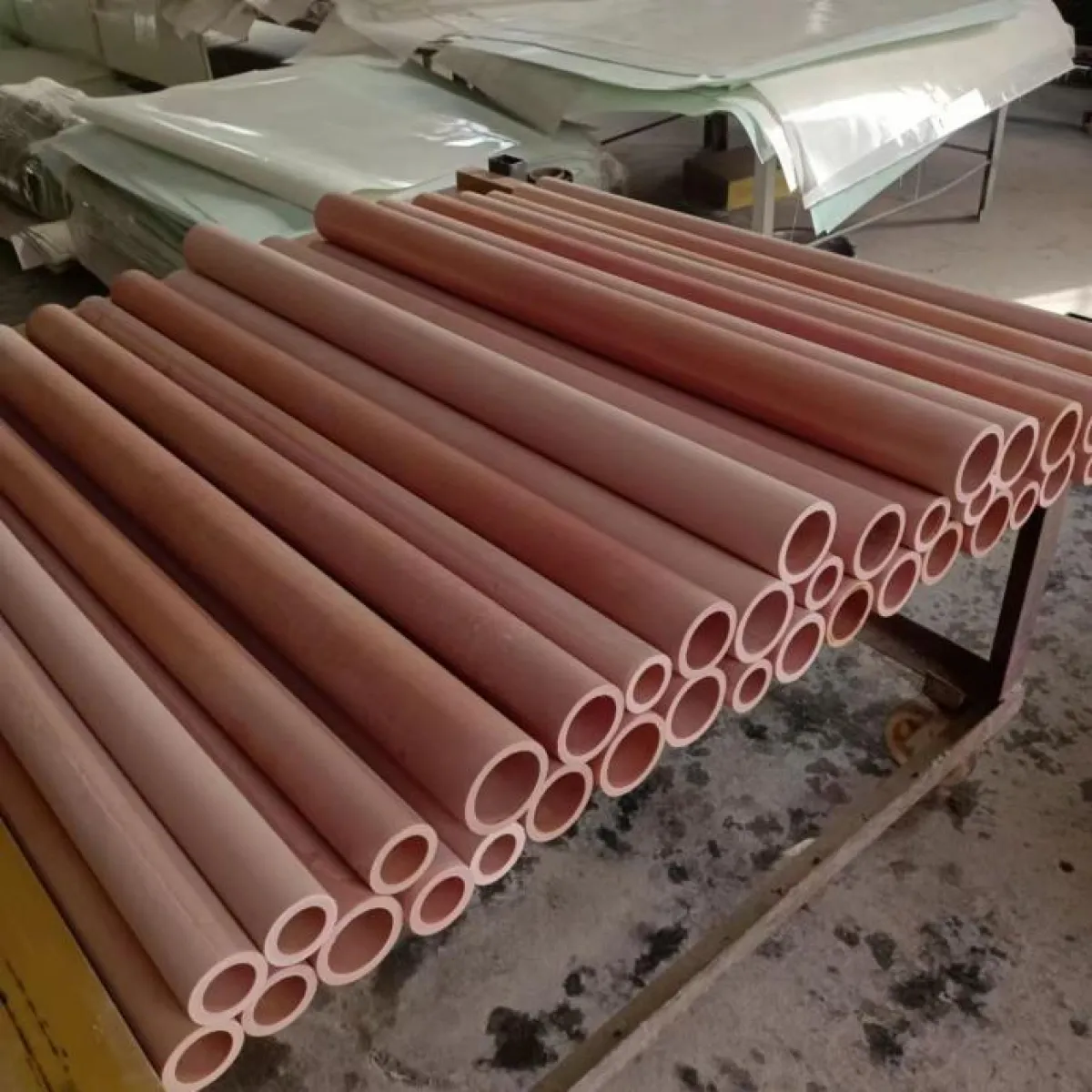
From the perspective of composite materials, Phenolic Cloth Tube is not made of a single substance, but formed by combining thermosetting phenolic resin with reinforcing materials

No.3, Mianzhi Street, Zhucheng, Shandong, China




Copyright © 2026 by Qingdao Yilong Insulation Material Company Limited All Rights Reserved