
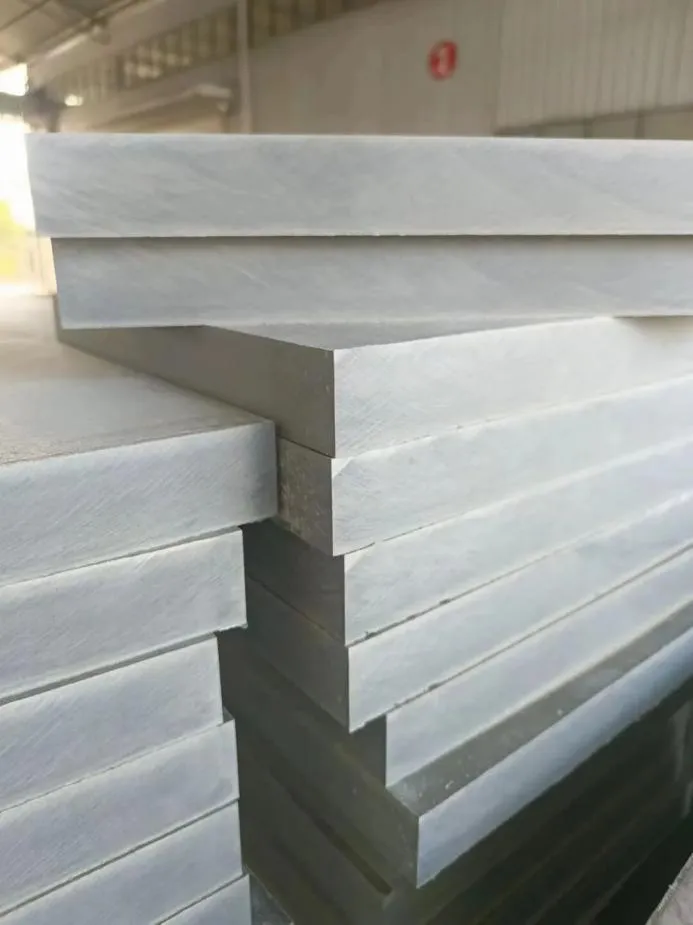
Reliable insulation helps electrical and heating equipment operate safely. Where heat and voltage place demanding requirements on conventional materials, Rigid Mica Boards provide a practical combination of electrical insulation, heat resistance and machinability.
Used in heating appliances, industrial equipment and selected battery protection systems, mica insulation sheets can be supplied as flat boards or processed into components that fit specific assembly requirements.
What Is a Rigid Mica Boards?
A Rigid Mica Boards is an insulating laminate commonly made from muscovite or phlogopite mica paper bonded with a heat-resistant resin, typically silicone, and consolidated under heat and pressure. The mica provides the main electrical and thermal properties, while the binder holds the layers together.
Rigid grades are suitable for flat barriers, spacers and heater supports. Flexible grades accommodate curved surfaces or wrapping applications. The correct choice depends on the operating temperature, electrical requirements and mechanical conditions.
Muscovite and Phlogopite: Understanding the Difference
Muscovite Rigid Mica Boards
Muscovite mica is widely used where electrical insulation is a primary requirement. Suitable grades serve as insulating plates, appliance components and parts exposed to elevated temperatures.
Phlogopite Rigid Mica Boards
Phlogopite mica generally offers greater heat resistance than muscovite, making it a common choice for demanding heating applications and industrial thermal barriers.
Temperature ratings vary with the mineral type, binder formulation and product grade. A short-term heat or flame resistance rating should not be treated as a continuous operating temperature. Selection should follow the specific product data sheet and actual service conditions.
Key Benefits of Mica Insulation Sheets
Resistance to Elevated Temperatures
Mica-based materials support insulation applications beyond the temperature range of many conventional organic laminates. However, prolonged heating can affect the binder and mechanical properties. Thermal cycling, exposure duration and assembly pressure must therefore be considered during material selection.
Electrical Insulation
Mica offers strong dielectric properties, helping separate energized components from metal structures and adjacent conductors. The performance of a finished component also depends on thickness, temperature, surface condition and electrical clearances.
Thermal Barriers in Compact Assemblies
Thin mica sheets can provide useful electrical separation and thermal protection where installation space is limited. The required thickness depends on the heat source, exposure time and acceptable temperature on the protected side.
Custom Processing
Appropriate grades can be cut, drilled, punched or machined into insulation strips, washers, spacers and shaped barriers. Tooling and component design should account for the layered structure, particularly around narrow sections, holes and edges.
Typical Applications of Rigid Mica Boards
Heating Appliances
Mica components are used in electric heaters, hair dryers, toasters and other heating appliances to support heating elements and provide electrical separation from surrounding metal parts.
Electrical Equipment
Suitable mica products provide insulation in selected electrical assemblies, including barriers, spacers and heat-exposed components. Rigid Rigid Mica Boards, flexible sheets and mica tapes perform different functions and should be specified accordingly.
Industrial Heating and Metallurgy
Mica insulation is used in induction furnaces, heated presses and other industrial heating equipment. Material selection should be based on the temperature at the insulation location, together with electrical stress and mechanical loading.
Electric Vehicles and Energy Storage
Engineered mica barriers can form part of battery thermal protection systems. Their effectiveness depends on the complete assembly, including thickness, joints, fixing methods and exposure conditions. Battery safety performance requires validation at the component or system level.
How to Select the Right Mica Insulation
Start with the continuous operating temperature, peak exposure temperature and exposure duration. Then assess voltage, insulation thickness, mechanical load and repeated heating cycles.
For machined components, drawings should identify dimensions, tolerances, hole positions and mounting details. Narrow strips or parts held under gripping pressure may require additional support and application testing to confirm resistance to cracking or delamination.
Discuss Your Insulation Requirements with YILONG
Choosing the right insulation begins with understanding the application. Share your drawings, operating temperatures and electrical requirements with YILONG to discuss suitable materials and custom component options.
Visit www.yilonginsulation.com, email yilong@yilonginsulation.com, or contact us on WhatsApp at +86 15866869385.
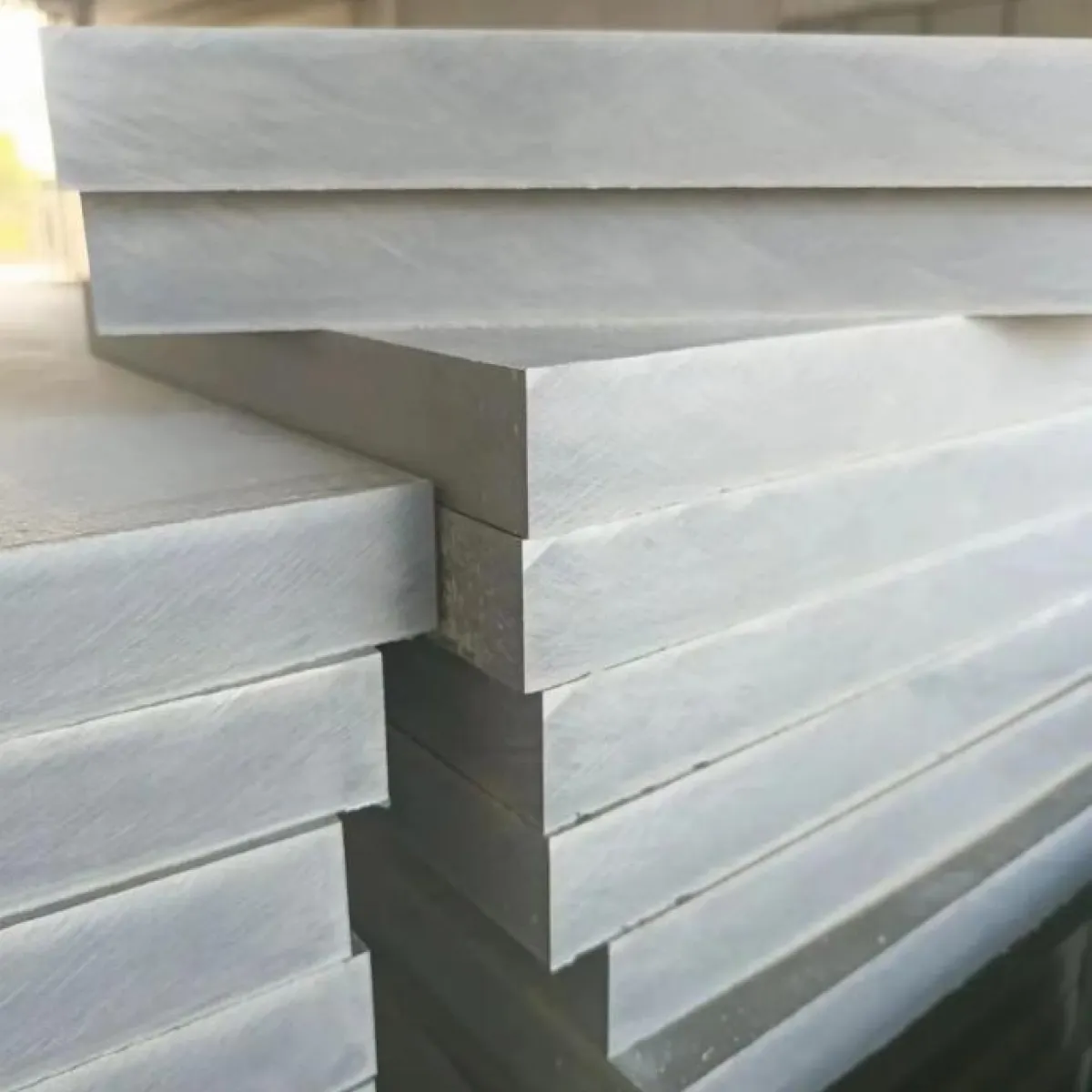
Used in heating appliances, industrial equipment and selected battery protection systems, mica insulation sheets can be supplied as flat boards or processed into components that fi
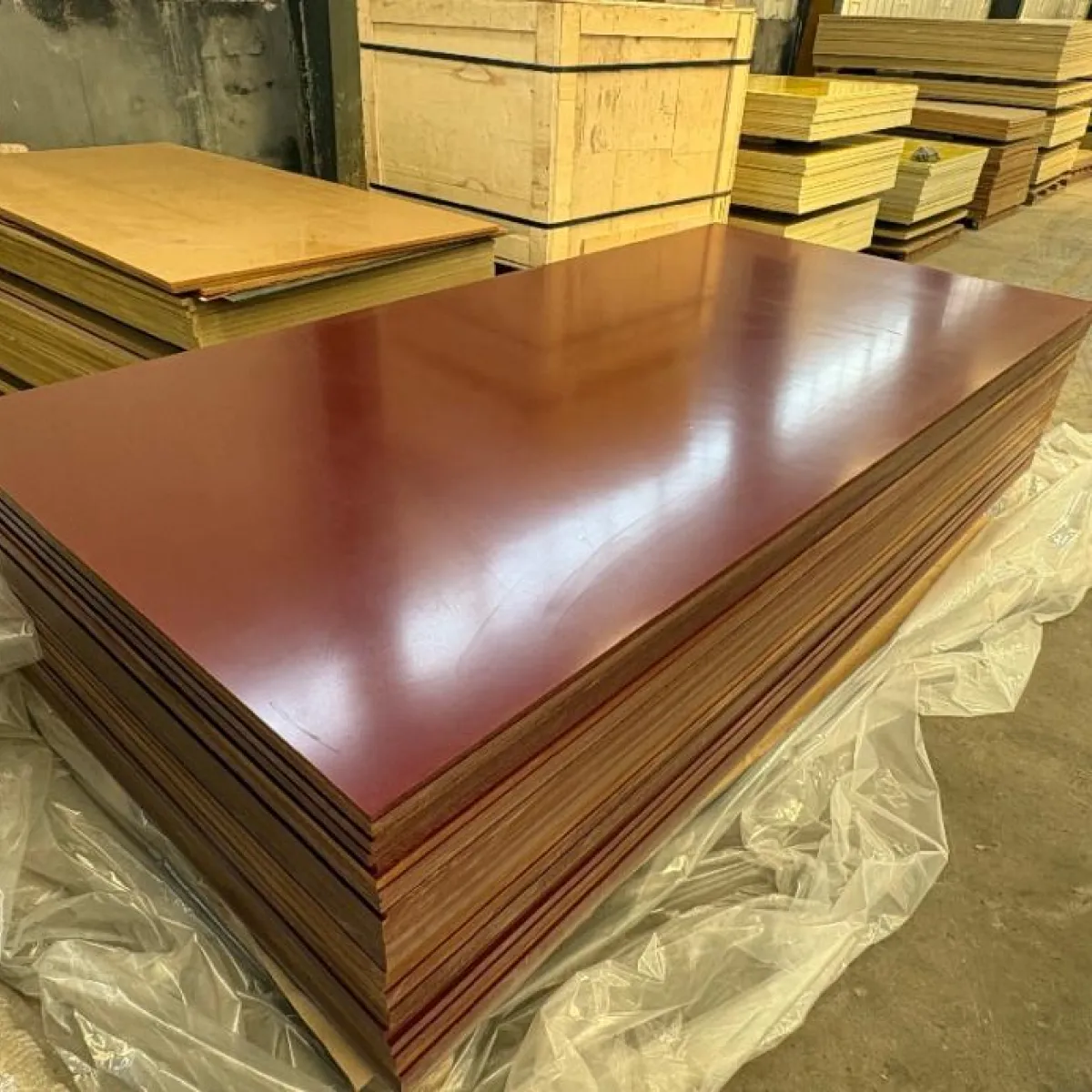
Choosing the right grade matters. PFCP materials differ in electrical performance, moisture resistance, punching characteristics and flammability, even when their appearance is sim
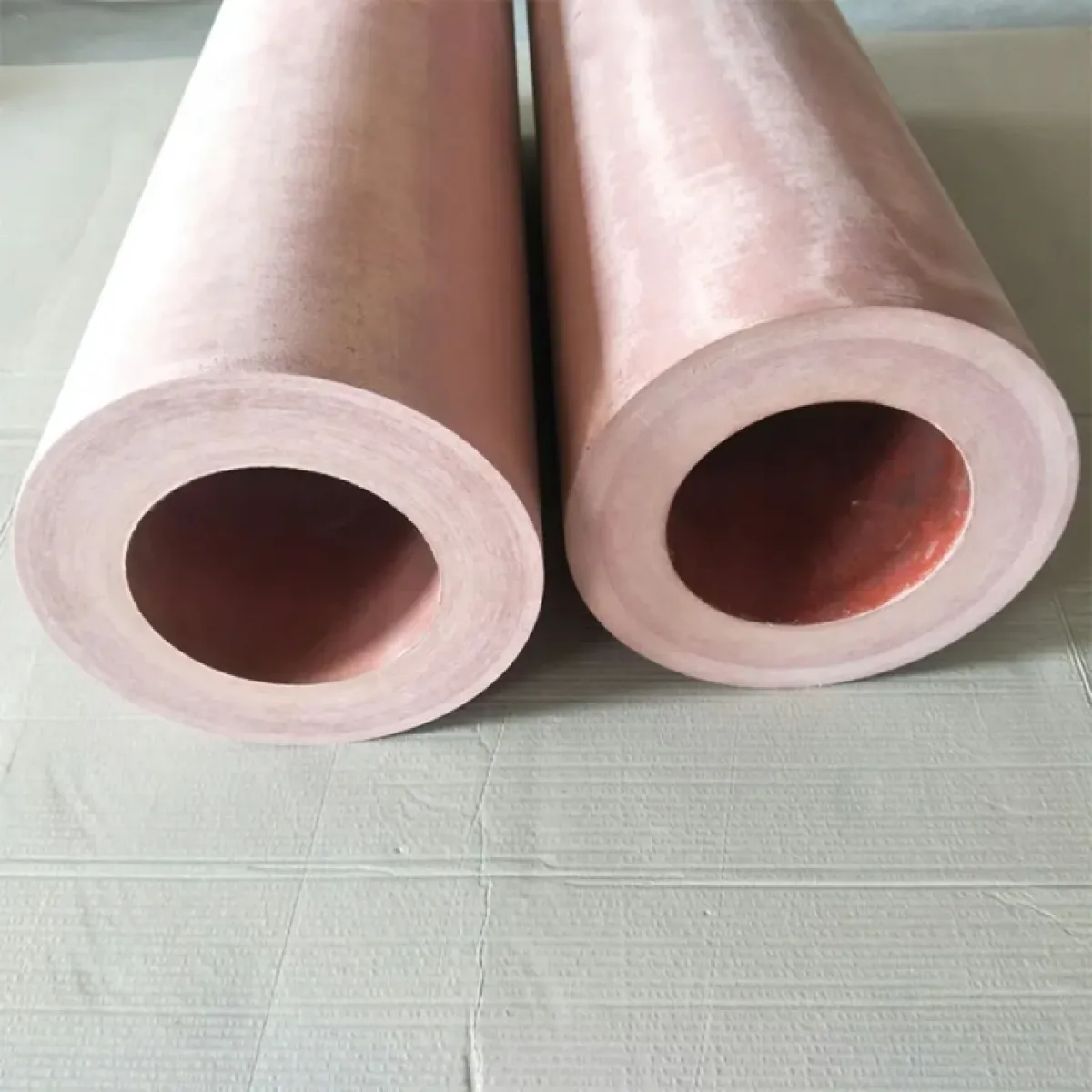
Performance depends on the fabric weave, resin formulation, lubrication and operating conditions. Understanding these factors helps engineers select the right material and achieve
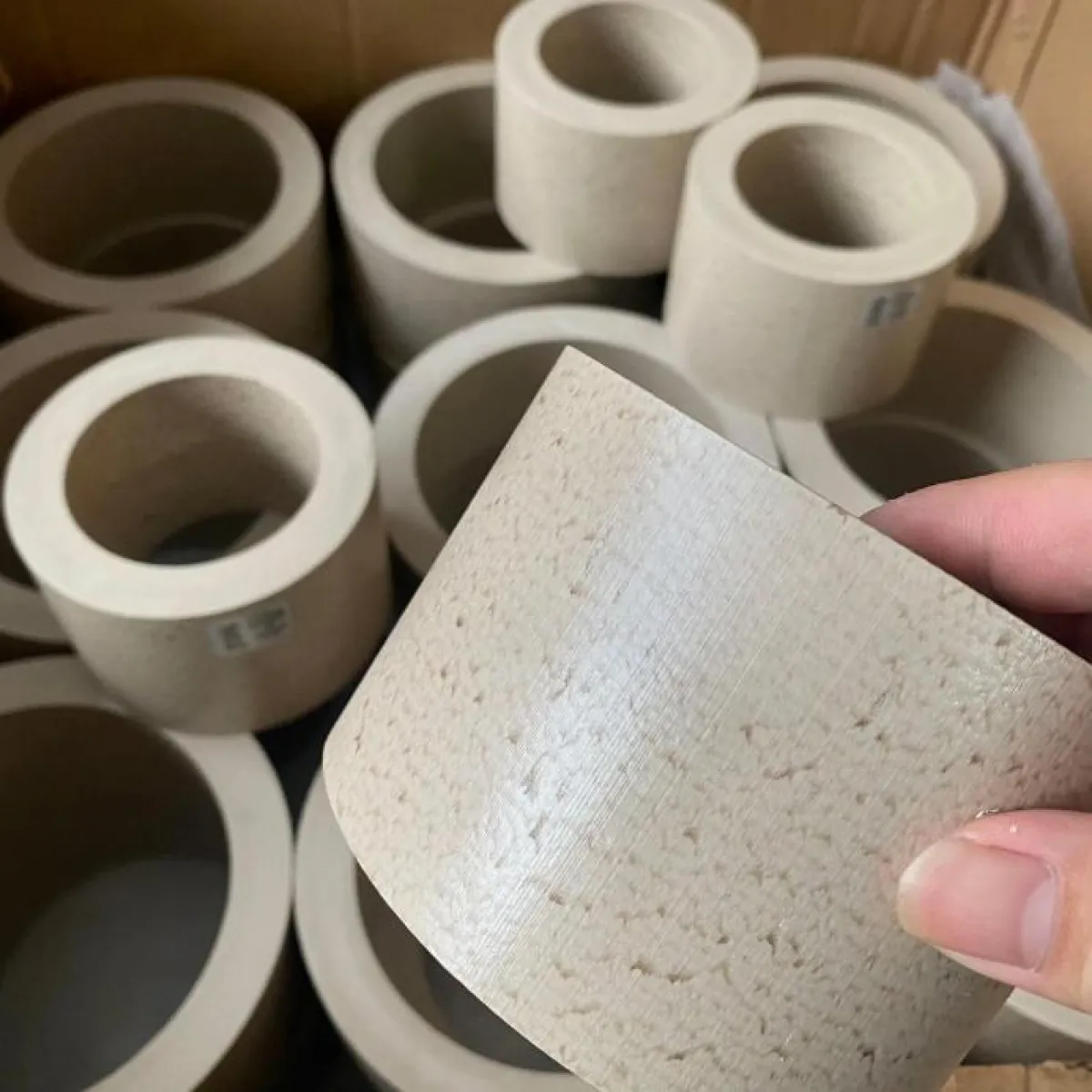
Understanding the difference between these product forms helps engineers specify the correct dimensions, material grade and performance requirements.
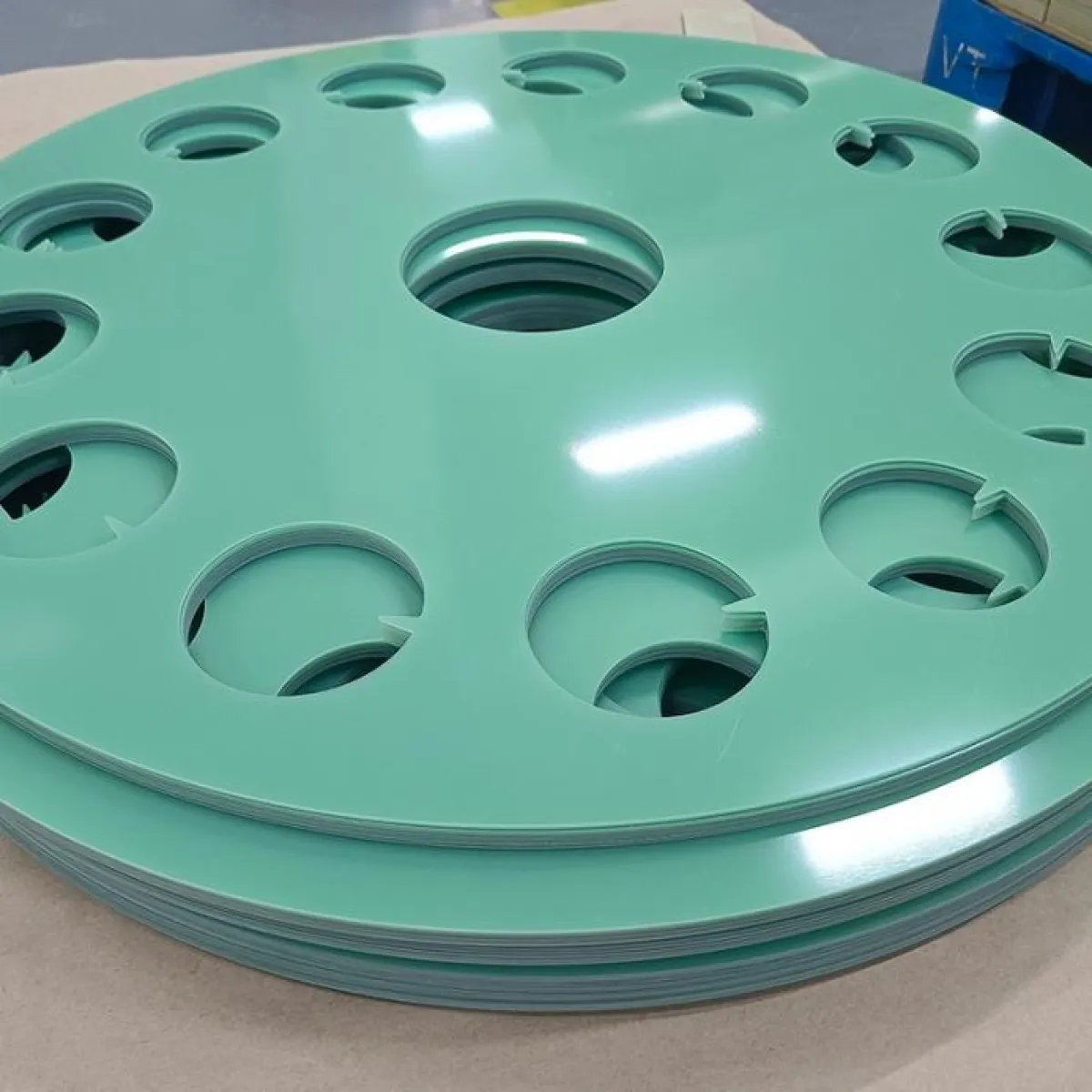
Successful G11 machining depends on controlling tool wear, cutting forces and heat. Appropriate tooling and workpiece support help reduce edge chipping, delamination and dimensiona
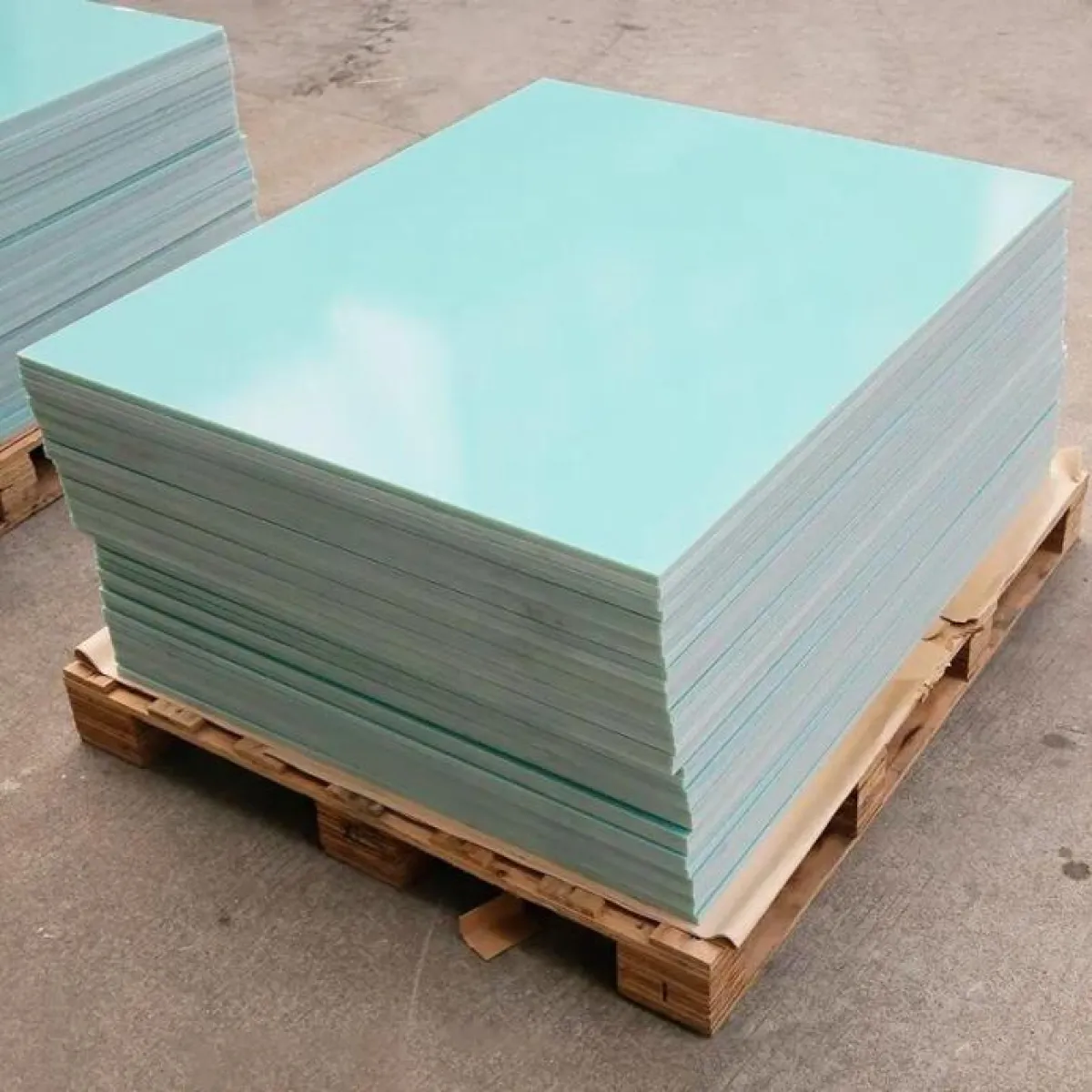
G10 CR is a cryogenic-grade glass epoxy laminate manufactured from woven glass fabric impregnated with a specially selected epoxy resin system and consolidated under heat and press
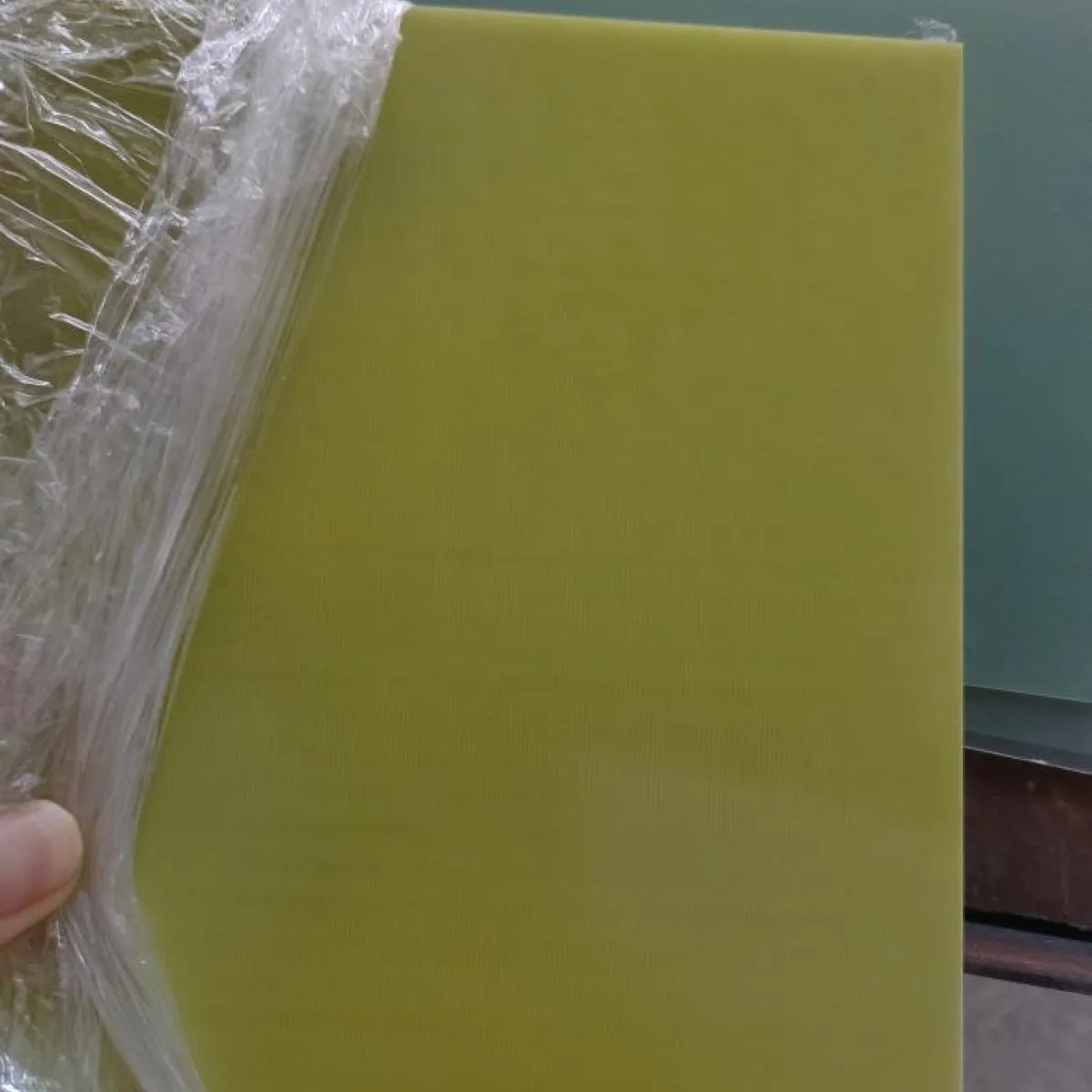
EPGC 204 is commonly cross-referenced with NEMA FR5 and DIN HGW2372.2. The relevant IEC material specification is IEC 60893-3-2, covering rigid laminated sheets based on epoxy resi
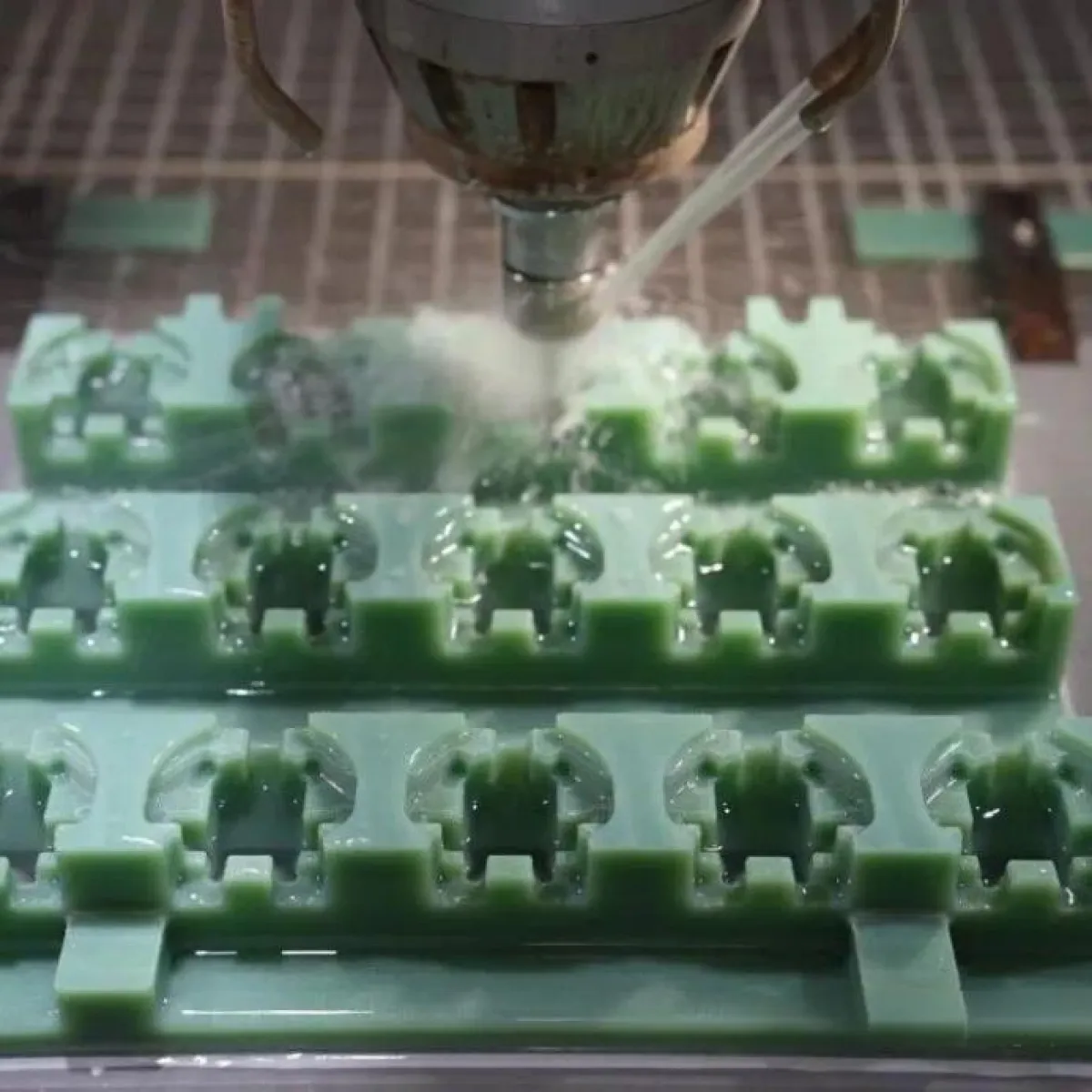
Selecting the appropriate material requires consideration of operating temperature, electrical stress, mechanical load and environmental conditions.
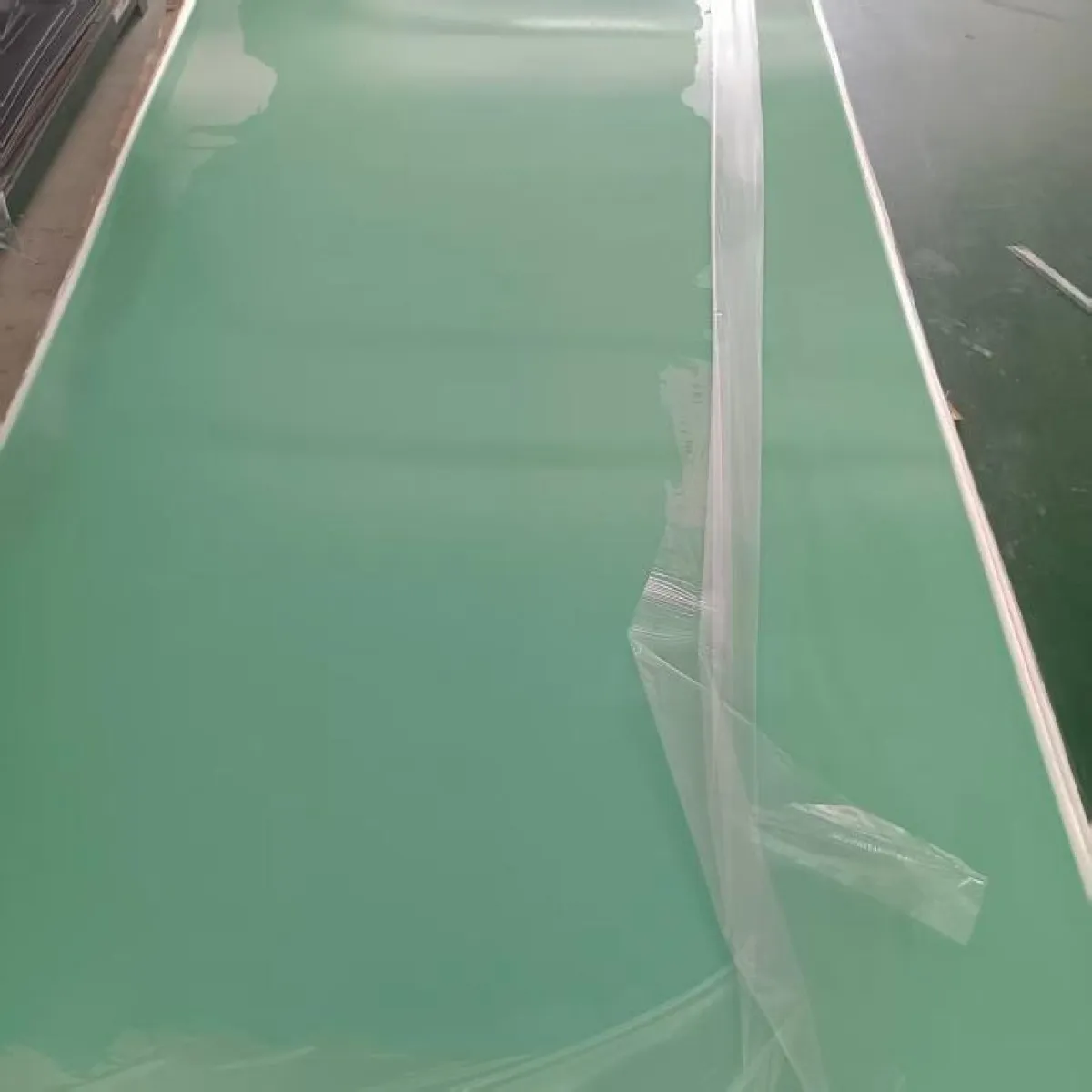
EPGC 203 is a rigid thermoset laminate manufactured from woven glass fabric impregnated with epoxy resin and consolidated under heat and pressure.
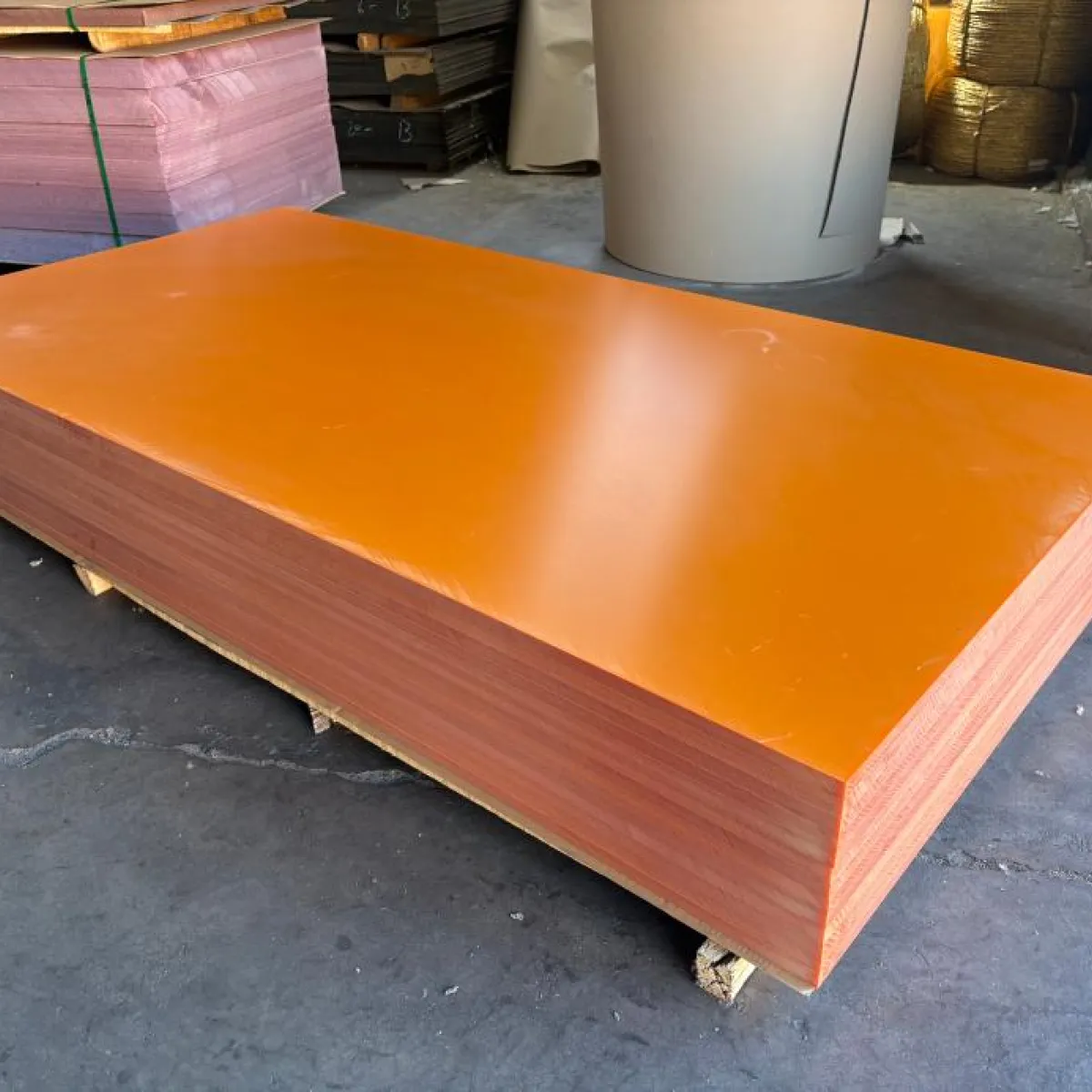
In industrial sheet applications, “Bakelite” commonly refers to phenolic paper laminate. It is manufactured by impregnating layers of cellulose paper with phenolic resin, followed

No.3, Mianzhi Street, Zhucheng, Shandong, China





Copyright © 2026 by Qingdao Yilong Insulation Material Company Limited All Rights Reserved