
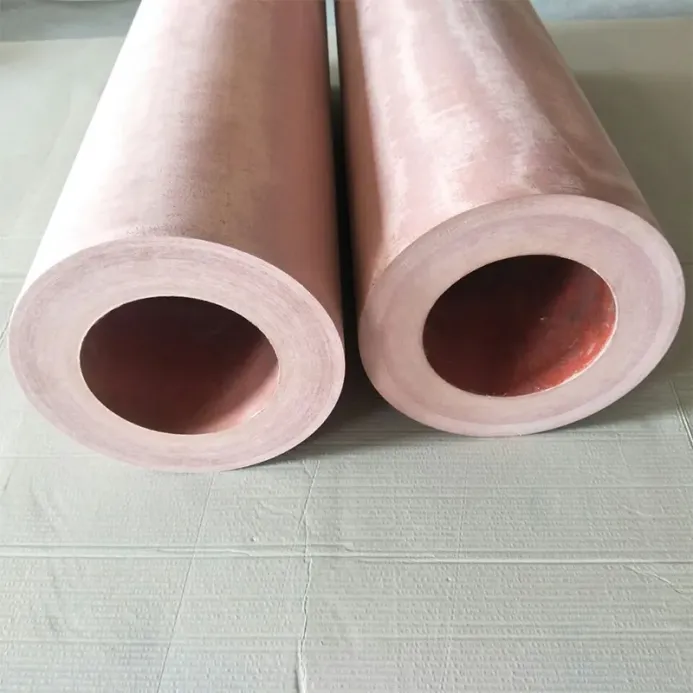
Phenolic Cotton Tubes combine woven cotton fabric with a thermosetting phenolic resin. Their mechanical strength, machinability and wear characteristics make suitable grades a practical choice for bearing bushes, guide sleeves and other mechanical components.
Performance depends on the fabric weave, resin formulation, lubrication and operating conditions. Understanding these factors helps engineers select the right material and achieve reliable service.
Wear Performance and Running-In
Bearing-grade phenolic cotton laminates offer useful wear resistance in sliding applications. Under suitable operating conditions, running-in helps the bearing surface conform to the shaft, improving contact distribution.
Shaft wear depends on more than the bearing material. Surface finish, alignment, lubrication and contamination all affect performance. Correctly designed phenolic bushes can provide reliable service, but they should not be described as universally wear-free or harmless to every shaft.
Most conventional cotton phenolic bearing grades benefit from lubrication. Dry-running applications require a grade specifically suited to the expected load, speed and temperature.
Vibration Damping and Shock Absorption
The fabric-reinforced structure provides toughness and can help damp vibration and reduce operating noise. This is useful in mechanical assemblies exposed to repeated movement or moderate impact.
However, Phenolic Cotton Tubes are rigid thermoset composites. Assembly interference and bearing pressure must be controlled to avoid cracking or excessive deformation. Their damping characteristics complement proper component design and alignment.
Machinability and Dimensional Control
Phenolic Cotton Tubes can be turned, bored and drilled into components with defined dimensions and bearing clearances. Fine-weave grades are particularly useful where a smooth machined surface is required.
Dimensional stability must be assessed under actual service conditions. Moisture absorption and temperature changes can alter dimensions, so a bearing clearance measured in the dry state may change after installation.
For water-lubricated applications, machining allowances and operating clearances should account for moisture-related swelling, thermal expansion and the effect of the housing fit.
Suitability for Water-Lubricated Applications
Selected phenolic cotton bearing grades can operate with water or compatible water-based process fluids as the lubricant. This makes them useful for certain pump bushes, marine bearings and industrial equipment where oil or grease is undesirable.
Water lubrication can simplify some assemblies by reducing the need for a separate oil or grease system. It does not mean the bearing can safely run without lubrication. Adequate fluid supply, cooling and contamination control remain essential, and sealing requirements depend on the equipment design.
Selecting a Phenolic Cotton Tube for Your Application
Material selection should consider shaft speed, bearing pressure, operating temperature, lubrication method and exposure to moisture or chemicals. Tube dimensions alone are not enough to confirm suitability.
For custom bushes and sleeves, provide the finished drawing, shaft and housing dimensions, required tolerances and service conditions. These details help determine the appropriate grade, machining requirements and operating clearance.
Custom Phenolic Cotton Tubes from YILONG
YILONG supplies Phenolic Cotton Tubes and custom-machined components for mechanical and electrical applications. Share your drawings and operating requirements to discuss material options and machining feasibility.
For product enquiries, visit www.yilonginsulation.com, email yilong@yilonginsulation.com, or contact YILONG on WhatsApp at +86 15866869385.
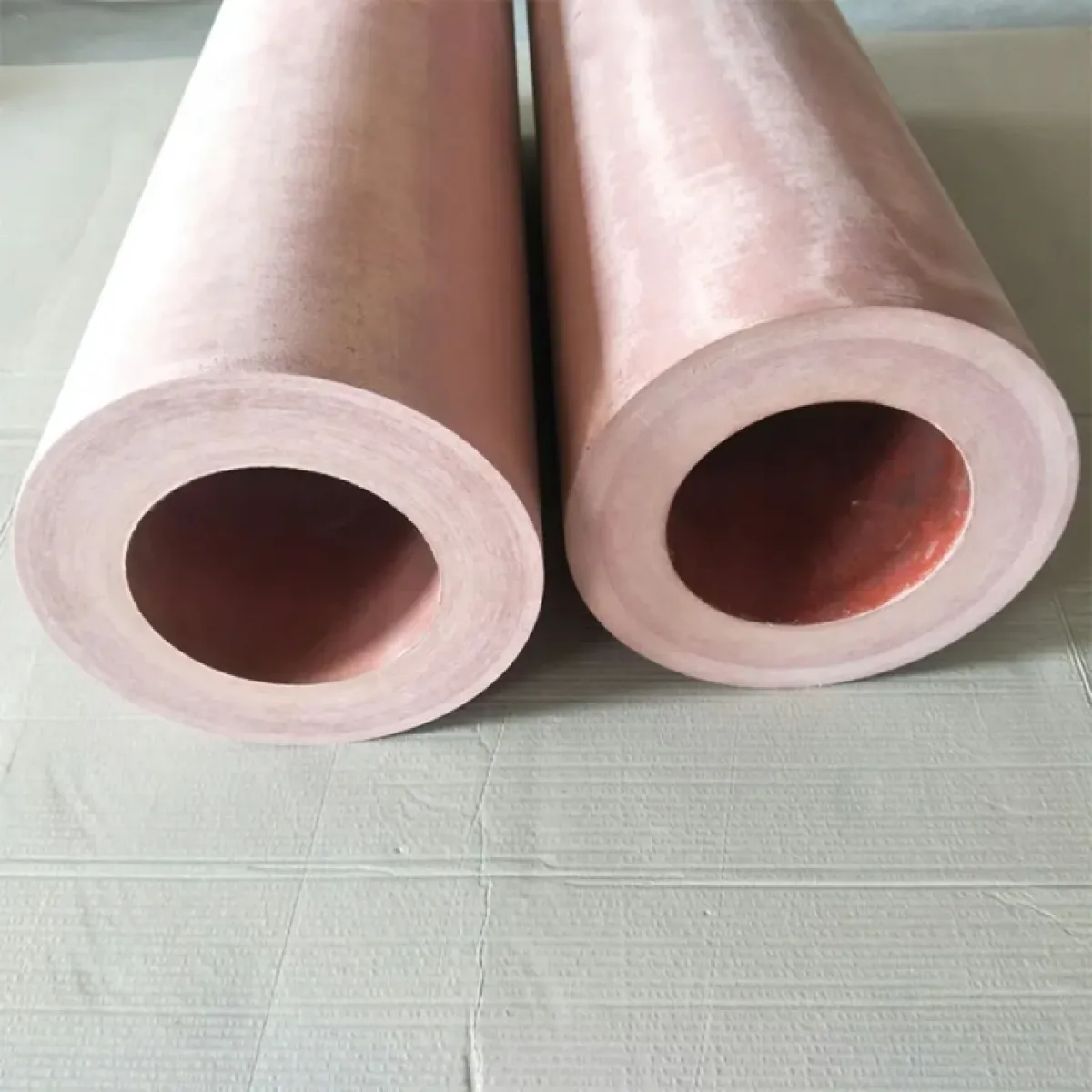
Performance depends on the fabric weave, resin formulation, lubrication and operating conditions. Understanding these factors helps engineers select the right material and achieve
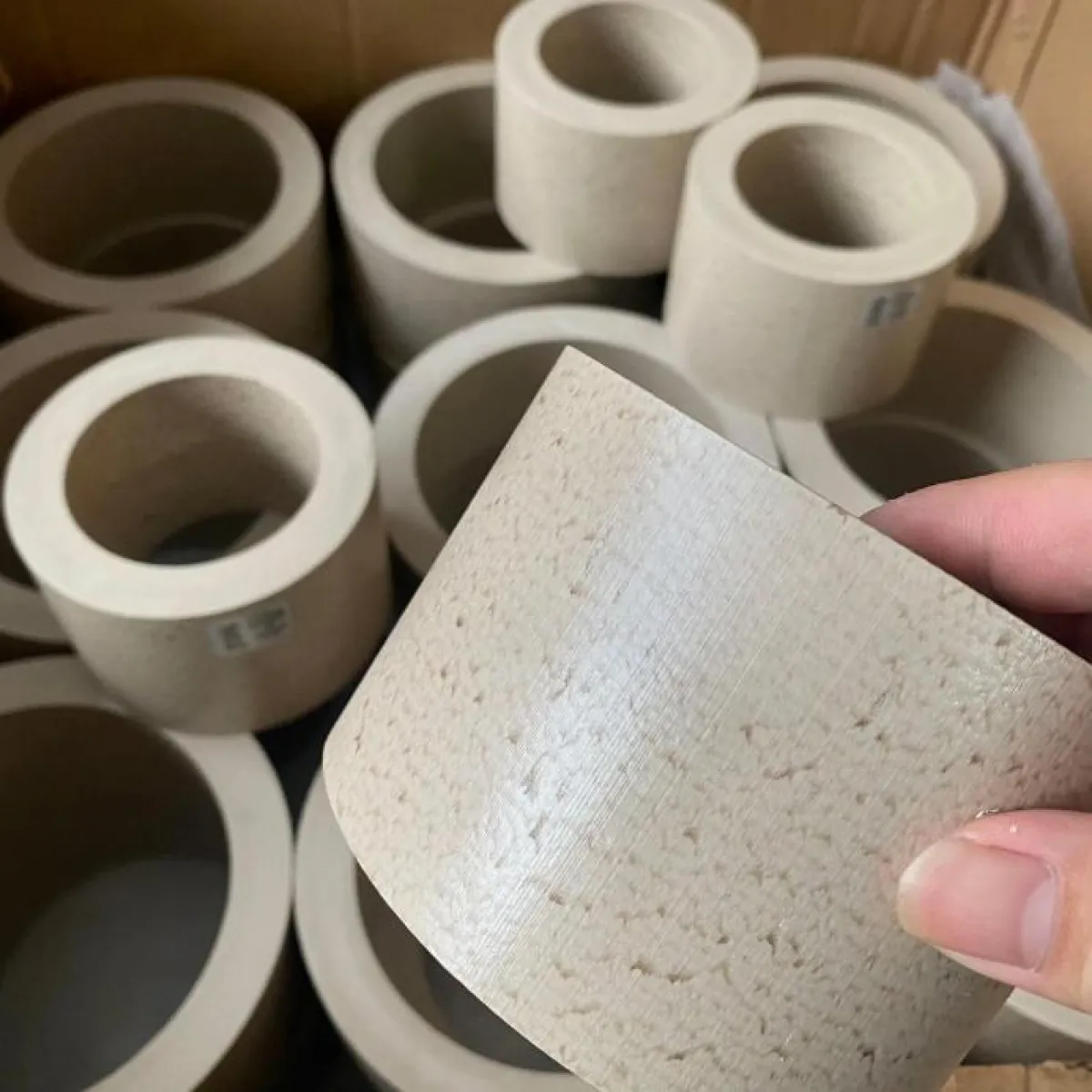
Understanding the difference between these product forms helps engineers specify the correct dimensions, material grade and performance requirements.
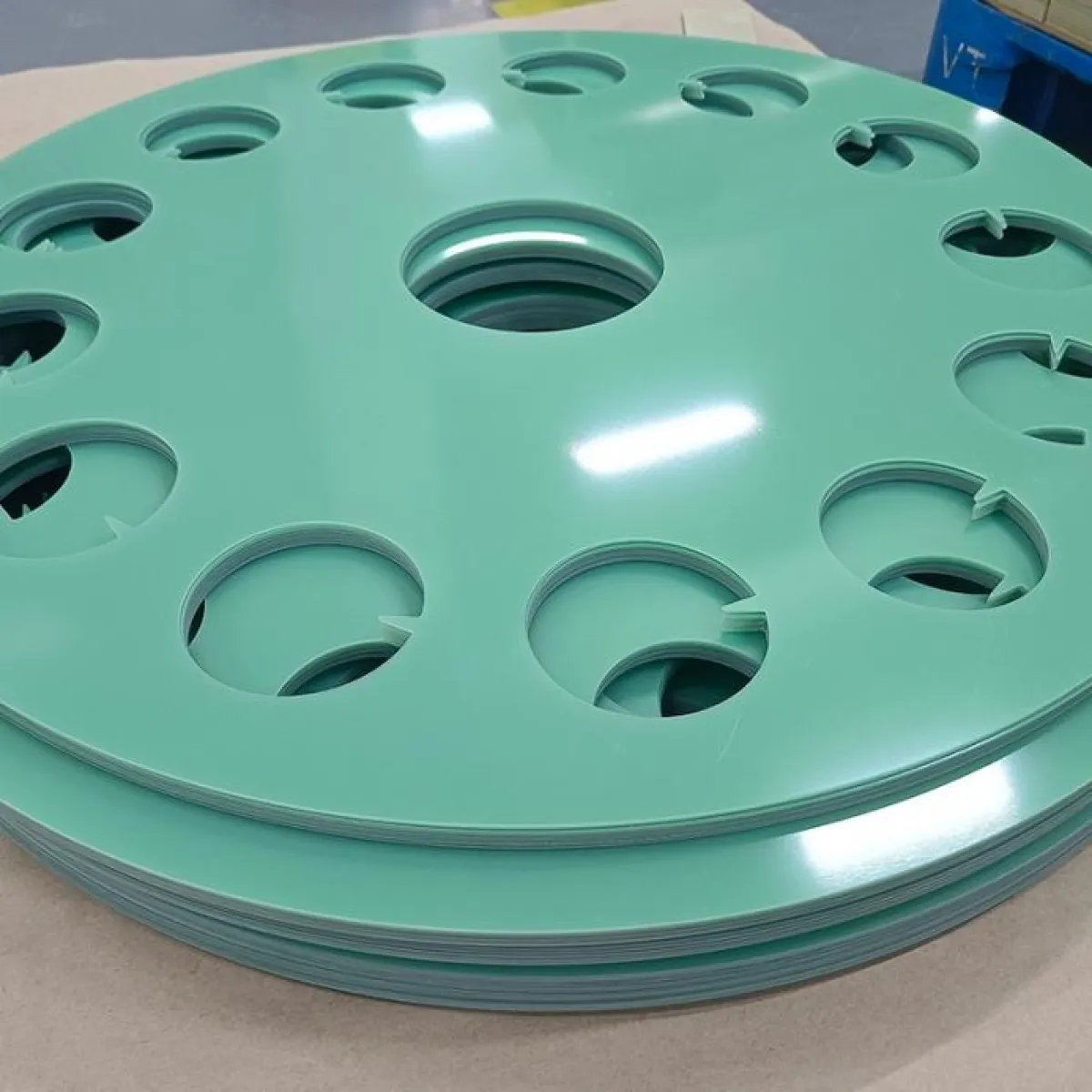
Successful G11 machining depends on controlling tool wear, cutting forces and heat. Appropriate tooling and workpiece support help reduce edge chipping, delamination and dimensiona
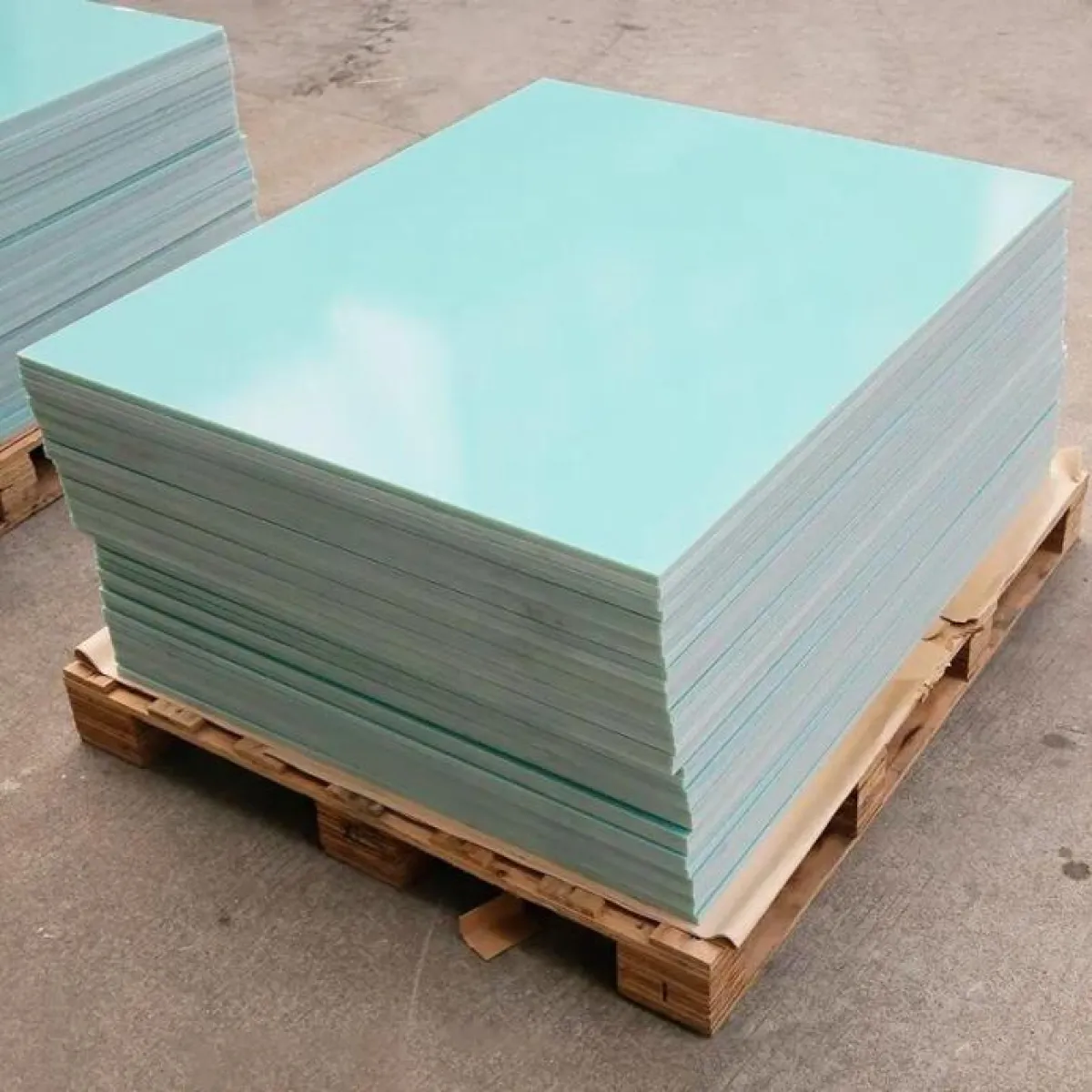
G10 CR is a cryogenic-grade glass epoxy laminate manufactured from woven glass fabric impregnated with a specially selected epoxy resin system and consolidated under heat and press
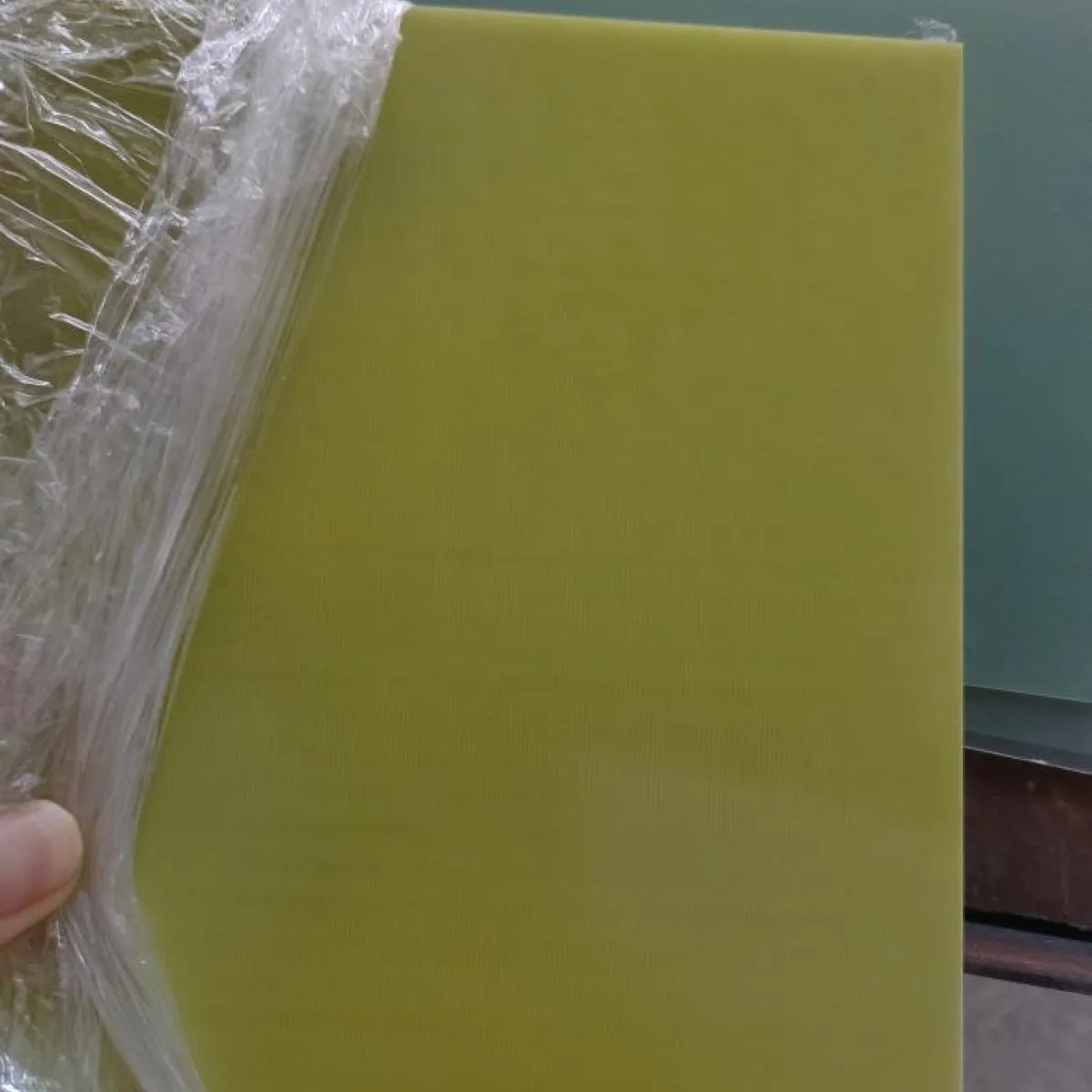
EPGC 204 is commonly cross-referenced with NEMA FR5 and DIN HGW2372.2. The relevant IEC material specification is IEC 60893-3-2, covering rigid laminated sheets based on epoxy resi
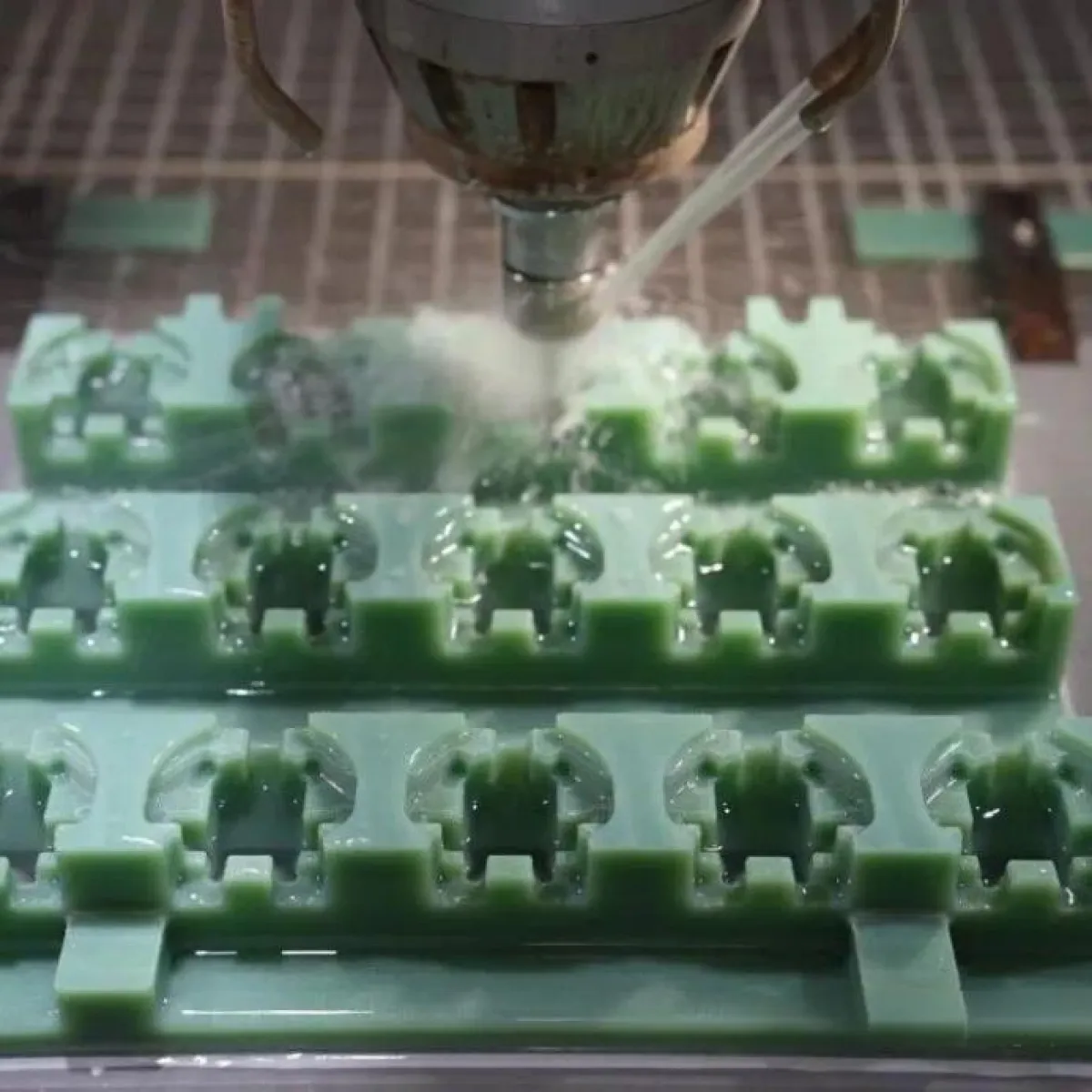
Selecting the appropriate material requires consideration of operating temperature, electrical stress, mechanical load and environmental conditions.
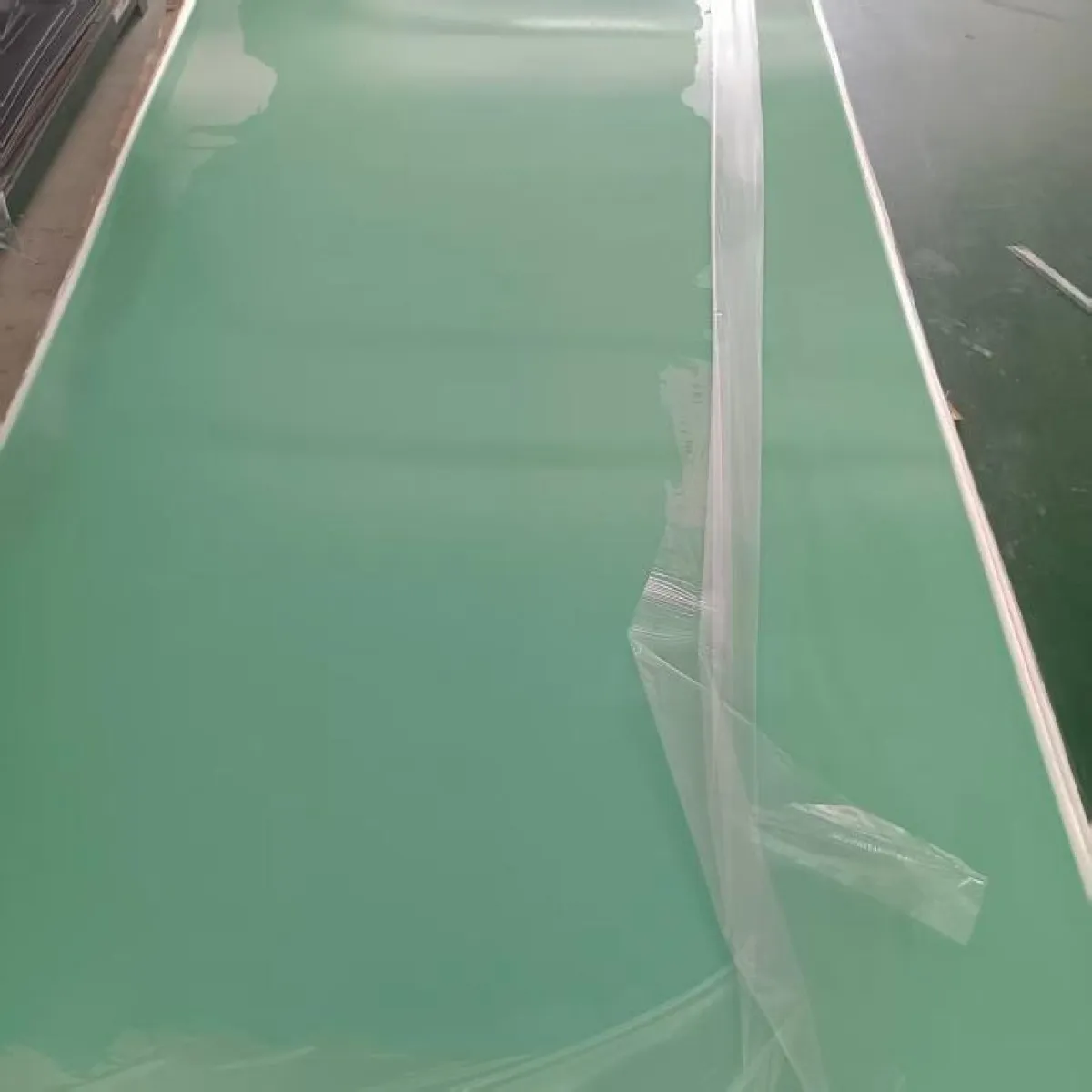
EPGC 203 is a rigid thermoset laminate manufactured from woven glass fabric impregnated with epoxy resin and consolidated under heat and pressure.
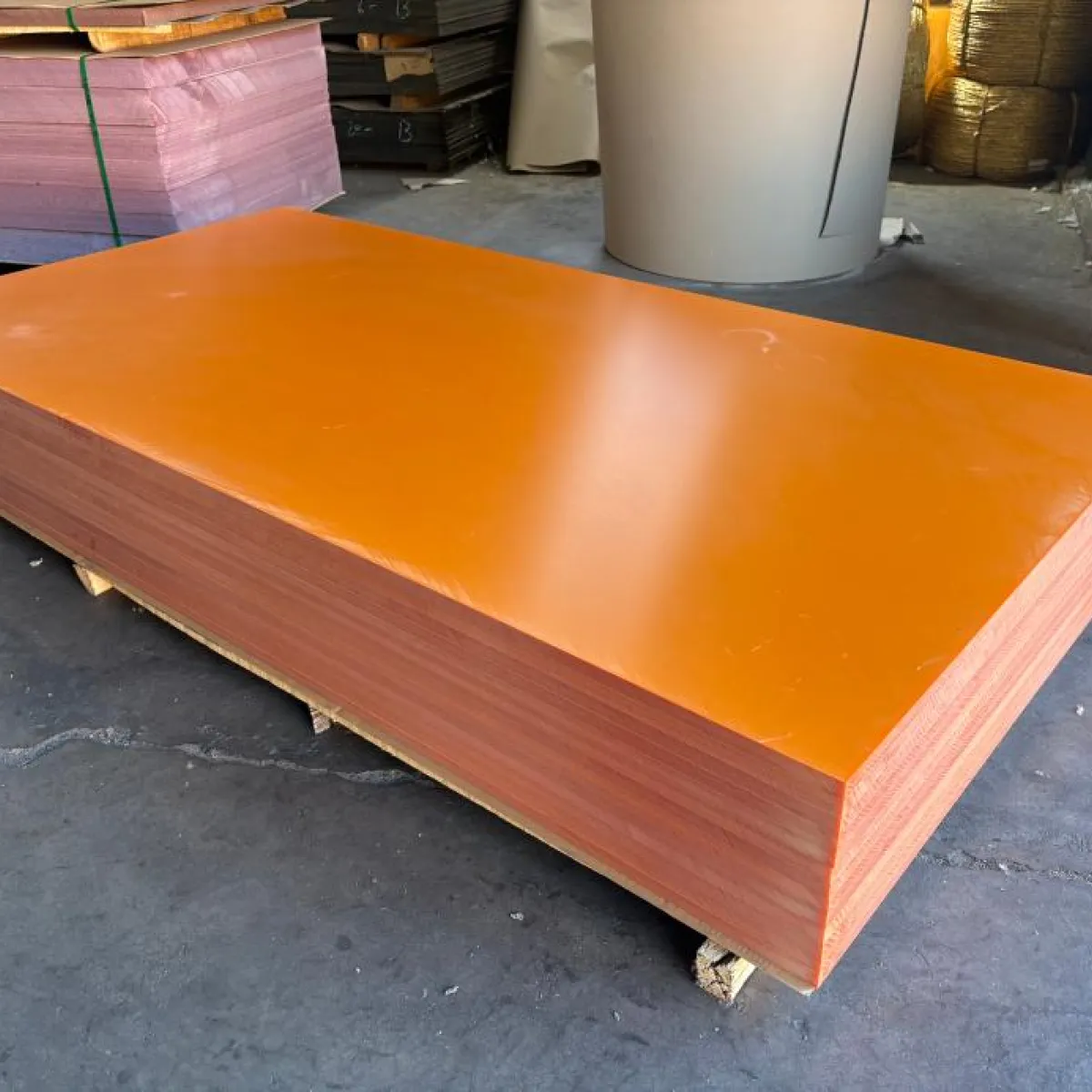
In industrial sheet applications, “Bakelite” commonly refers to phenolic paper laminate. It is manufactured by impregnating layers of cellulose paper with phenolic resin, followed
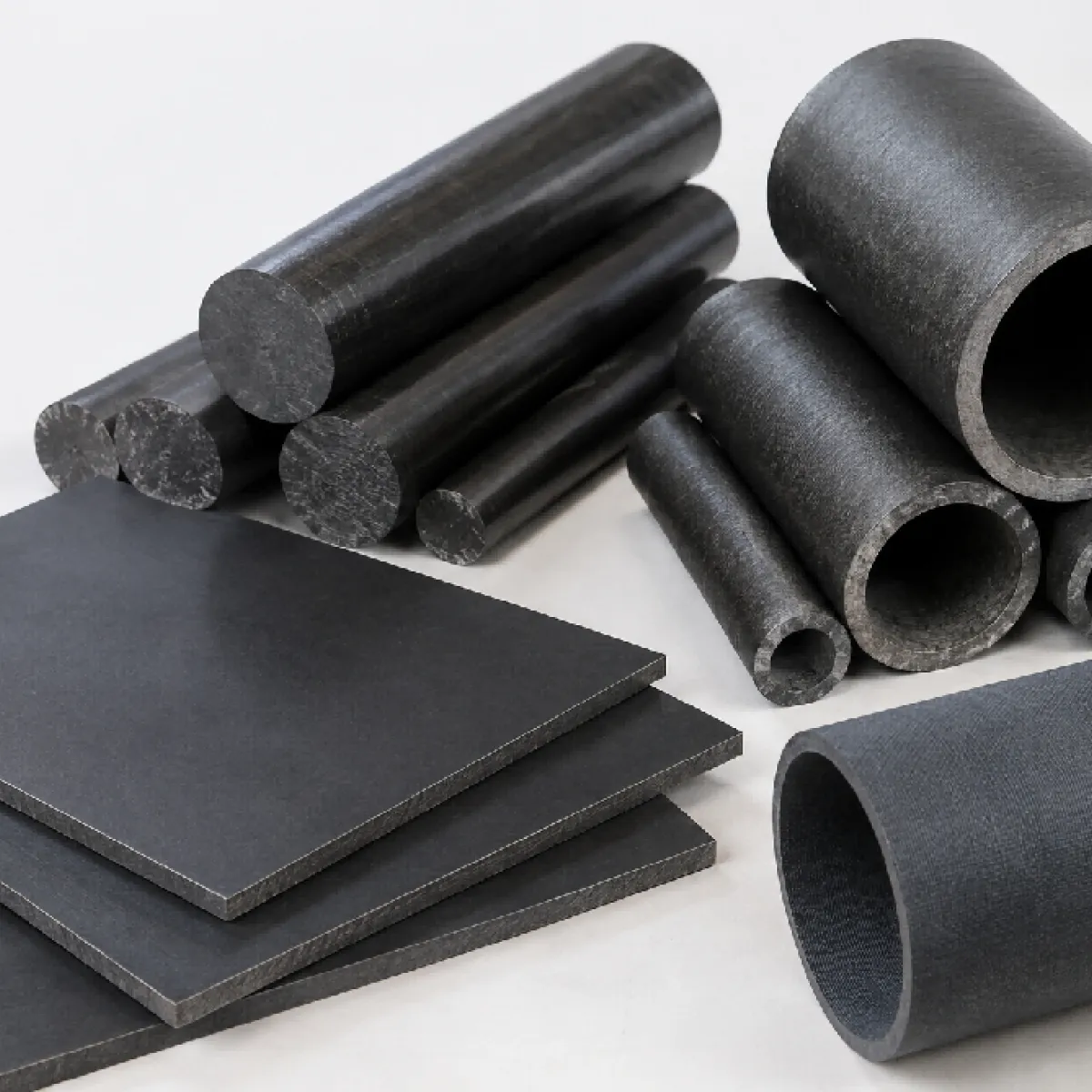
Under suitable operating conditions, the MoS2 filler can improve wear performance and provide anti-seizure characteristics. The material can also operate with lower noise than many
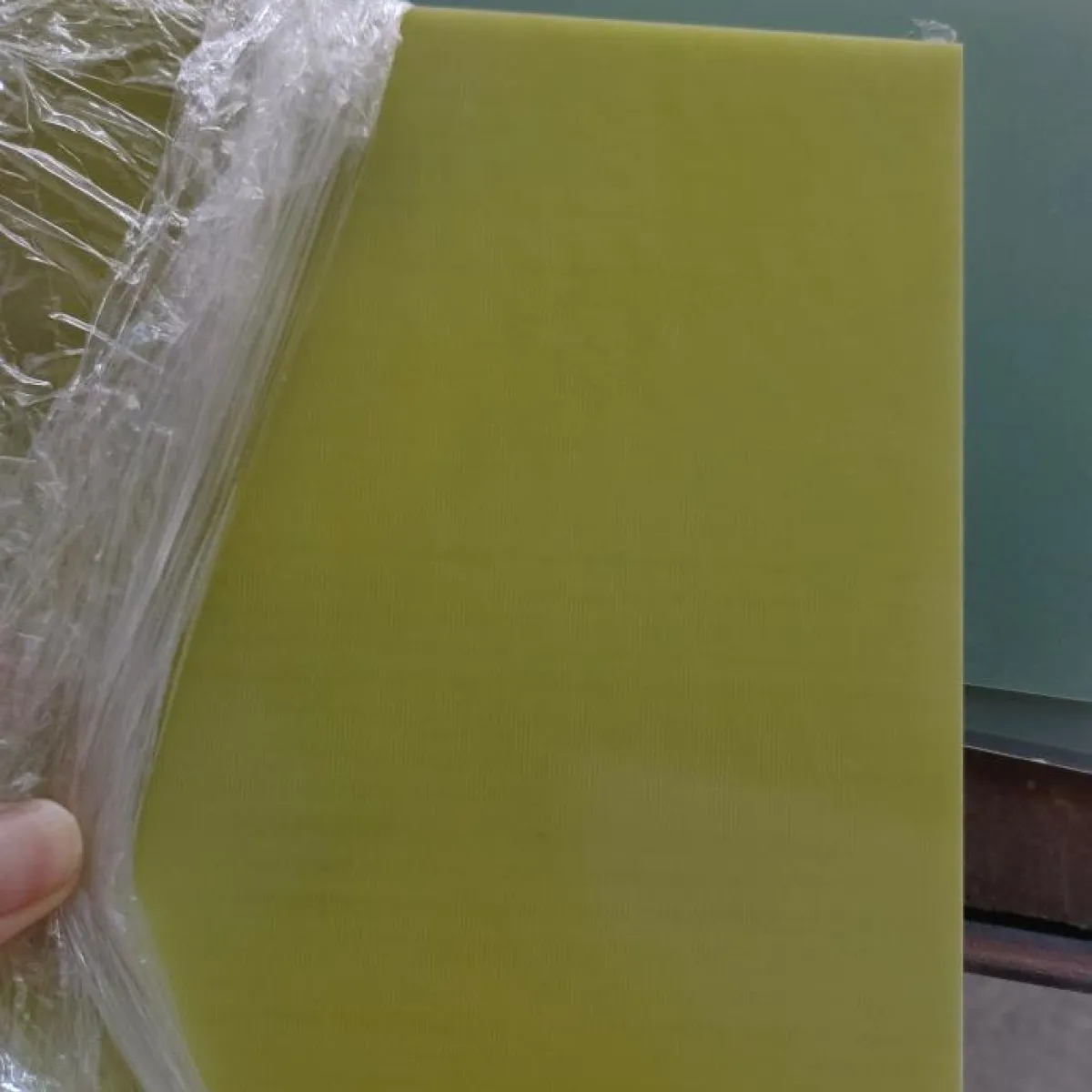
As a Class F insulation material, EPGC 204/FR5 is designed for applications where stable electrical and mechanical performance is required at elevated temperatures. Compared with s

No.3, Mianzhi Street, Zhucheng, Shandong, China





Copyright © 2026 by Qingdao Yilong Insulation Material Company Limited All Rights Reserved