
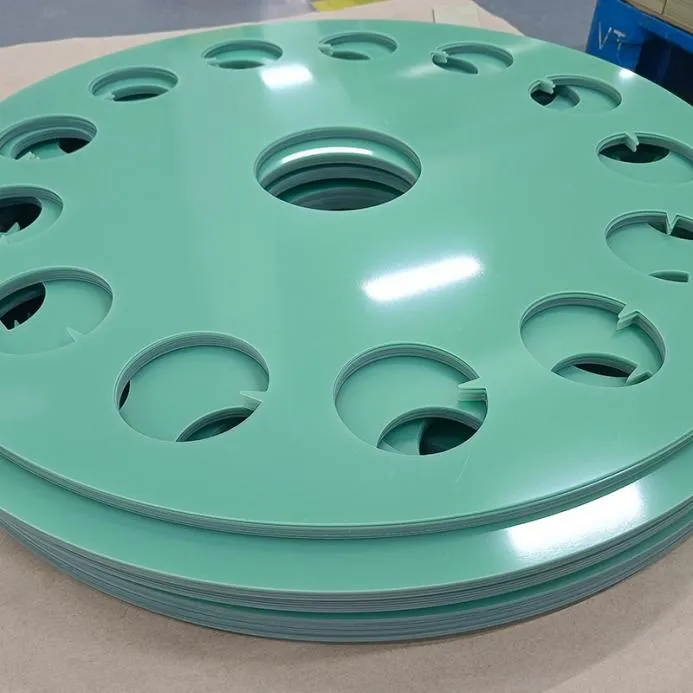
G11 epoxy glass laminate, commonly cross-referenced with EPGC203, combines woven glass fabric with a cured epoxy resin matrix. It is used for electrical insulation parts that also require mechanical strength and heat resistance.
Successful G11 machining depends on controlling tool wear, cutting forces and heat. Appropriate tooling and workpiece support help reduce edge chipping, delamination and dimensional variation.
Choosing a Cutting Method
Saw cutting is practical for straight cuts and preparing machining blanks. Carbide-tipped blades are suitable for many operations, while diamond blades may offer better tool life for thicker glass laminates or larger production volumes. Support the sheet securely and leave sufficient allowance for finishing critical edges.
Abrasive waterjet cutting is useful for profiles where thermal damage must be minimized. However, piercing can cause delamination if the process is unsuitable for the laminate. Entry strategy, abrasive delivery and cutting parameters require careful control. Inspect cut edges and confirm whether secondary machining is needed for critical dimensions.
Laser cutting introduces thermal effects into the epoxy composite. Research on glass-reinforced epoxy shows that resin degradation and cut geometry depend on the processing conditions. For insulation components, laser cutting should undergo application-specific validation, including assessment of edge quality and electrical performance.
Selecting Tools and Cutting Parameters
Carbide, polycrystalline diamond (PCD) and diamond-equipped tools are options for machining glass epoxy laminates. Tool selection should reflect the operation, material thickness and production quantity.
Keep cutting edges sharp and provide suitable tool clearance. Worn tools generate heat, reduce surface quality and make tolerances harder to maintain. Establish spindle speed, feed and cutting depth through tooling recommendations and trials on the actual material. Light finishing passes can improve surface quality when the workpiece is adequately supported.
Preventing Delamination During Drilling and Milling
Support thin sections and areas near the cutting edge to limit deflection. A suitable backing plate helps support the exit surface during through-drilling and cutting across the laminate layers.
Use drill geometry appropriate for the sheet thickness and keep the tool clear of machining debris. For deeper holes, a suitable peck-drilling cycle can assist clearance and reduce heat accumulation.
Dust Extraction and Process Cleanliness
Machining glass epoxy produces fine dust and fibrous debris. Use effective extraction at the machining area and follow the material supplier’s handling guidance.
Where lubrication or coolant is used, confirm compatibility with the finished component’s electrical requirements. Some lubricants can affect insulation performance, making cleaning and process selection particularly important.
Controlling Dimensions and Tolerances
Start by distinguishing the supplied sheet’s thickness tolerance from the finished component’s requirements. Laminated sheet thickness can vary, so parts requiring tighter thickness control may need suitable stock allowance and additional finishing.
Define critical dimensions, hole diameters, positional tolerances, flatness and inspection datums clearly on the drawing. Review achievable tolerances against part size, thickness, geometry and machining method.
Allow the material and finished parts to reach the agreed inspection conditions. Check critical dimensions after machining and unclamping, with particular attention to thin components that may deflect under fixture pressure.
Finishing and Final Inspection
Apply specified chamfers or edge radii carefully, and remove loose fibers without damaging the laminate. Inspect finished parts for chipped edges, cracks and visible delamination, alongside dimensional checks. Smooth transitions and appropriate corner radii also help reduce stress concentrations.
Custom G11 Machining from YILONG
YILONG supplies G11/EPGC203 epoxy glass sheets and CNC machined insulation components according to customer drawings. Material selection, machining requirements and critical tolerances can be reviewed together before production.
For a quotation, provide your drawing, material specification, quantity and inspection requirements. Visit www.yilonginsulation.com, email yilong@yilonginsulation.com, or contact YILONG on WhatsApp at +86 15866869385.
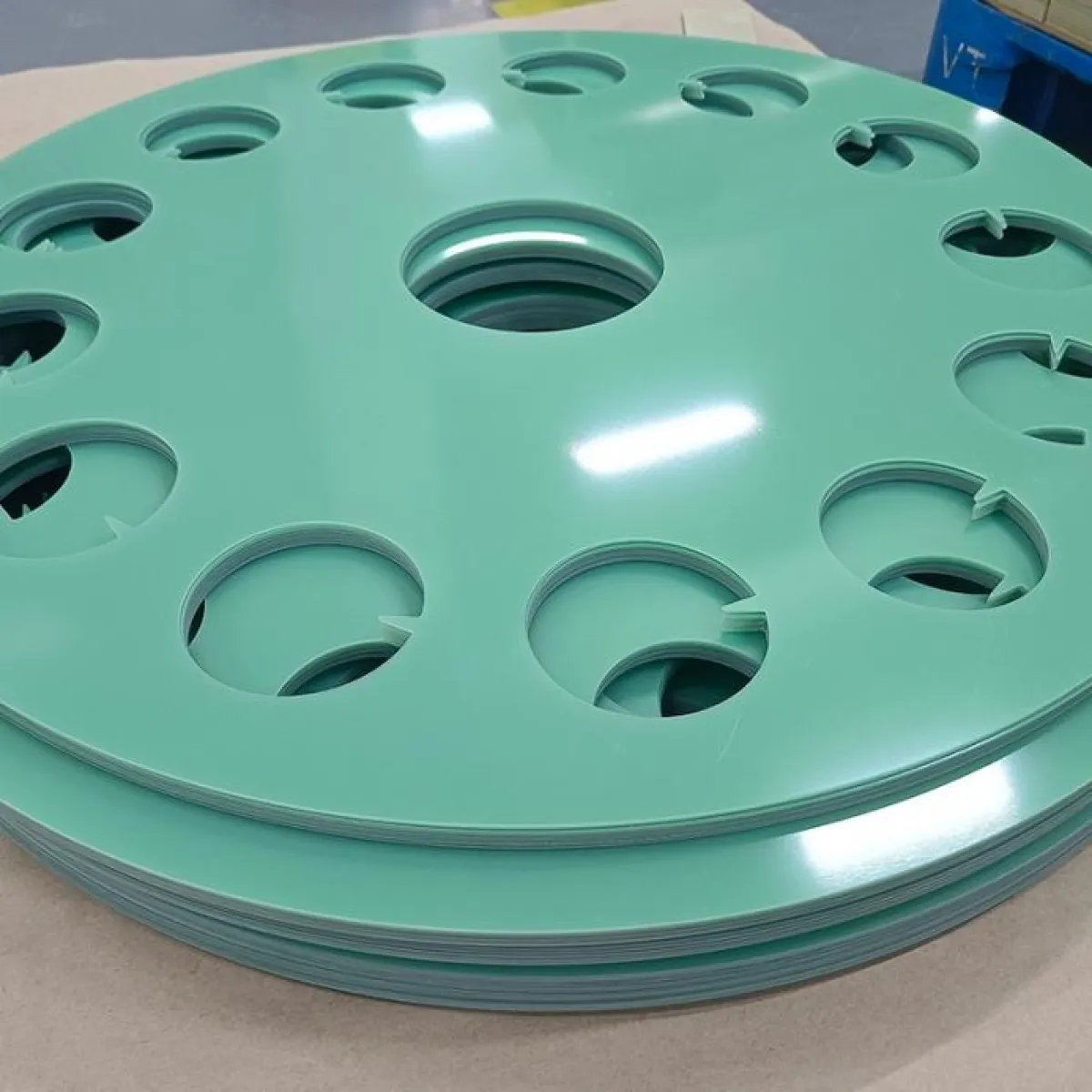
Successful G11 machining depends on controlling tool wear, cutting forces and heat. Appropriate tooling and workpiece support help reduce edge chipping, delamination and dimensiona
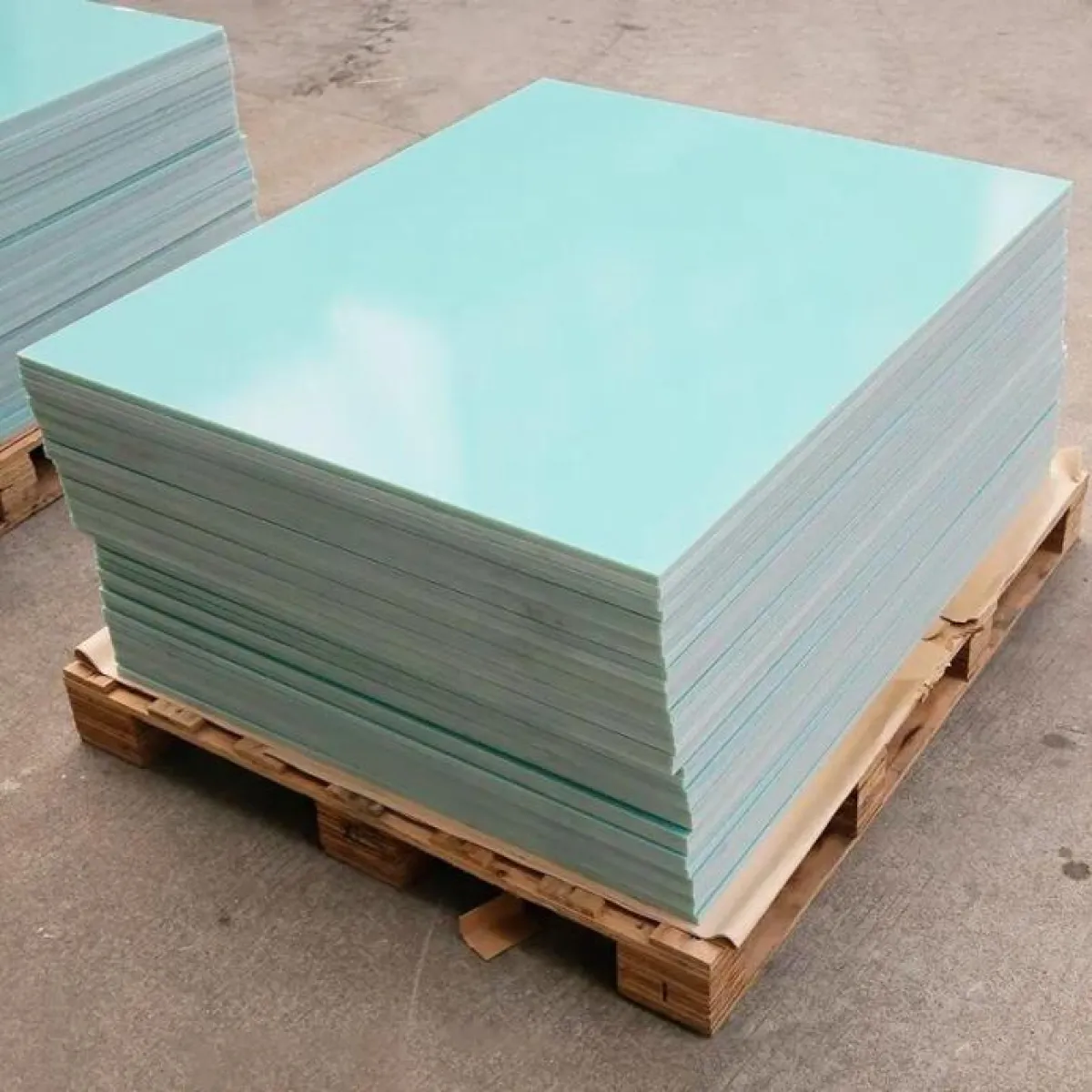
G10 CR is a cryogenic-grade glass epoxy laminate manufactured from woven glass fabric impregnated with a specially selected epoxy resin system and consolidated under heat and press
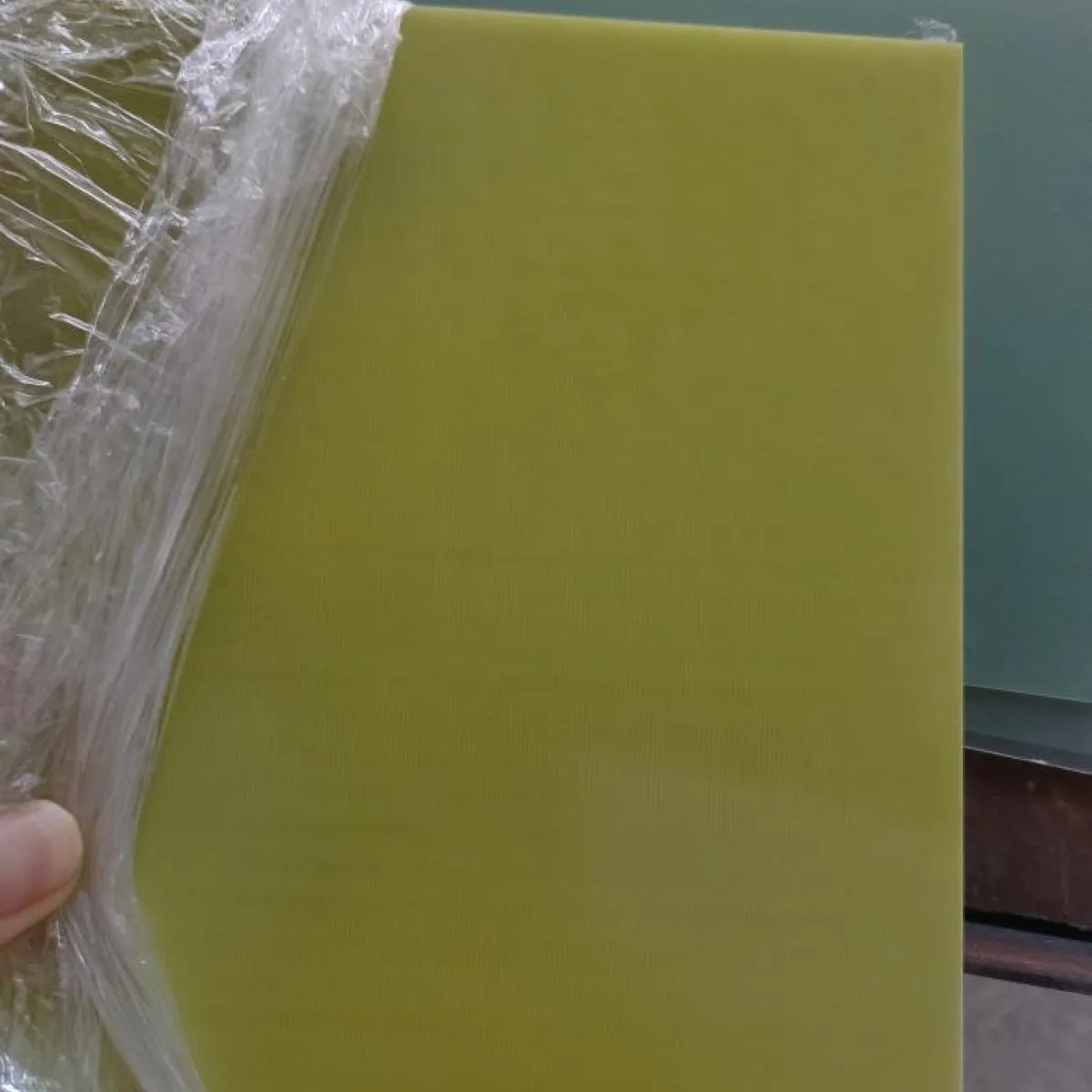
EPGC 204 is commonly cross-referenced with NEMA FR5 and DIN HGW2372.2. The relevant IEC material specification is IEC 60893-3-2, covering rigid laminated sheets based on epoxy resi
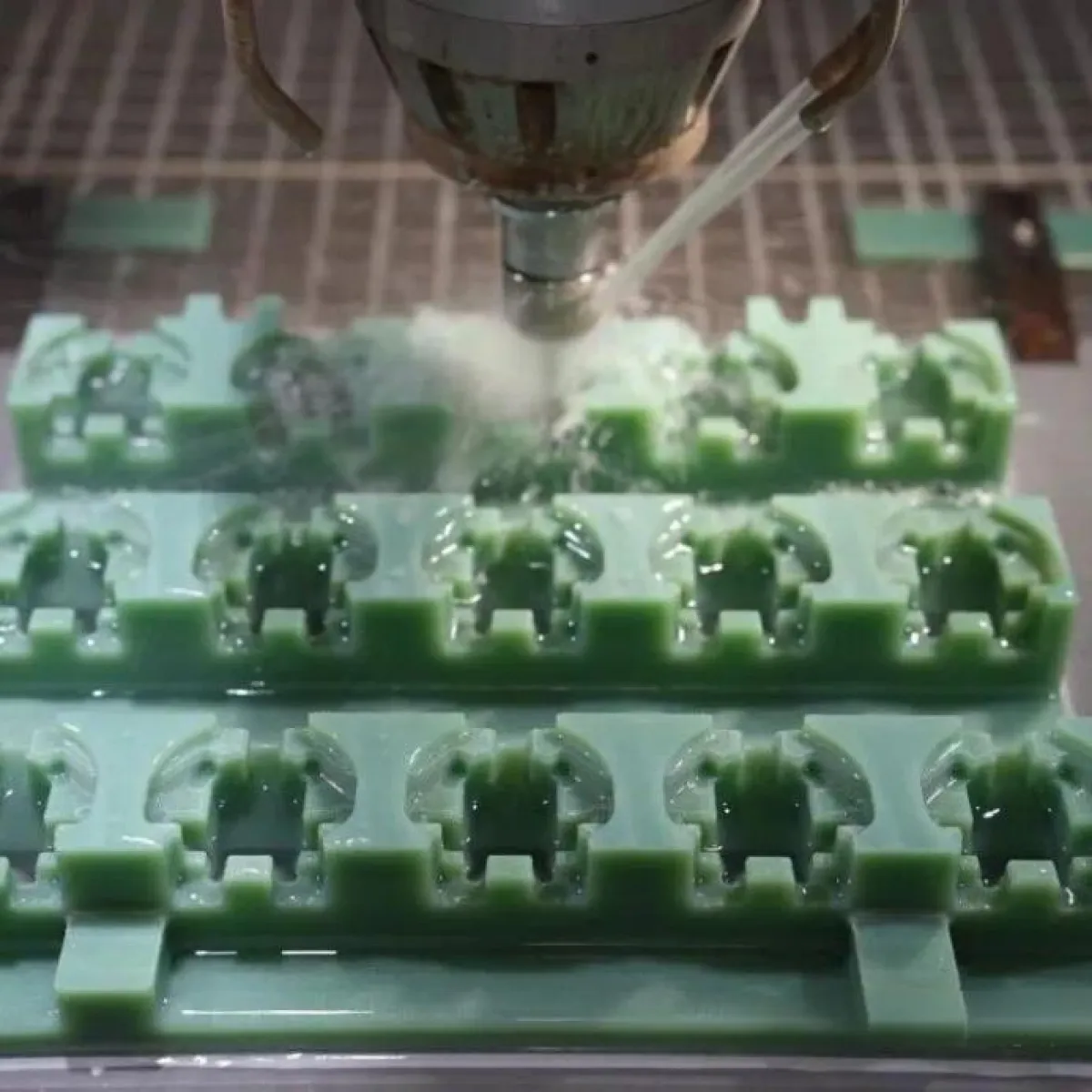
Selecting the appropriate material requires consideration of operating temperature, electrical stress, mechanical load and environmental conditions.
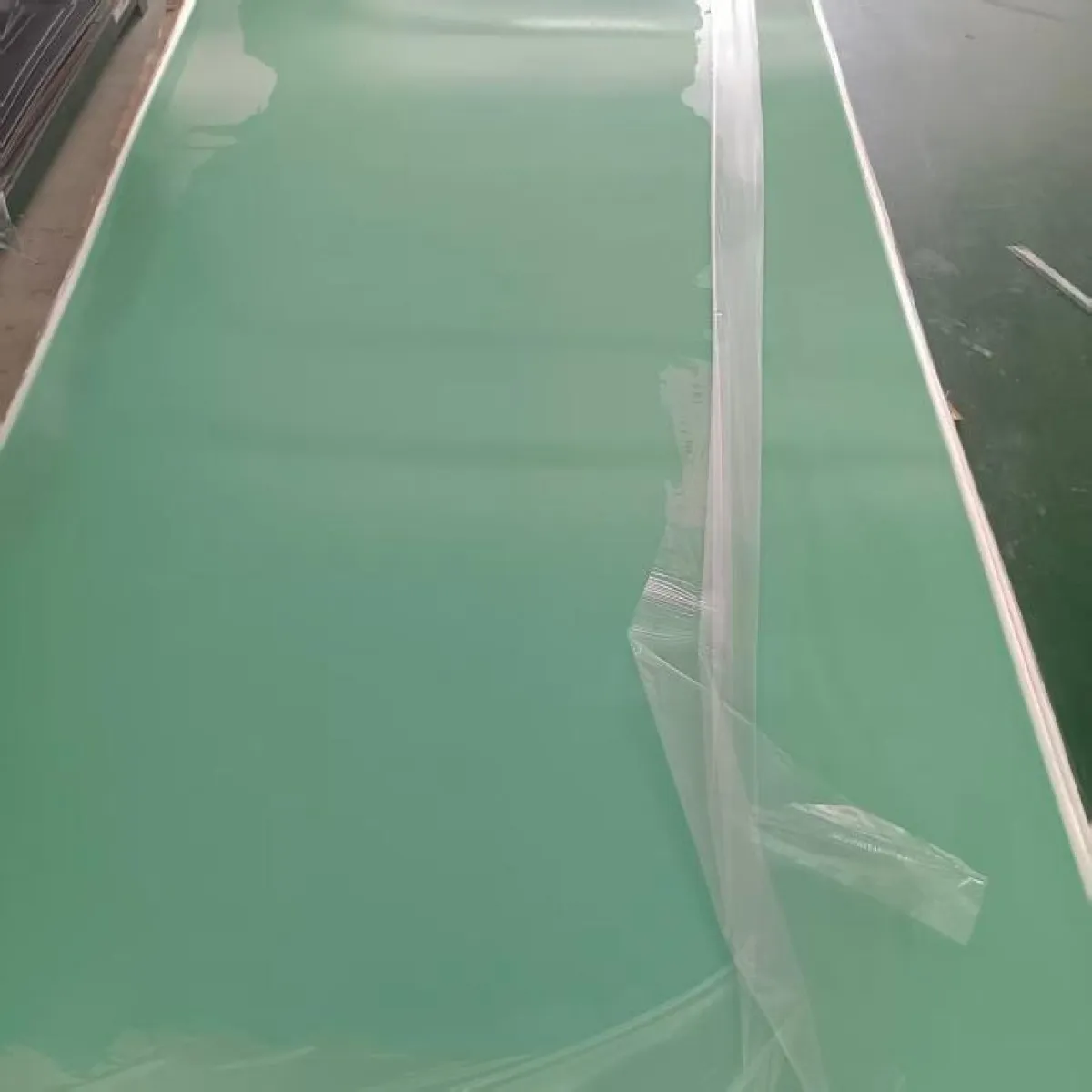
EPGC 203 is a rigid thermoset laminate manufactured from woven glass fabric impregnated with epoxy resin and consolidated under heat and pressure.
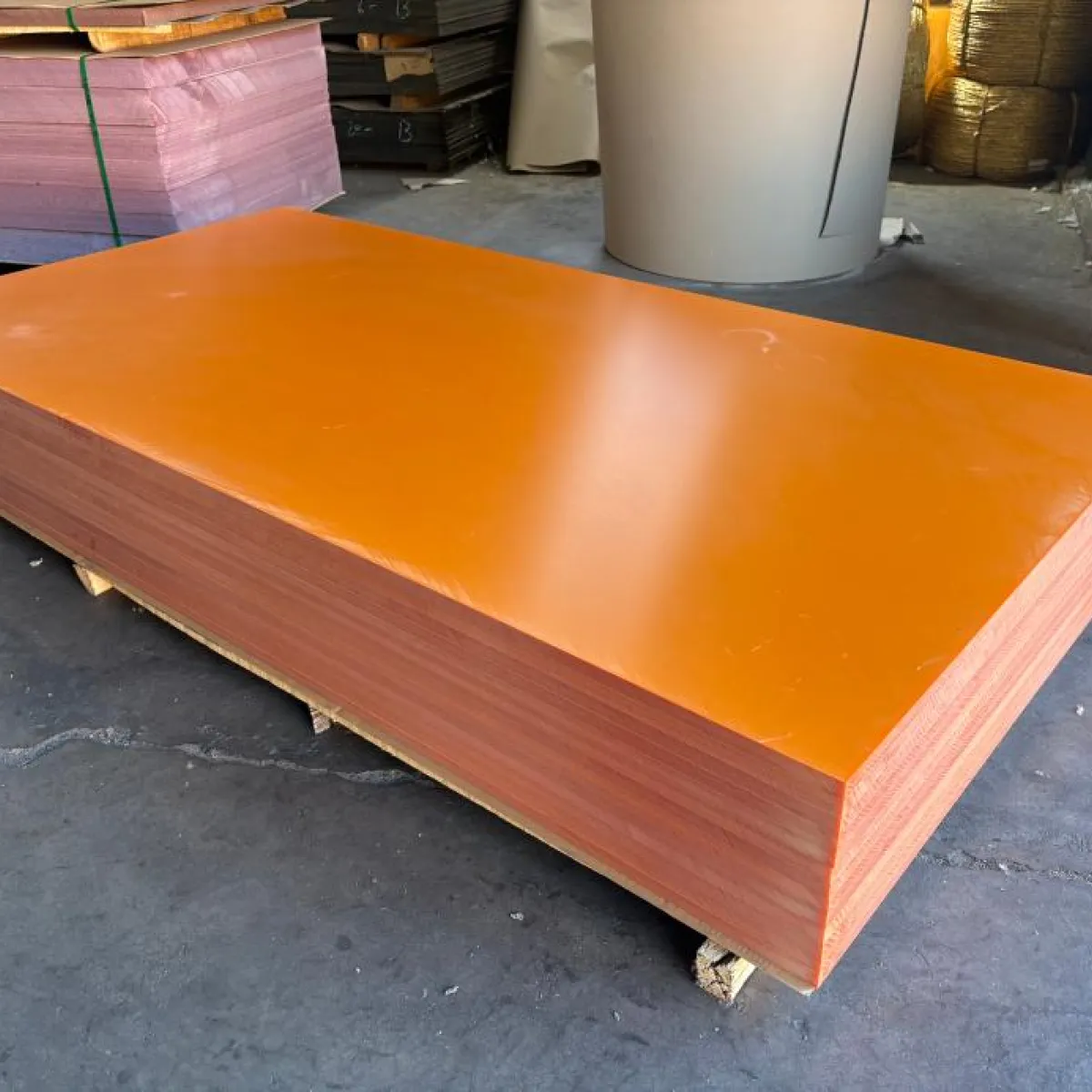
In industrial sheet applications, “Bakelite” commonly refers to phenolic paper laminate. It is manufactured by impregnating layers of cellulose paper with phenolic resin, followed
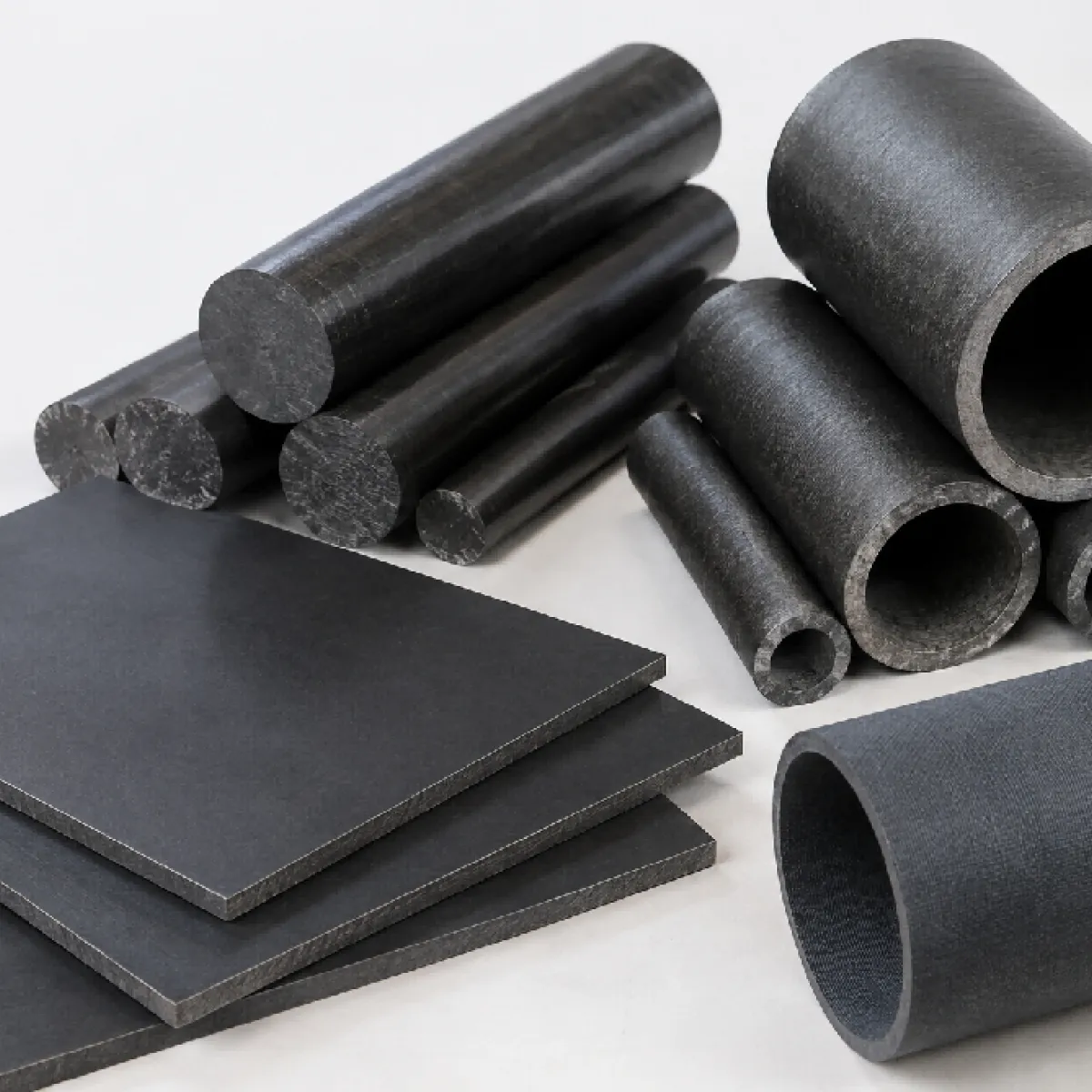
Under suitable operating conditions, the MoS2 filler can improve wear performance and provide anti-seizure characteristics. The material can also operate with lower noise than many
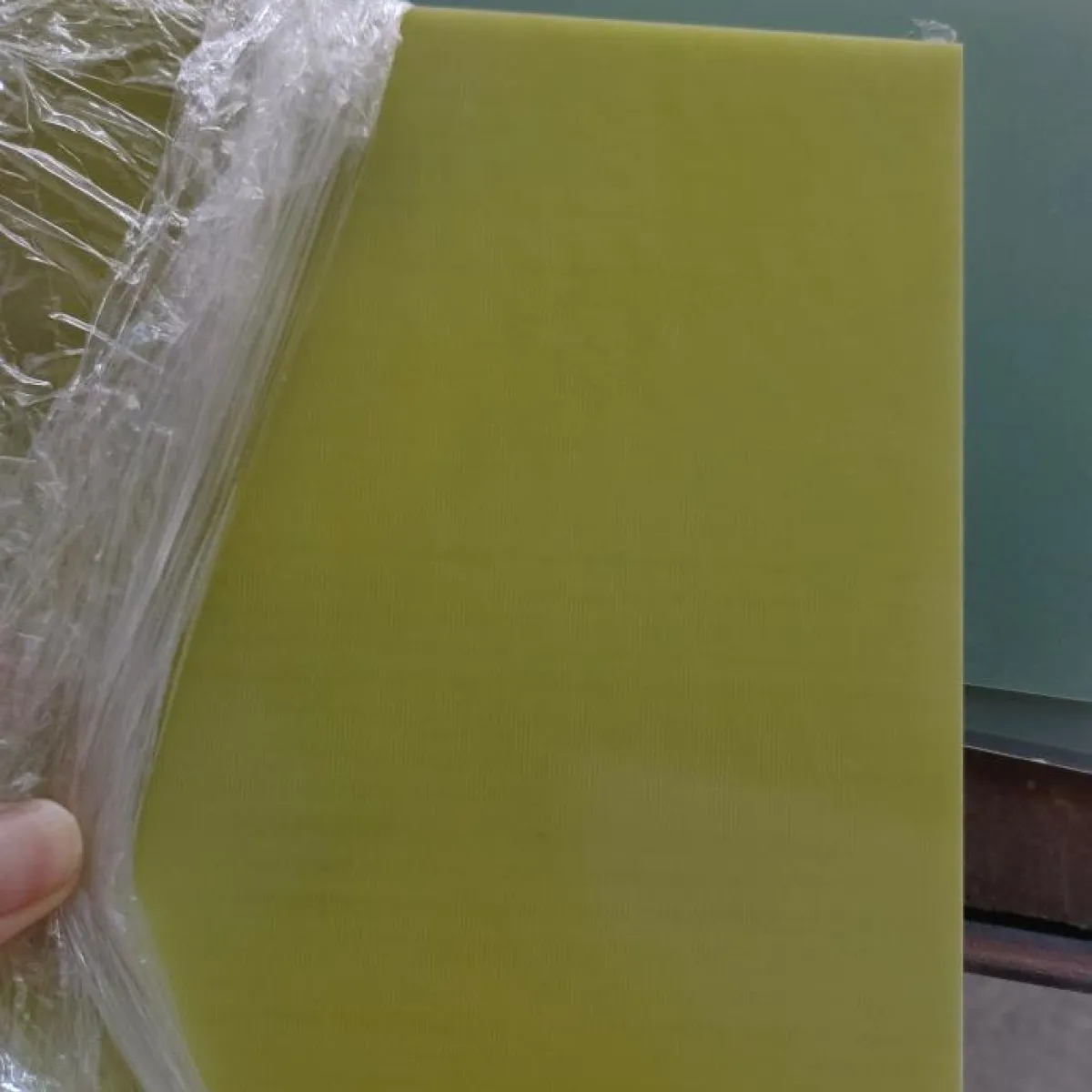
As a Class F insulation material, EPGC 204/FR5 is designed for applications where stable electrical and mechanical performance is required at elevated temperatures. Compared with s
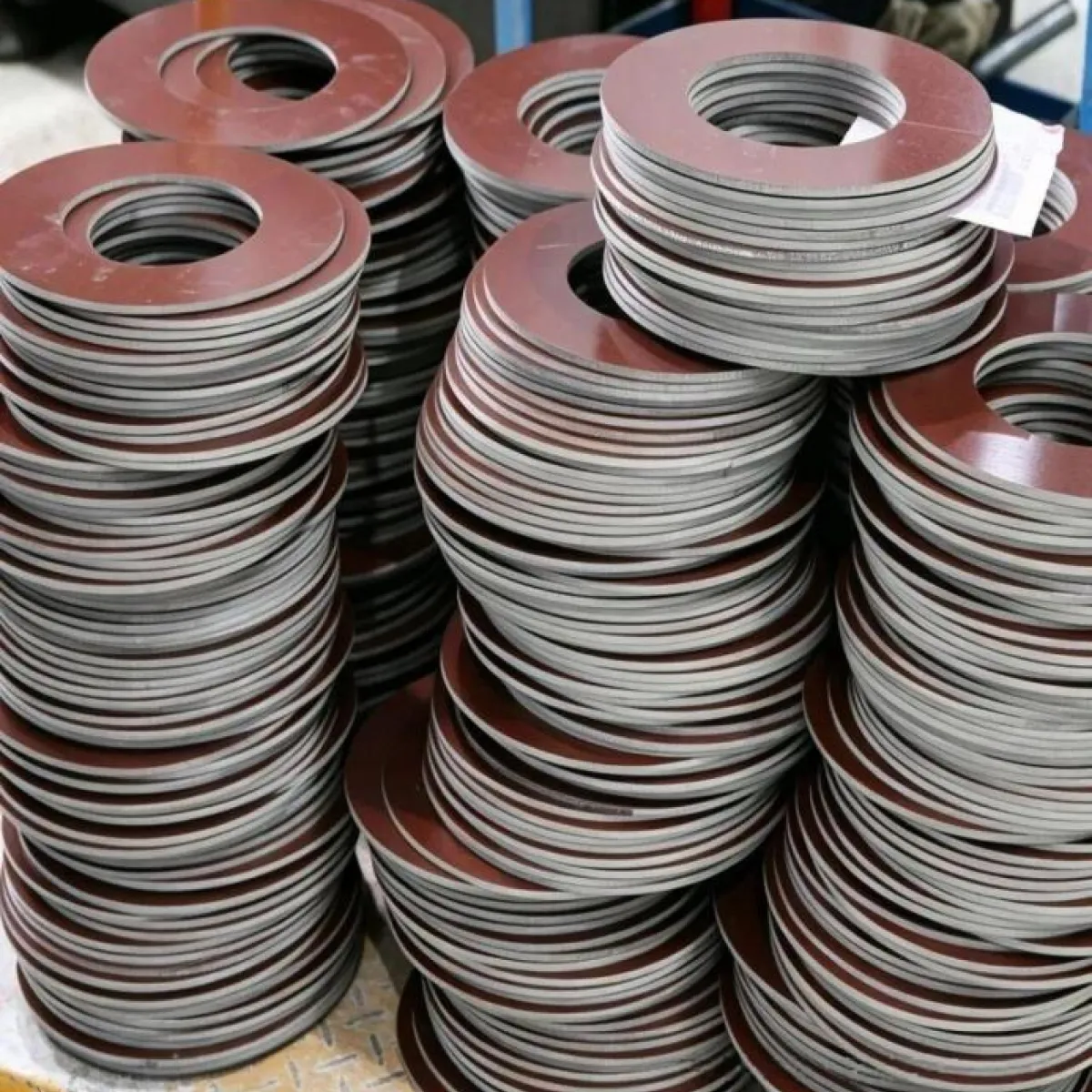
Phenolic Paper Boards are commonly used for electrical insulation plates, spacers, barriers, structural components, switchgear parts, transformer and motor components, tooling appl
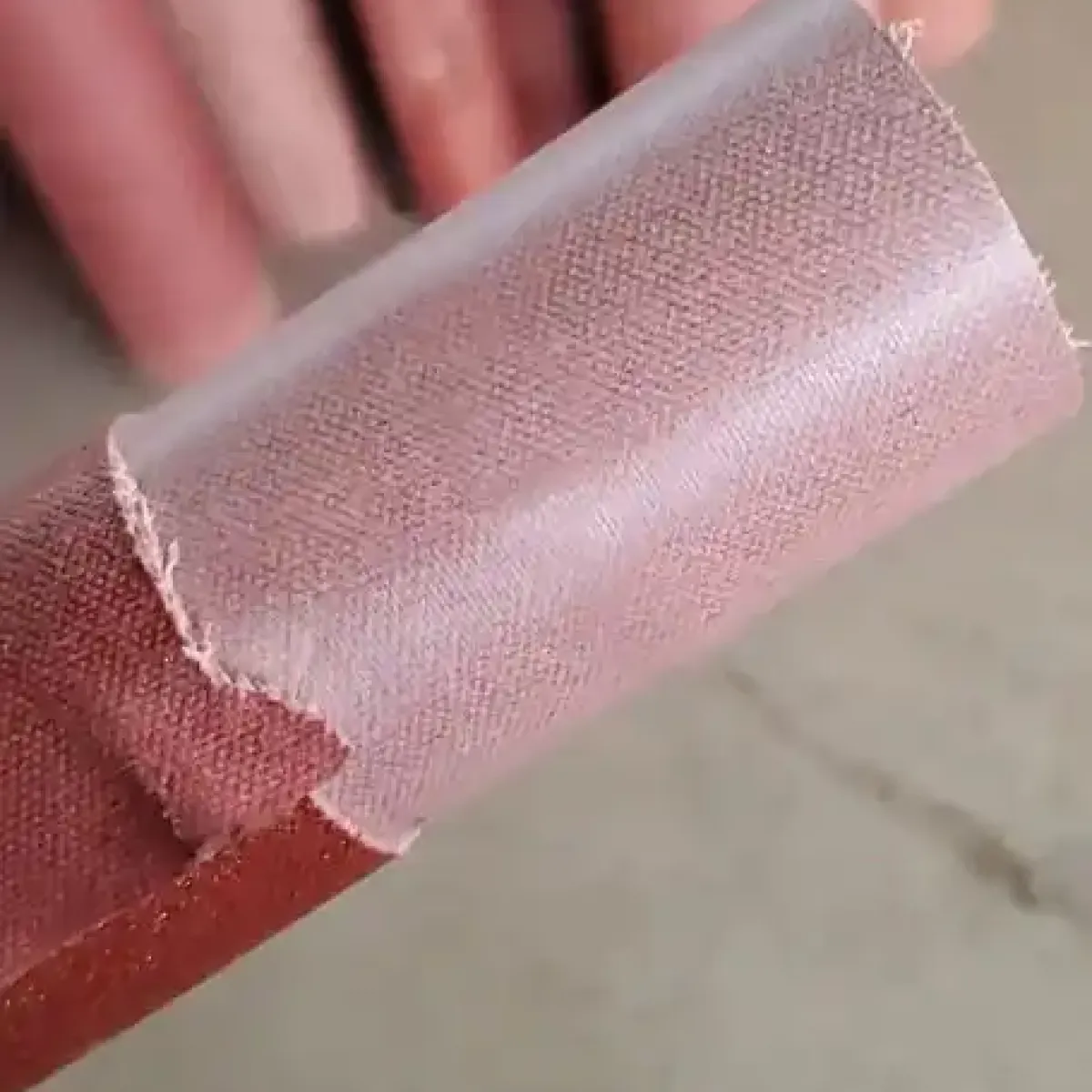
Choosing the correct wall thickness is an important part of product selection. The required thickness depends on the tube dimensions, electrical requirements, mechanical loading, o

No.3, Mianzhi Street, Zhucheng, Shandong, China


Copyright © 2026 by Qingdao Yilong Insulation Material Company Limited All Rights Reserved


