
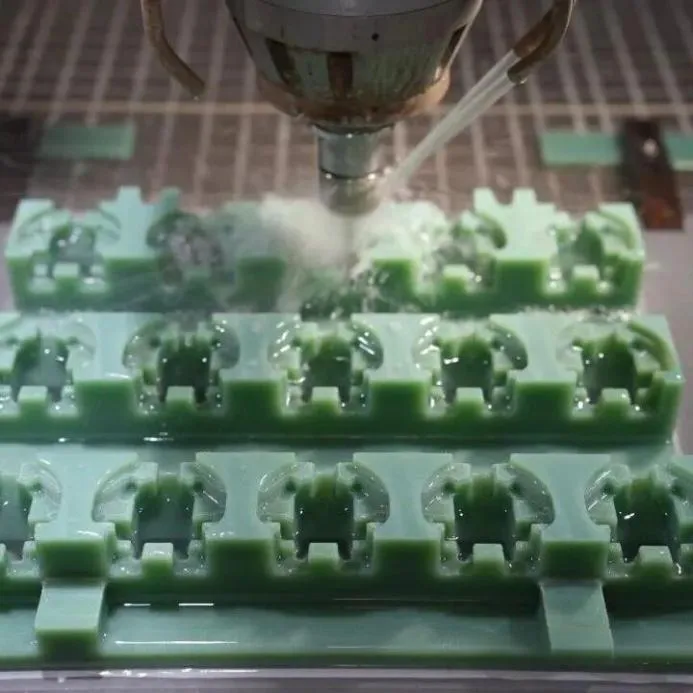
FR-4 Epoxy Glass Sheets combine electrical insulation, mechanical strength and flame-retardant properties. Beyond their familiar use in printed circuit boards, unclad FR-4 sheets are machined into insulating barriers, supports and precision components for electrical equipment and industrial machinery.
Selecting the appropriate material requires consideration of operating temperature, electrical stress, mechanical load and environmental conditions.
What Is an FR-4 Epoxy Glass Sheet?
FR-4 is a glass-reinforced epoxy laminate manufactured by impregnating woven glass fabric with a flame-retardant epoxy resin system and consolidating it under heat and pressure.
The glass fabric provides reinforcement, while the cured resin binds the layers into a rigid insulating sheet. FR-4 is a material grade designation, and individual products can differ in resin formulation, thermal properties and mechanical performance.
Electrical Insulation and Structural Support
FR-4 components help separate energized conductors from adjacent parts and grounded metal structures. Their mechanical strength also makes them useful where insulation must support assembly loads.
Reliable performance depends on the complete component design. Sheet thickness, creepage distance, clearance, hole placement and mounting conditions all influence insulation performance. Moisture resistance is useful in humid environments, while applications involving transformer oil require confirmation of material compatibility and service conditions.
Typical Applications of FR-4 Sheets
Switchgear and Distribution Equipment
FR-4 can be machined into insulating supports, mounting plates, spacers and selected busbar clamps. These components provide electrical separation while helping maintain conductor positioning.
For busbar supports, material strength must be assessed alongside short-circuit forces, fastening loads and operating temperature. Tracking resistance should also be checked where surface contamination or moisture is expected.
Circuit Breaker Insulation Barriers
Machined FR-4 barriers and supports are used in selected circuit breaker assemblies to separate electrical components. Parts exposed directly to switching arcs may require materials with specific arc-resistance characteristics rather than selection based on dielectric strength alone.
Battery Pack Insulation
FR-4 sheets can provide rigid electrical insulation between battery pack components, busbars and metal structures. They can also serve as mounting plates and insulating spacers.
These parts are distinct from the thin electrochemical separator inside a lithium-ion cell. Applications requiring protection against thermal runaway need separate evaluation of heat exposure and system-level performance.
Precision Lapping and Polishing Carriers
Thin epoxy glass laminates can be processed into precision carriers for selected lapping and polishing operations. Thickness consistency, flatness, wear behaviour and compatibility with the polishing slurry are important selection factors.
Carrier design and machining quality help maintain workpiece positioning and reduce the risk of edge damage during operation.
Railway Insulation Components
Suitable FR-4 grades may be used for insulating shims, washers and supports in railway assemblies. Track-related components require verification of mechanical loading, weather exposure and fatigue performance. Where railway fire requirements apply, compliance must be established through the relevant tests.
Industrial Fixtures and Tooling
FR-4 is used for electrically insulating fixture plates, locating components and protective covers. CNC machining allows holes, slots and profiles to be produced according to the equipment drawing.
For welding fixtures and mould insulation plates, the temperature at the component and its sustained compressive load must be checked. Applications involving prolonged high temperatures may require a dedicated tooling insulation material.
Key Performance Characteristics
Flame-Retardant Behaviour
FR-4 materials are formulated to resist burning. Where UL 94 V-0 performance is specified, the supporting test documentation should identify the material and tested thickness.
V-0 includes limits on afterflame time and other burning behaviours under controlled test conditions. It does not establish complete equipment fire safety or railway fire compliance.
Mechanical Strength and Dimensional Stability
The reinforced laminate structure provides strength and stiffness for many insulating components. Dimensional performance depends on temperature, moisture exposure, material orientation and machining quality.
Thermal Performance
FR-4 does not have one universal continuous operating temperature. Glass transition temperature, thermal index and service temperature describe different aspects of performance. The appropriate operating limit should come from the specific material data and application requirements.
Machinability
FR-4 sheets can be drilled, sawn, milled and routed into custom components. Suitable tooling, workpiece support and dust extraction help achieve clean edges and consistent dimensions. Flatness, surface finish and thickness tolerances should be specified for precision applications.
Custom FR-4 Sheets and Machined Parts from YILONG
YILONG supplies FR-4 Epoxy Glass Sheets, cut-to-size blanks and CNC-machined insulation components. Share your drawings, dimensions, tolerances and operating conditions to discuss suitable material and processing options.
Visit www.yilonginsulation.com, email yilong@yilonginsulation.com, or contact YILONG on WhatsApp at +86 15866869385.
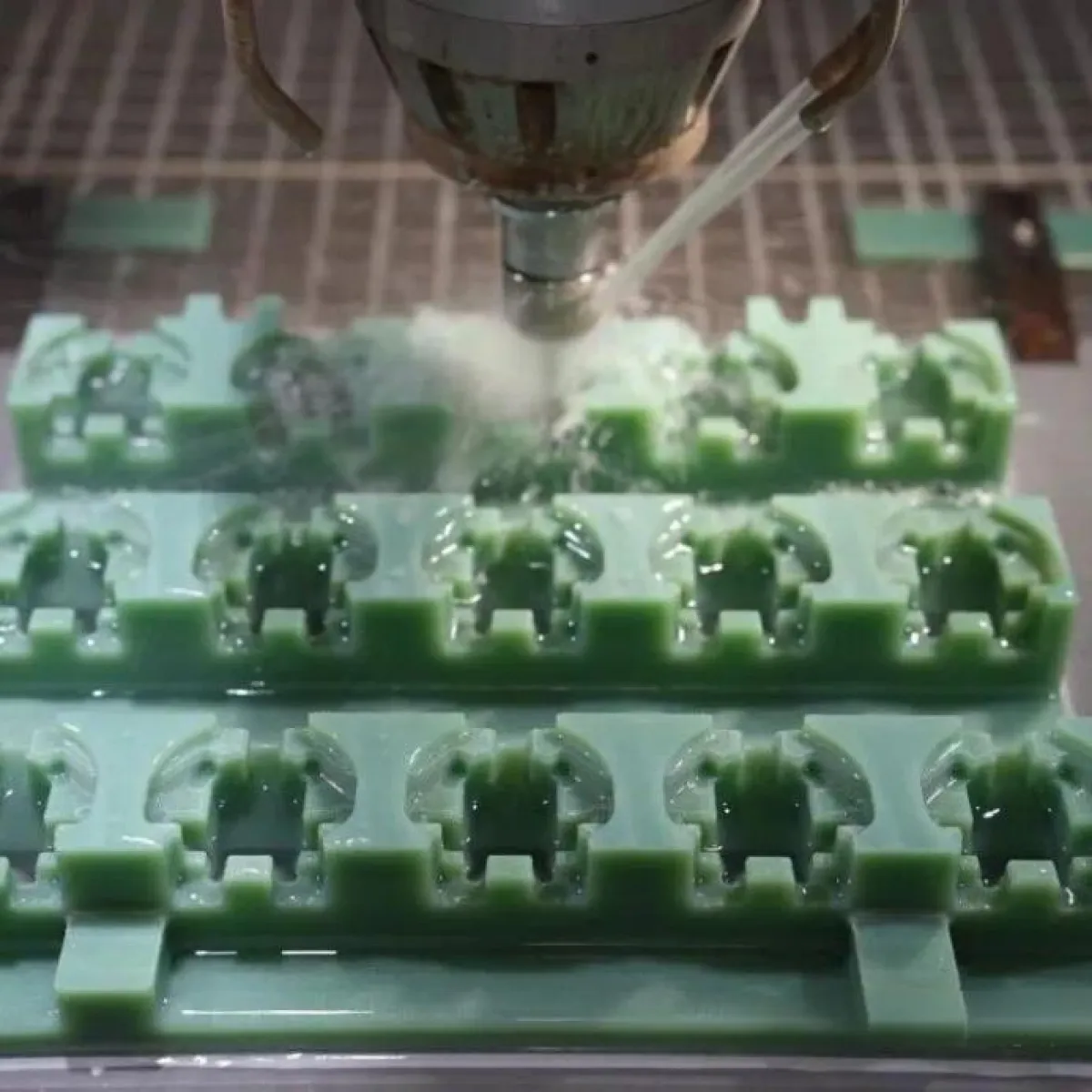
Selecting the appropriate material requires consideration of operating temperature, electrical stress, mechanical load and environmental conditions.
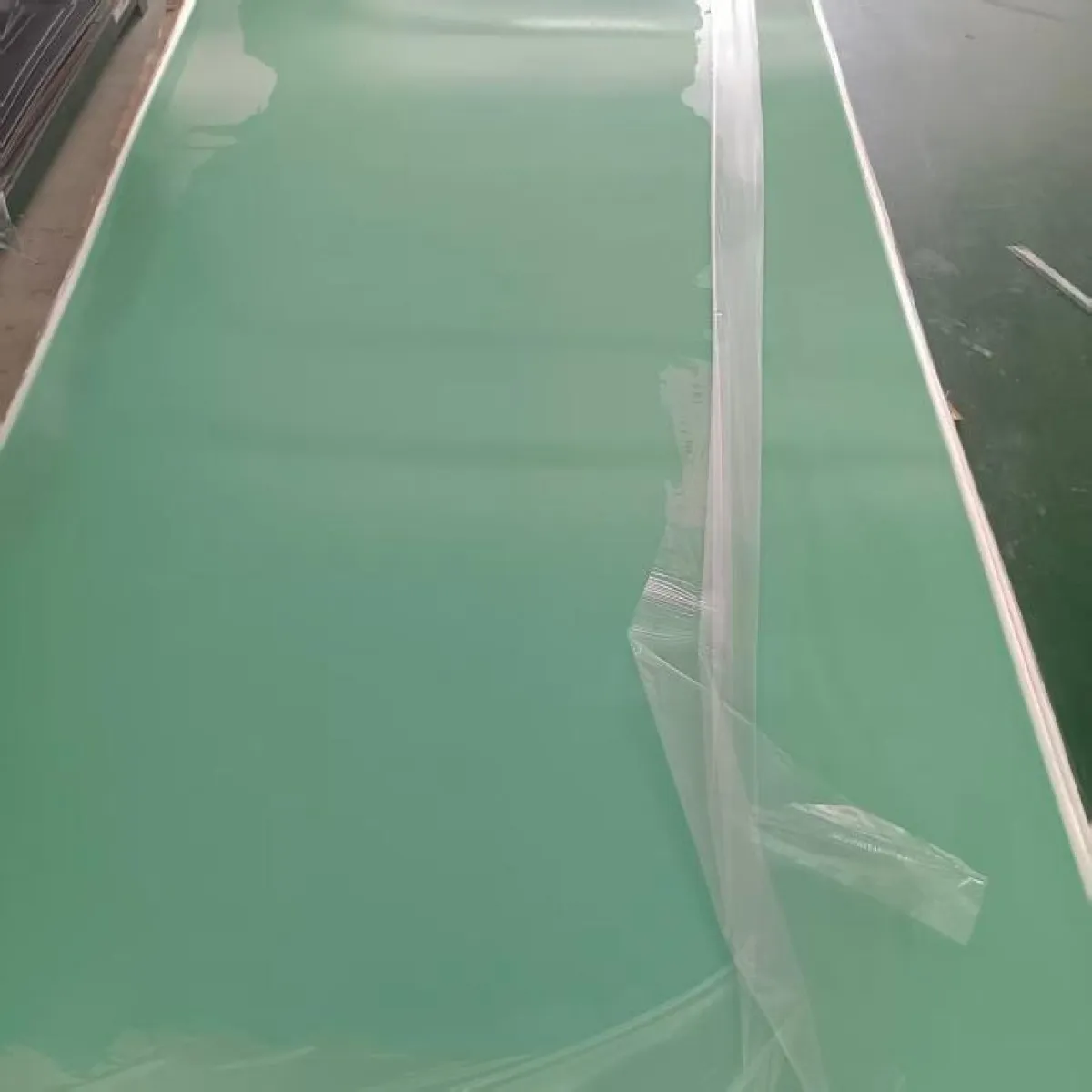
EPGC 203 is a rigid thermoset laminate manufactured from woven glass fabric impregnated with epoxy resin and consolidated under heat and pressure.
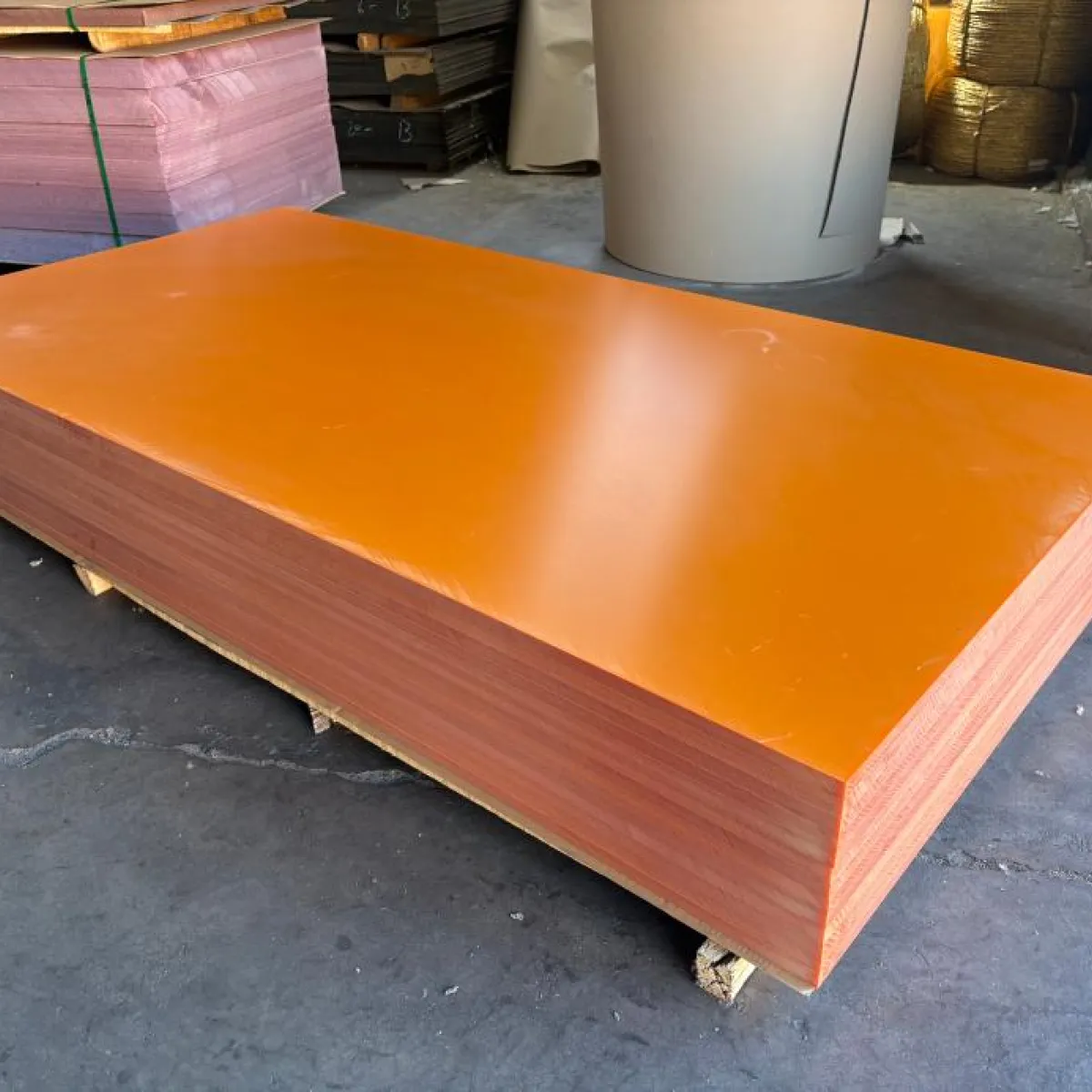
In industrial sheet applications, “Bakelite” commonly refers to phenolic paper laminate. It is manufactured by impregnating layers of cellulose paper with phenolic resin, followed
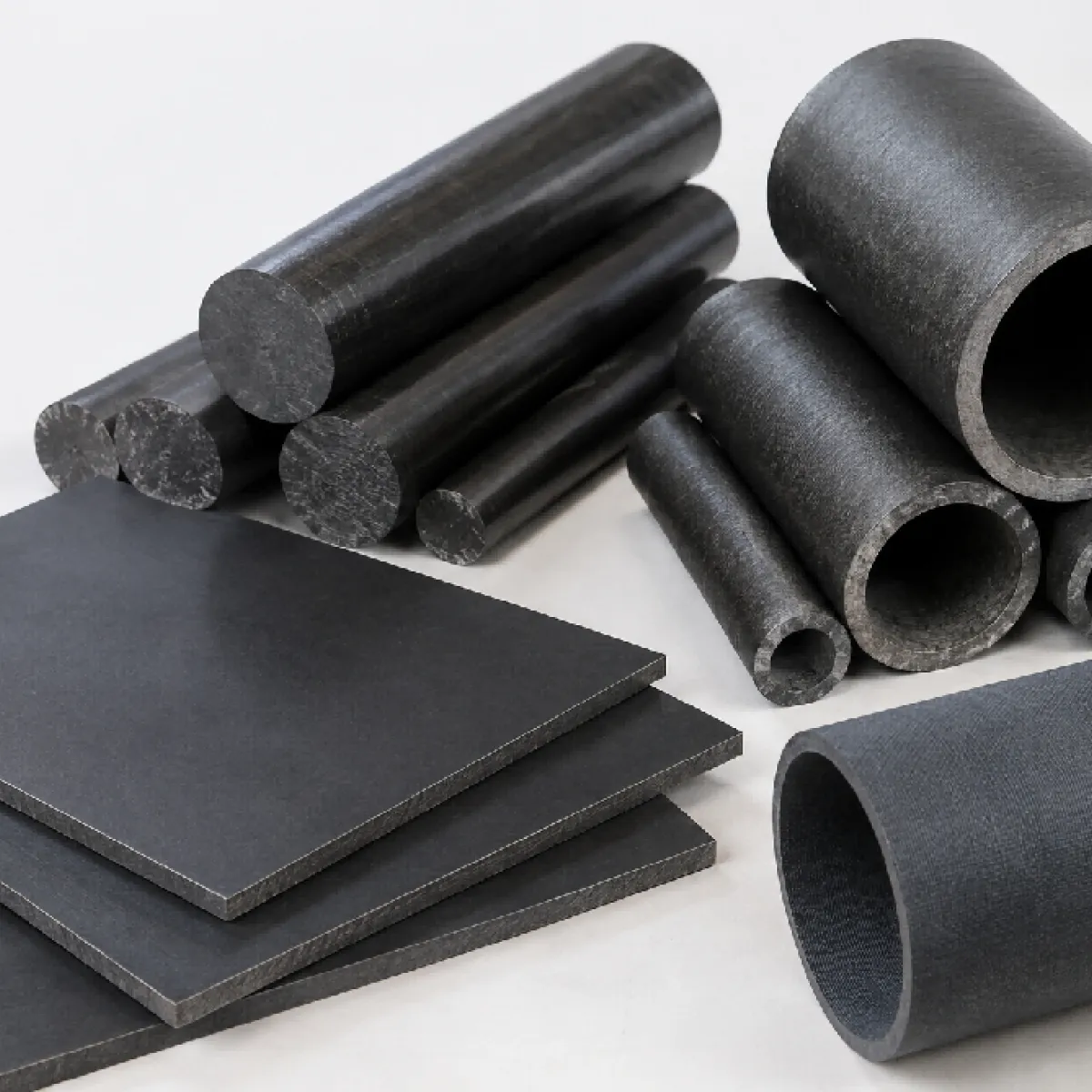
Under suitable operating conditions, the MoS2 filler can improve wear performance and provide anti-seizure characteristics. The material can also operate with lower noise than many
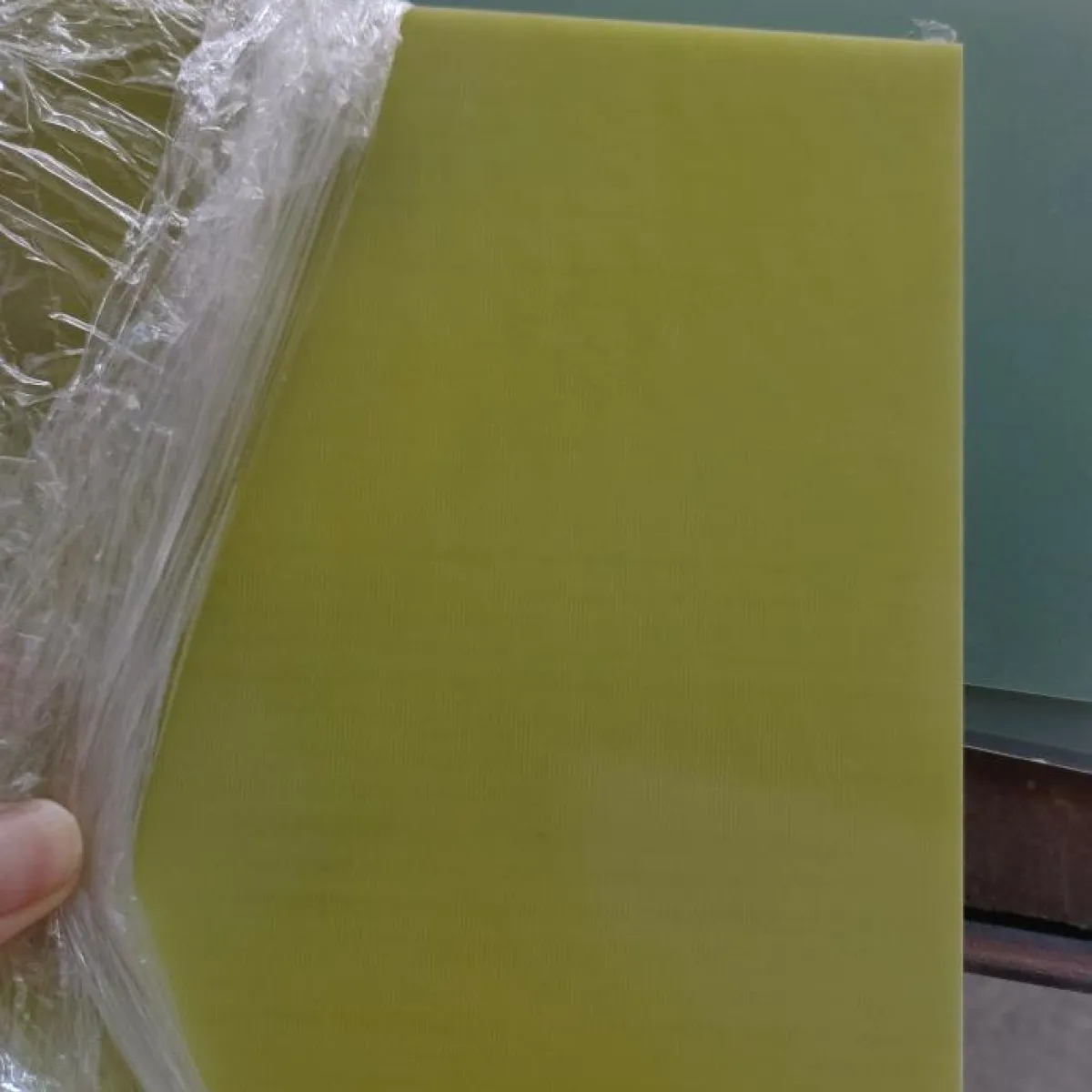
As a Class F insulation material, EPGC 204/FR5 is designed for applications where stable electrical and mechanical performance is required at elevated temperatures. Compared with s
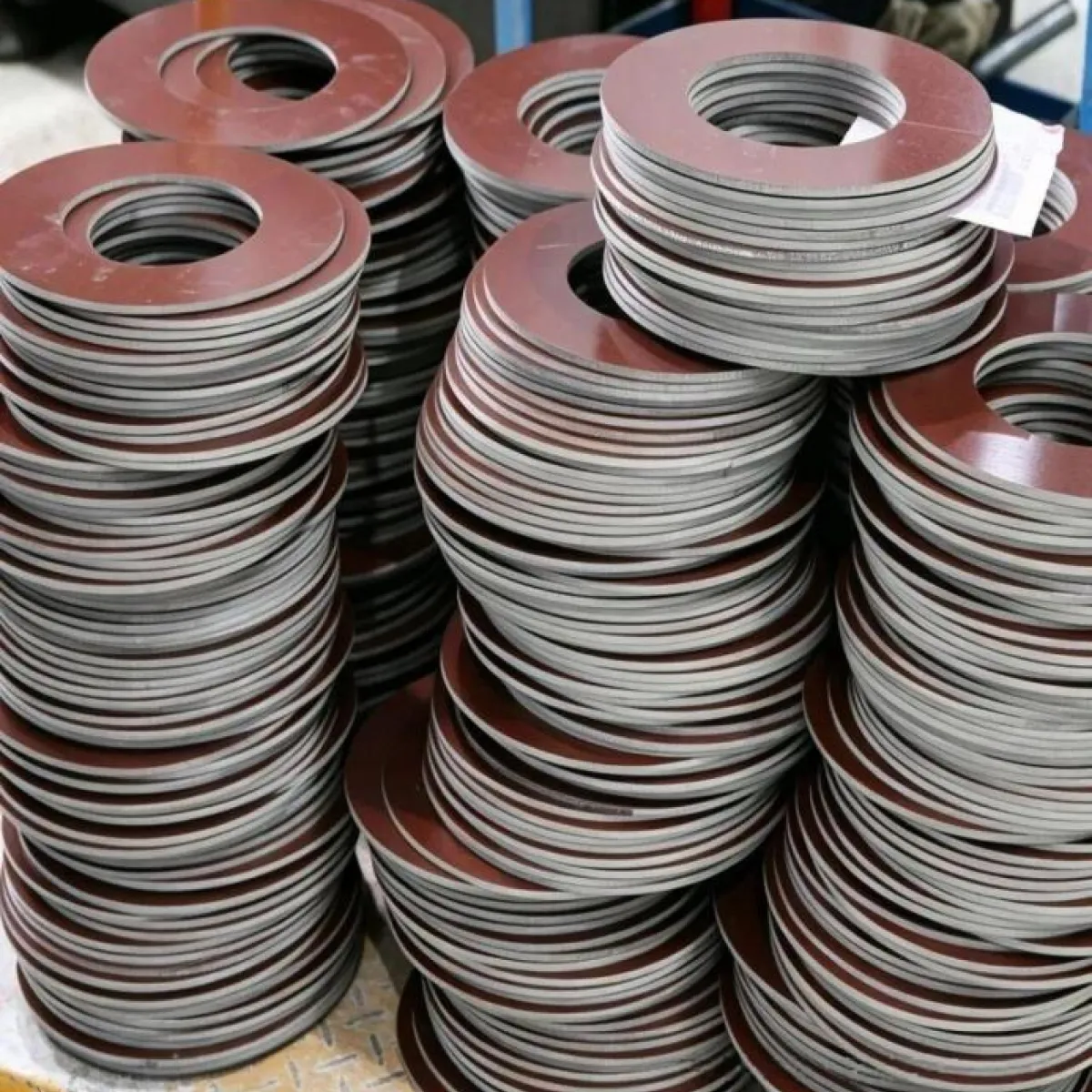
Phenolic Paper Boards are commonly used for electrical insulation plates, spacers, barriers, structural components, switchgear parts, transformer and motor components, tooling appl
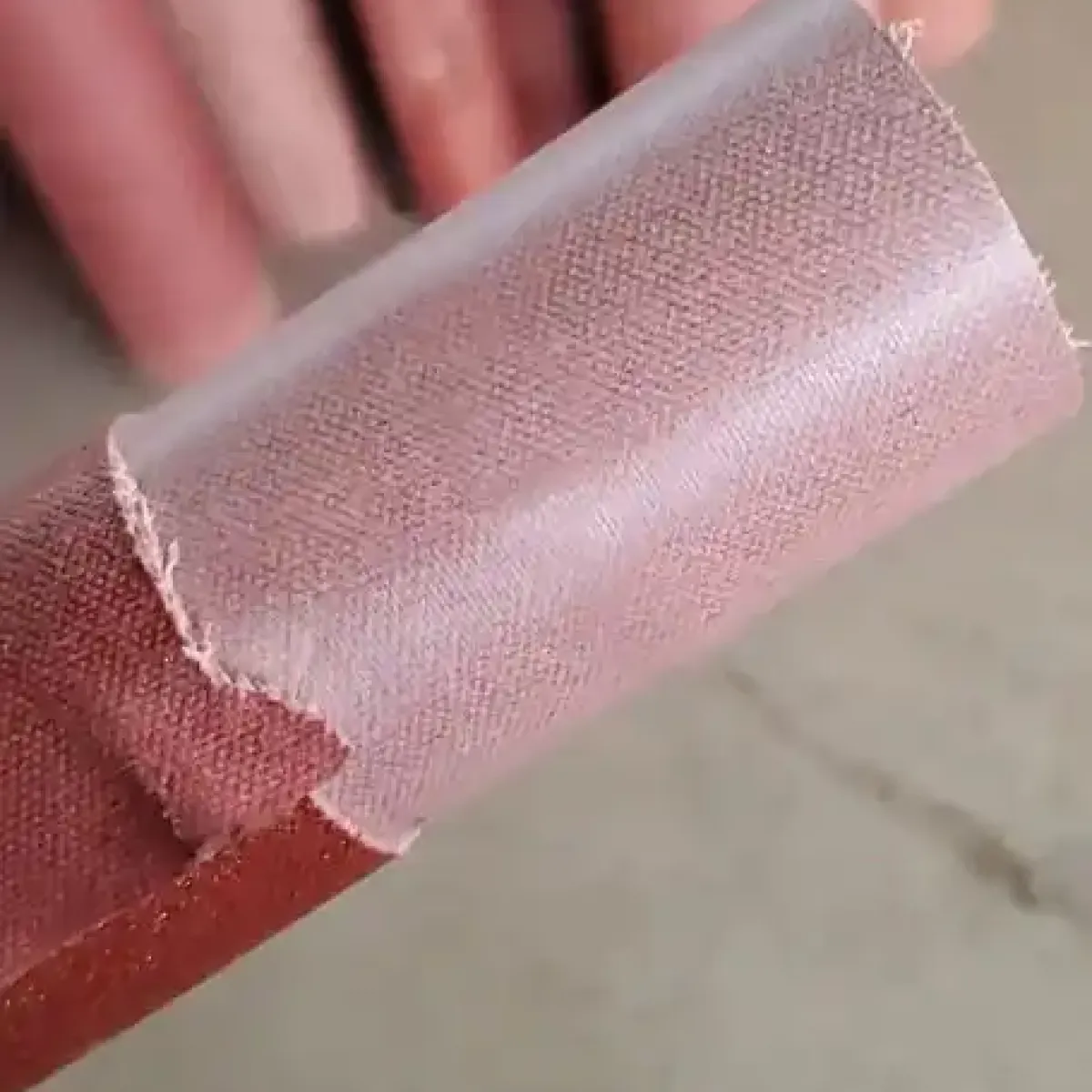
Choosing the correct wall thickness is an important part of product selection. The required thickness depends on the tube dimensions, electrical requirements, mechanical loading, o
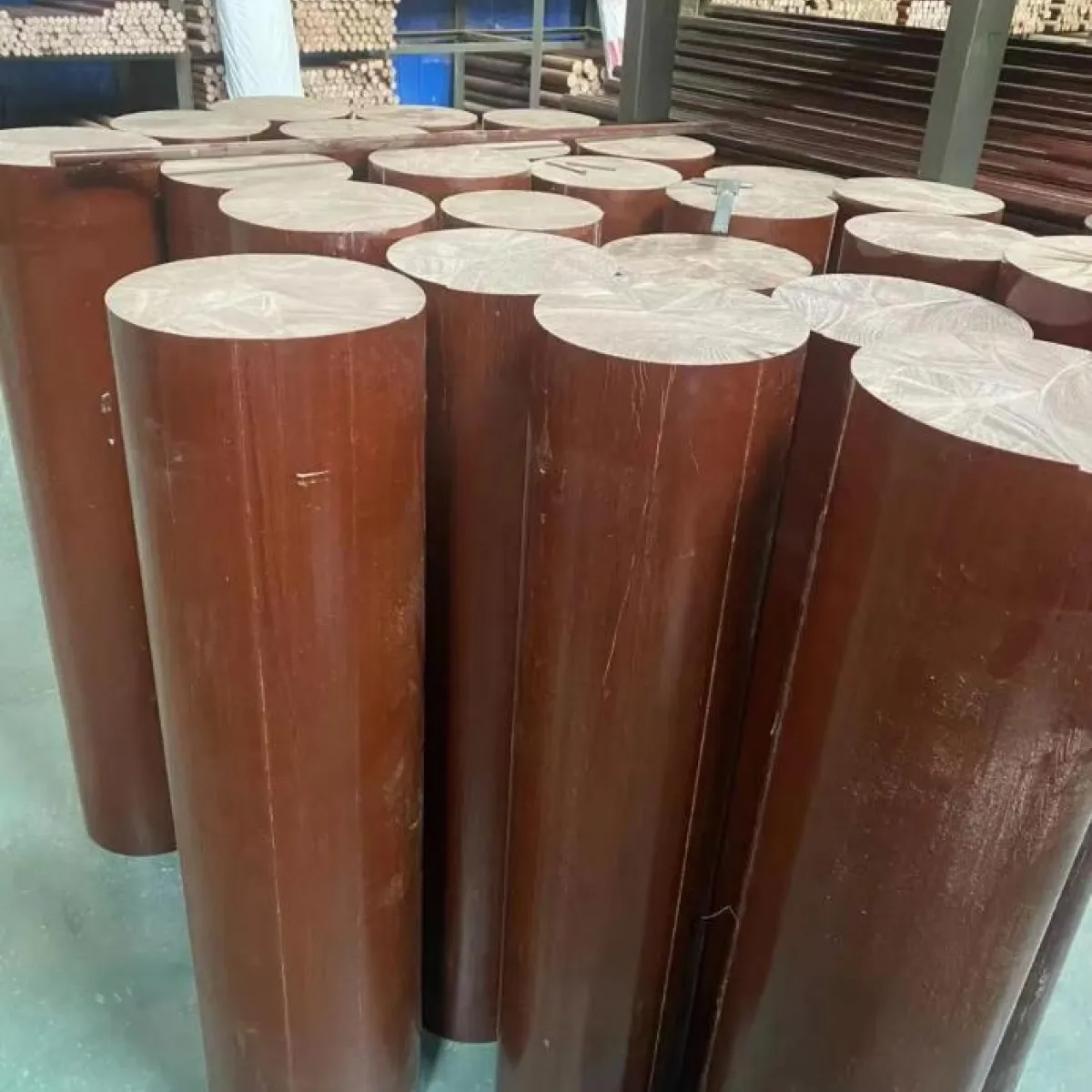
YILONG INSULATION manufactures phenolic cotton insulation materials for applications where reliable electrical insulation and good mechanical performance are required. Phenolic Cot
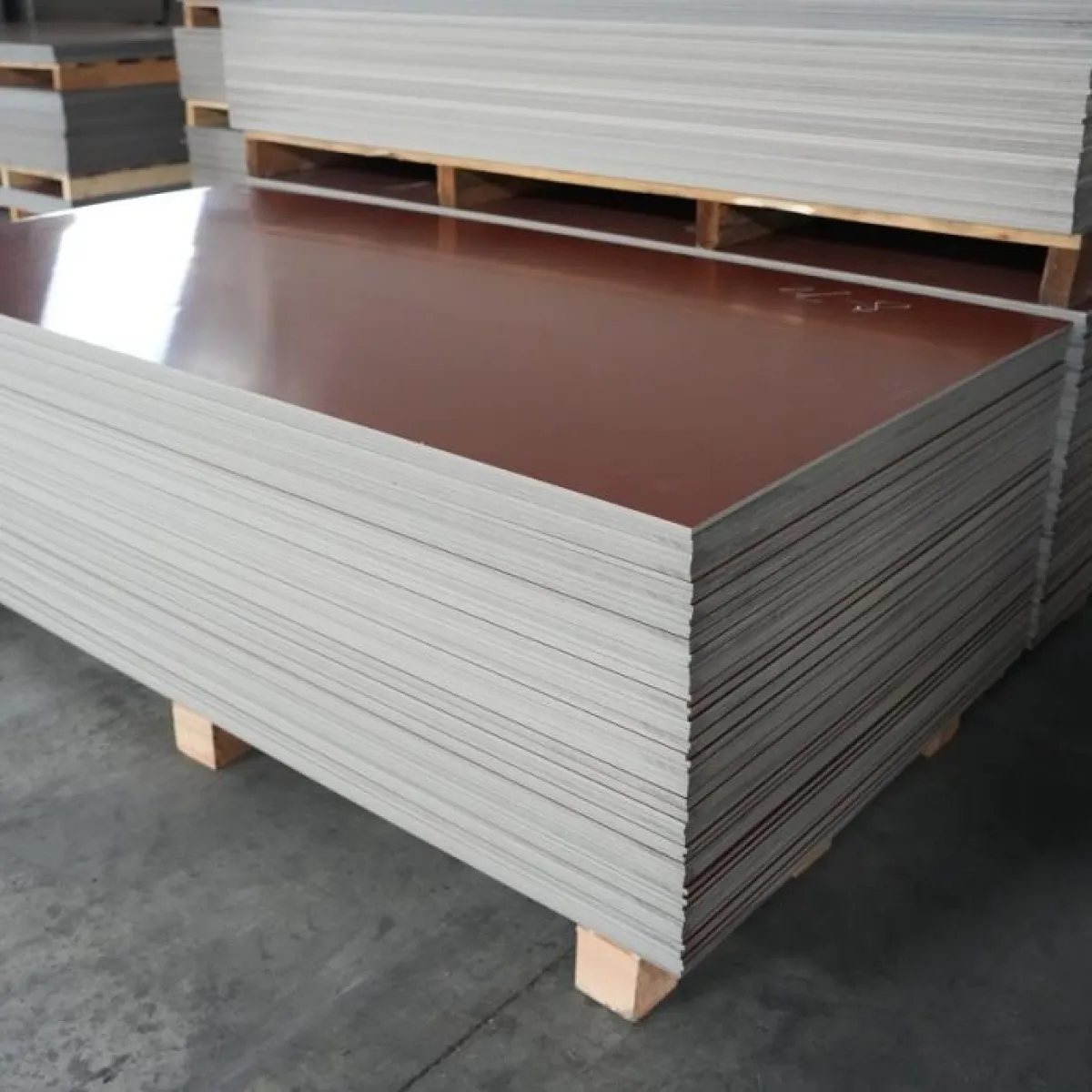
PFCP 201 phenolic paper laminated sheet is a widely used electrical insulation material for applications requiring a combination of mechanical strength, electrical insulation and d
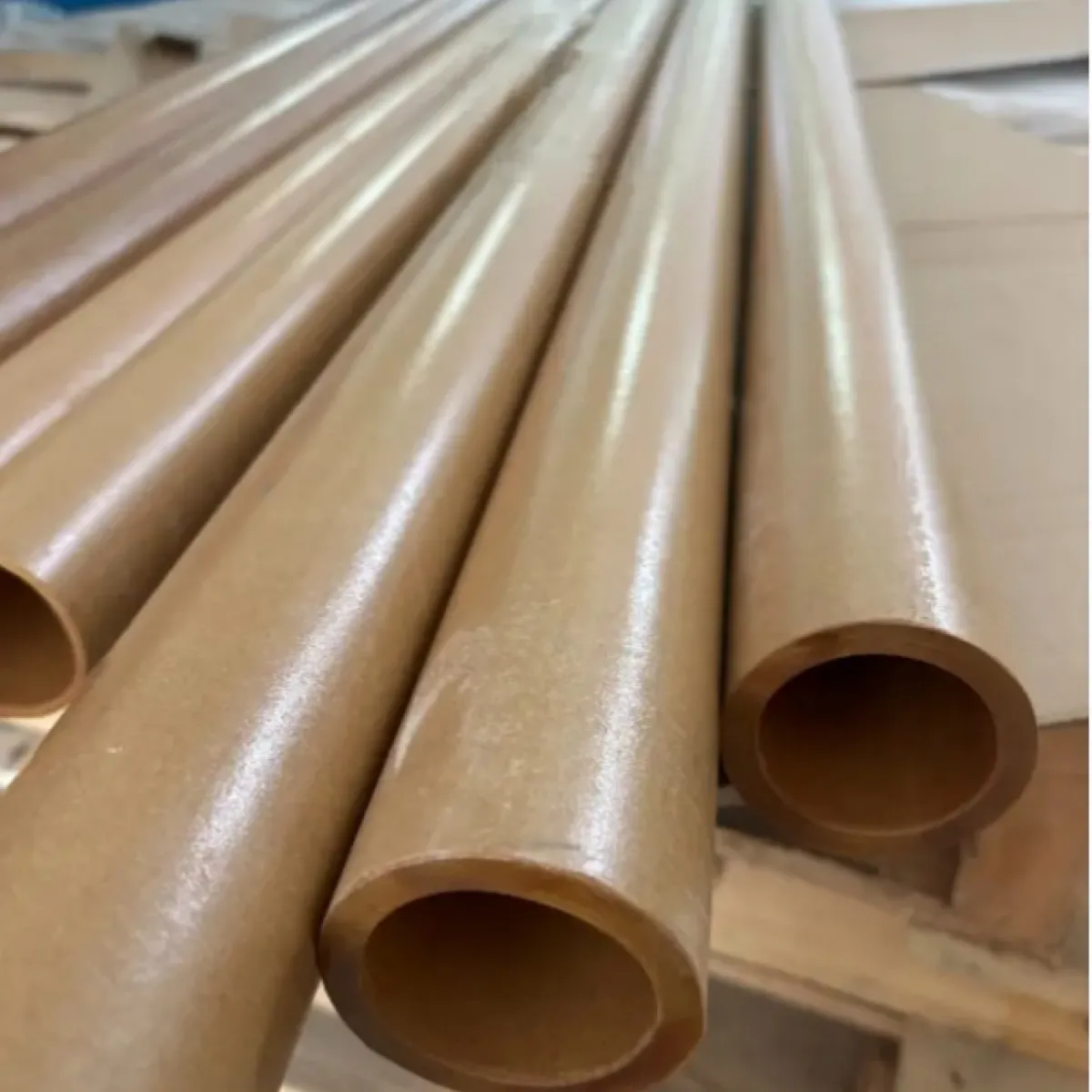
It is manufactured from insulating paper impregnated with phenolic resin and formed through a controlled hot winding and curing process. This structure combines the electrical prop

No.3, Mianzhi Street, Zhucheng, Shandong, China


Copyright © 2026 by Qingdao Yilong Insulation Material Company Limited All Rights Reserved


