
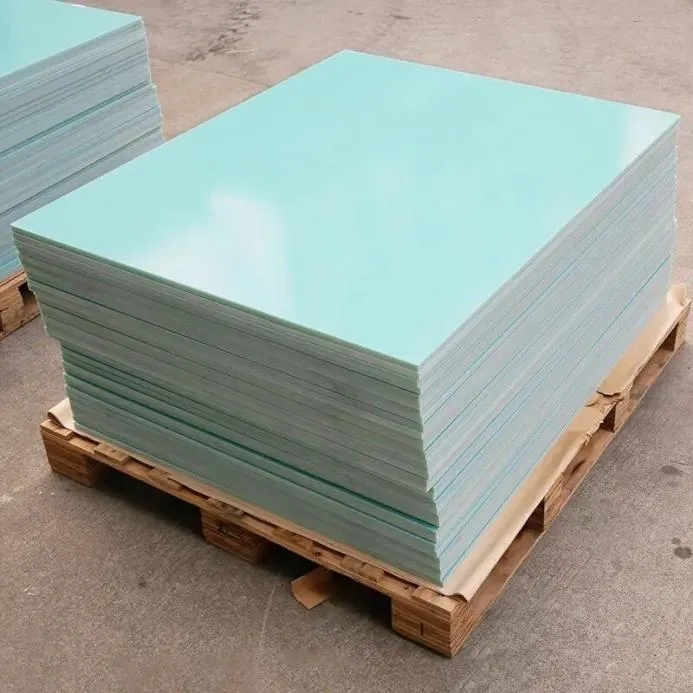
Product Description
G10 CR is a cryogenic-grade glass epoxy laminate manufactured from woven glass fabric impregnated with a specially selected epoxy resin system and consolidated under heat and pressure. It combines mechanical strength, electrical insulation and low thermal conductivity for components operating at very low temperatures.
The material is used where an insulating part must also carry a structural load, such as a support pad, spacer or washer. Qualified commercial formulations have published operating ranges extending to approximately −270°C, although the applicable temperature limits depend on the supplied grade and application.
G10 CR sheets can be machined into flat plates, rings, support blocks and custom profiles to suit equipment designs.
Key Properties
Mechanical Strength and Stiffness
Glass fabric reinforcement provides strength and rigidity for load-bearing components. In cryogenic assemblies, the relevant compression, bending and shear properties should be assessed at the intended working temperature.
The laminate has direction-dependent properties, making reinforcement orientation an important consideration when designing loaded parts.
Low Thermal Conductivity
G10 CR helps reduce heat transfer through structural connections between warmer surroundings and cold equipment. This makes it useful for components that must support a load while providing a thermal break.
Thermal conductivity varies with temperature and laminate direction. NIST publishes direction-dependent G-10 CR data for engineering calculations across defined temperature ranges.
Electrical Insulation
The glass epoxy structure provides electrical insulation for suitable spacers, supports and isolating components. Electrical performance must be matched to the working voltage, component geometry and environmental conditions.
Cryogenic capability and flammability are separate requirements; a low-temperature rating does not establish a particular flame-retardant classification.
Dimensional Behavior at Low Temperatures
G10 CR offers useful dimensional stability, but it contracts during cooling. The contraction varies with direction and can differ from that of adjacent metal components.
Allowing for these differences helps maintain assembly clearances, contact pressure and fastener preload during cooldown and subsequent warming.
Custom Machining
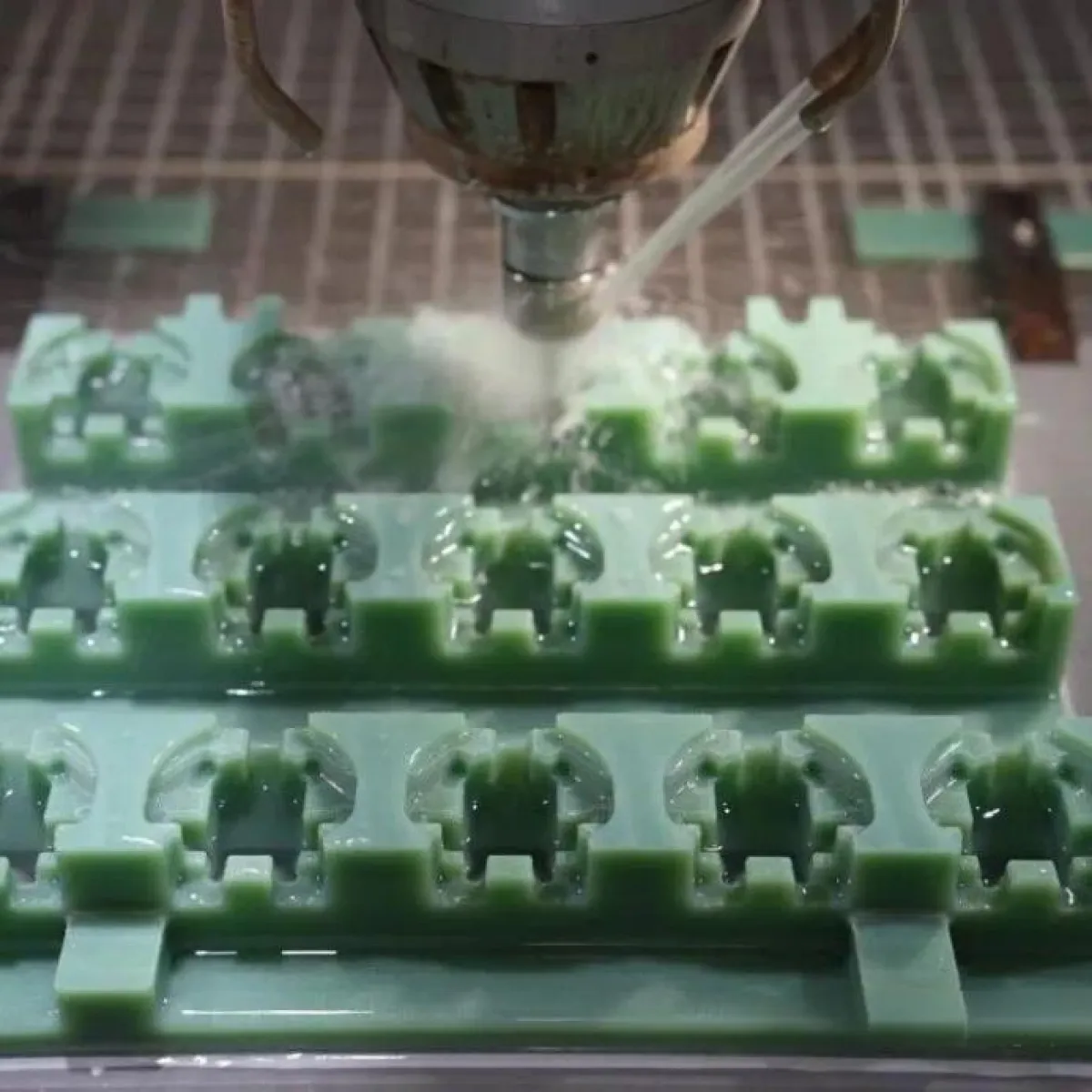
G10 CR can be drilled, milled and routed into application-specific components. Suitable tooling, supported drilling and controlled machining help maintain dimensional accuracy and limit damage around holes and thin sections.
Typical Applications
LNG Pipe Supports and Cold-Shoe Components
G10 CR can provide a load-bearing thermal break in selected LNG pipe-support assemblies. Support pads, interface plates and washers help reduce heat flow through the structural connection while carrying the specified loads.
Cryogenic Spacers and Structural Supports
Machined blocks, rings and spacers are used to position and support components in low-temperature equipment. Their dimensions and orientation are selected around the mechanical load and thermal requirements.
Electrical Isolation in Cryogenic Assemblies
G10 CR can be considered for insulating plates, washers and supports where electrical separation is needed alongside low-temperature performance.
Scientific and Specialized Medical Equipment
Cryogenic glass epoxy materials are also used in selected scientific and medical systems involving low-temperature storage or transport. Material qualification follows the requirements of the specific equipment.
G10 CR Material and Machining Support from YILONG
YILONG supports cryogenic insulation projects through material review and custom machining according to customer drawings. Requirements can be assessed for support pads, insulating rings, washers, spacers and other structural components.
To establish a suitable specification, provide the minimum service temperature, mechanical loads, required dimensions and acceptance tests. Thermal conductivity, electrical performance and flammability requirements should be identified separately. Sample evaluation can help verify the proposed material under representative conditions before production.
For G10 CR project inquiries, send your drawing and specifications to yilong@yilonginsulation.com or WhatsApp +86 15866869385. Learn more about YILONG’s insulation materials at www.yilonginsulation.com.
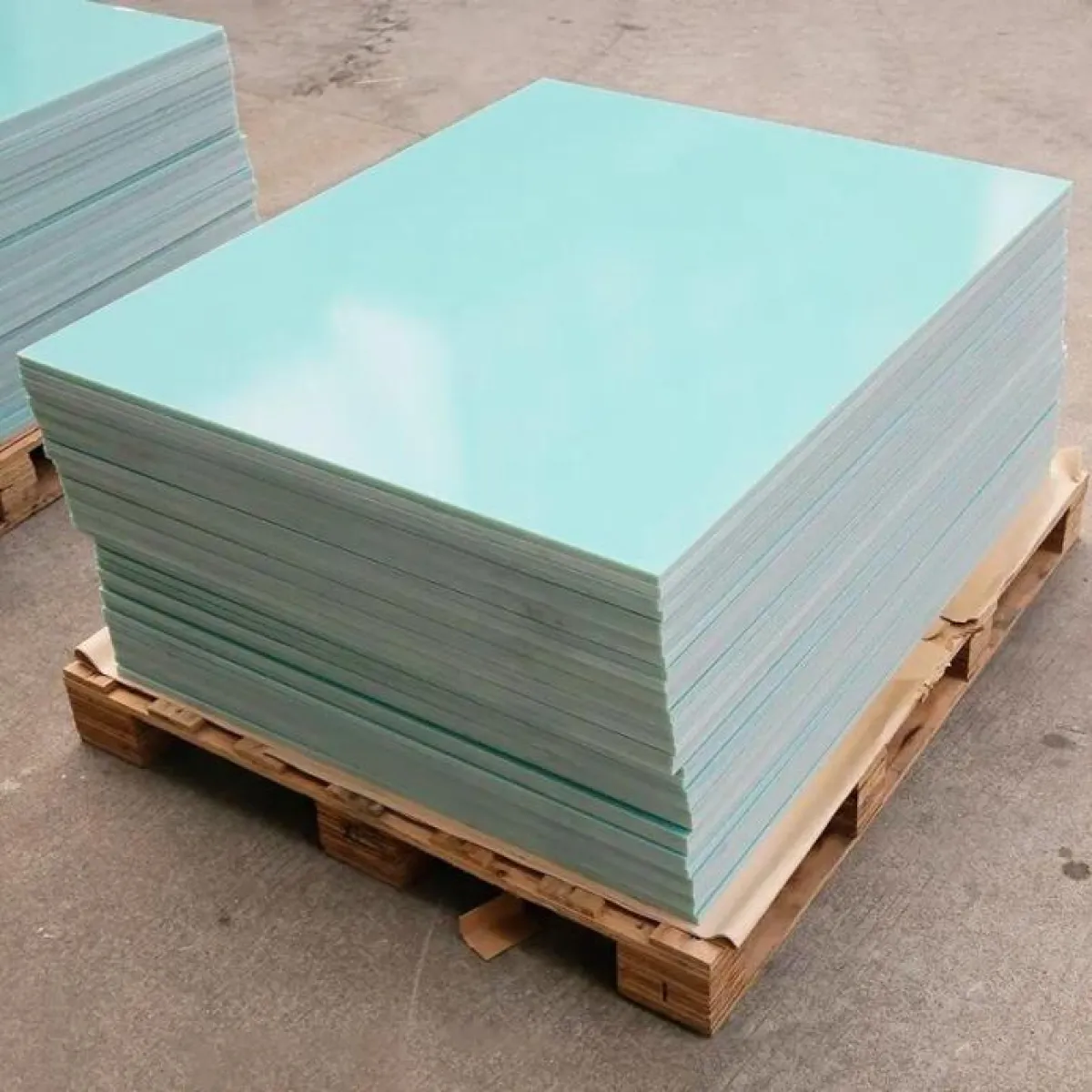
G10 CR is a cryogenic-grade glass epoxy laminate manufactured from woven glass fabric impregnated with a specially selected epoxy resin system and consolidated under heat and press
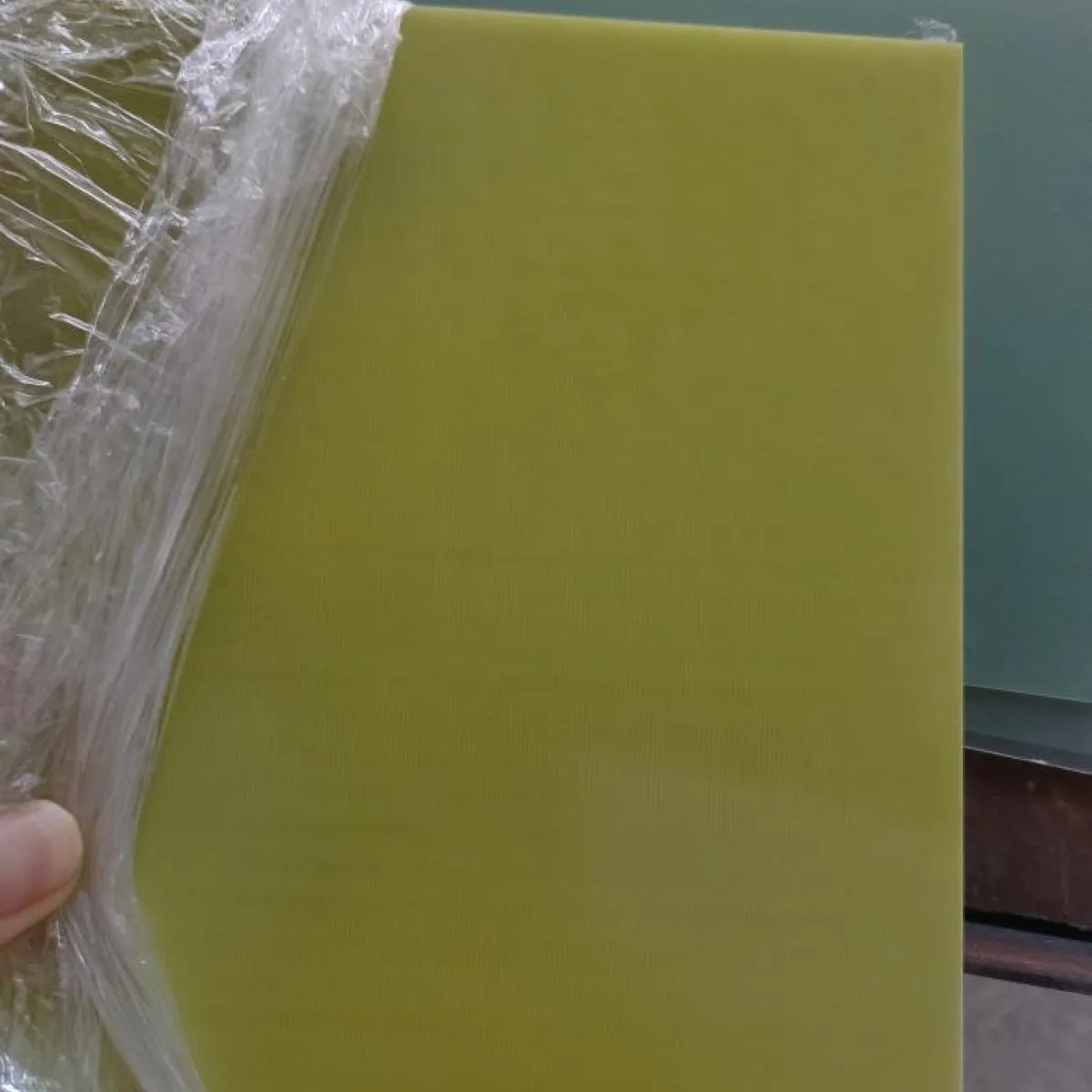
EPGC 204 is commonly cross-referenced with NEMA FR5 and DIN HGW2372.2. The relevant IEC material specification is IEC 60893-3-2, covering rigid laminated sheets based on epoxy resi
Selecting the appropriate material requires consideration of operating temperature, electrical stress, mechanical load and environmental conditions.
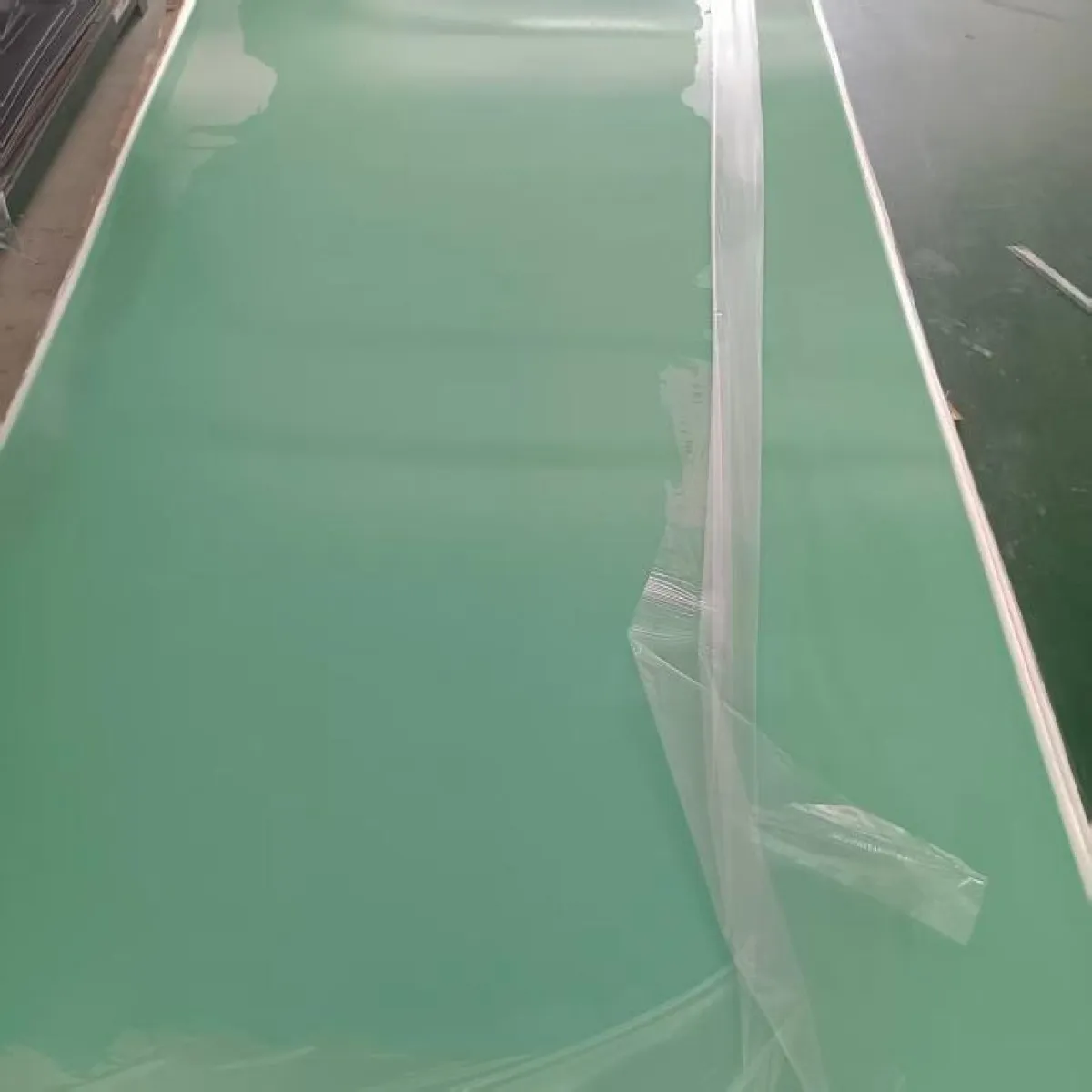
EPGC 203 is a rigid thermoset laminate manufactured from woven glass fabric impregnated with epoxy resin and consolidated under heat and pressure.
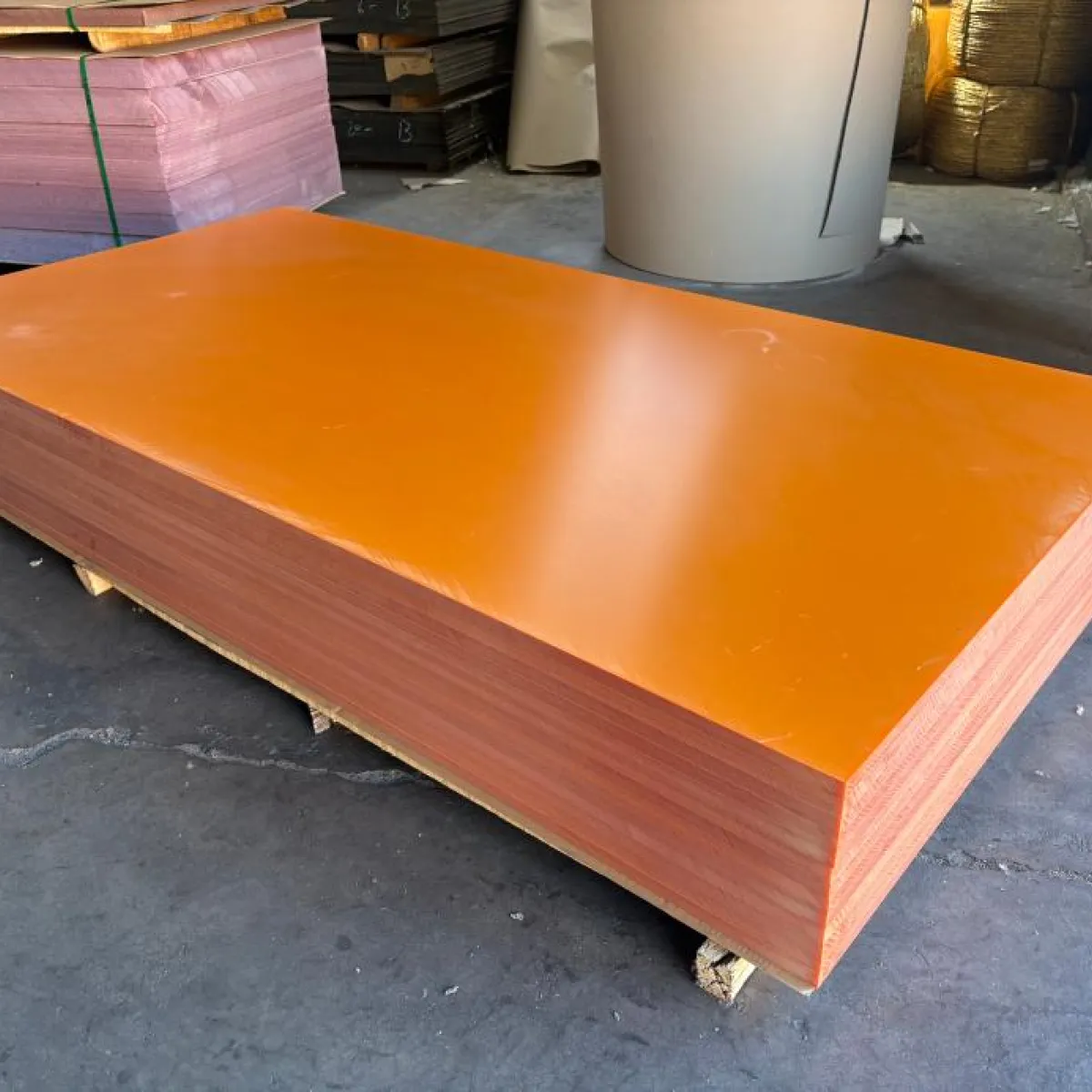
In industrial sheet applications, “Bakelite” commonly refers to phenolic paper laminate. It is manufactured by impregnating layers of cellulose paper with phenolic resin, followed
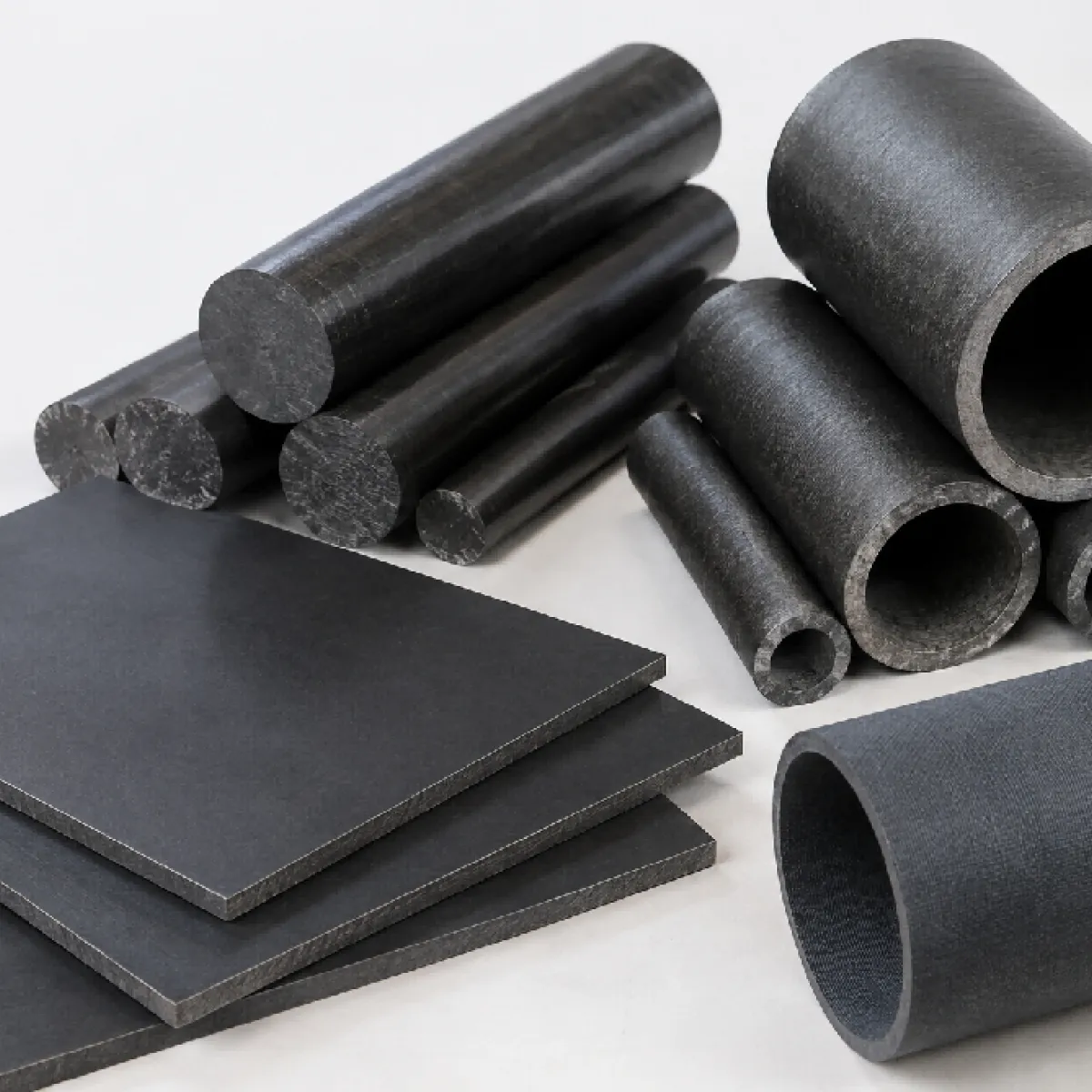
Under suitable operating conditions, the MoS2 filler can improve wear performance and provide anti-seizure characteristics. The material can also operate with lower noise than many
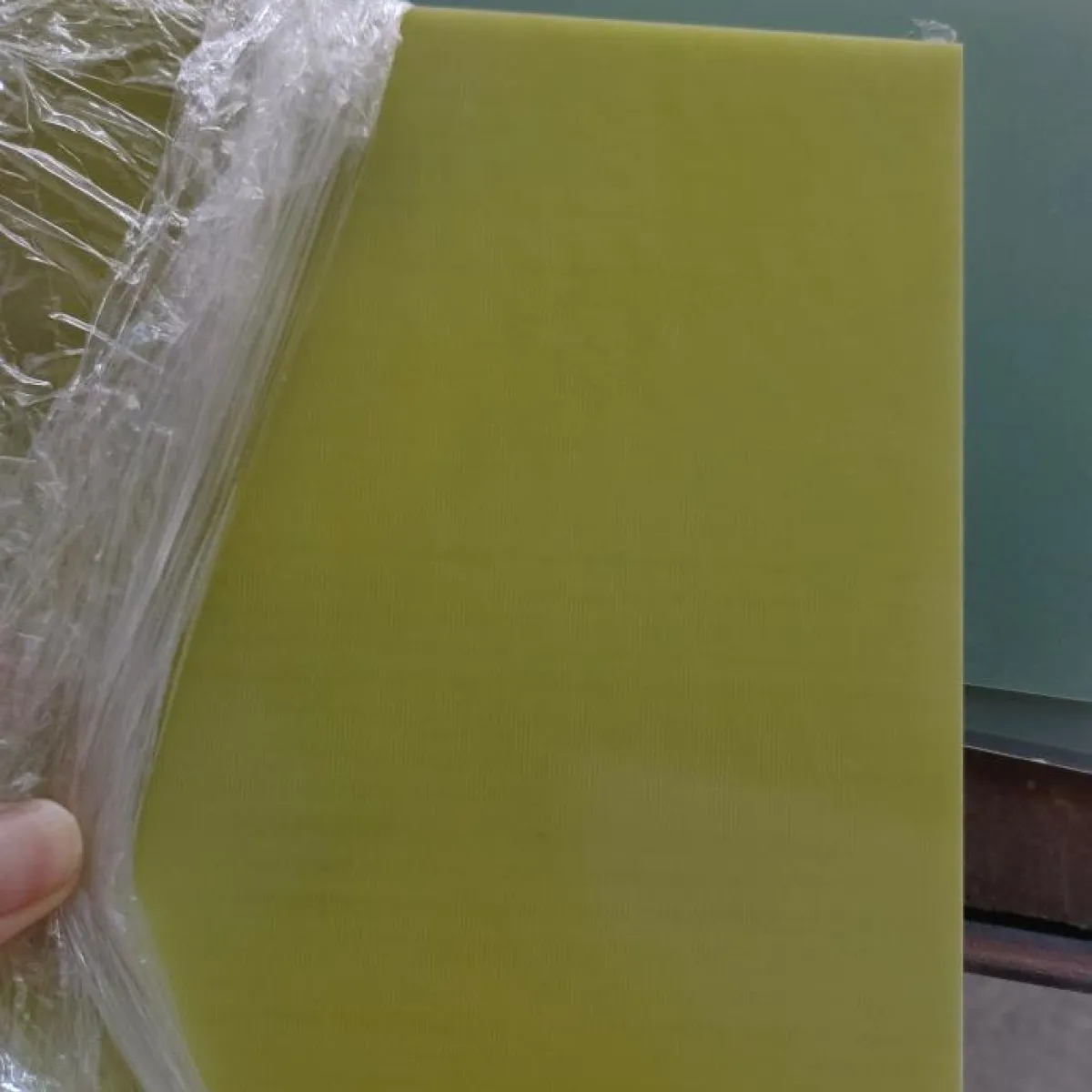
As a Class F insulation material, EPGC 204/FR5 is designed for applications where stable electrical and mechanical performance is required at elevated temperatures. Compared with s
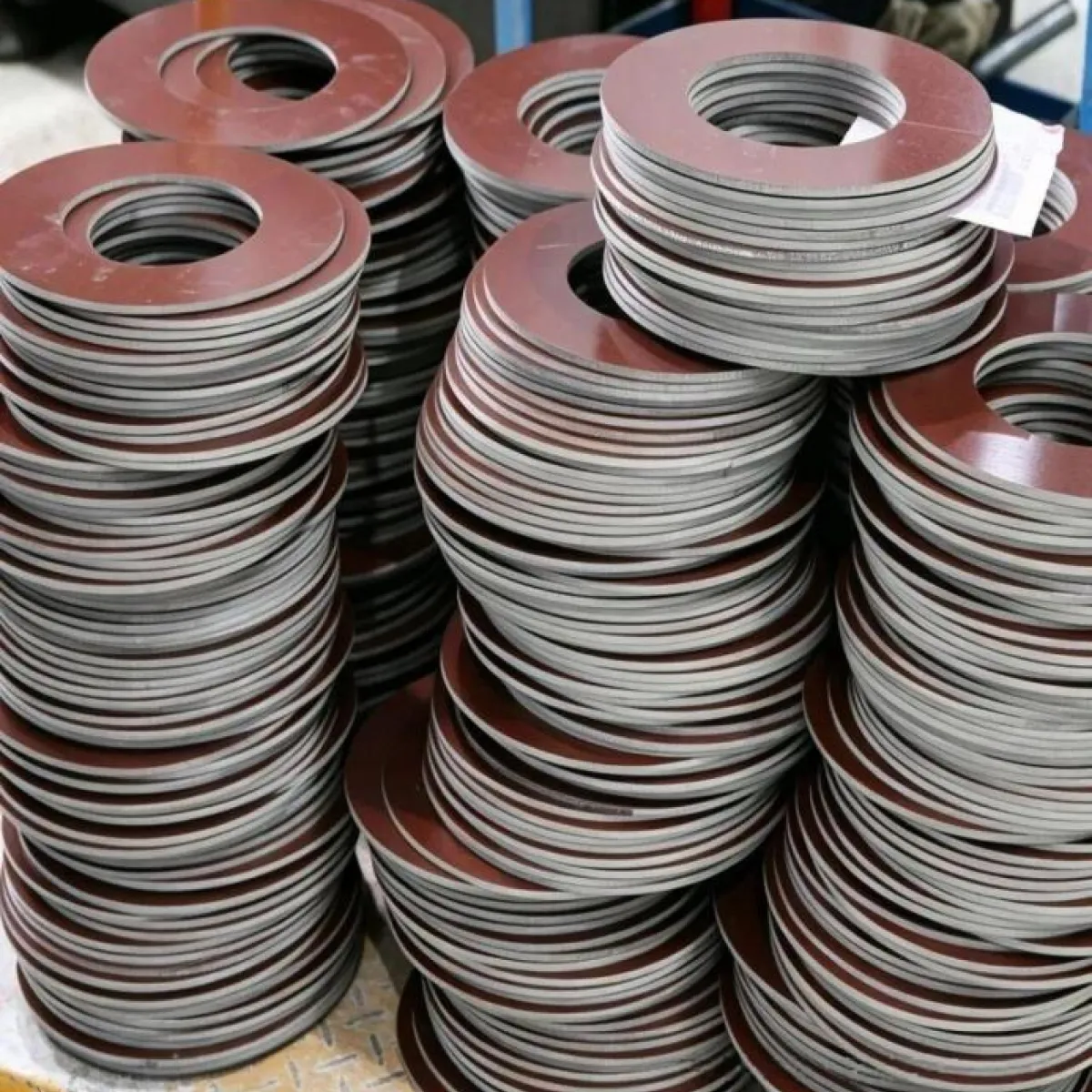
Phenolic Paper Boards are commonly used for electrical insulation plates, spacers, barriers, structural components, switchgear parts, transformer and motor components, tooling appl
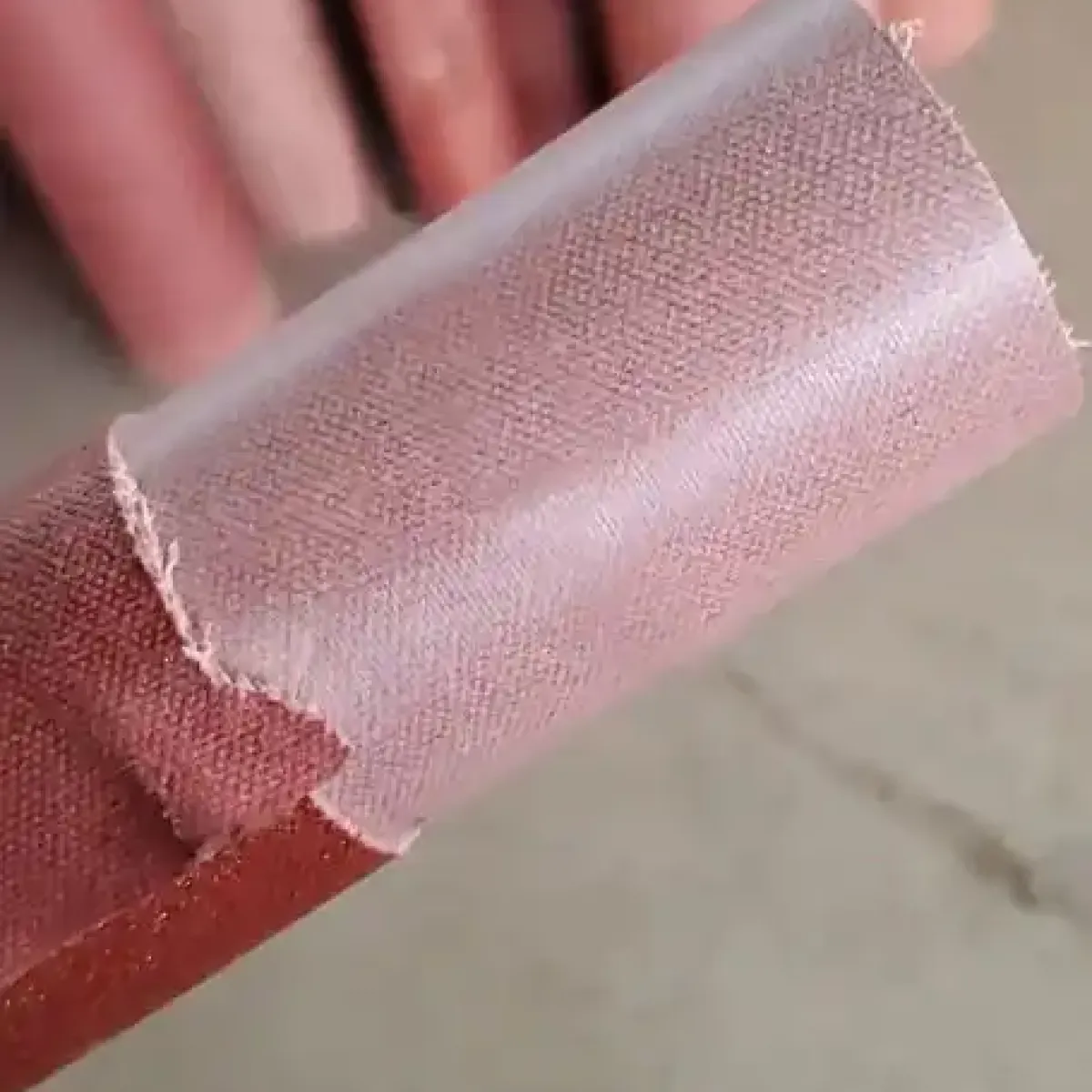
Choosing the correct wall thickness is an important part of product selection. The required thickness depends on the tube dimensions, electrical requirements, mechanical loading, o
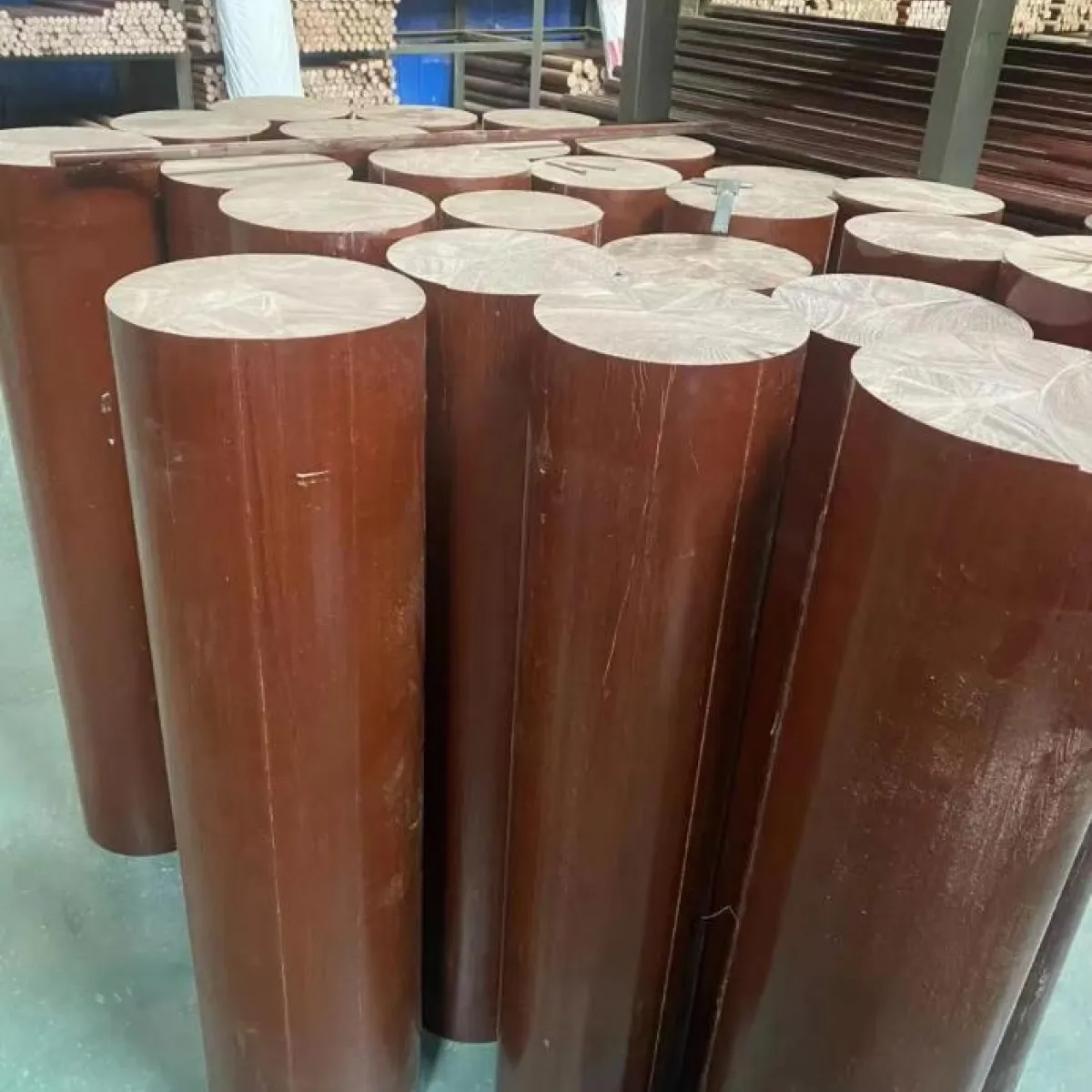
YILONG INSULATION manufactures phenolic cotton insulation materials for applications where reliable electrical insulation and good mechanical performance are required. Phenolic Cot

No.3, Mianzhi Street, Zhucheng, Shandong, China


Copyright © 2026 by Qingdao Yilong Insulation Material Company Limited All Rights Reserved


