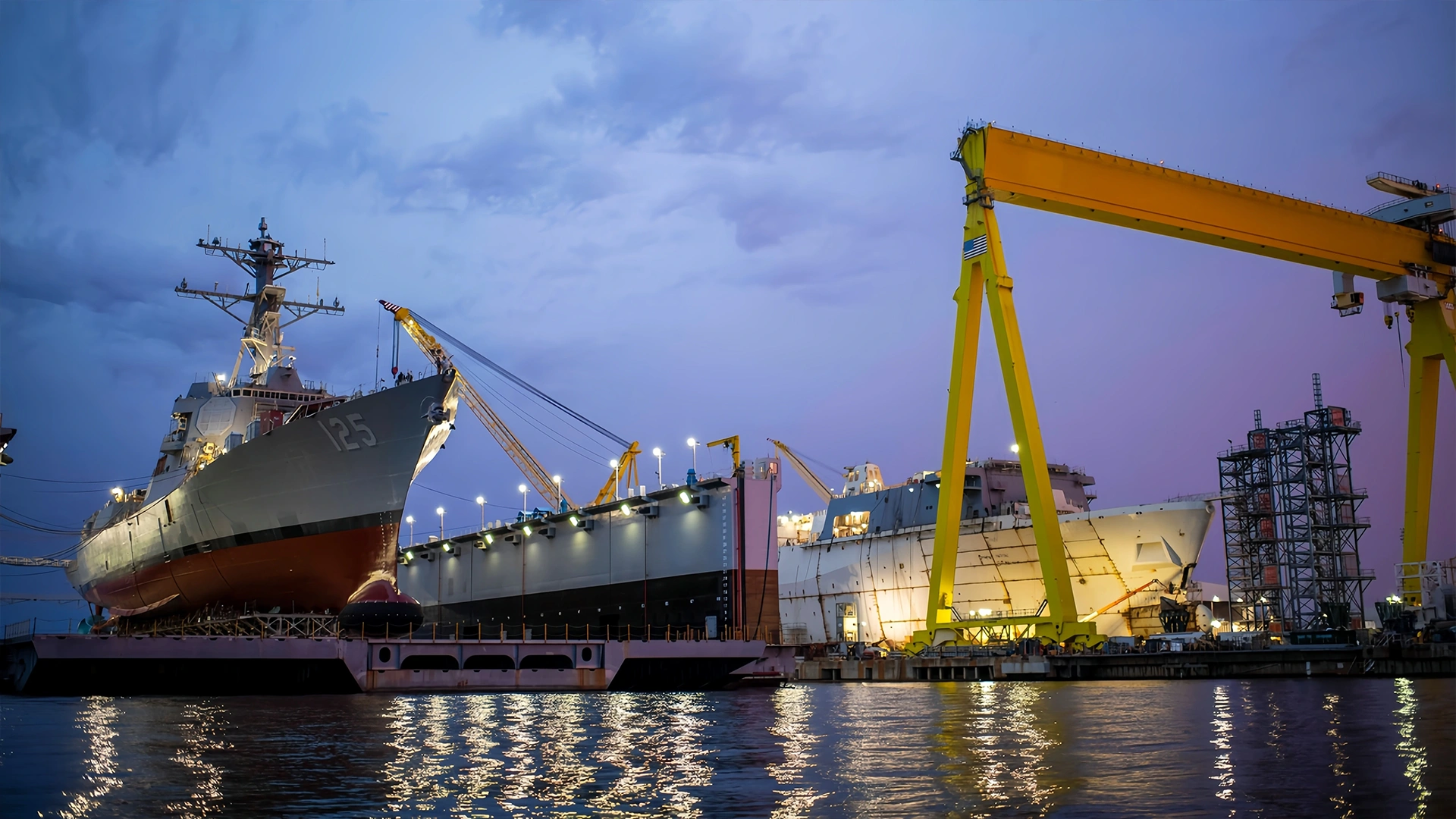
Construction and infrastructure projects require durable materials for electrical systems, structural assemblies and engineering installations exposed to moisture, weather, temperature variations and long-term environmental conditions. In building construction, municipal engineering and infrastructure projects, electrical insulation materials are used in applications such as building power systems, electrical enclosures, control installations, lighting equipment, transportation infrastructure and utility facilities. Their role may include electrical isolation, protection of electrical connections, component mounting and structural support in installations where reliability and dimensional stability are important. For outdoor and demanding environments, material selection may consider moisture resistance, mechanical strength, thermal stability, electrical insulation and resistance to environmental exposure. Customized insulation and structural components can also be CNC machined to meet specific drawings and installation requirements.
Marine & Shipbuilding
Electrical Insulation Materials and Engineered Composites for Marine Applications
A backing plate beneath a deck fitting and an insulating support inside a marine switchboard may both be made from glass-epoxy laminate, but their engineering requirements are fundamentally different. One must distribute mechanical loads through a bolted connection; the other must maintain electrical separation while supporting conductive components.
This distinction extends throughout shipbuilding. Electrical distribution systems, propulsion machinery, deck equipment, and auxiliary mechanisms place different demands on composite materials. Understanding where a component is installed and how it functions is essential to selecting the appropriate material.
YILONG manufactures electrical insulation laminates, reinforced phenolic composites, and CNC-machined components for industrial equipment manufacturers. Our materials can be considered for selected marine and offshore applications where their properties meet the specified service requirements.
Where Composite Materials Are Used in Marine Engineering
Marine Switchboards and Electrical Distribution
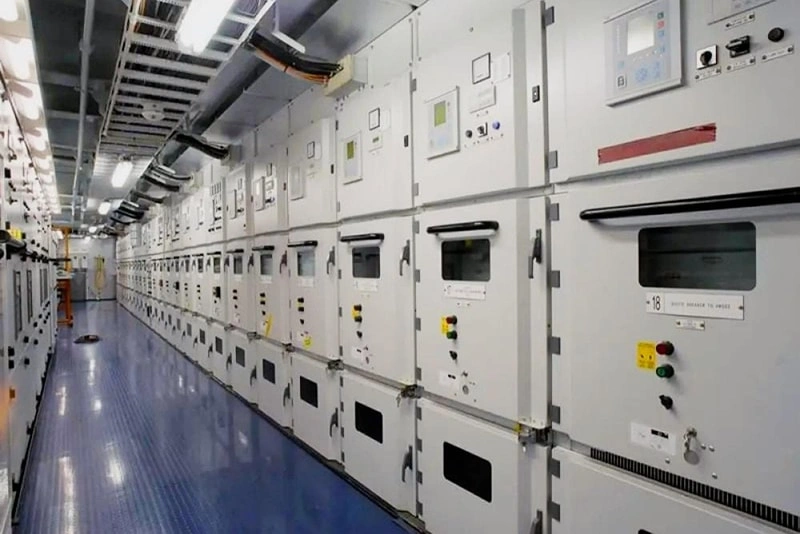
Main switchboards, distribution panels, motor control centers, and auxiliary electrical assemblies rely on insulating components to separate live conductors and support electrical connections.
Busbar supports, phase barriers, terminal mounting plates, insulating spacers, and sleeves are examples of components that may be manufactured from rigid electrical insulation materials.
FR4 (EPGC202) and GPO-3 (UPGM203) offer different combinations of dielectric performance, mechanical strength, and flame-related properties. GPO-3 grades with high tracking resistance can be useful for selected insulating supports, while FR4 provides a woven glass-epoxy structure for barriers and machined electrical components.
In shipboard electrical systems, condensation and salt deposits can increase surface conductivity and the risk of electrical tracking. Component design must therefore account for creepage distance, electrical clearance, tracking resistance, and enclosure protection.
Busbar supports also require sufficient mechanical strength to withstand fastening loads and relevant electromagnetic forces during electrical faults.
Marine Motors, Generators, and Propulsion Equipment
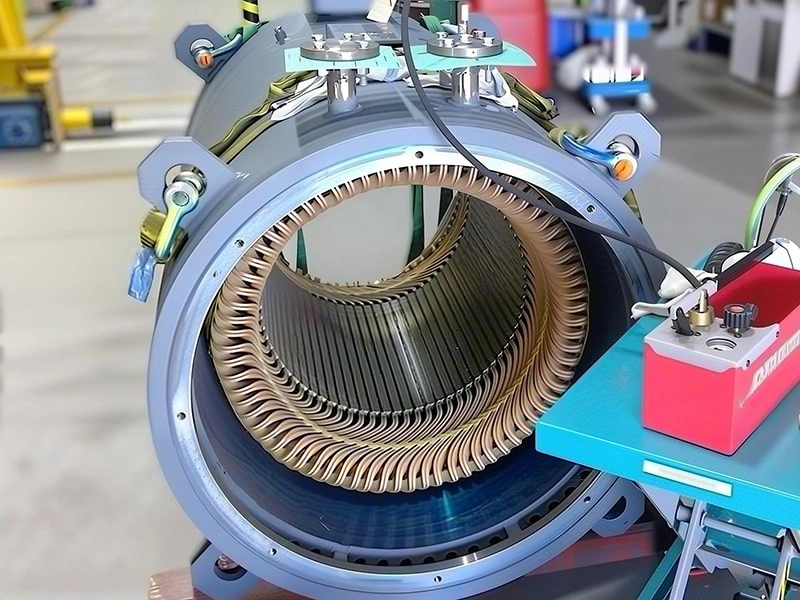
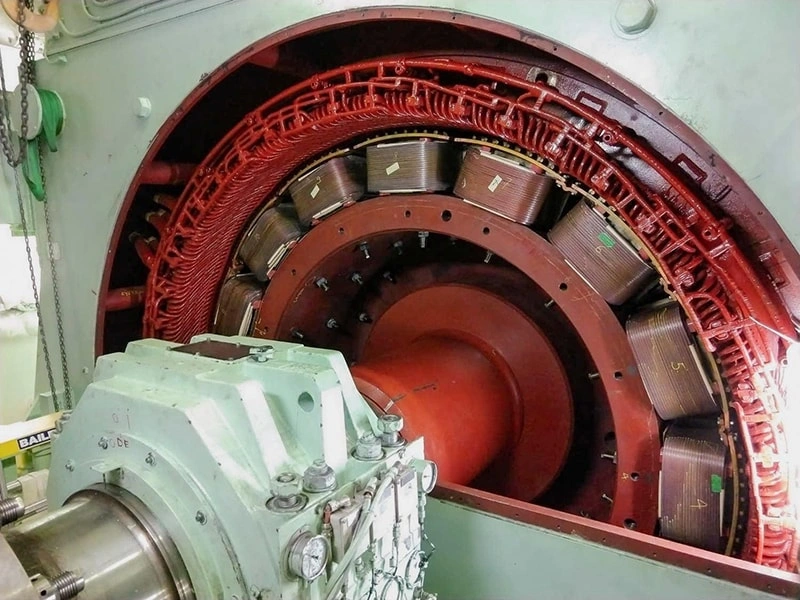
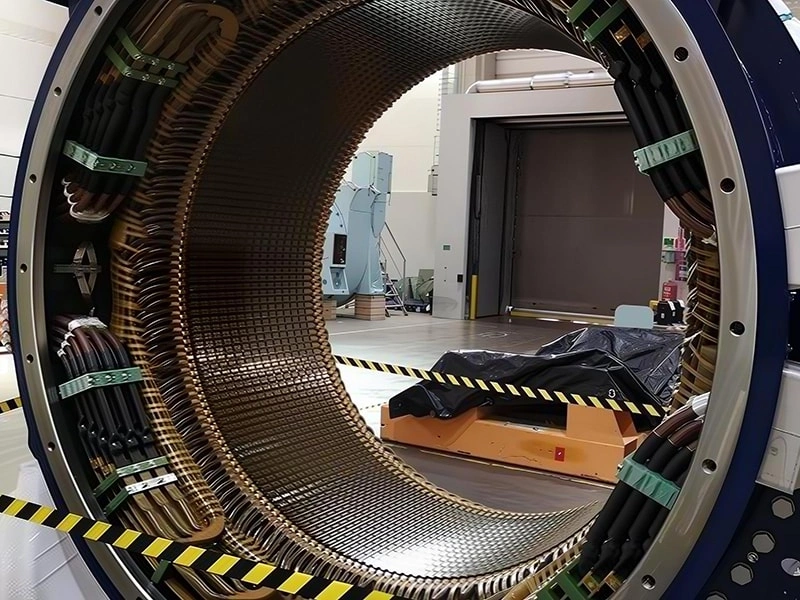
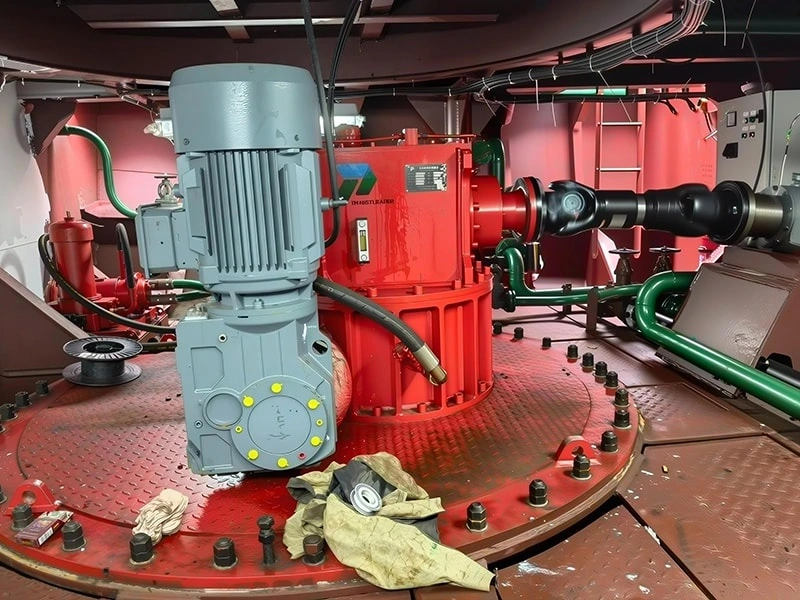
Propulsion motors, auxiliary motors, and marine generators contain insulation systems that must withstand electrical stress, operating heat, and mechanical vibration.
Rigid composite components may include slot wedges, winding supports, terminal boards, insulating spacers, and connection supports. Their functions range from securing windings to maintaining separation between electrical connections.
G11 (EPGC203) and FR5 (EPGC204) are relevant to selected applications requiring improved performance at elevated temperatures. FR5 also provides specified flame-retardant characteristics.
The material must be compatible with the complete motor insulation system. Thermal endurance, winding temperature, electrical loading, and long-term aging are more important than relying on a nominal temperature rating alone.
For propulsion equipment, insulation components must also maintain dimensional and mechanical stability under vibration and repeated operating loads.
Deck Hardware, Backing Plates, and Equipment Supports
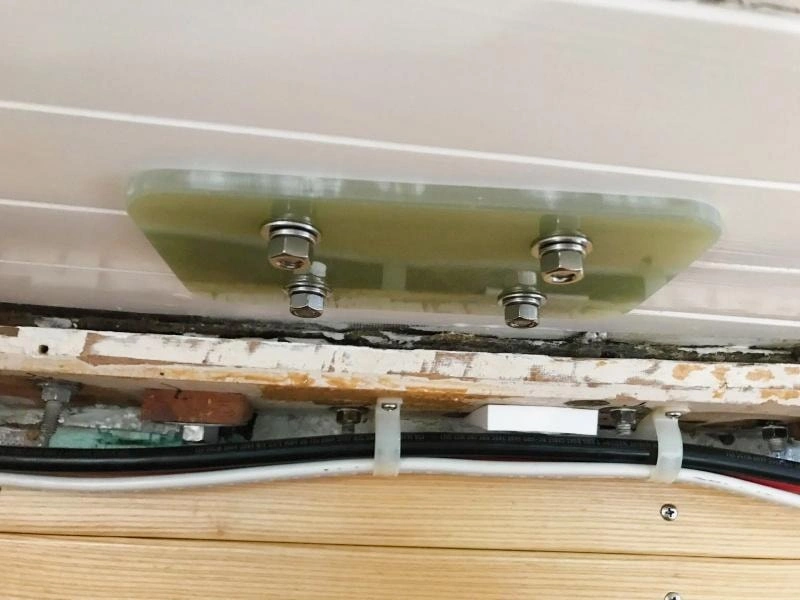
Cleats, winches, rails, and other deck-mounted equipment transfer forces through their fasteners into the supporting structure. Where these forces are concentrated around mounting holes, backing plates help distribute the load over a larger area.
G10 (EPGC201) glass-epoxy laminate combines mechanical strength, machinability, and relatively low moisture absorption. It can be used for appropriately designed backing plates, structural spacers, and non-metallic mounting components.
A backing plate must be evaluated as part of the complete fastening arrangement. Plate thickness, bolt diameter, hole spacing, edge distance, and bearing stress all affect how loads are transferred.
Laminate orientation and repeated loading also deserve attention, particularly where fittings experience cyclic forces.
For deck installations exposed to rain, spray, and repeated wetting, proper sealing around fasteners and penetrations remains essential. Low water absorption alone does not establish suitability for permanent seawater immersion.
Auxiliary Machinery and Wear Components
Marine pumps, winches, handling systems, and other auxiliary machinery may incorporate non-metallic bushings, guide blocks, spacers, and wear pads.
These components perform different mechanical functions. A guide block may experience intermittent sliding contact, while a bushing must accommodate movement between mating surfaces under load.
Phenolic cotton laminates and engineering plastics such as UHMWPE, PA, and POM provide different combinations of mechanical strength, friction behavior, wear resistance, and dimensional stability.
The operating conditions determine which properties matter most. Contact pressure, sliding speed, lubrication, temperature, water exposure, and compatibility with mating materials all influence material selection.
Specialized marine shaft and rudder bearings require dedicated bearing materials and application-specific verification. General-purpose electrical laminates should not be treated as direct substitutes without appropriate testing.
Offshore Electrical and Control Equipment
Offshore platforms and marine installations use electrical control systems to operate pumps, compressors, power distribution equipment, and auxiliary machinery.
Inside suitable protective enclosures, rigid insulation laminates may be used for terminal supports, mounting plates, insulating partitions, and equipment spacers.
Condensation, salt-laden air, and temperature fluctuations can affect insulation performance over time. Where components are installed in exposed locations, UV radiation, seawater contact, and environmental aging may introduce additional requirements.
Material selection must reflect the actual installation conditions rather than assuming that all marine or offshore equipment experiences the same exposure.
Selecting Composite Materials for Marine Equipment
Marine electrical and mechanical equipment requires materials with different performance characteristics. The following comparison summarizes YILONG's relevant material groups and their potential applications.
|
Material |
Typical Marine-Related Components |
Key Selection Considerations |
|
G10 / EPGC201 |
Deck backing plates, structural spacers, insulating supports |
Mechanical strength, laminate orientation, moisture exposure |
|
FR4 / EPGC202 |
Switchboard barriers, terminal mounting plates, electrical brackets |
Dielectric properties, flame performance, mechanical loading |
|
GPO-3 / UPGM203 |
Busbar supports, insulating partitions, electrical mounting panels |
Tracking resistance, electrical insulation, mechanical properties |
|
G11 / EPGC203 |
Motor insulation components, winding supports, terminal assemblies |
Thermal endurance, mechanical stability, electrical performance |
|
FR5 / EPGC204 |
Heat-resistant electrical supports and motor insulation components |
Thermal performance, flame resistance, insulation-system compatibility |
|
Phenolic Cotton / PFCC |
Selected bushings, guides, spacers, machined mechanical parts |
Mechanical loading, wear behavior, moisture absorption |
|
UHMWPE, PA, POM, PTFE |
Sliding guides, wear pads, bushings, non-metallic spacers |
Friction, creep, temperature, water exposure |
These materials are not interchangeable. For example, a laminate selected for electrical insulation may not provide the friction and wear characteristics required for a moving mechanical component. Likewise, a mechanically strong backing plate material does not automatically satisfy the flame-performance requirements of an electrical enclosure.
The final choice should be based on the component's function, operating conditions, applicable standards, and verified material properties.
CNC-Machined Composite Components for Marine Equipment
Marine equipment manufacturers often require finished insulation and mechanical components rather than standard sheets, rods, or tubes.
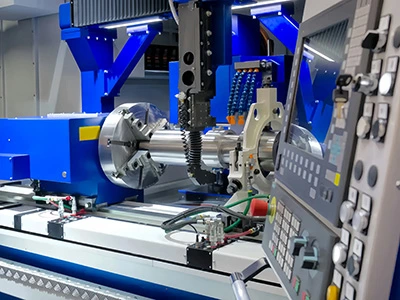
YILONG provides CNC machining services for rigid insulation laminates and engineering plastics according to customer drawings and specifications.
Typical manufacturing operations include cutting, milling, drilling, turning, and machining of custom profiles. Components may include insulating plates, mounting brackets, spacers, bushings, guides, and other precision-machined parts.
For glass-reinforced laminates, machining must account for the abrasive reinforcement, edge quality, and potential delamination. Hole placement, remaining wall thickness, and laminate orientation can also influence the finished component's mechanical performance.
Customers can provide drawings, material specifications, dimensional tolerances, and operating requirements for manufacturing review.
Marine Standards and Qualification Requirements
Electrical insulation laminates may be specified according to IEC 60893 or relevant NEMA material grades. These standards define requirements for applicable material types but do not automatically establish suitability for every marine installation.
Depending on the equipment and project, additional requirements may arise from the IEC 60092 series, applicable marine fire-safety rules, or classification societies such as DNV, ABS, LR, BV, and CCS.
A UL 94 V-0 classification indicates flame-retardant performance under specified test conditions but does not, by itself, establish compliance with applicable marine fire-safety requirements.
The need for type approval, product certification, or project-specific testing depends on the component's function and applicable rules.
Material specifications, testing requirements, and any necessary certification should be confirmed during the procurement process.
Marine Electrical Insulation Solutions from YILONG
YILONG supplies electrical insulation laminates, reinforced phenolic composites, engineering plastics, and CNC-machined components for industrial electrical and mechanical equipment manufacturers.
Our manufacturing capabilities cover standard material forms and custom components produced according to customer drawings and technical specifications.
For marine and shipbuilding projects, we can review material grades, component dimensions, operating conditions, and documentation requirements to support material selection and manufacturing.
Looking for insulation materials or custom-machined components for marine equipment?
Contact YILONG with your drawings, material specifications, and required quantities to discuss available options and request a quotation.
 |
 |
 |
 |
| Construction | Municipal Engineering | Infrastructure | Engineering Equipment |

No.3, Mianzhi Street, Zhucheng, Shandong, China


Copyright © 2026 by Qingdao Yilong Insulation Material Company Limited All Rights Reserved


