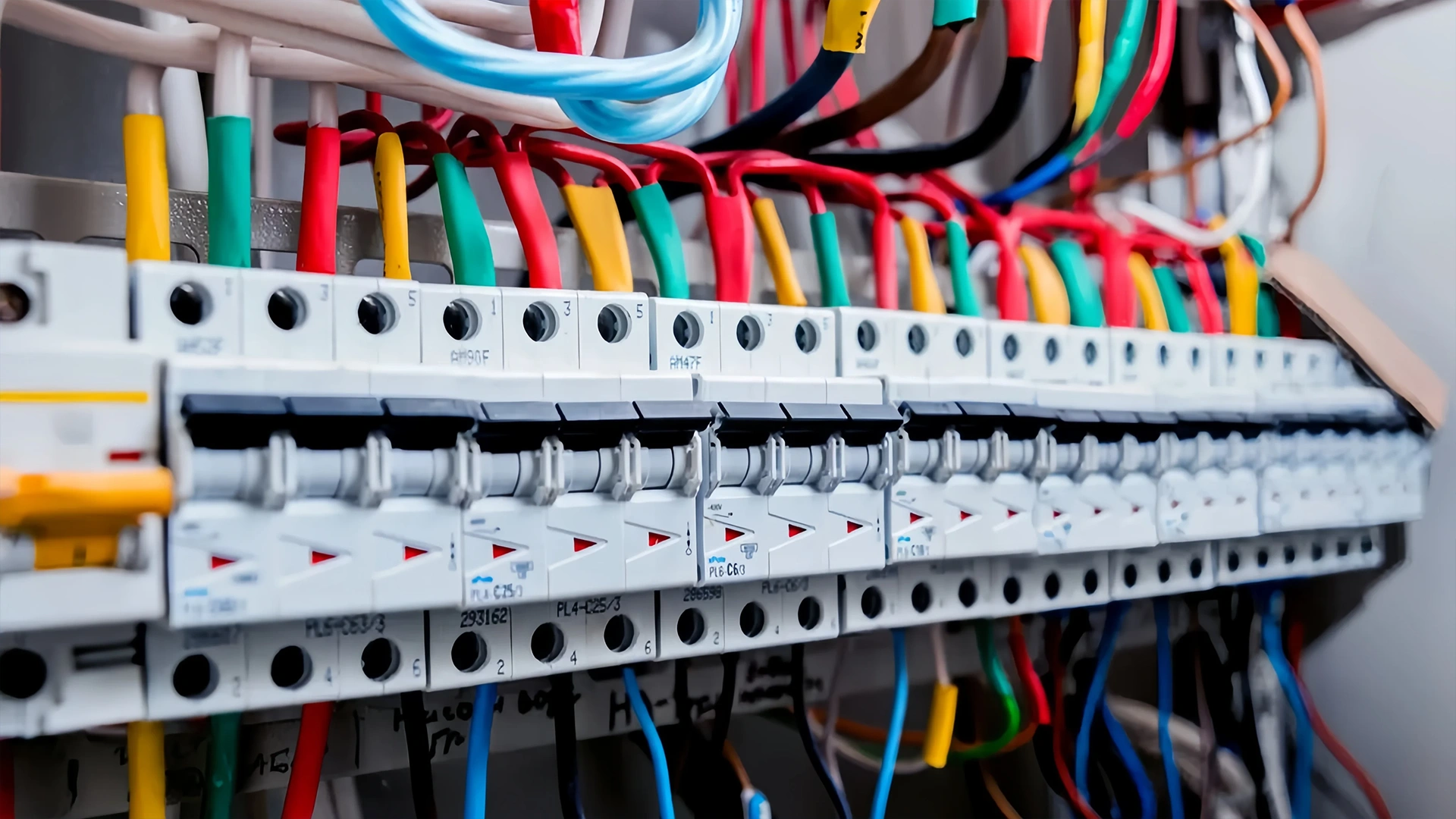
Electrical power equipment requires reliable insulation materials to ensure electrical separation, thermal stability, mechanical strength and long-term operating reliability under demanding service conditions. YILONG INSULATION supplies high-performance epoxy glass laminates, phenolic cotton laminates and other electrical insulation materials for a wide range of power and electrical equipment, including motors and generators, transformers, transmission and distribution systems, switchgear and other electrical equipment. Depending on the specific application and design requirements, these materials can be supplied as insulation sheets or CNC-machined into customized insulation components, such as plates, spacers, washers, supports and other structural parts, according to customer drawings, dimensions and tolerances.
Composites Material for Power Generation, Transmission and Distribution
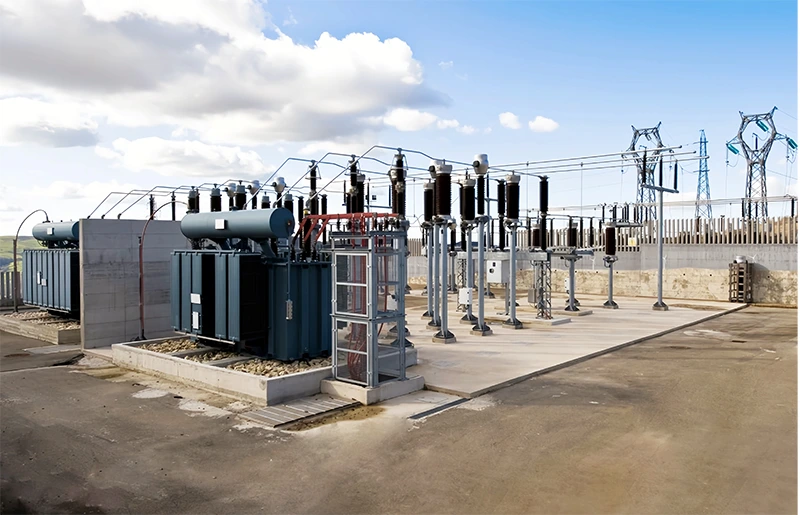
Electrical power systems depend on more than the efficient transmission of energy. Behind every generator, transformer and switchgear assembly are insulating structures that maintain electrical separation, support critical components and preserve mechanical integrity under demanding operating conditions.
These components are exposed to combinations of electrical stress, temperature fluctuations, mechanical loading and environmental influences. Their performance is essential not only to equipment functionality but also to long-term operational reliability.
YILONG manufactures high-performance electrical insulation materials and precision-machined thermoset composite components for the power industry.
With manufacturing experience dating back to 1966, we combine expertise in glass-reinforced laminates, resin systems and composite processing to support the evolving requirements of electrical equipment manufacturers.
Our capabilities extend from standard insulating sheets, rods and tubes to custom-machined components designed for specific electrical, thermal and mechanical requirements.
Why Thermoset Composites Matter in Electrical Power Systems
The performance of an electrical insulating material cannot be defined by dielectric strength alone. In many applications, insulation must also function as a structural element, maintaining conductor positioning and mechanical stability throughout the equipment's operating life.
Thermoset composites offer an effective combination of these properties through the interaction of reinforcing fibers and cured resin systems.
Electrical Insulation and Dielectric Reliability
Glass-reinforced epoxy laminates and other insulating composites provide high electrical resistance and dielectric performance, making them suitable for supporting and separating energized components.
However, electrical insulation design involves several distinct considerations.
Dielectric strength describes resistance to electrical breakdown through a material under specified test conditions. Surface tracking resistance, meanwhile, relates to the formation of conductive paths across insulating surfaces exposed to electrical stress and contamination.
These properties are not interchangeable.
In switchgear and power distribution equipment, materials with appropriate tracking resistance may help support reliable insulation design, particularly where moisture and contamination are relevant.
Material selection must also consider the equipment's voltage rating, insulation coordination, creepage distances and electrical clearances.
Mechanical Strength Without Electrical Conductivity
Insulating components frequently carry mechanical loads while separating conductive structures.
Busbar supports, mounting blocks, insulating spacers and generator components may experience compression, bending, vibration or short-duration electromagnetic forces.
Glass-fiber-reinforced thermoset laminates offer useful strength-to-weight ratios and mechanical rigidity while remaining electrically insulating.
Their performance is influenced by reinforcement architecture and loading direction. In laminated composites, properties measured parallel to the reinforcement may differ substantially from those measured through the laminate thickness.
Understanding this directional behavior is particularly important when designing machined components with mounting holes, concentrated loads or complex geometries.
Thermal Stability Under Operating Stress
Temperature is a major factor in the performance and aging of electrical insulation.
Continuous heat exposure can influence resin properties, mechanical strength and dielectric behavior. Repeated thermal cycling can also generate stresses at interfaces between materials with different coefficients of thermal expansion.
For demanding applications, the critical consideration is not simply the highest temperature a material can withstand briefly, but its ability to retain the required properties under actual operating conditions.
High-temperature glass-epoxy laminates, including suitable G11, FR5 and specialized EPGC grades, provide options for applications requiring improved performance at elevated temperatures.
Mica-based insulation systems serve an important role where high-temperature dielectric performance is required, particularly in selected rotating-machine and winding insulation applications.
The appropriate thermal classification and operating limits must be established from the specific material formulation and applicable test data.
Dimensional Stability and Environmental Resistance
Electrical equipment often requires insulating components to maintain precise positioning over extended periods.
Thermoset laminates provide dimensional stability and resistance to many industrial environments, although their performance depends on material composition and exposure conditions.
Moisture absorption, chemical compatibility, transformer oil exposure and outdoor weathering must be evaluated separately.
A material suitable for indoor switchgear should not automatically be assumed suitable for prolonged outdoor exposure or immersion in insulating oil.
Composite Insulation Applications Across the Power Industry
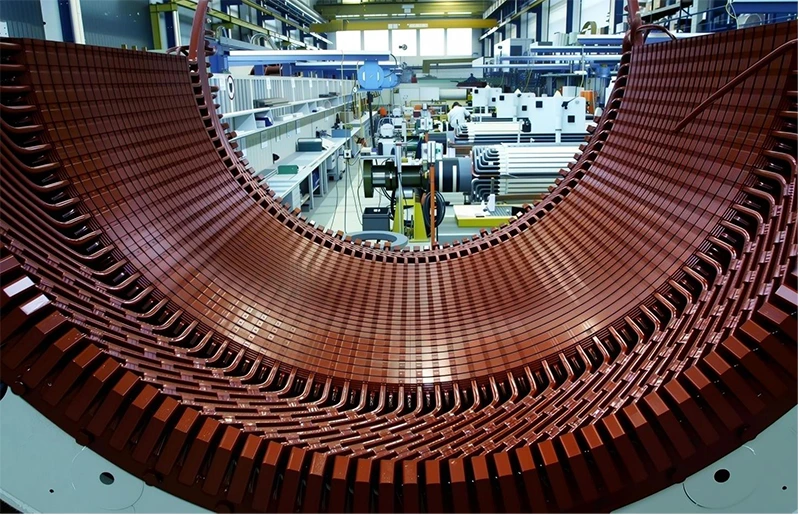
Power Generation: Insulation That Supports Electrical and Mechanical Integrity
Generators operate under a combination of thermal, electrical and dynamic mechanical stresses.
Insulating components help maintain winding geometry, provide structural support and separate electrically active elements from surrounding structures.
Glass-epoxy laminates can be considered for generator slot wedges, support blocks, spacers and terminal insulation components, depending on the operating requirements.
Where elevated temperatures are involved, higher-temperature glass-epoxy grades may offer improved retention of mechanical and electrical properties.
Mica electrical insulation materials are also important in many high-voltage rotating-machine insulation systems because of their thermal and dielectric characteristics.
The distinction between structural insulation and winding insulation is essential: materials that perform these different functions cannot necessarily replace one another.
YILONG supplies glass-epoxy laminates, mica insulation products and custom-machined insulating components for evaluation in generator and motor applications.
Transformers: Material Compatibility Within the Insulation System
Transformer insulation requires a careful balance of dielectric performance, mechanical stability and compatibility with the surrounding environment.
The operating conditions differ significantly between dry-type and oil-immersed transformers.
In dry-type equipment, selected composite laminates may be used for insulating supports, spacers and terminal structures.
Oil-immersed transformers introduce additional requirements involving insulating liquid compatibility, moisture behavior and thermal aging.
Densified laminated wood is an established material for certain structural insulation functions in liquid-immersed transformers. Selected glass-epoxy and phenolic materials may also be considered for specific components where their performance has been appropriately qualified.
YILONG manufactures densified wood and composite insulating materials in sheet and machined forms.
For transformer applications, material approval should account for the complete insulation system rather than relying solely on individual room-temperature test values.
Switchgear: Tracking Resistance and Insulation Coordination
Switchgear insulation must maintain electrical separation within assemblies containing busbars, switching devices and protective components.
These structures may be exposed to elevated temperatures, mechanical loading and varying levels of environmental contamination.
Glass-mat-reinforced polyester laminates such as GPO-3 are commonly used for insulating barriers, support plates and structural components in electrical distribution equipment.
Selected high-CTI glass-epoxy grades offer another material option where surface tracking resistance is an important requirement.
For example, suitable EPGC306 formulations can provide CTI values of at least 600 V when verified under the relevant test conditions.
However, CTI is a material property measured under a defined laboratory method. It does not directly establish an equipment voltage rating or replace the required insulation coordination design.
YILONG supports switchgear manufacturers with laminated insulating sheets and CNC-machined barriers, supports and mounting components manufactured to customer specifications.
Busbar Systems: Structural Insulation Under Electromechanical Loads
Busbar supports perform two critical functions: electrically isolating conductors and maintaining their mechanical position.
During short-circuit events, electromagnetic forces can impose substantial loads on the support structure.
Material selection must therefore consider compressive and flexural properties, support geometry, fastening methods, temperature rise and the forces associated with the equipment design.
Glass-epoxy and polyester-glass composites can provide useful combinations of dielectric insulation and structural performance for these applications.
Precision machining enables the production of insulating blocks, spacers, mounting plates and support profiles with application-specific geometries.
For laminated materials, reinforcement orientation and stress concentrations around machined features should be considered during component design.
Power Conversion and Electrical Control Equipment
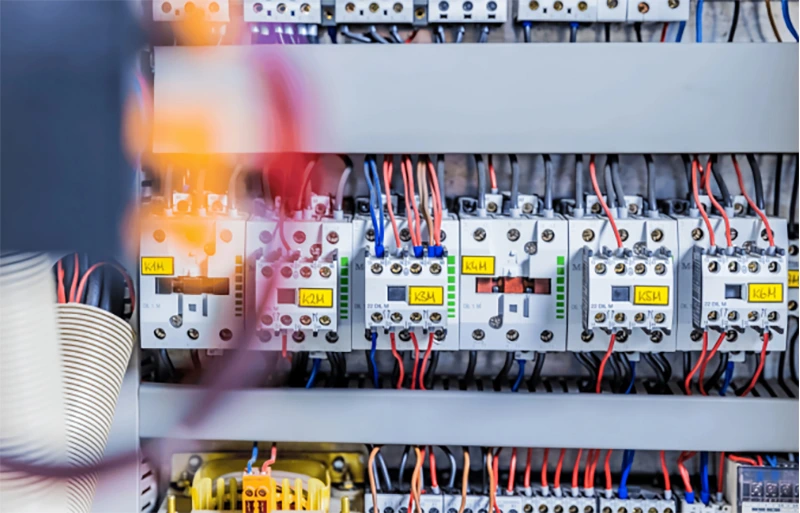
Power converters, inverters and industrial electrical control systems require insulating structures that support compact assemblies while maintaining electrical separation.
Depending on voltage, operating temperature and mechanical requirements, glass-epoxy laminates, polyester-glass composites and selected engineering plastics can be used for mounting plates, terminal supports, barriers and insulating spacers.
In systems exposed to fast switching transients, the insulation design may require additional evaluation of electric-field distribution and dielectric behavior.
The suitability of a material must therefore be determined in relation to the electrical system, component geometry and operating environment.
Selecting Materials by Performance Requirements
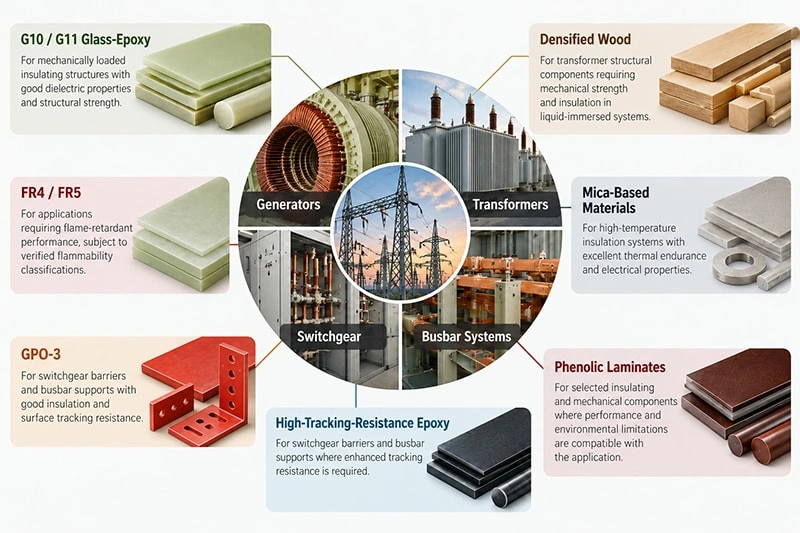
Different electrical insulation applications require different combinations of material properties. No single thermoset composite provides the optimum solution for every operating condition.
For mechanically loaded insulating structures, woven glass-epoxy laminates such as G10 and suitable G11 grades provide a combination of dielectric properties and structural strength.
Where flame-retardant performance is required, appropriate FR4 or FR5 grades may be considered, subject to verified flammability classifications.
For switchgear barriers and busbar support components, GPO-3 and selected high-tracking-resistance epoxy laminates can offer advantages depending on the equipment requirements.
In high-temperature insulation systems, mica-based products and specialized glass-epoxy grades provide different combinations of thermal endurance, electrical properties and mechanical behavior.
Phenolic laminates remain useful for selected insulating and mechanical components where their performance and environmental limitations are compatible with the application.
The most reliable material choice is determined by the function of the component, the stresses it must withstand and the properties that must be maintained throughout service.
Manufacturing Precision and Material Consistency
The properties of an insulating component depend not only on its nominal material grade but also on the manufacturing processes used to produce it.
Controlled Laminate Manufacturing
In thermoset laminate production, resin impregnation, reinforcement arrangement, consolidation and curing influence the characteristics of the finished composite.
Insufficient consolidation, inconsistent resin distribution or processing defects can affect mechanical integrity and dielectric behavior.
YILONG integrates fiberglass production, resin impregnation and laminate pressing within its manufacturing operations.
Our facilities include nine gluing lines, multi-layer vacuum pressing equipment, 2,000-ton and 3,000-ton presses, and more than 20 automated production lines.
This manufacturing infrastructure supports the production of electrical insulating laminates in different grades, thicknesses and product forms.
Precision Machining for Functional Components
Electrical insulating components often require more than simple cutting.
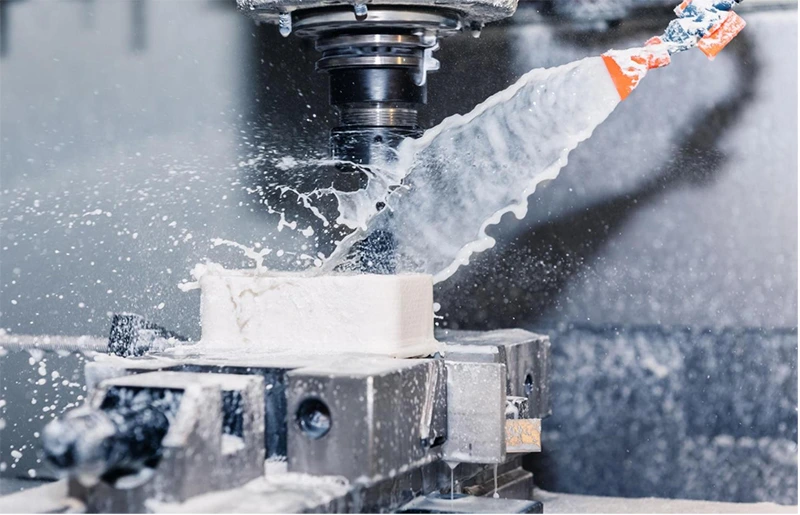
Mounting holes, grooves, stepped profiles and complex geometries must be manufactured while preserving dimensional accuracy and avoiding unnecessary damage to the laminate structure.
Machining parameters should account for the material's reinforcement, thickness, geometry and susceptibility to edge damage or delamination.
With advanced CNC machines, YILONG provides machining services for glass-epoxy laminates, polyester-glass composites, phenolic materials and other suitable insulating products.
Our capabilities support both standard insulating stock shapes and custom components manufactured according to customer drawings.
Quality Management and Technical Documentation
Consistent material performance is particularly important for electrical equipment manufacturers operating repeat production programs.
YILONG maintains an ISO 9001 quality management system and supports material inspection and documentation according to applicable specifications and agreed order requirements.
Depending on the material and project, inspection may address dimensional accuracy, mechanical properties and relevant electrical characteristics.
Testing conditions, specimen orientation and material grade must be clearly defined when evaluating performance or comparing results.
Supporting Power Equipment Manufacturers
Electrical equipment manufacturers increasingly require materials that combine reliable performance with practical manufacturability and consistent supply.
YILONG brings together composite material manufacturing and precision machining capabilities to support these requirements.
Our production infrastructure covers 110,000 m², including 45,000 m² of workshop space, with an annual laminated material production capacity of 15,000 metric tons.
We supply insulating sheets, rods, tubes and machined components for electrical and industrial applications.
By integrating material manufacturing with downstream processing, YILONG helps customers evaluate material suitability, machining feasibility and production requirements within a coordinated supply process.
Proven Performance
Engineered Materials. Reliable Power Systems.
Discover why thermoset composites are essential for electrical power equipment and how YILONG's engineered thermoset composites and precision-machined electrical insulation components support dielectric reliability, structural integrity and consistent performance across demanding power generation and distribution applications.
 |
 |
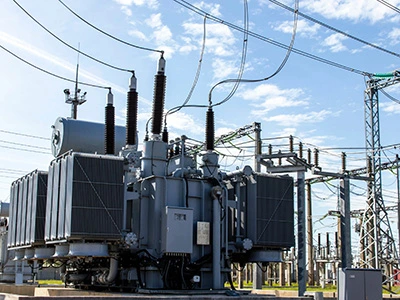 |
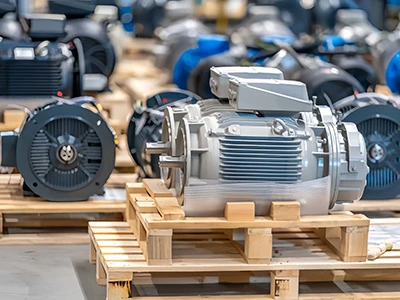
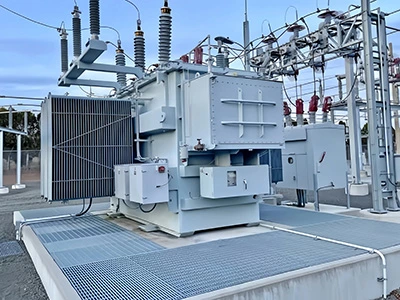
| Motors | Generators | Transformers |
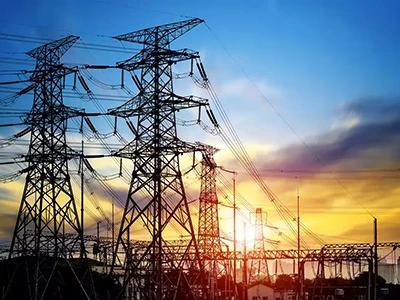 |
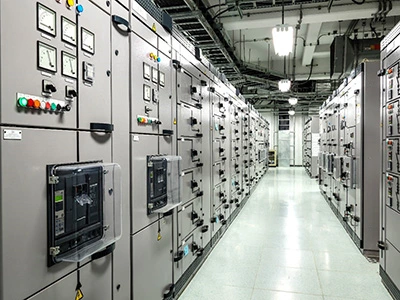 |
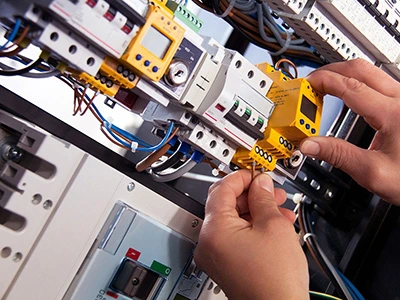 |
| Transmission & Distribution | Switchgear | Electrical Equipment |
Common materials include G10, FR4, G11, FR5, GPO-3, phenolic laminates, mica-based insulation, and densified laminated wood. Each offers different combinations of dielectric strength, mechanical performance, thermal resistance, and environmental compatibility. Selection depends on the equipment design and operating conditions.
All four are glass-epoxy laminates, but they differ in resin formulation, thermal performance, and flame-retardant properties. G10 provides electrical insulation and mechanical strength, while FR4 offers flame-retardant performance. G11 is designed for higher-temperature applications, and FR5 combines elevated-temperature performance with flame retardancy. Specific properties depend on the material grade and applicable standards.
GPO-3 is a glass-mat-reinforced polyester laminate that combines electrical insulation, mechanical strength, flame retardancy, and surface tracking resistance. It is commonly used for switchgear barriers, insulating support plates, busbar supports, and mounting components. Its suitability must be evaluated against the equipment's electrical and mechanical requirements.
High-temperature glass-epoxy laminates, including suitable G11, FR5, EPGC306, and EPGC308 grades, may be considered for structural insulation. Mica-based materials are also used in high-temperature electrical insulation systems, particularly in generators and rotating machines. Selection depends on operating temperature, mechanical loads, and required dielectric performance.
Not necessarily. Dry-type transformers and oil-immersed transformers have different insulation requirements. Materials used in oil-immersed systems must be evaluated for compatibility with insulating liquids, moisture behavior, and thermal aging. Densified laminated wood is used for certain structural insulation components in oil-immersed transformers, while selected composite laminates may be suitable for other applications.
Yes. YILONG manufactures insulating sheets, rods, tubes, and precision-machined components from glass-epoxy, polyester-glass, phenolic, and other suitable insulation materials. Our CNC machining capabilities support custom busbar supports, insulating spacers, mounting plates, barriers, and structural components according to customer drawings and technical specifications.

No.3, Mianzhi Street, Zhucheng, Shandong, China


Copyright © 2026 by Qingdao Yilong Insulation Material Company Limited All Rights Reserved


