
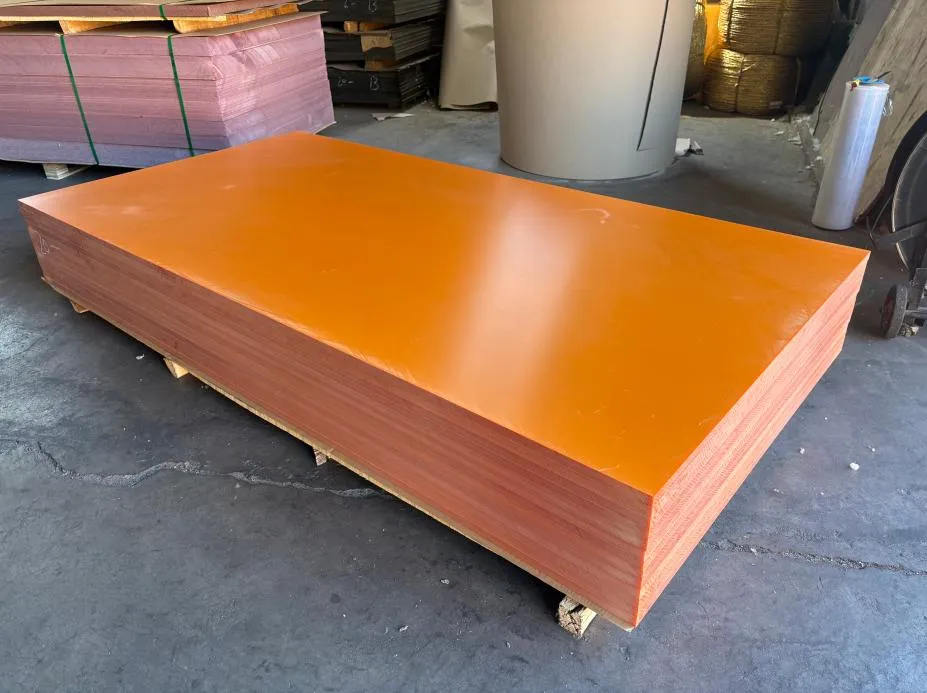
Bakelite Sheet is widely used for electrical insulation, equipment supports and industrial fixtures. Its combination of rigidity, machinability and cost efficiency makes it a practical option for many components. Selecting the right material starts with understanding the laminate grade, operating conditions and finished-part requirements.
What Is Bakelite Sheet?
In industrial sheet applications, “Bakelite” commonly refers to phenolic paper laminate. It is manufactured by impregnating layers of cellulose paper with phenolic resin, followed by drying and consolidation under heat and pressure. The resin cures into a rigid thermosetting structure that bonds the layers together.
The reinforcement should always be identified in a specification. PFCP 201 is phenolic paper laminated sheet, while PFCC 201 is phenolic cotton laminated sheet. These materials have different properties and should be selected according to their intended application.
Electrical Insulation and Mechanical Support
Phenolic paper sheet combines electrical insulation with useful mechanical strength. Suitable grades can be machined into insulating base plates, spacers, mounting panels and support components.
Performance varies between grades. Some prioritize mechanical properties, while others provide better electrical performance or moisture resistance. For example, PFCP 201 is primarily suited to mechanical applications and basic low-voltage insulation duties; demanding electrical environments require a grade selected for the relevant conditions.
Component design also matters. Thickness, load direction, hole positions and fastening arrangements influence how the finished part performs.
Heat Resistance and Operating Limits
The cured phenolic resin is thermosetting and does not remelt like a thermoplastic. However, excessive temperature or prolonged heating can reduce mechanical and electrical performance and eventually cause degradation.
Heat resistance must therefore be assessed using the selected grade’s technical data. Continuous operation, brief temperature peaks and heavily loaded components may require different evaluations. A general description such as “heat-resistant Bakelite” is not a complete specification.
Wear Resistance and Environmental Compatibility
A rigid surface makes Bakelite Sheet useful for many fixtures and stationary supports. For components exposed to repeated sliding or friction, wear performance should be checked against the actual load, speed and contact material. Phenolic cotton laminates may be more suitable for certain gears, guides and other wear components.
Chemical compatibility also depends on the substance, concentration, temperature and exposure time. Moisture and contamination should be considered when evaluating dimensional stability and insulation performance.
CNC Machining and Edge Quality
Bakelite Sheet can be cut, drilled, milled and routed into custom components. Good machinability makes it useful for parts with holes, slots, pockets and shaped profiles.
Because the material has a layered structure, tooling, cutting conditions and workholding affect the finished result. Thin walls, sharp internal corners and unsupported edges require attention to reduce chipping or layer damage. Clear drawings should specify critical dimensions, tolerances and edge-finish requirements.
Common Industrial Applications
Typical applications include electrical mounting plates, insulating spacers, switch base plates, equipment supports and general-purpose jigs and fixtures. Suitable grades can also be used in electronics assembly and testing fixtures.
For each application, the material should be matched to the required voltage, mechanical loading, operating temperature and environmental conditions.
Bakelite Sheet and Custom Components from YILONG
YILONG supplies phenolic paper sheets and drawing-based machined components. Material selection and machining requirements can be reviewed together to help customers specify suitable stock and finished parts.
For an enquiry, provide the material grade, dimensions, quantity, application and drawing revision, together with any inspection requirements. Thickness tolerance and flatness should be confirmed for the specific sheet rather than assumed from a general Bakelite description.
To discuss Bakelite Sheet or CNC machining requirements, visit www.yilonginsulation.com, email yilong@yilonginsulation.com, or contact YILONG on WhatsApp at +86 15866869385.
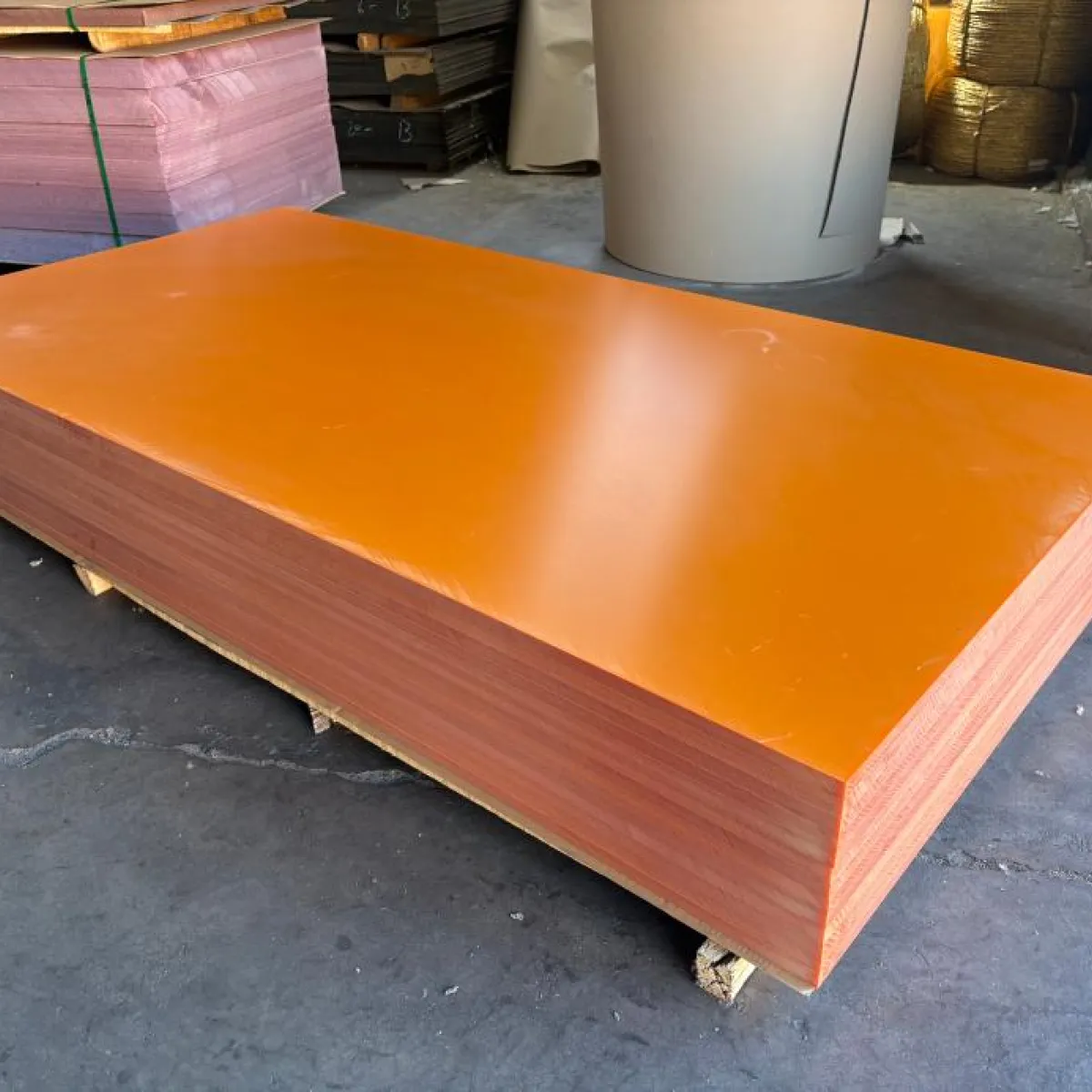
In industrial sheet applications, “Bakelite” commonly refers to phenolic paper laminate. It is manufactured by impregnating layers of cellulose paper with phenolic resin, followed
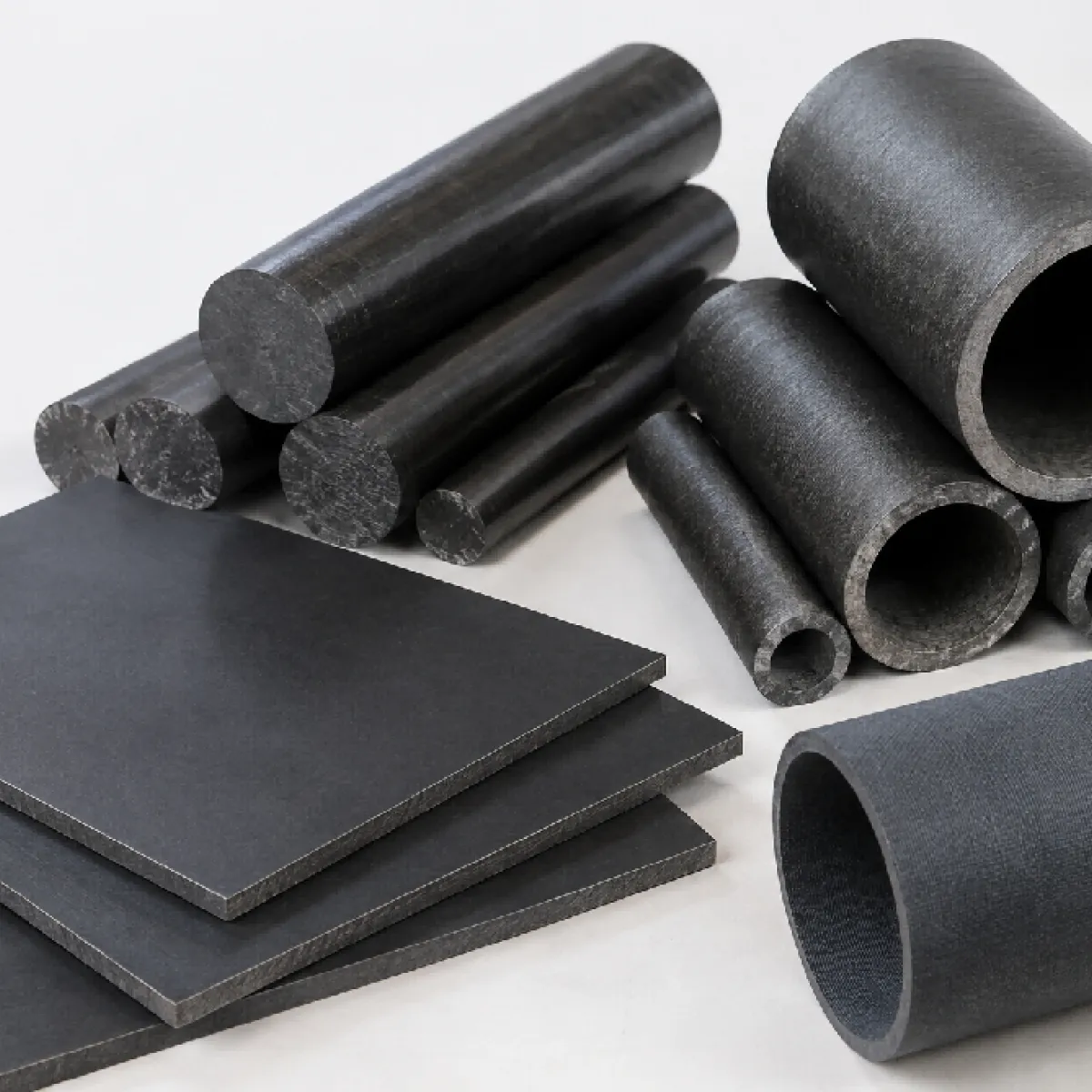
Under suitable operating conditions, the MoS2 filler can improve wear performance and provide anti-seizure characteristics. The material can also operate with lower noise than many
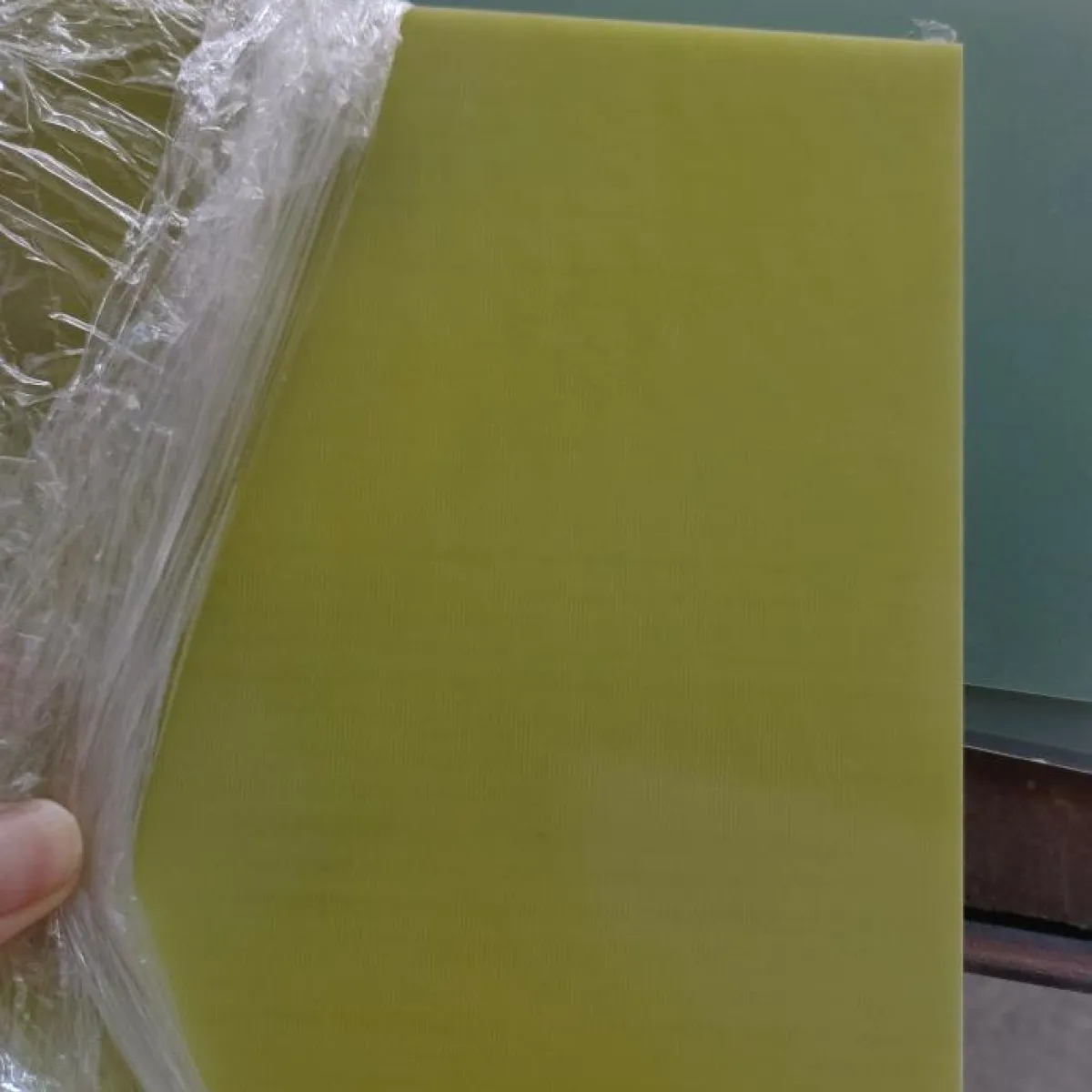
As a Class F insulation material, EPGC 204/FR5 is designed for applications where stable electrical and mechanical performance is required at elevated temperatures. Compared with s
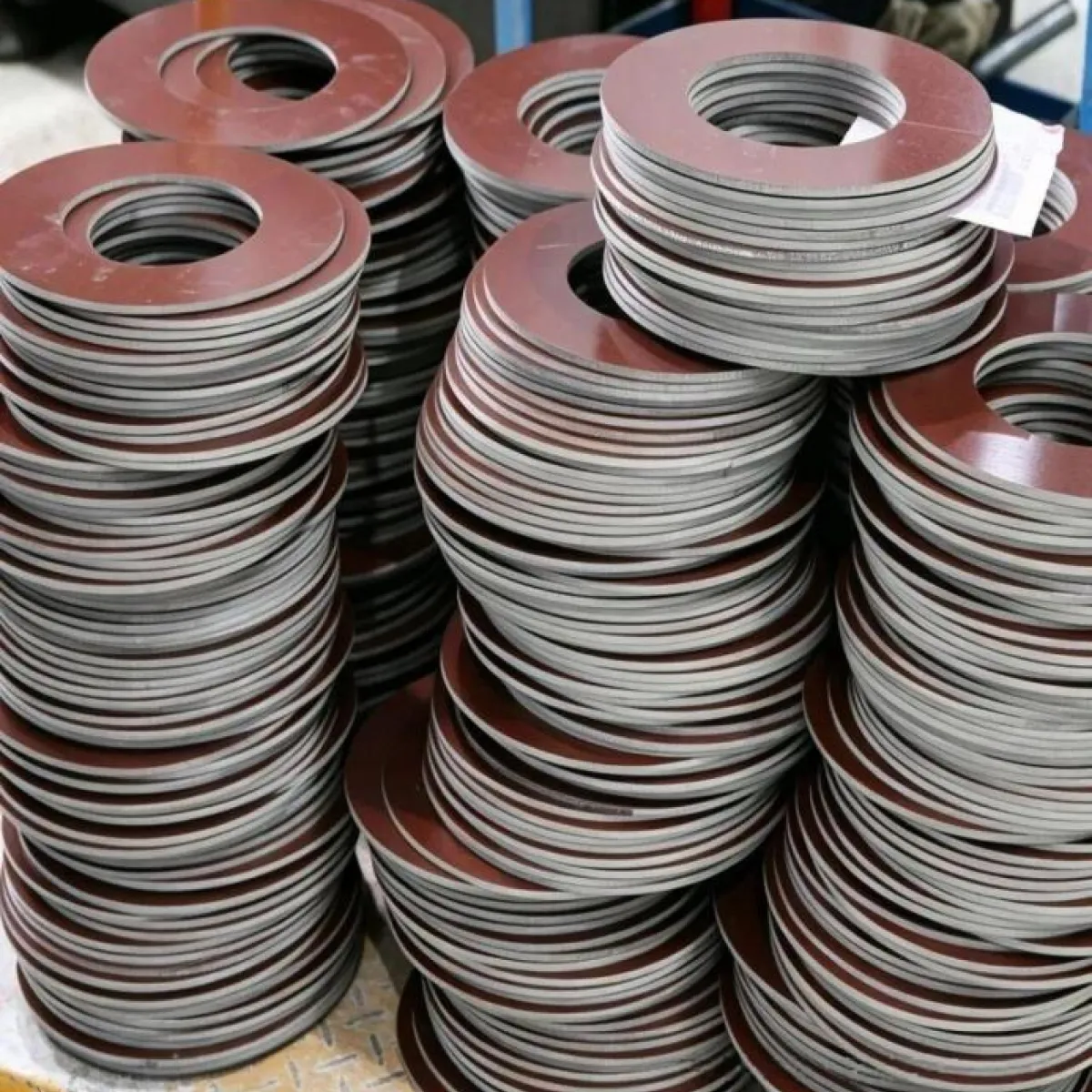
Phenolic Paper Boards are commonly used for electrical insulation plates, spacers, barriers, structural components, switchgear parts, transformer and motor components, tooling appl
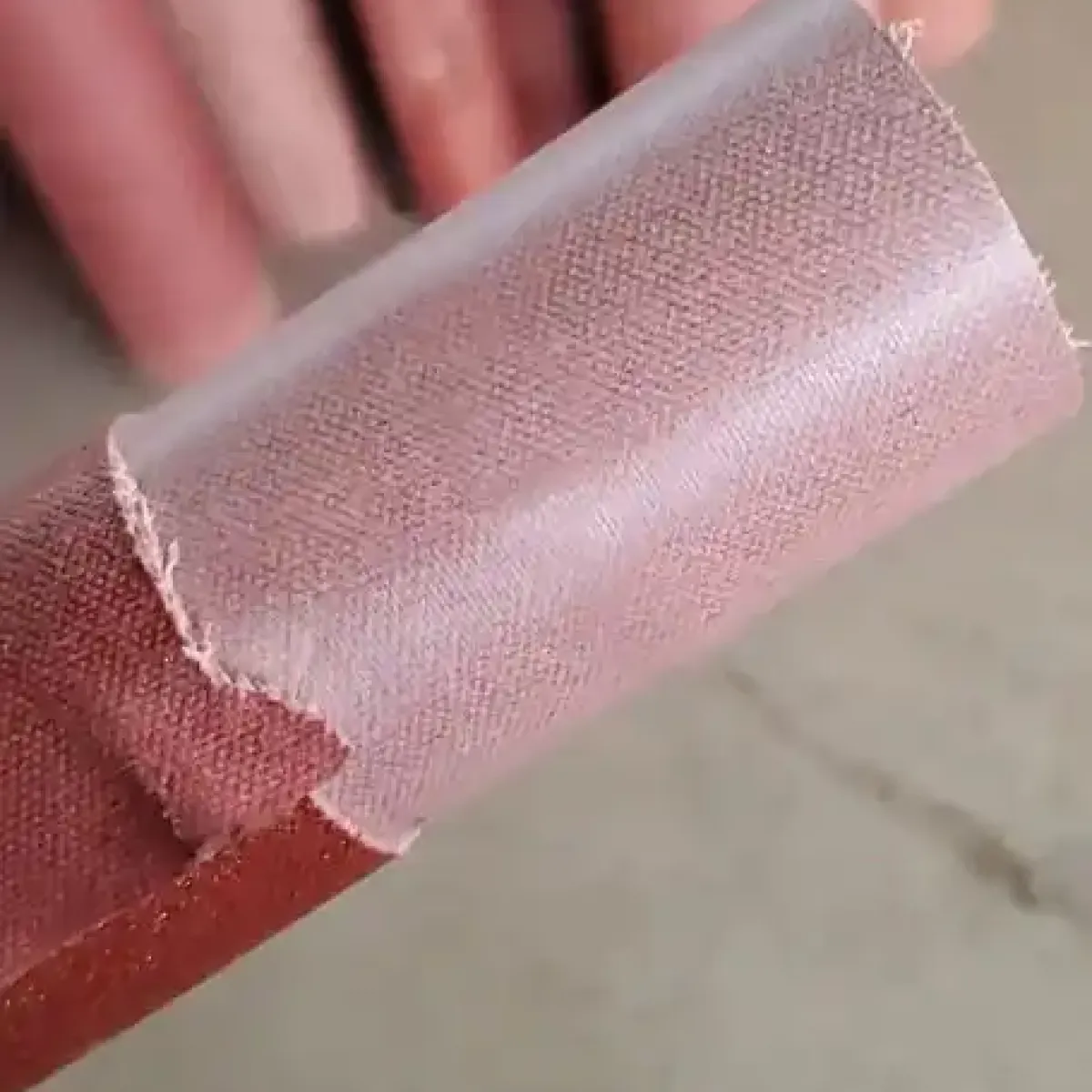
Choosing the correct wall thickness is an important part of product selection. The required thickness depends on the tube dimensions, electrical requirements, mechanical loading, o
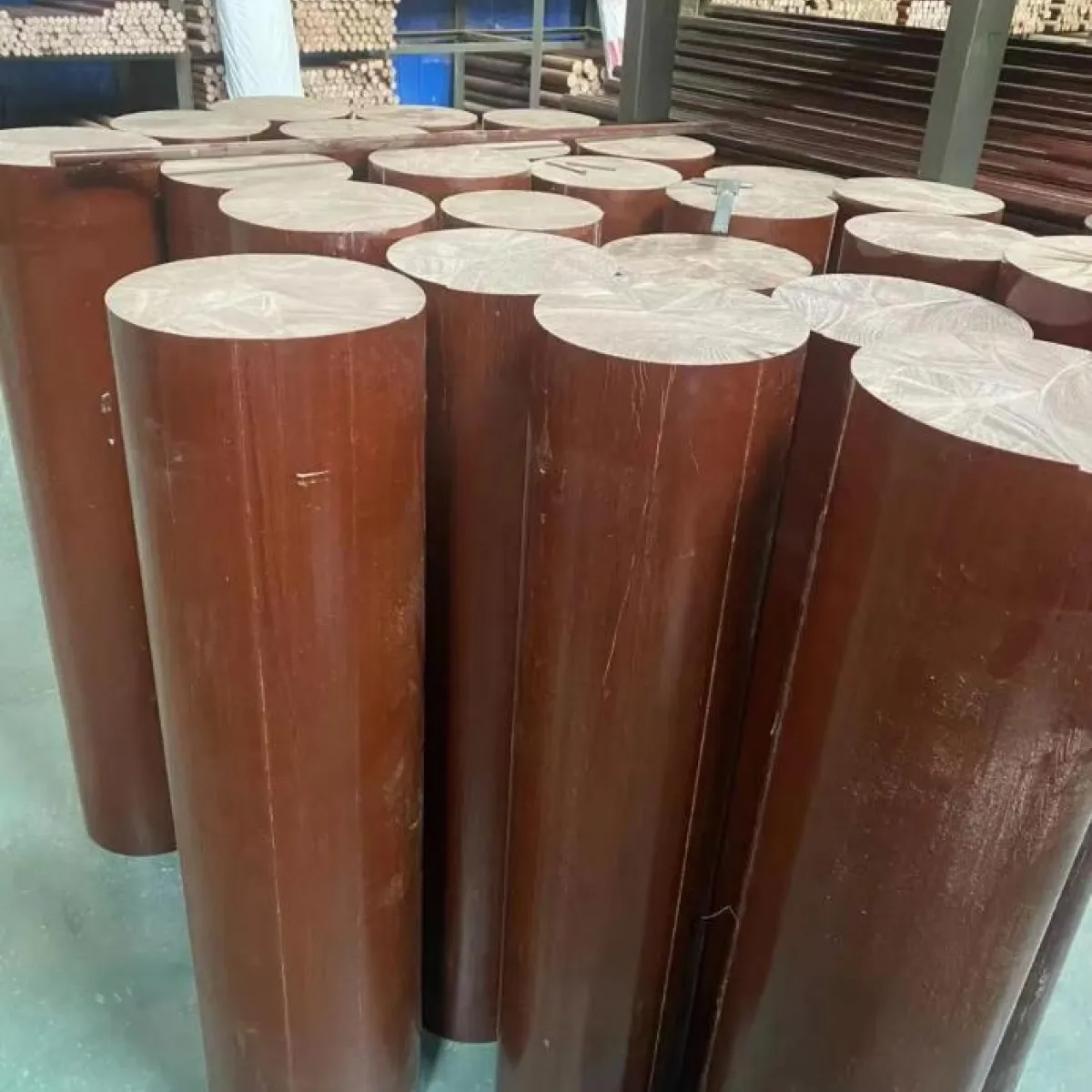
YILONG INSULATION manufactures phenolic cotton insulation materials for applications where reliable electrical insulation and good mechanical performance are required. Phenolic Cot
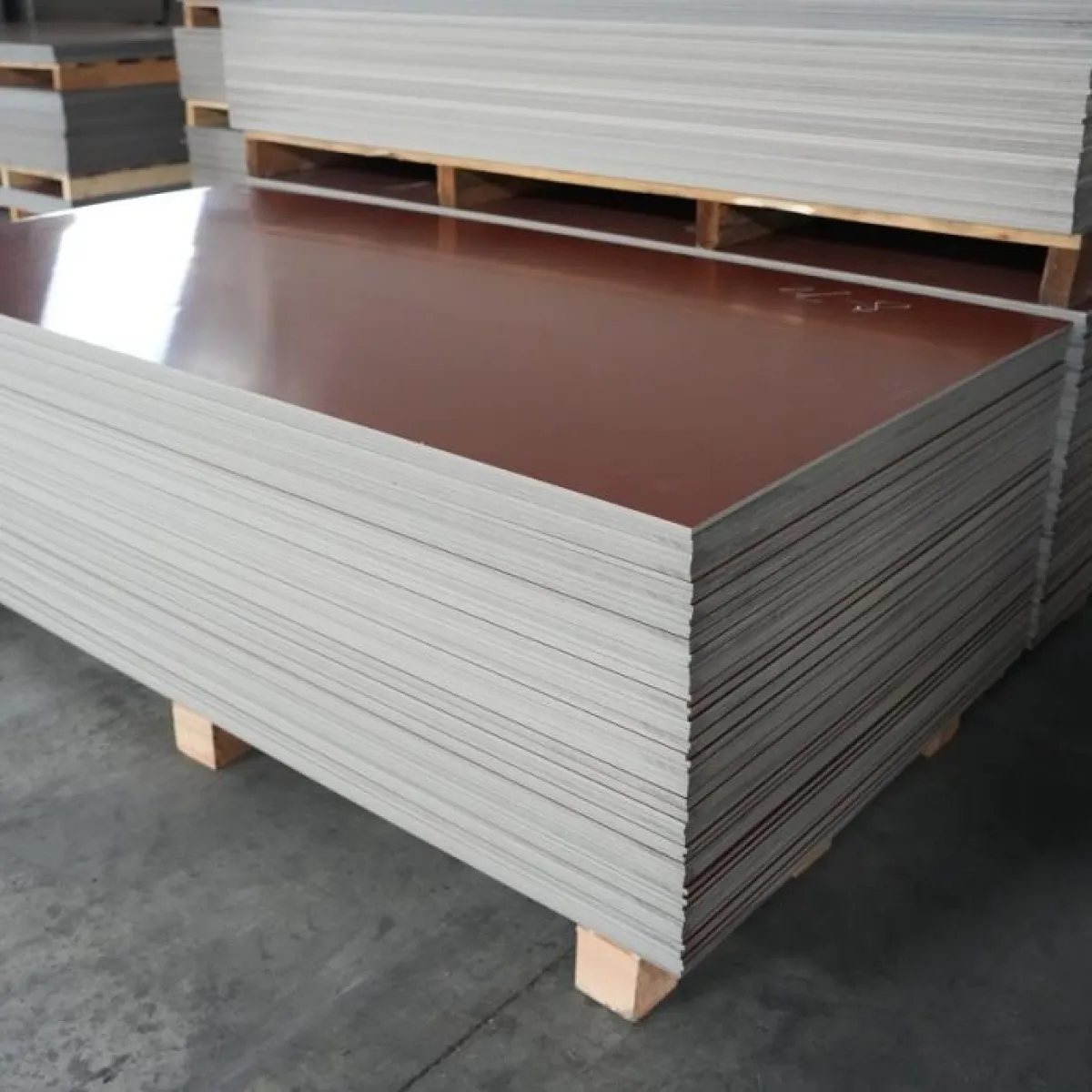
PFCP 201 phenolic paper laminated sheet is a widely used electrical insulation material for applications requiring a combination of mechanical strength, electrical insulation and d
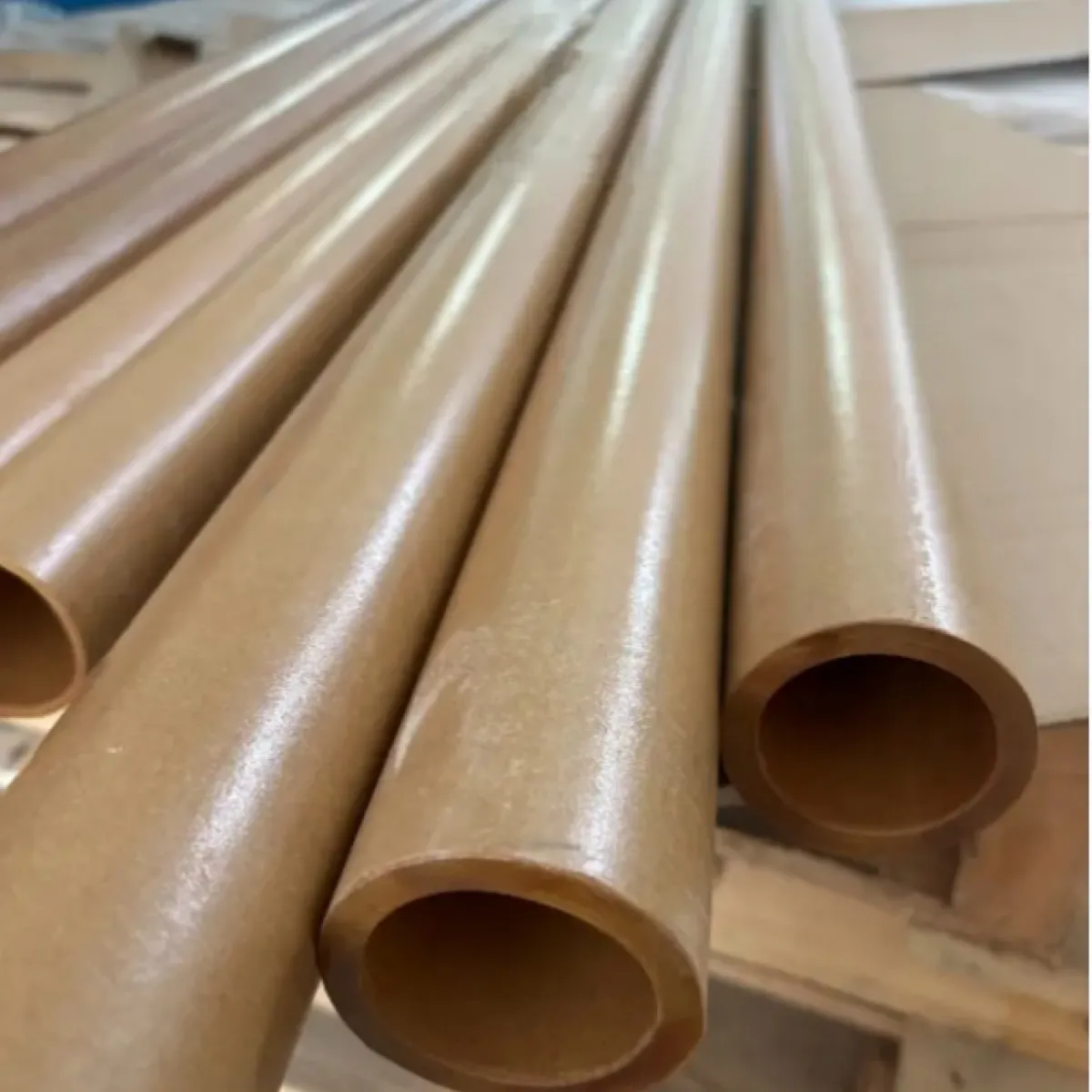
It is manufactured from insulating paper impregnated with phenolic resin and formed through a controlled hot winding and curing process. This structure combines the electrical prop
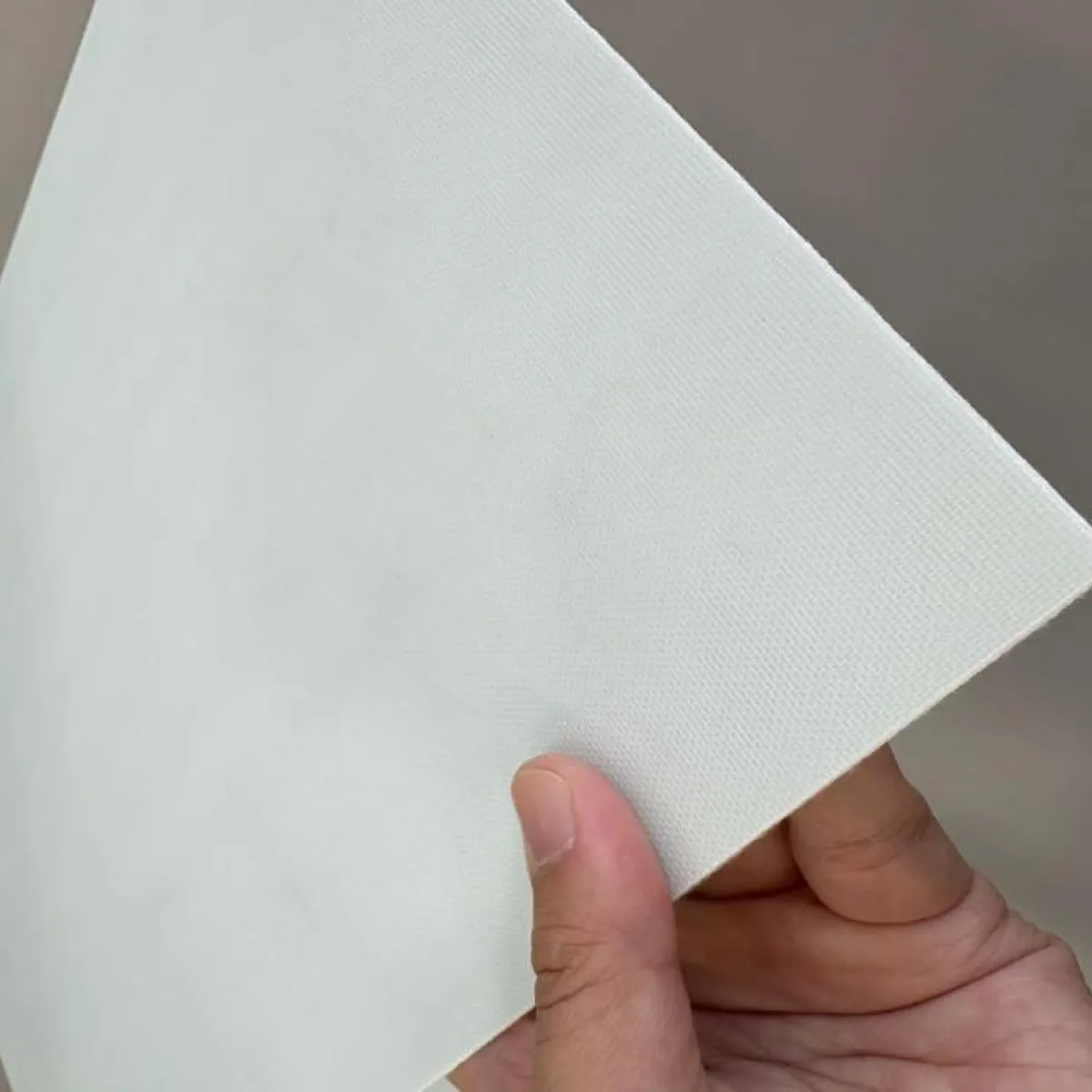
Compared with general-purpose epoxy glass laminates, silicone resin reinforced with glass fabric provides a different balance of thermal, electrical and mechanical properties. Howe
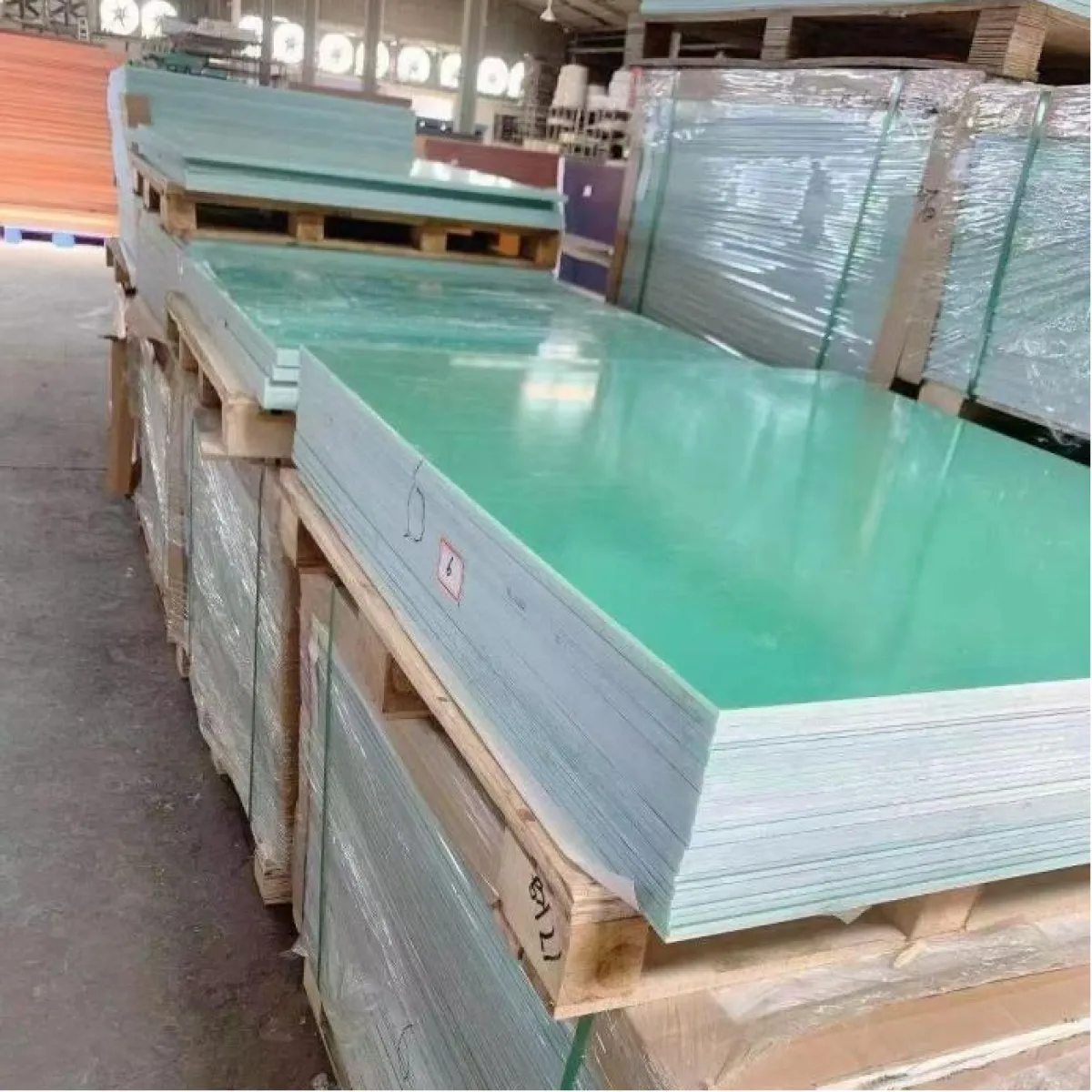
For electrical equipment manufacturers, machinery companies and insulation component suppliers, selecting the right G10 Epoxy Fiberglass Sheet involves more than simply choosing a

No.3, Mianzhi Street, Zhucheng, Shandong, China


Copyright © 2026 by Qingdao Yilong Insulation Material Company Limited All Rights Reserved


