
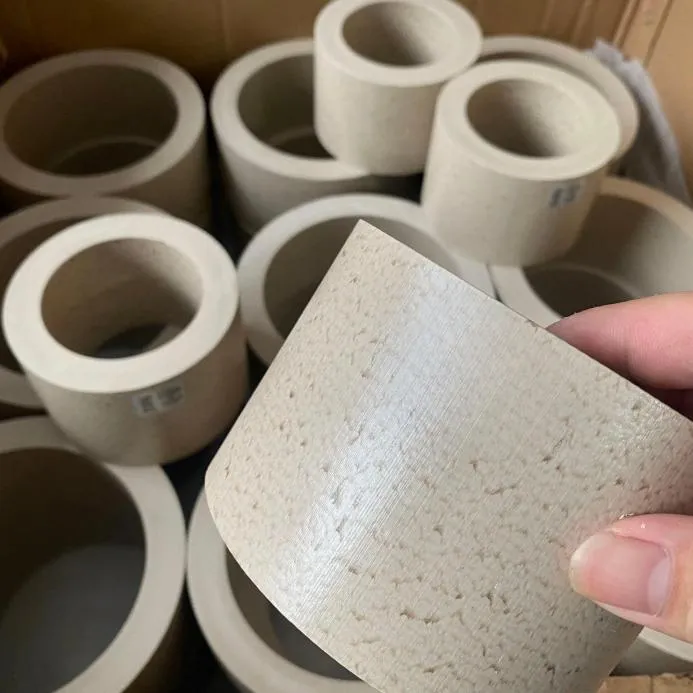
PEEK Tubes combine mechanical strength, heat resistance and chemical resistance in a lightweight engineering plastic. They are used both as stock shapes for machining industrial components and as precision tubing for selected fluid-handling systems.
Understanding the difference between these product forms helps engineers specify the correct dimensions, material grade and performance requirements.
What Is a PEEK Tube?
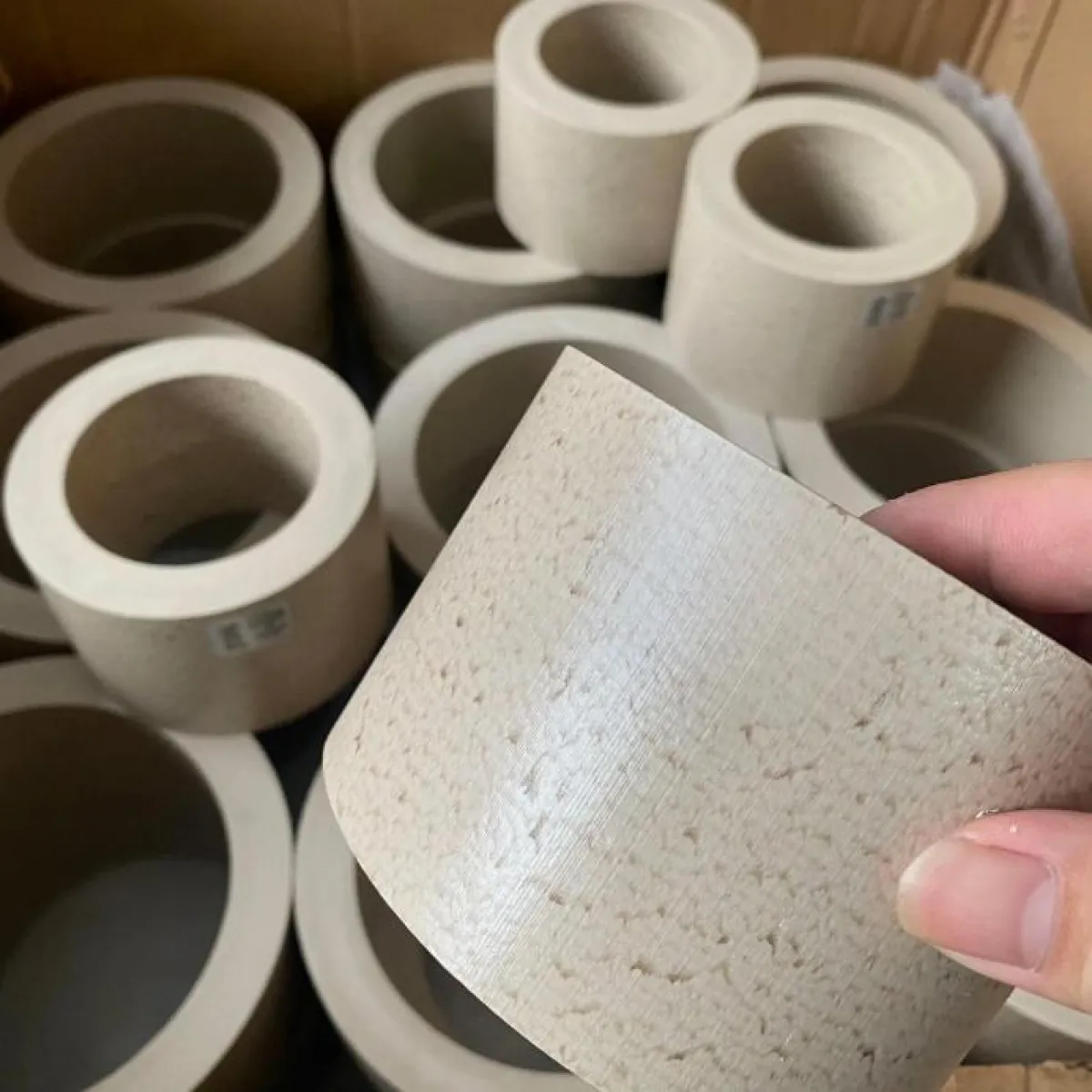
PEEK, or polyetheretherketone, is a semi-crystalline, high-performance thermoplastic. PEEK tube stock can be produced through extrusion or other forming processes and machined into rings, sleeves and hollow components.
For annular parts, a suitable tube blank can reduce material waste and machining time compared with boring the same component from a solid rod. The benefit depends on the available tube dimensions and required machining allowance.
Tube Stock and Precision Tubing
PEEK tube stock
Machining rings, bushes, sleeves and other hollow parts
Outside diameter, inside diameter, length, grade and machining allowance
Precision PEEK tubing
Transporting fluids in compatible analytical or process systems
Bore tolerance, surface quality, pressure rating, temperature and fluid compatibility
A tube blank intended for machining should not automatically be specified as a pressure-rated fluid line.
Key Properties of PEEK Tubes
Heat Resistance and Mechanical Performance
PEEK offers useful strength, stiffness and creep resistance at elevated temperatures. These properties support applications involving sustained loads and repeated thermal exposure.
Allowable operating temperature depends on the grade, load and acceptable deformation. Pressure-containing tubing also requires assessment of wall thickness, fittings and temperature-dependent pressure capability.
Chemical Resistance
PEEK resists many oils, solvents and industrial chemicals. However, compatibility varies with chemical concentration, temperature, exposure duration and mechanical stress.
Precision fluid lines require particular care: solvent compatibility can depend on both the chemical and tubing dimensions. The fluid supplier’s and equipment manufacturer’s recommendations should be checked before use.
Wear Resistance and Dimensional Stability
Suitable PEEK grades are used for sliding and wear components. Bearing formulations can improve friction and wear behaviour, while reinforced grades can increase stiffness and reduce thermal expansion.
Dimensional accuracy also depends on residual stress, manufacturing history and machining conditions. A precise bore or smooth internal surface must be specified and verified rather than assumed from the material name.
Electrical Properties
Unfilled PEEK can provide electrical insulation in sleeves, spacers and insulating rings. Carbon-filled or electrically modified grades may behave differently, so electrical requirements should be stated when selecting the formulation.
Typical Applications of PEEK Tube Stock
Oil and Gas Sealing Components
PEEK Tubes can be machined into back-up rings, valve seats, support rings and other sealing-system components. Back-up rings help support softer seals against extrusion under pressure.
Applications involving sour gas, aggressive fluids or rapid pressure changes require qualification of the specific material and component design.
Semiconductor Equipment
Suitable PEEK grades are used for selected clamp rings, retaining rings and precision components in semiconductor processing equipment. Material purity, wear, particle generation and chemical compatibility are important considerations.
Industrial Machinery
Machined PEEK bushes, sleeves, wear rings and spacers can serve in pumps and mechanical assemblies. Grade selection should account for contact pressure, sliding speed, lubrication and the mating surface.
Analytical Fluid Systems
Precision PEEK tubing is used in selected chromatography and analytical systems where its mechanical and chemical properties suit the fluid and operating pressure. Tubing dimensions, connections and pressure limits must match the equipment specification.
Medical and Pharmaceutical Equipment
PEEK components can be used in selected medical and pharmaceutical applications, but suitability depends on the exact grade and intended contact conditions. Biocompatibility, sterilisation resistance and cleanliness requirements need supporting documentation; they cannot be inferred from “PEEK” alone.
Machining PEEK Tubes into Precision Parts
Turning, boring, milling and drilling can produce finished components from PEEK tube stock. Sharp tools, effective chip removal and controlled cutting conditions help limit heat and maintain dimensional accuracy.
Thin walls require careful clamping to avoid distortion. Heavy material removal or split-ring designs can release residual stress, so staged machining and an appropriate stress-relief process may be useful. Final inspection should take place after the component has stabilised at the specified measurement temperature.
From PEEK Tube Stock to Finished Components
The right tube dimensions can reduce material waste and simplify machining. YILONG supplies PEEK tube stock and processes it into rings, sleeves, bushes and other components according to customer drawings.
Examples of Machined PEEK Tube Components
Oil and Gas Sealing Components
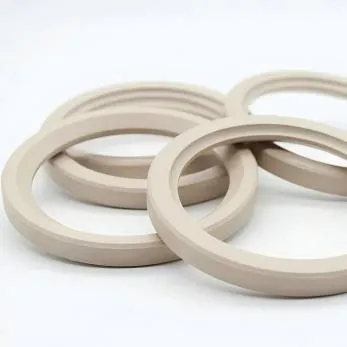
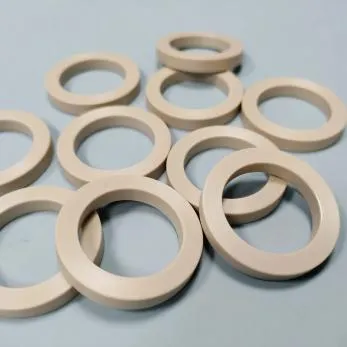
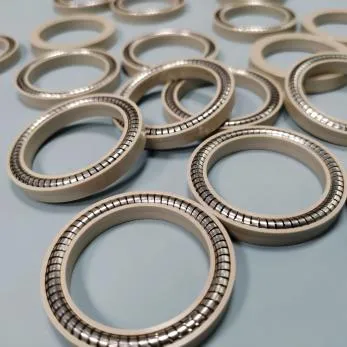
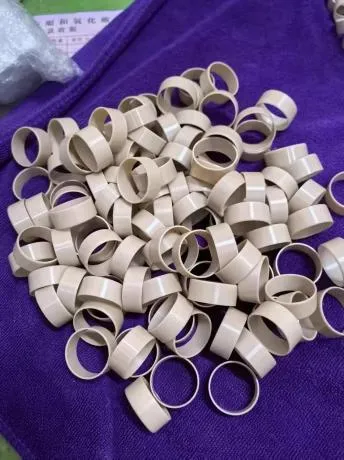
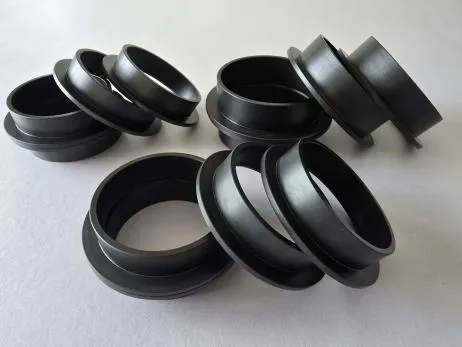
PEEK Sealing Ring
PEEK Insulation Ring
PEEK Support Ring
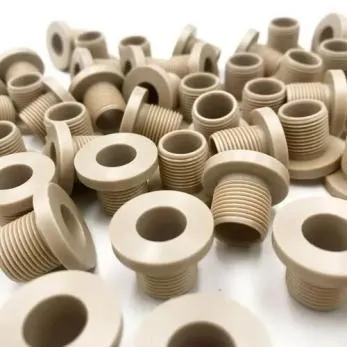
PEEK Bolt
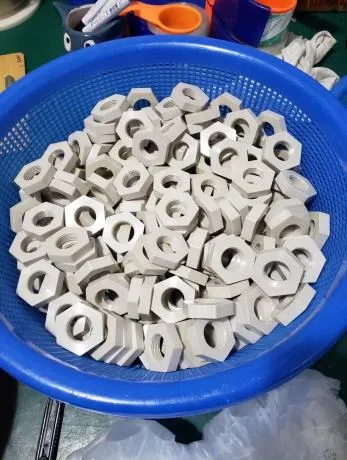
PEEK Nut
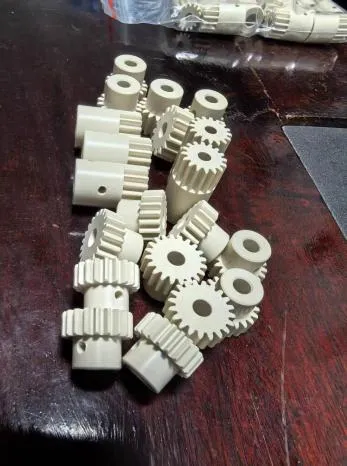
PEEK Gear
PEEK Bushings
For your next project, send the drawing and service conditions to yilong@yilonginsulation.com or reach us on WhatsApp at +86 15866869385. Explore more material and machining options at www.yilonginsulation.com.
Understanding the difference between these product forms helps engineers specify the correct dimensions, material grade and performance requirements.
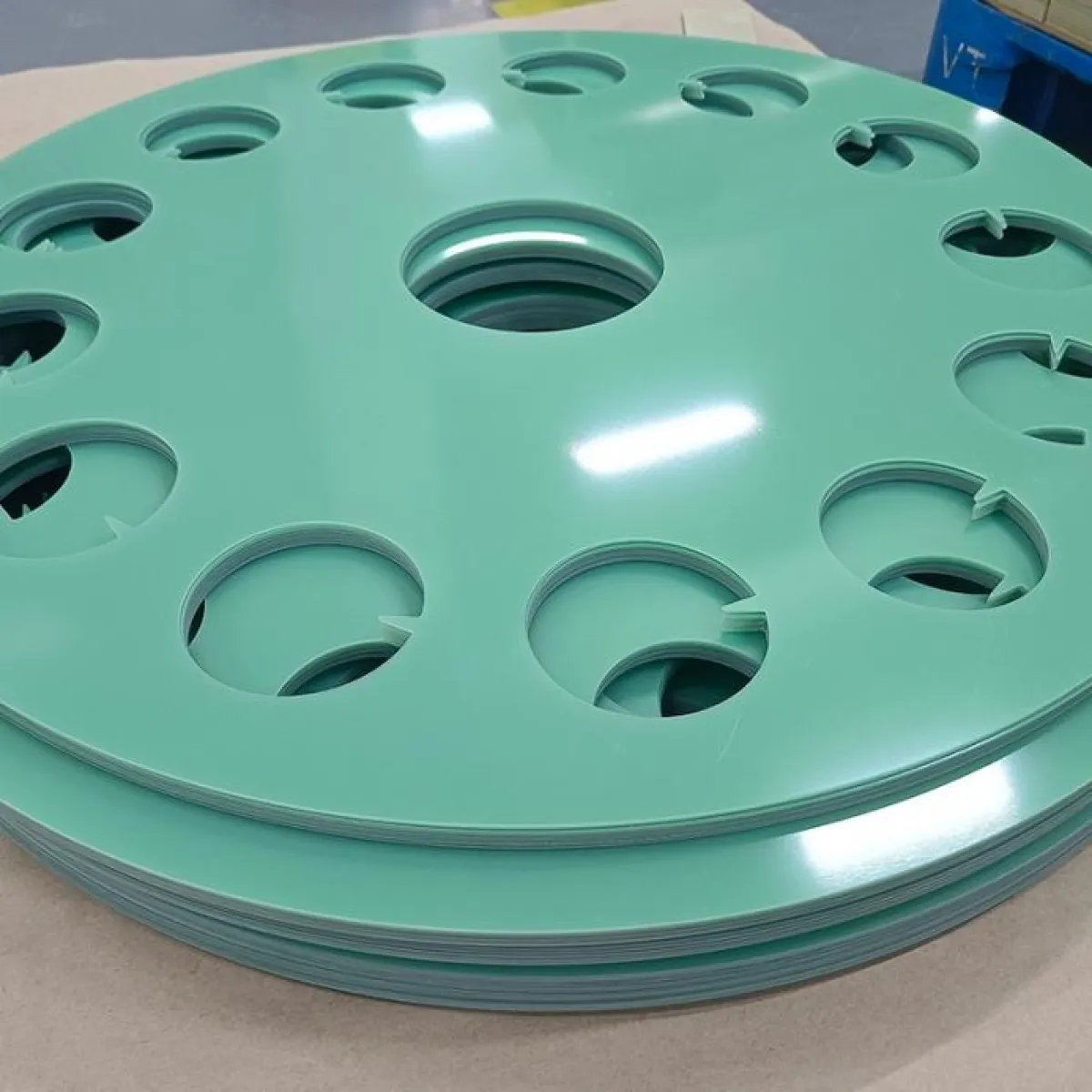
Successful G11 machining depends on controlling tool wear, cutting forces and heat. Appropriate tooling and workpiece support help reduce edge chipping, delamination and dimensiona
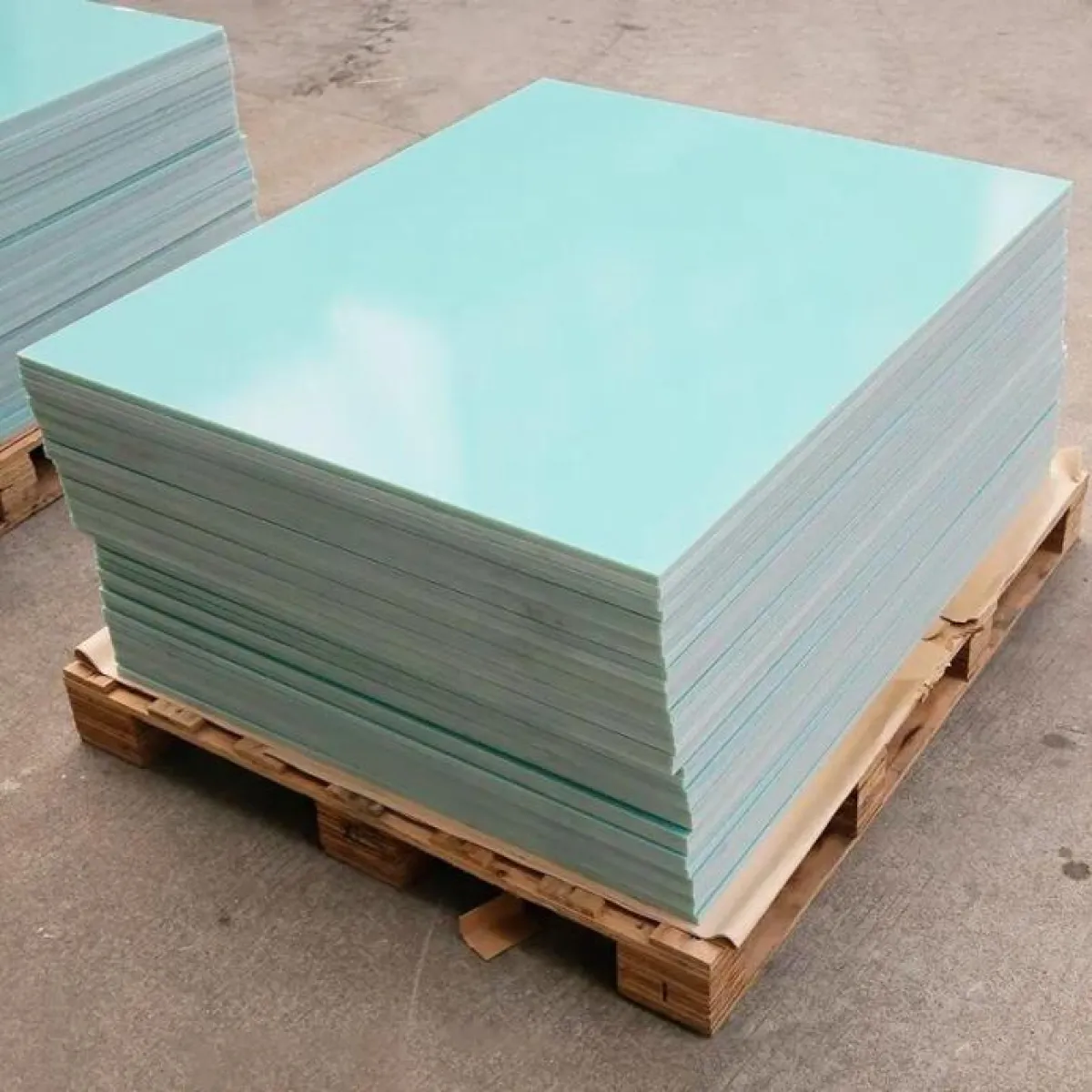
G10 CR is a cryogenic-grade glass epoxy laminate manufactured from woven glass fabric impregnated with a specially selected epoxy resin system and consolidated under heat and press
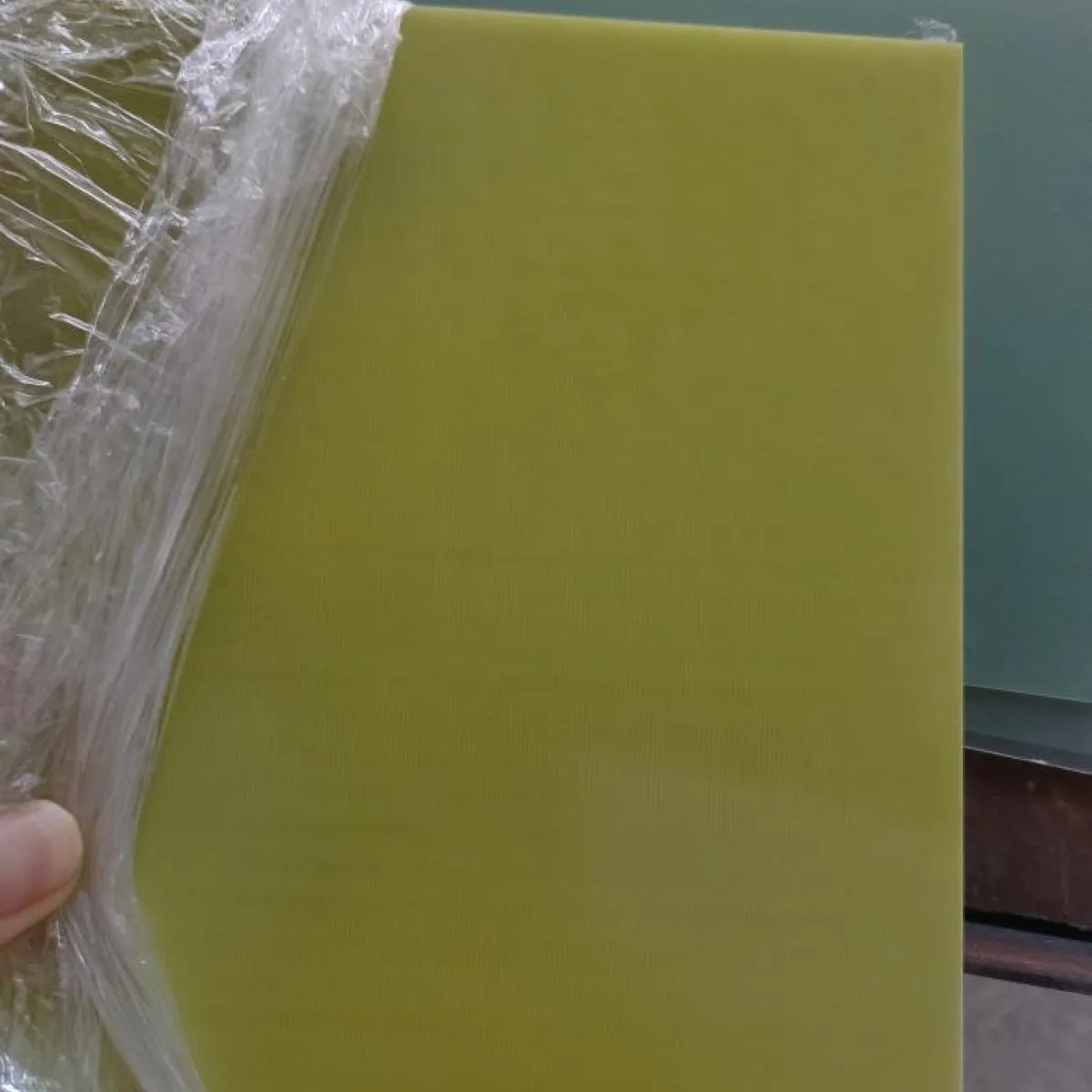
EPGC 204 is commonly cross-referenced with NEMA FR5 and DIN HGW2372.2. The relevant IEC material specification is IEC 60893-3-2, covering rigid laminated sheets based on epoxy resi
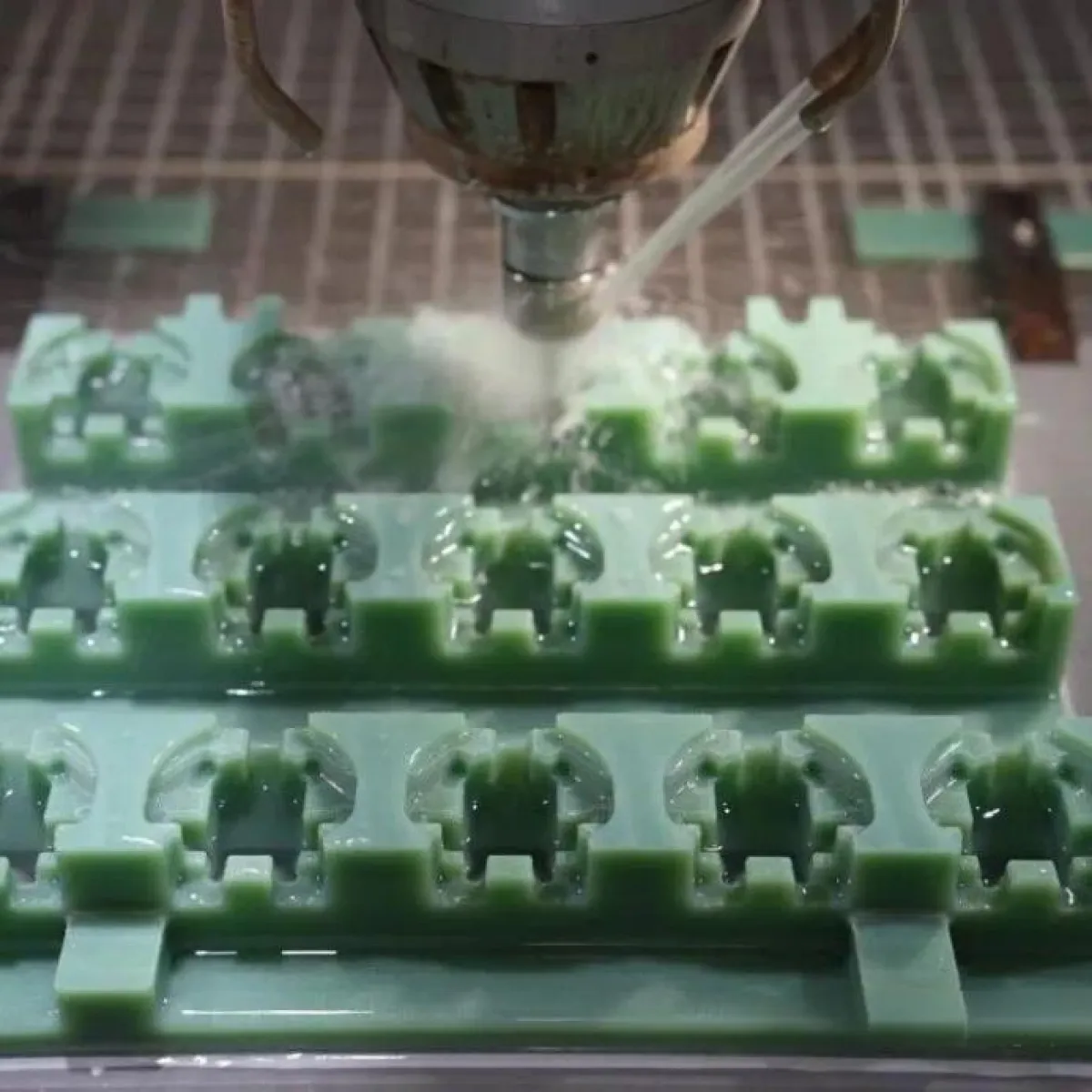
Selecting the appropriate material requires consideration of operating temperature, electrical stress, mechanical load and environmental conditions.
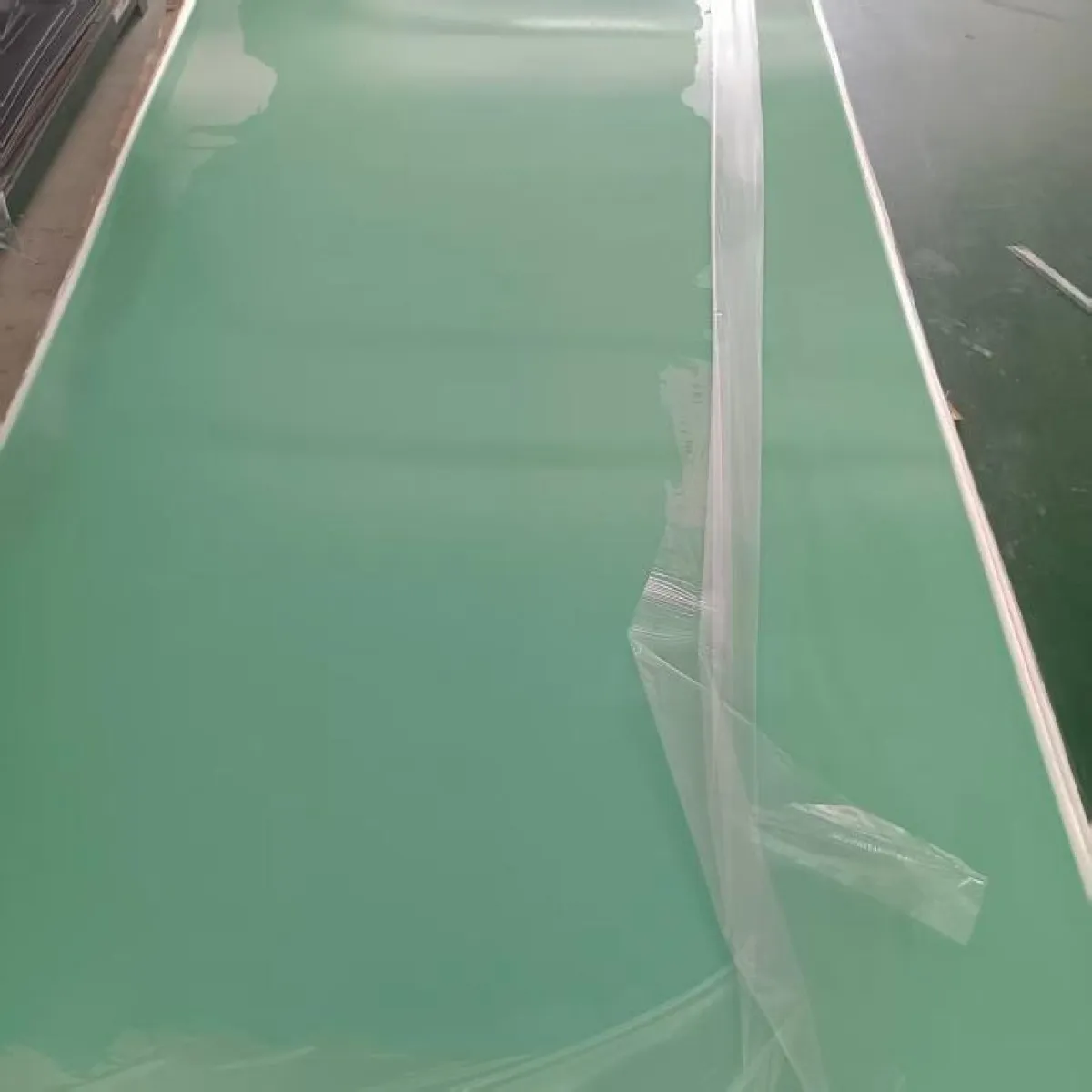
EPGC 203 is a rigid thermoset laminate manufactured from woven glass fabric impregnated with epoxy resin and consolidated under heat and pressure.
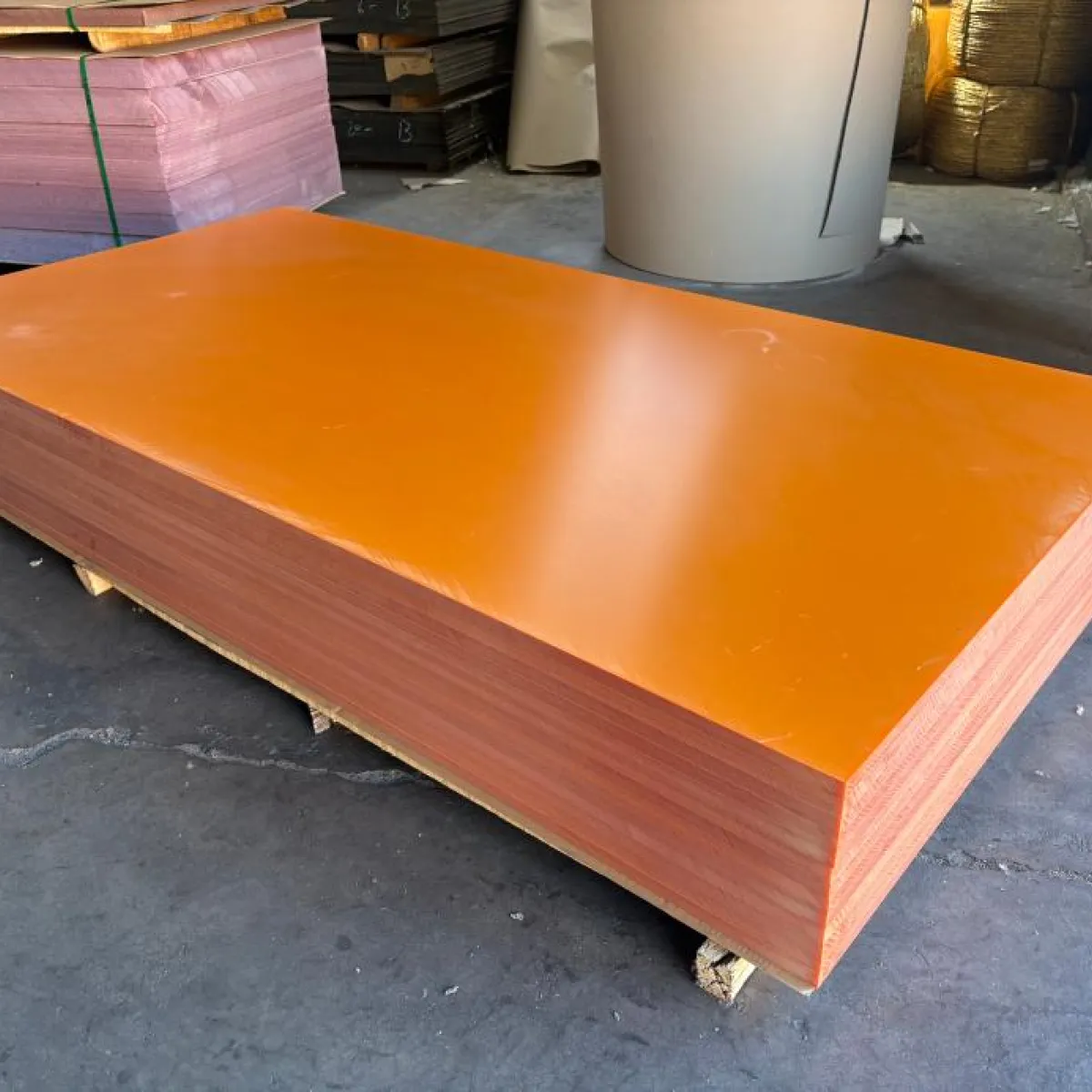
In industrial sheet applications, “Bakelite” commonly refers to phenolic paper laminate. It is manufactured by impregnating layers of cellulose paper with phenolic resin, followed
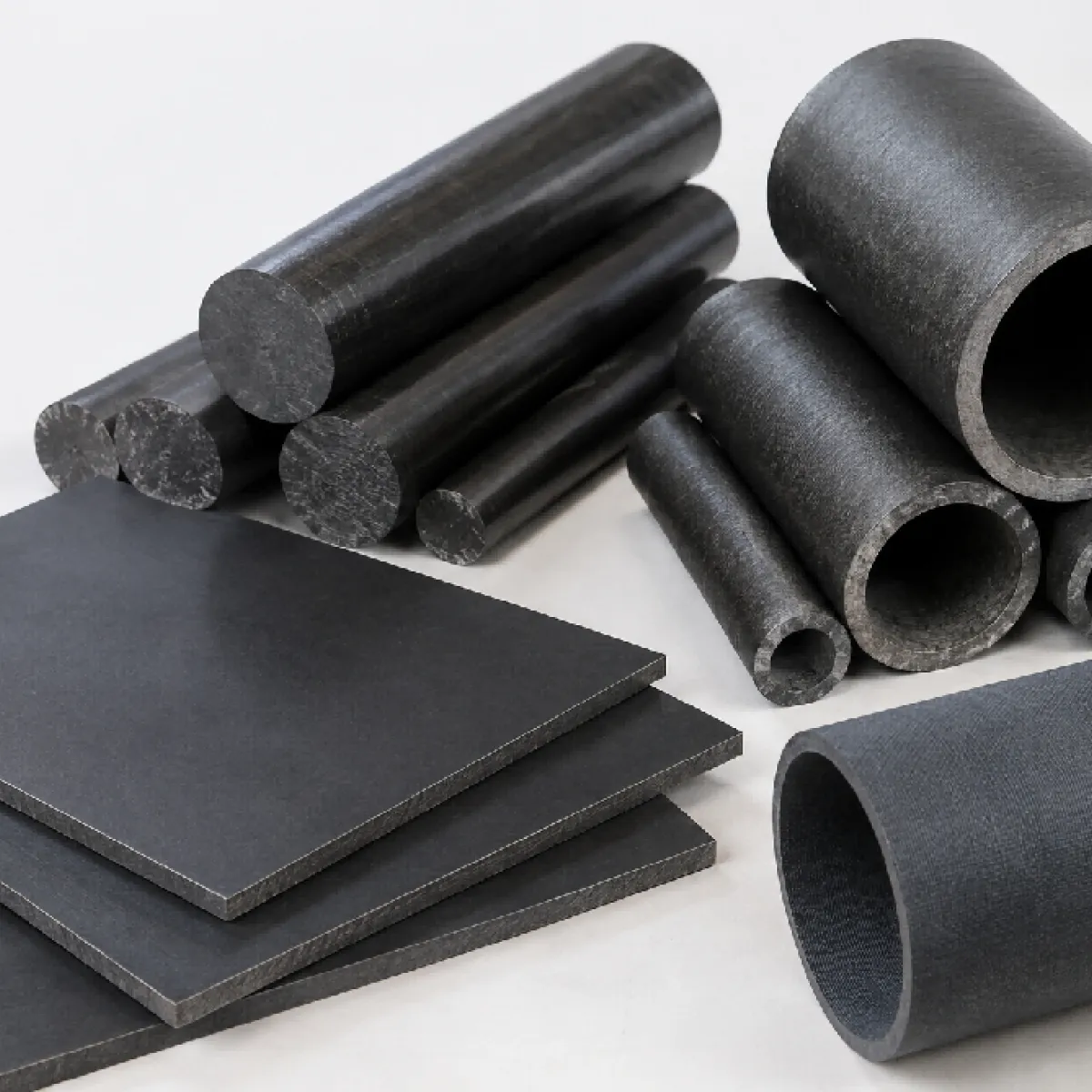
Under suitable operating conditions, the MoS2 filler can improve wear performance and provide anti-seizure characteristics. The material can also operate with lower noise than many
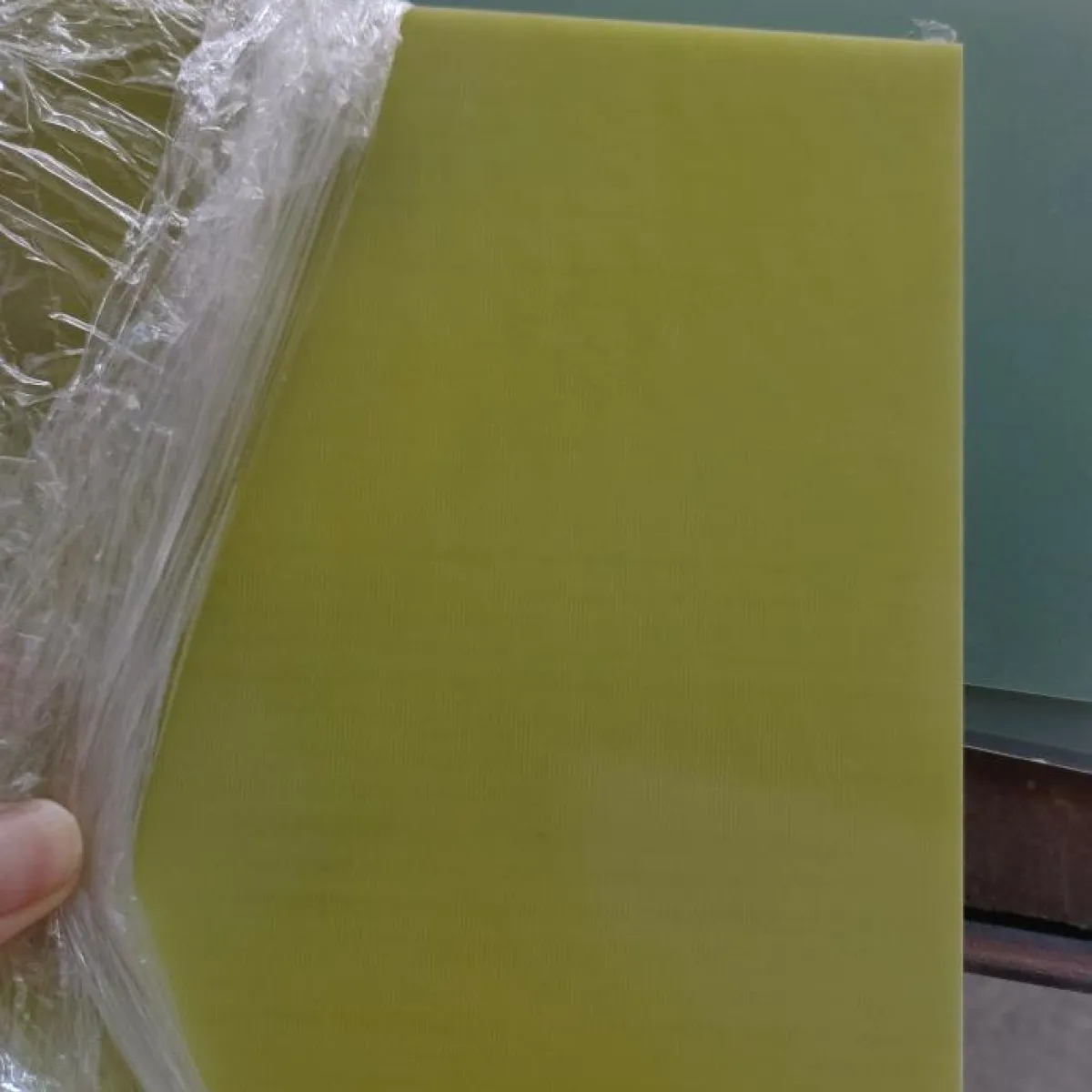
As a Class F insulation material, EPGC 204/FR5 is designed for applications where stable electrical and mechanical performance is required at elevated temperatures. Compared with s
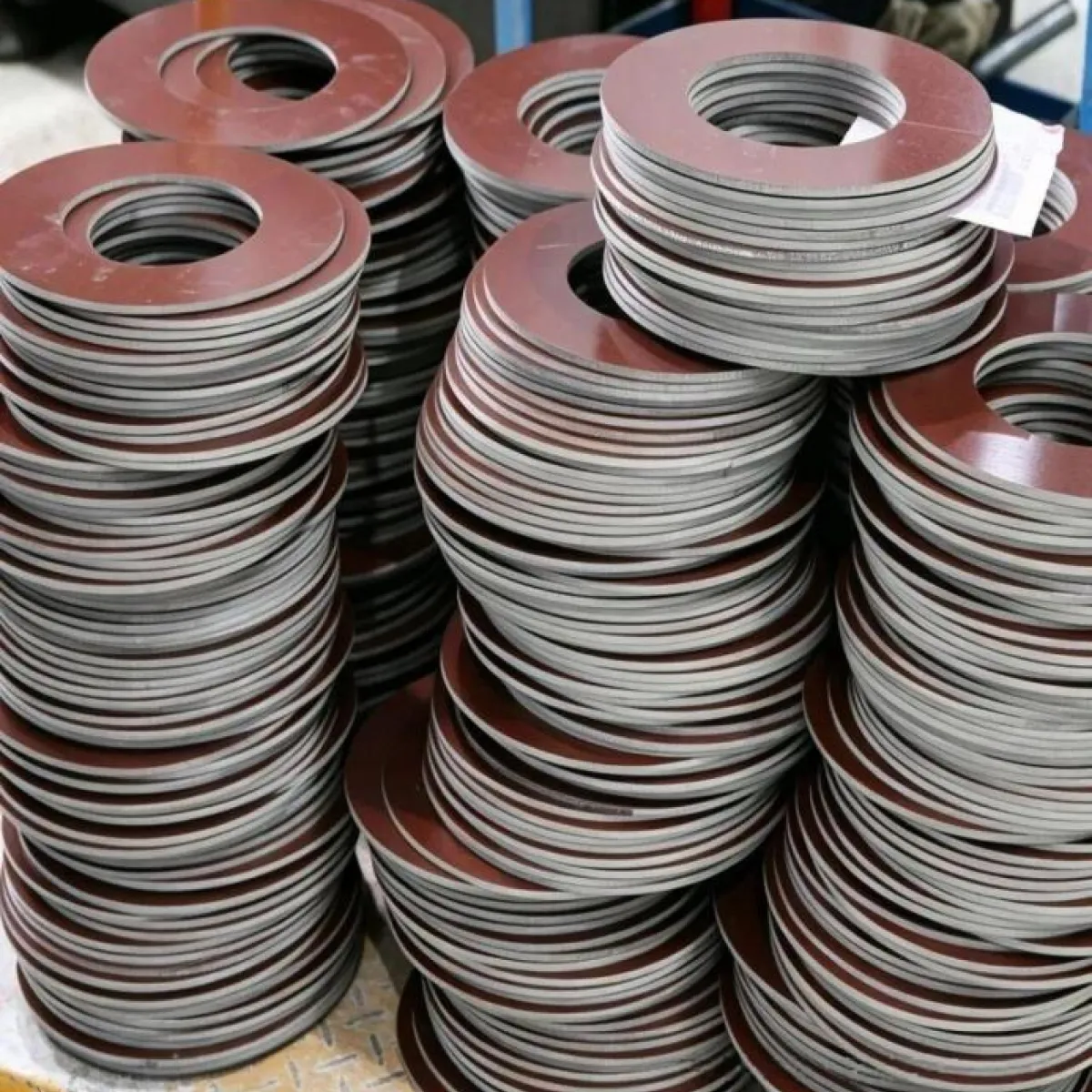
Phenolic Paper Boards are commonly used for electrical insulation plates, spacers, barriers, structural components, switchgear parts, transformer and motor components, tooling appl

No.3, Mianzhi Street, Zhucheng, Shandong, China


Copyright © 2026 by Qingdao Yilong Insulation Material Company Limited All Rights Reserved


