
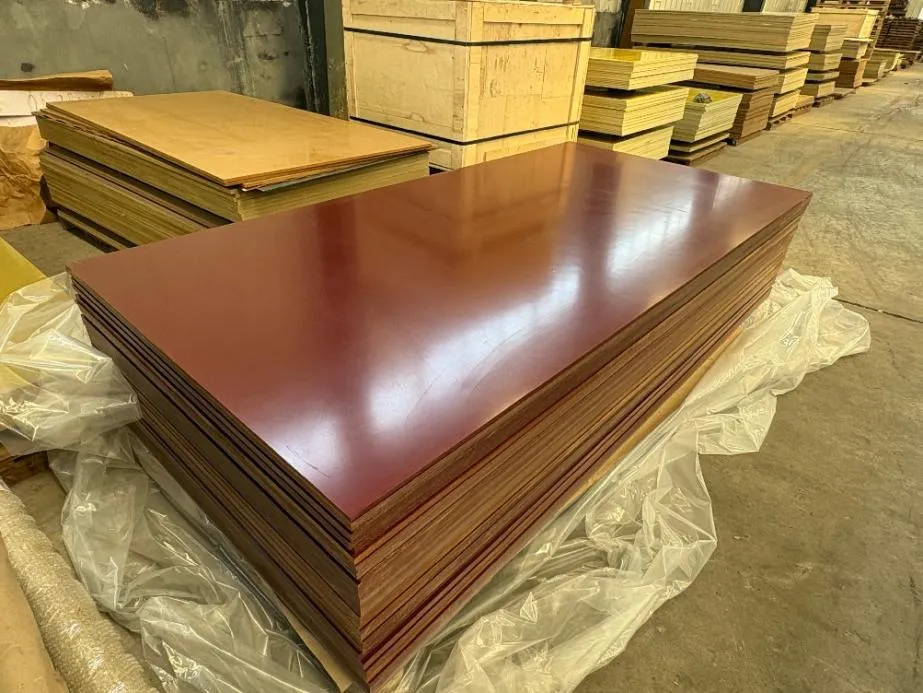
Phenolic paper laminates provide a practical balance of mechanical strength, electrical insulation and machinability. Commonly called paper Bakelite sheets, these materials are used for insulating components, mechanical spacers and machined parts in electrical and industrial equipment.
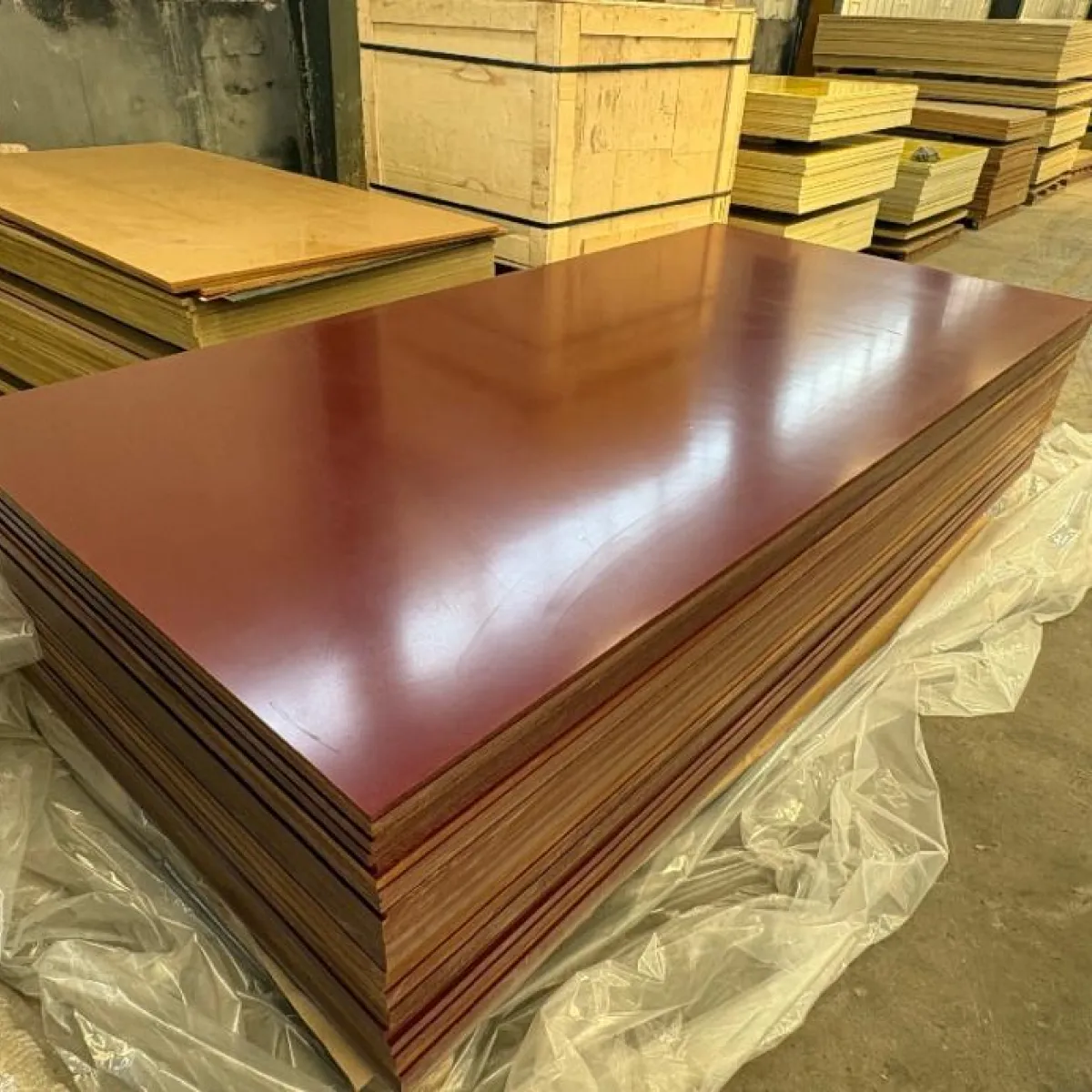
Choosing the right grade matters. PFCP materials differ in electrical performance, moisture resistance, punching characteristics and flammability, even when their appearance is similar.
What Is a Phenolic paper laminate?
A Phenolic paper laminate is manufactured from layers of cellulose paper impregnated with phenolic resin and consolidated under heat and pressure. The resulting sheet is a rigid thermoset composite that can be cut, drilled, milled or punched, depending on the grade and thickness.
In the PFCP designation, PF identifies the phenolic resin and CP identifies the cellulose paper reinforcement. Phenolic paper sheets differ from PFCC laminates, which use woven cotton fabric.
Understanding the Main PFCP Grades
PFCP201: Mechanical Applications
PFCP201 prioritizes mechanical performance over electrical insulation. It is suitable for mechanical parts, and hot-punching versions are available. Its electrical properties are comparatively limited under normal humidity.
PFCP202: Power-Frequency Electrical Insulation
PFCP202 is intended for high-voltage applications at power frequencies. It offers high electric strength in oil and good electric strength in air under normal humidity. Component selection must still account for voltage, thickness and insulation geometry.
PFCP203: General Mechanical and Electrical Applications
PFCP203 combines mechanical properties with good electrical performance under normal humidity. Hot-punching versions are available for suitable production requirements.
PFCP204 and PFCP205: Electrical and Electronic Applications
PFCP204 provides stable electrical properties under high humidity, with cold- or hot-punching versions available. PFCP205 has similar application characteristics with low flammability.
PFCP206: Electrical Performance in Humid Conditions
PFCP206 serves mechanical and electrical applications requiring good electrical properties under high humidity. Hot-punching versions are also available.
PFCP207: Improved Punchability at Lower Temperatures
PFCP207 is similar to PFCP201 but offers improved punching characteristics at lower temperatures. Its main focus remains mechanical applications.
PFCP308: Low-Flammability Alternative to PFCP206
PFCP308 has characteristics similar to PFCP206, with low flammability. A specific flame classification should be confirmed from the applicable specification and test report.
Why Grade Equivalence Requires Care
IEC PFCP designations and NEMA grades such as X, XP, XPC, XX and XXX describe materials through different specification systems. Commercial cross-reference tables can help identify potential alternatives, but they do not establish complete interchangeability.
Before substituting a material, compare mechanical strength, electrical properties, moisture conditioning, punchability and flammability requirements. IEC 60893-3-4 specifies requirements for phenolic resin-based rigid laminated sheets, while application suitability depends on the actual operating conditions.
Machining and Punching Phenolic Paper Sheets
Phenolic paper sheets can be processed into insulating plates, washers, terminal supports, spacers and custom components. Machining quality depends on the material grade, tool condition, cutting parameters and support around the workpiece.
For punched parts, sheet thickness, hole spacing, edge distance and processing temperature affect the risk of cracking or edge damage. A grade intended for hot punching should not automatically be treated as suitable for cold punching.
For CNC-machined parts, controlled drilling and milling help produce clean holes, slots and edges. Closely spaced features or thin sections may require additional support and a machining trial.
Selecting Material for Reliable Insulation
Electrical performance should be evaluated under conditions relevant to the application. A dielectric strength value measured in hot oil does not directly represent performance in air or after moisture exposure.
Likewise, a thermal index is not a universal maximum operating temperature. Service temperature, mechanical loading, exposure duration and the complete insulation design all influence material suitability.
A clear enquiry should identify the required grade, sheet dimensions, thickness, tolerances, operating environment and machining drawing. These details help avoid choosing a material based only on colour or a familiar trade name.
Phenolic Paper Sheets and Custom Components from YILONG
YILONG supplies Phenolic paper laminates and custom-machined insulation components. Whether you need full sheets, cut-to-size blanks or finished parts, share your specification and drawings to discuss suitable material and processing options.
Visit www.yilonginsulation.com, email yilong@yilonginsulation.com, or contact YILONG on WhatsApp at +86 15866869385.
|
Property |
Unit |
PFCP201 |
PFCP202 |
PFCP203 |
PFCP206 |
PFCP207 |
PFCP308 |
|
Density |
g/cm³ |
1.30–1.45 |
1.30–1.45 |
1.30–1.45 |
1.30–1.45 |
1.30–1.45 |
1.30–1.45 |
|
Flexural strength, minimum |
MPa |
135 |
120 |
120 |
85 |
80 |
85 |
|
Apparent flexural modulus, minimum |
MPa |
7,000 |
7,000 |
7,000 |
7,000 |
7,000 |
7,000 |
|
Compressive strength perpendicular to laminations, minimum |
MPa |
300 |
300 |
250 |
250 |
250 |
250 |
|
Shear strength parallel to laminations, minimum |
MPa |
10 |
10 |
10 |
10 |
10 |
10 |
|
Tensile strength, minimum |
MPa |
100 |
100 |
100 |
100 |
100 |
100 |
|
Bonding strength, minimum |
N |
3,600 |
3,600 |
3,200 |
3,200 |
3,200 |
3,200 |
|
Relative permittivity at 48–62 Hz, thickness ≤3.0 mm, maximum |
— |
— |
5.5 |
— |
— |
— |
— |
|
Relative permittivity at 1 MHz, thickness ≤3.0 mm, maximum |
— |
— |
— |
5.5 |
5.5 |
5.5 |
5.5 |
|
Dielectric dissipation factor at 48–62 Hz, thickness ≤3.0 mm, maximum |
— |
— |
0.05 |
— |
— |
— |
— |
|
Dielectric dissipation factor at 1 MHz, thickness ≤3.0 mm, maximum |
— |
— |
— |
0.05 |
0.05 |
0.05 |
0.05 |
|
Breakdown voltage parallel to laminations in oil at 90 ± 2°C, minimum |
kV |
— |
35 |
15 |
25 |
— |
25 |
|
Insulation resistance after immersion in water, minimum |
Ω |
— |
— |
5.0 × 10⁷ |
1.0 × 10⁹ |
— |
1.0 × 10⁹ |
|
Flammability classification |
— |
— |
— |
— |
— |
— |
FV1 |
|
Temperature index |
°C |
120 |
120 |
120 |
120 |
120 |
120 |
|
Electric Strength Perpendicular to Laminations, Min values in oil at 90 ± 2°C. |
|||||||
|
Nominal Sheet Thickness |
Unit |
PFCP201 |
PFCP202 |
PFCP203 |
PFCP206 |
PFCP207 |
PFCP308 |
|
0.5 mm |
kV/mm |
— |
18.2 |
7.6 |
16 |
— |
16 |
|
1.0 mm |
kV/mm |
— |
15.8 |
7 |
12.3 |
— |
12.3 |
|
2.0 mm |
kV/mm |
— |
13.6 |
6.2 |
9.1 |
— |
9.1 |
|
3.0 mm |
kV/mm |
— |
13 |
5 |
7.7 |
— |
7.7 |
|
Water Absorption, Max values for the specified test specimens |
|||||||
|
Nominal Sheet Thickness |
Unit |
PFCP201 |
PFCP202 |
PFCP203 |
PFCP206 |
PFCP207 |
PFCP308 |
|
0.5 mm |
mg |
417 |
167 |
162 |
63 |
417 |
63 |
|
1.0 mm |
mg |
450 |
180 |
170 |
69 |
450 |
69 |
|
2.0 mm |
mg |
500 |
220 |
190 |
80 |
500 |
80 |
|
5.0 mm |
mg |
650 |
342 |
235 |
110 |
650 |
110 |
Choosing the right grade matters. PFCP materials differ in electrical performance, moisture resistance, punching characteristics and flammability, even when their appearance is sim
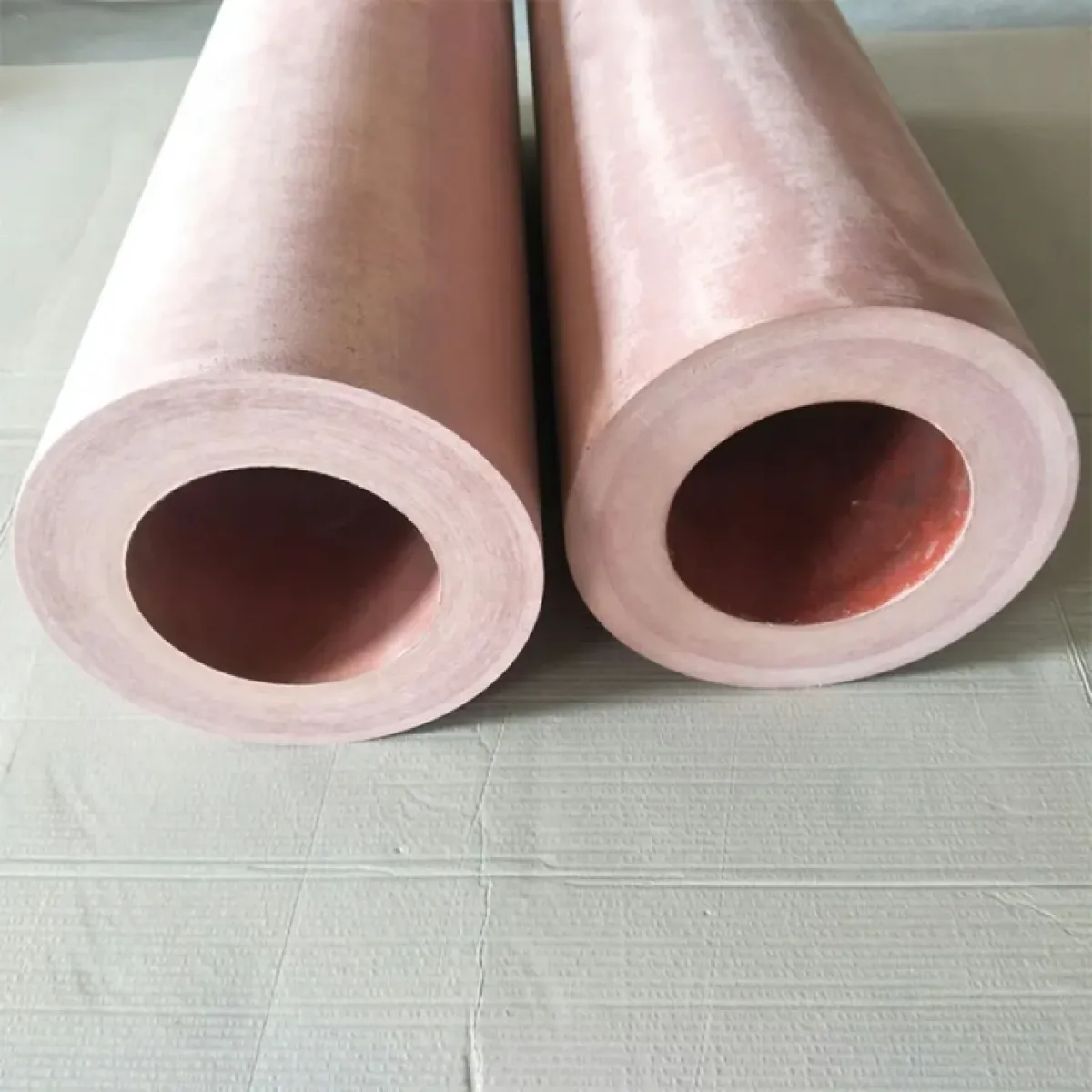
Performance depends on the fabric weave, resin formulation, lubrication and operating conditions. Understanding these factors helps engineers select the right material and achieve
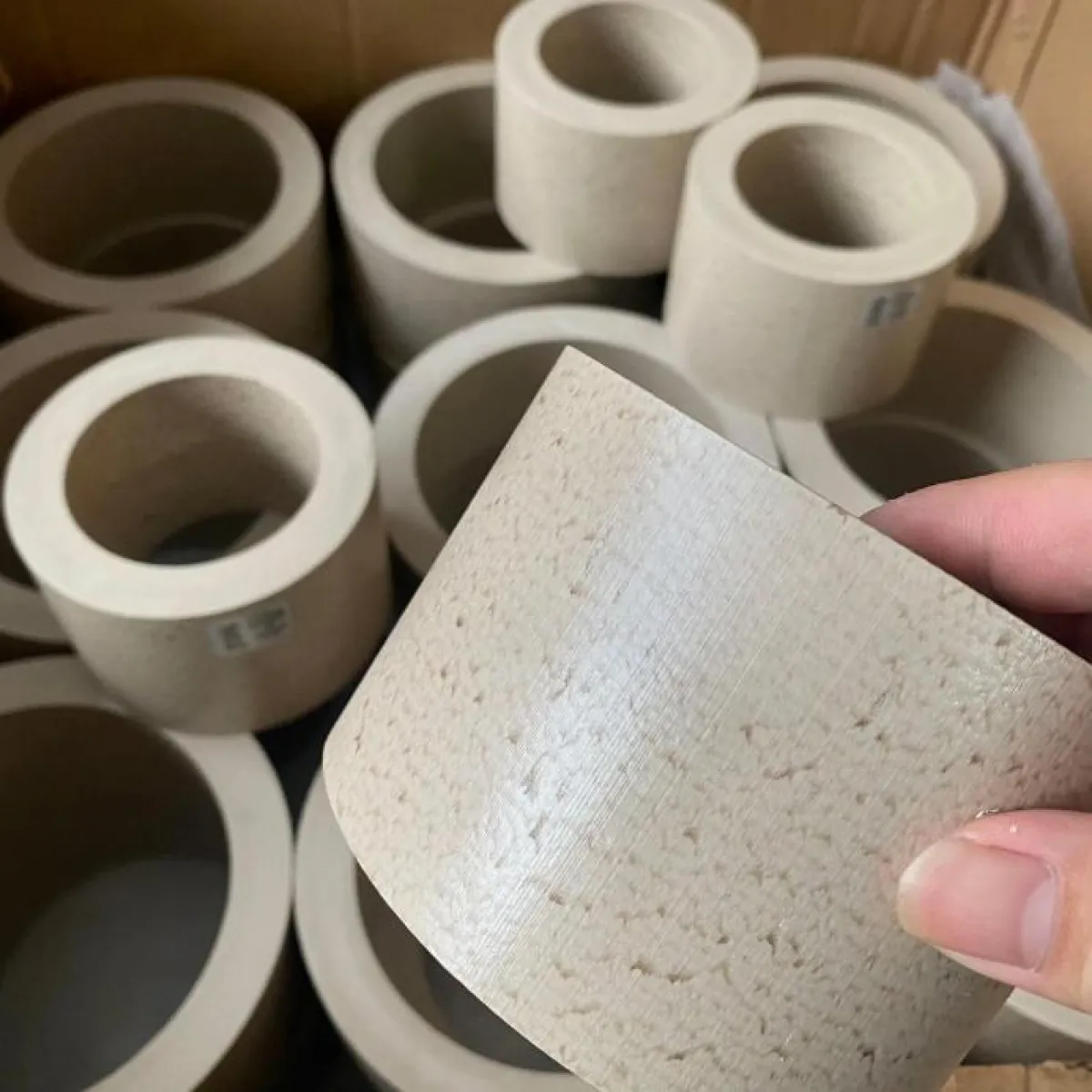
Understanding the difference between these product forms helps engineers specify the correct dimensions, material grade and performance requirements.
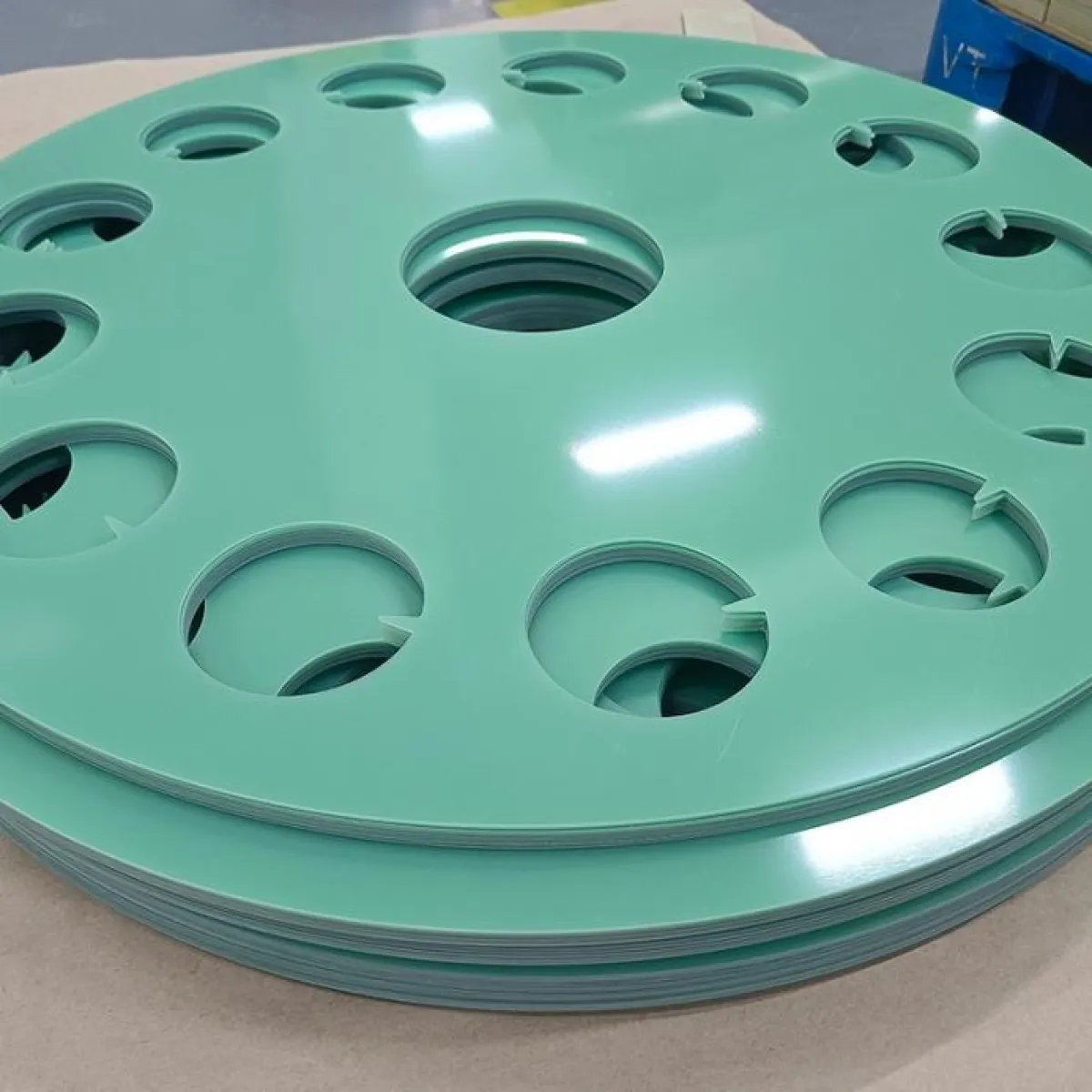
Successful G11 machining depends on controlling tool wear, cutting forces and heat. Appropriate tooling and workpiece support help reduce edge chipping, delamination and dimensiona
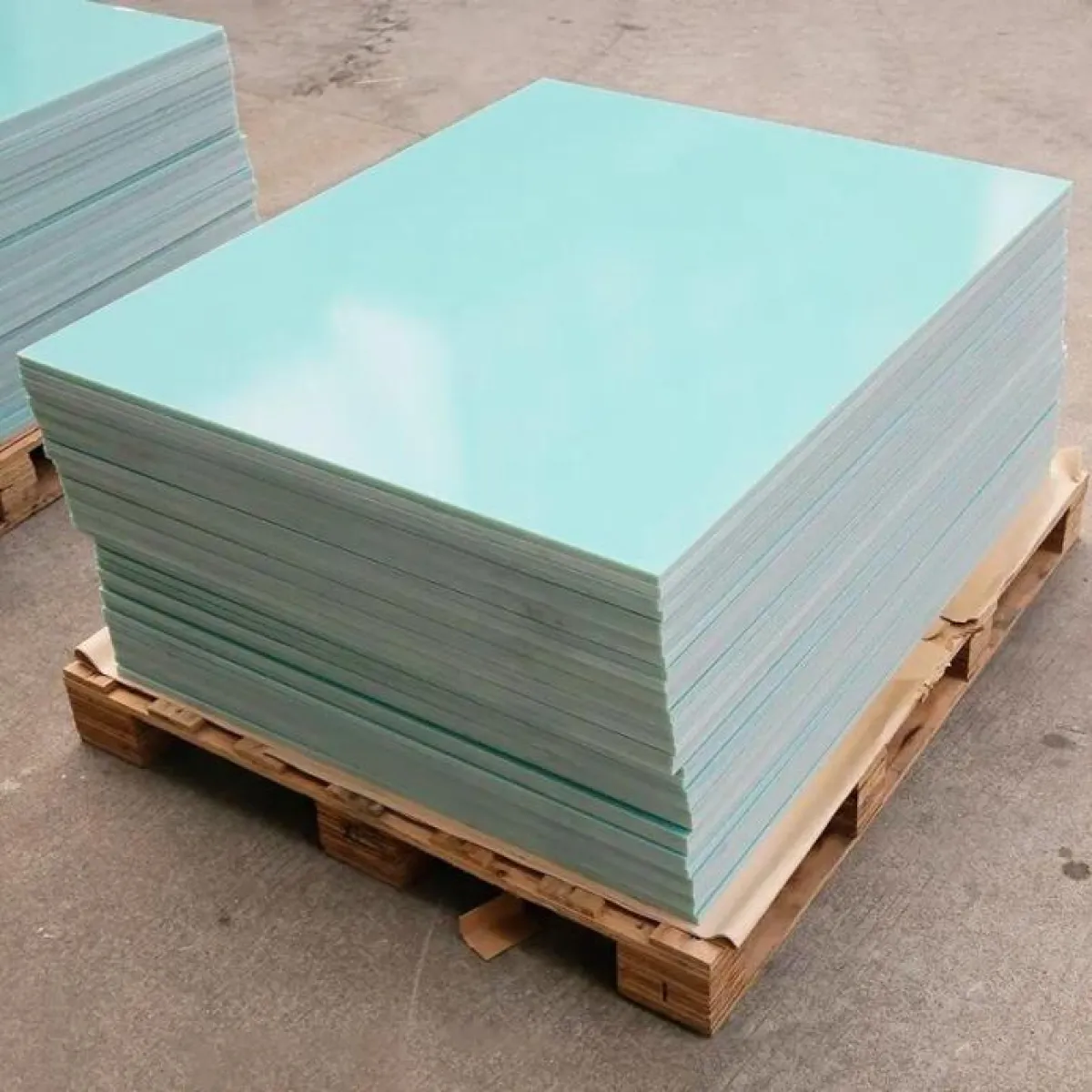
G10 CR is a cryogenic-grade glass epoxy laminate manufactured from woven glass fabric impregnated with a specially selected epoxy resin system and consolidated under heat and press
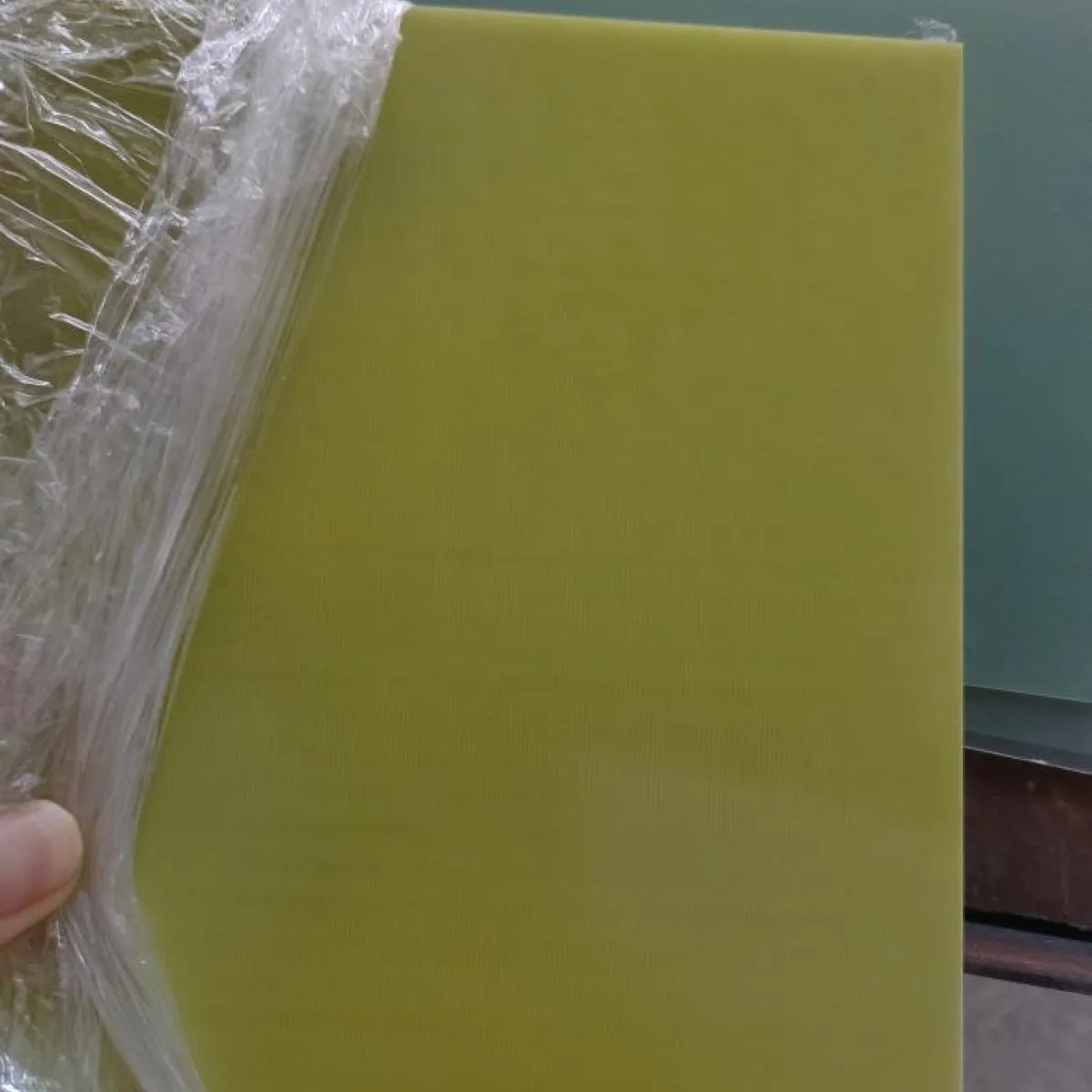
EPGC 204 is commonly cross-referenced with NEMA FR5 and DIN HGW2372.2. The relevant IEC material specification is IEC 60893-3-2, covering rigid laminated sheets based on epoxy resi
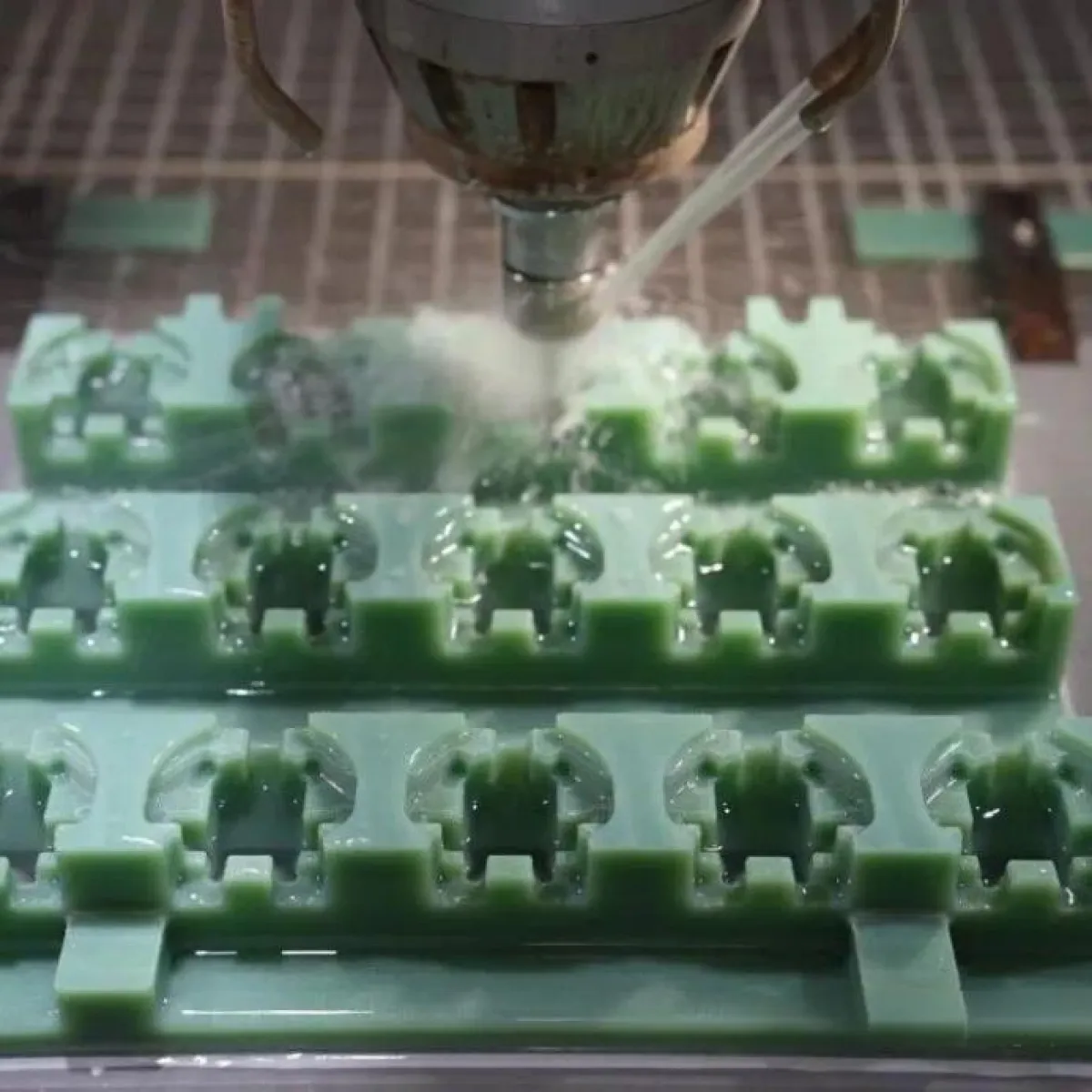
Selecting the appropriate material requires consideration of operating temperature, electrical stress, mechanical load and environmental conditions.
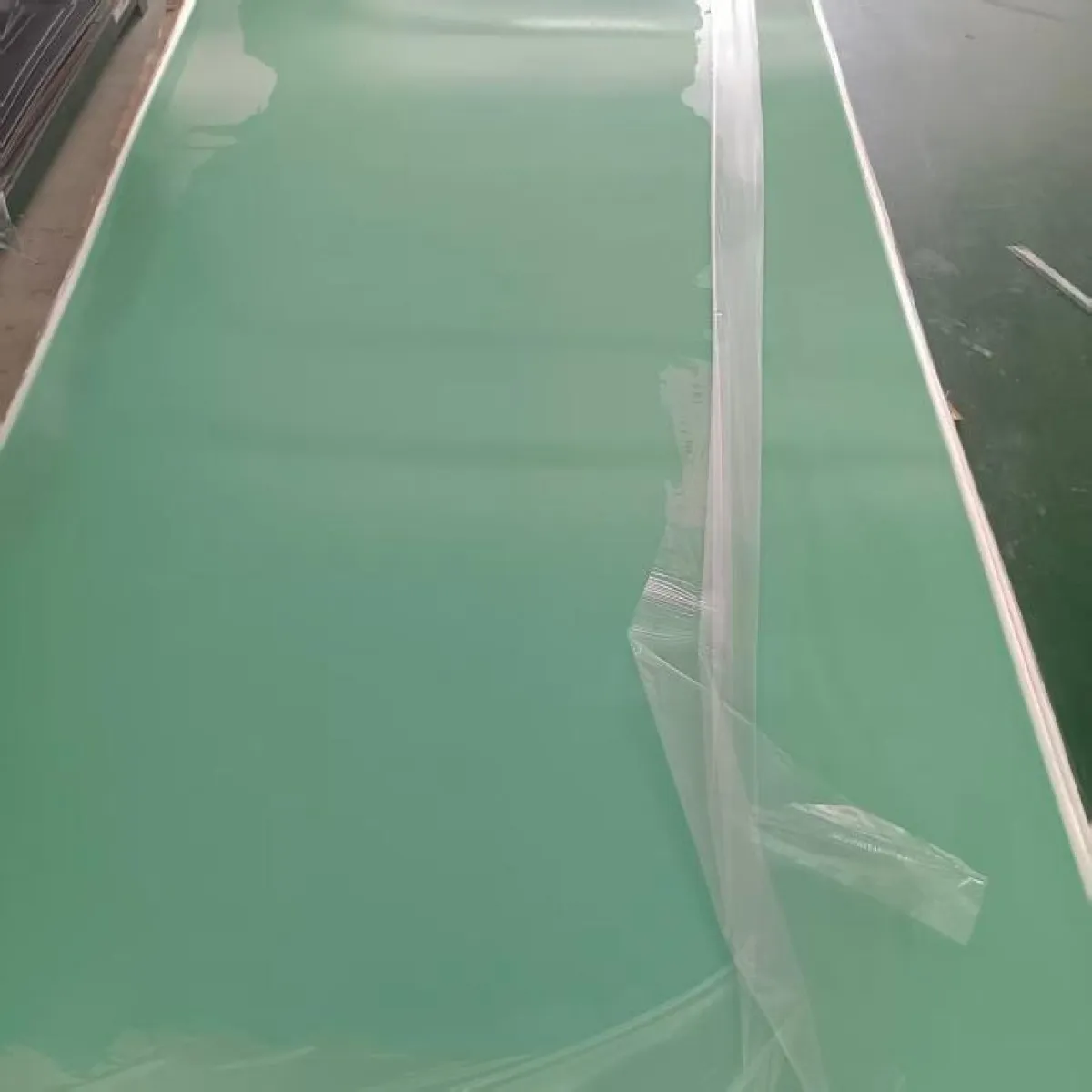
EPGC 203 is a rigid thermoset laminate manufactured from woven glass fabric impregnated with epoxy resin and consolidated under heat and pressure.
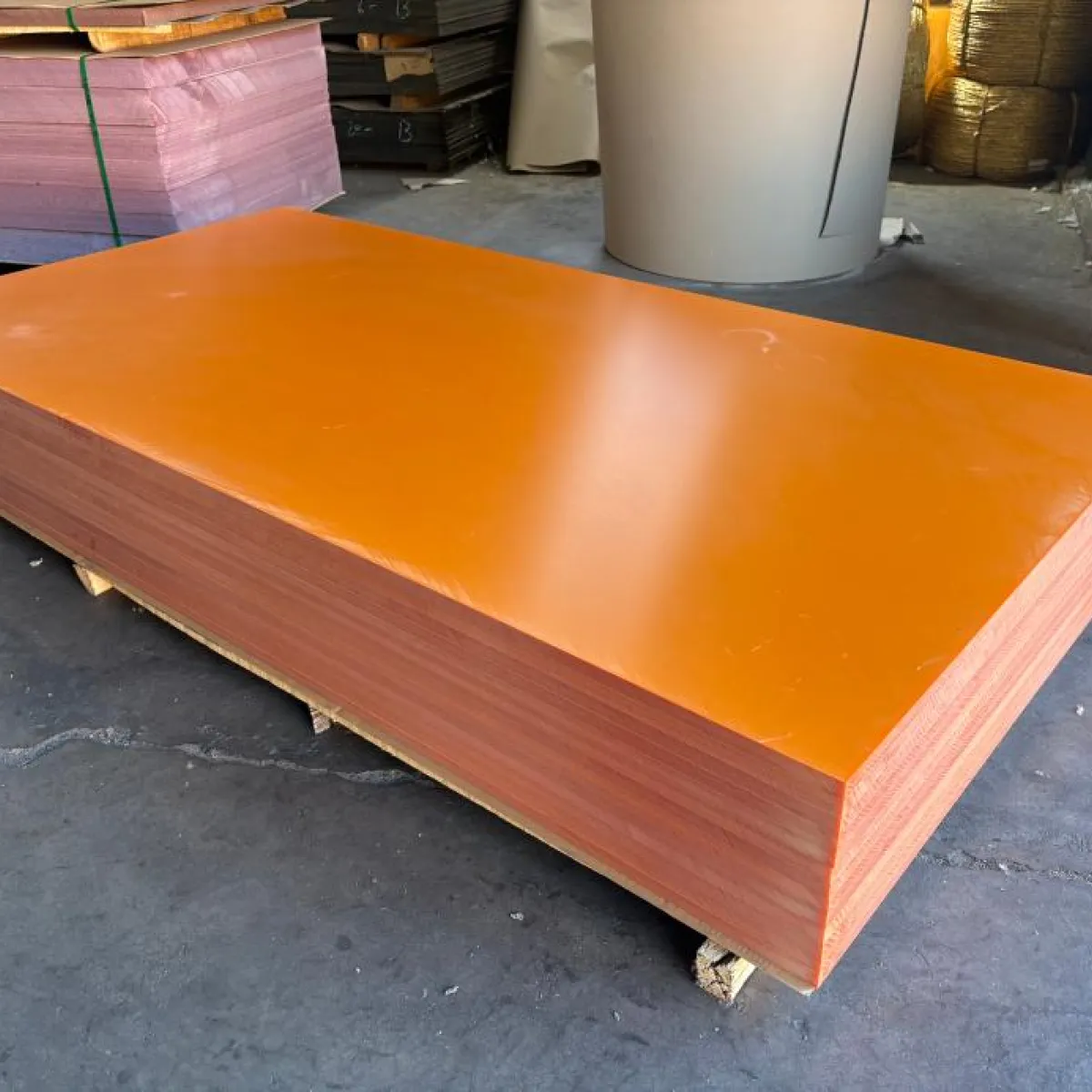
In industrial sheet applications, “Bakelite” commonly refers to phenolic paper laminate. It is manufactured by impregnating layers of cellulose paper with phenolic resin, followed
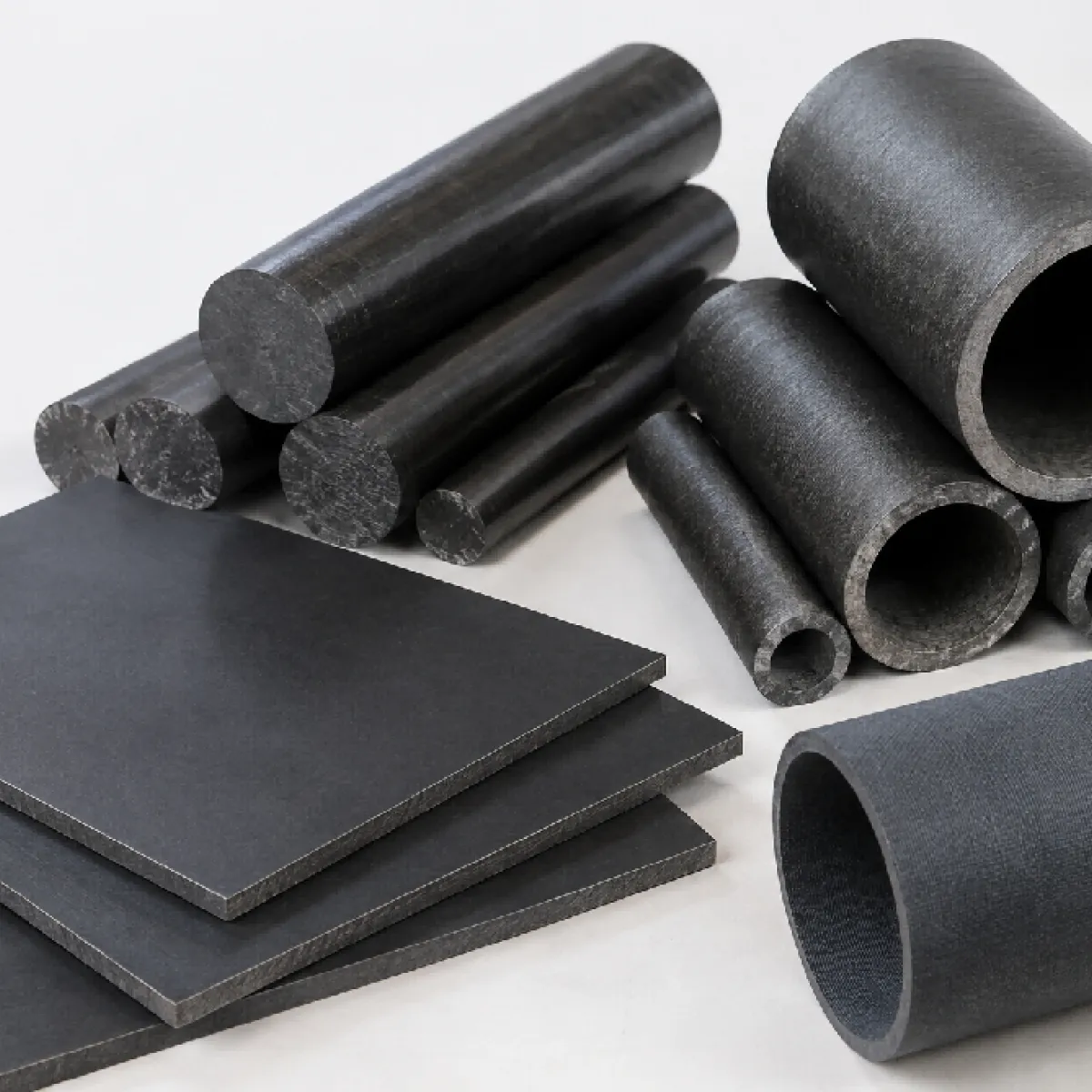
Under suitable operating conditions, the MoS2 filler can improve wear performance and provide anti-seizure characteristics. The material can also operate with lower noise than many

No.3, Mianzhi Street, Zhucheng, Shandong, China





Copyright © 2026 by Qingdao Yilong Insulation Material Company Limited All Rights Reserved