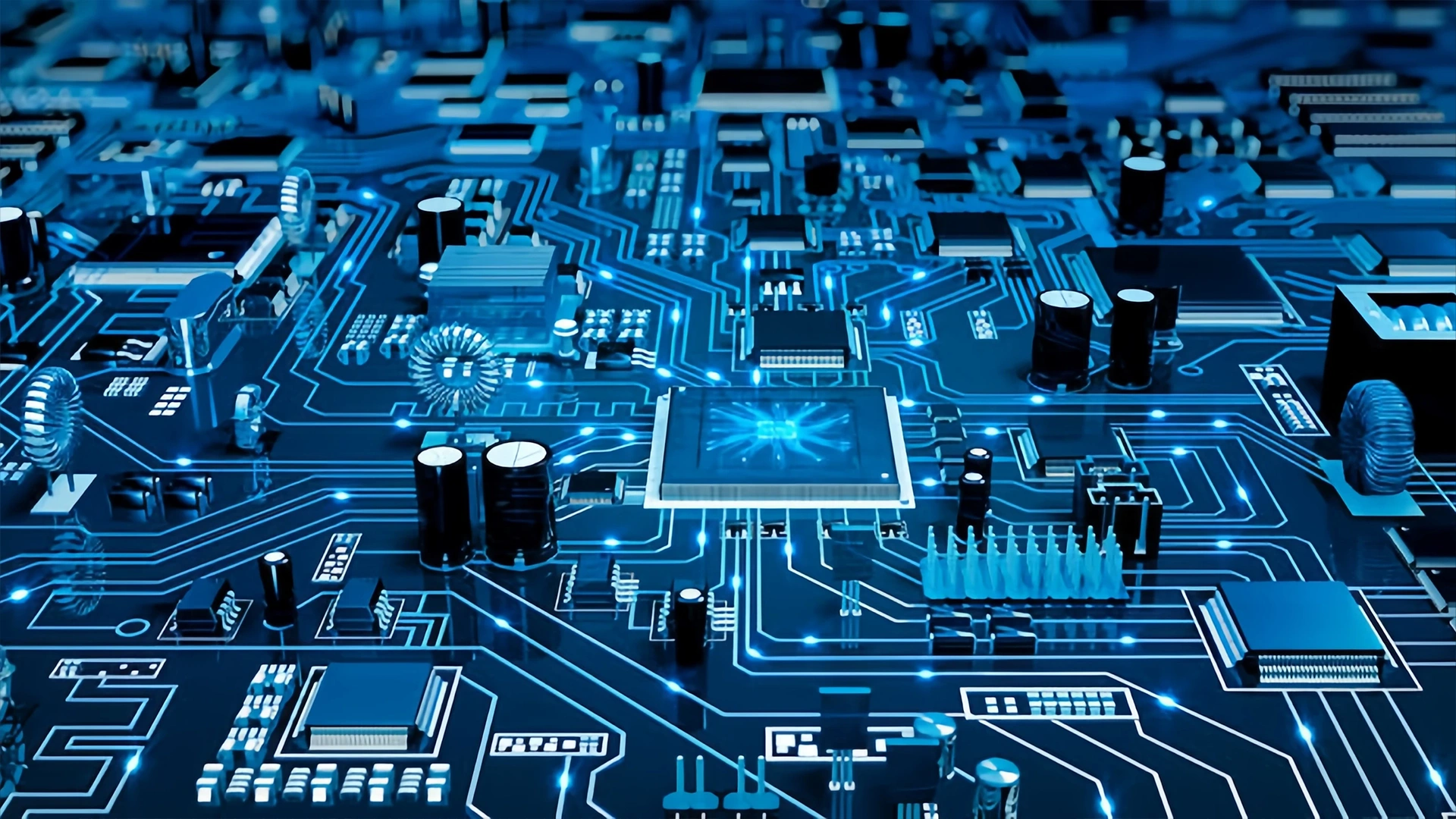
Modern electronic and electrical systems require materials with reliable electrical insulation, dimensional stability, precision and consistent performance within increasingly compact and integrated equipment. In consumer electronics, computers, communication systems, industrial control equipment and PCB-related applications, YILONG insulating materials can be used for electrical isolation, component mounting, circuit protection and structural support. Depending on the equipment design, typical applications include PCB support components, insulating barriers, terminal insulation parts, connector components, mounting components and other precision-machined parts, with material selection and dimensional tolerances tailored to the specific electrical and mechanical requirements.Consumer Electronics
Electrical Insulation Materials for Electronics Manufacturing
Electrical insulation materials are essential to the performance, safety, and reliability of electronic equipment. From printed circuit boards (PCBs) and power modules to semiconductor manufacturing systems, these materials provide electrical isolation, mechanical support, and dimensional stability.
As electronic devices become smaller and more powerful, insulation components must withstand higher operating temperatures, tighter tolerances, and increasingly demanding electrical conditions.
Glass-epoxy laminates such as G10, FR4, G11, and FR5 are widely used in electronic assemblies and equipment. Polyester laminates, phenolic composites, mica, and engineering plastics provide additional options for specific electrical, thermal, and mechanical requirements.
Electrical Insulation in Electronic Equipment
Electrical insulation does more than prevent current leakage. It also supports components, separates conductive parts, and maintains mechanical alignment within electronic assemblies.
Depending on the application, insulating materials may serve several functions:
● Electrical isolation: Prevent unintended current flow between conductive components.
● Mechanical support: Secure circuit boards, terminals, connectors, and other electronic components.
● Thermal stability: Maintain critical properties during operation and temperature fluctuations.
● Dimensional stability: Preserve alignment and tolerances in precision assemblies.
● Environmental resistance: Limit the effects of moisture, chemicals, and repeated thermal exposure.
Material selection depends on the operating voltage, temperature, mechanical load, environmental conditions, and applicable safety requirements.
Applications of Insulation Materials in the Electronics Industry
PCB Manufacturing and Electronic Assemblies
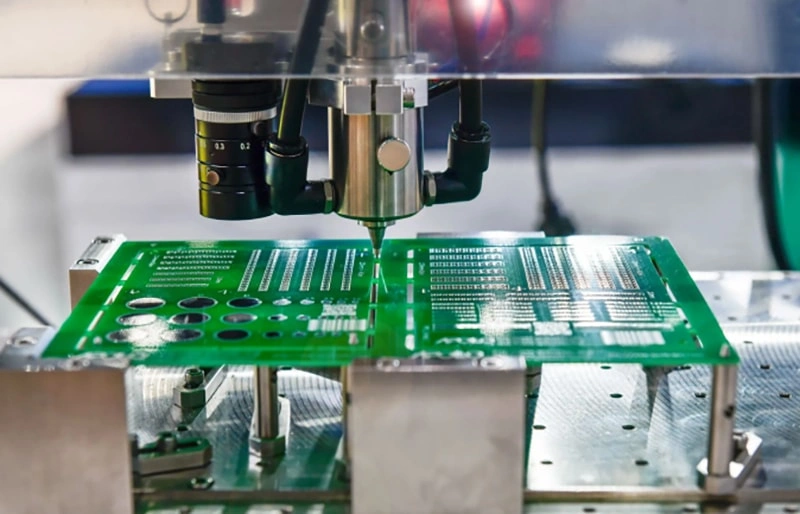
Glass-epoxy laminates are widely used in printed circuit board manufacturing. PCB-grade FR4 provides a rigid, electrically insulating substrate for copper circuitry and mounted components.
Its fiberglass reinforcement contributes mechanical strength and dimensional stability, while the epoxy resin provides electrical insulation and binds the laminate structure.
During PCB manufacturing and operation, several material properties affect reliability:
● Dielectric constant (Dk) and dissipation factor (Df): Influence signal transmission and dielectric losses.
● Glass transition temperature (Tg): Helps characterize the resin's response to elevated temperatures.
● Coefficient of thermal expansion (CTE): Affects dimensional stability and plated through-hole reliability.
● Moisture absorption: Can influence insulation performance and thermal processing reliability.
● High-Tg and low-loss PCB laminates may be required for multilayer, high-speed, or thermally demanding designs.
Beyond PCB substrates, industrial G10 and FR4 sheets are machined into insulating spacers, circuit board supports, mounting plates, and assembly fixtures.
Industrial insulation-grade FR4 and PCB-grade copper-clad laminates are not interchangeable without verifying their specifications and intended manufacturing processes.
Power Electronics and Power Conversion
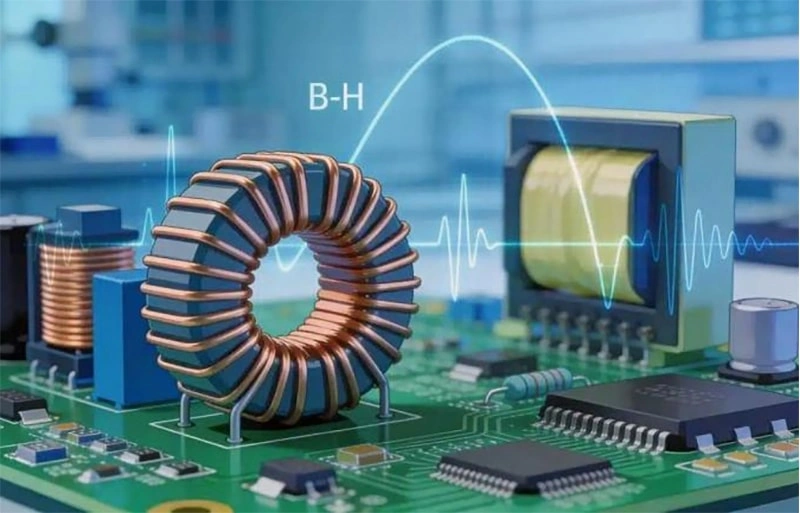
Power electronic systems control and convert electrical energy in applications such as inverters, converters, power supplies, and battery management equipment.
These systems contain conductive components operating at different electrical potentials. Insulation materials help separate these components while providing mechanical support.
Common applications include:
● Busbar supports and insulating spacers
● Power module mounting structures
● Insulating barriers between conductive assemblies
● Terminal supports and mounting plates
● Structural components in converters and power supplies
G10 and FR4 are commonly used for electrical insulation and structural support. G11 and FR5 provide alternatives where improved high-temperature performance is required.
GPO-3 polyester glass laminates are also used for insulating barriers and structural components where flame resistance and electrical tracking performance are important.
For power electronic assemblies, dielectric strength alone is not sufficient to establish suitability. Creepage distance, clearance, tracking resistance, operating temperature, and mechanical loads must also be considered.
Semiconductor Manufacturing Equipment
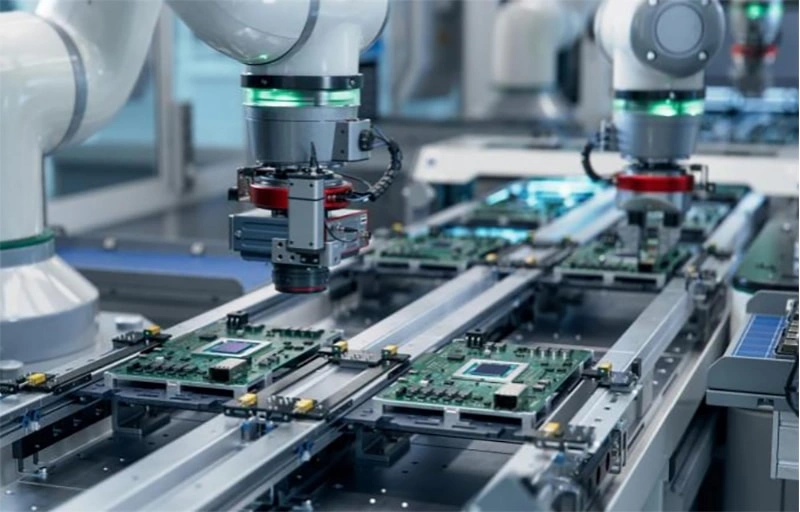
Semiconductor manufacturing equipment requires components with precise dimensions, reliable electrical insulation, and consistent mechanical performance.
Insulating materials are used in equipment structures, handling systems, electrical assemblies, and manufacturing fixtures.
Typical applications include:
● Precision insulating spacers and support blocks
● Equipment mounting plates and brackets
● Electrical isolation components
● Semiconductor handling and assembly fixtures
● Insulating parts for testing and inspection equipment
G10, FR4, and G11 laminates offer a combination of mechanical strength, electrical insulation, and machinability for suitable equipment applications.
For semiconductor environments, additional requirements may include particle generation, outgassing, chemical compatibility, and dimensional stability.
Standard industrial laminates should not be assumed suitable for vacuum chambers, cleanrooms, or direct wafer-contact applications without specific qualification.
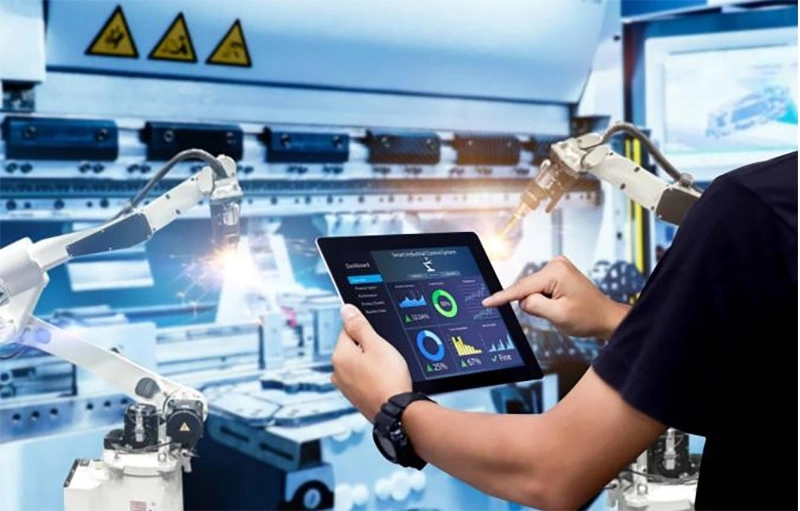
Industrial Control and Automation Equipment
Industrial electronic systems rely on insulation materials to separate electrical circuits and support components within control assemblies.
Applications include programmable logic controllers (PLCs), motor drives, industrial power supplies, control boards, and electronic monitoring equipment.
Common insulating components include:
● Terminal and connector supports
● Circuit board mounting plates
● Electrical barriers and partitions
● Relay and control assembly supports
● CNC-machined insulating blocks and spacers
FR4 provides mechanical strength, electrical insulation, and flame-retardant performance for many industrial control applications.
GPO-3 is another option for insulating barriers and supports, particularly where tracking resistance and flame resistance are important.
Material thickness, operating voltage, temperature, and applicable equipment standards determine the final selection.
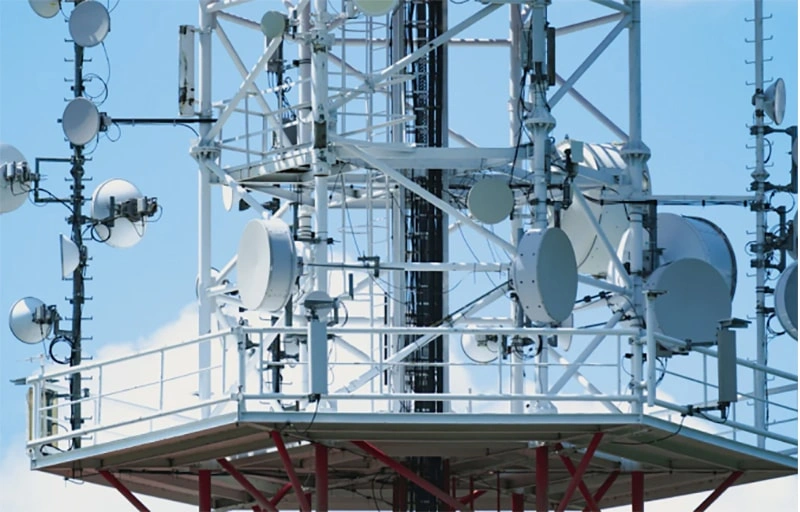
Telecommunications and Communication Equipment
Communication equipment contains densely arranged electronic components that require reliable insulation and mechanical support.
Examples include network infrastructure, telecommunications power supplies, radio communication equipment, and electronic signal-processing systems.
G10 and FR4 laminates can be used for insulating mounting plates, support structures, spacers, and equipment fixtures.
Their mechanical rigidity and dimensional stability help maintain component alignment during assembly and operation.
For high-frequency circuits, dielectric constant, dissipation factor, and signal loss become particularly important.
Standard industrial glass-epoxy laminates may be suitable for structural insulation, but RF substrates and high-speed circuit materials must be selected according to their specified dielectric performance.
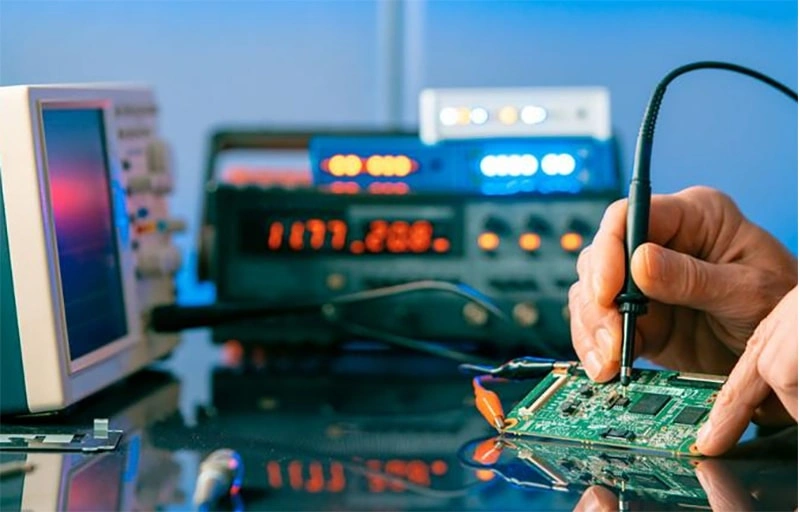
Electronic Testing and Manufacturing Equipment
Electrical insulation materials are also used in equipment for electronic assembly, inspection, and testing.
Test fixtures must maintain accurate component positioning while providing electrical isolation where required.
Typical applications include:
● PCB testing fixtures
● Electronic assembly jigs
● Insulating positioning blocks
● Test equipment mounting plates
● Precision-machined spacers and supports
● Electrical isolation components for inspection systems
G10 and FR4 are frequently selected for their machinability, mechanical strength, and dimensional stability.
For fixtures exposed to repeated mechanical loads or elevated temperatures, G11 or other specialized materials may offer improved performance.
The final design should consider hole tolerances, flatness, wear, temperature, and the electrical requirements of the testing process.
Common Electrical Insulation Materials for Electronics
Different electronic applications require different combinations of electrical, thermal, and mechanical properties.
|
Material |
Key Properties |
Typical Electronic Applications |
|
G10 / EPGC201 |
High mechanical strength, good dielectric properties, dimensional stability |
Insulating spacers, mounting plates, electronic fixtures |
|
FR4 / EPGC202 |
Electrical insulation, mechanical strength, flame-retardant properties |
Electronic supports, insulating barriers, mounting components |
|
G11 / EPGC203 |
Improved electrical and mechanical performance at elevated temperatures |
High-temperature electronic supports and insulating parts |
|
FR5 / EPGC204 |
High-temperature glass-epoxy laminate with flame-retardant properties |
Power electronic insulation and heat-resistant support components |
|
GPO-3 / UPGM203 |
Flame resistance, electrical insulation, high tracking resistance in suitable grades |
Electrical barriers, terminal supports, power equipment components |
|
Phenolic Laminates |
Mechanical strength, machinability, cost-effective structural performance |
Equipment fixtures, supports, and selected insulating components |
|
Mica Materials |
High-temperature electrical insulation |
Thermal barriers and insulation near high-temperature components |
|
Engineering Plastics |
Grade-dependent dielectric, friction, chemical, and mechanical properties |
Precision spacers, bushings, supports, and custom electronic components |
Material properties vary by grade, formulation, and manufacturing process. Selection should be based on the applicable technical data and operating conditions.
Key Properties When Selecting Electronic Insulation Materials
Dielectric Strength and Insulation Resistance
Dielectric strength measures a material's ability to withstand an electric field before breakdown under specified test conditions.
Insulation resistance indicates how effectively a material limits leakage current.
Both properties are important, but they describe different aspects of electrical insulation.
For high-voltage applications, engineers must also consider insulation geometry, surface tracking, creepage distance, clearance, and environmental conditions.
Thermal Resistance and Dimensional Stability
Electronic components generate heat during operation. Insulation materials must maintain their electrical and mechanical properties at the expected temperatures.
Thermal performance should be evaluated using the appropriate material ratings and test data.
Glass transition temperature, thermal class, and maximum short-term exposure temperature are not equivalent.
Dimensional stability is also important in electronic assemblies. Thermal expansion can affect hole alignment, mechanical fit, and stresses between dissimilar materials.
Mechanical Strength and Machinability
Many insulating components also perform structural functions.
Mounting plates, support blocks, and spacers must withstand mechanical loads without excessive deformation or damage.
Important properties include flexural strength, compressive strength, stiffness, and interlaminar integrity.
For CNC-machined components, laminate construction and fiber orientation can influence dimensional accuracy and edge quality.
Flame Resistance and Tracking Resistance
Flame resistance is important in electronic equipment where insulating components may be exposed to electrical faults or elevated temperatures.
UL 94 classifications describe material flammability performance under specified test conditions.
Comparative Tracking Index (CTI) evaluates resistance to surface tracking under standardized conditions.
These properties should be evaluated separately. A flame-retardant material does not necessarily provide high tracking resistance.
Moisture and Chemical Resistance
Moisture can affect the electrical properties and dimensional stability of insulating materials.
Chemical exposure may also influence material performance in manufacturing equipment and industrial environments.
Material selection should account for humidity, cleaning agents, process chemicals, and other expected operating conditions.
Custom CNC-Machined Insulation Components
Electronic equipment manufacturers often require custom insulating parts rather than standard sheets, rods, or tubes.
Glass-epoxy laminates can be machined into components with specific dimensions, hole patterns, slots, and profiles.
Common manufacturing operations include CNC milling, drilling, cutting, and routing.
Typical finished components include insulating washers, spacers, support blocks, mounting plates, brackets, and electrical barriers.
Manufacturability depends on the material grade, thickness, part geometry, and dimensional tolerances.
For precision applications, drawings should specify critical dimensions, tolerances, surface requirements, and any relevant inspection criteria.
Electrical Insulation Materials from YILONG
YILONG manufactures industrial electrical insulation materials for electronic equipment, electrical assemblies, and precision-machined components.
Our product range includes epoxy glass laminates, polyester glass laminates, phenolic composites, mica materials, and engineering plastics.
Available forms include sheets, rods, tubes, profiles, and custom CNC-machined parts.
With in-house laminate production and machining capabilities, YILONG supports material supply and component manufacturing based on customer drawings and technical specifications.
Our team can assist with material selection based on electrical requirements, operating temperature, mechanical performance, dimensions, and production quantities.
Looking for electrical insulation materials for your electronic equipment?
Contact YILONG with your material specifications, technical drawings, and application requirements to discuss suitable materials and manufacturing options.
 |
 |
 |
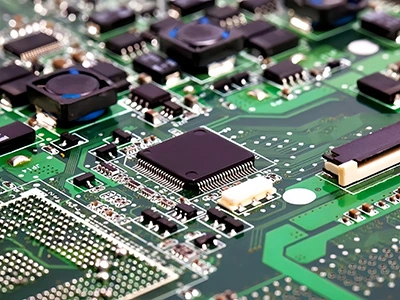 |
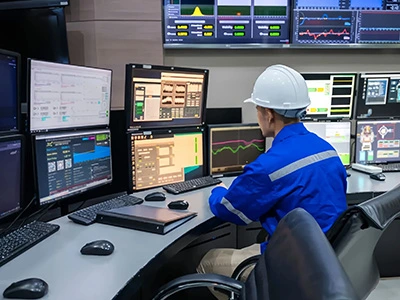
| Computers | Communications | Industrial Control | PCB |
Material selection depends on operating voltage, temperature, mechanical load, and environmental exposure. Key properties include dielectric strength, insulation resistance, thermal stability, flame resistance, and dimensional accuracy.
FR4 is commonly used for flame-retardant structural insulation. G11 and FR5 offer improved performance at elevated temperatures, while GPO-3 is often selected for electrical barriers and supports requiring high tracking resistance.
Engineers should verify material properties under actual operating conditions rather than relying on a single performance rating.
Not all FR4 laminates are suitable for PCB manufacturing.
PCB-grade FR4 requires controlled dielectric properties, copper adhesion, dimensional stability, and compatibility with PCB fabrication processes. These materials are typically specified under IPC-4101.
Industrial FR4 sheets are primarily designed for structural insulation, mounting plates, spacers, and machined components. They should not replace qualified PCB laminates without additional verification.
Common causes include electrical overstress, excessive temperature, moisture, surface contamination, and mechanical damage.
Repeated thermal cycling can also create internal stresses, particularly where insulating materials are fastened to metals with different thermal expansion rates. Over time, these stresses may contribute to cracking, warpage, or delamination.
Reliable designs must account for material properties, insulation geometry, operating conditions, and environmental exposure.
They measure different failure mechanisms.
Dielectric strength indicates resistance to electrical breakdown through a material under specified test conditions. Comparative Tracking Index (CTI) measures resistance to surface tracking in a standardized contaminated, wet environment.
For power electronics, both may be important. Dielectric strength helps evaluate insulation through the material, while CTI is relevant to surface insulation and creepage-distance design.
Neither property alone determines the safety or reliability of an electrical assembly.
G10 and FR4 expand and contract as temperatures change. When attached to metals or other materials with different coefficients of thermal expansion, mechanical stresses develop around mounting holes, fasteners, and bonded interfaces.
Repeated cycling may eventually cause cracking, delamination, or dimensional changes.
Engineers should consider operating temperature ranges, mechanical constraints, laminate orientation, and thermal expansion when designing components exposed to frequent temperature changes.
G11 and FR5 are generally preferred when insulation components must retain mechanical strength and electrical properties at higher operating temperatures.
G11 provides improved elevated-temperature performance, while FR5 also offers flame-retardant properties.
However, Tg and thermal class are not interchangeable. Material selection should consider continuous operating temperature, thermal aging, mechanical stress, and applicable flame-resistance requirements.
G10 and FR4 can be used for suitable insulating supports, mounting structures, and precision-machined fixtures in semiconductor equipment.
However, vacuum systems, cleanrooms, and chemical processing environments may impose additional requirements for outgassing, particle generation, contamination, and chemical resistance.
Standard industrial laminates should be evaluated and qualified for these conditions before use in critical semiconductor processes.
Important factors include material thickness, fiber orientation, hole placement, minimum wall thickness, and dimensional tolerances.
Sharp internal corners, thin sections, and holes close to edges may increase the risk of cracking or delamination. Machining parameters also affect edge quality and dimensional accuracy.
For precision electronic assemblies, manufacturers should identify critical dimensions, flatness requirements, and inspection criteria before production.

No.3, Mianzhi Street, Zhucheng, Shandong, China


Copyright © 2026 by Qingdao Yilong Insulation Material Company Limited All Rights Reserved


