
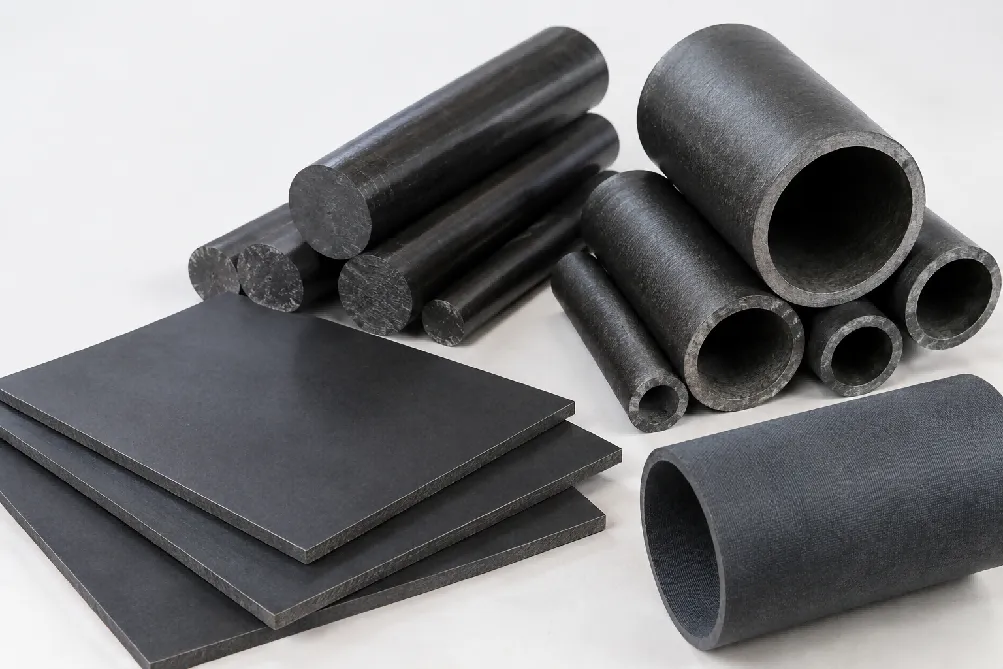
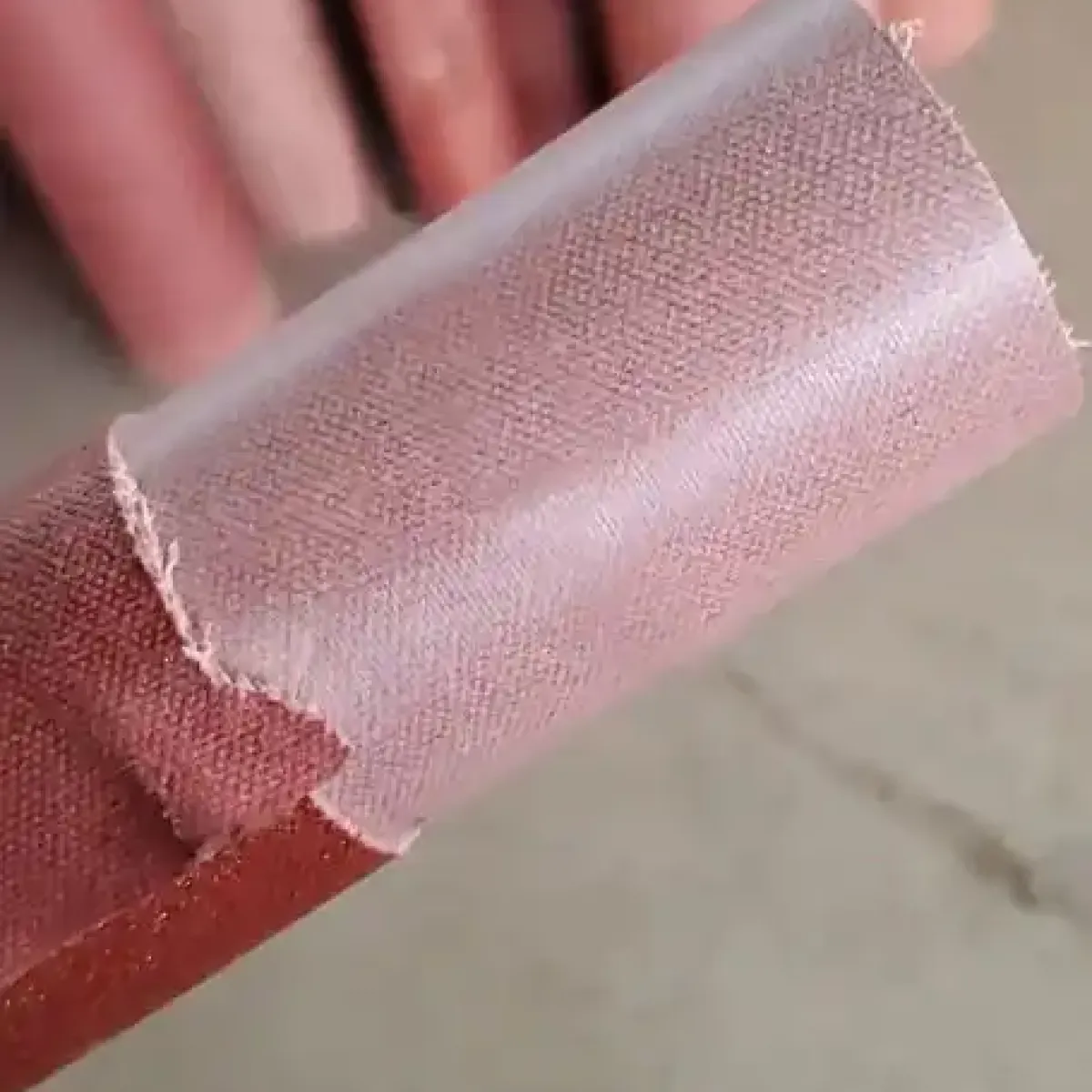
MoS2 Filled Phenolic Cotton Laminated Sheet/Rod/Tube is a phenolic cotton fabric laminate modified with molybdenum disulfide (MoS2) as a solid lubricant. The combination of phenolic resin, cotton fabric reinforcement and MoS2 provides a material with good mechanical strength, machinability and sliding properties for components exposed to friction and wear.
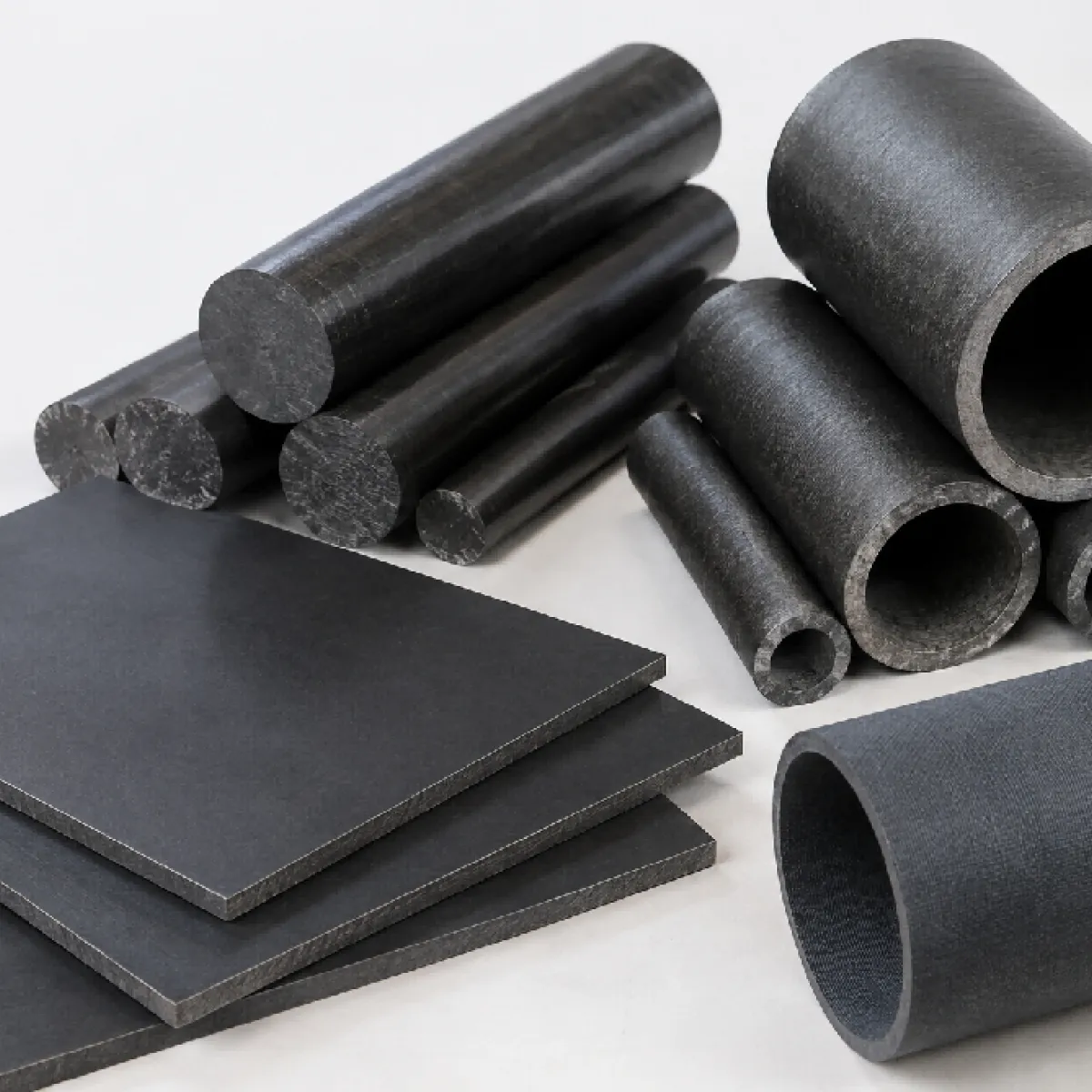
Under suitable operating conditions, the MoS2 filler can improve wear performance and provide anti-seizure characteristics. The material can also operate with lower noise than many metal components in suitable sliding applications.
An important consideration is its electrical behavior. This material is semi-conductive, so it should not be used where this characteristic could adversely affect electrical insulation or equipment operation.
What Is MoS2 Filled Phenolic Cotton Laminate?
MoS2 Filled Phenolic Cotton Laminate is produced from phenolic resin and cotton fabric, with molybdenum disulfide incorporated into the material as a dry solid lubricant.
The cotton fabric is impregnated with phenolic resin and laminated through multiple layers. The impregnated layers are then hot-pressed at approximately 150°C under high pressure to form a rigid thermoset composite.
The resulting material combines the mechanical reinforcement of cotton fabric with the sliding and anti-seizure properties of MoS2.
The Role of MoS2
Molybdenum disulfide is used as a solid lubricant to improve sliding behavior and reduce friction under appropriate working conditions.
This makes the material suitable for wear components where repeated contact and relative movement occur. The actual friction coefficient and wear performance depend on the load, sliding speed, mating material, surface condition, temperature and other operating factors.
Semi-Conductive Electrical Properties
Unlike conventional phenolic cotton insulation materials, this MoS2-filled grade is semi-conductive.
This characteristic must be considered during material selection. It is suitable for many mechanical wear applications, but it should not be specified where electrical insulation is required or where its electrical behavior could be detrimental to the equipment.
Key Properties of MoS2 Filled Phenolic Cotton Laminated Material
Good Mechanical Strength
The cotton fabric reinforcement provides the laminate with good mechanical strength. Multiple impregnated fabric layers are consolidated during hot pressing to form a rigid composite structure.
This allows the material to be manufactured into sheets, rods, tubes and machined wear components according to the application.
Improved Sliding and Wear Performance
The addition of MoS2 provides dry lubrication and anti-seizure characteristics. Under suitable conditions, this can improve sliding behavior and wear performance compared with an unmodified phenolic cotton laminate.
For demanding wear applications, the complete operating conditions should be evaluated rather than relying on the material grade alone.
Good Machinability
The material is suitable for machining into different shapes and components. Depending on the product form and application, it can be processed into wear pads, bushings, collars, sleeves and other mechanical parts.
For precision components, machining tolerances, wall thickness and final dimensions should be specified before production.
Reduced Operating Noise
In suitable applications, phenolic cotton laminate can operate with less noise than metal components. This can be useful for industrial machinery where repeated sliding contact occurs and noise reduction is desirable.
Dimensional Stability After Heat Treatment
Heat treatment can be used to reduce dimensional changes as the material ages. This is particularly important for wear components where dimensional stability affects the working clearance and service performance.
The heat-treatment and machining sequence should be considered according to the required component dimensions and application.
Resistance to Industrial Media
The material provides resistance to certain solvents, alkaline solutions, oils and fuels. Actual chemical compatibility depends on the specific medium, concentration, temperature and exposure time, so these conditions should be confirmed before use.
Available Product Forms
YILONG can evaluate different product forms according to the customer's application and machining requirements.
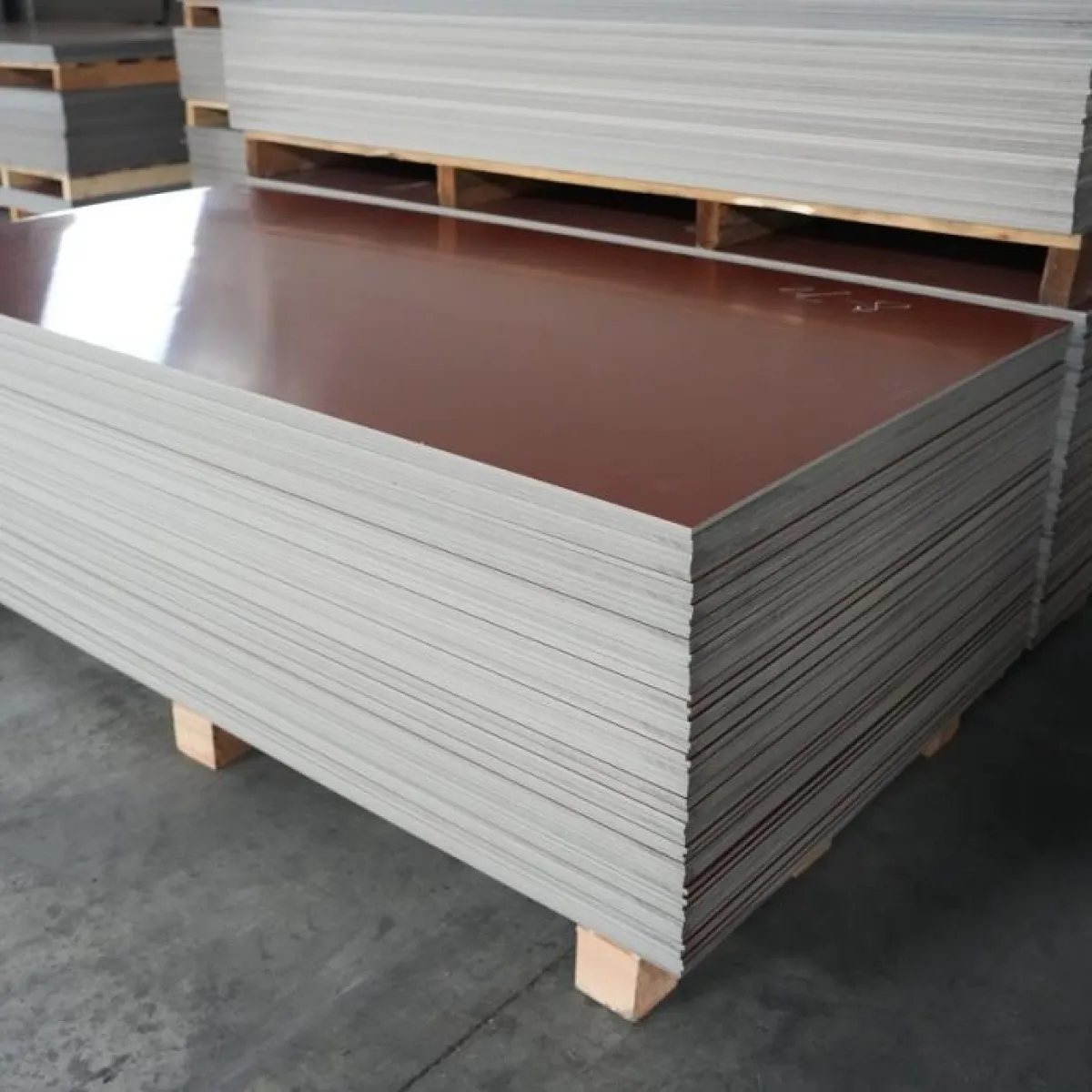
MoS2 Filled Phenolic Cotton Laminated Sheet
The sheet form is suitable for producing wear pads, sliding plates, thrust pads and other flat components.
The required thickness, length, width and machining tolerances should be specified according to the final component design.
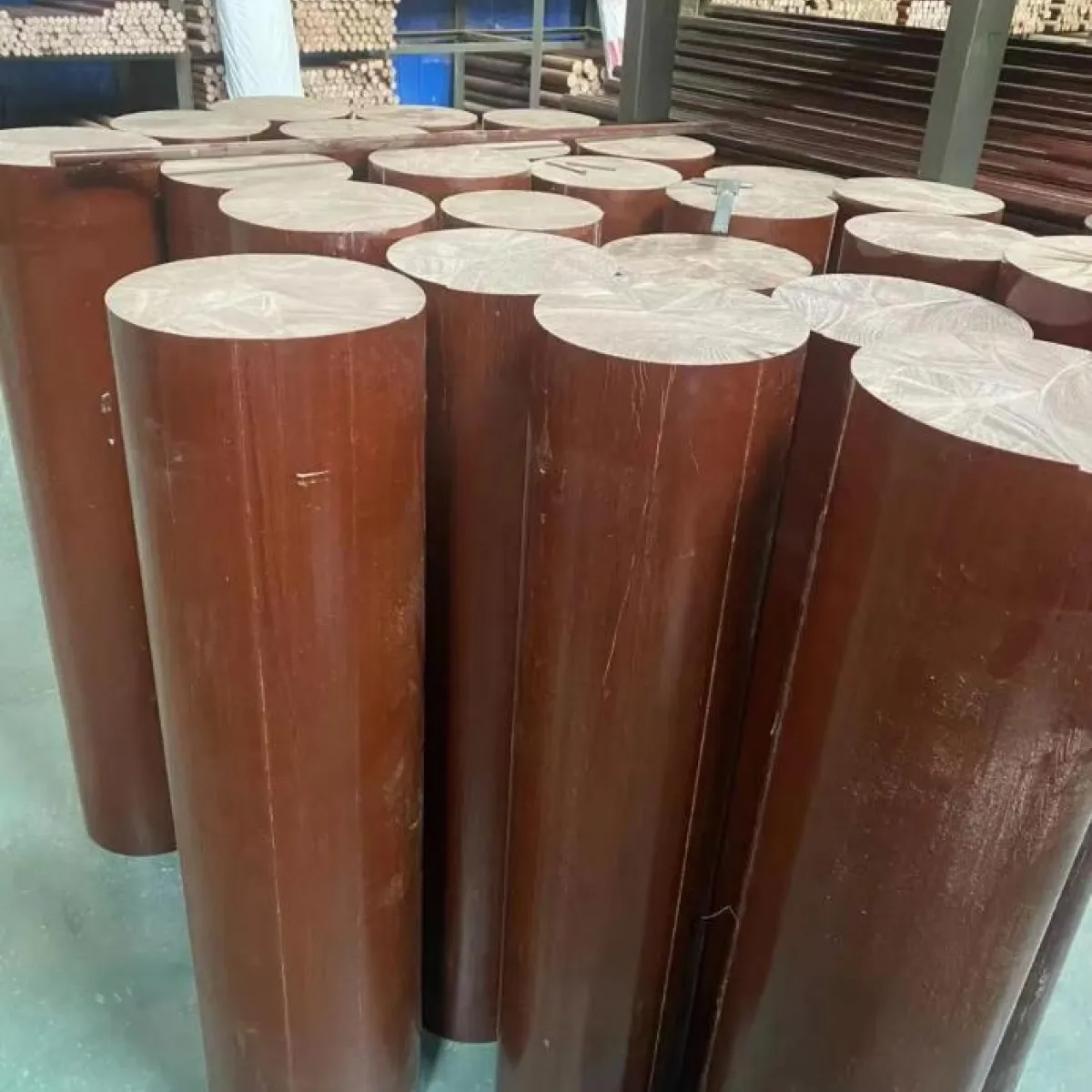
MoS2 Filled Phenolic Cotton Laminated Rod
The rod form is suitable for cylindrical wear components such as bushings, collars and other machined parts.
Rod dimensions and machining allowances can be selected according to the final component requirements.
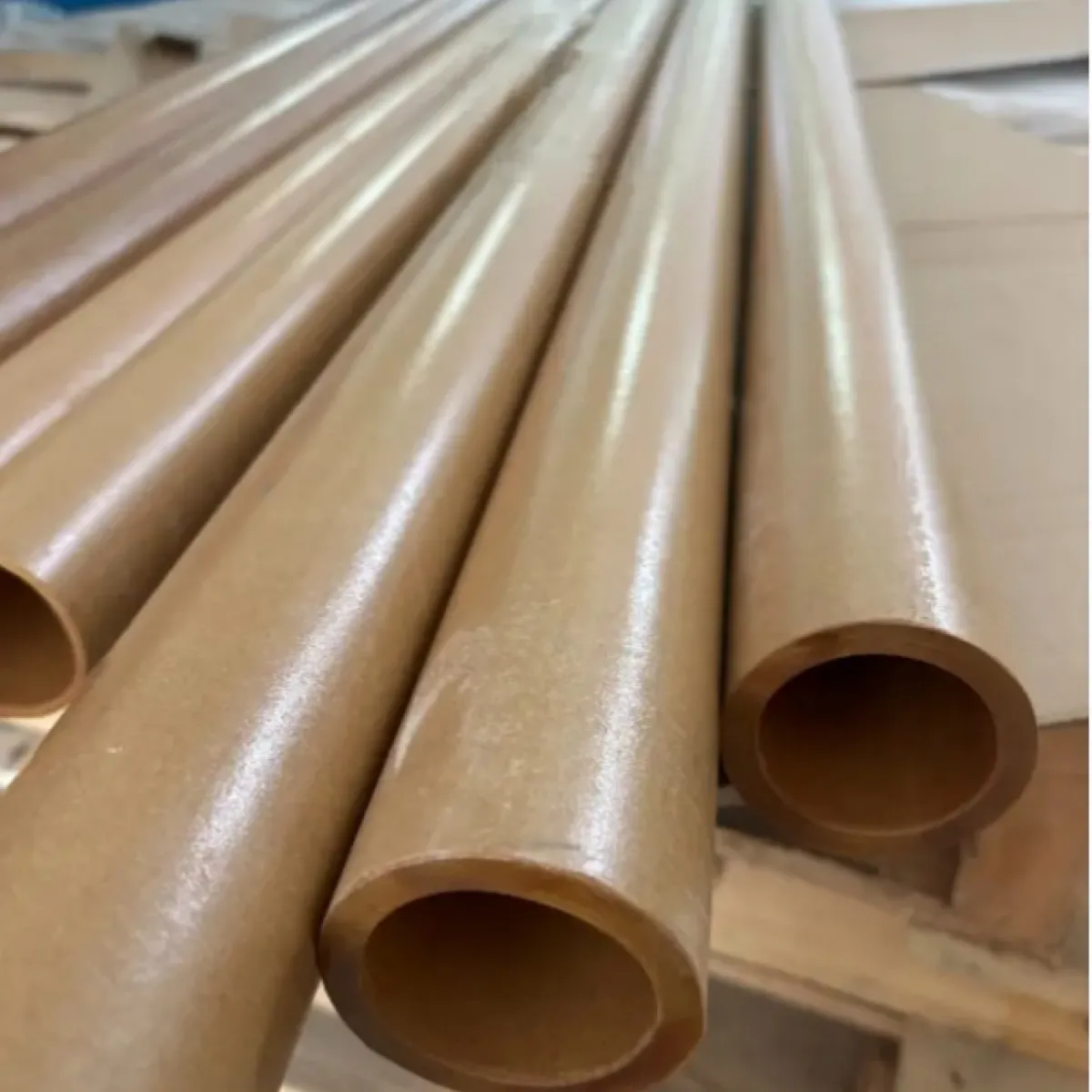
MoS2 Filled Phenolic Cotton Laminated Tube
The tube form is suitable for cylindrical wear applications where a hollow structure is required. It can be machined into sleeves, bushings, wear rings and other tubular components.
For a tube application, the required inner diameter, outer diameter, length, wall thickness and dimensional tolerance should be provided for technical evaluation.
Typical Industrial Applications
MoS2 Filled Phenolic Cotton Laminated Sheet/Rod/Tube can be considered for a variety of mechanical wear applications.
Steel and Aluminum Rolling Mills
Rolling mill equipment contains numerous components exposed to mechanical contact, friction and repeated movement. The material can be machined into suitable wear components according to the operating conditions.
Steel Mill Spindle Carriers
The material can be considered for suitable spindle carrier components used in steel mill equipment where mechanical strength and sliding performance are required.
Rolling Mill Shafts and Drum Dryers
Suitable machined wear components can be produced for rolling mill shafts and drum dryer equipment, depending on load, speed and operating environment.
Precious Metal Sheet Rolling Mills
The material can be considered for selected wear components in precious metal sheet rolling equipment where its mechanical and sliding characteristics meet the application requirements.
Marine Winches
Marine winches contain moving components subjected to mechanical friction and wear. The material can be used for suitable wear parts after evaluating the load and environmental conditions.
Paper and Pulp Mill Equipment
Paper and pulp processing equipment often requires components capable of repeated movement and mechanical contact. The material can be machined into suitable wear components for selected applications.
Mining Equipment
Mining machinery operates under demanding mechanical conditions. MoS2-filled phenolic cotton components can be considered for selected wear applications where the material's mechanical and sliding properties are appropriate.
Chemical Processing Parts
The material can be considered for selected mechanical components in chemical processing equipment where resistance to specific solvents, alkaline solutions, oils or fuels is required.
Crushing and Grinding Equipment
Crushing and grinding equipment includes components exposed to repeated mechanical loads and friction. The material can be evaluated for suitable wear parts according to the actual operating conditions.
How to Select the Right Material
Evaluate Load and Contact Conditions
Before selecting the material, determine the expected radial or axial load, contact pressure and frequency of movement. These factors have a direct influence on wear performance.
Check Sliding Speed and Mating Material
Sliding speed, surface condition and the material of the mating component should be considered together. MoS2 provides solid lubrication characteristics, but actual wear behavior depends on the complete tribological system.
Consider Temperature and Working Environment
Operating temperature and exposure to chemicals, oils or fuels should be confirmed. Where the material is exposed to demanding conditions, application-specific testing may be appropriate.
Confirm Electrical Requirements
Because the MoS2-filled material is semi-conductive, its electrical characteristics must be reviewed before it is used near energized components or in an electrical insulation system.
YILONG MoS2 Filled Phenolic Cotton Laminated Materials
YILONG INSULATION supplies phenolic cotton laminated materials for mechanical, electrical and industrial applications. MoS2 Filled Phenolic Cotton Laminated Sheet/Rod/Tube is designed for applications requiring a combination of mechanical strength, machinability, sliding performance and wear resistance.
YILONG can evaluate sheet, rod and tube requirements according to customer drawings and application conditions. For customized wear components, customers are recommended to provide the component drawing together with dimensions, tolerances, operating load, sliding speed, temperature, mating material and working environment.
This information allows YILONG to evaluate the appropriate material form and machining requirements more accurately.
For technical information, customized laminated materials or quotation, please contact YILONG INSULATION.
www.yilonginsulation.com, yilong@yilonginsulation.com, WhatsApp: +86 15866869385
Under suitable operating conditions, the MoS2 filler can improve wear performance and provide anti-seizure characteristics. The material can also operate with lower noise than many
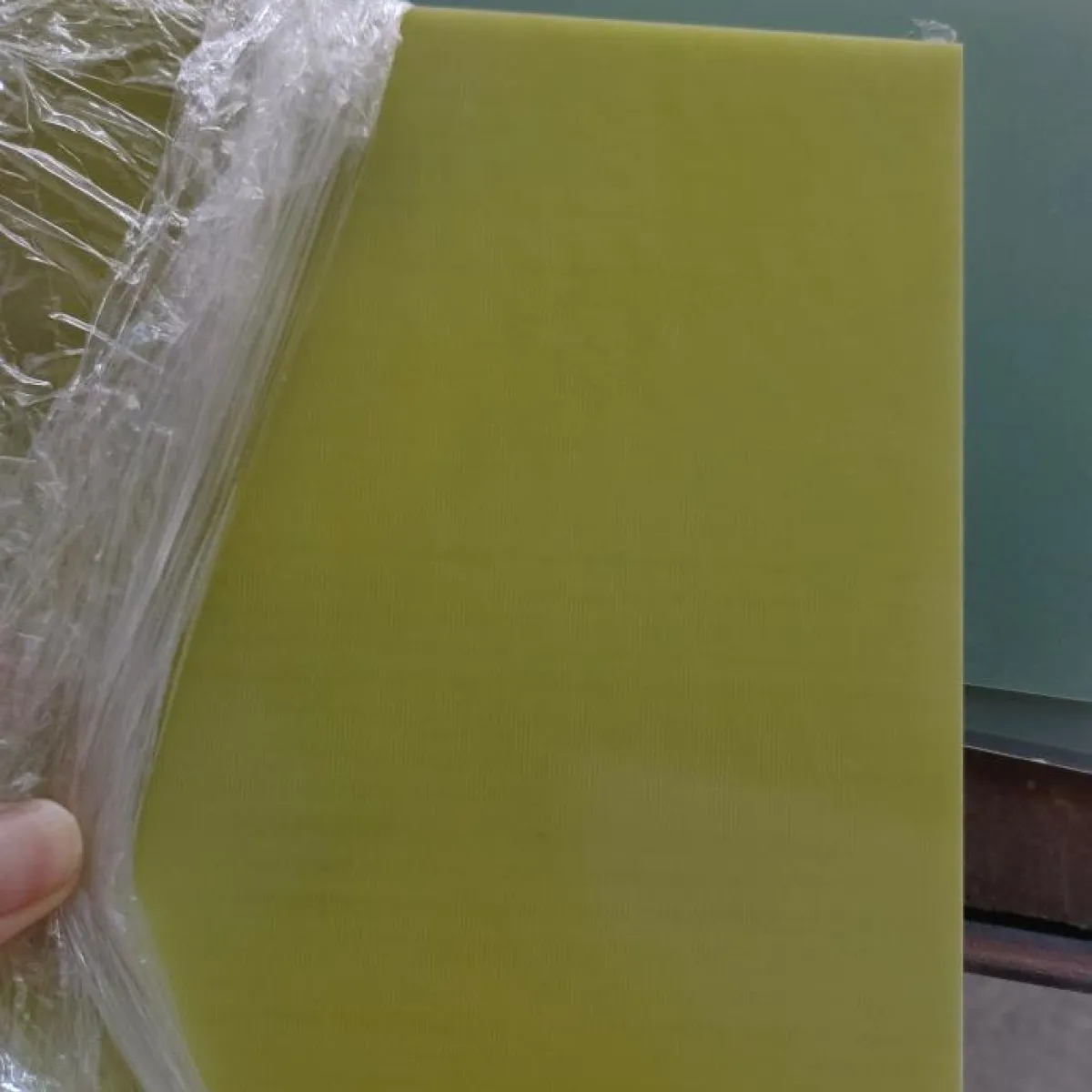
As a Class F insulation material, EPGC 204/FR5 is designed for applications where stable electrical and mechanical performance is required at elevated temperatures. Compared with s
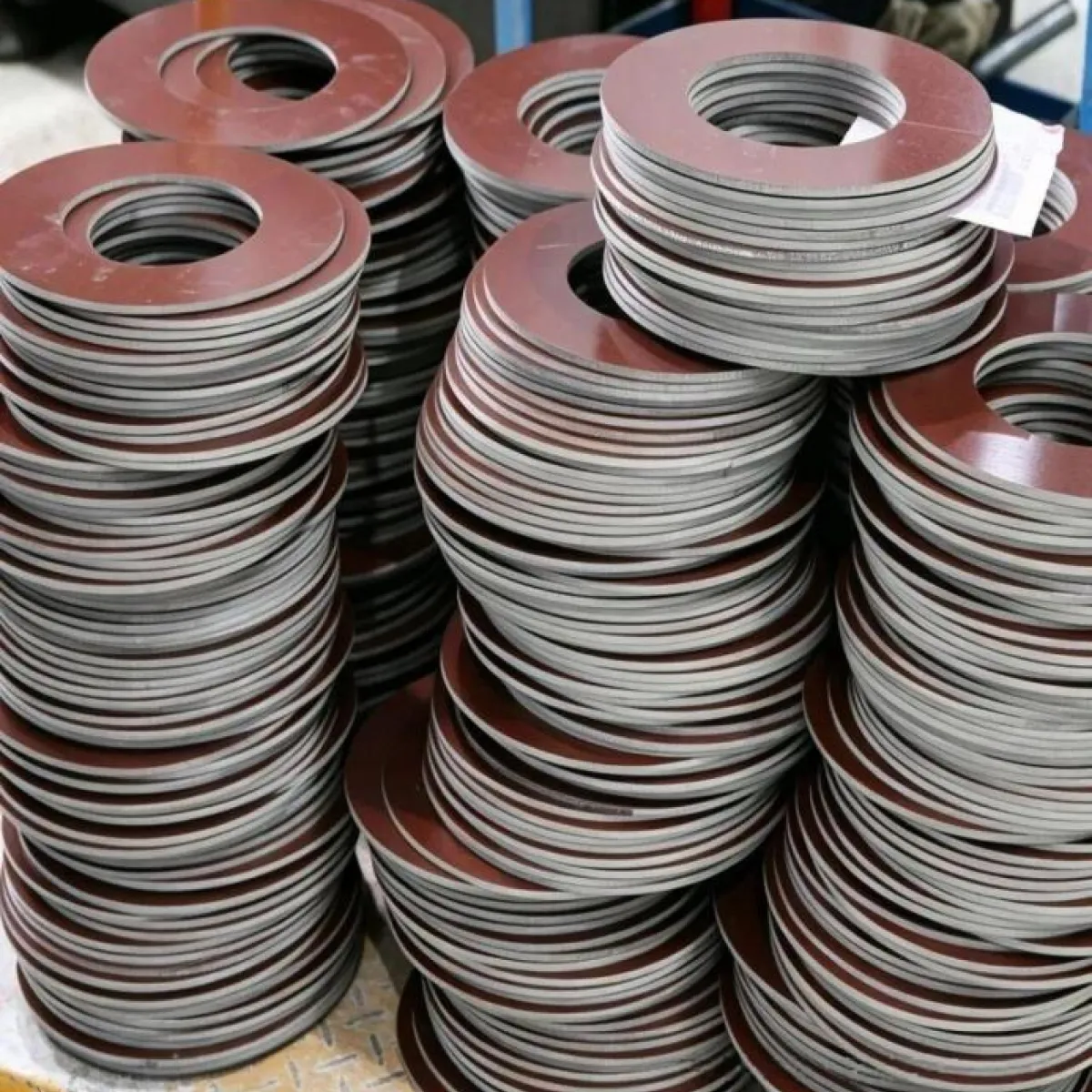
Phenolic Paper Boards are commonly used for electrical insulation plates, spacers, barriers, structural components, switchgear parts, transformer and motor components, tooling appl
Choosing the correct wall thickness is an important part of product selection. The required thickness depends on the tube dimensions, electrical requirements, mechanical loading, o
YILONG INSULATION manufactures phenolic cotton insulation materials for applications where reliable electrical insulation and good mechanical performance are required. Phenolic Cot
PFCP 201 phenolic paper laminated sheet is a widely used electrical insulation material for applications requiring a combination of mechanical strength, electrical insulation and d
It is manufactured from insulating paper impregnated with phenolic resin and formed through a controlled hot winding and curing process. This structure combines the electrical prop
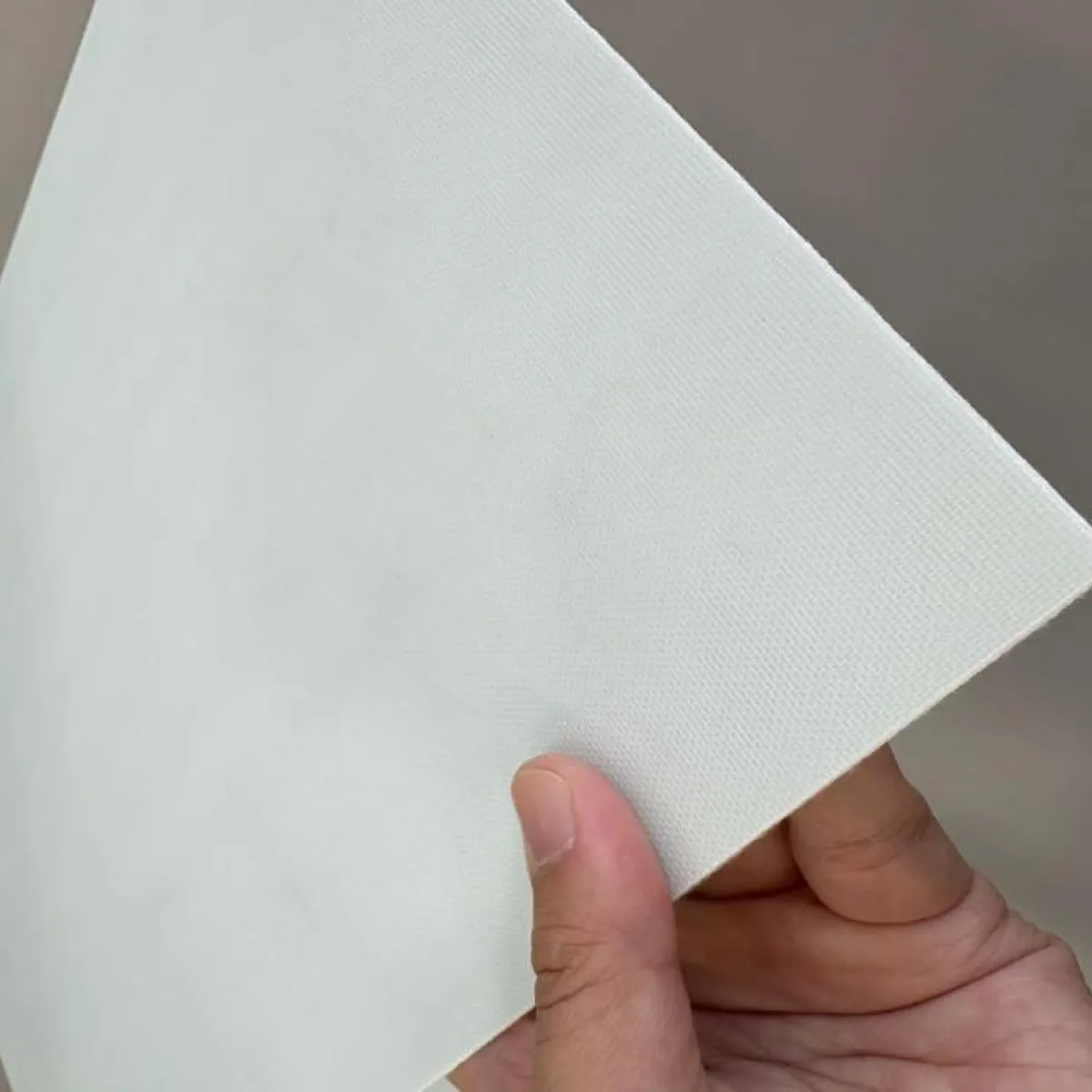
Compared with general-purpose epoxy glass laminates, silicone resin reinforced with glass fabric provides a different balance of thermal, electrical and mechanical properties. Howe
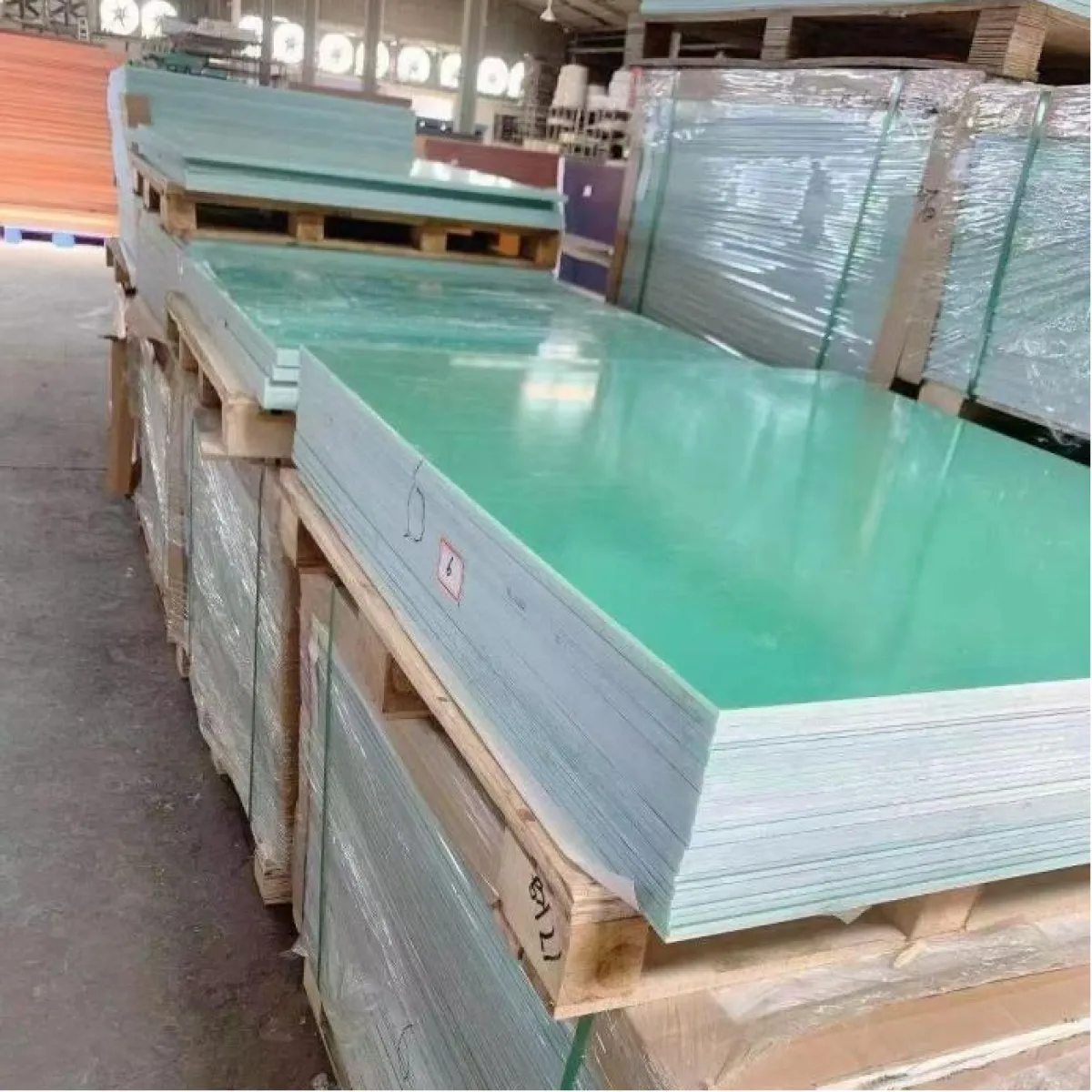
For electrical equipment manufacturers, machinery companies and insulation component suppliers, selecting the right G10 Epoxy Fiberglass Sheet involves more than simply choosing a
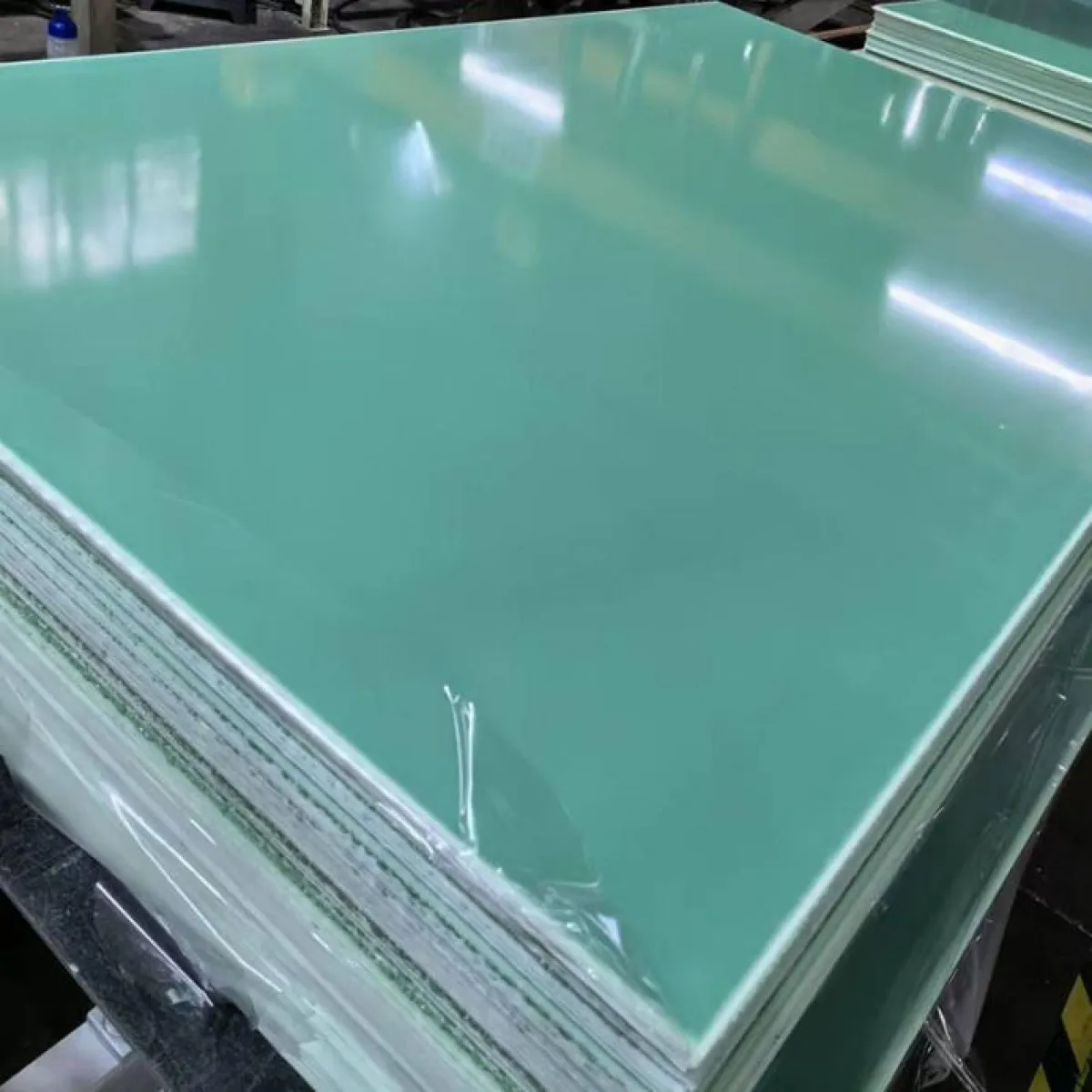
For engineers and purchasers choosing insulating materials, understanding the differences between G10 and G11 can help ensure the right balance of electrical insulation, mechanical

No.3, Mianzhi Street, Zhucheng, Shandong, China


Copyright © 2026 by Qingdao Yilong Insulation Material Company Limited All Rights Reserved


