
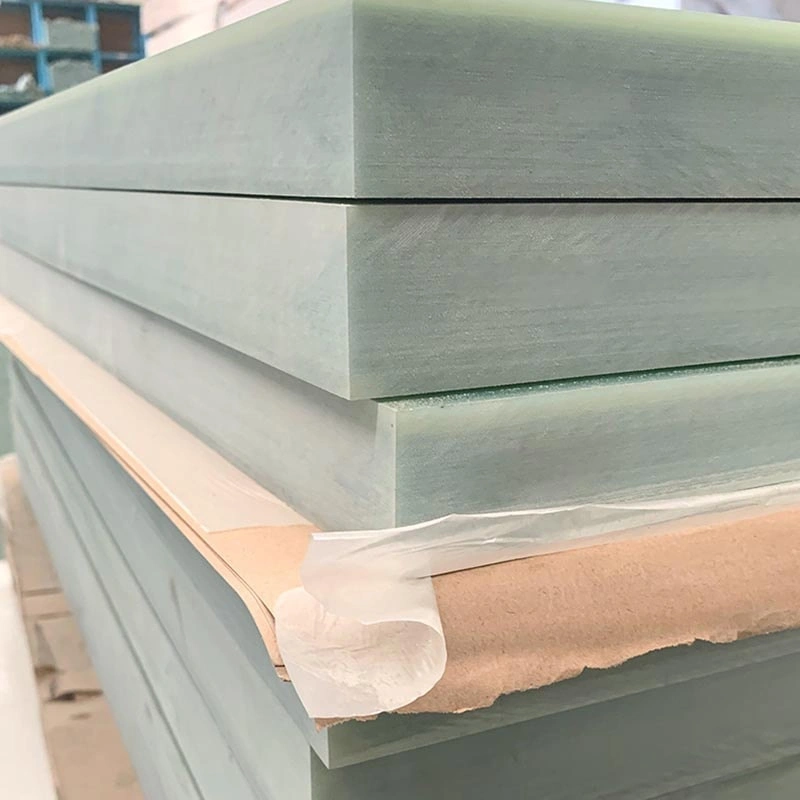
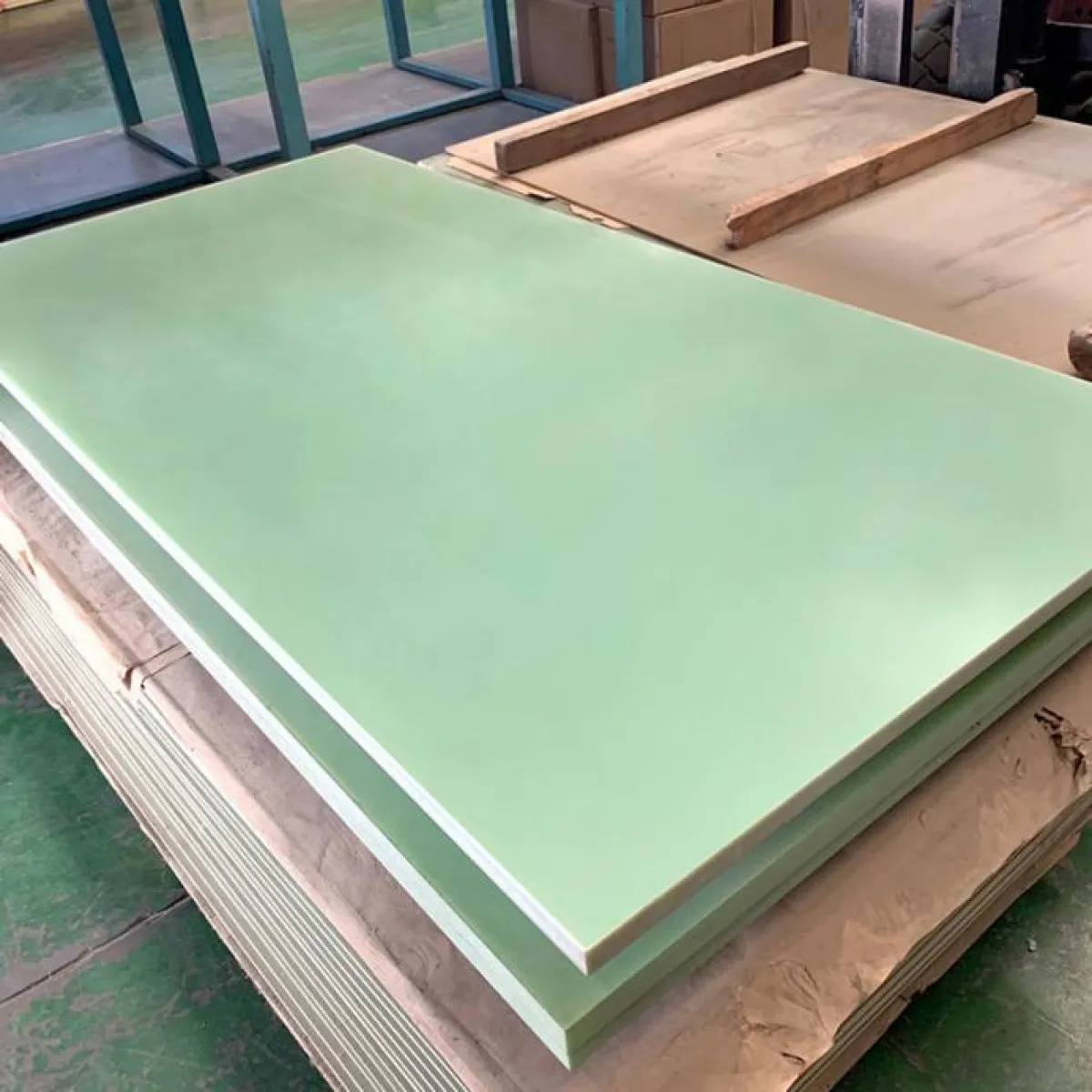
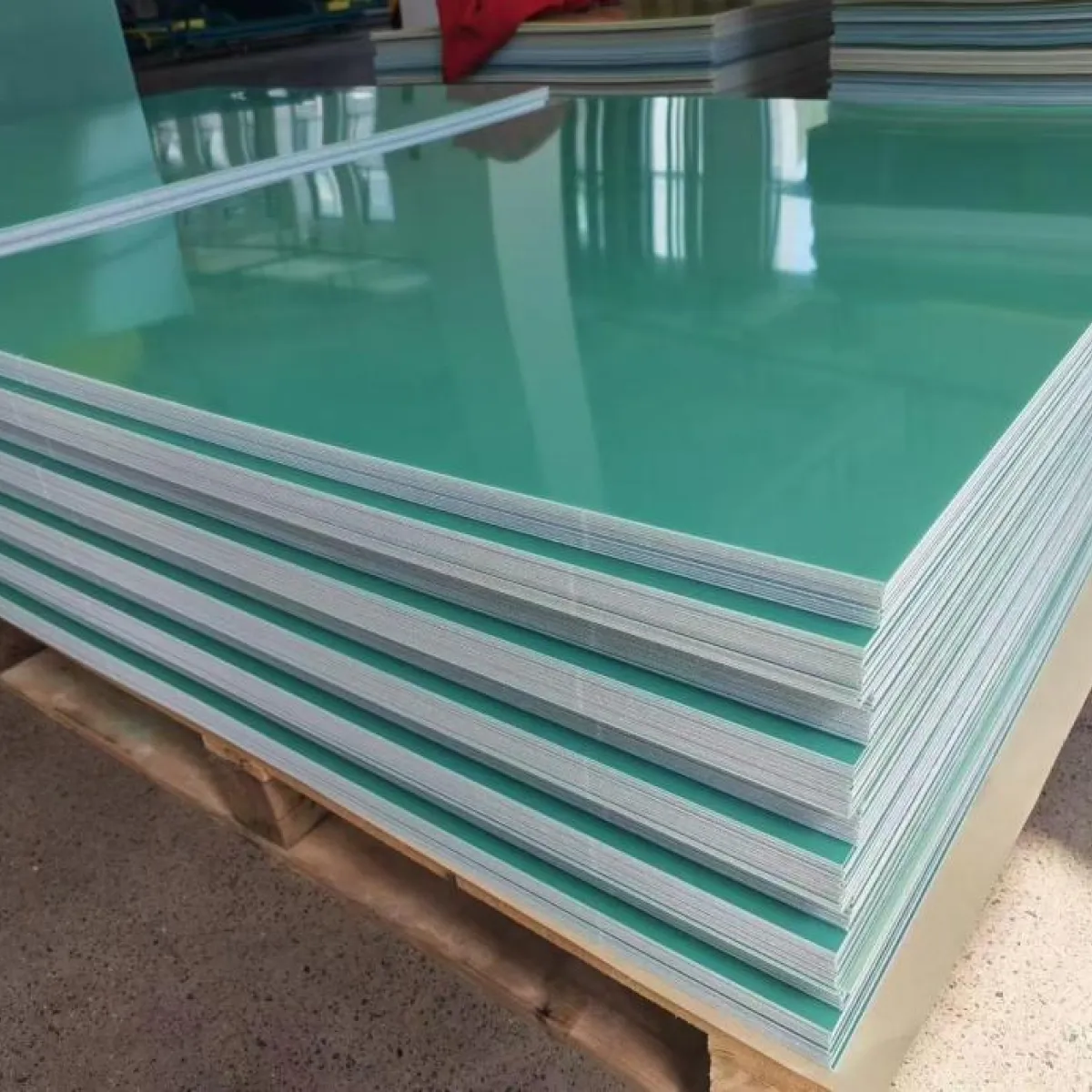
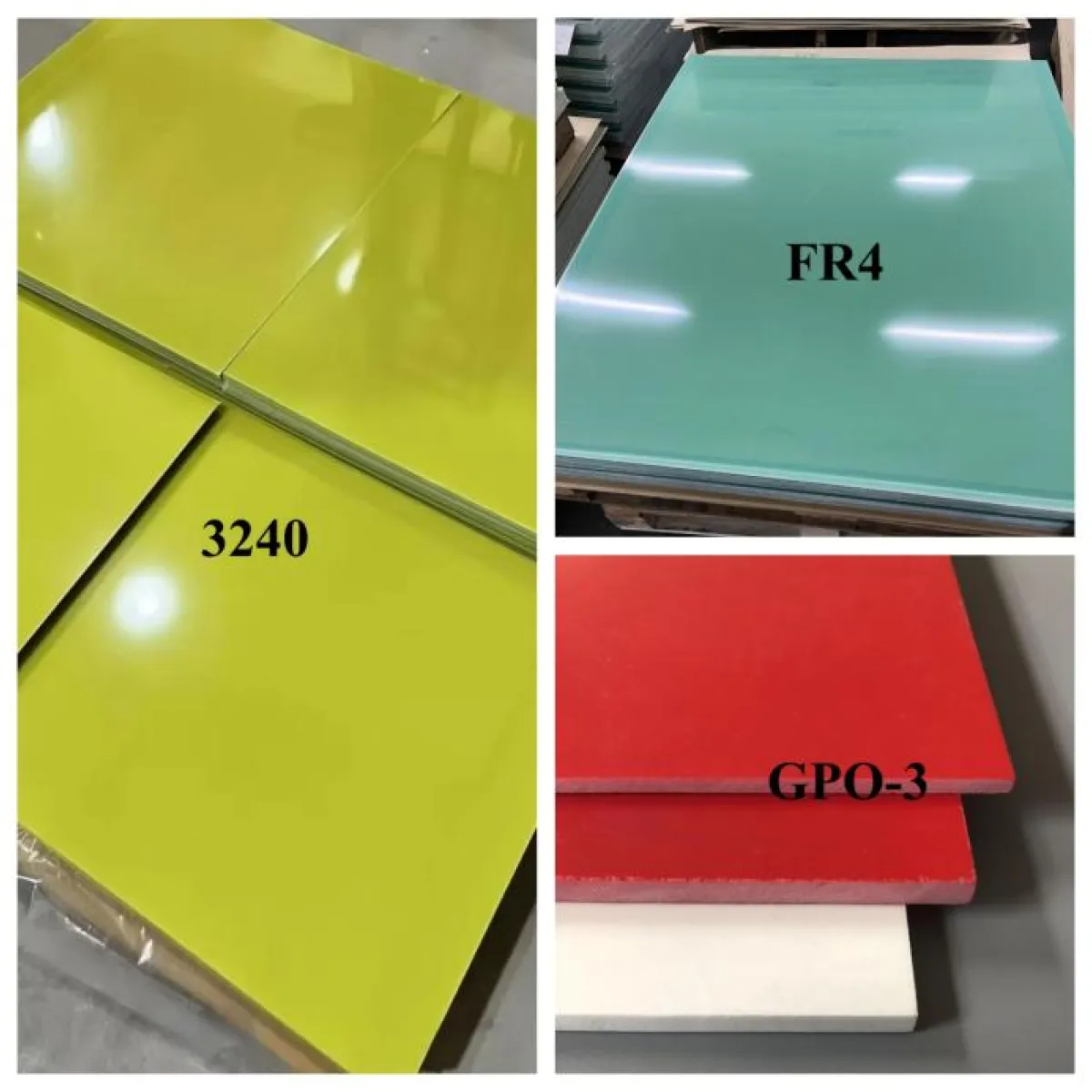
As is well known, Epoxy Glass Sheets are widely used as insulating materials in electronic products. There are many types of Epoxy Glass Sheets, including FR-4, 3240, G11, and G10, each with its own characteristics. For example, G10 has excellent high-temperature resistance, while FR-4 is the most commonly used type. They are available in a variety of colors, including yellow, black, white, and aqua green.
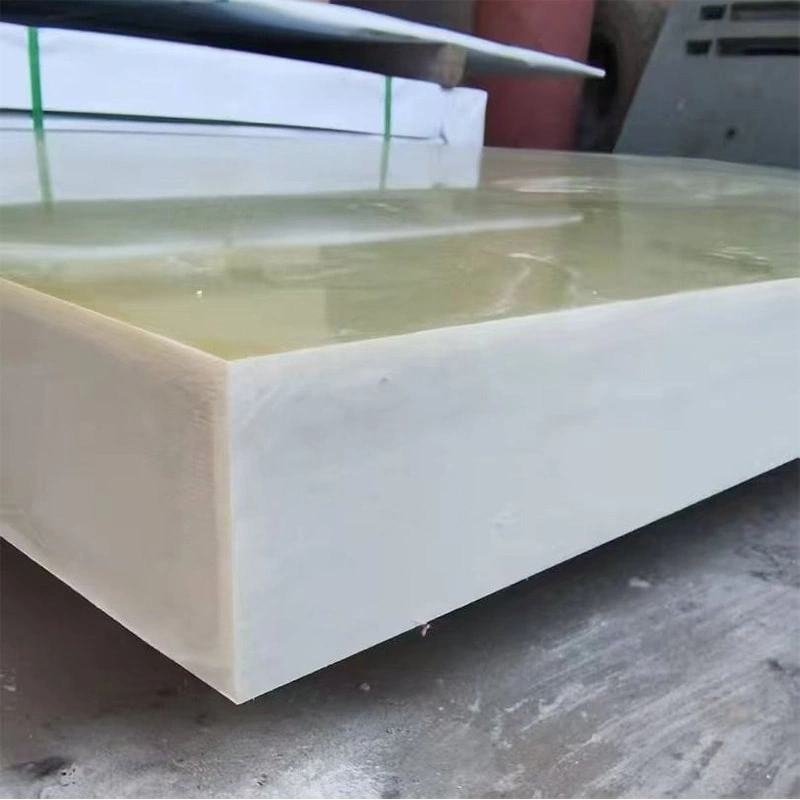
Epoxy board is a type of laminated material mainly composed of epoxy resin adhesive combined with substrates such as paper or cotton fabric. There are many types of Epoxy Glass Sheets, including 3240 epoxy board, G11 epoxy board, G10 epoxy board, and FR-4 epoxy board. Although they are similar in structure, their performance differs in details. Today, Epoxy Glass Sheets can be regarded as indispensable components in electronic products. They can be used as mold plates and insulating clamping plates in electronic equipment. Some special epoxy resin boards can even be processed into thin and lightweight products such as mobile phone covers. Because Epoxy Glass Sheets are such important components, defective products inevitably appear in the market.
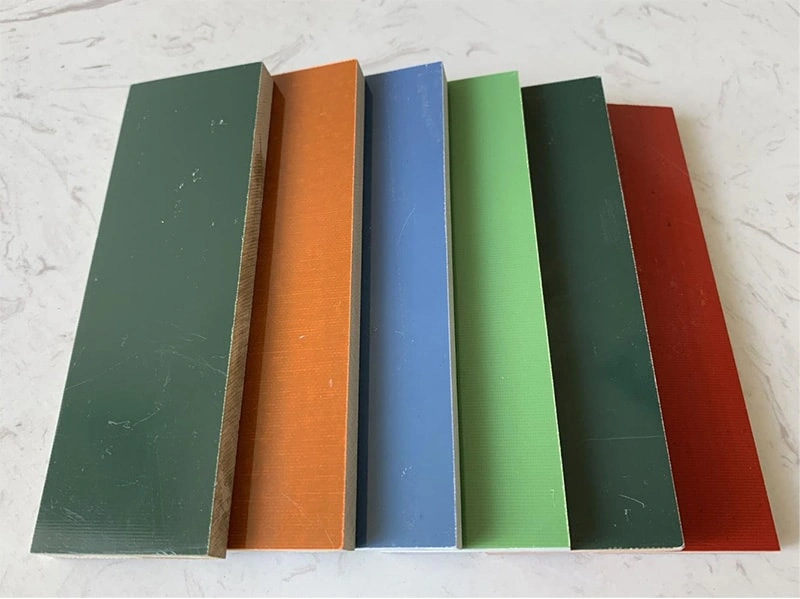
So, how can we evaluate the quality of Epoxy Glass Sheets? First of all, we should examine the appearance. The surface of an epoxy board should be smooth and flat. Any dents, scratches, or other visible marks indicate defects.
Similarly, the cross-section should be neat and well-finished. Poorly processed edges may have burrs and feel rough to the touch. Epoxy Glass Sheets come in colors such as aqua green, yellow, black, and white, and the color should be uniform and rich. YILONG Epoxy boards have high strength and good toughness. When testing their performance, you can try bending or applying force to them. If the board is brittle and easily breaks, its quality is certainly poor. Epoxy Glass Sheets are waterproof and resistant to chemical corrosion, allowing them to function normally in humid environments. Therefore, this can also be used to evaluate their performance. As an insulating material, Epoxy Glass Sheets must maintain good insulation properties and remain non-conductive even under harsh conditions.
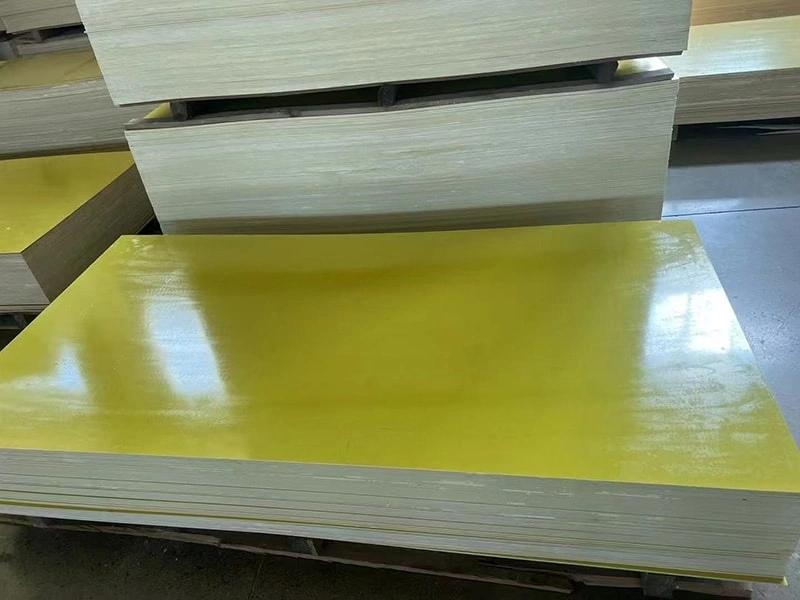
In general, the quality of Epoxy Glass Sheets depends largely on the factors mentioned above. Good-quality boards feature an attractive appearance and excellent physical and chemical properties. Many inferior Epoxy Glass Sheets can be identified through visual inspection. In a mixed market, when purchasing any product, it is important to understand relevant knowledge in order to avoid being misled.
In plastic molds, Epoxy Glass Sheets are commonly used as thermal insulation plates. By adding Epoxy Glass Sheets of the same size as the base plate to the front and rear clamping plates of the mold, thermal insulation and energy saving can be achieved. The function of Epoxy Glass Sheets is to manufacture insulating components in electronic products, such as transformers, DC motors, and switchgear. Electronic products can only operate when powered, and most internal components are conductive. If these conductive components are mixed together, they cannot be properly separated, resulting in high resistance and a high risk of short circuits. Therefore, appropriate insulating components must be added. Epoxy Glass Sheets not only provide insulation, but also support various components inside electronic devices, preventing them from being disorganized. Epoxy Glass Sheets are waterproof and resistant to corrosion, enabling them to operate in humid environments. Electronic products are generally sensitive to moisture, but epoxy resin materials are not significantly affected.
In general, epoxy board materials consist of a matrix, reinforcing agents dispersed within the matrix, and the interface between them. The properties of each component, their relative content, interfacial bonding, geometric structure, distribution, and spatial orientation all influence the performance of Epoxy Glass Sheets. The matrix is the continuous phase in epoxy board materials. It binds the dispersed reinforcing agents into a unified whole and protects them. In the structure of epoxy board materials, the matrix is not the primary load-bearing component, but it plays a role in transferring stress to the reinforcement. However, in certain epoxy board materials, the matrix has a significant influence on interlaminar shear strength and in-plane shear performance. Under compressive loads, the matrix also provides support, helps prevent buckling, and affects compressive strength. From a functional perspective, the environmental resistance, electromagnetic properties, and thermal performance of the matrix make important contributions to the overall performance of epoxy board materials.
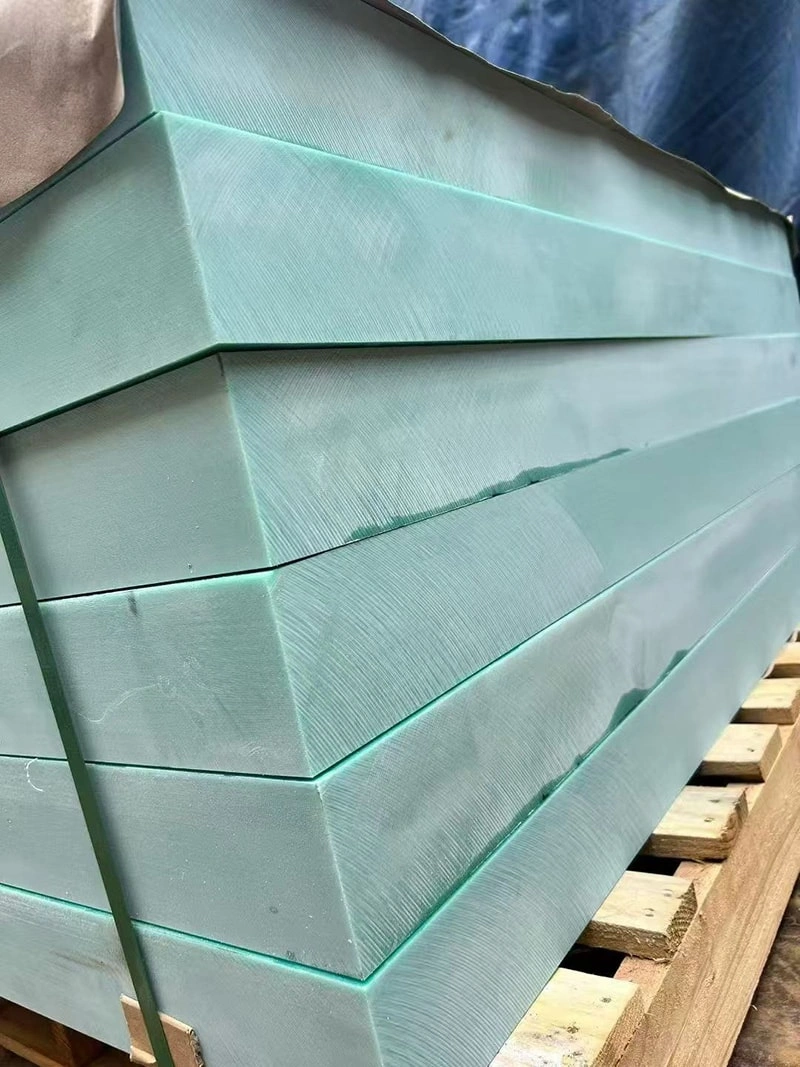
9. Why Choose YILONG
YILONG is a professional manufacturer and supplier of high-performance insulation materials, committed to providing reliable epoxy board solutions for global customers.
Our advantages include:
Strict quality control system to ensure stable and consistent product performance
Wide product range including FR-4, G10, G11, and 3240 epoxy sheets
Custom processing services such as cutting, machining, and fabrication
Competitive pricing with efficient production and supply chain management
Export experience to over 30 countries across Europe, North America, and Asia
We focus on delivering durable, high-quality insulation materials that meet international standards and customer-specific requirements.
If you are looking for a reliable epoxy board supplier, feel free to contact us:
Email: yilong@yilonginsulation.com
Website: www.yilonginsulation.com
We welcome your inquiries and look forward to long-term cooperation.
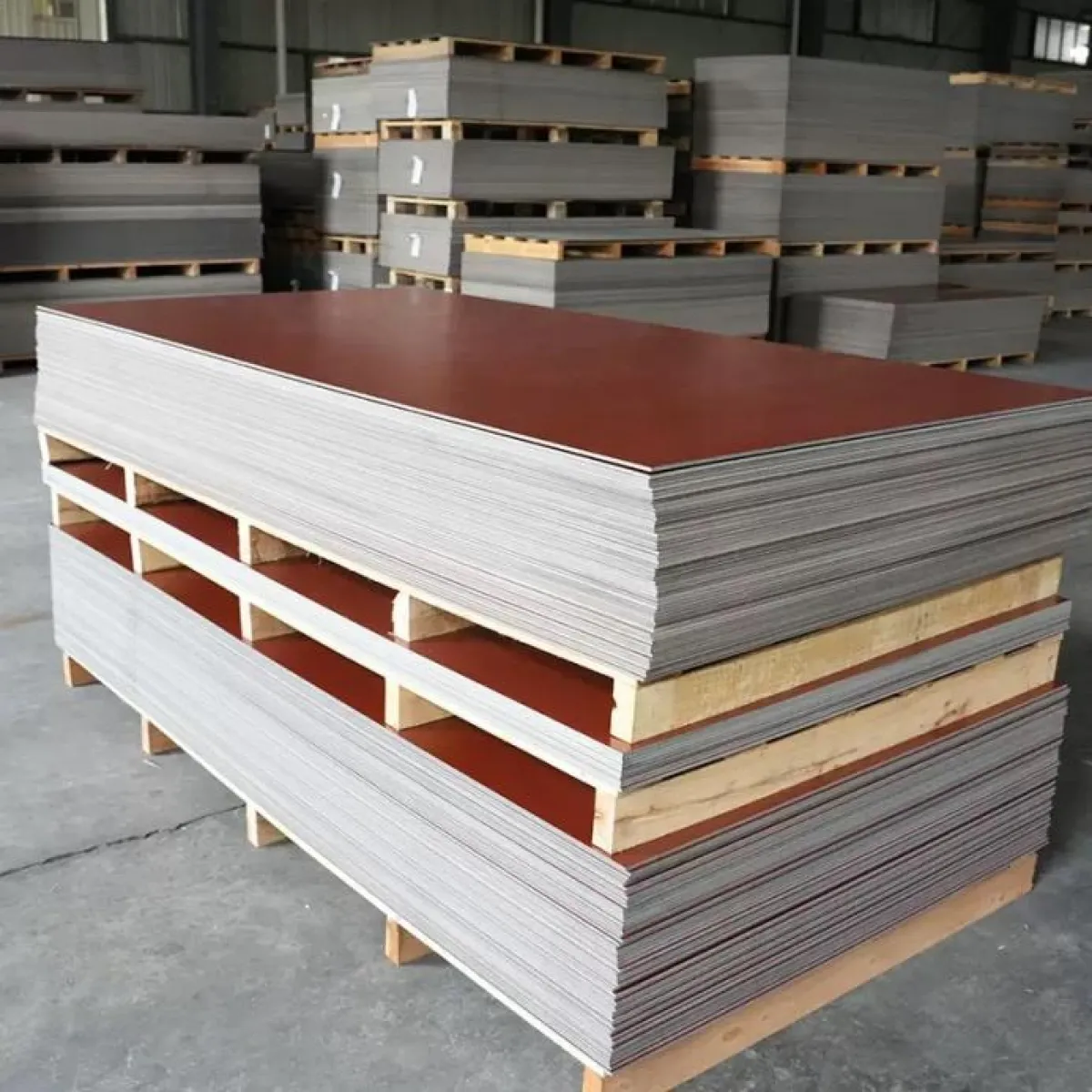
PFCP201 is manufactured using high-quality insulating paper impregnated with phenolic resin. After the raw materials are carefully inspected, the paper is passed through an automat
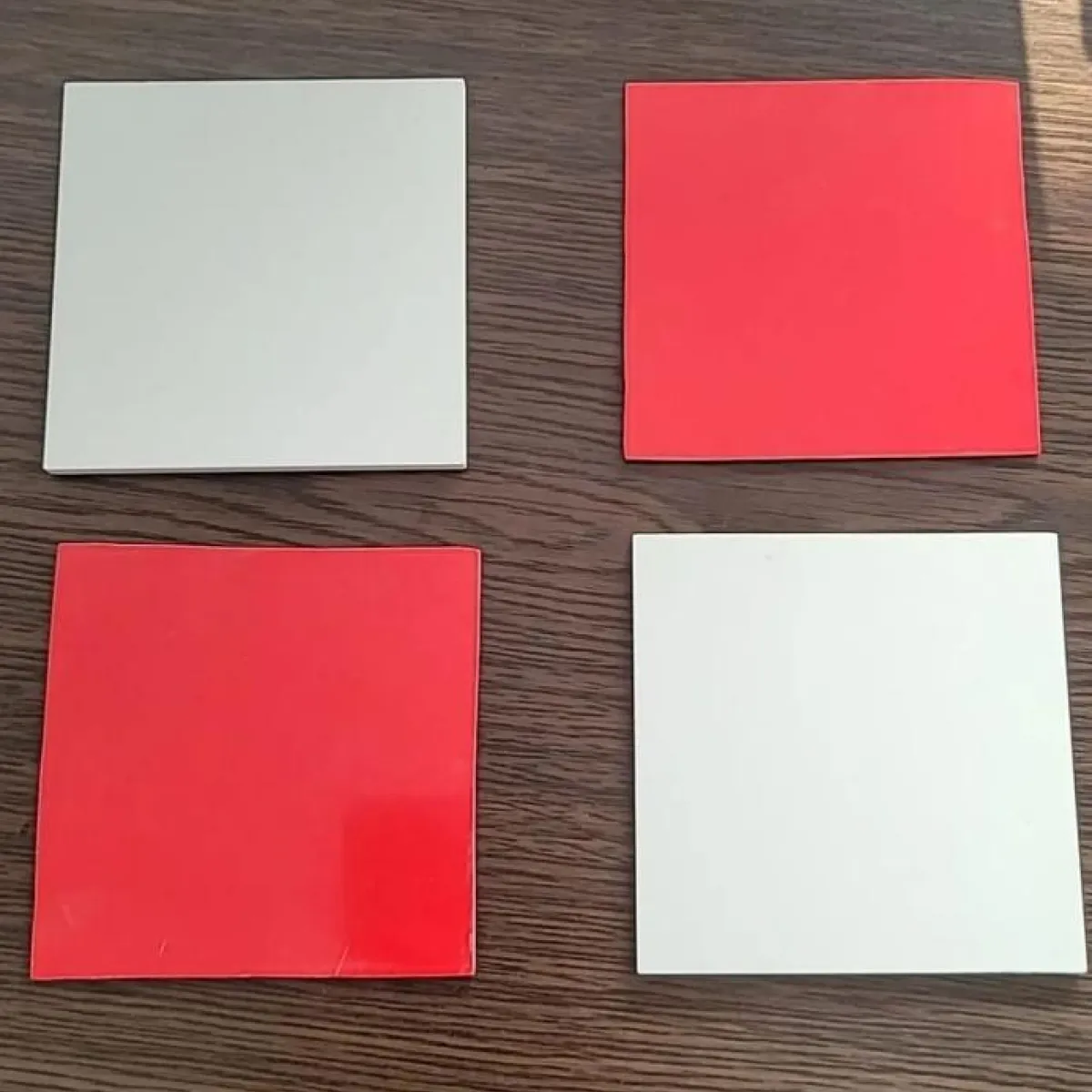
GPO-3 insulation board, also known as UPGM-203, is a rigid electrical insulation material made from alkali-free glass fiber mat impregnated with unsaturated polyester resin and pro
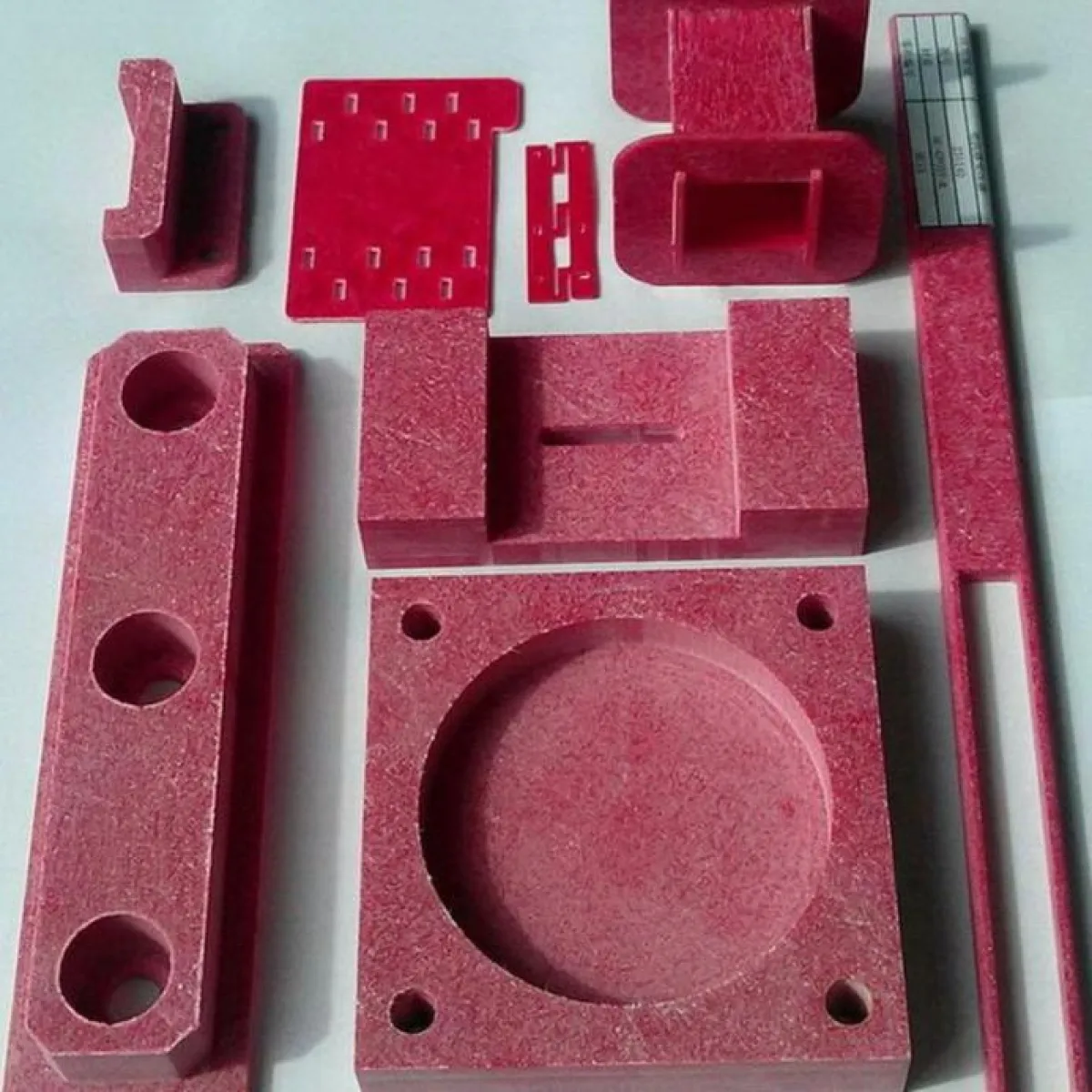
Compared with many conventional insulation materials, GPO-3 offers two particularly important advantages: strong resistance to heat and moisture, and stable electrical insulation p
However, selecting a cryogenic insulation material based only on its standard properties may not be enough. In actual service, continuous immersion, concentrated mechanical loads,

Silicone Glass Cloth Sheet (G7) combines silicone resin with glass fiber cloth to provide a balance of high-temperature resistance, electrical insulation, mechanical strength, and
These properties make EPGC308 particularly suitable for electrical equipment operating under high temperature, high humidity and high-voltage conditions.
Understanding these differences can help engineers and buyers select the most suitable insulation material for their specific operating conditions.
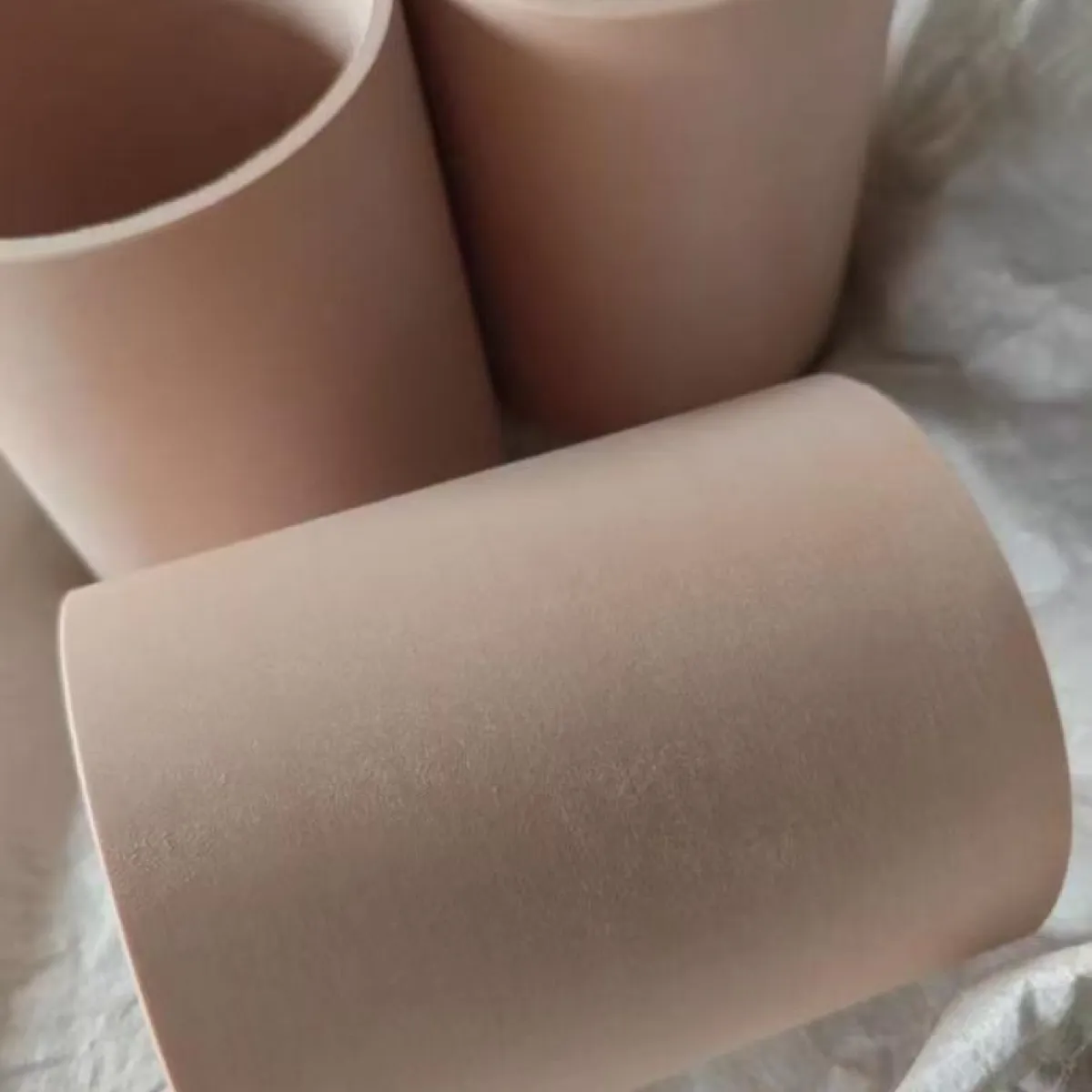
Phenolic Cotton Tube boasts multiple prominent competitive strengths for industrial use. It features extraordinary insulating performance: fully non-conductive, anti-static, and st
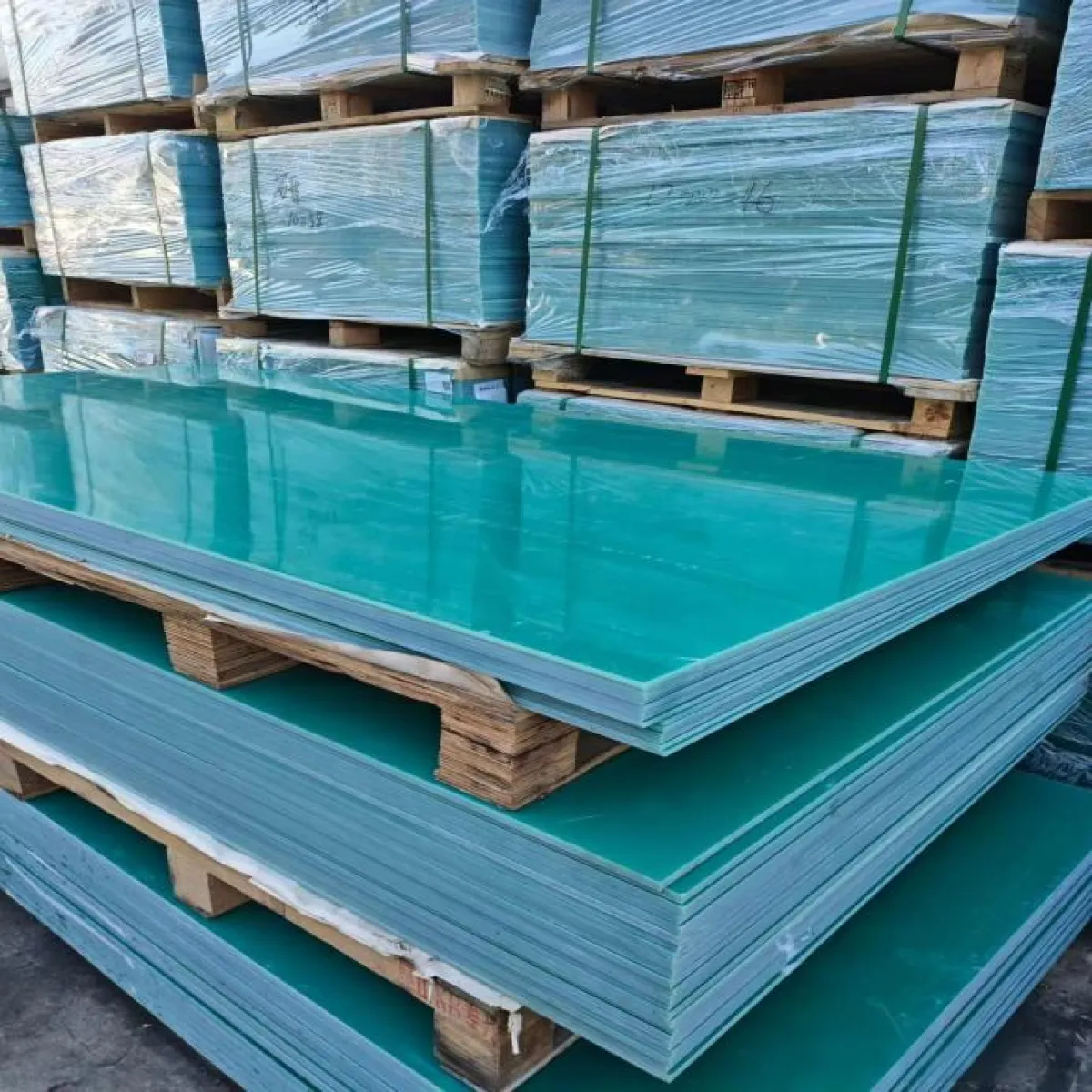
First let us look at its regular uses. In power plants, substations, power distribution rooms and other sites, Insulation Laminated Board is commonly laid on floors to avoid electr
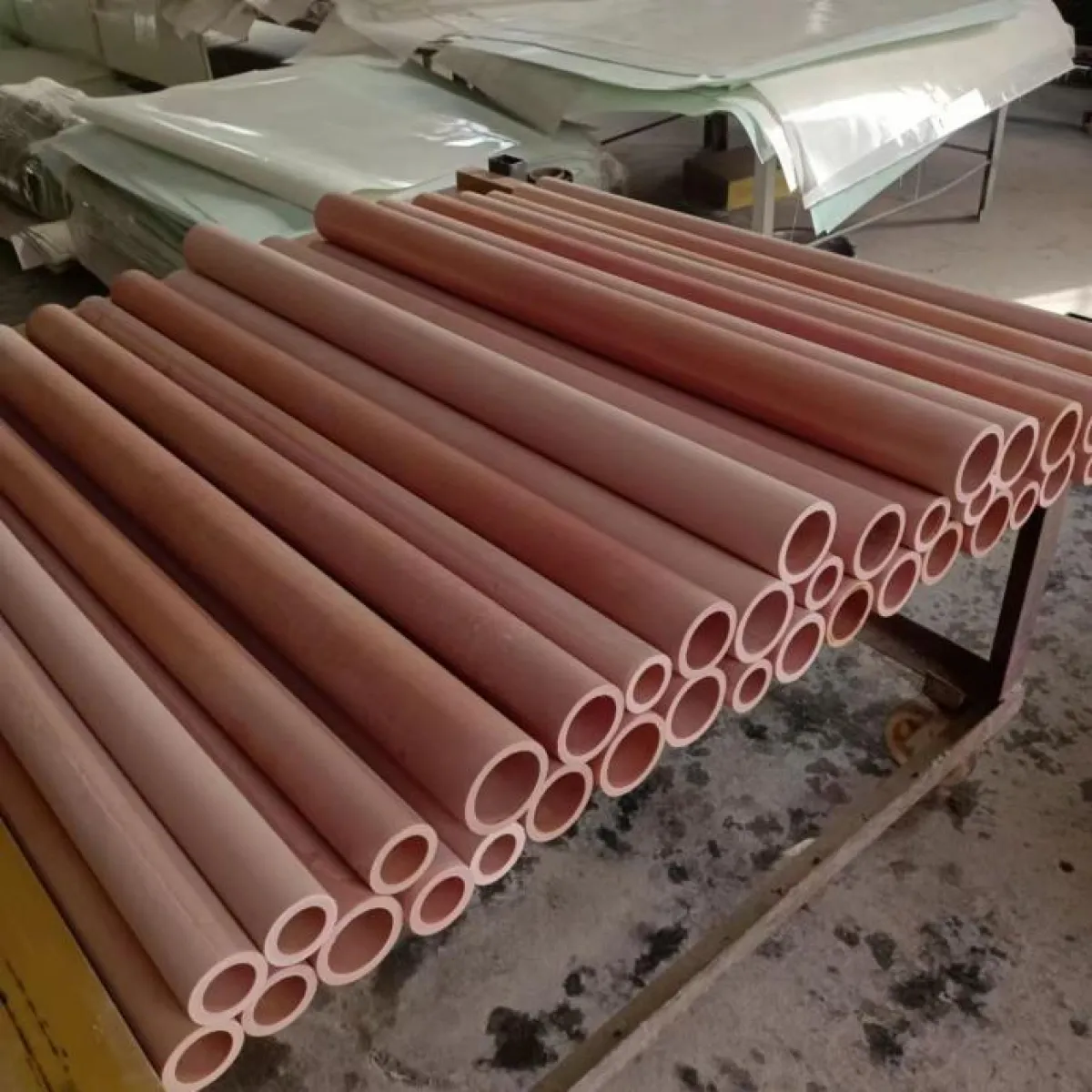
From the perspective of composite materials, Phenolic Cloth Tube is not made of a single substance, but formed by combining thermosetting phenolic resin with reinforcing materials

No.3, Mianzhi Street, Zhucheng, Shandong, China





Copyright © 2026 by Qingdao Yilong Insulation Material Company Limited All Rights Reserved