
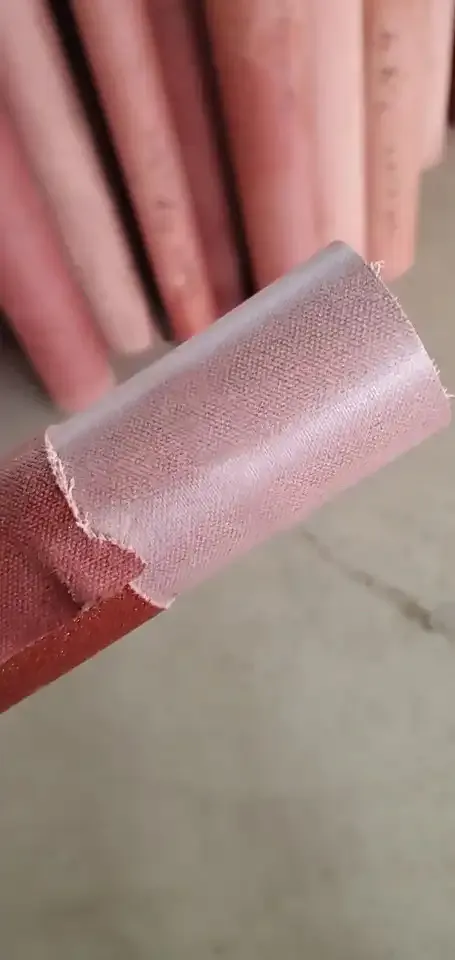
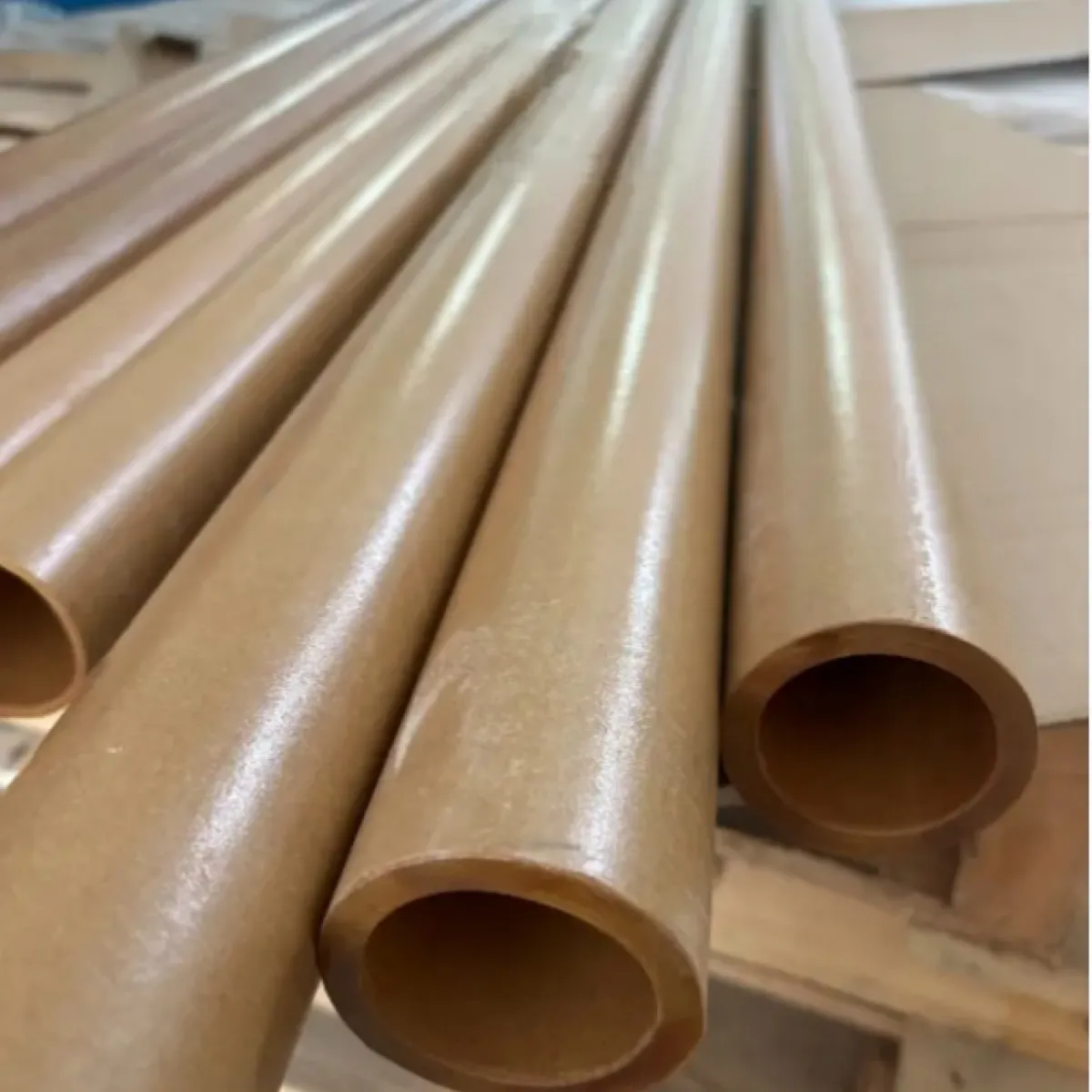
Phenolic Cotton Tubes are thermosetting laminated insulation materials widely used in electrical, mechanical and industrial applications. Made from cotton fabric impregnated with phenolic resin, they combine electrical insulation with good mechanical strength, wear resistance and machinability.
Choosing the correct wall thickness is an important part of product selection. The required thickness depends on the tube dimensions, electrical requirements, mechanical loading, operating conditions and final machining requirements.
What Are Phenolic Cotton Tubes?
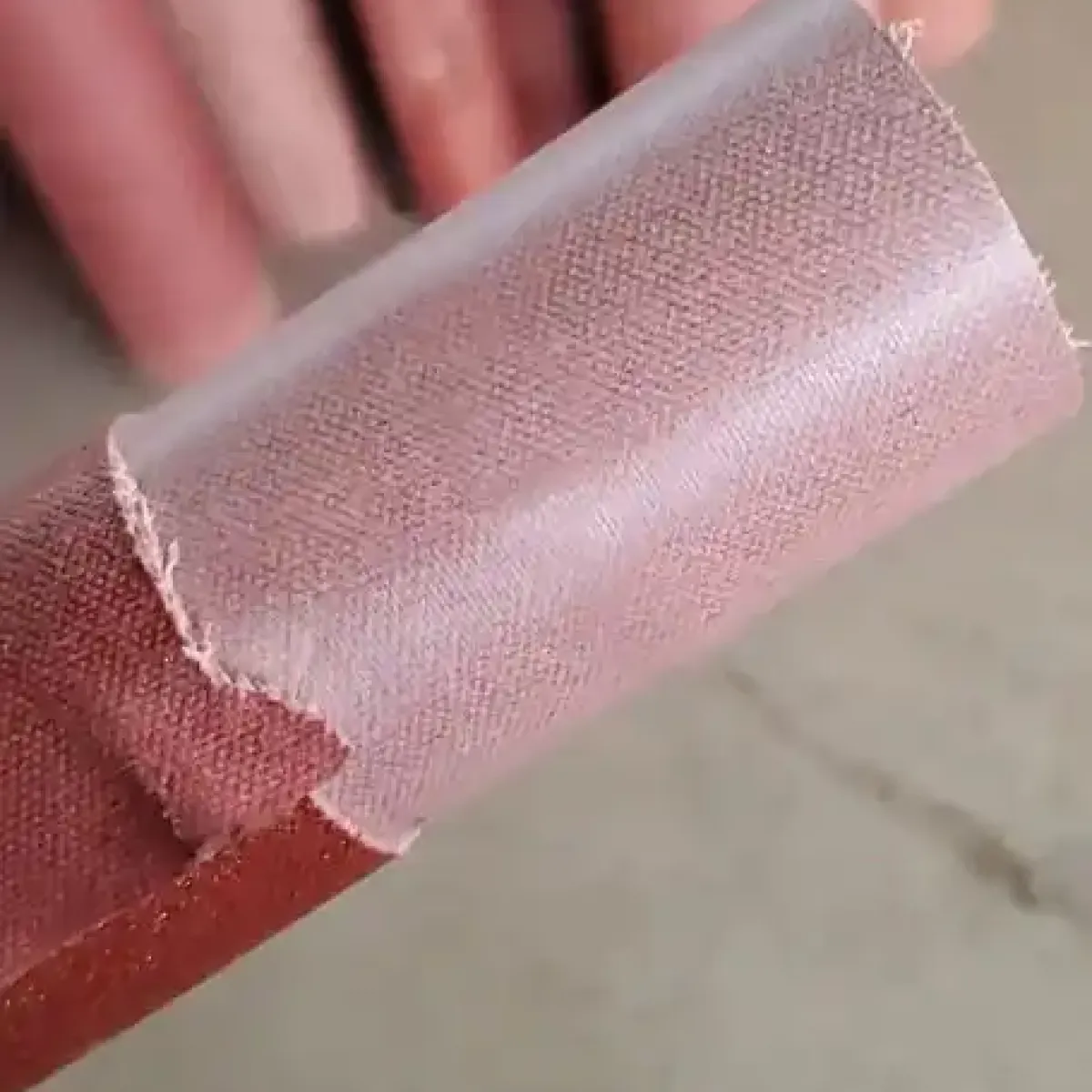
Phenolic Cotton Tubes are manufactured by impregnating electrical-grade cotton fabric with phenolic resin and forming the impregnated material into a tubular structure through controlled winding, heating and curing processes.
The cotton fabric provides reinforcement and mechanical strength, while the phenolic resin forms the thermosetting matrix. The resulting laminate has a dense structure and can be machined into different insulating and mechanical components.
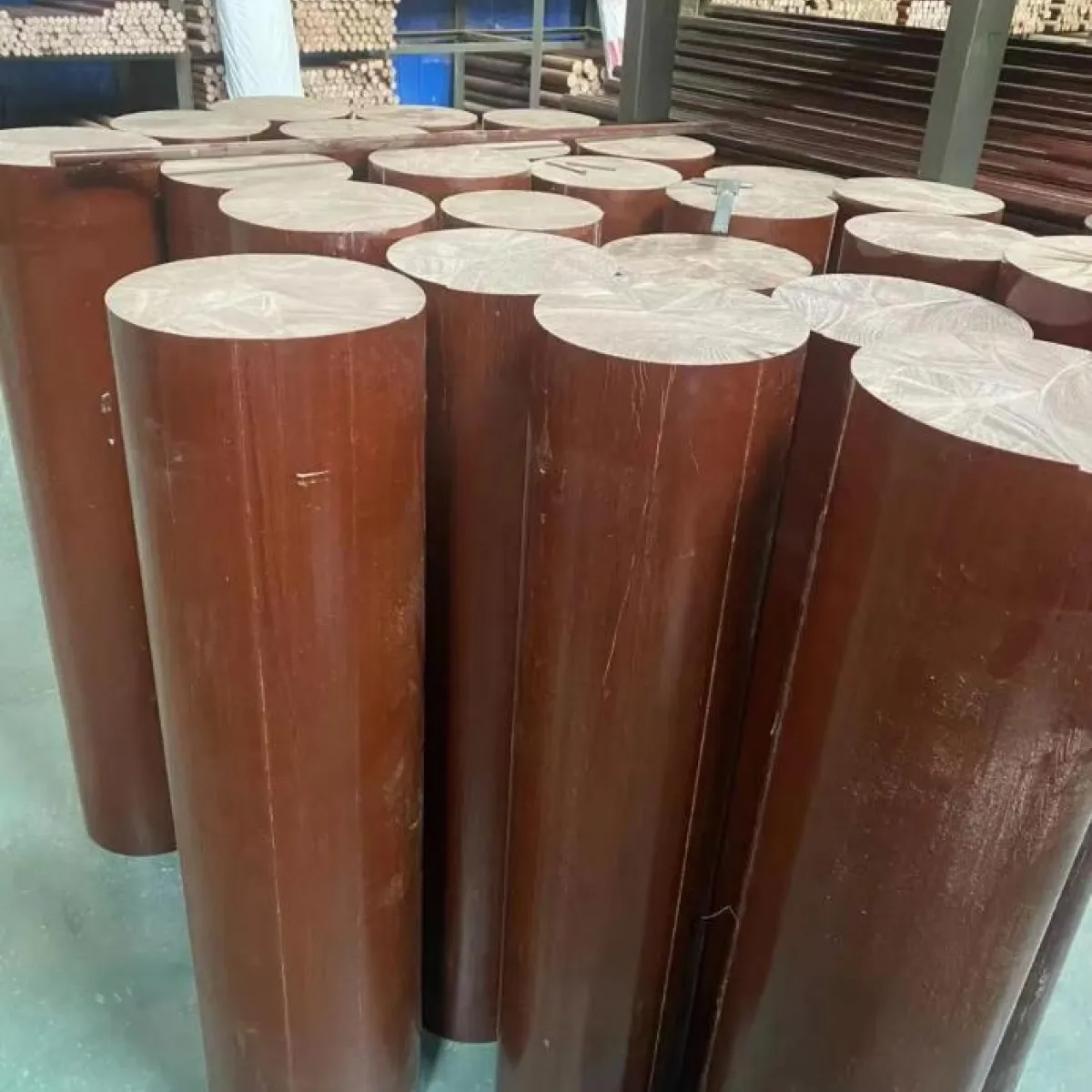
The material is commonly available in brown or reddish-brown colors, depending on the grade and manufacturing process. Its hard and compact structure makes it suitable for applications requiring both insulation and mechanical support.
Key Properties
Electrical Insulation
The material provides good electrical insulation under appropriate operating conditions. It can be used for insulating sleeves, supports, spacers and structural components in electrical equipment.
For high-voltage applications, wall thickness should not be selected based on voltage alone. The complete insulation system, dielectric requirements, clearances, creepage distances and applicable standards should also be considered.
Mechanical Strength
Cotton fabric reinforcement gives the laminate good mechanical strength and rigidity. This makes it suitable for applications where the insulating component is also exposed to mechanical loads.
For components subject to bending, compression or vibration, the required wall thickness should be evaluated together with tube diameter, length and loading conditions.
Wear Resistance
The material offers good resistance to mechanical wear and friction in suitable applications. It can therefore be machined into bushings, sleeves, washers, spacers and other mechanical components.
Actual wear performance depends on factors such as load, speed, mating material, surface condition and operating environment.
Machinability
One of the practical advantages of phenolic cotton laminate is its machinability. Depending on the finished component, operations such as turning, drilling, milling, cutting and grinding can be used.
This allows manufacturers to produce customized components according to drawings and specific dimensional requirements.
How to Choose the Wall Thickness
Wall thickness should be determined according to the actual working conditions rather than simply selecting the thickest available tube.
Electrical Requirements
For insulation applications, the required thickness is related to working voltage, dielectric requirements and the overall insulation design.
A thicker wall does not automatically mean a better insulation system. The complete electrical design should be evaluated to determine the appropriate dimensions.
Mechanical Requirements
For mechanically loaded components, wall thickness has a direct influence on stiffness and structural strength.
Applications involving compression, bending or repeated loading may require a thicker wall. The tube diameter, unsupported length and type of load should be considered at the same time.
Inside and Outside Diameter
The relationship between outside diameter, inside diameter and wall thickness is also important.
For example, a tube with a large outside diameter and relatively thin wall may behave differently from a smaller tube with the same wall thickness. Therefore, dimensions should always be evaluated as a complete set rather than considering thickness separately.
Machining Allowance
If the tube will be machined after production, additional material may be required to achieve the final dimensions.
For precision components, the initial wall thickness should allow sufficient material for turning, drilling, grinding or other machining operations while maintaining the required structural strength.
Typical Applications
Electrical Equipment
The material can be used for insulating sleeves, supports, spacers and structural insulation components in electrical equipment, switchgear and power distribution systems.
Motors and Generators
Machined components can be used in motors and generators where electrical insulation and mechanical strength are required. Typical parts include sleeves, spacers and other structural insulation components.
Mechanical Components
The combination of strength, wear resistance and machinability makes the material suitable for bushings, washers, spacers, guides and other mechanical parts.
Industrial Machinery
It can also be used in machinery and production equipment where an insulating and machinable material is required.
Oil-Immersed Applications
Certain grades are suitable for use in transformer oil and other oil-immersed electrical applications. Suitability should be confirmed according to the selected grade, temperature, oil environment and electrical requirements.
Standard and Customized Dimensions
The required dimensions normally include outside diameter, inside diameter, wall thickness and length. The appropriate combination depends on the application and final component design.
For customized requirements, customers can provide technical drawings or dimensional specifications. YILONG can evaluate the material grade, tube dimensions and machining requirements according to the intended application.
For components requiring close tolerances, dimensional requirements should be confirmed before production so that the manufacturing and machining processes can be properly planned.
Machining Considerations
Phenolic cotton laminate can be processed using conventional machining methods. Turning, drilling, milling, cutting and grinding may be selected according to the final component geometry.
During machining, appropriate tools and parameters should be used to minimize edge chipping, dimensional variation and surface defects. Suitable dust collection and workplace protection are also recommended.
For customized parts, YILONG can review customer drawings and recommend a suitable machining approach based on the material grade and final dimensions.
Why Select Phenolic Cotton Tubes?
Phenolic Cotton Tubes provide a practical combination of electrical insulation, mechanical strength, wear resistance and machinability. They are suitable for applications where an insulating material must also withstand mechanical loads or be processed into customized components.
The correct wall thickness should always be determined according to the actual application. Electrical requirements, mechanical loads, tube dimensions, machining allowance and operating conditions should all be considered before production.
YILONG Phenolic Cotton Tubes
YILONG INSULATION manufactures phenolic and epoxy laminated insulation materials for electrical, mechanical and industrial applications.
YILONG can supply standard and customized tube dimensions according to customer requirements. For a specific project, customers can provide the outside diameter, inside diameter, length, required wall thickness, tolerance and application conditions for technical evaluation.
For customized insulation tubes or machined components, please contact YILONG INSULATION with your drawing or technical specifications.
YILONG INSULATION
Website: https://www.yilonginsulation.com/
Email: yilong@yilonginsulation.com
WhatsApp: +86 15866869385
Choosing the correct wall thickness is an important part of product selection. The required thickness depends on the tube dimensions, electrical requirements, mechanical loading, o
YILONG INSULATION manufactures phenolic cotton insulation materials for applications where reliable electrical insulation and good mechanical performance are required. Phenolic Cot
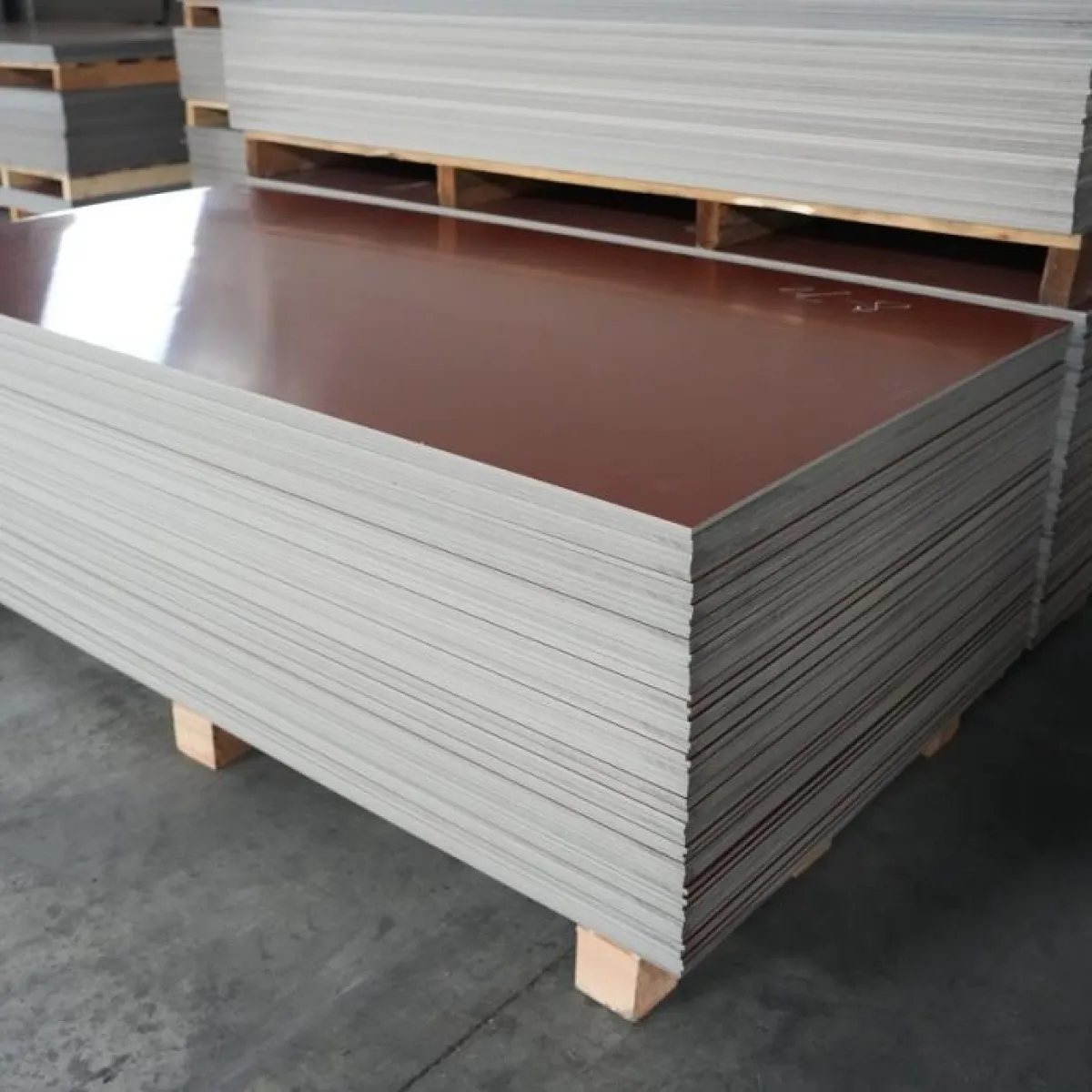
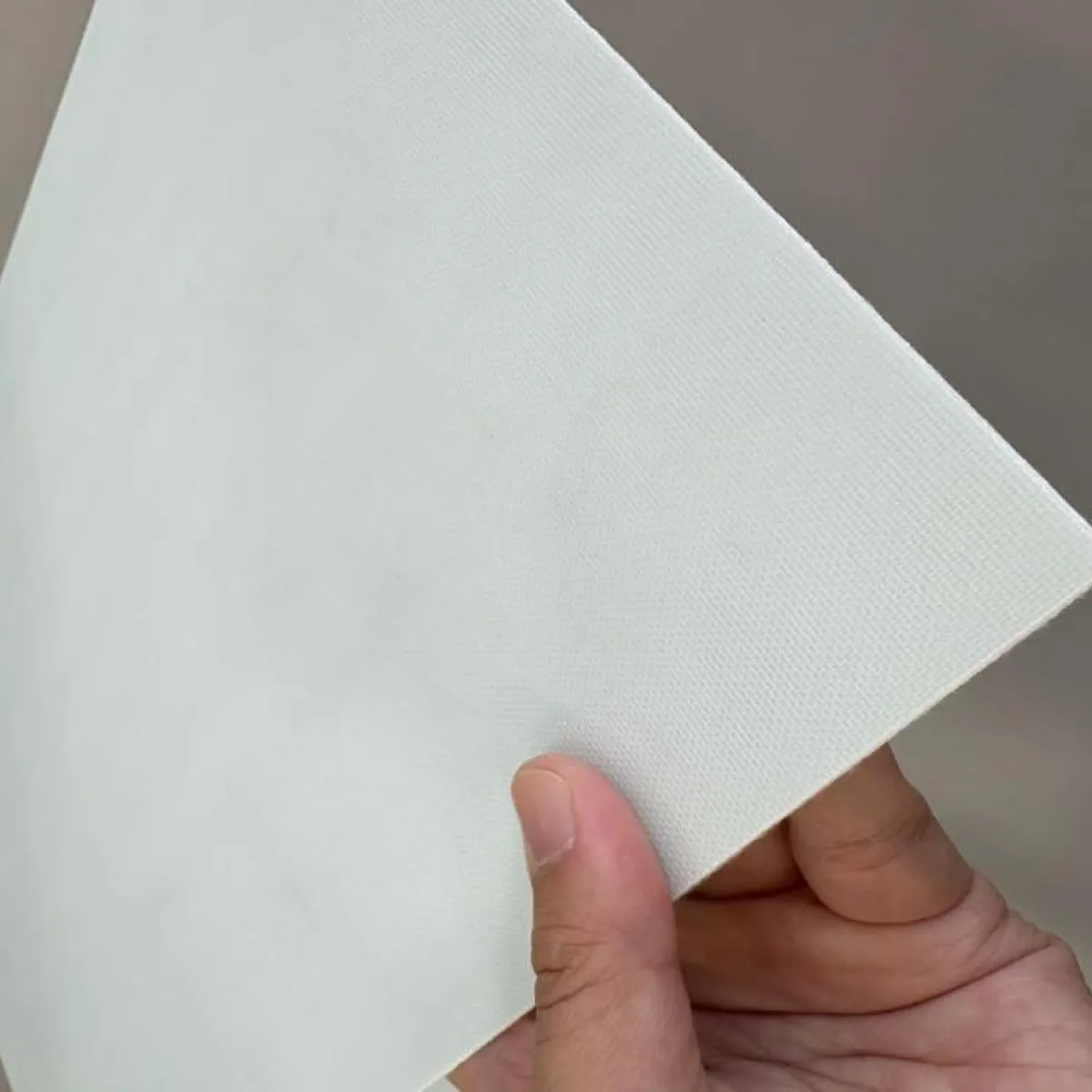
PFCP 201 phenolic paper laminated sheet is a widely used electrical insulation material for applications requiring a combination of mechanical strength, electrical insulation and d
It is manufactured from insulating paper impregnated with phenolic resin and formed through a controlled hot winding and curing process. This structure combines the electrical prop
Compared with general-purpose epoxy glass laminates, silicone resin reinforced with glass fabric provides a different balance of thermal, electrical and mechanical properties. Howe
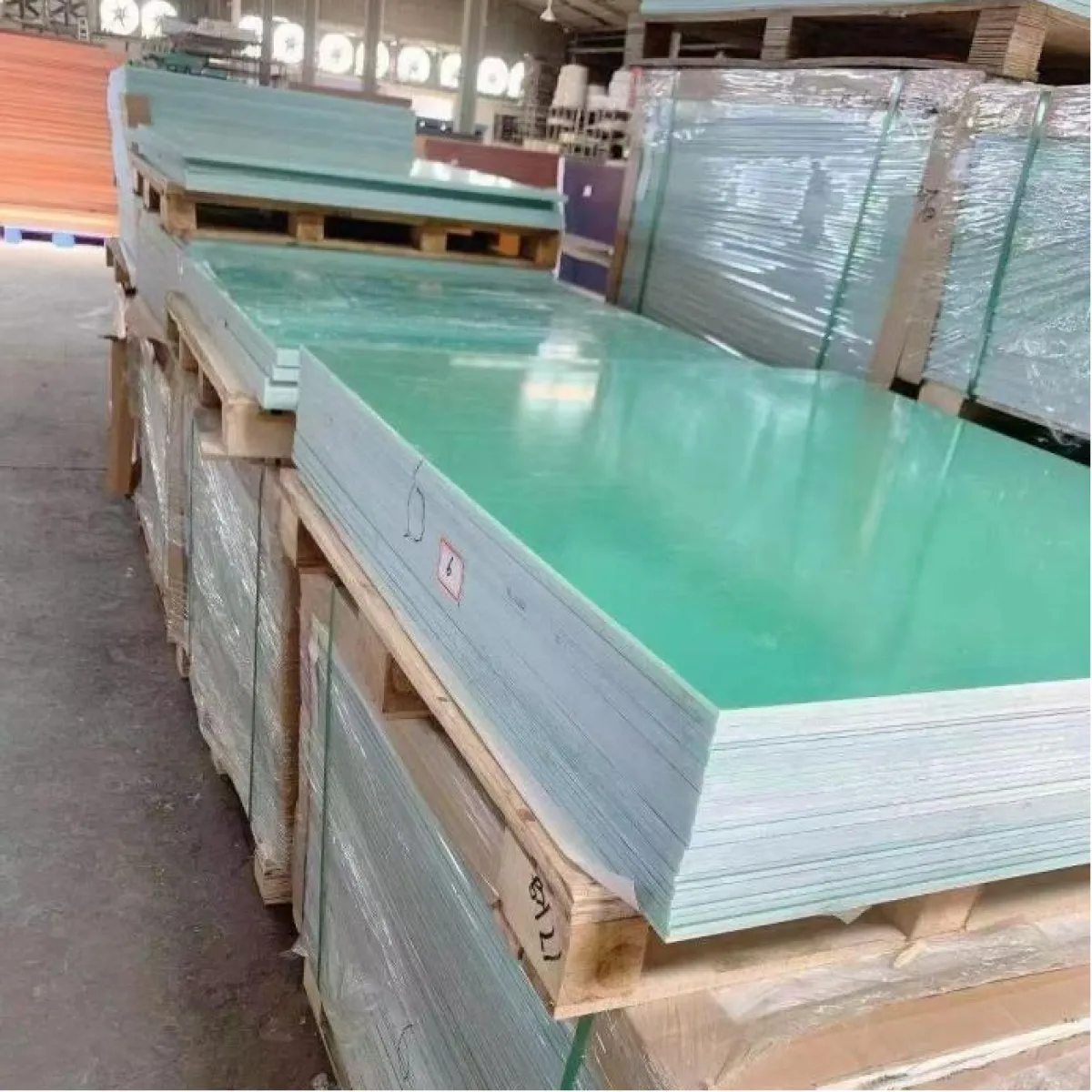
For electrical equipment manufacturers, machinery companies and insulation component suppliers, selecting the right G10 Epoxy Fiberglass Sheet involves more than simply choosing a
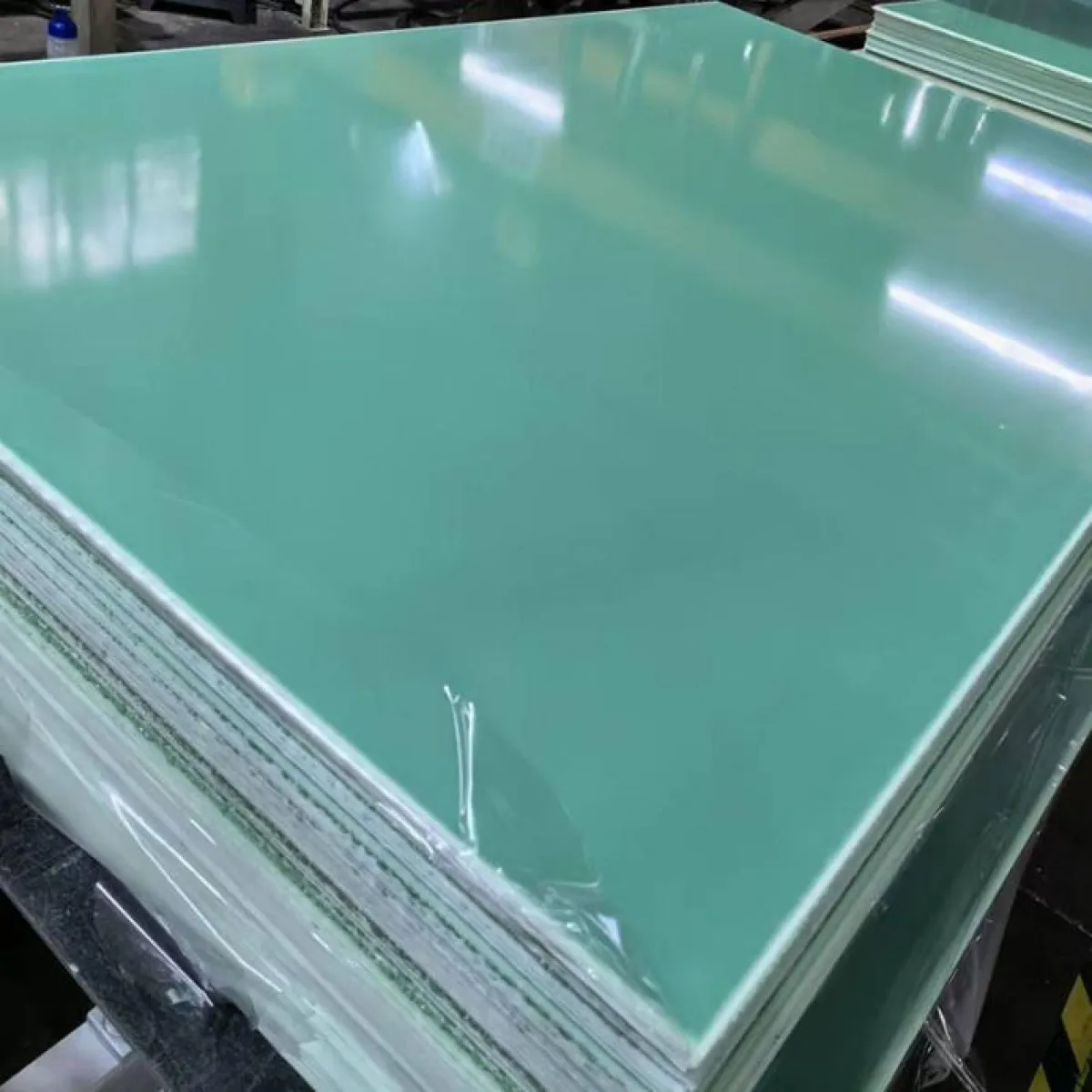
For engineers and purchasers choosing insulating materials, understanding the differences between G10 and G11 can help ensure the right balance of electrical insulation, mechanical
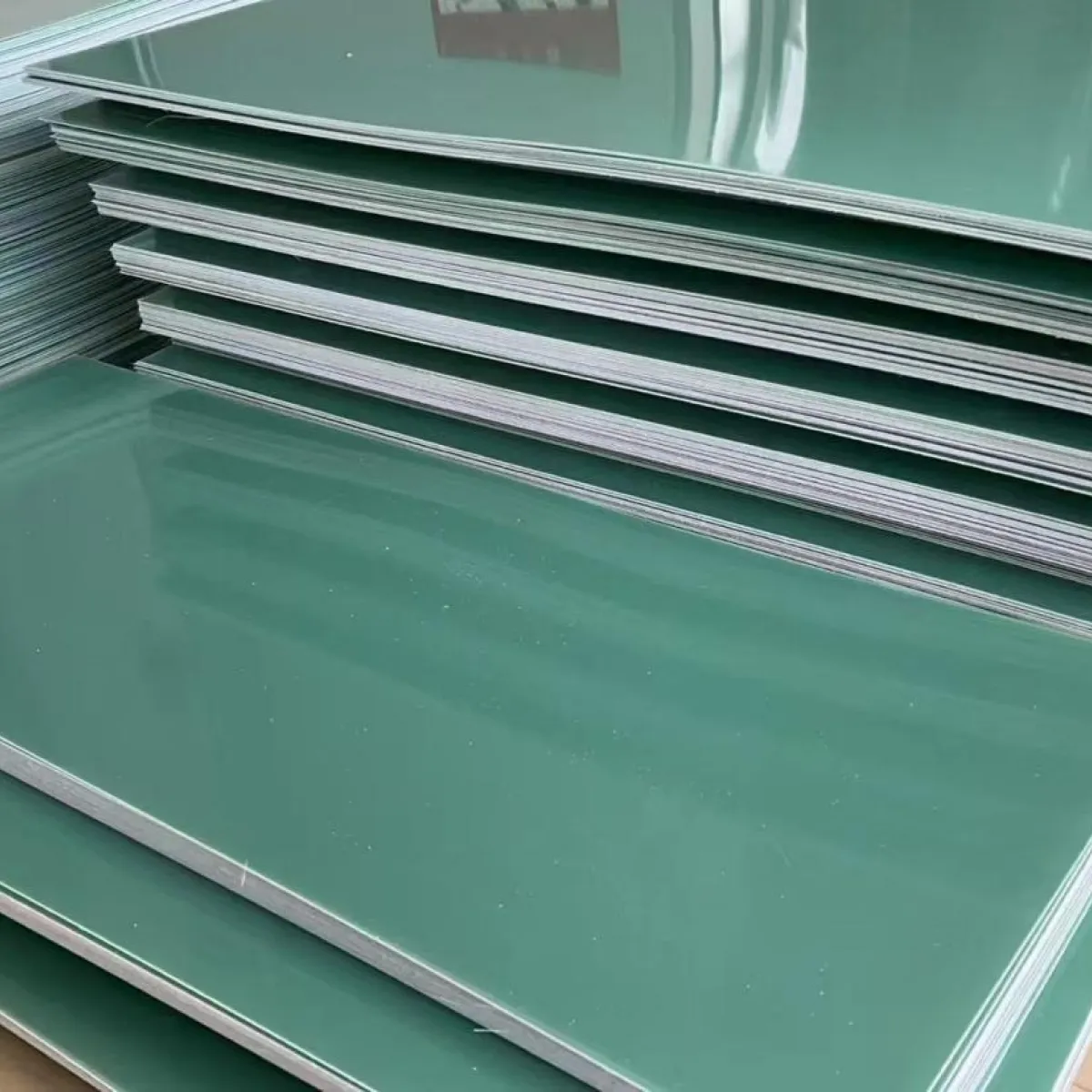
But what exactly makes FR4 so widely used? And when should engineers choose FR4 instead of G10, G11, FR5 or other insulating laminates?
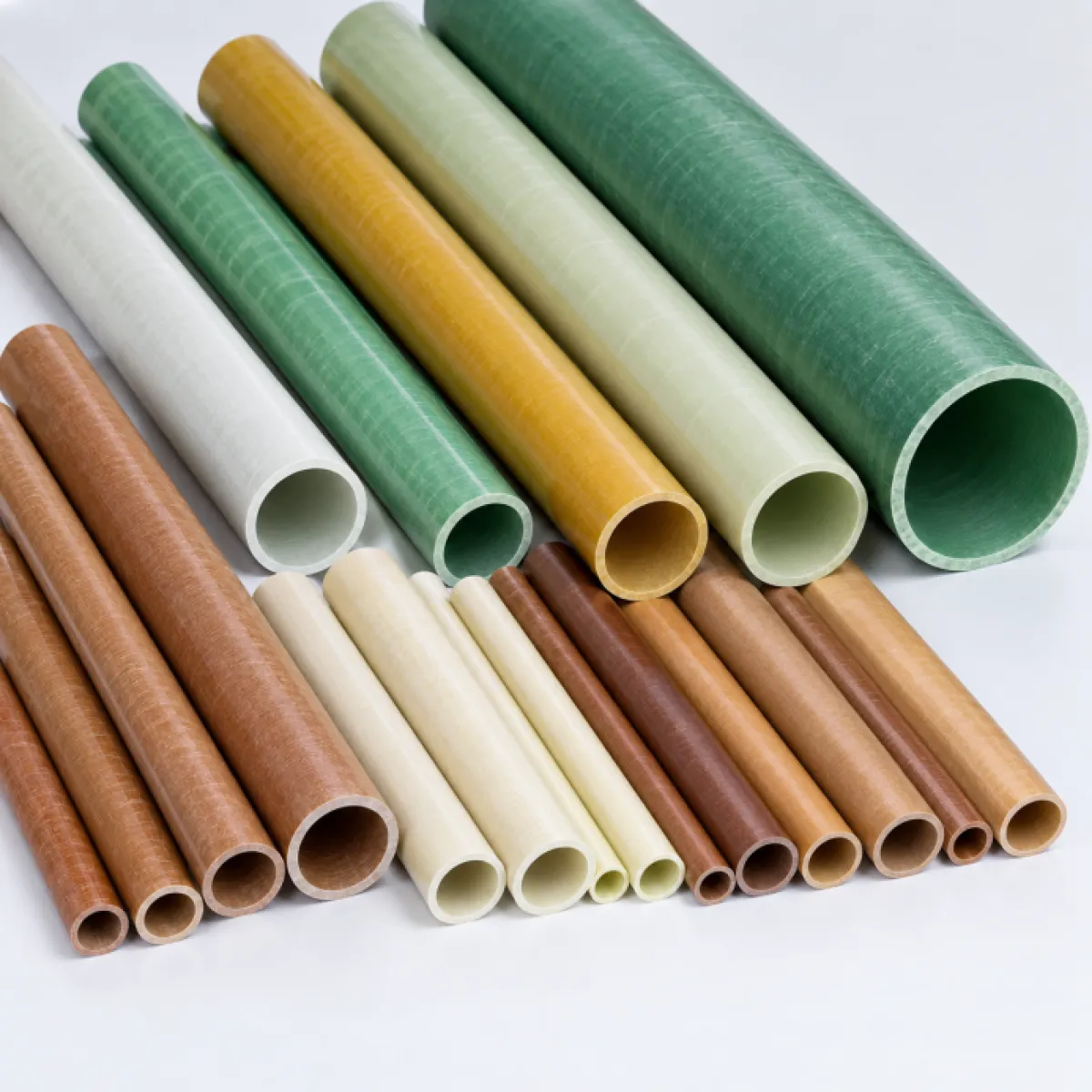
YILONG INSULATION supplies various laminated insulation tubes, including epoxy glass Cloth, melamine glass Cloth, phenolic cotton Cloth, phenolic paper and phenolic glass Cloth tube

Among the materials used for these demanding applications, GPO-3 insulation board is widely selected for busbar supports, phase barriers, arc barriers and other structural insulati

No.3, Mianzhi Street, Zhucheng, Shandong, China


Copyright © 2026 by Qingdao Yilong Insulation Material Company Limited All Rights Reserved


