
Cast nylon, also known as **MC Nylon (Monomer Casting Nylon)**, is produced through a polymerization process of molten caprolactam (C₆H₁₁NO). Under superheated steam conditions, caprolactam is combined with alkaline substances as catalysts and activators, forming a reactive monomer mixture. This mixture is immediately poured into a mold preheated to a specific temperature, where rapid polymerization occurs inside the mold, solidifying into a tough solid blank. After subsequent processing, the final product is obtained.
As an engineering plastic, MC Nylon is widely used as a substitute for metals. It is characterized by “replacing steel with plastic” and offers excellent performance across a broad range of industrial applications. It features light weight, high strength, self-lubrication, wear resistance, corrosion resistance, and electrical insulation.
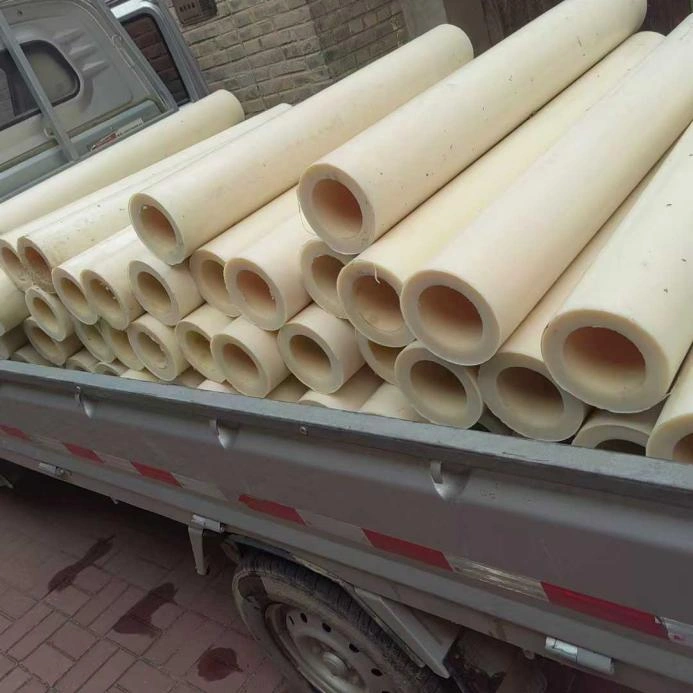
The friction coefficient of MC Nylon is significantly lower than metals—approximately 8.8 times lower than steel and 8.3 times lower than copper—while its density is only about one-seventh that of copper. MC Nylon can directly replace metals such as copper, stainless steel, and alloy materials.
MC Nylon products such as pulleys, guide blocks, gears, worm wheels, rollers, support wheels, pump components, couplings, piston pins, valve bodies, backing plates, pulleys, rotating wheels, rods, pipes, and sheets have been widely used. These products not only replace corresponding metal components effectively but also reduce costs and extend service life, resulting in significant economic benefits.
In mechanical applications, MC Nylon serves as a wear-resistant and vibration-damping material, replacing non-ferrous metals and carbon steel. For example, a 400 kg MC Nylon product corresponds to approximately 2.7 tons of steel or 3 tons of bronze in volume. Its service life is typically increased by 4–5 times compared to traditional materials.
MC Nylon is a new type of engineering plastic with excellent comprehensive properties, making it increasingly important in industrial applications:
1. High strength – capable of bearing loads over long periods.
2. Good resilience – can bend without deformation while maintaining elasticity and resisting repeated impacts.
3. Wear resistance and self-lubrication – superior performance compared to bronze, cast iron, carbon steel, and phenolic laminates under oil-free or vacuum lubrication conditions.
4. Noise reduction and vibration damping – lower modulus than metals, providing better vibration attenuation and noise reduction.
5. Lower hardness than metals – does not damage mating components.
6. Low friction coefficient – enables wide application in friction parts.
7. Excellent chemical stability – resistant to alkalis, alcohols, ethers, hydrocarbons, weak acids, lubricants, detergents, and water (including seawater); odorless, non-toxic, and non-corrosive.
8. Good machinability – simplifies maintenance, reduces labor, and improves productivity.
MC Nylon should not be used under the following conditions:
l Long-term operating temperature above 120°C
l Exposure to strong acids such as formic acid, strong alkalis, sodium chlorate, or barium chloride
l Critical components in high-precision equipment
Depending on application requirements, MC Nylon is available in several types:
1. MC Nylon (Ivory color): Unmodified cast nylon 6 with properties similar to nylon 66, offering high strength, rigidity, hardness, wear resistance, and good machinability.
2. MC901 (Blue): Modified nylon 6 with higher toughness, flexibility, and fatigue resistance. Ideal for gears, racks, and transmission components.
3. Oil-Filled PA6 (Green): A self-lubricating nylon designed for high-load, low-speed applications where lubrication is not possible. It has a lower friction coefficient and improved wear resistance.
4. PA6 + MoS₂ (Black/Grey): Contains molybdenum disulfide to improve load capacity and wear resistance without reducing impact strength and fatigue resistance. Commonly used for gears, bearings, and bushings.
5. PA6 with Solid Lubricant (Grey): Incorporates solid lubricants, offering excellent friction properties and wear resistance. Suitable for high-speed, non-lubricated applications and complements oil-filled nylon.
Pulleys: MC Nylon pulleys provide high strength, easy processing, and longer service life compared to cast iron or steel pulleys. They can reduce weight by up to 70% and increase the service life of steel wire ropes by up to 10 times.
Gears and Worm Wheels: MC Nylon gears significantly reduce noise and improve transmission stability, with service life exceeding that of metal gears.
Guide Blocks: Widely used in construction machinery, MC Nylon guide blocks offer longer service life, impact resistance, and reduced noise compared to traditional copper components.
Couplings, Pins, and Bearings: MC Nylon replaces copper and babbitt alloys, offering excellent wear resistance, self-lubrication, and long service life even under harsh conditions.
Pistons and Support Rings: MC Nylon pistons are lightweight, reduce energy loss, and provide good sealing and self-lubrication, improving operational efficiency.
Rollers: Used in conveyor systems and textile machinery, MC Nylon rollers offer long service life, corrosion resistance, and reduced maintenance.
Other Applications: MC Nylon is widely used in mixers, valve components, insulating parts, railway components, and marine equipment.
1. Turning speed: should not be too high (typically around 200 rpm), and cutting depth should be moderate to avoid thermal expansion and dimensional deviation.
2. Tool geometry: should have larger rake and clearance angles (15°–25°). Standard tools can be used without carbide.
3. Drilling: should use sharp tools with small clearance angles to prevent surface cracking.
4. Lubrication: should use oil instead of water-based emulsions due to nylon’s moisture absorption.
1. Interference fit: should be larger than metal fits (1–1.2% of diameter) to ensure proper support and prevent loosening.
2. Clearance between shaft and nylon bushing: should be 0.8–1.0% of shaft diameter to avoid overheating and seizure.
3. Press fitting: should be used for installation; hammering is strictly prohibited.
MC Nylon (cast nylon) is a high-performance engineering plastic with excellent mechanical, chemical, and tribological properties. Its wide application across industries continues to expand, delivering significant economic benefits and demonstrating its importance as a metal replacement material.
YILONG is committed to providing high-quality engineering plastic solutions and continuously supporting global customers with reliable MC Nylon products and professional expertise.
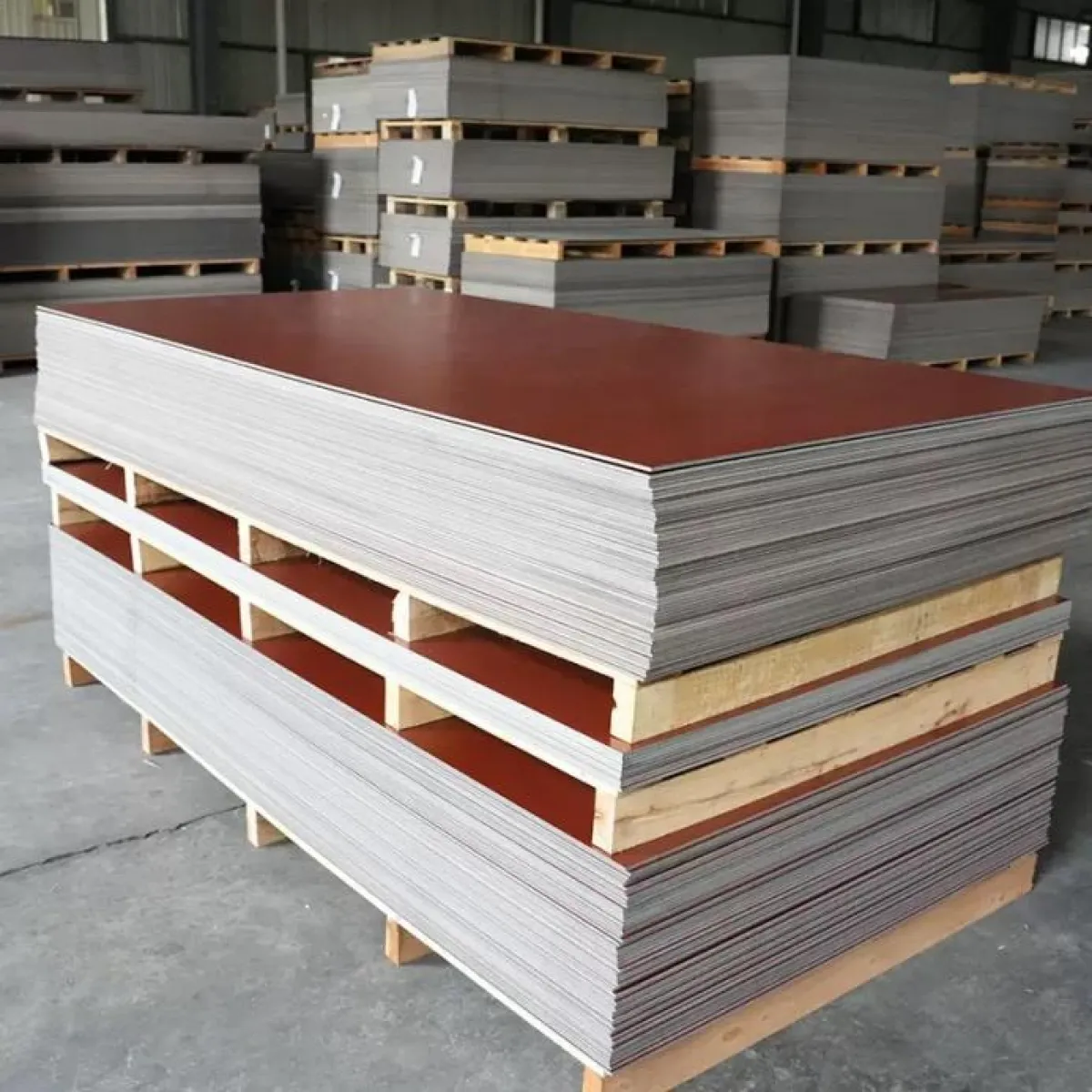
PFCP201 is manufactured using high-quality insulating paper impregnated with phenolic resin. After the raw materials are carefully inspected, the paper is passed through an automat
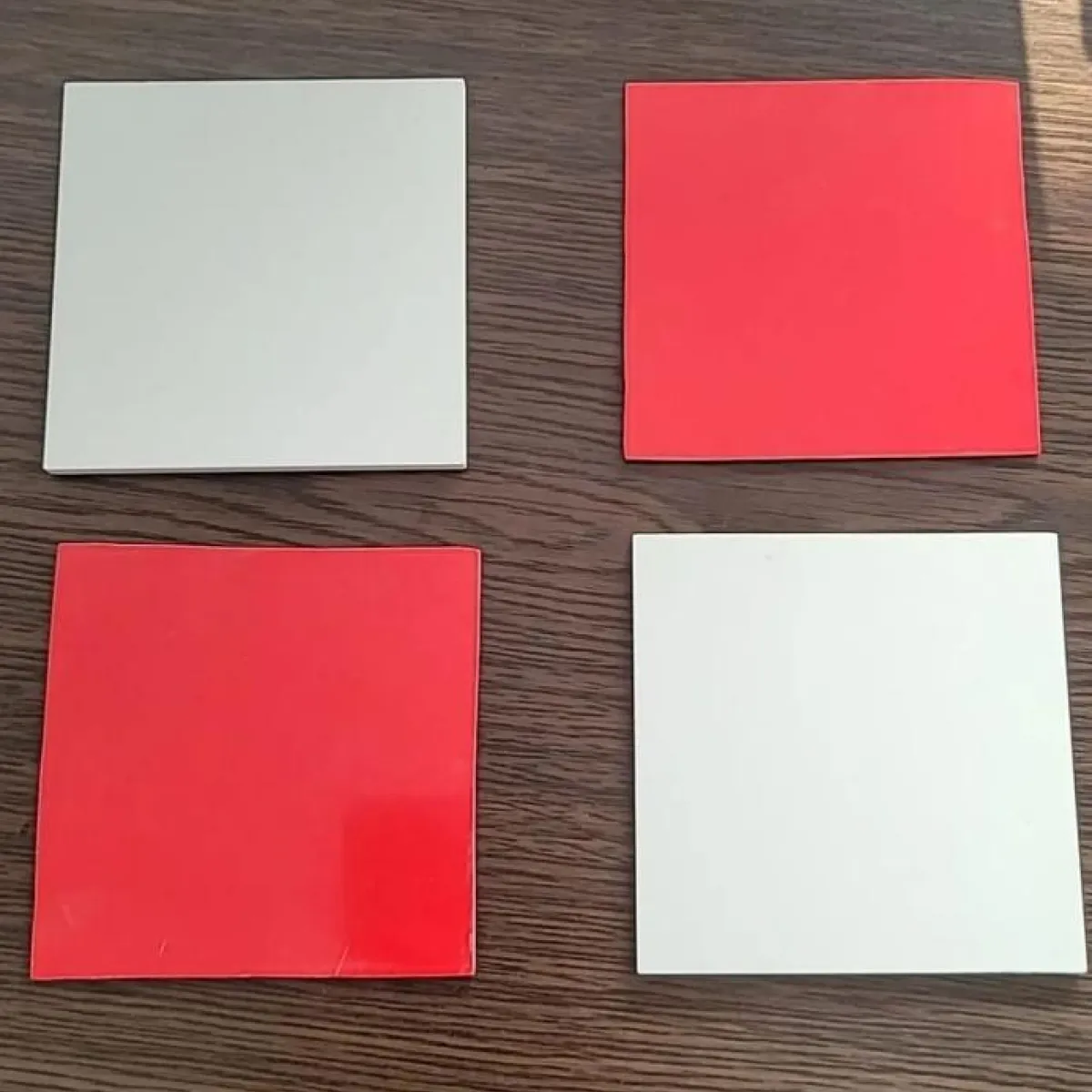
GPO-3 insulation board, also known as UPGM-203, is a rigid electrical insulation material made from alkali-free glass fiber mat impregnated with unsaturated polyester resin and pro
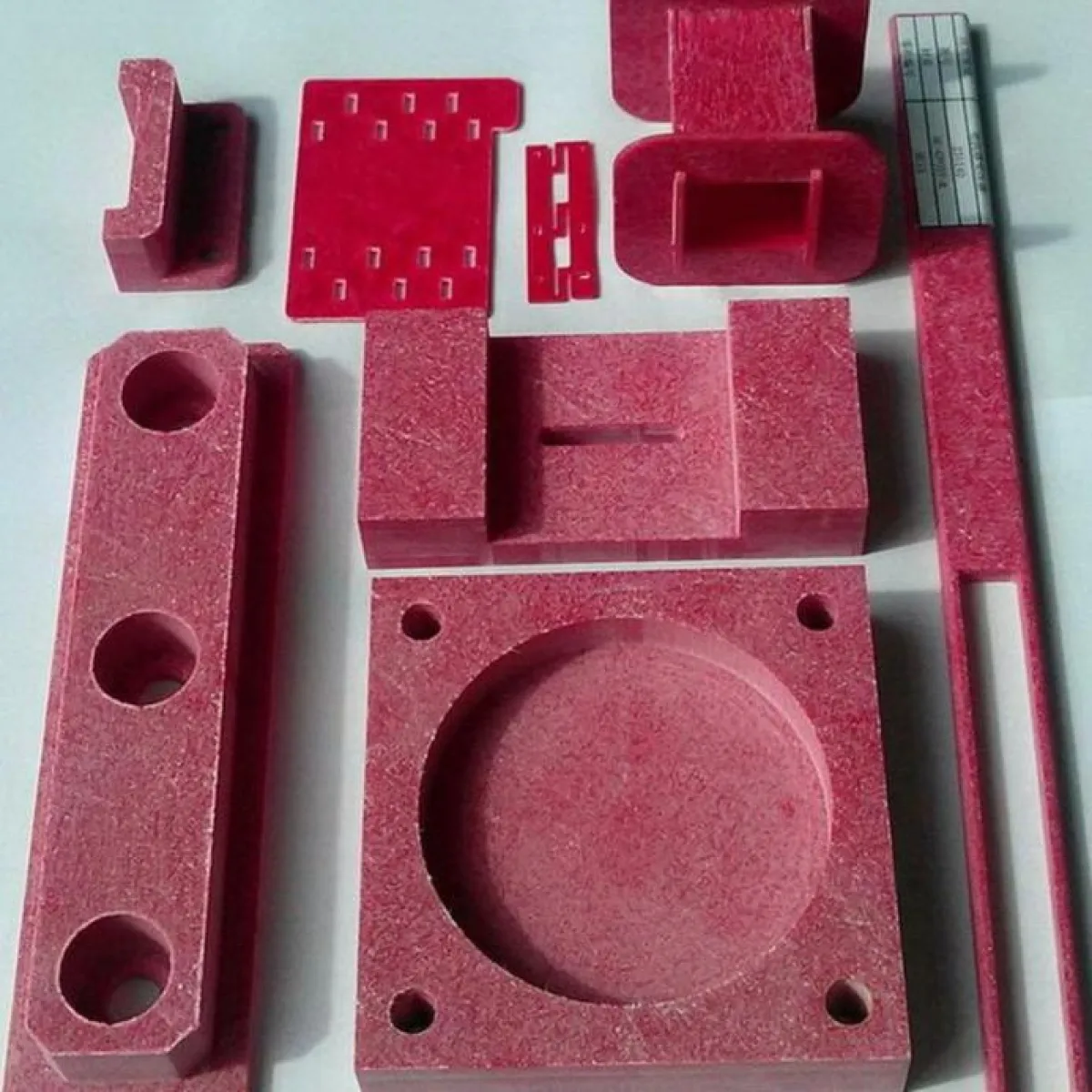
Compared with many conventional insulation materials, GPO-3 offers two particularly important advantages: strong resistance to heat and moisture, and stable electrical insulation p
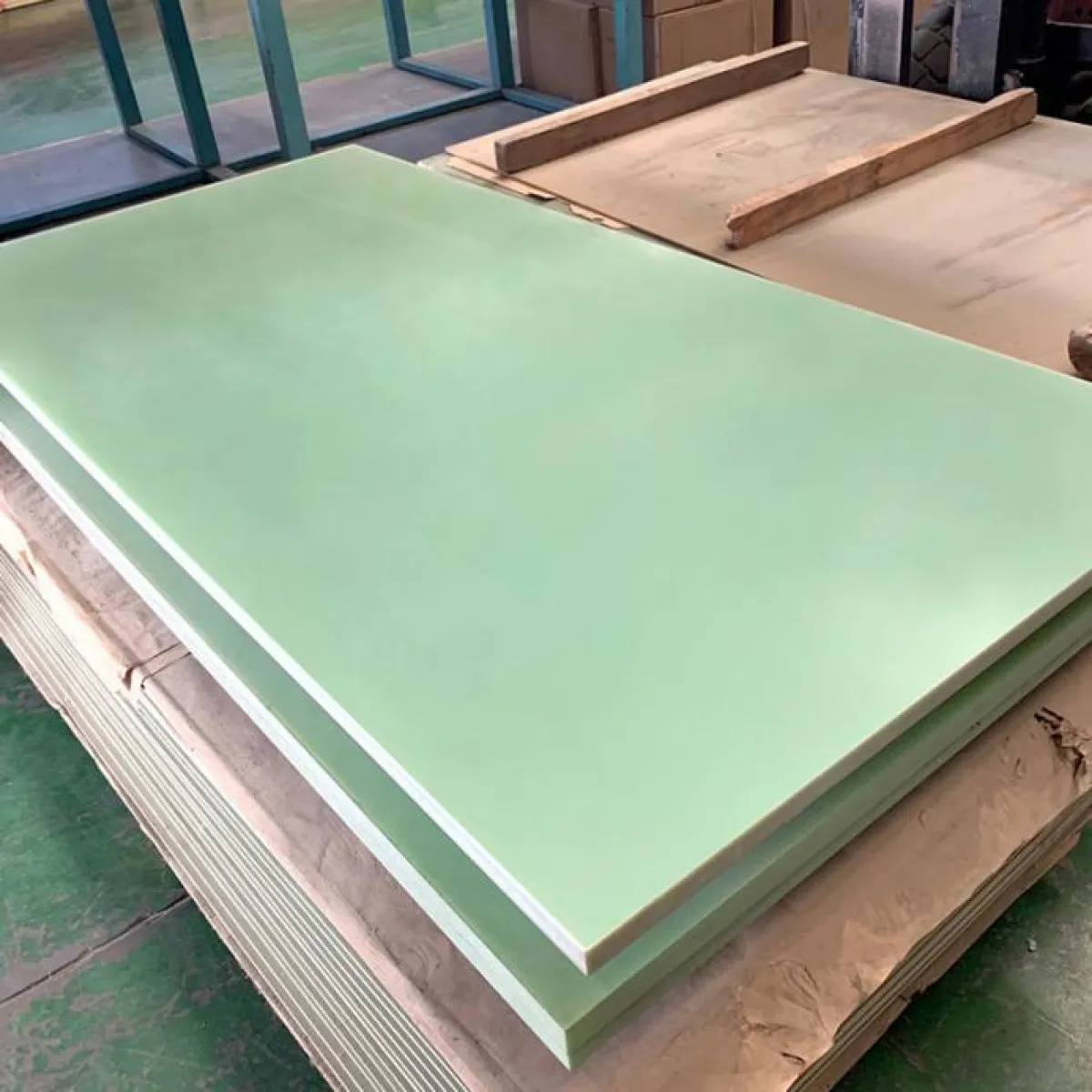
However, selecting a cryogenic insulation material based only on its standard properties may not be enough. In actual service, continuous immersion, concentrated mechanical loads,

Silicone Glass Cloth Sheet (G7) combines silicone resin with glass fiber cloth to provide a balance of high-temperature resistance, electrical insulation, mechanical strength, and
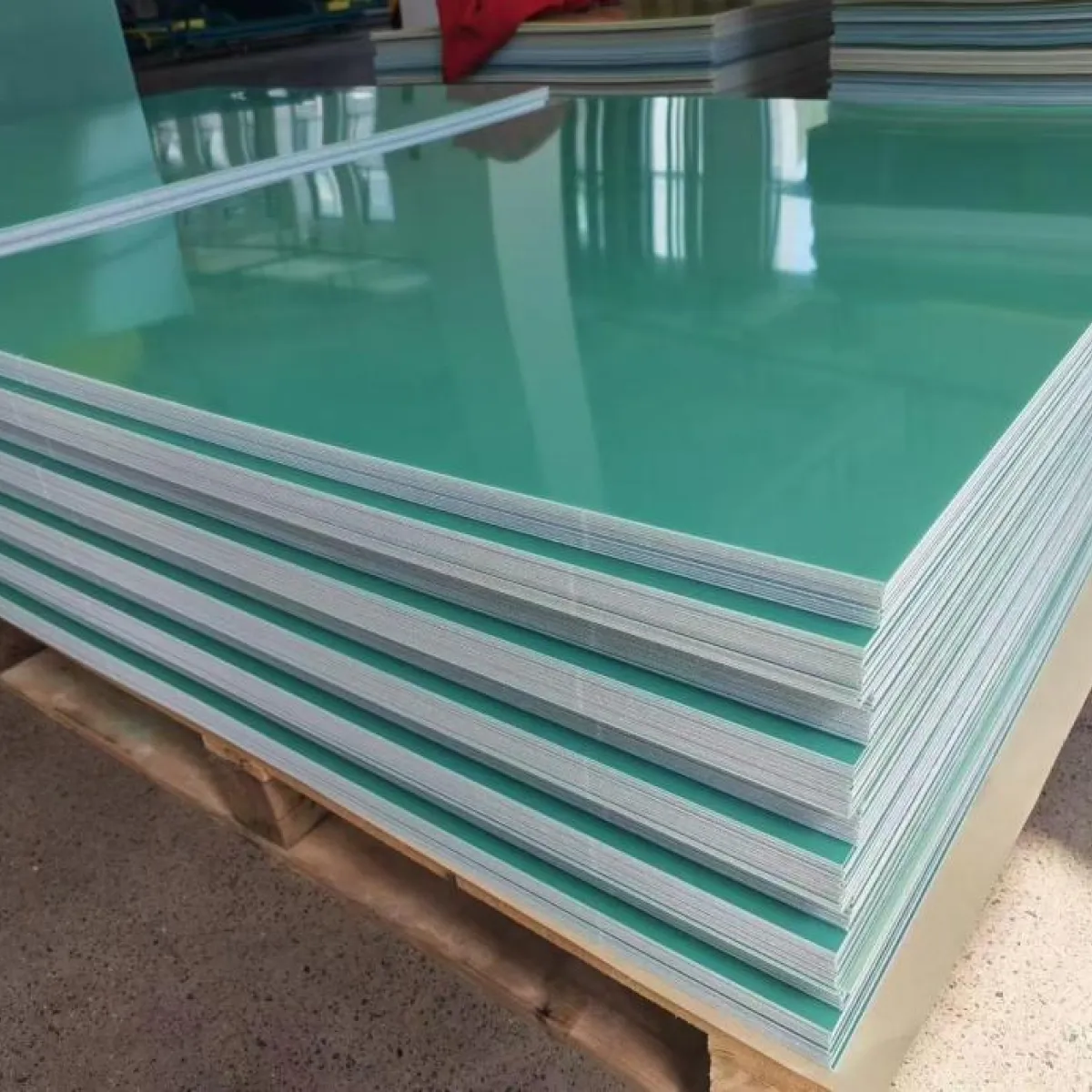
These properties make EPGC308 particularly suitable for electrical equipment operating under high temperature, high humidity and high-voltage conditions.
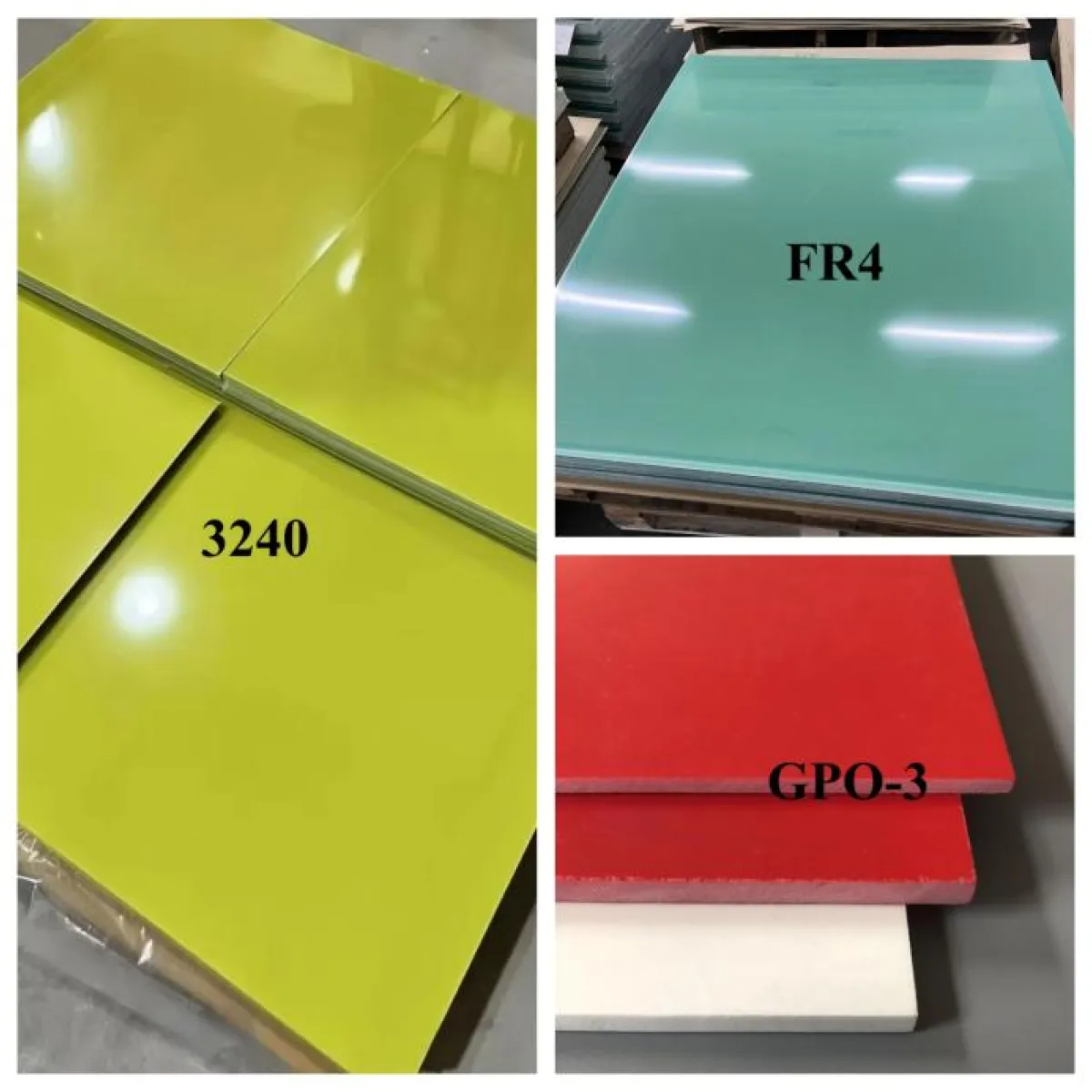
Understanding these differences can help engineers and buyers select the most suitable insulation material for their specific operating conditions.
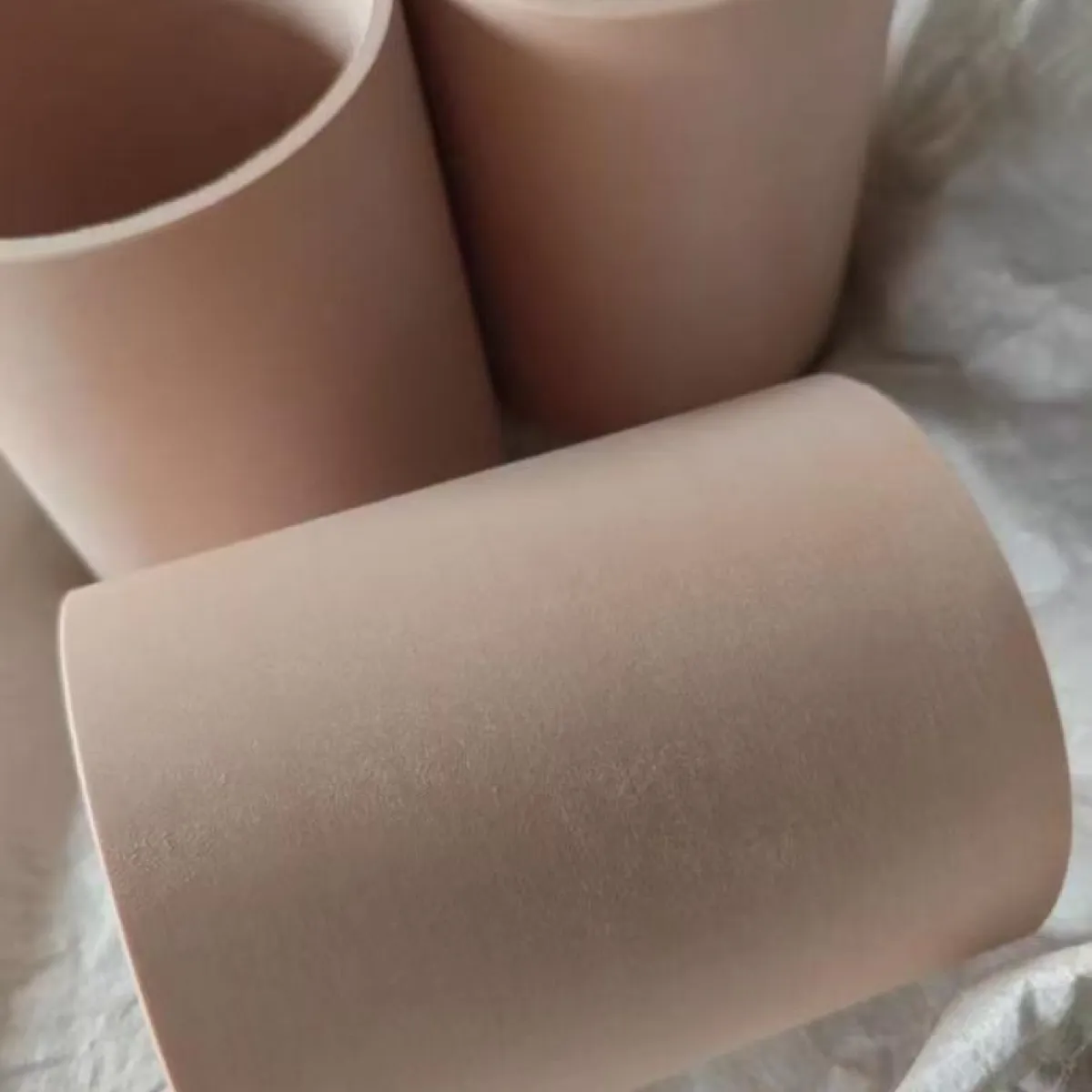
Phenolic Cotton Tube boasts multiple prominent competitive strengths for industrial use. It features extraordinary insulating performance: fully non-conductive, anti-static, and st
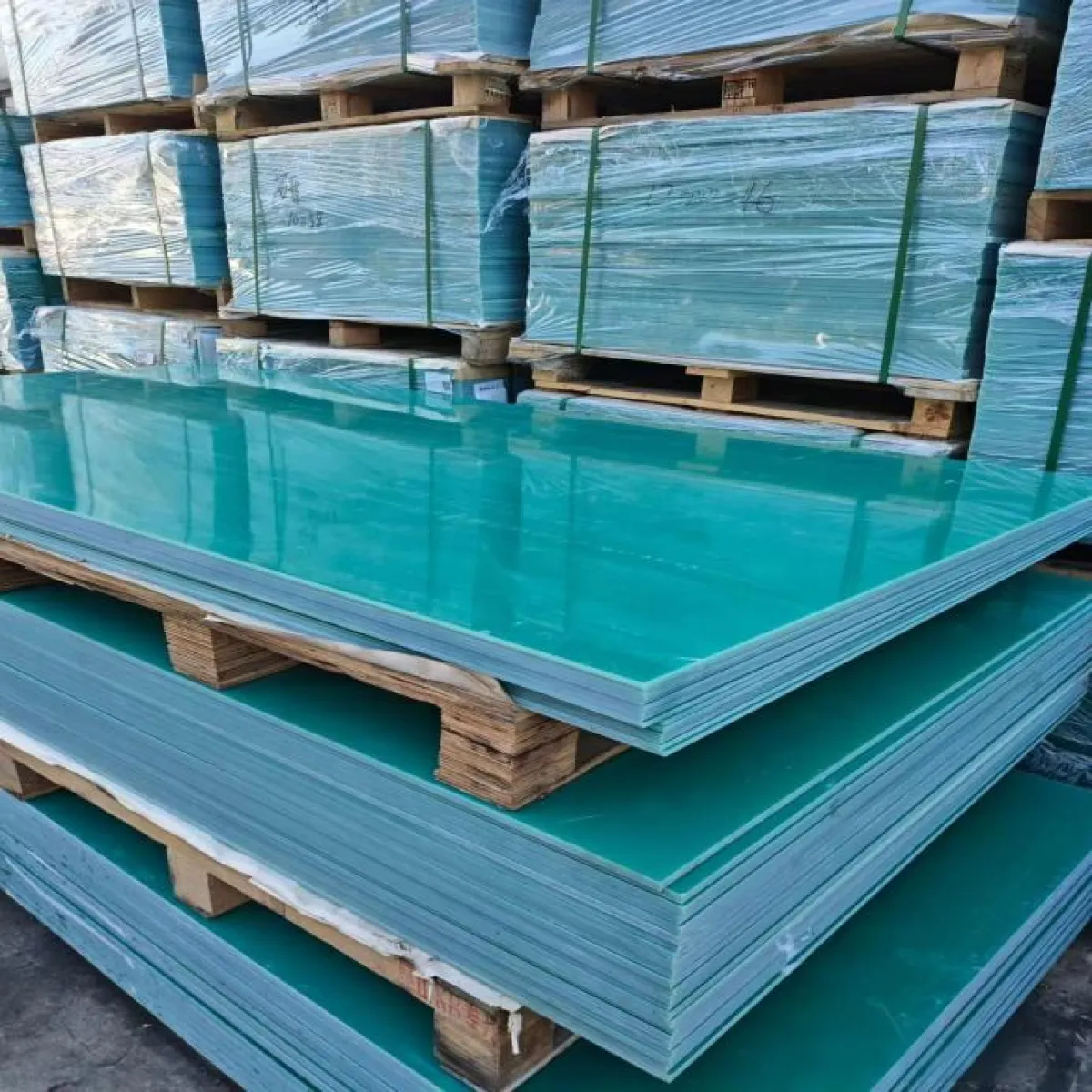
First let us look at its regular uses. In power plants, substations, power distribution rooms and other sites, Insulation Laminated Board is commonly laid on floors to avoid electr
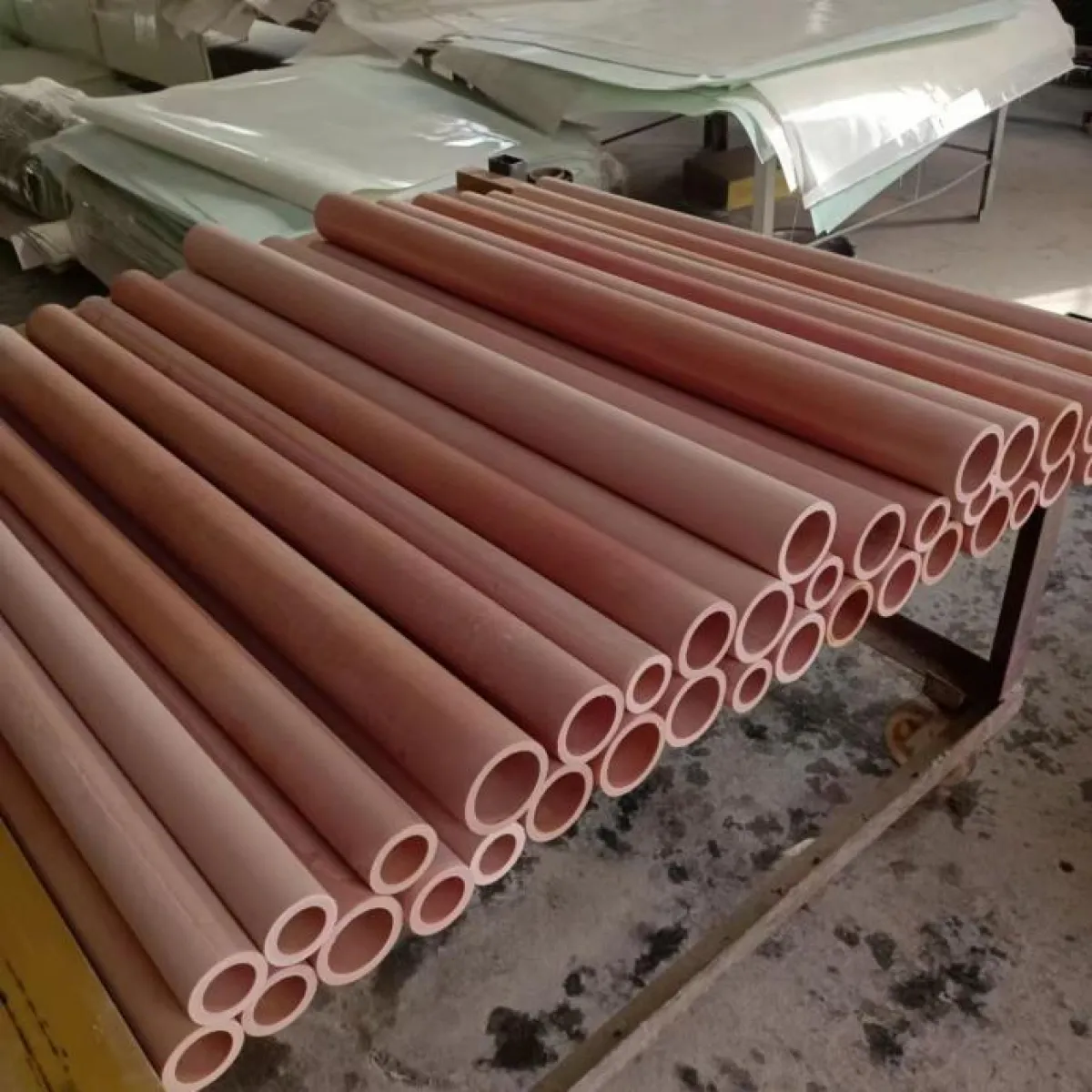
From the perspective of composite materials, Phenolic Cloth Tube is not made of a single substance, but formed by combining thermosetting phenolic resin with reinforcing materials

No.3, Mianzhi Street, Zhucheng, Shandong, China





Copyright © 2026 by Qingdao Yilong Insulation Material Company Limited All Rights Reserved