
With the rapid development of electronic products toward miniaturization, lightweight design, and high integration, the demand for high-performance PCB materials continues to grow. As circuit density increases and power consumption rises, effective heat dissipation and electrical stability have become critical. In this context, Copper Clad Laminate (CCL) plays a fundamental role in modern PCB manufacturing.
What is Copper Clad Laminate (CCL)?
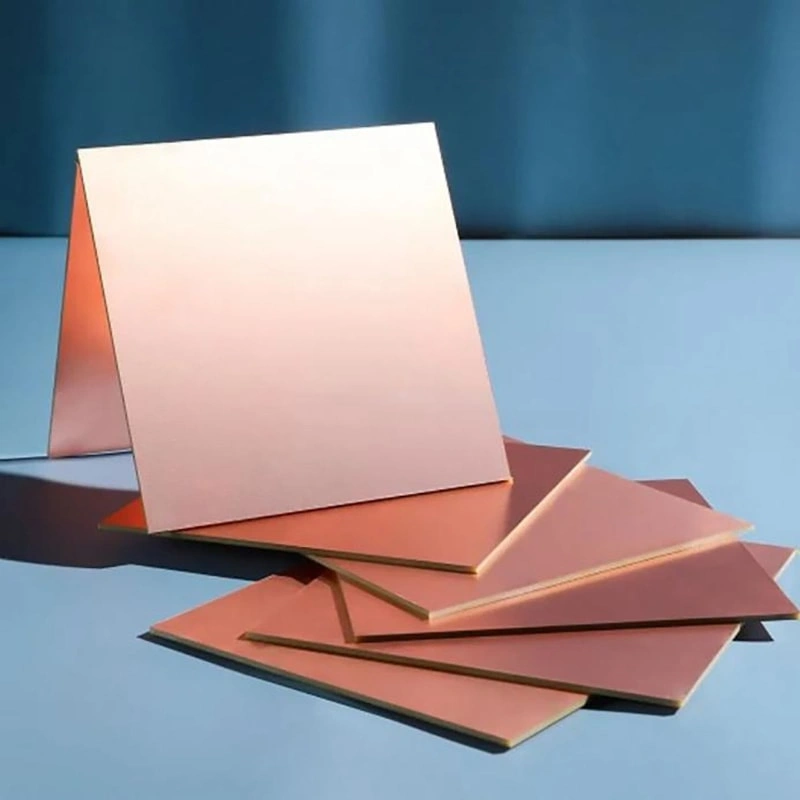
Copper Clad Laminate (CCL) is the core base material used in the production of printed circuit boards (PCBs). It is composed of a reinforcing substrate—such as glass fiber cloth, paper base, or composite material—impregnated with resin, and laminated with copper foil on one or both sides.
During PCB fabrication, circuit patterns are created by selectively etching the copper layer. This makes CCL the starting point of nearly all PCB production processes. Today, CCL is widely used in industries such as consumer electronics, telecommunications, computers, automotive electronics, and industrial equipment.
Main Types of Copper Clad Laminate
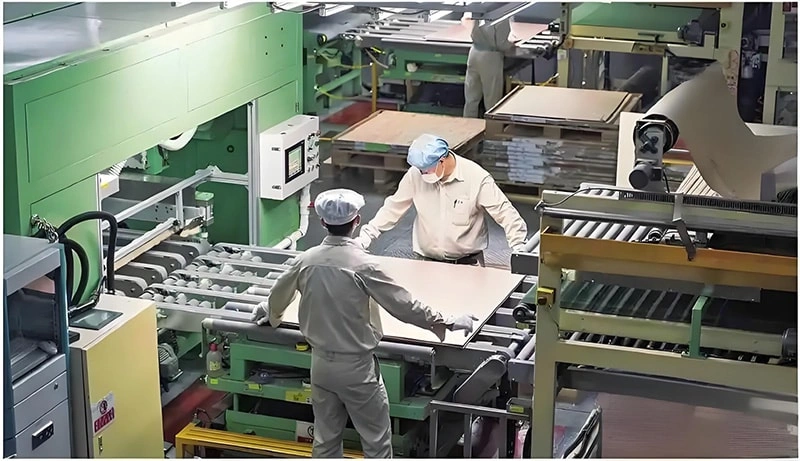
To meet different application requirements, CCL can be classified in several ways:
Based on reinforcing material, common types include paper-based laminates (such as XPC), glass fiber cloth laminates (such as FR-4 and FR-5), composite laminates (CEM-1, CEM-3), and special material laminates like metal-based or ceramic-based CCL.
According to resin systems, CCL can be divided into phenolic resin laminates (FR-1, FR-2), epoxy resin laminates (FR-3, FR-4), and polyester resin laminates. Among them, FR-4 is the most widely used due to its excellent electrical insulation and mechanical strength.
From a performance perspective, CCL products are available in general-purpose grades, high heat resistance grades, low dielectric constant types for high-frequency applications, and low CTE (coefficient of thermal expansion) materials for improved dimensional stability.
In terms of mechanical properties, CCL can be categorized into rigid laminates and flexible laminates. Rigid CCL is commonly used in standard PCB boards, while flexible CCL is applied in flexible circuits and compact electronic devices.
Key Materials in CCL Structure
A typical Copper Clad Laminate consists of two essential components: copper foil and prepreg.
Copper foil is a thin layer of conductive material, usually produced by electrolytic deposition. It is bonded to the substrate and later etched to form precise circuit patterns. The quality of copper foil directly impacts conductivity, adhesion, and overall PCB performance.
Prepreg refers to a resin-impregnated reinforcing material that is partially cured. Under heat and pressure, it flows and bonds layers together to form a solid laminate. The most common prepreg material is FR-4 (fiberglass epoxy), while polyimide and PET are used for flexible or high-performance applications. Depending on resin content, prepreg can be categorized into standard resin (SR), medium resin (MR), and high resin (HR) types to meet different thickness and structural requirements.
YILONG’s Perspective on CCL Applications
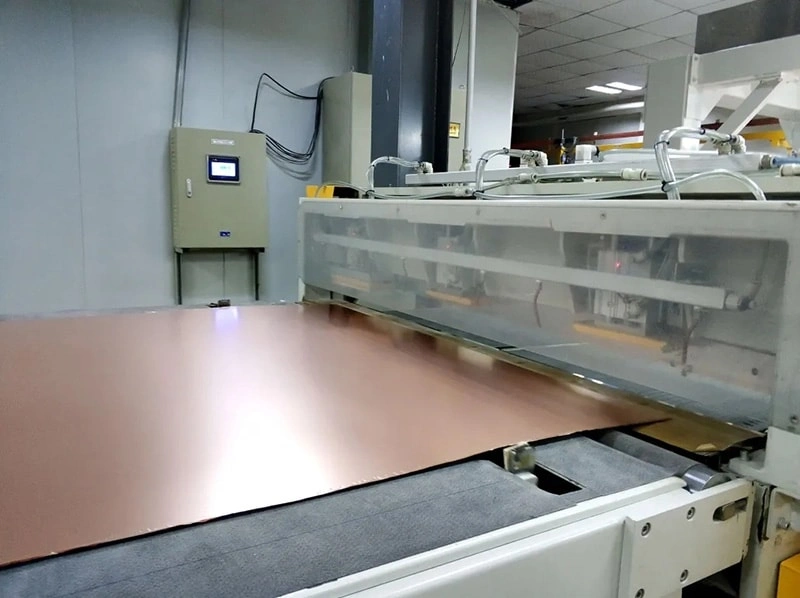
At YILONG, we closely follow the evolution of PCB materials and their impact on downstream industries. High-quality Copper Clad Laminate is essential for ensuring reliability, thermal performance, and signal integrity in modern electronics. As applications expand into high-frequency communication, automotive electronics, and advanced industrial systems, the demand for specialized CCL materials continues to increase.
YILONG is committed to providing reliable material solutions and industry insights to support customers in selecting the most suitable PCB substrates for their applications. By focusing on quality, consistency, and performance, we aim to help clients achieve higher efficiency and long-term stability in their electronic products.
For more industry updates and material solutions, stay connected with YILONG.
www.yilonginsulation.com
yilong@yilonginsulation.com
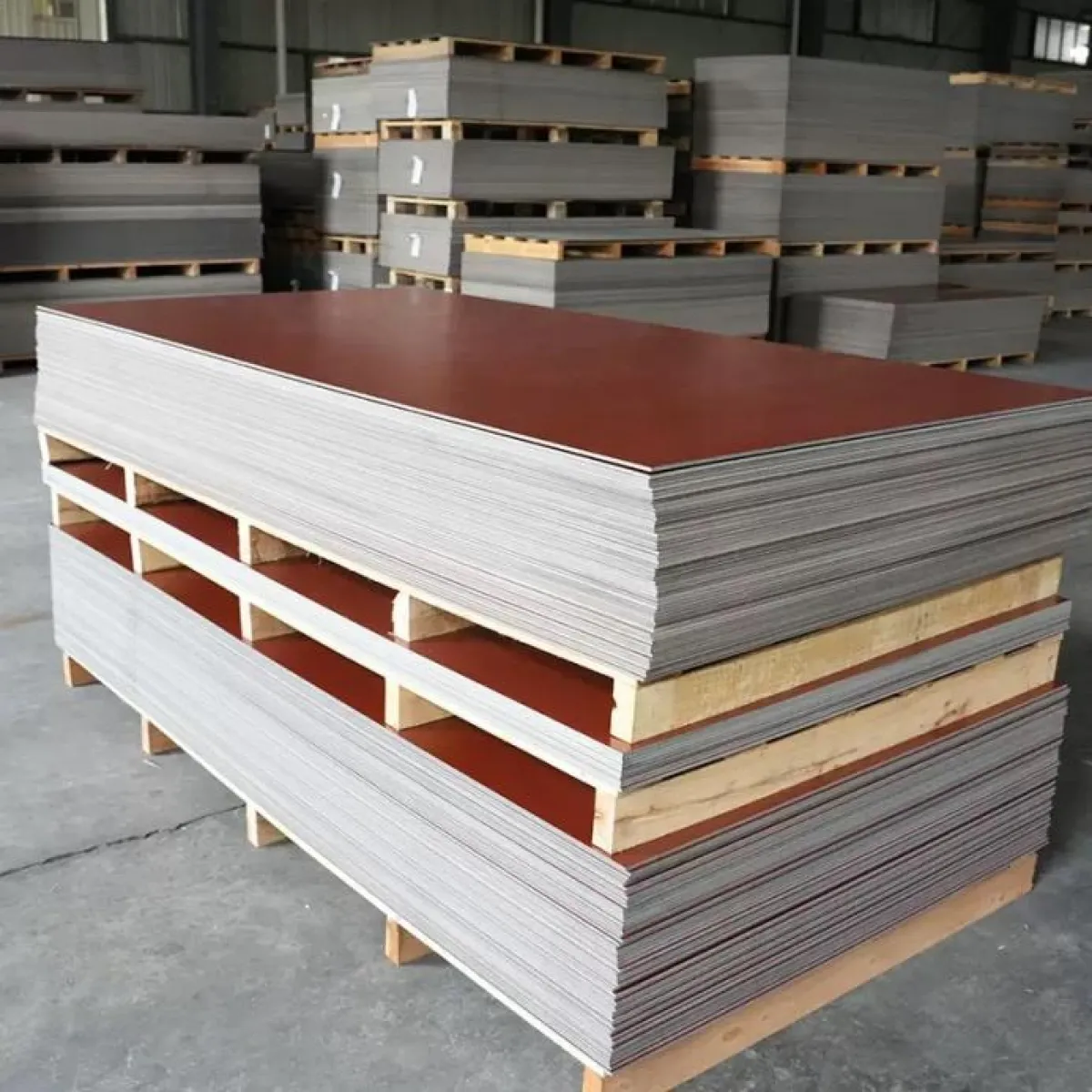
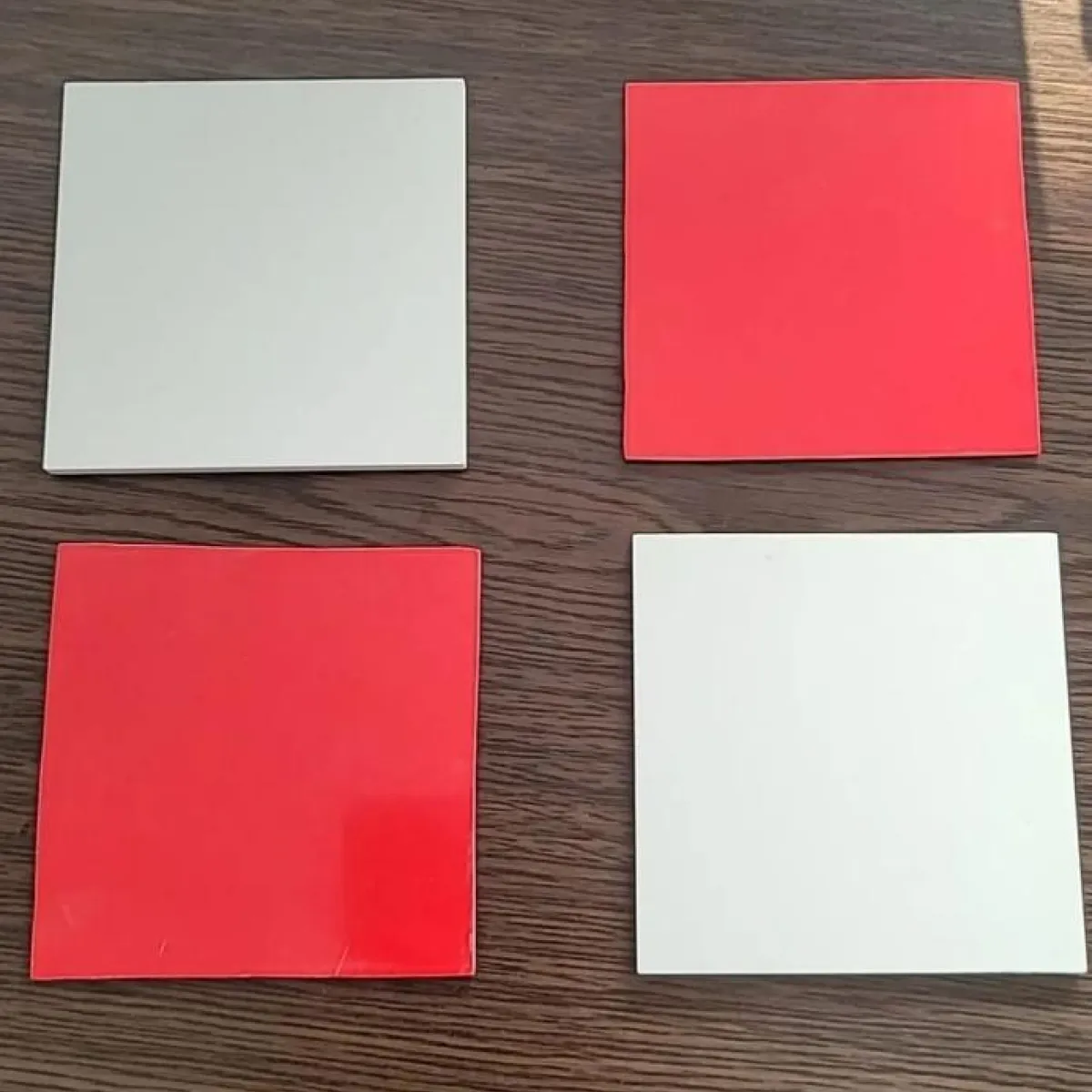
PFCP201 is manufactured using high-quality insulating paper impregnated with phenolic resin. After the raw materials are carefully inspected, the paper is passed through an automat
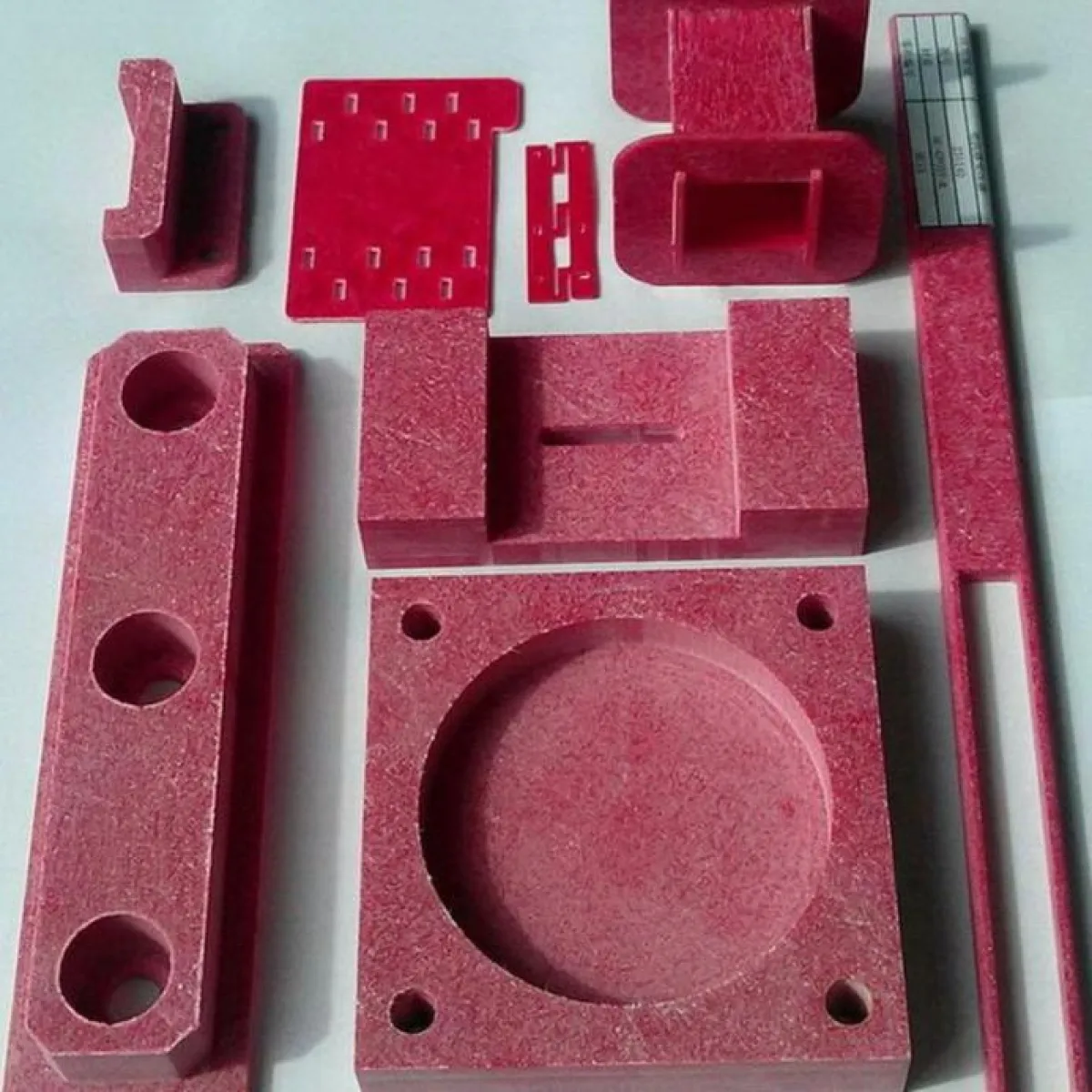
GPO-3 insulation board, also known as UPGM-203, is a rigid electrical insulation material made from alkali-free glass fiber mat impregnated with unsaturated polyester resin and pro
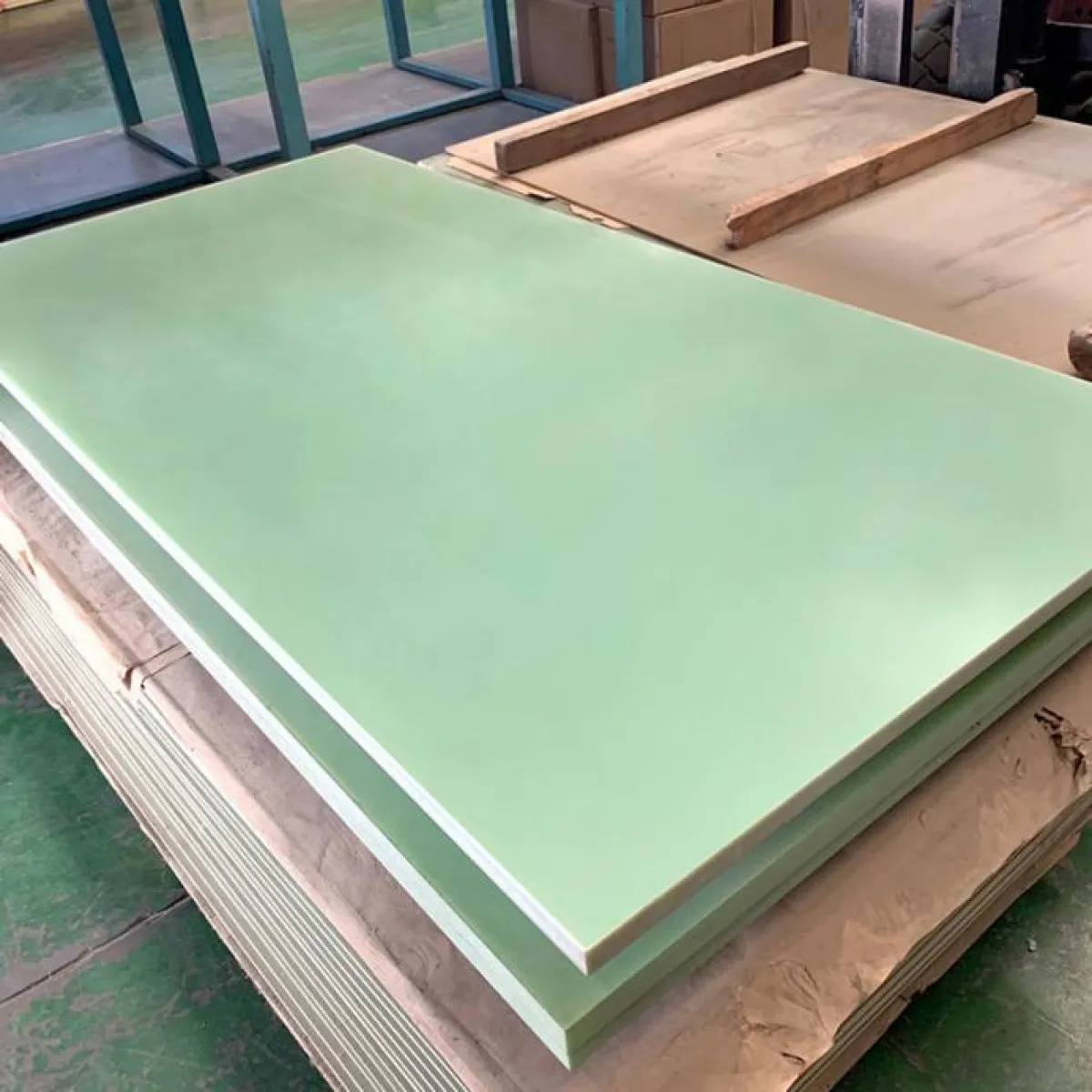
Compared with many conventional insulation materials, GPO-3 offers two particularly important advantages: strong resistance to heat and moisture, and stable electrical insulation p
However, selecting a cryogenic insulation material based only on its standard properties may not be enough. In actual service, continuous immersion, concentrated mechanical loads,

Silicone Glass Cloth Sheet (G7) combines silicone resin with glass fiber cloth to provide a balance of high-temperature resistance, electrical insulation, mechanical strength, and
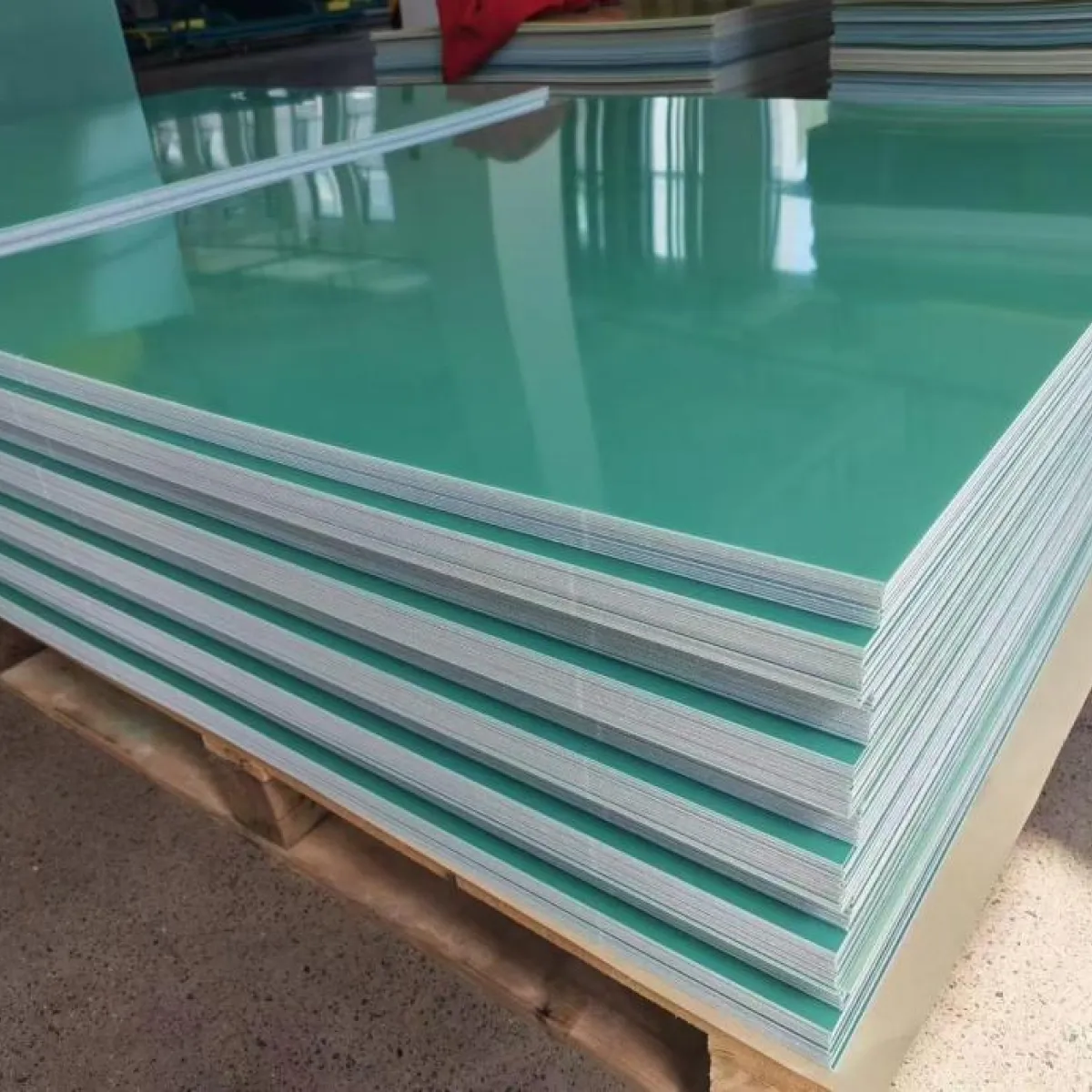
These properties make EPGC308 particularly suitable for electrical equipment operating under high temperature, high humidity and high-voltage conditions.
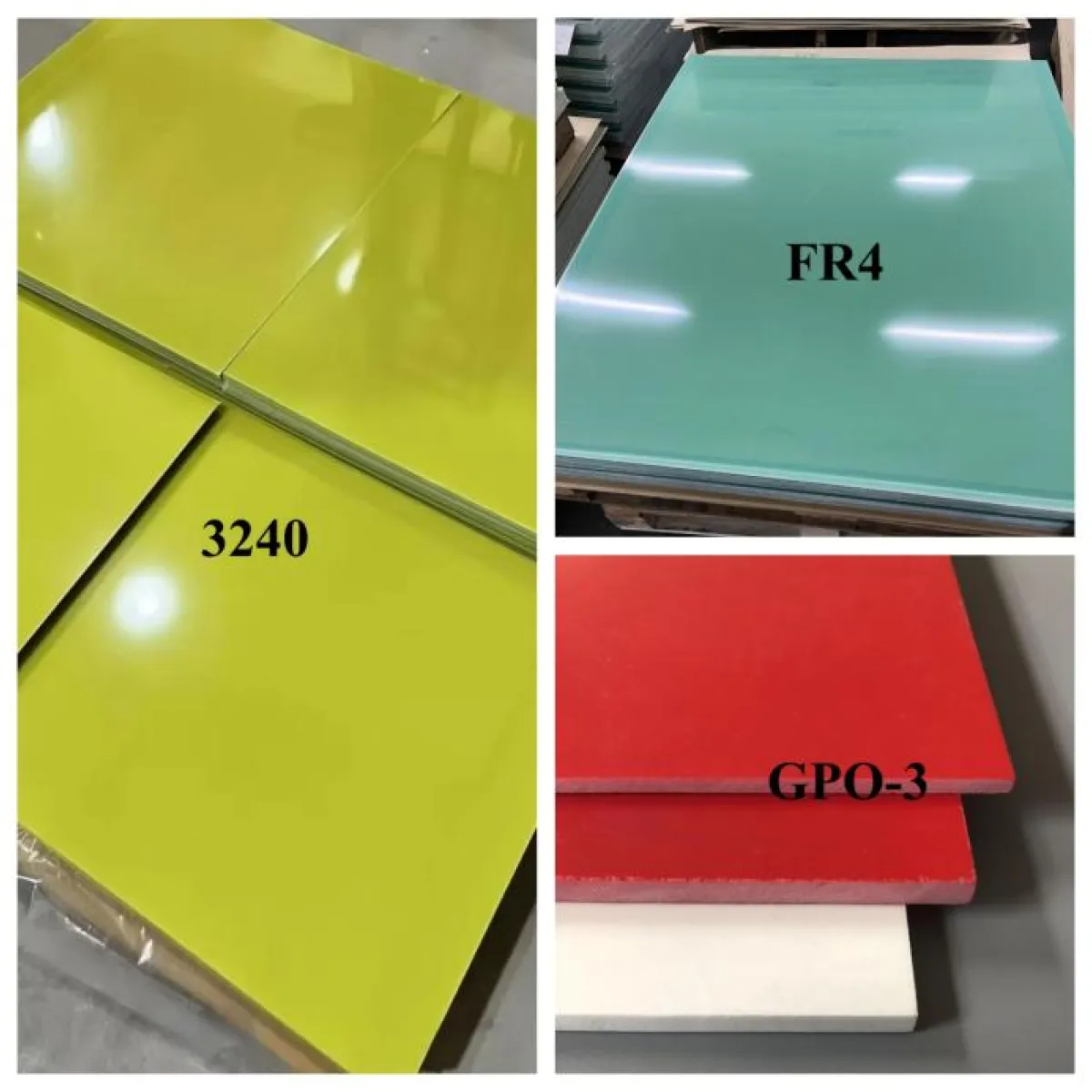
Understanding these differences can help engineers and buyers select the most suitable insulation material for their specific operating conditions.
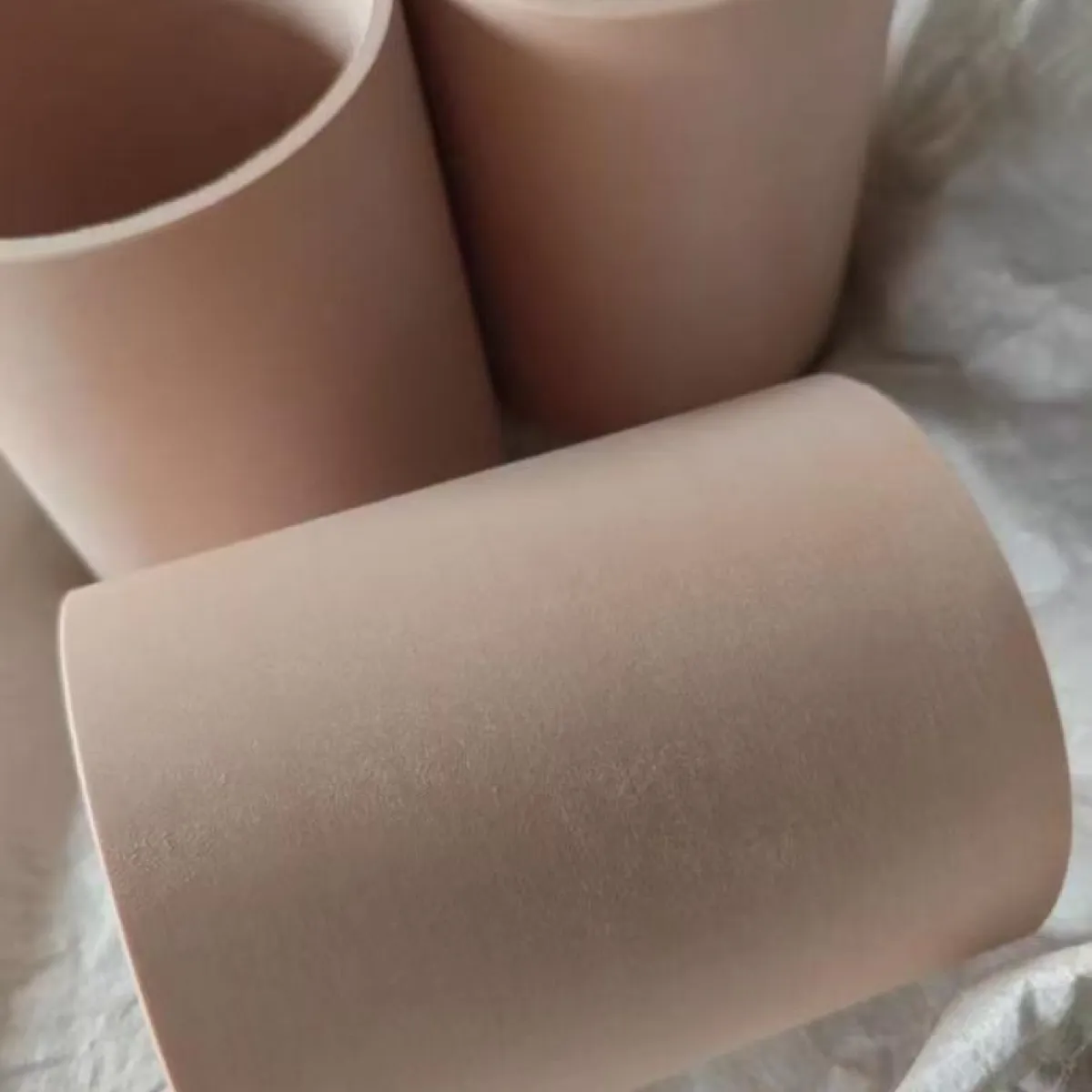
Phenolic Cotton Tube boasts multiple prominent competitive strengths for industrial use. It features extraordinary insulating performance: fully non-conductive, anti-static, and st
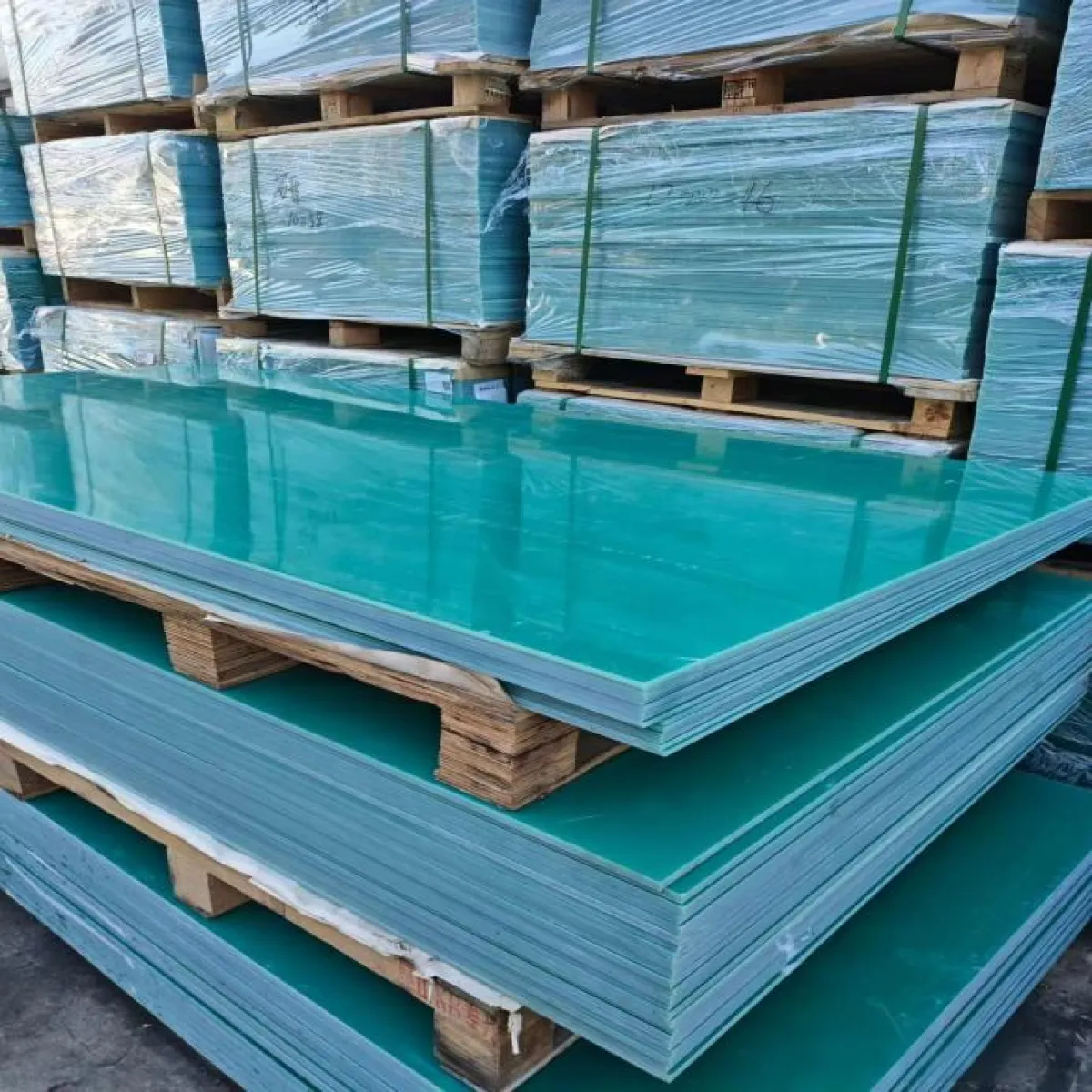
First let us look at its regular uses. In power plants, substations, power distribution rooms and other sites, Insulation Laminated Board is commonly laid on floors to avoid electr
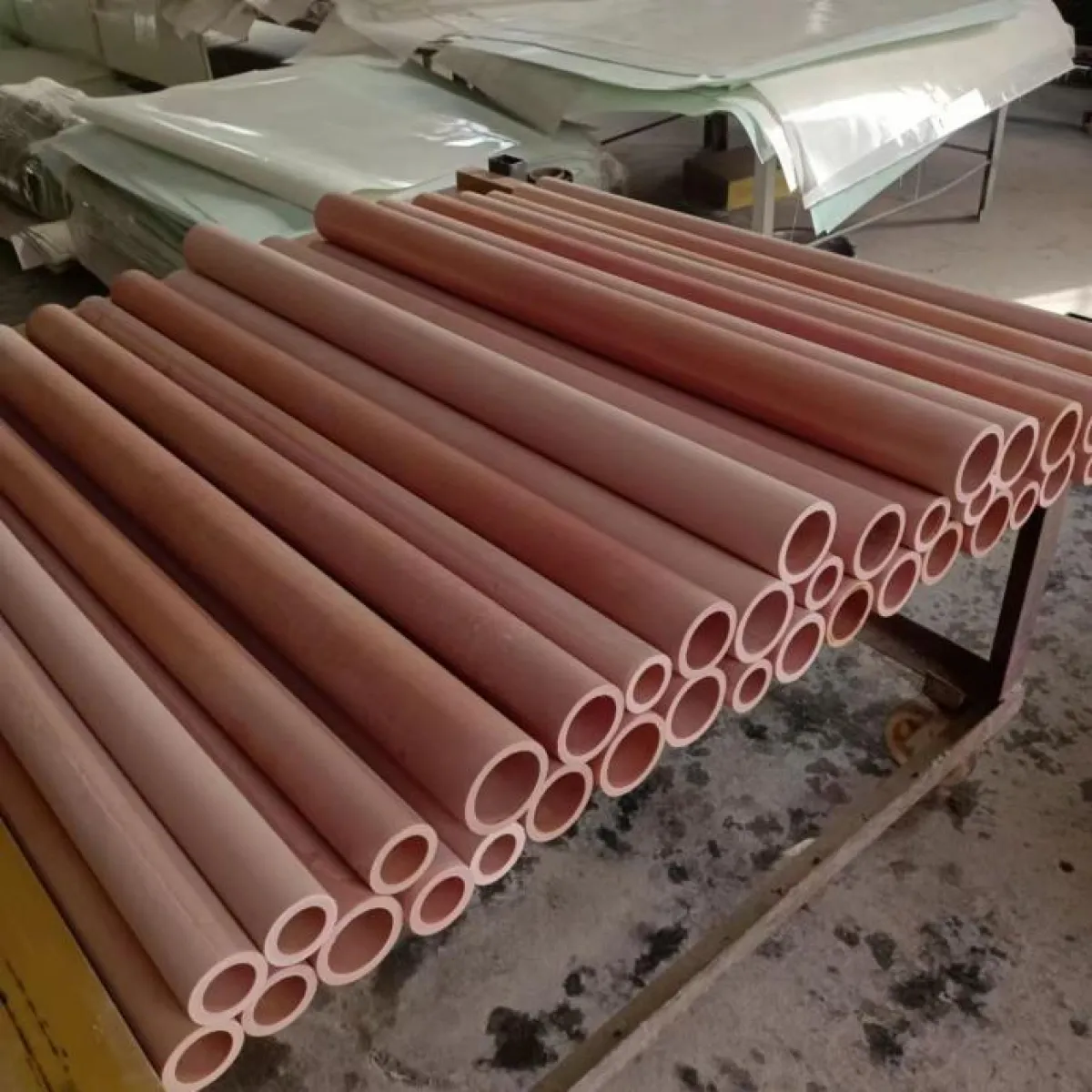
From the perspective of composite materials, Phenolic Cloth Tube is not made of a single substance, but formed by combining thermosetting phenolic resin with reinforcing materials

No.3, Mianzhi Street, Zhucheng, Shandong, China





Copyright © 2026 by Qingdao Yilong Insulation Material Company Limited All Rights Reserved