
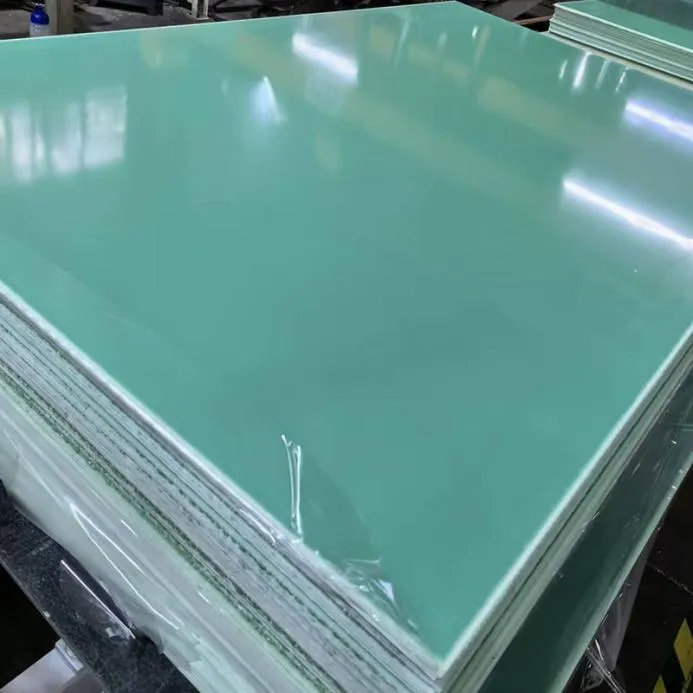
G10 and G11 are two widely used types of glass fiber reinforced epoxy laminates for electrical insulation and mechanical applications. Because they have similar appearances and basic compositions, they are sometimes considered interchangeable. However, G10 and G11 are designed for different temperature requirements and should be selected according to the actual operating conditions.
For engineers and purchasers choosing insulating materials, understanding the differences between G10 and G11 can help ensure the right balance of electrical insulation, mechanical strength, thermal performance and environmental resistance.
What Are G10 and G11?
Both G10 and G11 are rigid laminated insulation materials manufactured by impregnating woven glass fabric with epoxy resin and consolidating the layers under heat and pressure.
The letter “G” refers to glass fiber reinforcement, while the grade designation distinguishes different material performance levels and temperature characteristics.
At YILONG, glass fabric and epoxy resin are combined through controlled impregnation, stacking and hot-pressing processes to produce stable epoxy fiberglass laminates for electrical and mechanical applications.
G10 Epoxy Fiberglass Sheet
G10 is a widely used epoxy fiberglass laminate known for its combination of mechanical strength, electrical insulation and dimensional stability.
YILONG's EPGC201 G10 laminate is designed for applications requiring reliable insulation performance and good mechanical properties under moderate-temperature operating conditions.
G10 is commonly selected for electrical insulation components, structural supports, switchgear components and various precision-machined insulating parts.
G11 Epoxy Fiberglass Sheet
G11 has a similar basic glass fabric and epoxy resin construction, but it is designed for higher-temperature service than standard G10.
YILONG's EPGC203 G11 laminate has a thermal class of 155°C and is intended for applications where mechanical and electrical performance must remain stable at elevated temperatures.
This makes G11 particularly useful for electrical equipment and mechanical components exposed to higher operating temperatures.
G10 and G11: Main Differences
The most important difference between G10 and G11 is their temperature capability.
Temperature Performance
G10 is generally used for moderate-temperature electrical and mechanical insulation applications. It provides a good combination of mechanical strength, electrical insulation and machinability.
G11 is formulated for higher-temperature applications. Compared with standard G10, G11 maintains its mechanical and electrical performance more effectively at elevated temperatures.
For example, YILONG offers:
EPGC201 G10: Thermal class B, 120°C
EPGC203 G11: Thermal class F, 155°C
Therefore, when the operating temperature is a major design consideration, G11 may be specified where the application requires the higher thermal class.
Mechanical and Electrical Performance
Both G10 and G11 provide good mechanical strength and electrical insulation because they use woven glass fabric reinforcement and epoxy resin as the basic material system.
However, the actual performance values depend on the specific grade, resin system, manufacturing process and applicable standard. Therefore, material selection should be based on the manufacturer's technical data rather than assuming that all G10 or G11 products have identical properties.
YILONG can provide technical specifications and material information according to the customer's application and required standard.
Moisture and Environmental Conditions
Both materials are used in electrical insulation and structural applications where dimensional stability and insulation performance are important.
G11 is often selected for applications where the material is exposed to higher temperatures together with demanding electrical or mechanical conditions. For applications involving moisture, transformer oil or other specific environments, the final material should be selected according to the actual working conditions and applicable technical requirements.
Applications of G10 and G11
Although there are differences in thermal performance, G10 and G11 are both widely used in electrical and industrial equipment.
Typical G10 Applications
G10 is commonly used for:
Electrical insulation components
Switchgear and control equipment
Transformer insulation parts
Motor and generator components
Insulating supports and spacers
Terminal boards and structural components
CNC-machined electrical insulation parts
Its combination of electrical insulation, mechanical strength and machinability makes G10 suitable for a broad range of general industrial applications.
Typical G11 Applications
G11 is commonly used for:
High-temperature electrical insulation
High-voltage switchgear components
Motors and generators
Transformers and electrical equipment
Insulating supports and structural components
Machined parts for elevated-temperature environments
Where operating temperatures exceed the practical range of standard G10, G11 can provide a higher thermal class for the application.
How to Choose Between G10 and G11
The selection between G10 and G11 should not be based only on material appearance or price. The actual operating conditions should be considered.
Consider the Operating Temperature
Temperature is usually the first factor to evaluate.
For applications around the 120°C thermal-class range, G10 may be suitable depending on the complete specification.
For applications requiring a 155°C thermal class, G11 is the more appropriate grade within YILONG's standard product range.
Consider Electrical Requirements
Check the required dielectric strength, insulation resistance, tracking performance and other electrical characteristics according to the relevant application standard.
If the material will be used in high-voltage equipment, the complete electrical specification should be reviewed before selecting the grade.
Consider Mechanical Requirements
Both materials can be CNC machined into insulation components such as plates, spacers, supports, rings, sleeves and other customized parts.
The required thickness, dimensional tolerance, machining geometry and mechanical loading should be considered when selecting the material.
Consider the Working Environment
Temperature, humidity, transformer oil, chemicals and other environmental factors can affect material selection.
For demanding applications, YILONG can review the customer's operating conditions and recommend a suitable grade based on the required technical specifications.
G10 and G11 from YILONG INSULATION
YILONG INSULATION manufactures epoxy fiberglass laminated materials for electrical insulation and industrial applications.
Our product range includes EPGC201 G10 and EPGC203 G11, as well as other epoxy fiberglass grades for different temperature, flame-retardant and electrical performance requirements.
In addition to supplying laminated sheets, YILONG provides CNC machining services for customized insulation components. Sheets can be machined by milling, drilling, turning, routing, grinding and other processes according to customer drawings.
For customized G10 and G11 sheets or machined insulation components, please contact YILONG INSULATION: www.yilonginsulation.com, yilong@yilonginsulation.com, WhatsApp: +86 15866869385.
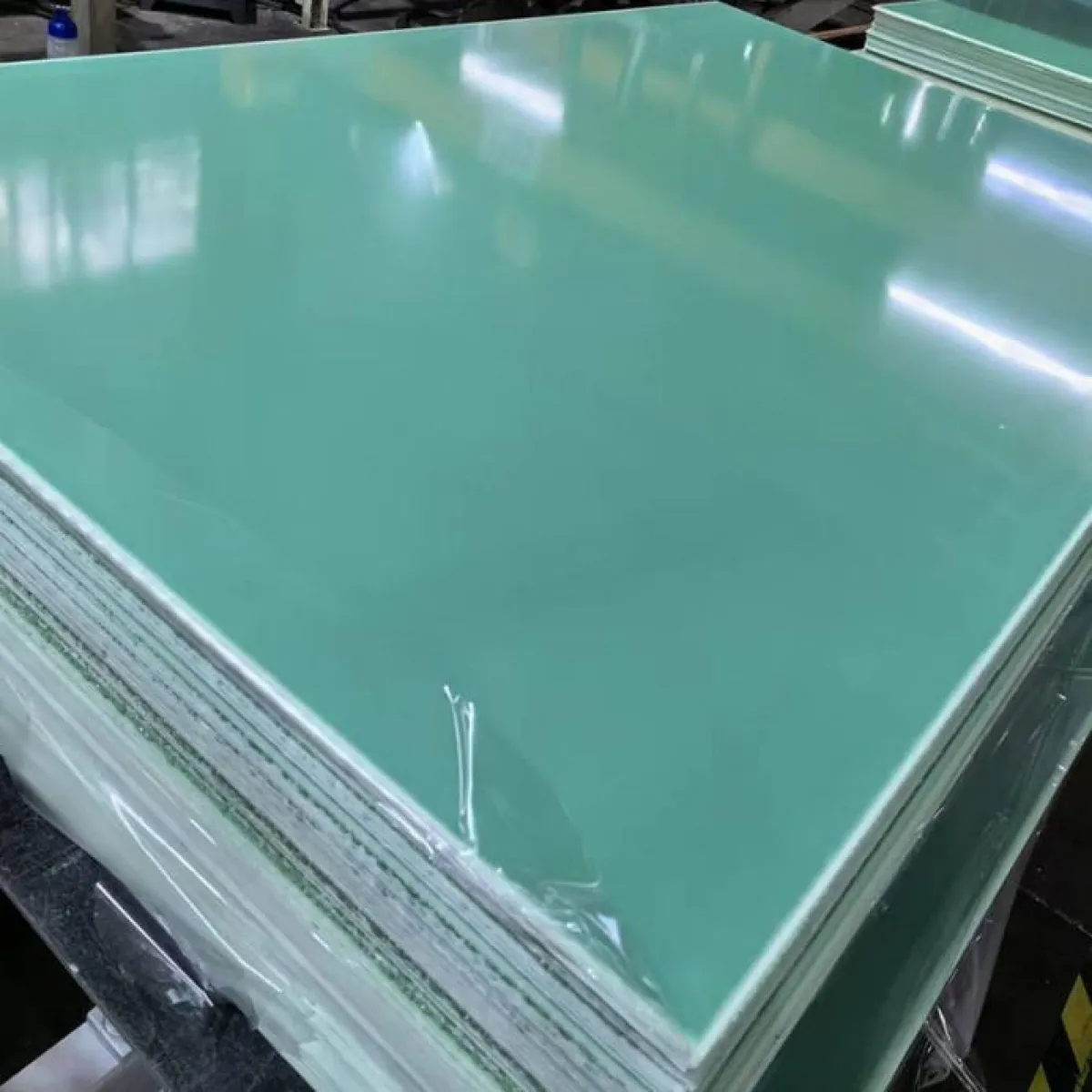
For engineers and purchasers choosing insulating materials, understanding the differences between G10 and G11 can help ensure the right balance of electrical insulation, mechanical
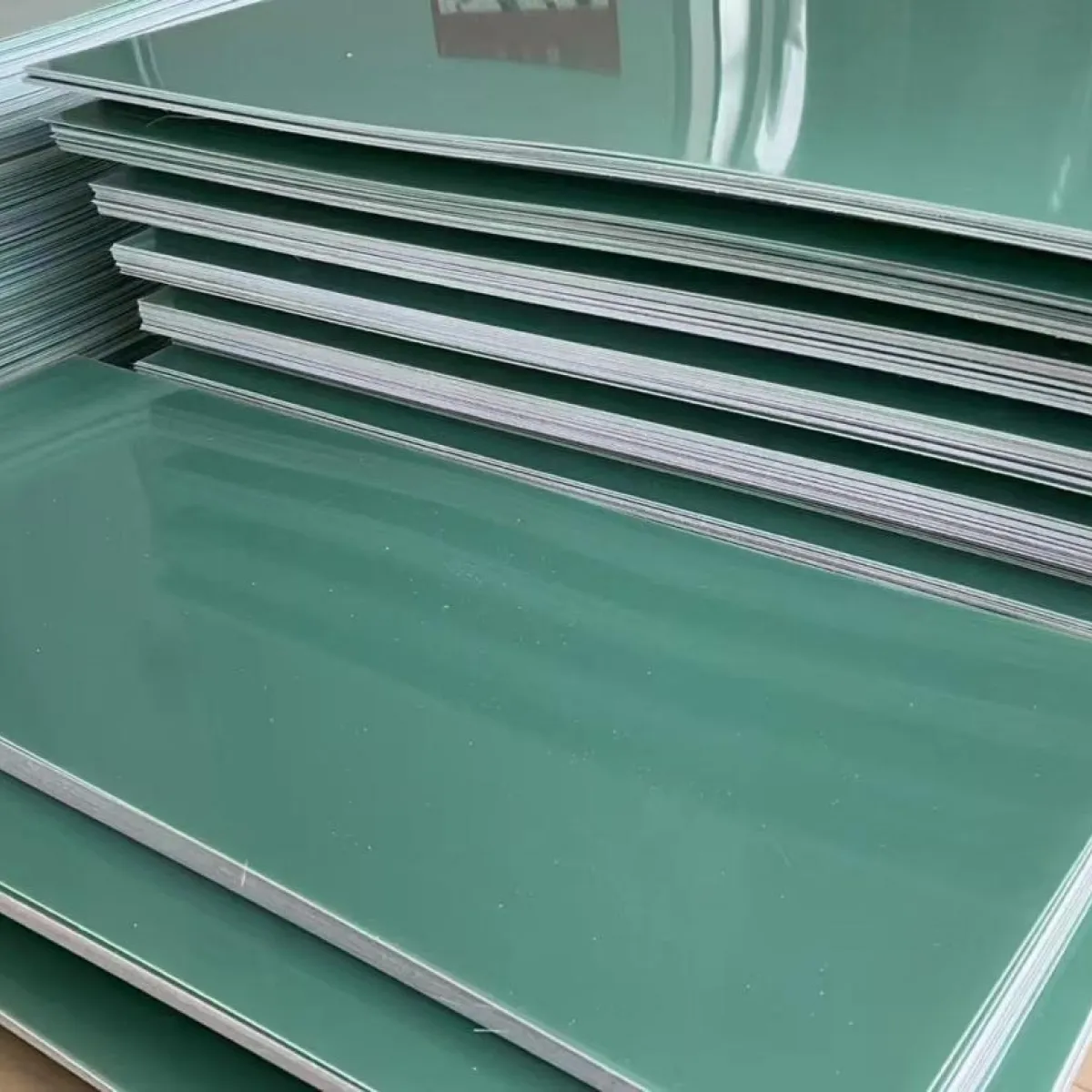
But what exactly makes FR4 so widely used? And when should engineers choose FR4 instead of G10, G11, FR5 or other insulating laminates?
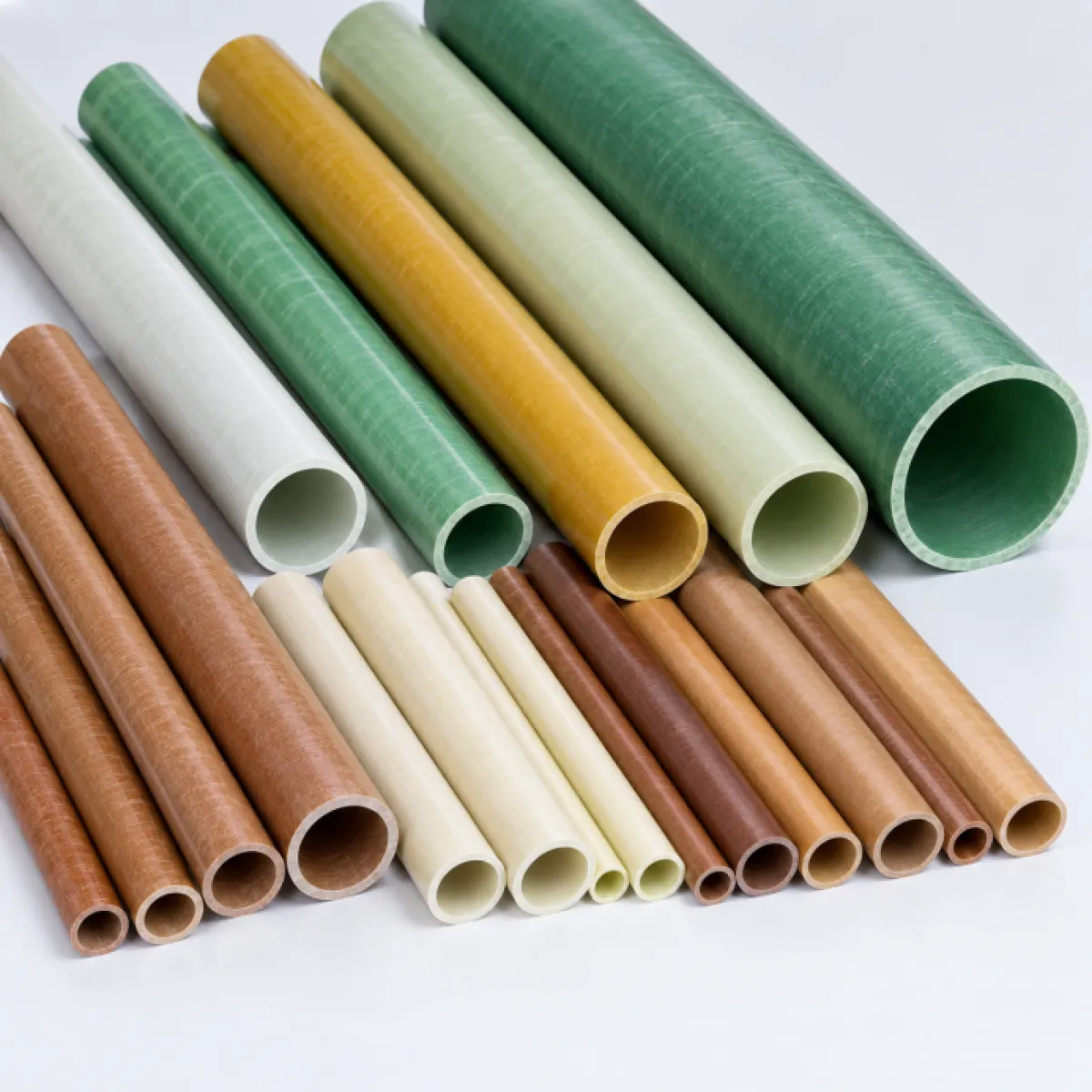
YILONG INSULATION supplies various laminated insulation tubes, including epoxy glass Cloth, melamine glass Cloth, phenolic cotton Cloth, phenolic paper and phenolic glass Cloth tube
Among the materials used for these demanding applications, GPO-3 insulation board is widely selected for busbar supports, phase barriers, arc barriers and other structural insulati
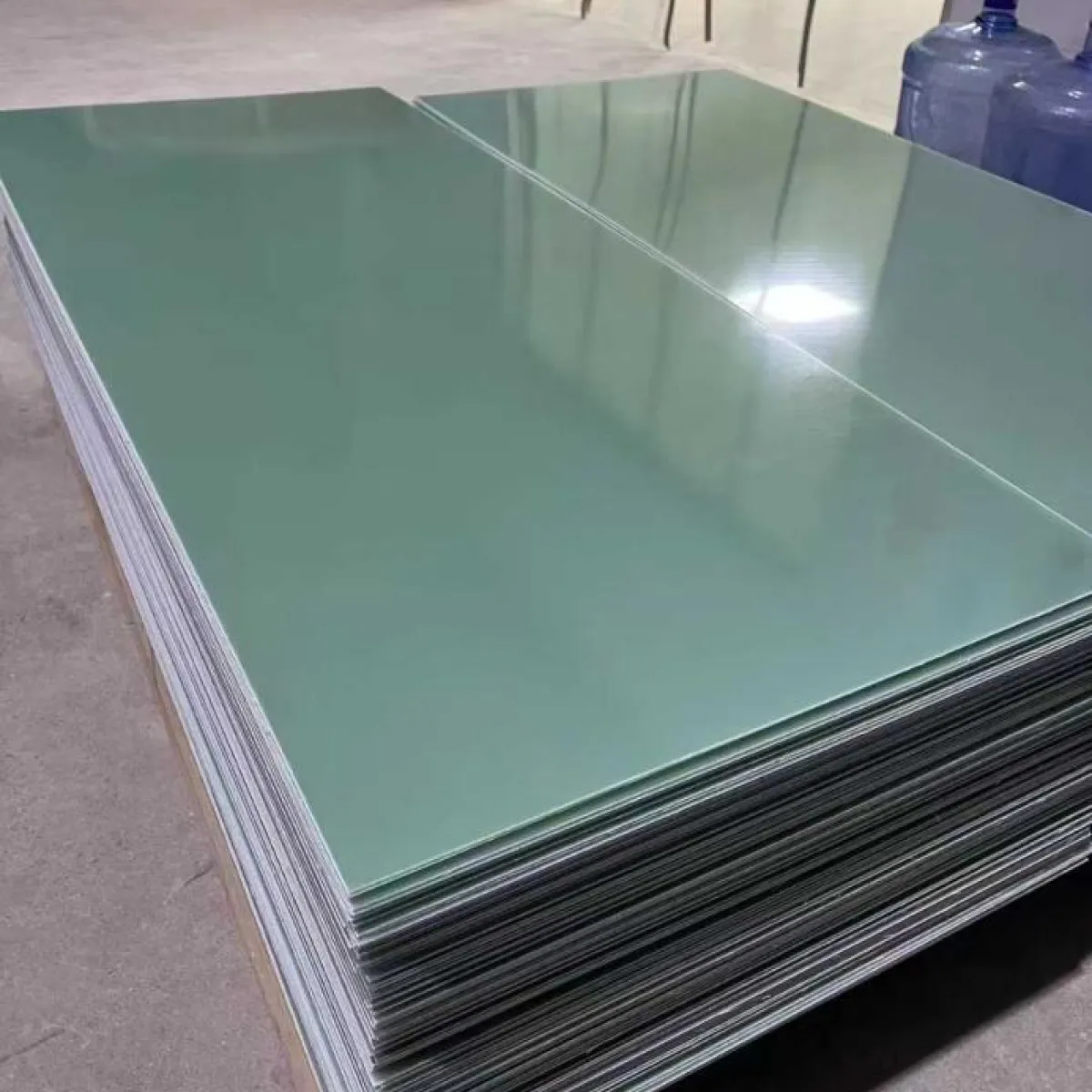
The most widely used epoxy glass laminates include 3240, G10, FR-4, and G11. Compared with these grades, 3240 is generally intended for less demanding applications. FR-4 offers goo
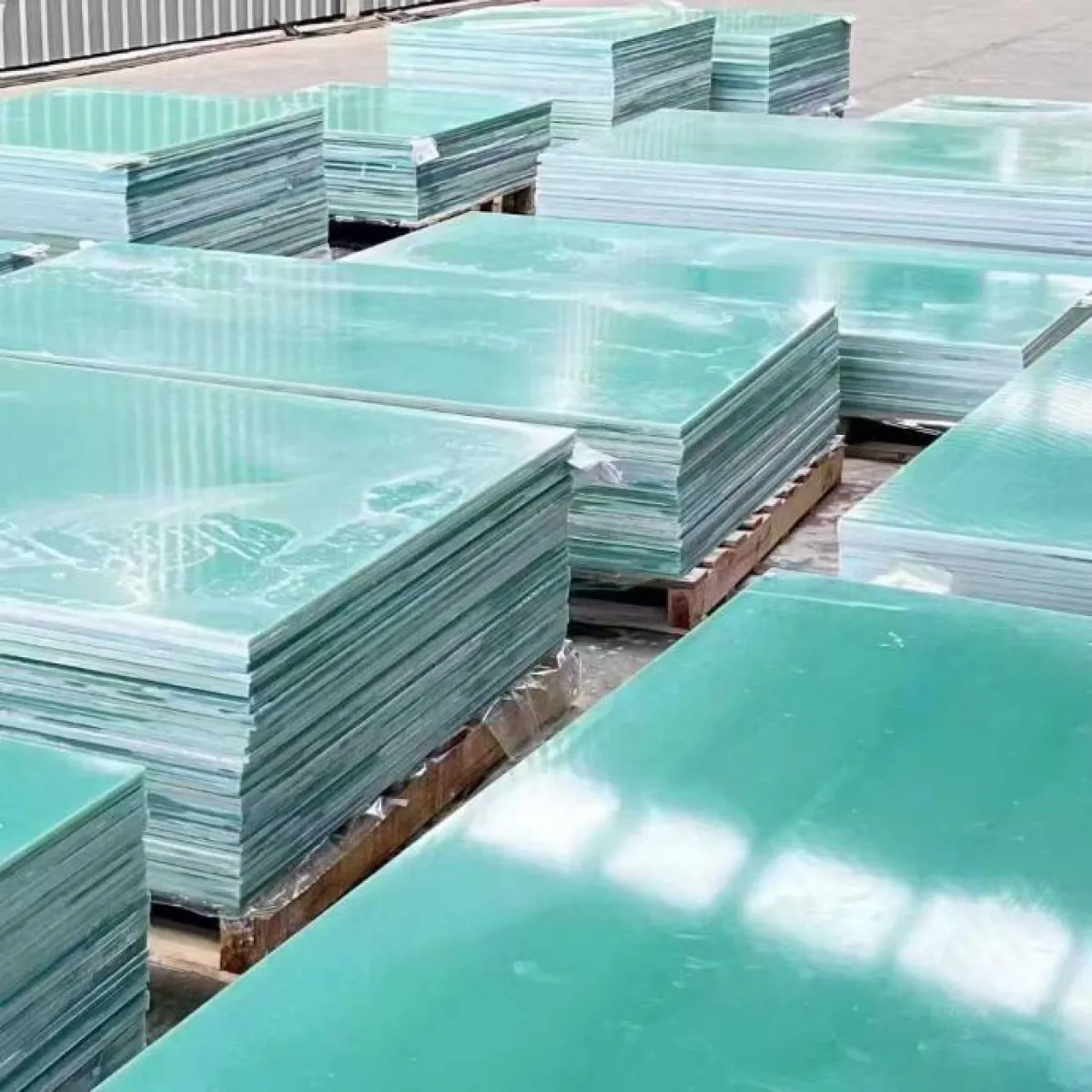
Today, we take a closer look at the manufacturing capabilities and service advantages behind YILONG’s high-quality electrical insulation solutions.
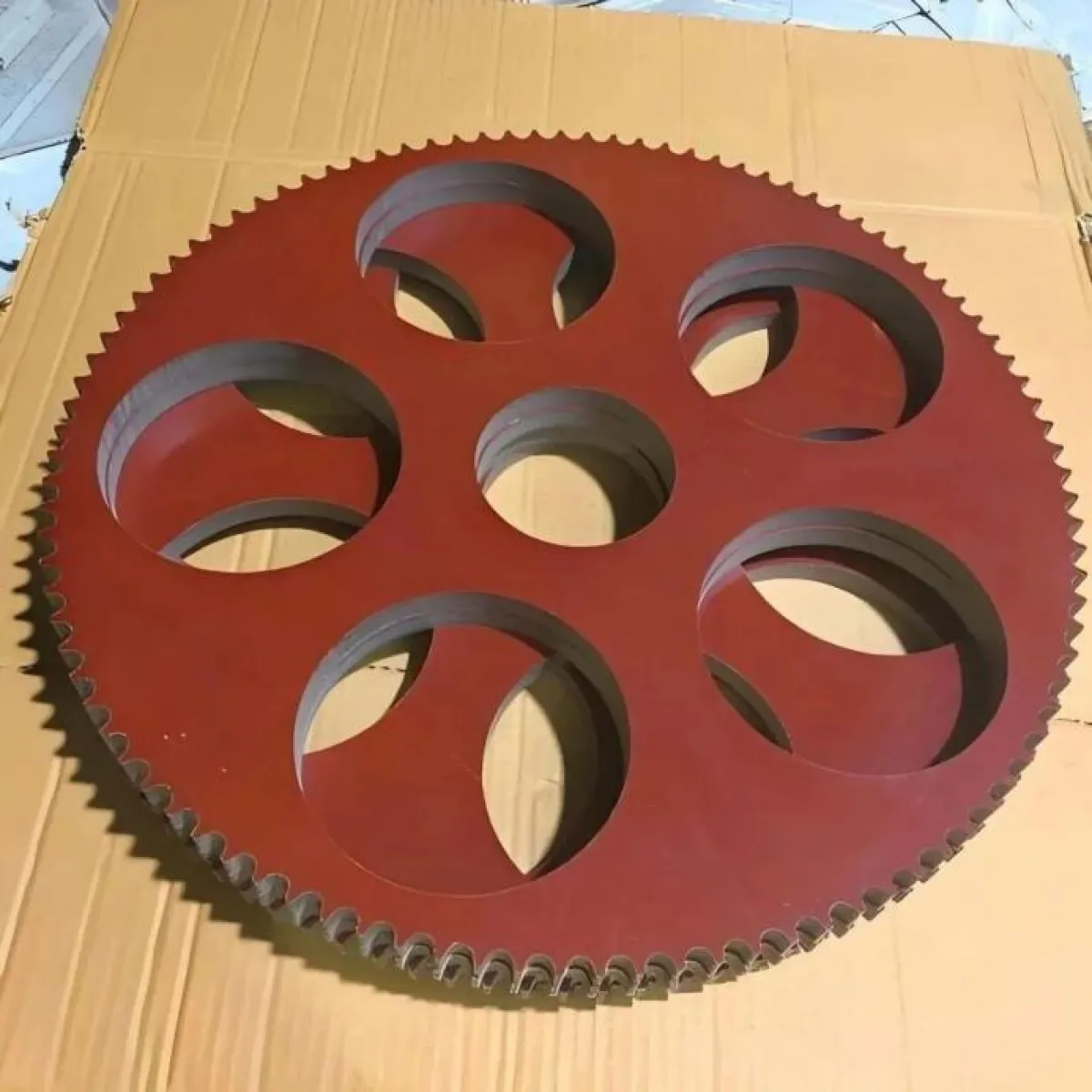
PFCP201 Phenolic Paper Sheet, also known as phenolic laminated paper sheet, is manufactured by impregnating electrical insulating paper with phenolic resin, followed by drying and
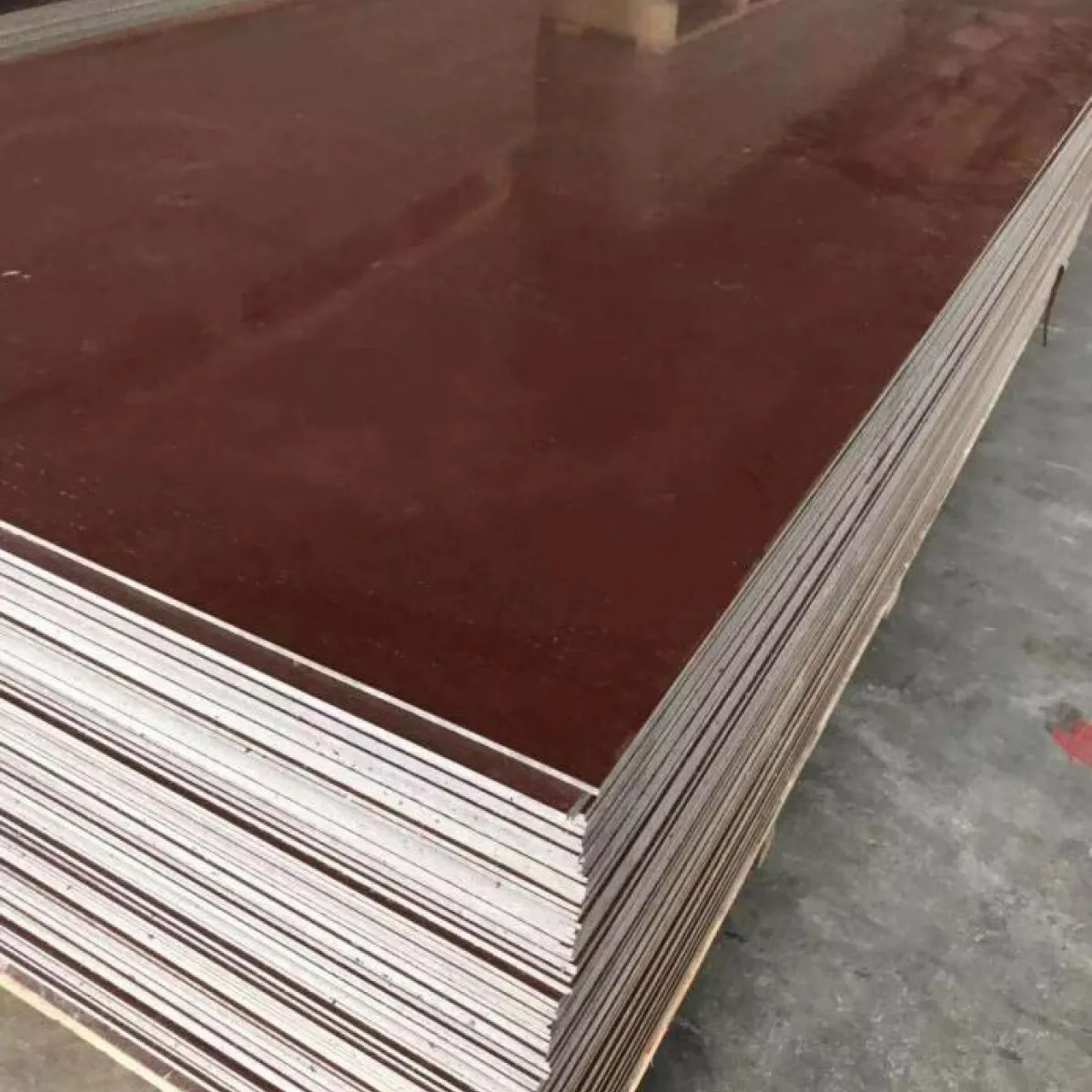
Different PFCP grades are designed for different operating conditions.
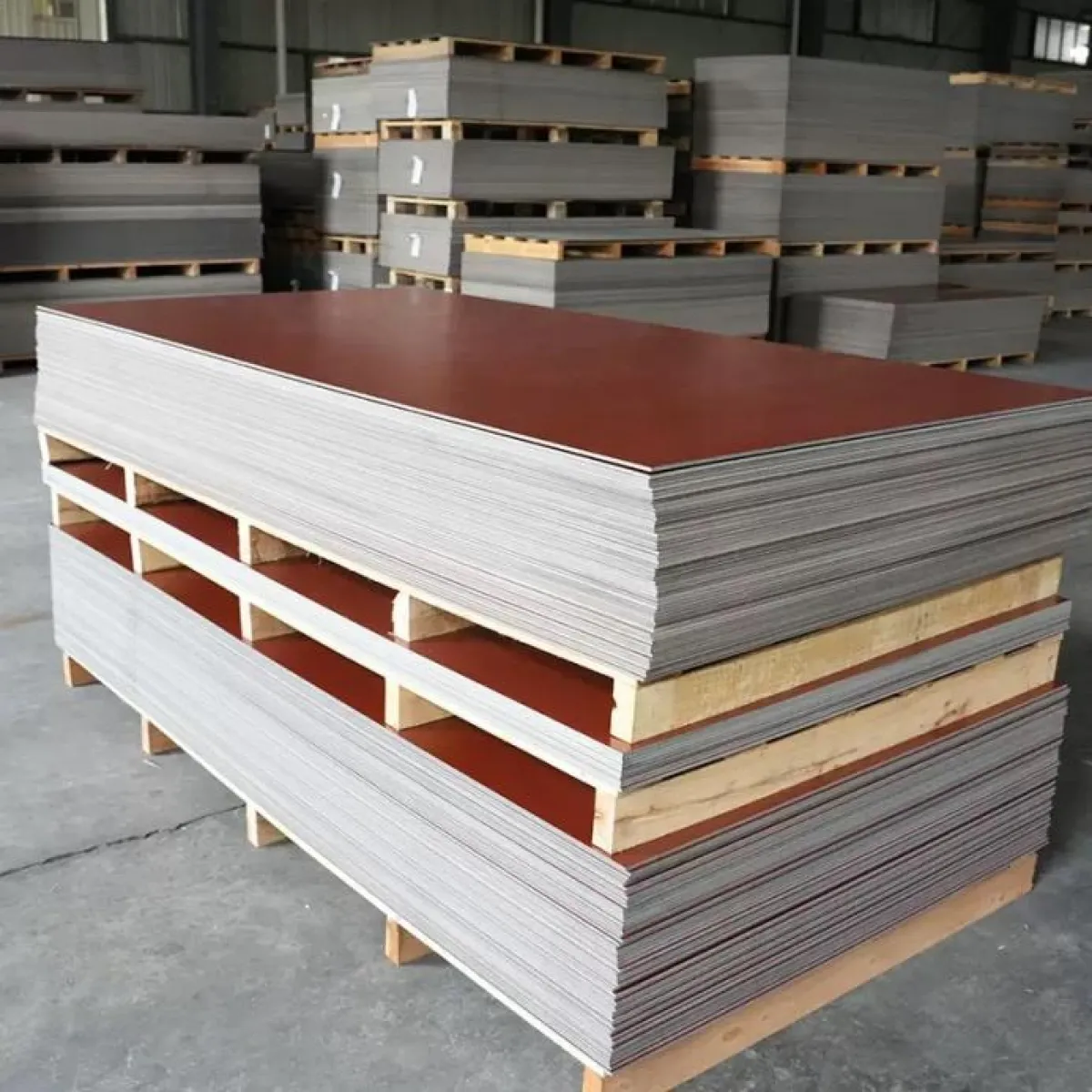
PFCP201 is manufactured using high-quality insulating paper impregnated with phenolic resin. After the raw materials are carefully inspected, the paper is passed through an automat
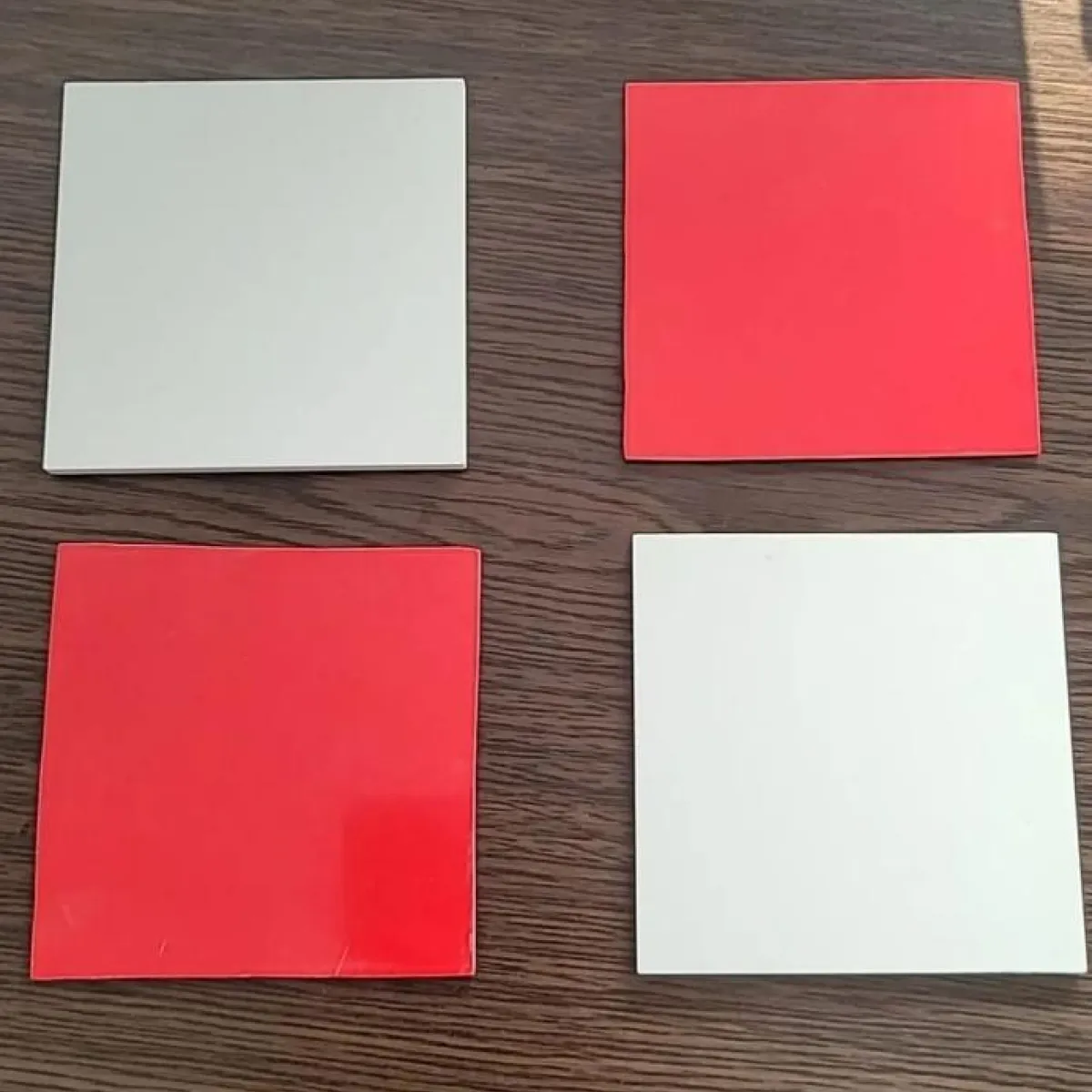
GPO-3 insulation board, also known as UPGM-203, is a rigid electrical insulation material made from alkali-free glass fiber mat impregnated with unsaturated polyester resin and pro

No.3, Mianzhi Street, Zhucheng, Shandong, China





Copyright © 2026 by Qingdao Yilong Insulation Material Company Limited All Rights Reserved