
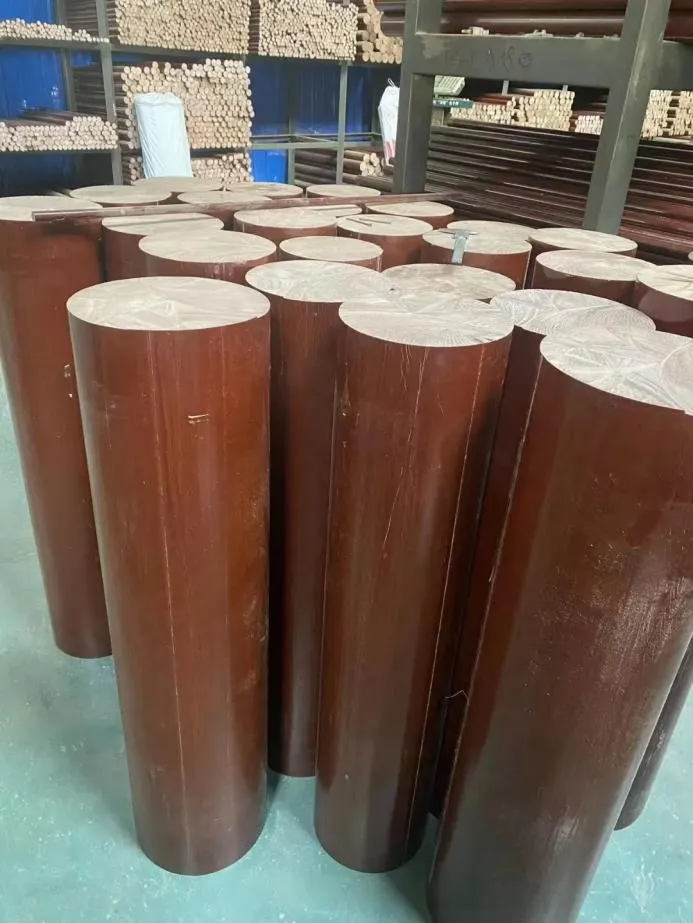
Phenolic Cotton Rods are high-performance electrical and mechanical insulation materials made by impregnating cotton fabric with phenolic resin, followed by controlled drying, curing and hot pressing. The resulting laminated material combines good electrical insulation, mechanical strength, wear resistance and machinability, making it suitable for both electrical insulation components and precision-machined mechanical parts.
YILONG INSULATION manufactures phenolic cotton insulation materials for applications where reliable electrical insulation and good mechanical performance are required. Phenolic Cotton Rods can be machined into bushings, washers, gears, spacers, guides, insulating components and other customized parts according to customer drawings.
What Are Phenolic Cotton Rods?
Phenolic Cotton Rods are produced from cotton fabric reinforcement impregnated with phenolic resin. Through a controlled baking and hot-pressing process, the impregnated layers are consolidated into a dense laminated structure and then processed into round rods.
The cotton fabric reinforcement provides mechanical strength and dimensional stability, while the phenolic resin matrix provides electrical insulation and resistance to wear and mechanical stress.
Compared with ordinary thermoplastics, Phenolic Cotton Rods offer a useful combination of insulation and mechanical properties, particularly in applications where the material must withstand repeated contact, friction or mechanical loading.
Key Properties
Good Electrical Insulation
Phenolic Cotton Rods provide good electrical insulating properties under normal operating conditions. They can be machined into insulating structural components used in motors, generators, electrical equipment, switchgear and other electrical systems.
Good Mechanical Strength
The cotton fabric reinforcement gives the material better mechanical strength than many conventional phenolic materials. This makes Phenolic Cotton Rods suitable for components that require both electrical insulation and mechanical load-bearing capability.
Excellent Machinability
Phenolic Cotton Rods can be readily machined using conventional equipment. Turning, milling, drilling, cutting and other machining operations can be used to manufacture customized components with specific dimensions and geometries.
This machinability makes the material particularly useful for producing bushings, washers, gears, spacers, guides, fixtures and other precision components.
Wear Resistance
The laminated cotton fabric structure provides good resistance to mechanical wear and friction. For this reason, Phenolic Cotton Rods are commonly considered for wear-resistant components such as bushings, bearing-related components, washers and mechanical guides.
Dimensional Stability
When properly manufactured and machined, phenolic cotton laminate provides stable mechanical performance for many industrial applications. The actual dimensional stability depends on the grade, dimensions, machining conditions and operating environment.
Use in Transformer Oil
Certain phenolic cotton laminate grades can be used in transformer oil applications. The suitability should be evaluated according to the specific grade, operating temperature, electrical requirements and oil environment.
NEMA Grades for Different Applications
Phenolic cotton laminates are available in different grades to meet different electrical and mechanical requirements. Common NEMA grades include LE and CE, with the appropriate grade selected according to the intended application.
NEMA LE Grade
NEMA LE is generally used where good mechanical properties, machinability and electrical insulation are required. Typical machined components include gears, bushings, thrust components, terminal components and various formed or machined parts.
NEMA CE Grade
NEMA CE is commonly selected for applications requiring a combination of mechanical strength, wear resistance and electrical insulation. Typical applications include bearing housings, motor and generator slot components, wear washers, gears and other mechanical insulation parts.
The exact performance requirements should be checked against the applicable material standard and customer specifications before selecting the grade.
Typical Applications
Electrical and Motor Insulation
Phenolic Cotton Rods can be machined into structural insulation components for motors, generators, switchgear, distribution equipment and other electrical systems. Their combination of electrical insulation and mechanical strength makes them suitable for components that need to support or separate electrical parts.
PCB and ICT Fixtures
Machined phenolic cotton laminate components can be used in PCB manufacturing and ICT applications, including test fixtures, fixture plates, mold plates and insulating structural components.
The material can also be considered for drilling support and other tooling applications where good machinability and mechanical rigidity are required.
Mechanical Components
Phenolic Cotton Rods can be machined into bushings, washers, gears, spacers, guides, bearing-related components and other mechanical parts. They are particularly useful where a combination of wear resistance, mechanical strength and electrical insulation is required.
Molds and Industrial Fixtures
The good machinability of phenolic cotton laminate makes it suitable for various industrial tooling applications. Typical examples include mold components, fixture plates, clamping plates and production-line tooling.
Machinery and Processing Equipment
Phenolic Cotton Rods can be used to manufacture customized insulating and wear-resistant components for machinery, forming equipment, drilling equipment and grinding applications.
Machining of Phenolic Cotton Rods
One of the important advantages of Phenolic Cotton Rods is their suitability for machining. Depending on the component design, YILONG can support processes such as turning, milling, drilling, cutting and other precision machining operations.
When machining phenolic cotton materials, appropriate cutting tools, feed rates and dust-control measures should be selected according to the material grade and component geometry. Finished dimensions and tolerances can be discussed according to customer drawings and application requirements.
For demanding applications, the material grade should be selected before machining to ensure that the finished component meets the required electrical, mechanical and dimensional performance.
Why Choose Phenolic Cotton Rods?
Phenolic Cotton Rods provide a practical balance between electrical insulation and mechanical performance. Their combination of good insulation, mechanical strength, wear resistance and machinability allows them to serve both electrical and mechanical applications.
For manufacturers requiring customized insulating components, using a machinable phenolic cotton rod can also simplify the production of small batches and complex parts because the material can be directly machined into the required geometry.
YILONG Phenolic Cotton Insulation Materials
YILONG INSULATION supplies phenolic cotton laminate materials and machined insulation components for electrical equipment, motors, generators, machinery, PCB tooling and industrial applications.
With in-house machining capabilities, YILONG can provide both standard Phenolic Cotton Rods and customized machined parts according to drawings, dimensions and application requirements.
For technical specifications, available grades, rod dimensions or customized machining requirements, please contact YILONG INSULATION.
YILONG INSULATION
Website: https://www.yilonginsulation.com/
Email: yilong@yilonginsulation.com
WhatsApp: +86 15866869385
Manufacturer of phenolic and epoxy laminated insulation materials in China.
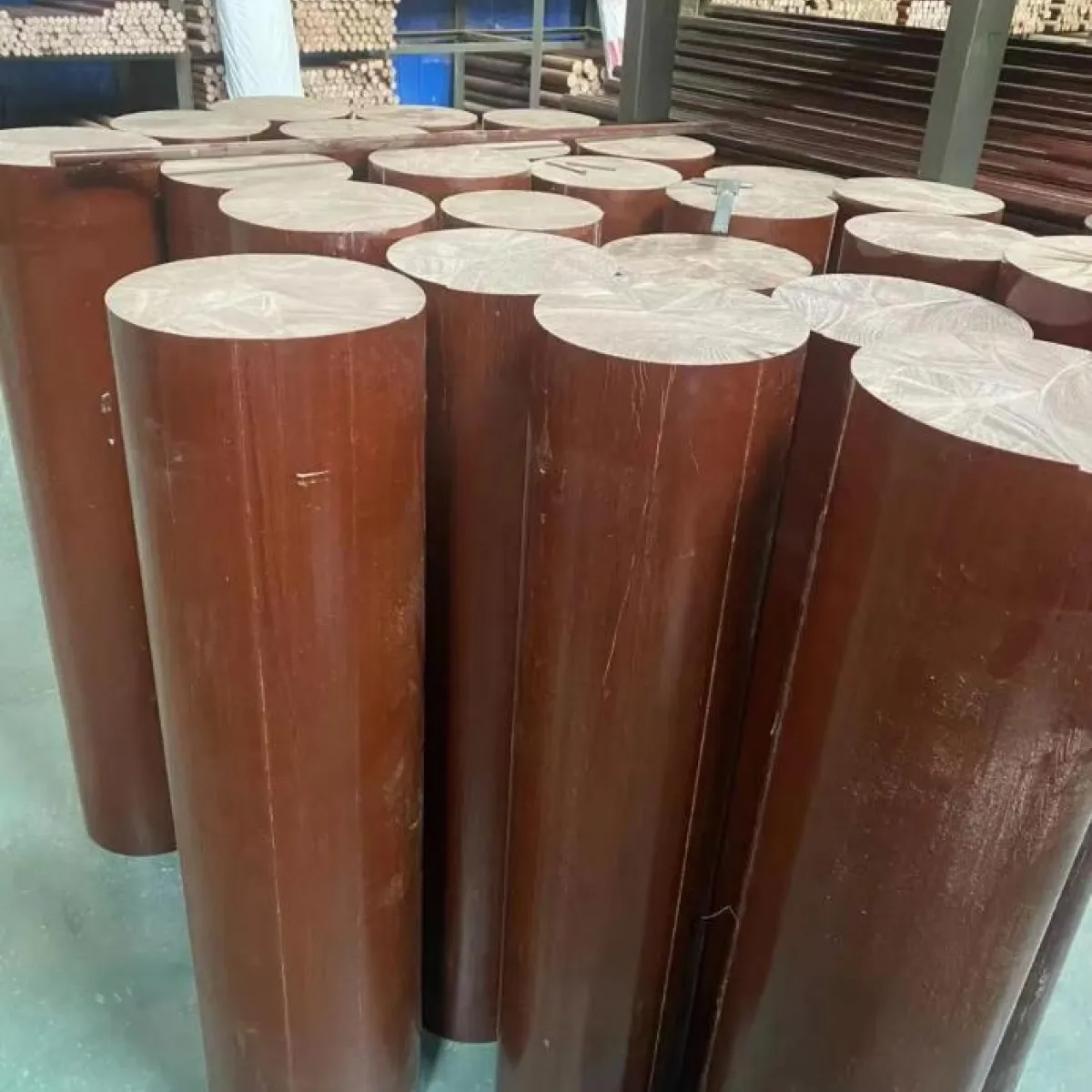
YILONG INSULATION manufactures phenolic cotton insulation materials for applications where reliable electrical insulation and good mechanical performance are required. Phenolic Cot
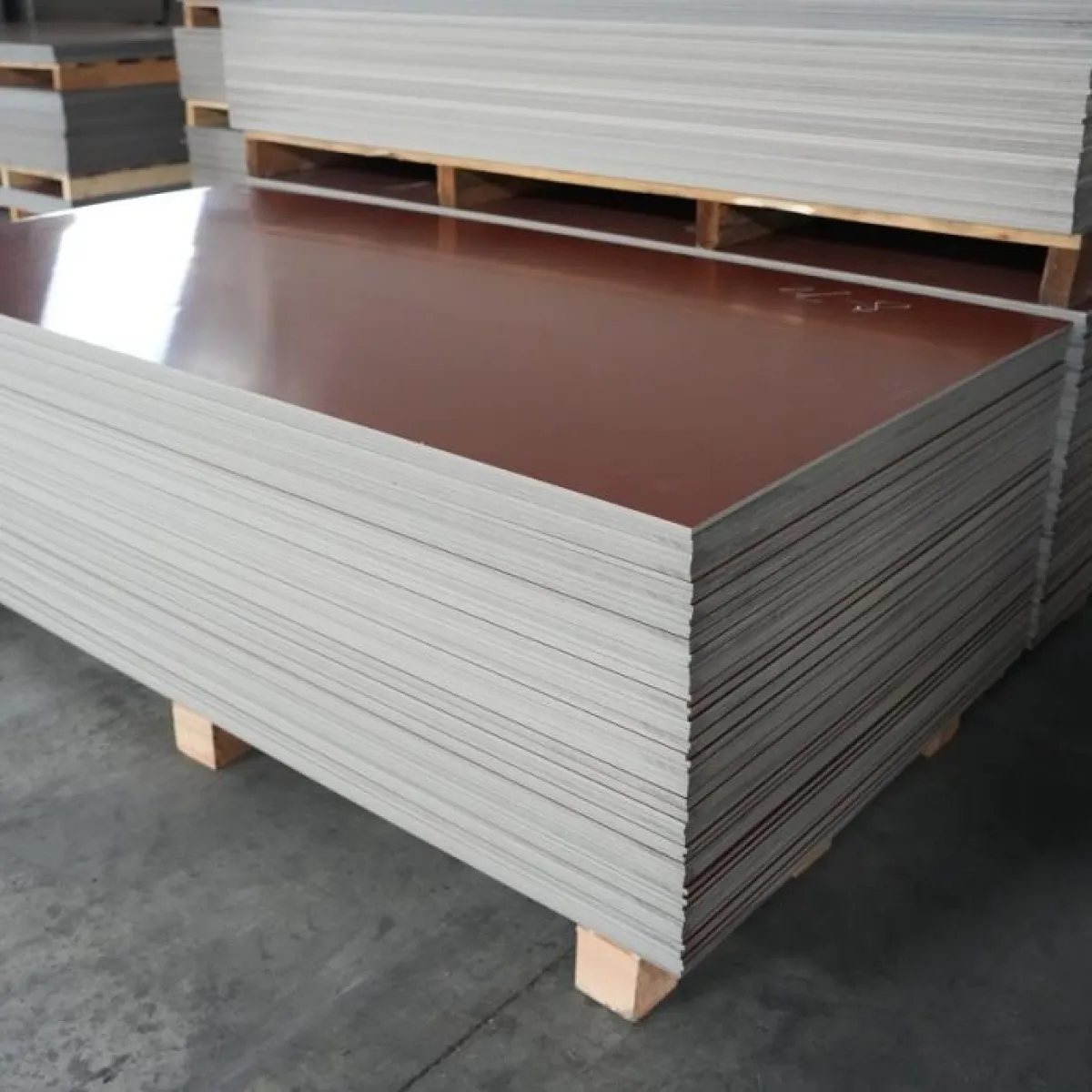
PFCP 201 phenolic paper laminated sheet is a widely used electrical insulation material for applications requiring a combination of mechanical strength, electrical insulation and d
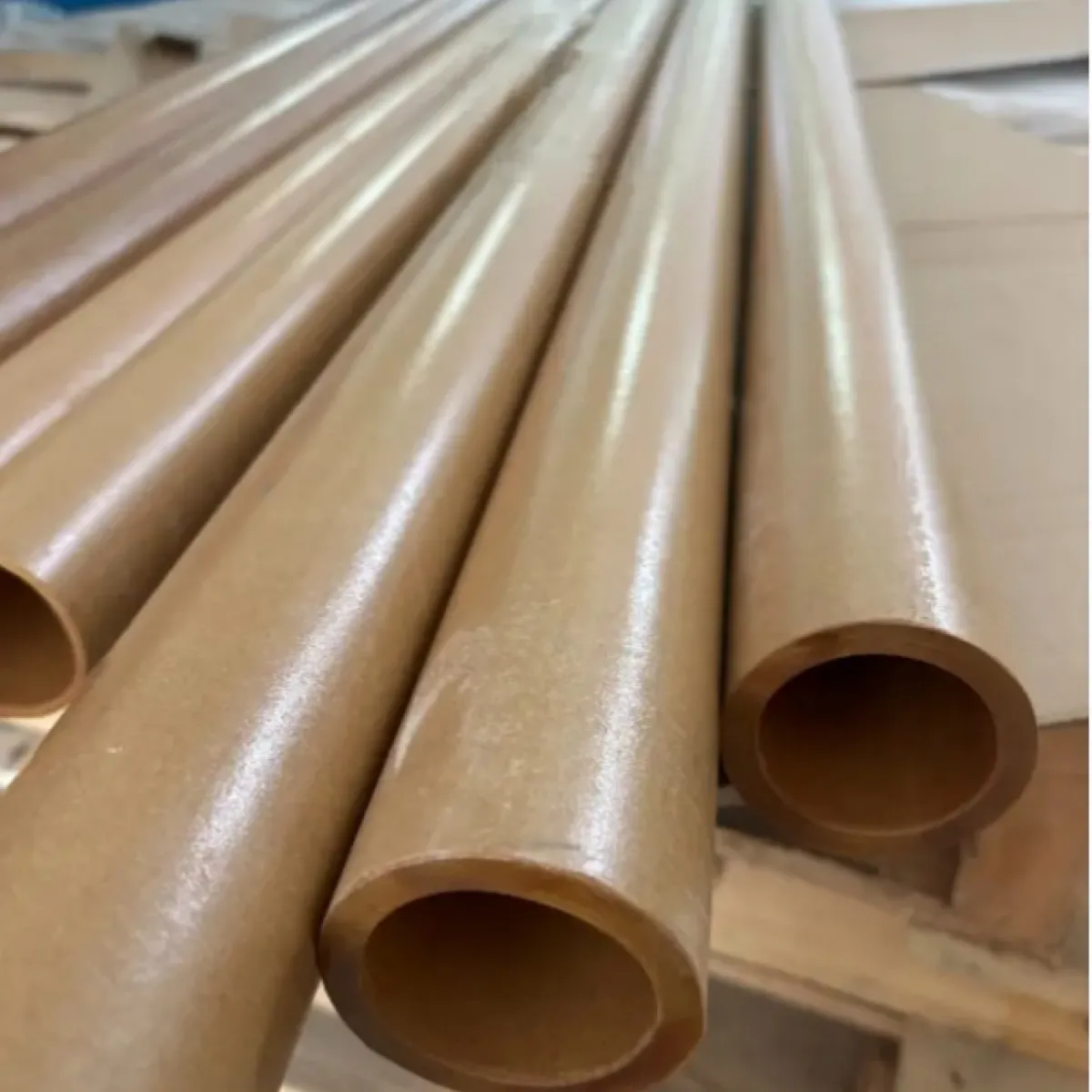
It is manufactured from insulating paper impregnated with phenolic resin and formed through a controlled hot winding and curing process. This structure combines the electrical prop
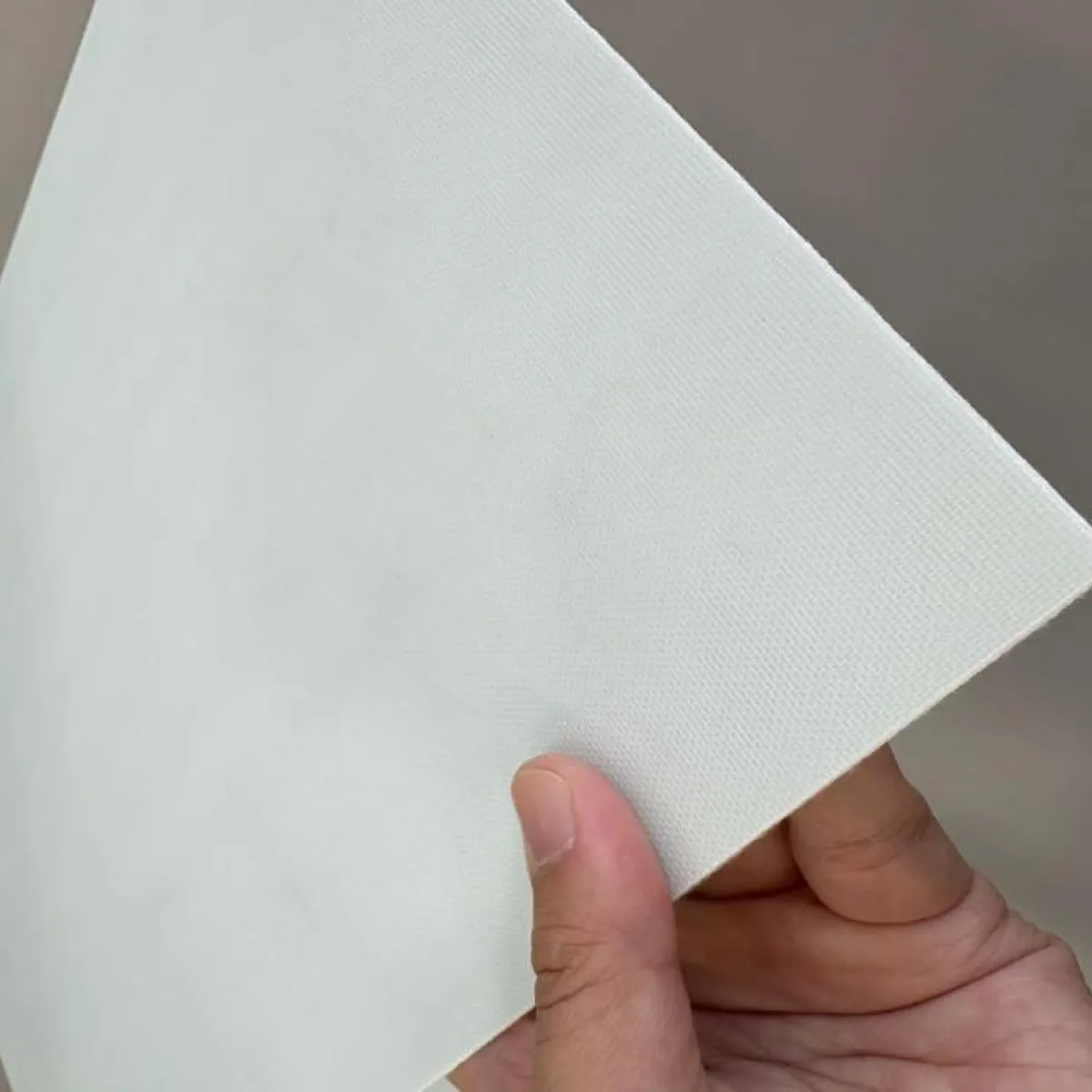
Compared with general-purpose epoxy glass laminates, silicone resin reinforced with glass fabric provides a different balance of thermal, electrical and mechanical properties. Howe
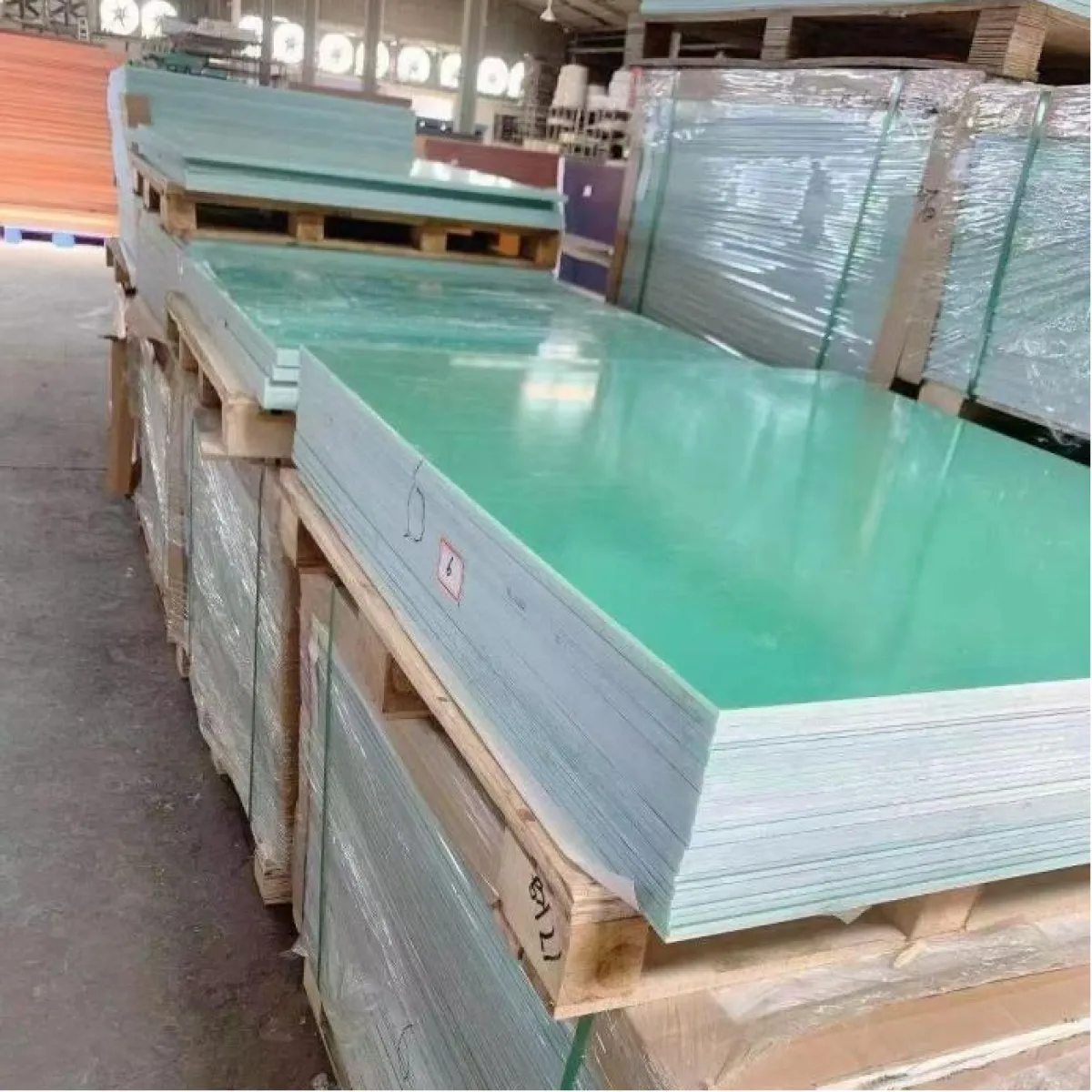
For electrical equipment manufacturers, machinery companies and insulation component suppliers, selecting the right G10 Epoxy Fiberglass Sheet involves more than simply choosing a
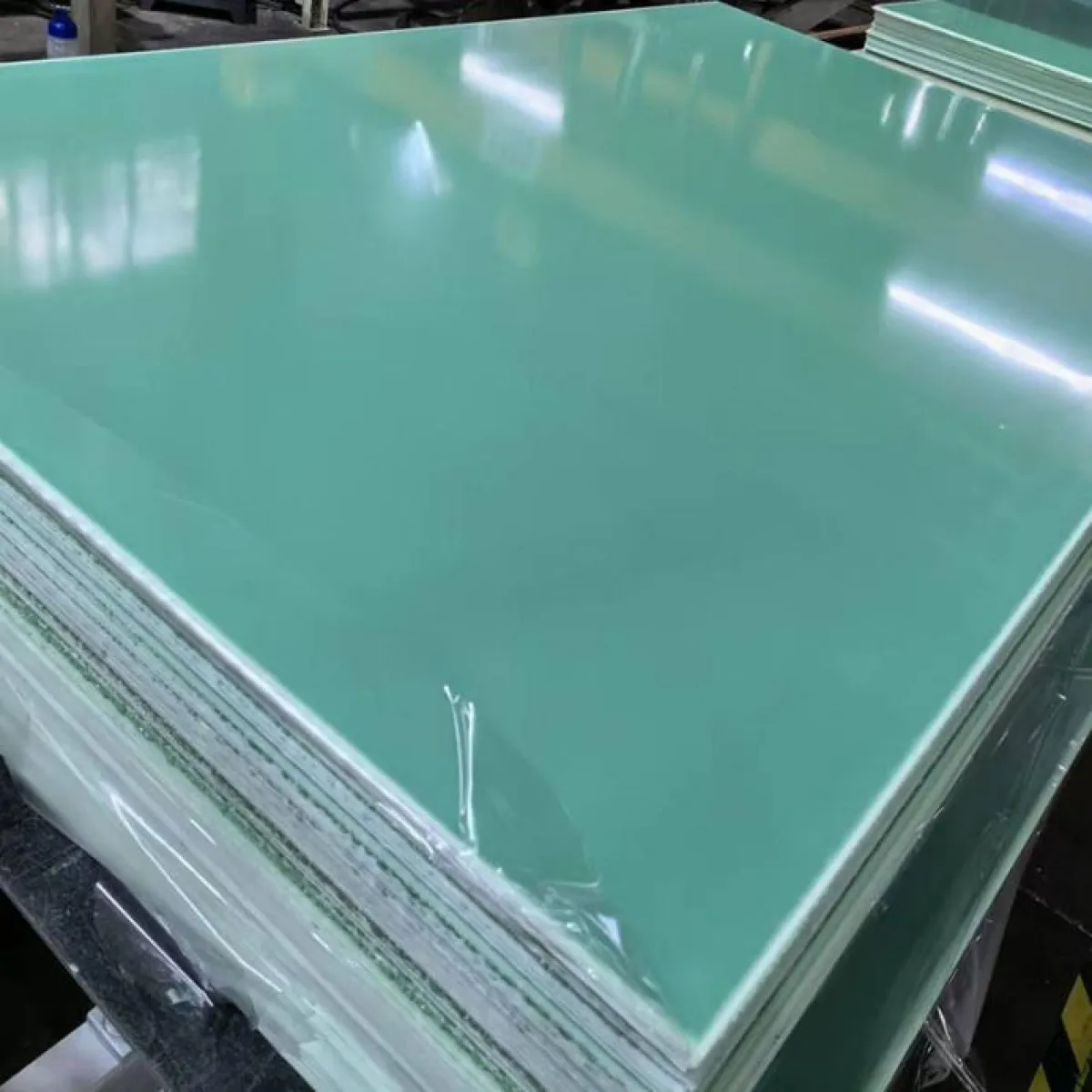
For engineers and purchasers choosing insulating materials, understanding the differences between G10 and G11 can help ensure the right balance of electrical insulation, mechanical
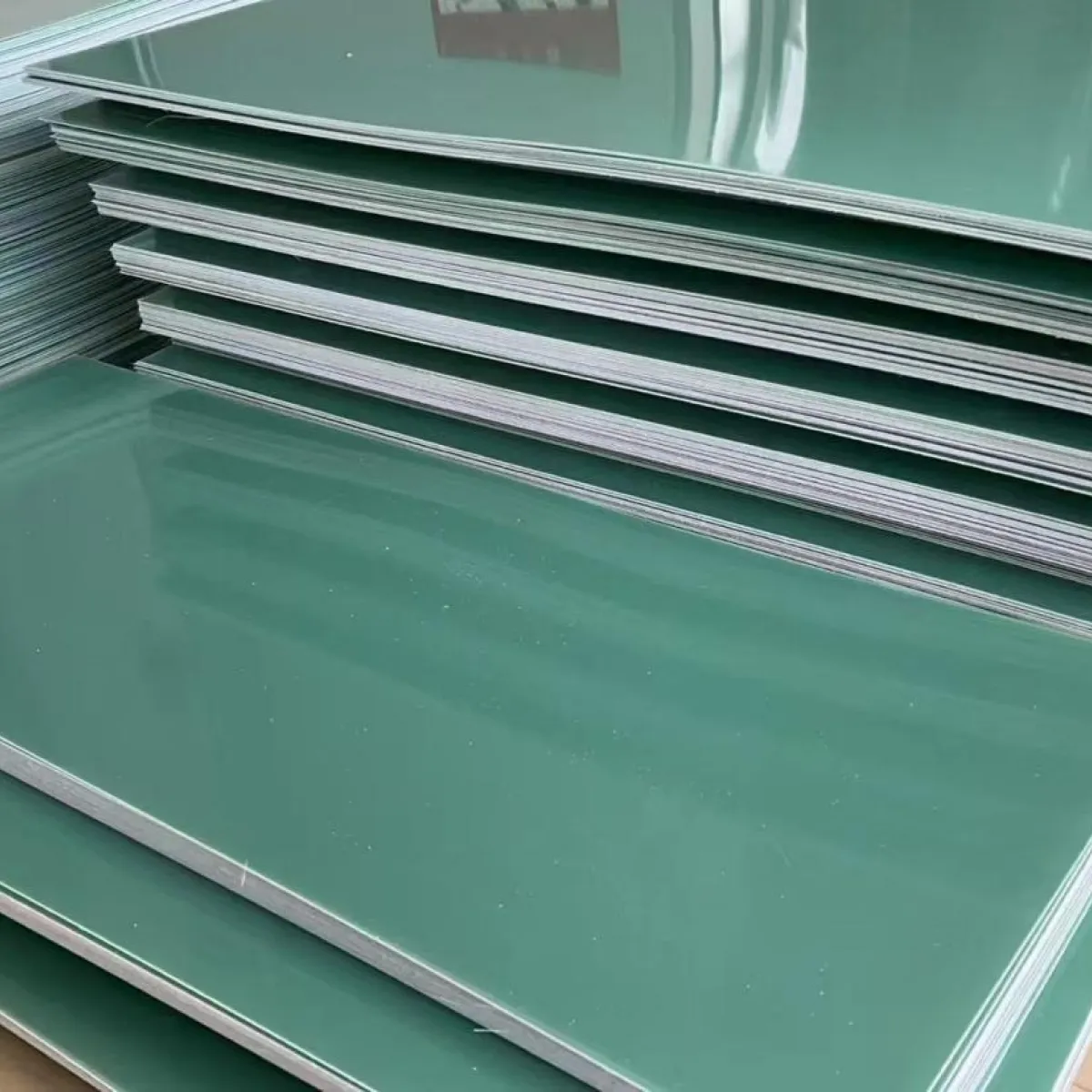
But what exactly makes FR4 so widely used? And when should engineers choose FR4 instead of G10, G11, FR5 or other insulating laminates?
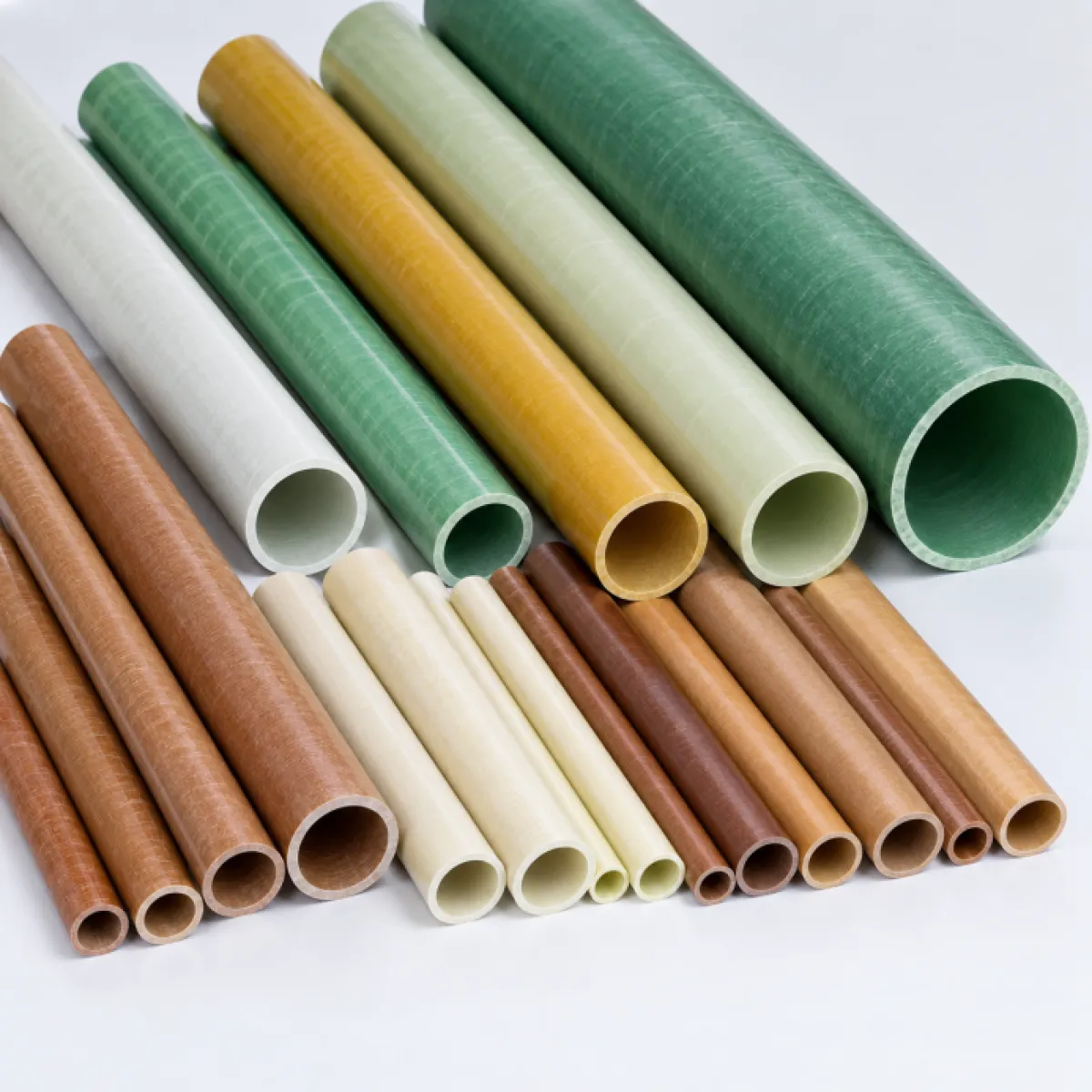
YILONG INSULATION supplies various laminated insulation tubes, including epoxy glass Cloth, melamine glass Cloth, phenolic cotton Cloth, phenolic paper and phenolic glass Cloth tube

Among the materials used for these demanding applications, GPO-3 insulation board is widely selected for busbar supports, phase barriers, arc barriers and other structural insulati
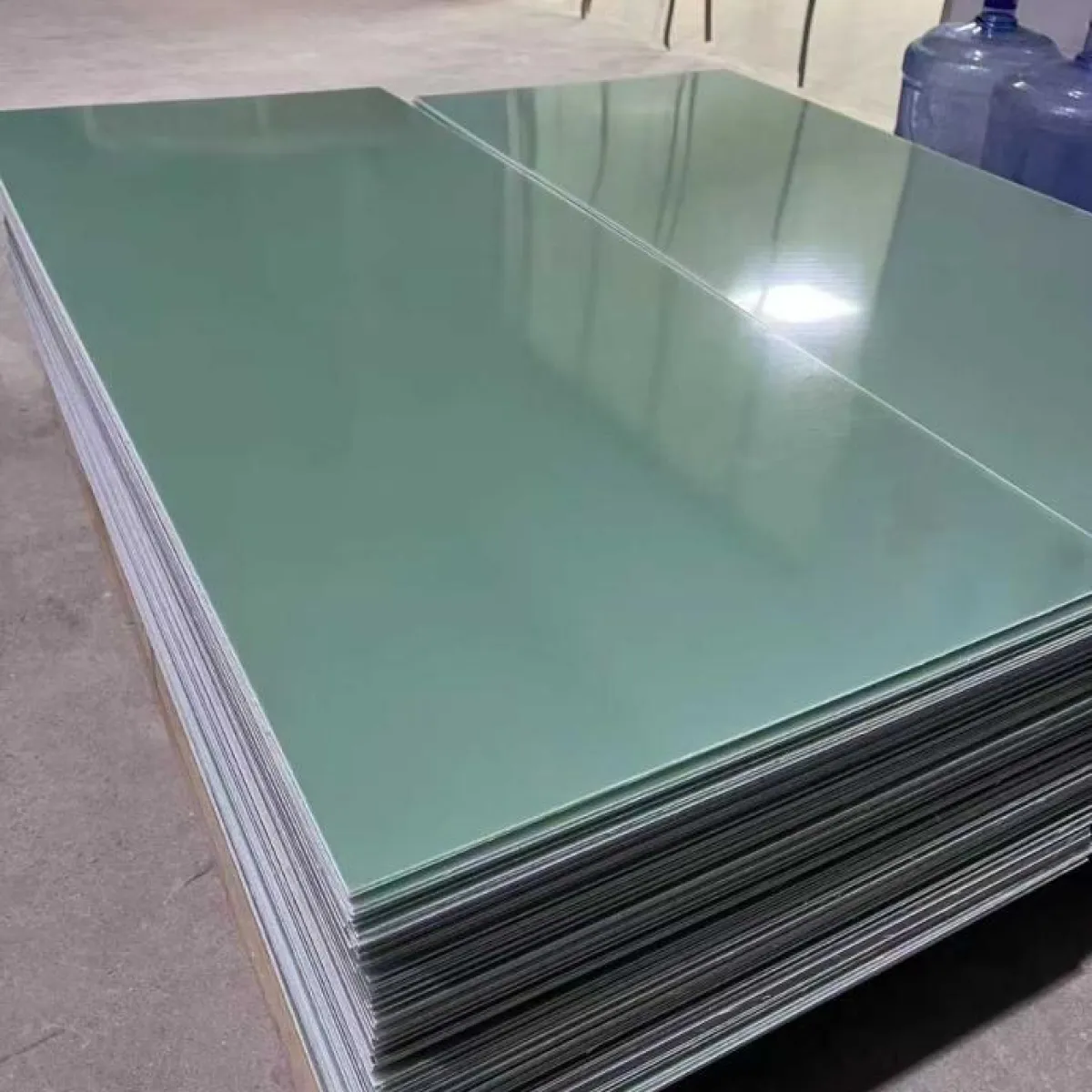
The most widely used epoxy glass laminates include 3240, G10, FR-4, and G11. Compared with these grades, 3240 is generally intended for less demanding applications. FR-4 offers goo

No.3, Mianzhi Street, Zhucheng, Shandong, China


Copyright © 2026 by Qingdao Yilong Insulation Material Company Limited All Rights Reserved


