
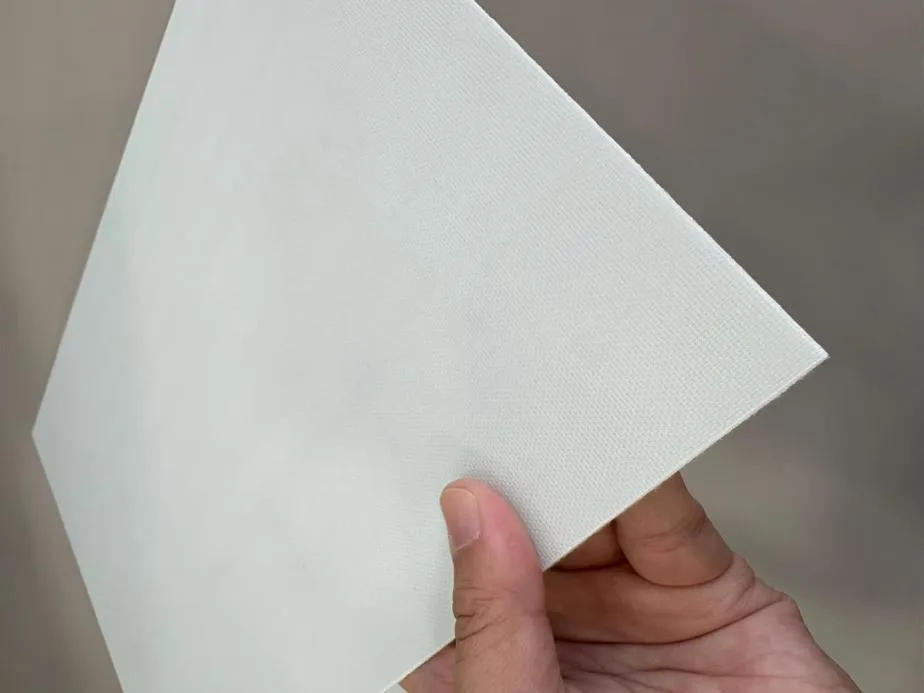
When insulation materials are exposed to high temperatures, electrical stress, moisture and mechanical loads, selecting a suitable laminate requires more than simply comparing thickness and basic electrical values. G7 Silicone Glass Sheet is designed for applications where high-temperature electrical insulation, mechanical strength and arc resistance are important.
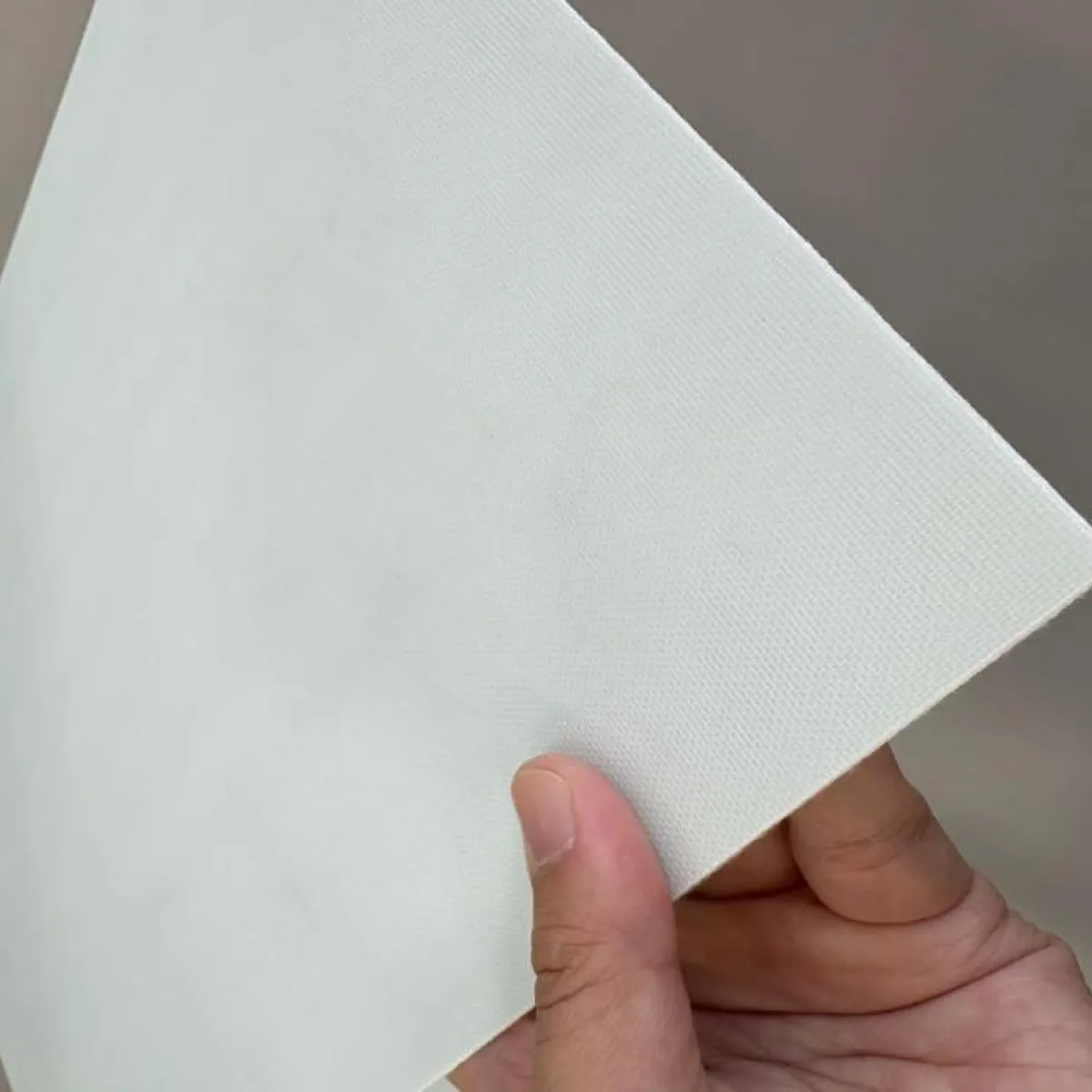
Compared with general-purpose epoxy glass laminates, silicone resin reinforced with glass fabric provides a different balance of thermal, electrical and mechanical properties. However, the right material should always be selected according to the actual operating conditions rather than the material name alone.
This article explains the key factors to consider when selecting G7 silicone glass laminate, including resin and glass fabric selection, temperature requirements, electrical performance, moisture resistance, machining and application conditions.
Why Choose Silicone Glass Laminate for High-Temperature Insulation?
The performance of a laminated insulation material depends on both the resin system and the reinforcement structure. In silicone glass laminate, silicone resin is combined with glass fabric to form a rigid composite with electrical insulation and mechanical support.
High-Temperature Performance
Temperature is one of the first factors to consider when selecting an insulating laminate. YILONG G7 silicone glass laminate is designed for high-temperature electrical insulation applications and has a thermal class of 220°C.
This makes it suitable for equipment where the insulation material needs to maintain its functional properties under elevated-temperature operating conditions. However, the actual allowable service temperature should be evaluated together with the application environment, exposure time, mechanical loading and other components in the insulation system.
Electrical Insulation Performance
Electrical insulation is not determined by dielectric strength alone. Depending on the application, dielectric strength, insulation resistance, arc resistance and resistance to electrical tracking may all need to be considered.
For high-voltage or high-temperature equipment, the material should therefore be evaluated against the actual electrical requirements of the application rather than selected only according to its nominal material grade.
Mechanical Strength
Glass fabric reinforcement provides the structural strength required for many rigid insulation components. This is particularly important when the laminate is used as a support, spacer, barrier or structural insulating component rather than simply as an electrical barrier.
The required mechanical properties should be considered together with temperature. A material that performs well at room temperature may behave differently when continuously exposed to elevated temperatures and mechanical loads.
How Does G7 Silicone Glass Sheet Differ from General-Purpose Glass Laminates?
Different resin systems are developed for different operating conditions. Epoxy glass laminates such as G10 and FR-4 are widely used for general electrical insulation, while silicone glass laminate is selected when the application requires a combination of high-temperature performance and electrical insulation.
Resin System Matters
The resin is not simply a binder. It contributes to the thermal behavior, electrical characteristics, moisture resistance and processing properties of the finished laminate.
For this reason, comparing two glass fabric laminates only by glass content or thickness can lead to an incomplete evaluation. The resin system, curing process and reinforcement structure should all be considered.
Glass Fabric Structure Also Matters
The glass fabric provides mechanical reinforcement and contributes to dimensional stability. Fabric construction, resin impregnation and laminate consolidation can influence the consistency of the finished material.
For high-temperature insulation components, uniform resin impregnation is particularly important because internal defects or weak bonding areas may affect mechanical and electrical performance.
How to Select G7 Silicone Glass Sheet for Different Applications
The correct selection should begin with the actual working conditions.
High-Temperature Applications
For applications exposed to elevated temperatures, first determine the normal operating temperature, maximum temperature and duration of exposure. The thermal class of the insulation material should then be compared with the actual temperature profile of the equipment.
For continuous high-temperature operation, it is important to evaluate long-term thermal stability rather than relying only on a short-term temperature value.
High-Voltage Electrical Applications
For high-voltage applications, dielectric strength and insulation resistance should be considered together with the required electrical clearance, working voltage and environmental conditions.
If the component is exposed to electrical arcing or tracking risk, arc resistance and tracking resistance should also be included in the material evaluation.
Humid or Demanding Environments
Moisture can influence the electrical performance of many insulating materials. When the equipment operates in a humid environment, water absorption and electrical performance under humid conditions should be considered during material selection.
The complete insulation system should also be evaluated because adhesives, coatings, joints and exposed machined edges can influence the final moisture resistance of the component.
Processing and Machining Considerations
Selecting the correct material is only part of achieving reliable performance. The machining process can also affect the finished insulation component.
Cutting and Drilling
During machining, excessive localized heat should be avoided. Cutting speed, feed rate, tool condition and cooling conditions should be selected according to the material thickness and machining operation.
After drilling, cutting or milling, machined surfaces and edges should be inspected to ensure that there are no excessive burrs, cracks or visible defects that could affect assembly or insulation performance.
Edge Treatment
For components used in humid or electrically demanding environments, exposed edges may require appropriate treatment depending on the application. Any coating, adhesive or sealing material should be checked for compatibility with the silicone glass laminate and the required operating temperature.
Machining requirements should therefore be considered before purchasing the material, especially when the final component requires drilled holes, slots, milled profiles or close dimensional tolerances.
Do Not Overlook Supporting Materials
The laminate itself is only one part of an insulation system. Adhesives, coatings, fasteners and other surrounding materials must also be compatible with the operating conditions.
High-Temperature Adhesives
If the laminate is bonded to another component, the adhesive should have an appropriate temperature rating and sufficient electrical insulation properties for the intended application.
Using an adhesive with a significantly lower temperature capability can become a weak point in an otherwise high-temperature insulation system.
Insulation Coatings and Surface Protection
Where additional surface protection is required, the coating should be compatible with the laminate and the actual operating environment. Adhesion, temperature resistance and electrical properties should be considered together.
This is particularly important for components exposed to moisture, contamination or electrical stress.
A Practical Selection Process
A practical material-selection process can be organized around several questions.
Step 1: Define the Operating Environment
Determine the normal operating temperature, maximum temperature, humidity, electrical voltage, mechanical load and possible exposure to chemicals or other media.
Step 2: Identify the Required Material Properties
Based on these conditions, determine whether the application requires high-temperature performance, dielectric strength, insulation resistance, arc resistance, tracking resistance, mechanical strength or a combination of these properties.
Step 3: Confirm the Material and Test Requirements
The selected laminate should be checked against the relevant technical specifications and test requirements. For critical electrical insulation components, material certificates and test data should be reviewed together with the customer's technical requirements.
Step 4: Consider the Final Machined Component
The required dimensions, holes, slots, surface finish and tolerances should be considered before material selection. This helps ensure that the selected laminate can be processed into the required component without creating unnecessary manufacturing difficulties.
YILONG G7 Silicone Glass Sheet for High-Temperature Electrical Insulation
YILONG INSULATION manufactures G7 Silicone Glass Sheet using silicone resin reinforced with glass fabric. The material is designed for high-temperature electrical insulation applications and is classified as a 220°C Class C material. It also provides flame-retardant and arc-resistant characteristics for applications requiring additional electrical protection.
The material can be supplied for further machining into insulating structural components according to customer drawings and application requirements. When selecting the appropriate thickness and specification, YILONG can evaluate the customer's operating temperature, electrical requirements, dimensions and machining conditions.
For technical specifications, material selection or customized insulation components, please contact YILONG INSULATION.
YILONG INSULATION
Website: www.yilonginsulation.com
Email: yilong@yilonginsulation.com
WhatsApp: +86 15866869385
Compared with general-purpose epoxy glass laminates, silicone resin reinforced with glass fabric provides a different balance of thermal, electrical and mechanical properties. Howe
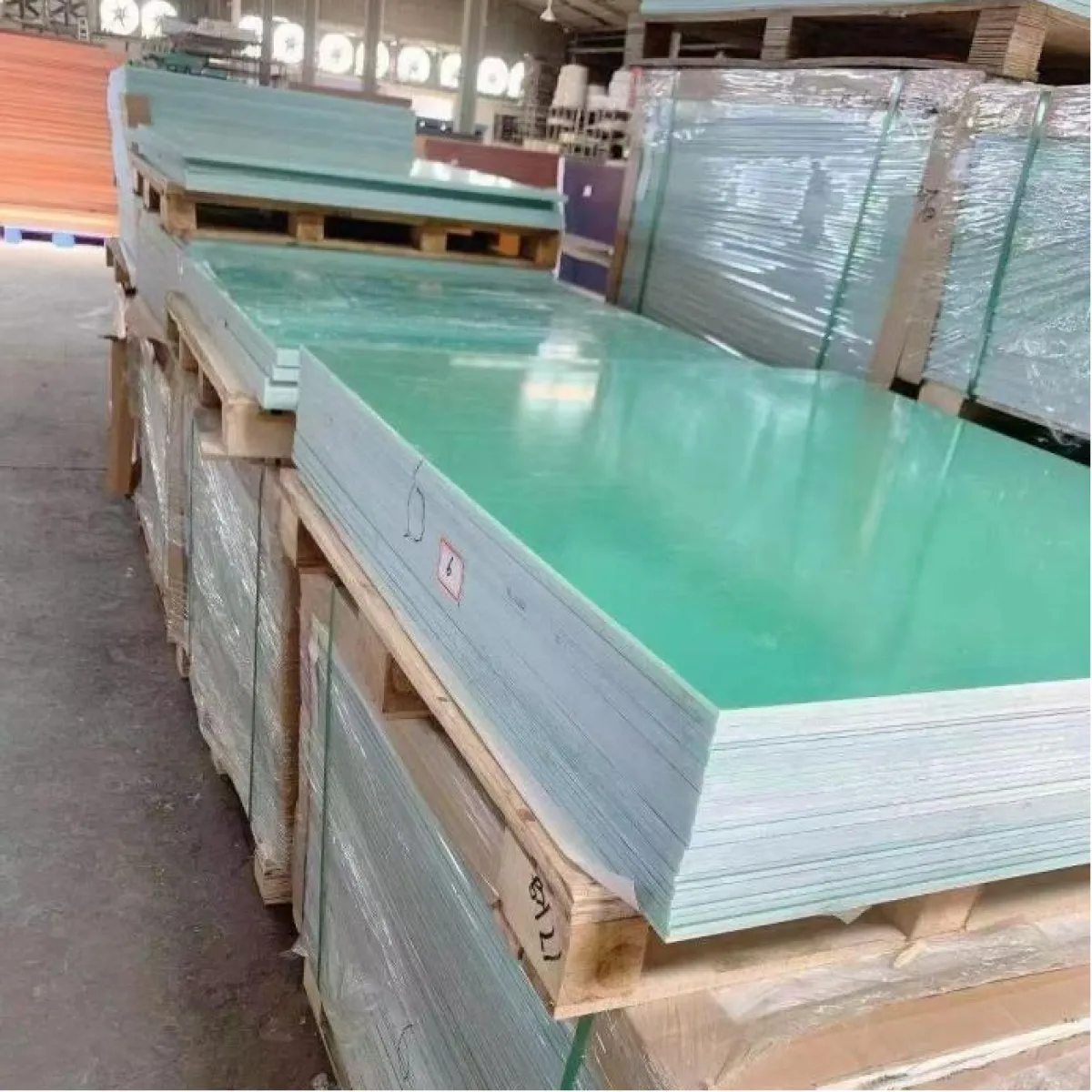
For electrical equipment manufacturers, machinery companies and insulation component suppliers, selecting the right G10 Epoxy Fiberglass Sheet involves more than simply choosing a
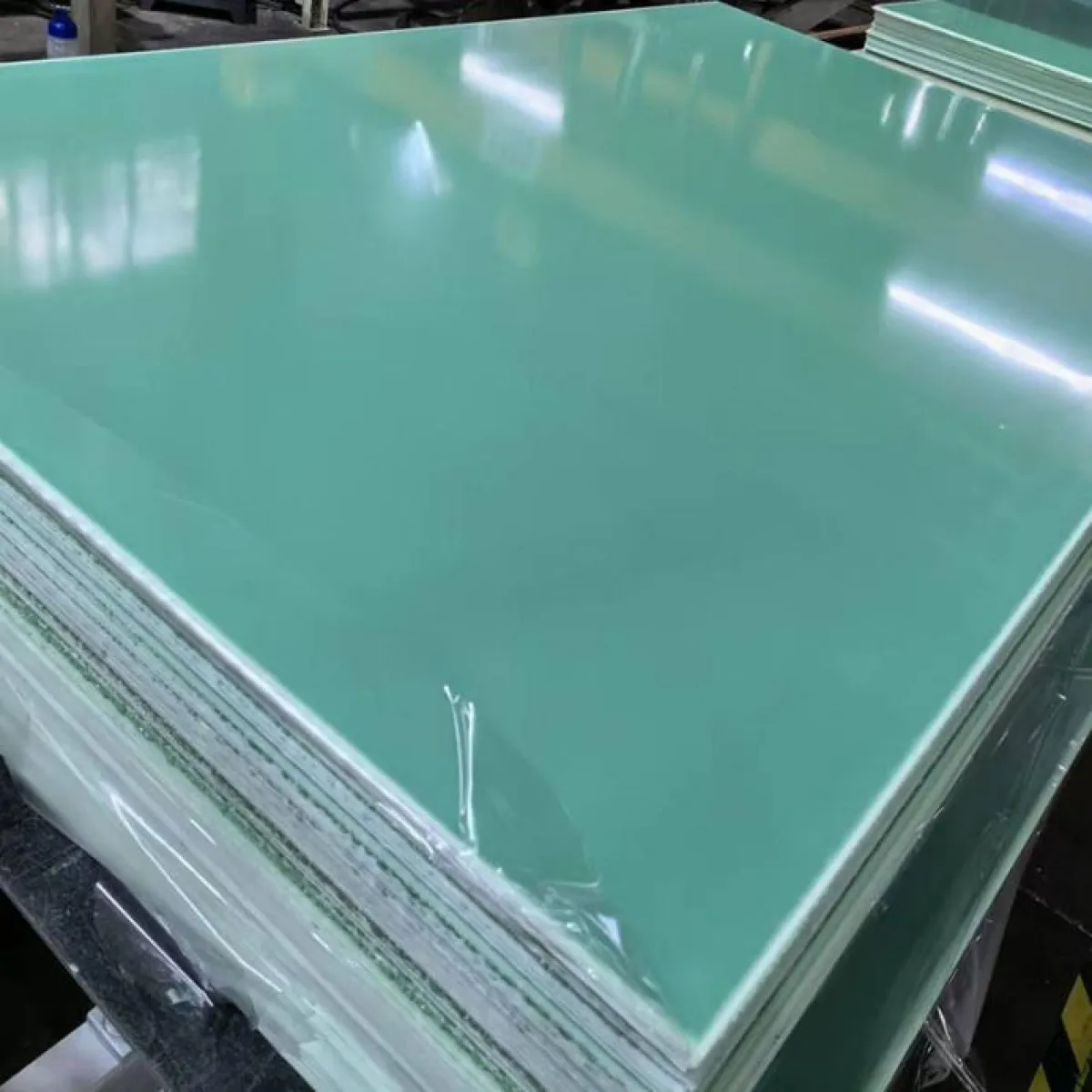
For engineers and purchasers choosing insulating materials, understanding the differences between G10 and G11 can help ensure the right balance of electrical insulation, mechanical
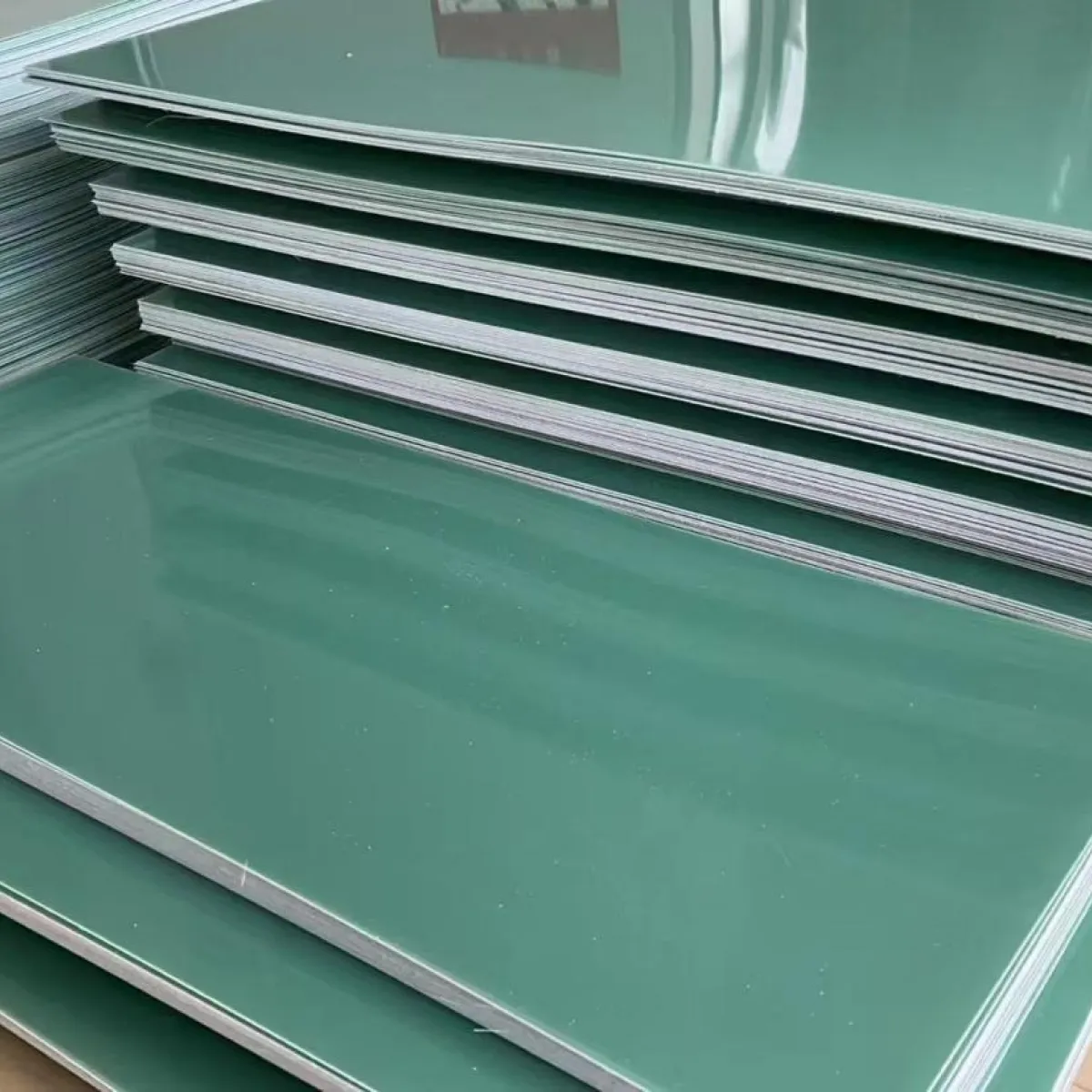
But what exactly makes FR4 so widely used? And when should engineers choose FR4 instead of G10, G11, FR5 or other insulating laminates?
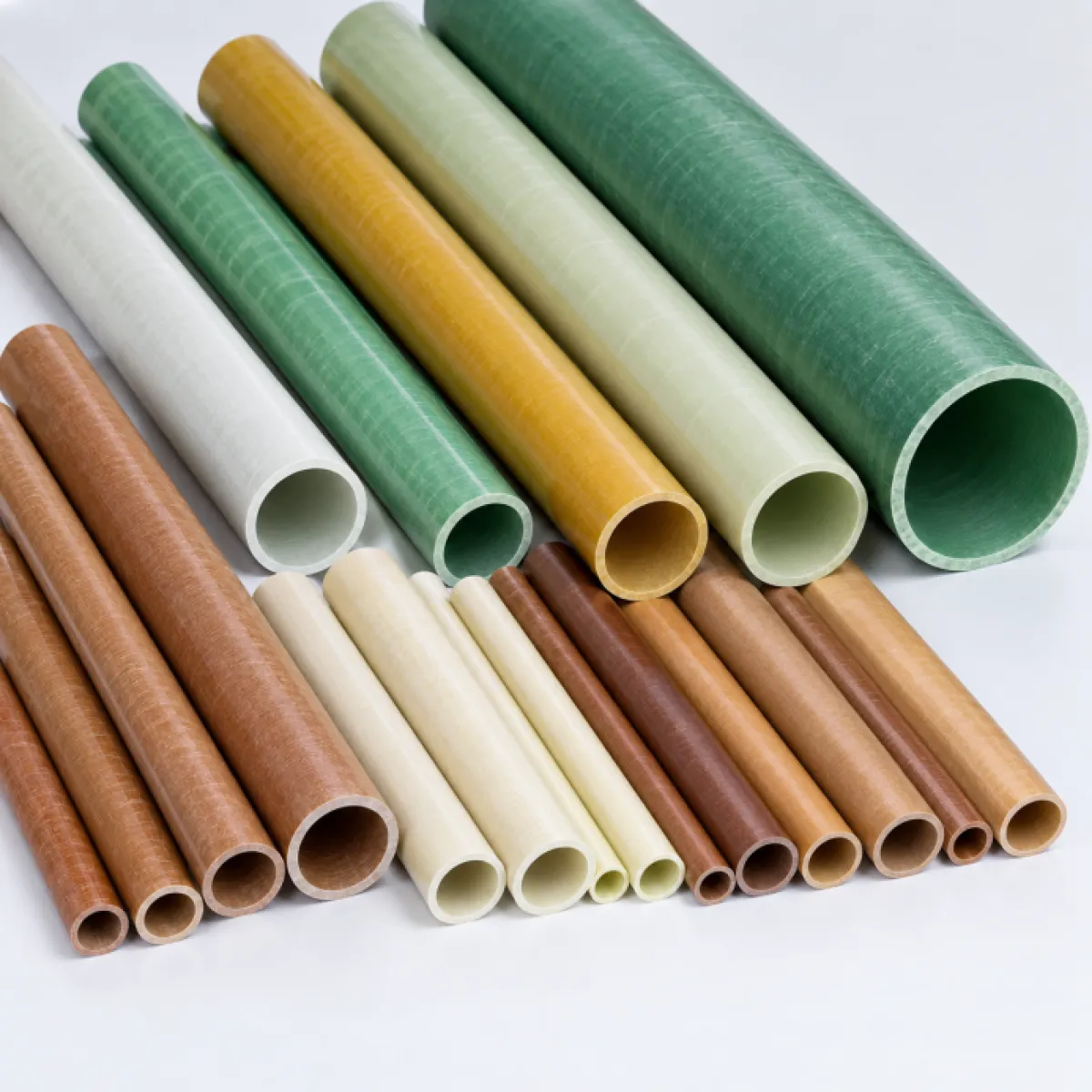
YILONG INSULATION supplies various laminated insulation tubes, including epoxy glass Cloth, melamine glass Cloth, phenolic cotton Cloth, phenolic paper and phenolic glass Cloth tube
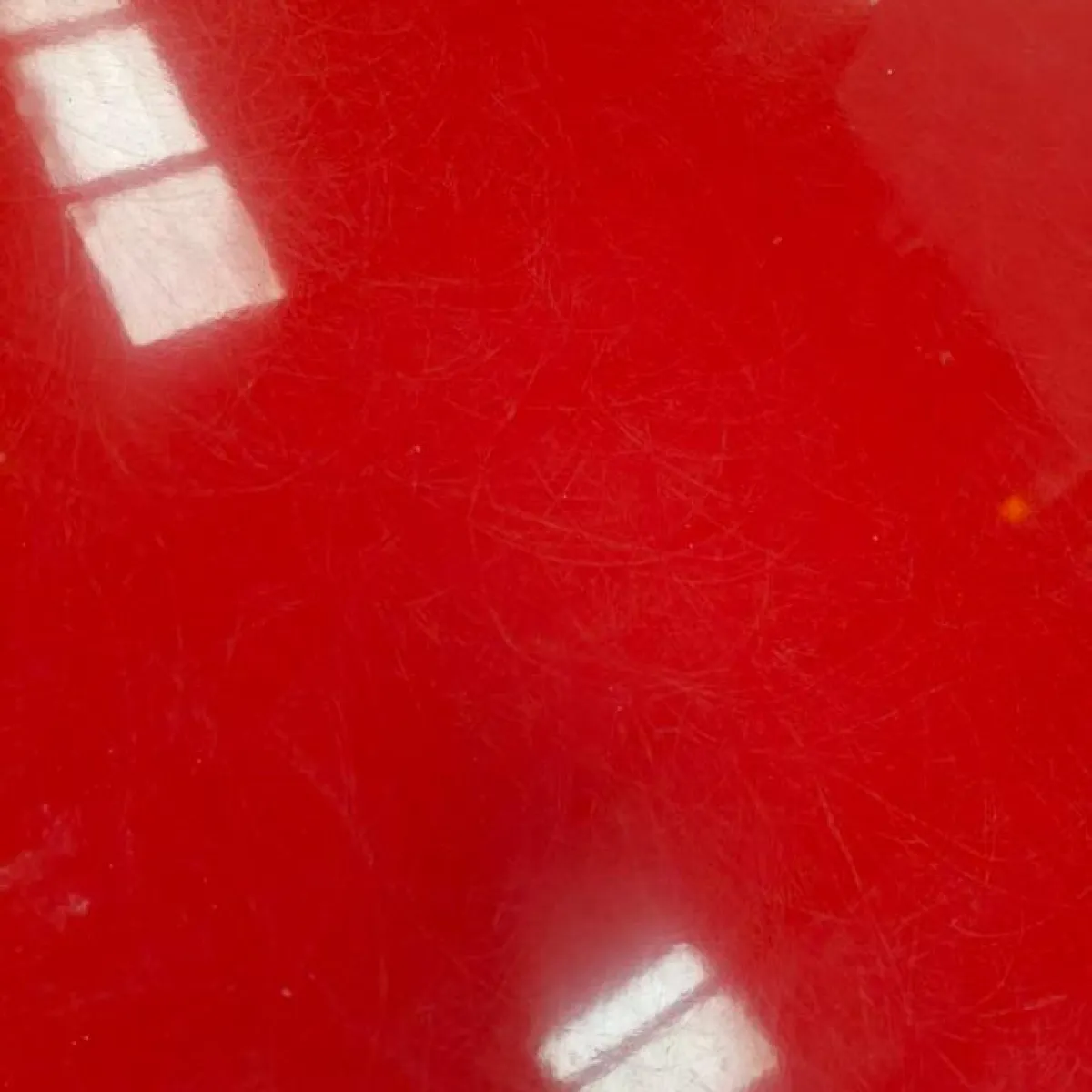
Among the materials used for these demanding applications, GPO-3 insulation board is widely selected for busbar supports, phase barriers, arc barriers and other structural insulati
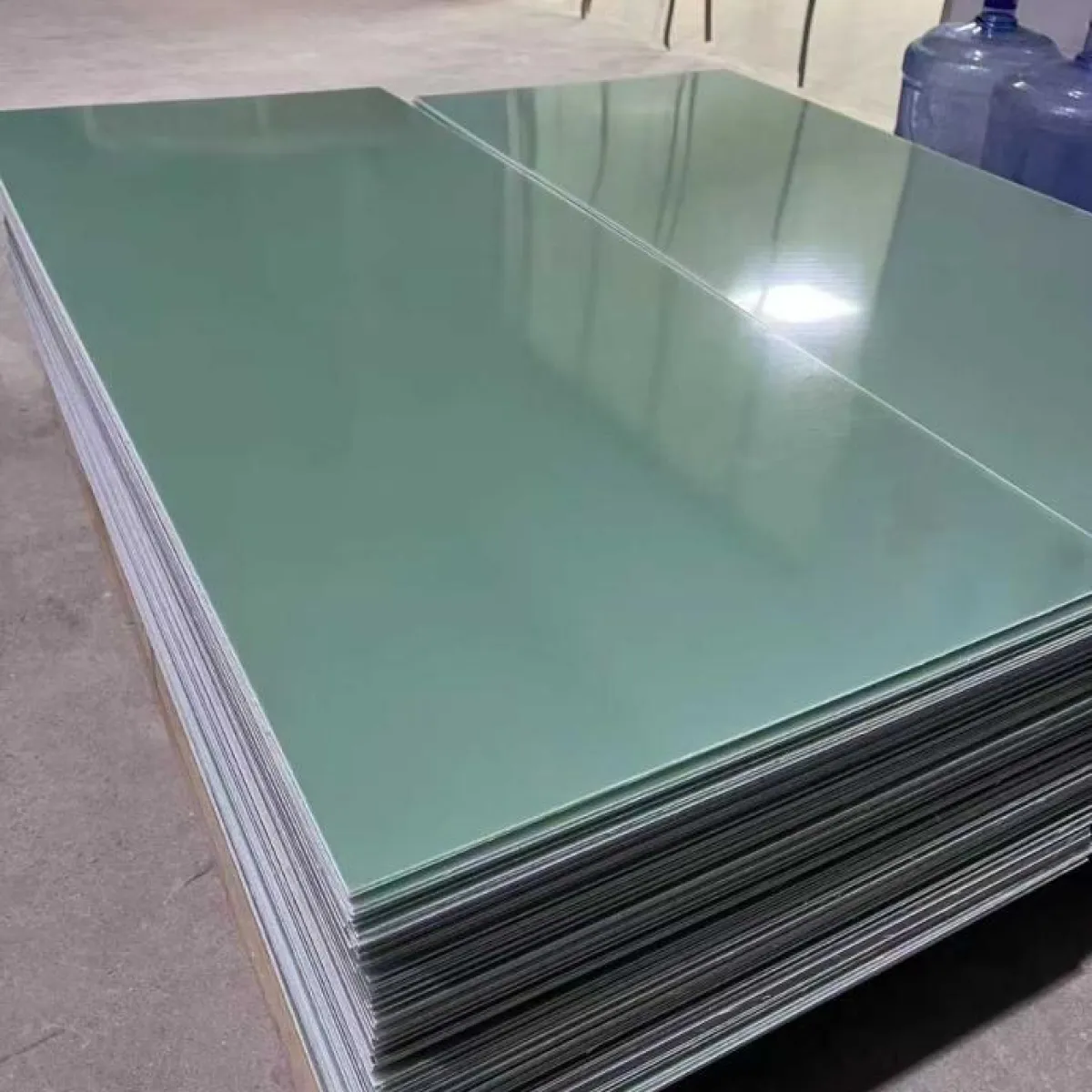
The most widely used epoxy glass laminates include 3240, G10, FR-4, and G11. Compared with these grades, 3240 is generally intended for less demanding applications. FR-4 offers goo
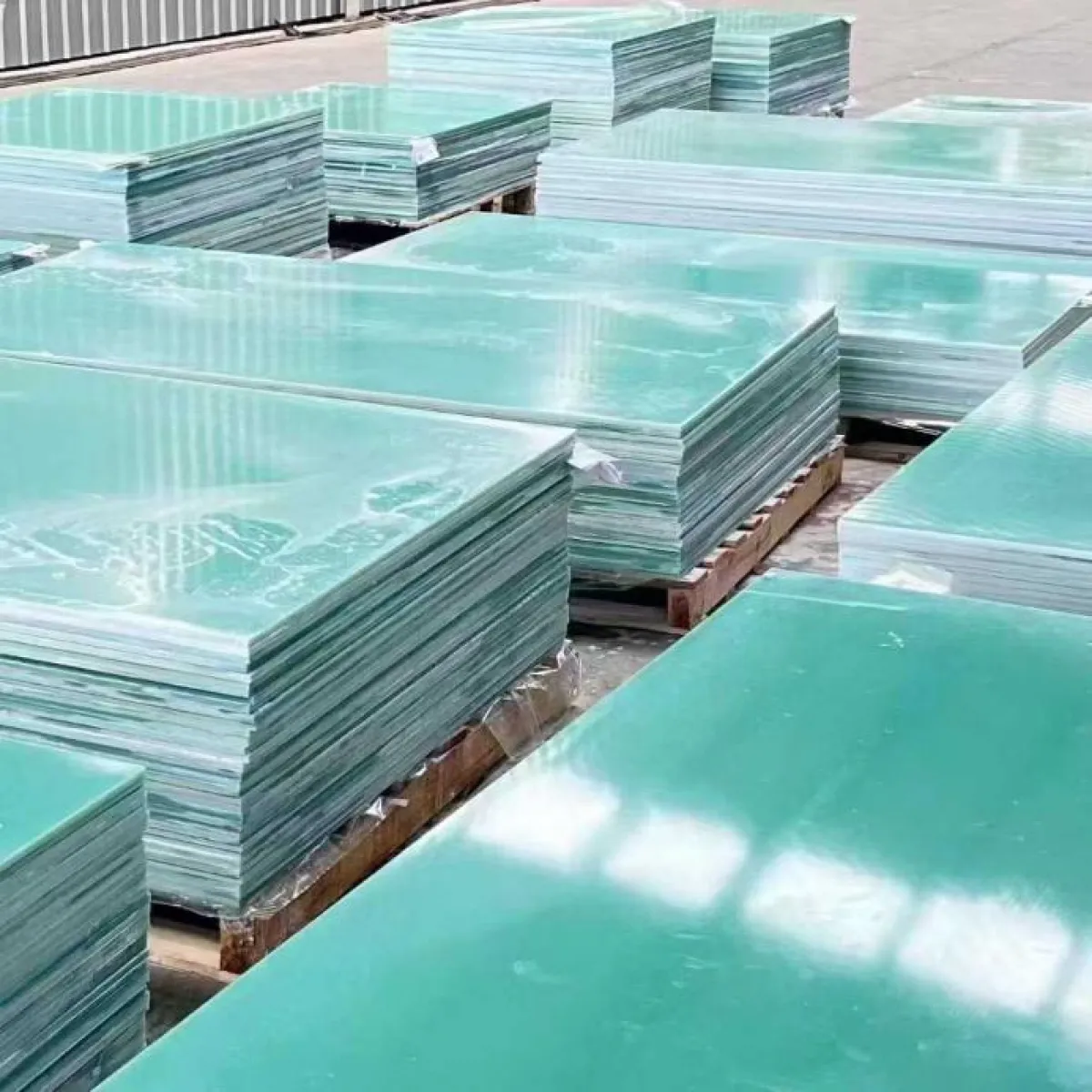
Today, we take a closer look at the manufacturing capabilities and service advantages behind YILONG’s high-quality electrical insulation solutions.
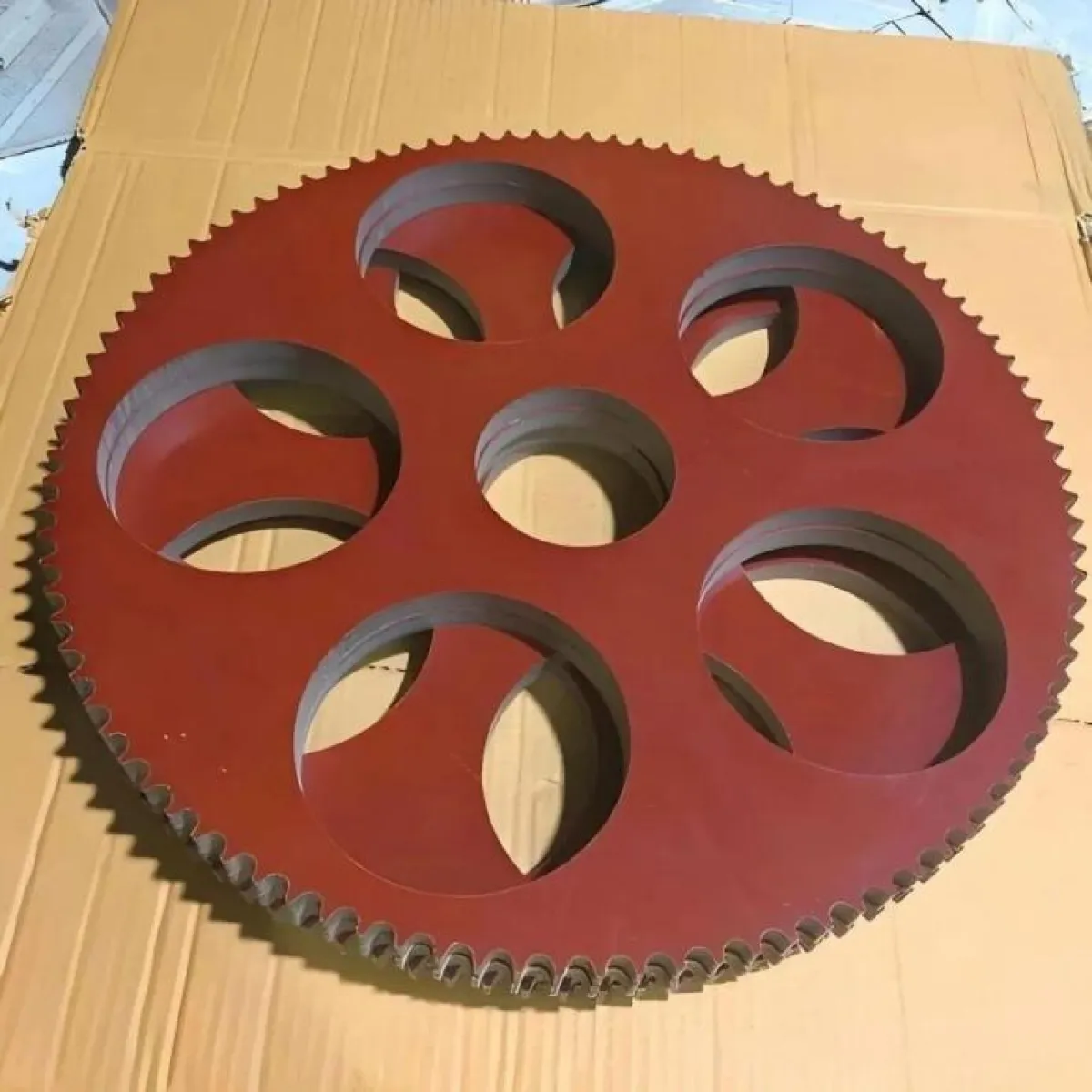
PFCP201 Phenolic Paper Sheet, also known as phenolic laminated paper sheet, is manufactured by impregnating electrical insulating paper with phenolic resin, followed by drying and
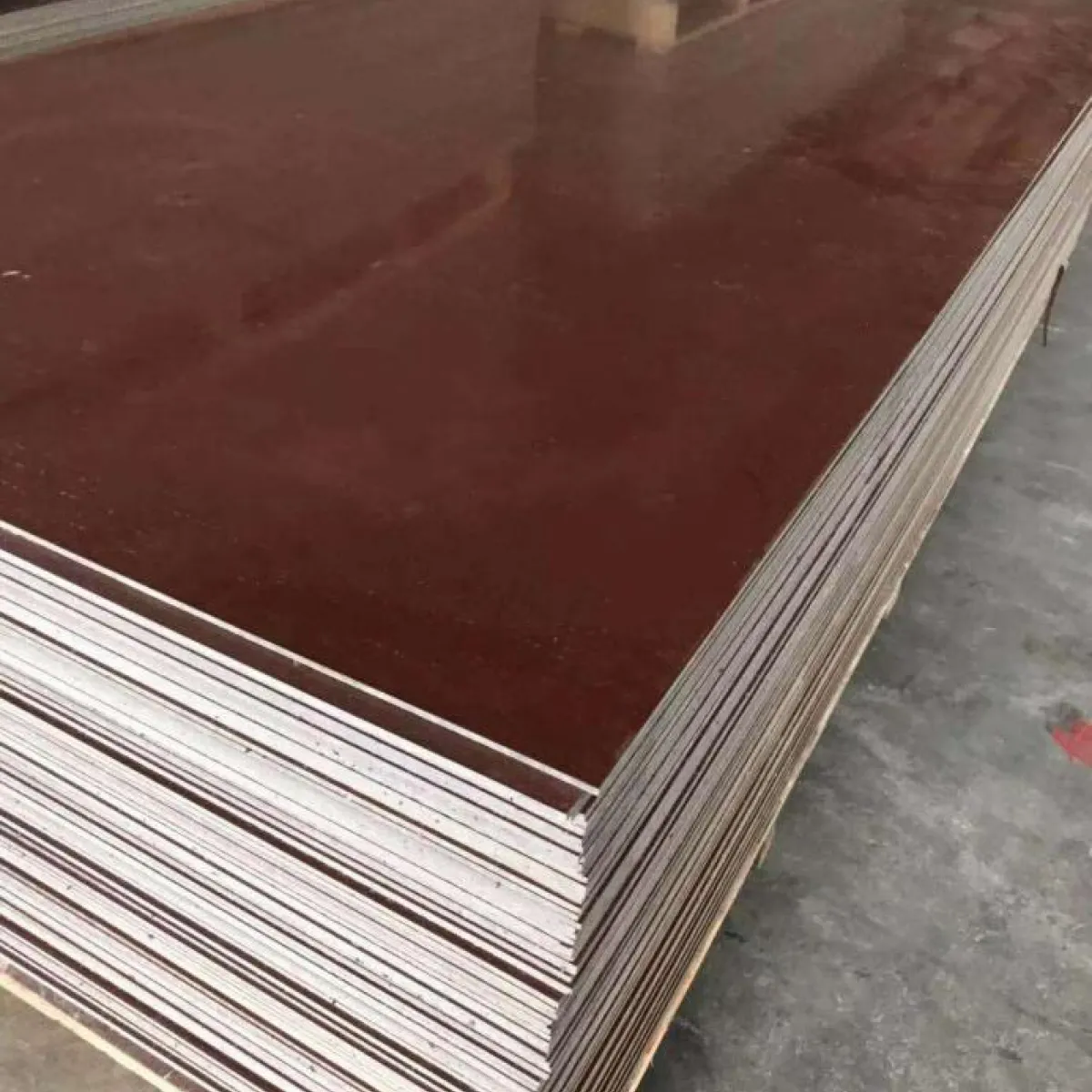
Different PFCP grades are designed for different operating conditions.

No.3, Mianzhi Street, Zhucheng, Shandong, China


Copyright © 2026 by Qingdao Yilong Insulation Material Company Limited All Rights Reserved


