
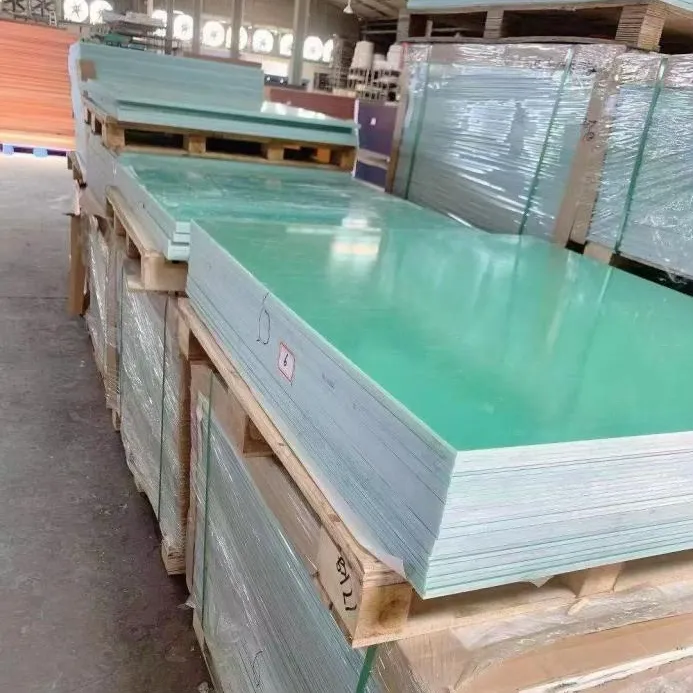
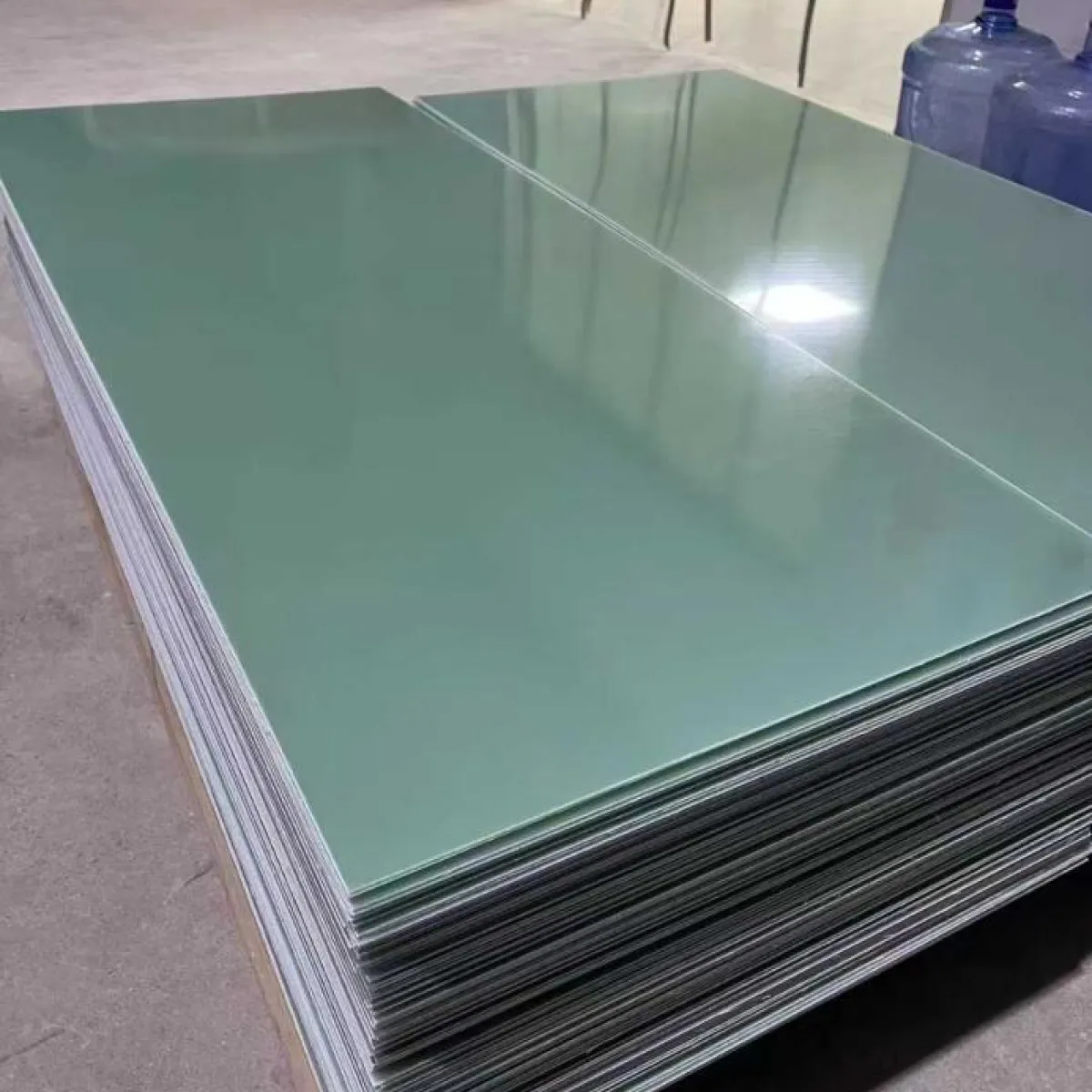
G10 is a widely used glass fiber reinforced epoxy laminate for electrical insulation and structural applications. Combining woven glass fabric with an epoxy resin system, it offers a useful balance of mechanical strength, electrical insulation, dimensional stability, moisture resistance and machinability.
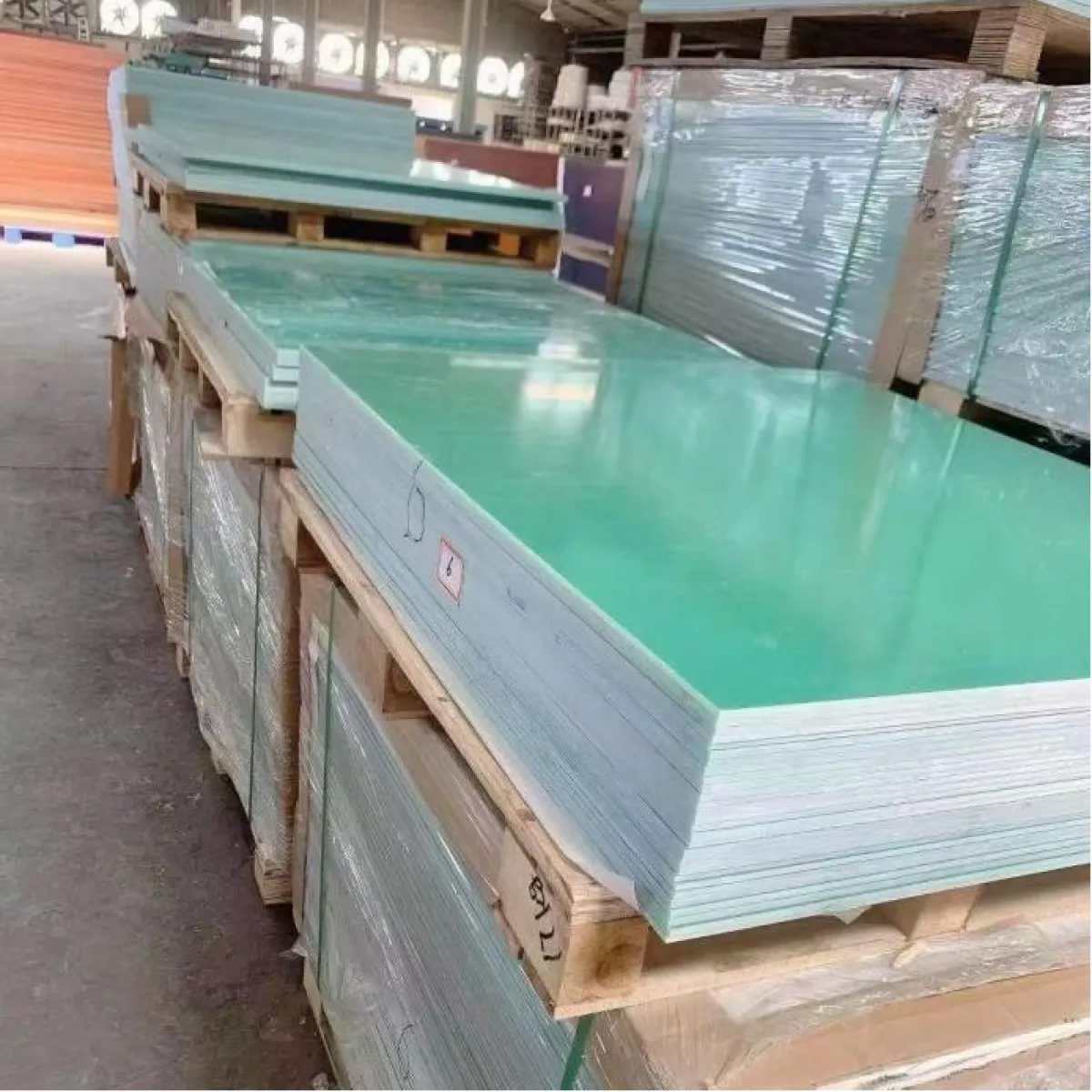
For electrical equipment manufacturers, machinery companies and insulation component suppliers, selecting the right G10 Epoxy Fiberglass Sheet involves more than simply choosing a material grade. Thickness, dimensions, electrical requirements, mechanical loads, machining tolerances and the final application all need to be considered.
As an experienced manufacturer of electrical insulation materials, YILONG provides G10 epoxy fiberglass laminates together with precision machining services, supporting customers from material selection and sheet production to finished insulation components.
What Is a G10 Epoxy Fiberglass Sheet?
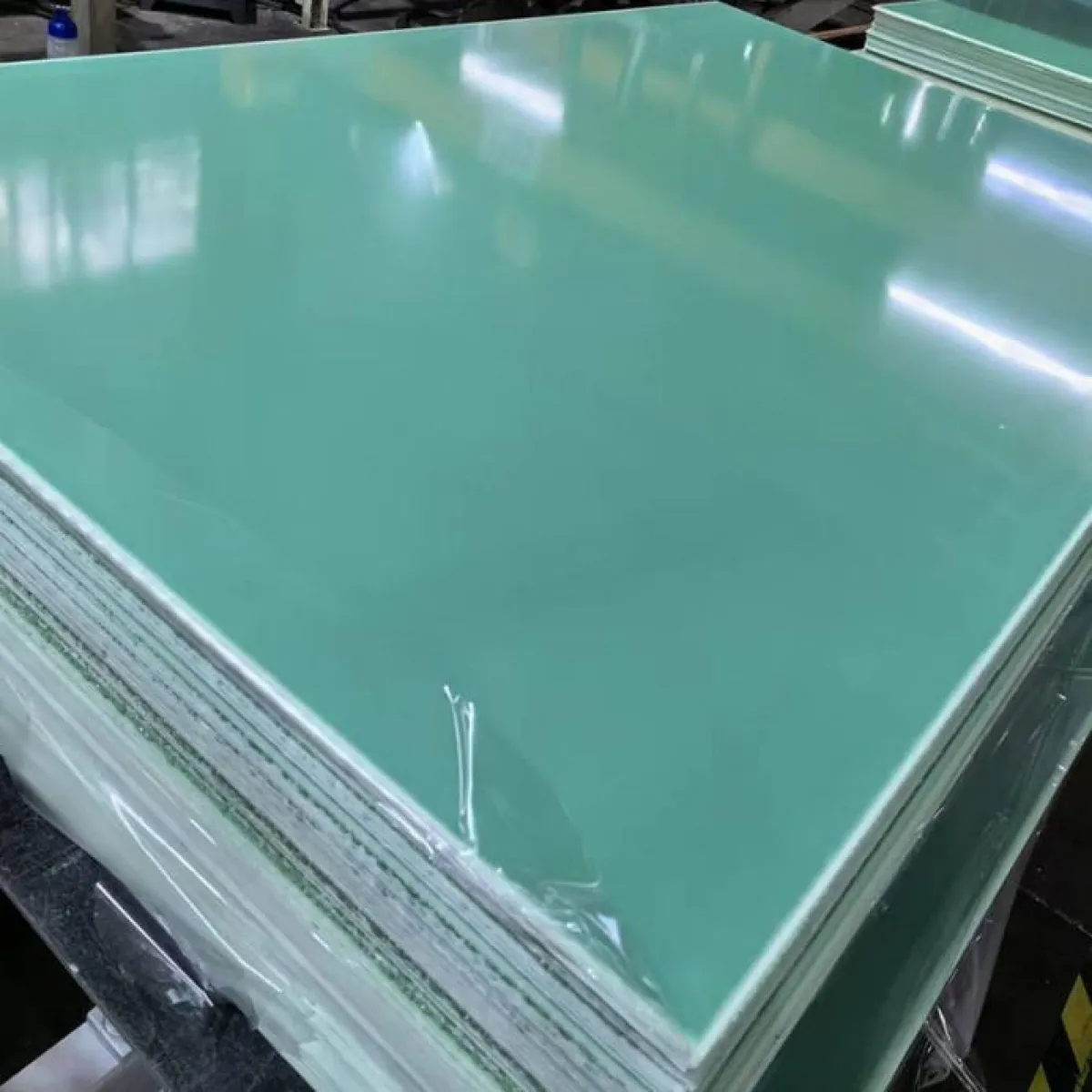
A G10 Epoxy Fiberglass Sheet is a rigid thermosetting laminate made by impregnating woven glass fiber fabric with epoxy resin and consolidating the material under controlled heat and pressure.
The glass fabric provides mechanical reinforcement, while the epoxy resin forms the insulating matrix. This structure gives G10 a combination of electrical insulation and mechanical performance that makes it suitable for electrical, mechanical and structural applications.
YILONG's EPGC201 G10 laminate is designed for applications requiring reliable electrical insulation together with good mechanical performance. The material is available in various thicknesses and can be supplied as standard sheets or processed into customized components.
Main Performance Characteristics
The typical advantages of G10 epoxy fiberglass laminate include good dielectric properties, high mechanical strength, low moisture absorption, dimensional stability and resistance to many common oils and chemicals.
G10 is also relatively easy to machine compared with many other reinforced thermosetting materials when appropriate cutting tools and processing methods are used.
G10 Epoxy Fiberglass Sheet Standards and Grade Selection
Different markets and applications may refer to G10 through different material standards or designation systems. NEMA G-10, IEC 60893 and related industrial specifications are commonly referenced when evaluating glass-fiber-reinforced epoxy laminates.
However, material properties should always be confirmed against the manufacturer's actual technical data rather than assuming that every G10 material has identical performance.
For applications requiring flame retardancy, FR-4 is generally selected instead of standard G10. The appropriate material should therefore be determined according to the required electrical, mechanical, thermal and flame-retardant properties.
G10 and FR-4
G10 and FR-4 are closely related glass-fiber-reinforced epoxy laminate materials. The main distinction is that FR-4 is formulated to provide specified flame-retardant performance, while standard G10 is not necessarily flame retardant.
For applications where flame-retardant performance is required, customers should specify the appropriate FR-4 grade rather than treating standard G10 and FR-4 as interchangeable materials.
Available G10 Sheet Sizes and Thicknesses
YILONG manufactures G10 Epoxy Fiberglass Sheet in a broad range of thicknesses and dimensions for electrical insulation and industrial applications.
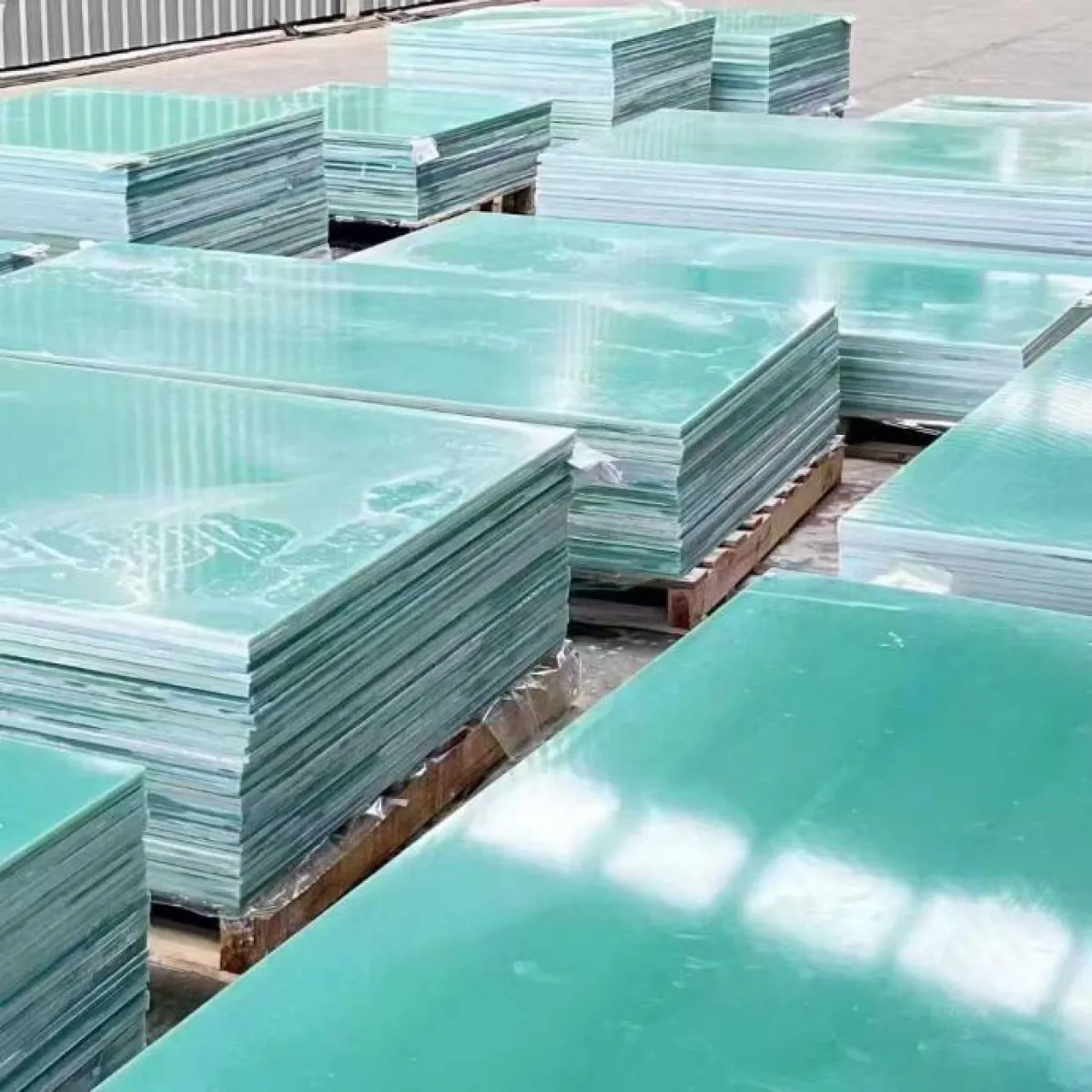
YILONG's G10 sheets can be supplied from approximately 0.3 mm to 400 mm in thickness, with large-format sheets available up to 3200 × 2000 mm. Standard or customized dimensions can be discussed according to the customer's application and production requirements.
Large-format, no-splice laminate sheets are particularly useful when customers need larger insulation components or want to reduce the number of joints and material connections during fabrication.
Customized Dimensions
In addition to standard sheet sizes, YILONG can manufacture or machine material according to customer drawings and dimensional requirements.
Thickness, length, width, flatness, machining allowance and finished tolerances can be discussed before production to ensure that the material is suitable for the subsequent manufacturing process.
Precision Machining of G10
One of the important advantages of using a G10 Epoxy Fiberglass Sheet is its suitability for precision machining. However, the glass fiber reinforcement is abrasive and can cause significant tool wear if inappropriate tools or cutting parameters are used.
YILONG provides CNC machining and conventional processing for G10 insulation components, including milling, turning, drilling, routing, grinding, cutting and other fabrication processes.
CNC Milling and Routing
CNC milling and routing can be used to produce grooves, slots, profiles, mounting surfaces and complex geometries.
Tool selection and cutting parameters should be adjusted according to material thickness, component geometry, required tolerance and production volume. Proper dust extraction is also important because machining glass-fiber-reinforced laminate generates fine particles.
Drilling and Tapping
Drilling G10 requires careful control to reduce burrs, delamination and fiber pull-out around the hole.
YILONG can machine mounting holes, through-holes, countersinks, tapped holes and other features according to customer drawings. For components requiring repeated assembly, the thread design and reinforcement method should be considered during the engineering stage.
Grinding and Finishing
Grinding can be used where tighter dimensional control or a specific surface finish is required. YILONG can provide precision grinding and other finishing operations according to the customer's specifications.
For electrical insulation components, machined edges and surfaces should be inspected carefully to prevent unwanted damage or defects that could affect the finished component.
G10 Manufacturing Process
The performance of a G10 Epoxy Fiberglass Sheet depends significantly on the quality and consistency of its raw materials and lamination process.
YILONG uses glass fiber fabric and epoxy resin as the primary material system. The manufacturing process generally includes resin impregnation, prepreg preparation, layer stacking, hot pressing and controlled curing.
Glass Fabric Impregnation
Electrical-grade woven glass fabric is impregnated with epoxy resin under controlled production conditions. Proper resin impregnation is important for achieving consistent bonding between the glass fabric layers and minimizing internal defects.
Layer Stacking and Hot Pressing
The impregnated glass fabric is arranged into the required laminate structure and then consolidated under controlled temperature and pressure.
The pressing process determines important characteristics such as thickness, density, resin distribution and interlaminar bonding. Consistent process control is therefore essential for stable product performance.
Inspection and Quality Control
YILONG controls the material from raw material preparation through lamination and final inspection. Depending on the product and customer requirements, properties such as dimensions, appearance, density, mechanical performance and electrical insulation characteristics can be evaluated.
Applications of G10 Epoxy Fiberglass Sheet
Because of its combination of electrical and mechanical properties, G10 Epoxy Fiberglass Sheet is used across a wide range of industrial applications.
Electrical and Power Equipment
G10 can be used for insulation plates, barriers, supports, spacers, brackets and structural insulation components in electrical equipment and power systems.
It is also suitable for various components in transformers, motors, switchgear and other electrical equipment where reliable insulation and mechanical strength are required.
Machinery and Industrial Equipment
G10 is frequently machined into structural and wear-resistant components such as guides, supports, fixtures, spacers, washers and precision mechanical parts.
Its relatively high strength and dimensional stability make it useful where a rigid non-metallic material is required.
Custom Insulation Components
For customers requiring non-standard parts, YILONG can convert G10 Epoxy Fiberglass Sheet into finished components based on drawings or physical samples.
CNC milling, drilling, turning, grinding, routing and other machining processes can be combined according to the component design.
How to Select the Right G10 Material
When purchasing G10, engineers should evaluate the complete application rather than selecting a grade based on one property alone.
Electrical Requirements
Consider the required dielectric strength, insulation resistance, operating voltage, frequency and environmental conditions. High-humidity or high-voltage applications may require additional material testing or specific technical requirements.
Mechanical Requirements
Consider tensile, flexural and compressive loads, impact conditions, mounting methods and dimensional tolerances. The thickness and laminate construction should be selected according to the actual mechanical requirements.
Thermal and Environmental Conditions
Operating temperature, moisture, oil, chemicals and outdoor exposure can all affect material selection. Where flame retardancy is required, an appropriate FR-4 grade should be considered instead of standard G10.
Machining Requirements
For precision components, the finished drawing should be reviewed before material production. Hole sizes, tolerances, surface finish, edge requirements and machining allowance can all influence the appropriate manufacturing process.
Why Choose YILONG for G10?
YILONG combines G10 laminate manufacturing with precision machining, allowing customers to obtain both raw insulation sheets and finished components from one supplier.
The company provides G10 materials in various thicknesses and large-format dimensions and supports CNC milling, turning, drilling, grinding, routing and other machining processes.
For customers with complex insulation requirements, YILONG's technical team can review drawings, samples and application conditions to help determine a suitable material and processing solution.
Whether you need standard G10 Epoxy Fiberglass Sheet, large-format laminate or precision-machined insulation components, YILONG can support the project from material selection through production and final inspection.
For technical specifications, drawings, samples or customized requirements, please contact YILONG INSULATION at yilong@yilonginsulation.com or WhatsApp: +86 15866869385. More information about YILONG's G10, FR-4, G11 and other electrical insulation materials is available at www.yilonginsulation.com.
For electrical equipment manufacturers, machinery companies and insulation component suppliers, selecting the right G10 Epoxy Fiberglass Sheet involves more than simply choosing a
For engineers and purchasers choosing insulating materials, understanding the differences between G10 and G11 can help ensure the right balance of electrical insulation, mechanical
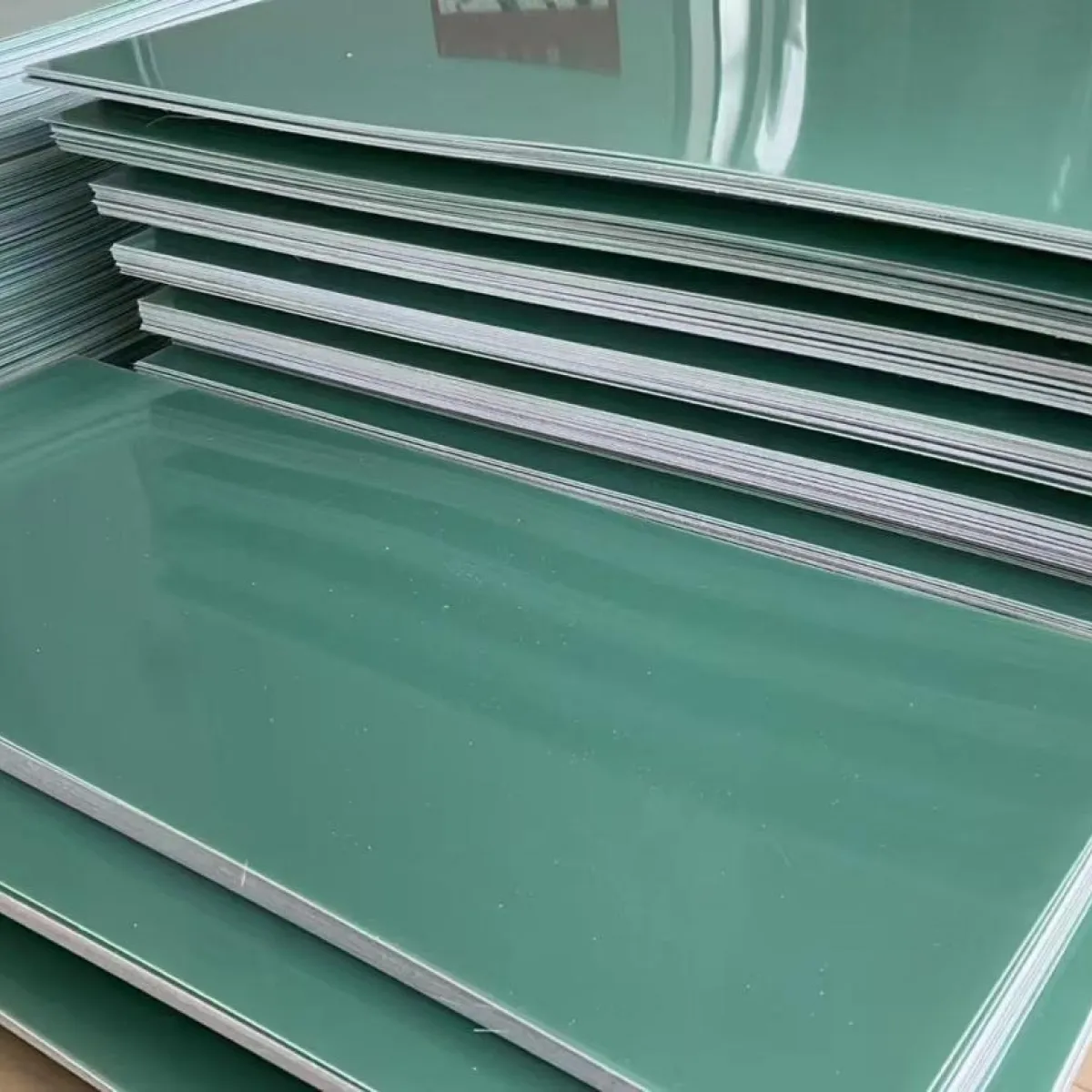
But what exactly makes FR4 so widely used? And when should engineers choose FR4 instead of G10, G11, FR5 or other insulating laminates?
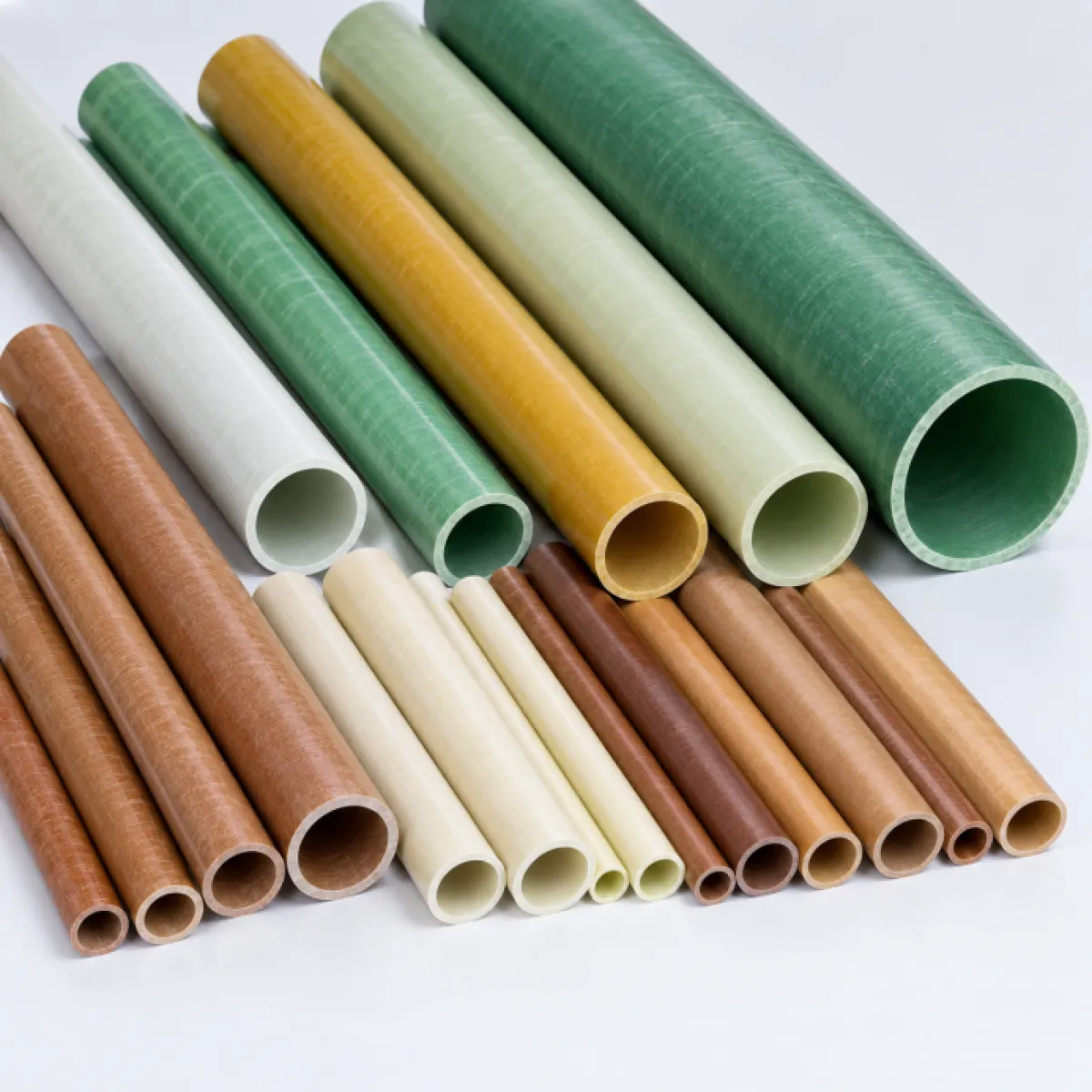
YILONG INSULATION supplies various laminated insulation tubes, including epoxy glass Cloth, melamine glass Cloth, phenolic cotton Cloth, phenolic paper and phenolic glass Cloth tube
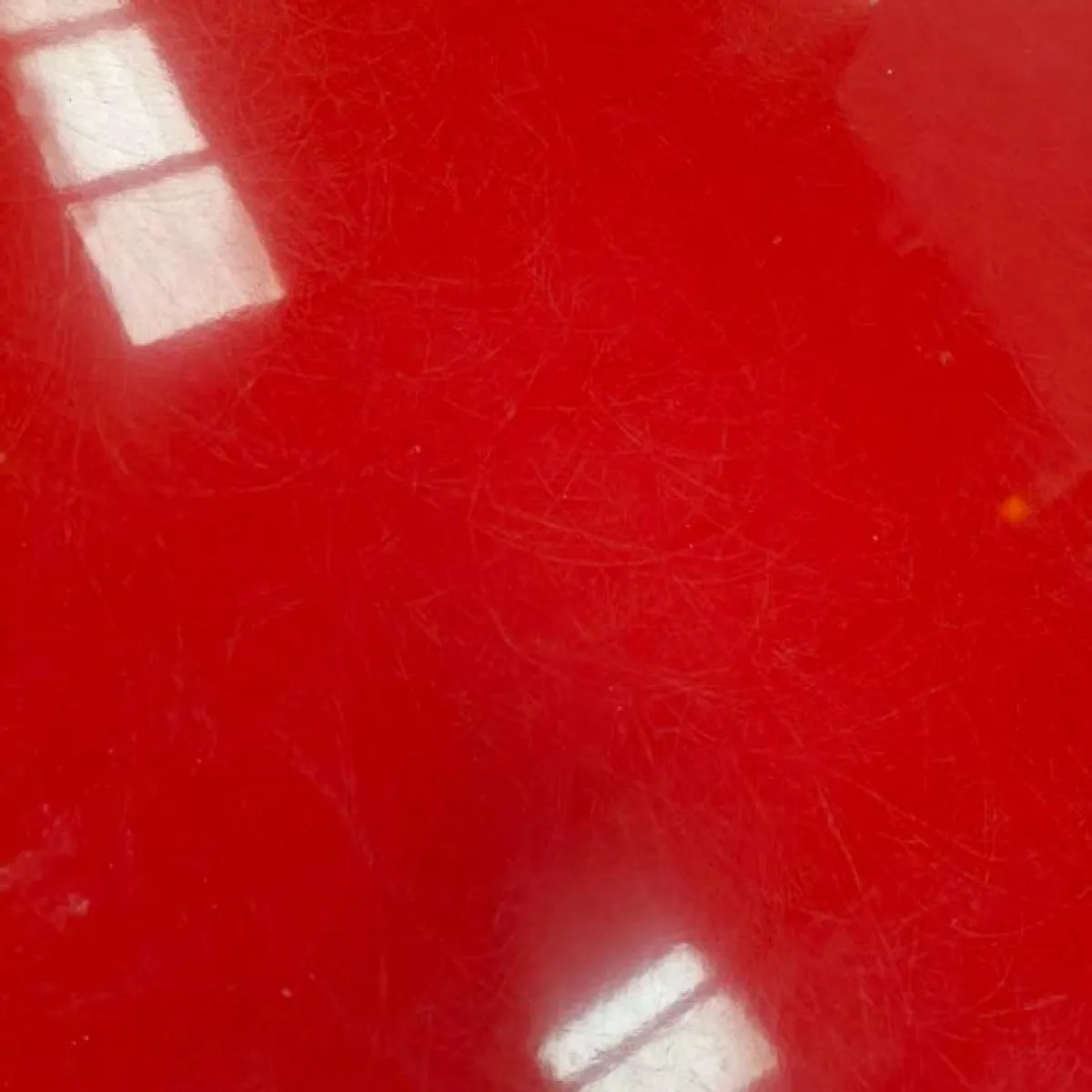
Among the materials used for these demanding applications, GPO-3 insulation board is widely selected for busbar supports, phase barriers, arc barriers and other structural insulati
The most widely used epoxy glass laminates include 3240, G10, FR-4, and G11. Compared with these grades, 3240 is generally intended for less demanding applications. FR-4 offers goo
Today, we take a closer look at the manufacturing capabilities and service advantages behind YILONG’s high-quality electrical insulation solutions.
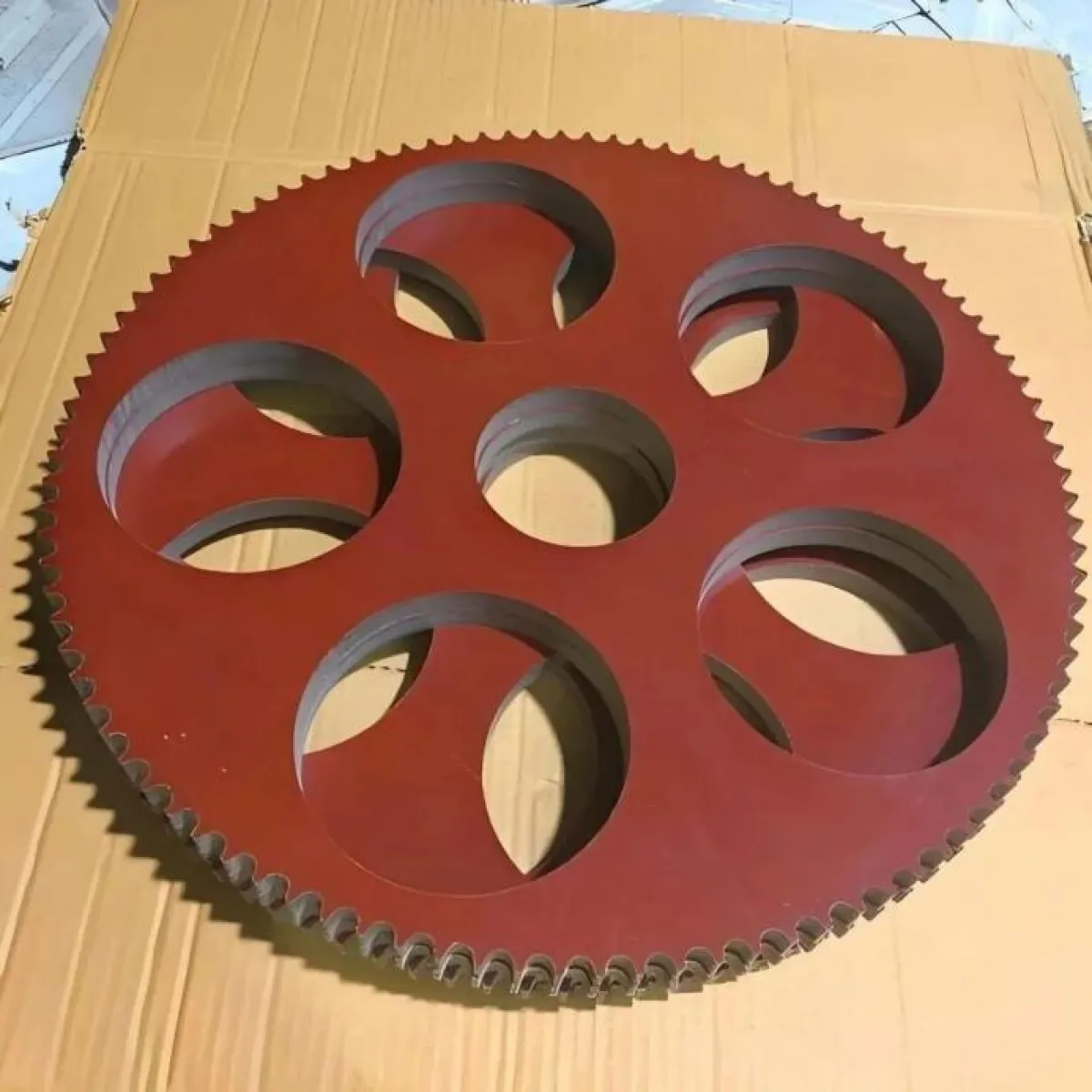
PFCP201 Phenolic Paper Sheet, also known as phenolic laminated paper sheet, is manufactured by impregnating electrical insulating paper with phenolic resin, followed by drying and
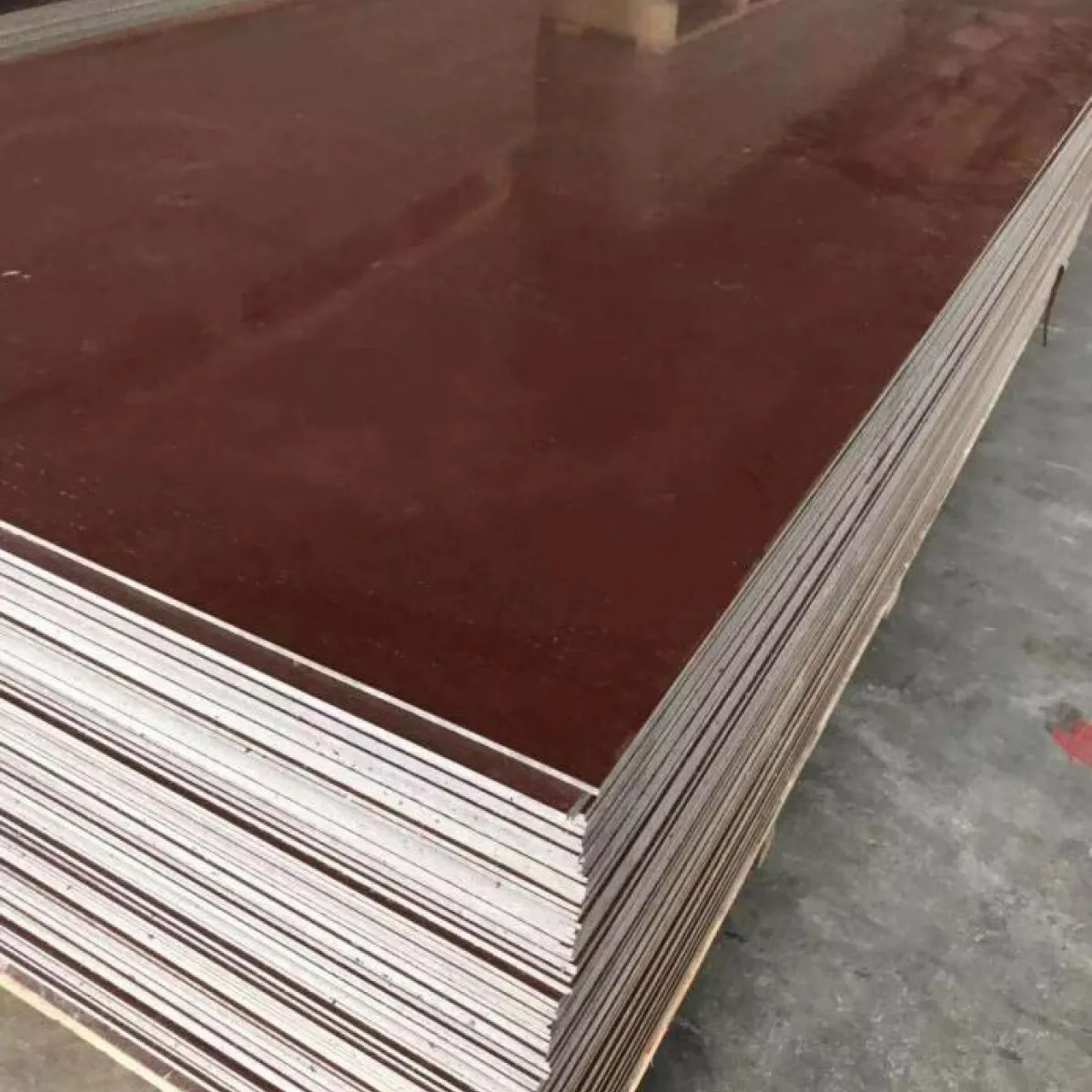
Different PFCP grades are designed for different operating conditions.
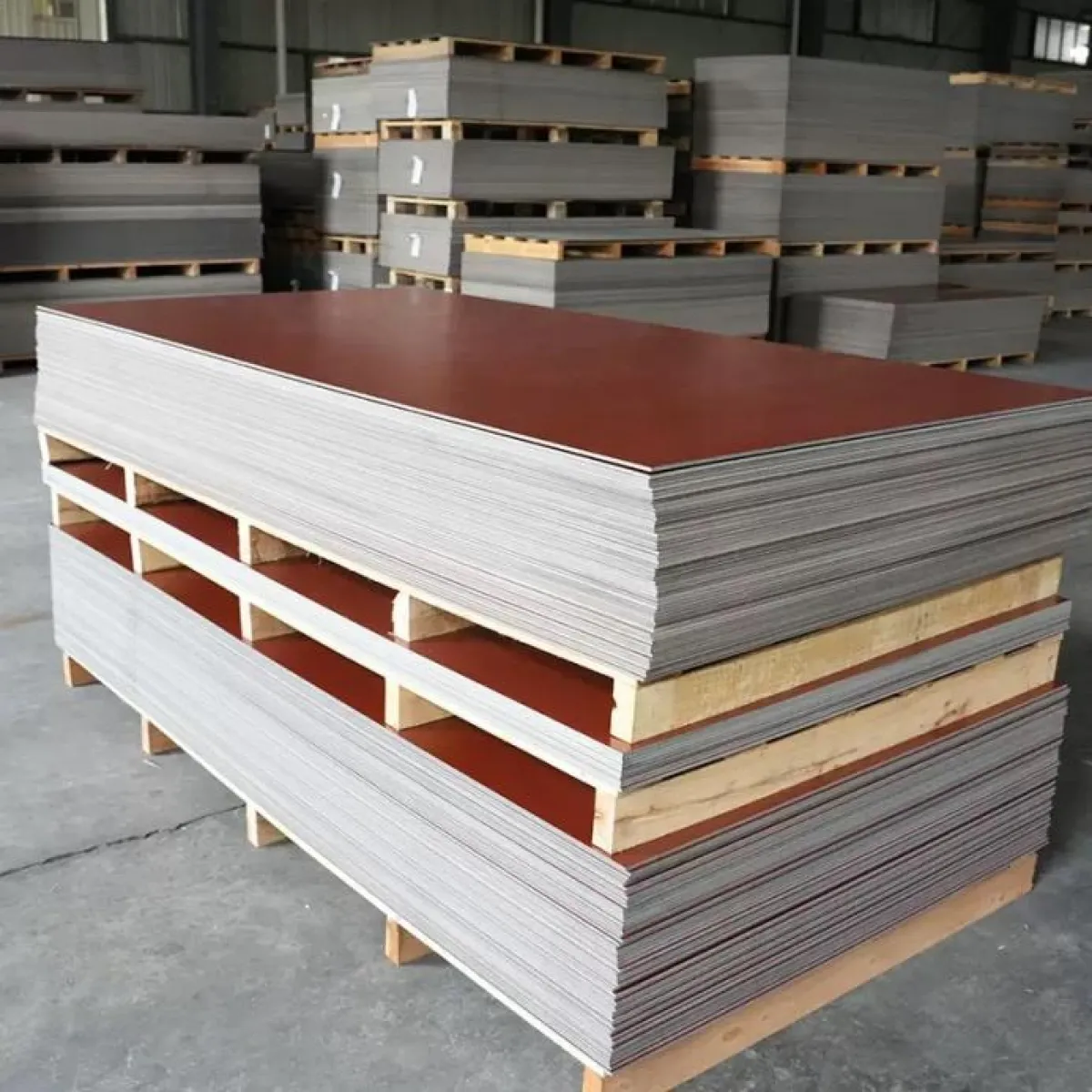
PFCP201 is manufactured using high-quality insulating paper impregnated with phenolic resin. After the raw materials are carefully inspected, the paper is passed through an automat

No.3, Mianzhi Street, Zhucheng, Shandong, China





Copyright © 2026 by Qingdao Yilong Insulation Material Company Limited All Rights Reserved