
We have shared full knowledge about GPO-3 insulation board in previous articles from YILONG. This article will focus on a widely concerned topic: simple identification methods to distinguish qualified finished GPO-3 insulation boards from inferior ones. Let’s take a closer look.

How to identify the defective GPO-3 Insulation Boards?
Conduct Open Flame Test with Matches
Smoke generation marks inferior products Qualified GPO-3 insulation board features excellent bonding performance and eco-friendly raw materials, so no smoke will be released during combustion. By contrast, inferior boards will produce thick smoke when ignited.
Release of toxic pungent fumes Inferior products rely on low-quality flame retardants to achieve flame resistance, which will emit irritating toxic gas while burning. As the flame retardant volatilizes gradually, the overall performance of the board declines sharply. Such inferior boards are not suitable for environments with human exposure or continuous high temperature conditions.
Delamination after burning indicates counterfeit products The mechanical tensile strength of standard GPO-3 comes from its internal uniform glass fiber mat structure. No internal delamination will occur even after high-temperature carbonization. If obvious delamination appears during combustion, the product is counterfeit and substandard.
YILONG strictly implements full inspection standards for all GPO-3 Insulation Board finished goods to guarantee stable arc resistance, flame retardancy and long service life. Should you need free samples, technical test reports or customized processing services, kindly get in touch with our sales team:
Email: yilong@yilonginsulation.com
Website: www.yilonginsulation.com
Mob/Whatsapp: +8615866869385
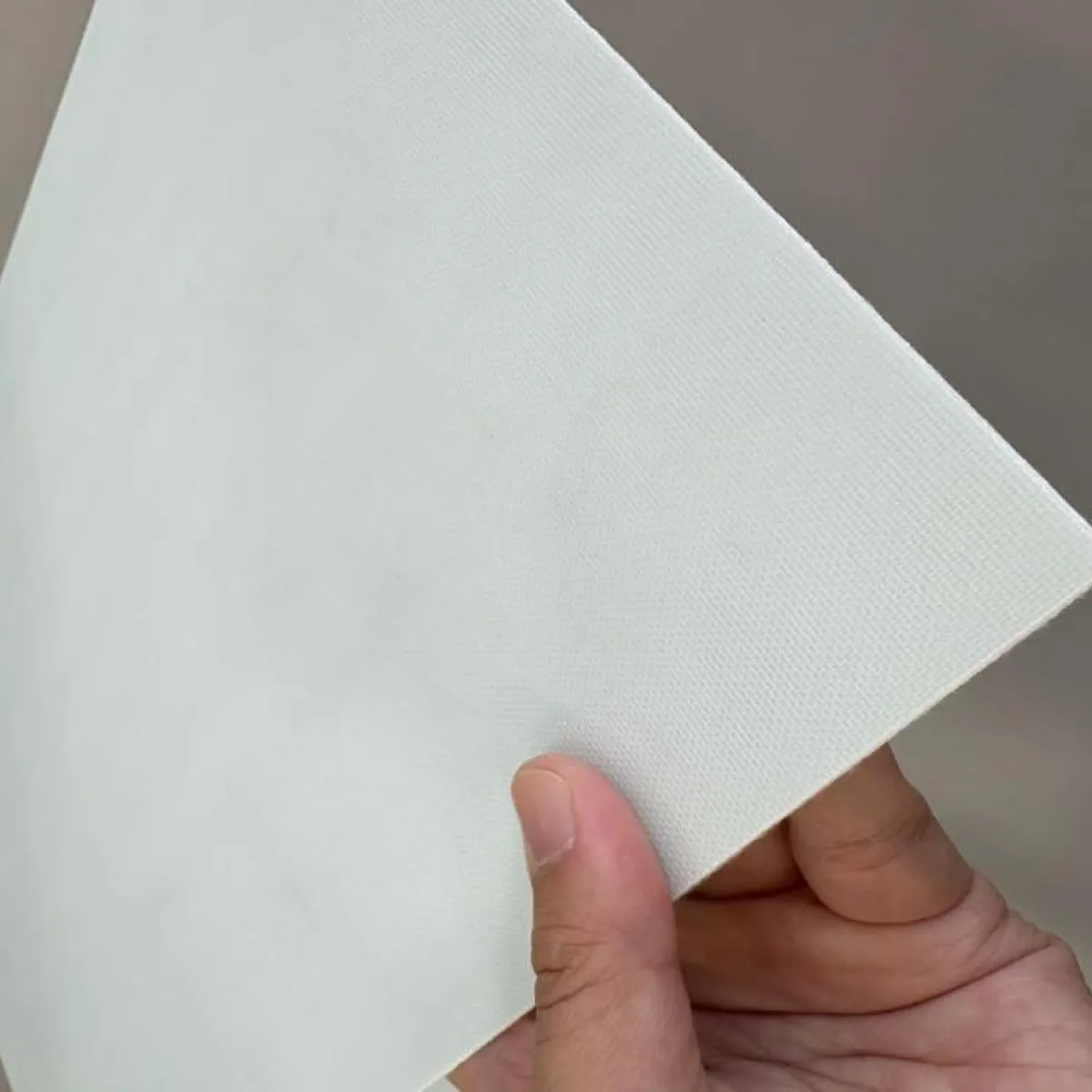
Compared with general-purpose epoxy glass laminates, silicone resin reinforced with glass fabric provides a different balance of thermal, electrical and mechanical properties. Howe
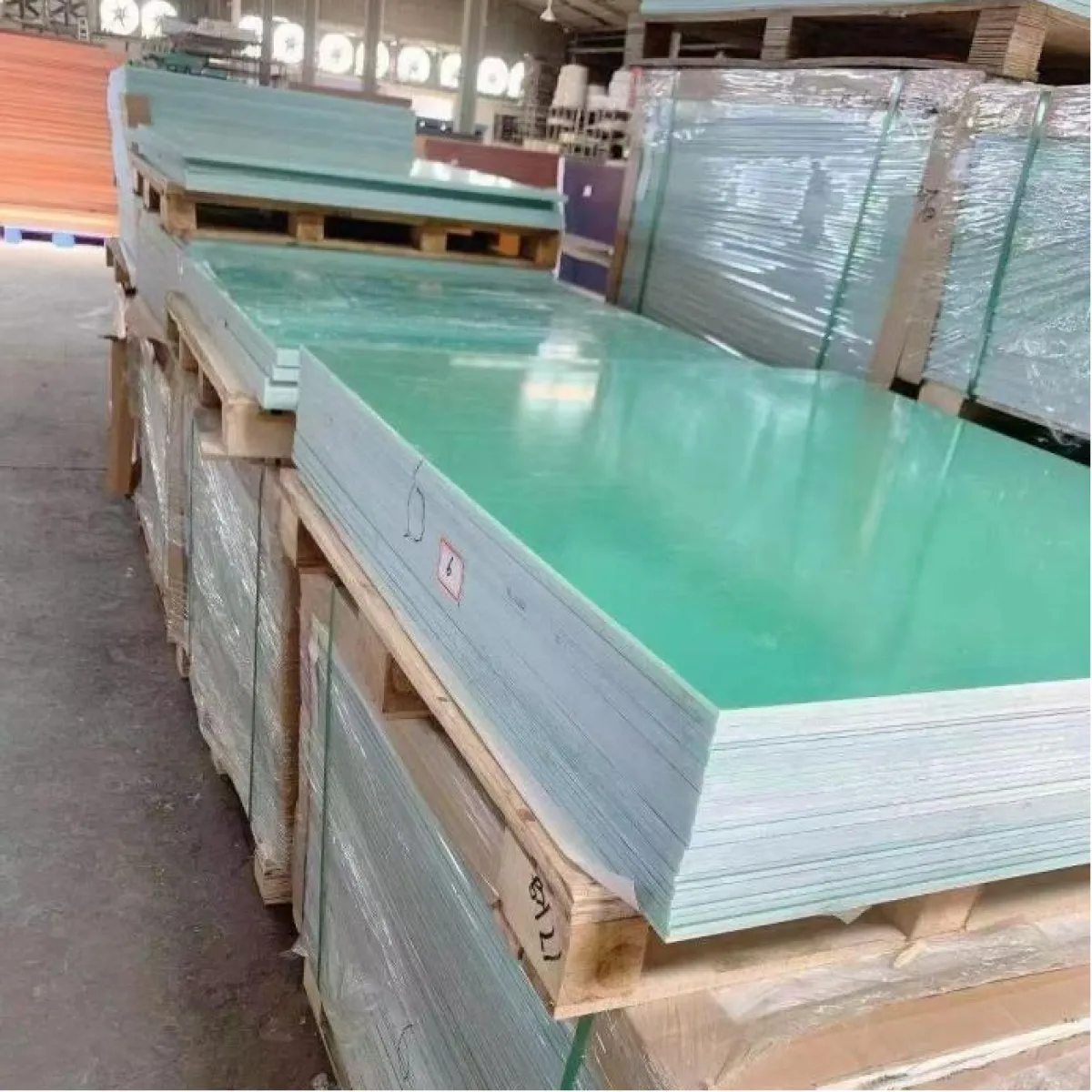
For electrical equipment manufacturers, machinery companies and insulation component suppliers, selecting the right G10 Epoxy Fiberglass Sheet involves more than simply choosing a
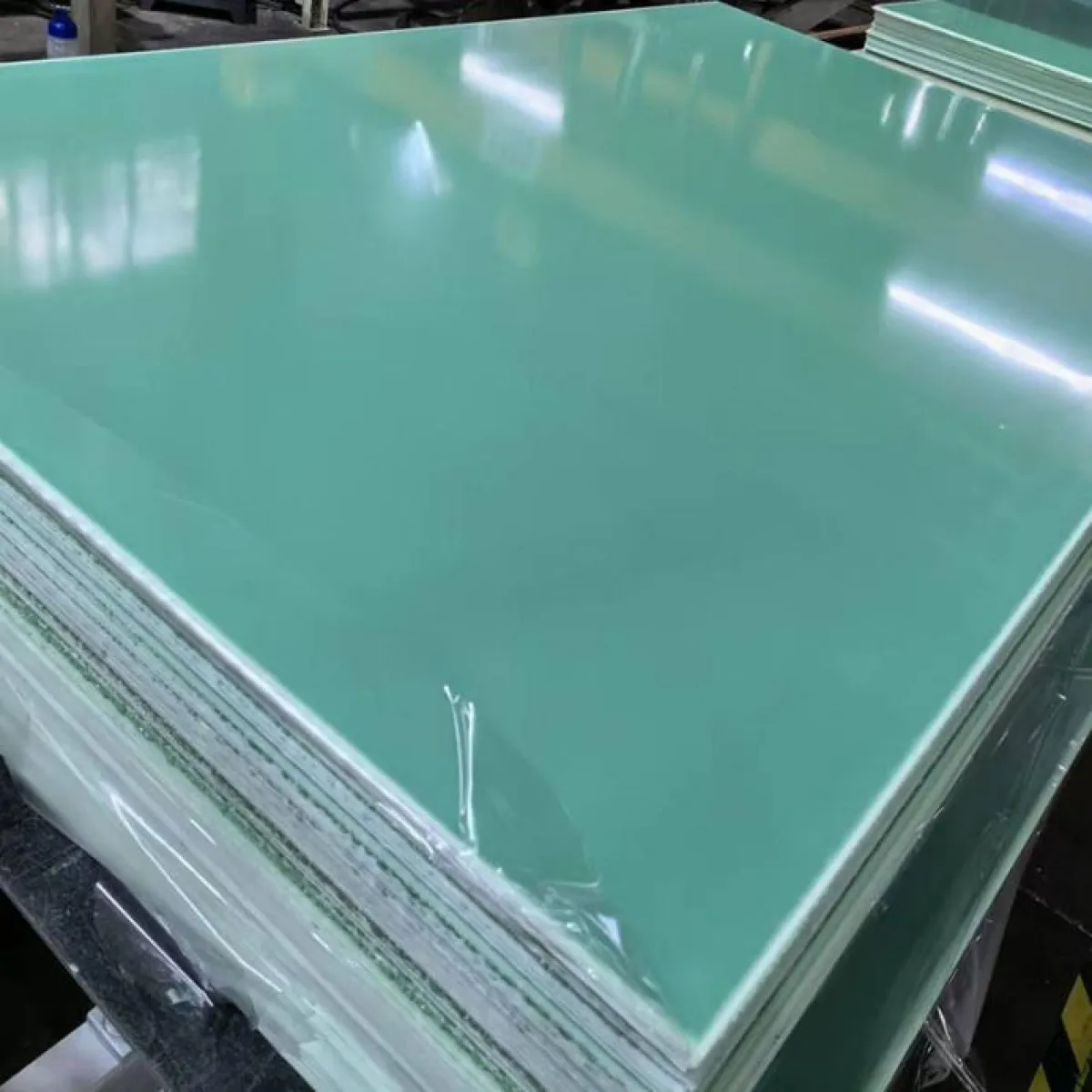
For engineers and purchasers choosing insulating materials, understanding the differences between G10 and G11 can help ensure the right balance of electrical insulation, mechanical
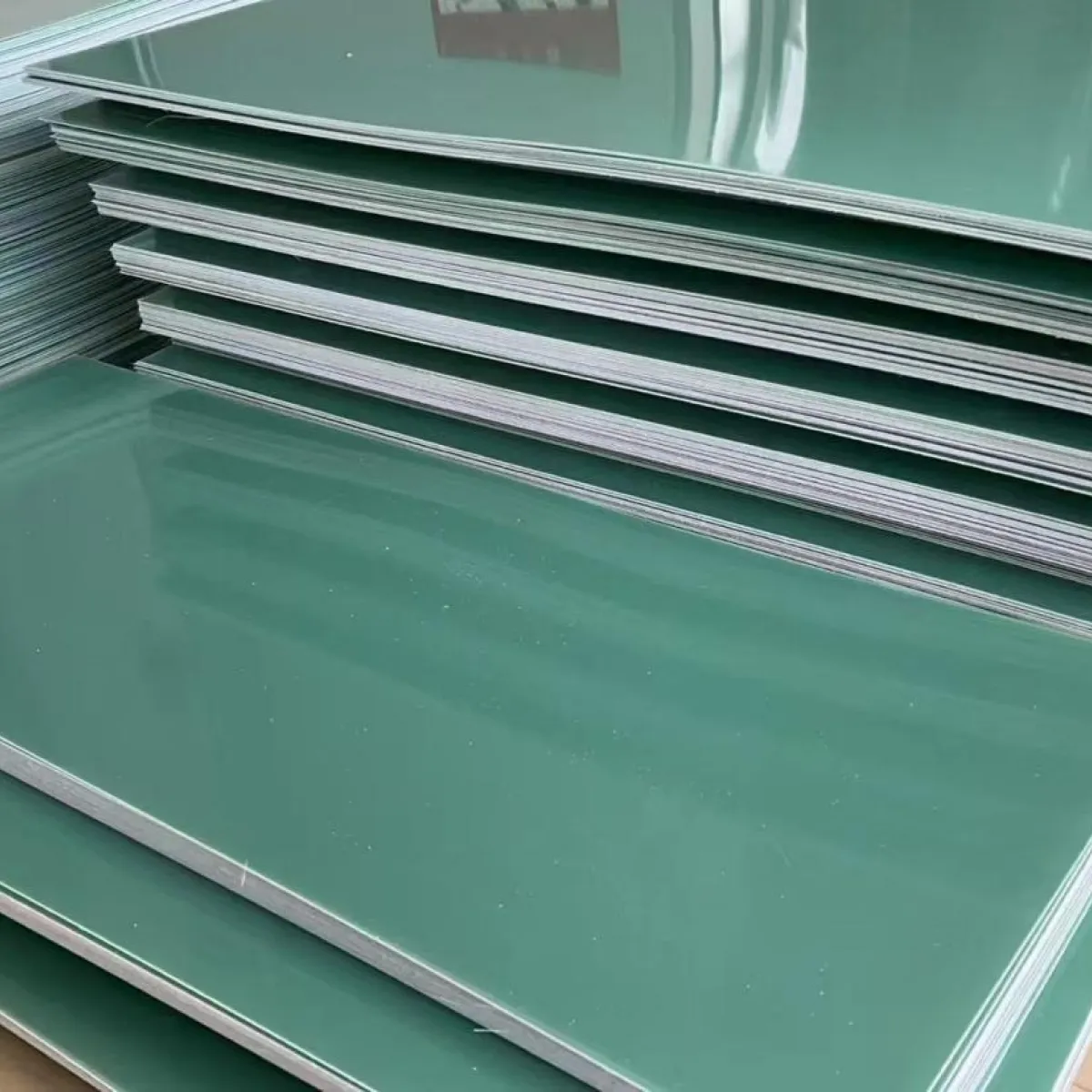
But what exactly makes FR4 so widely used? And when should engineers choose FR4 instead of G10, G11, FR5 or other insulating laminates?
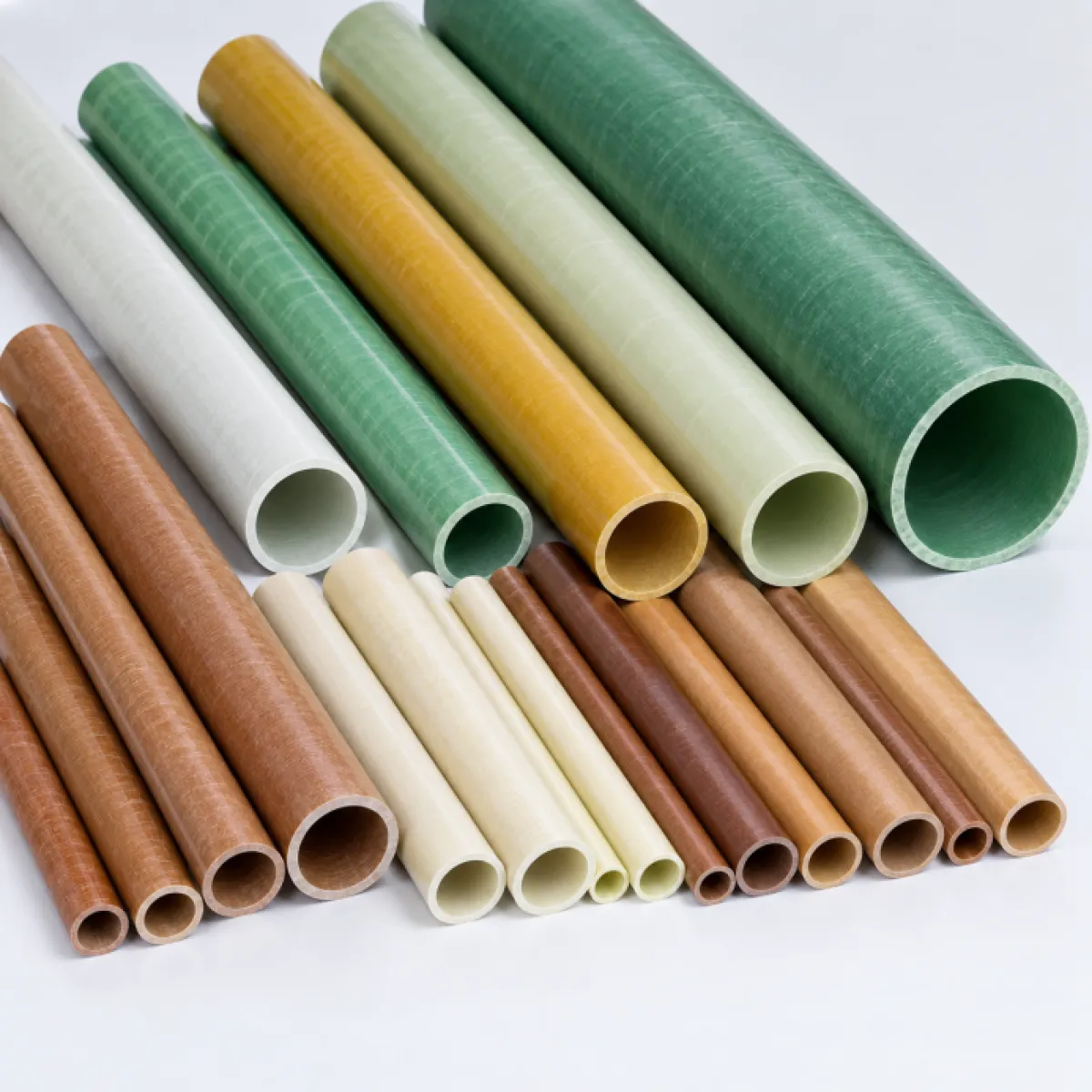
YILONG INSULATION supplies various laminated insulation tubes, including epoxy glass Cloth, melamine glass Cloth, phenolic cotton Cloth, phenolic paper and phenolic glass Cloth tube
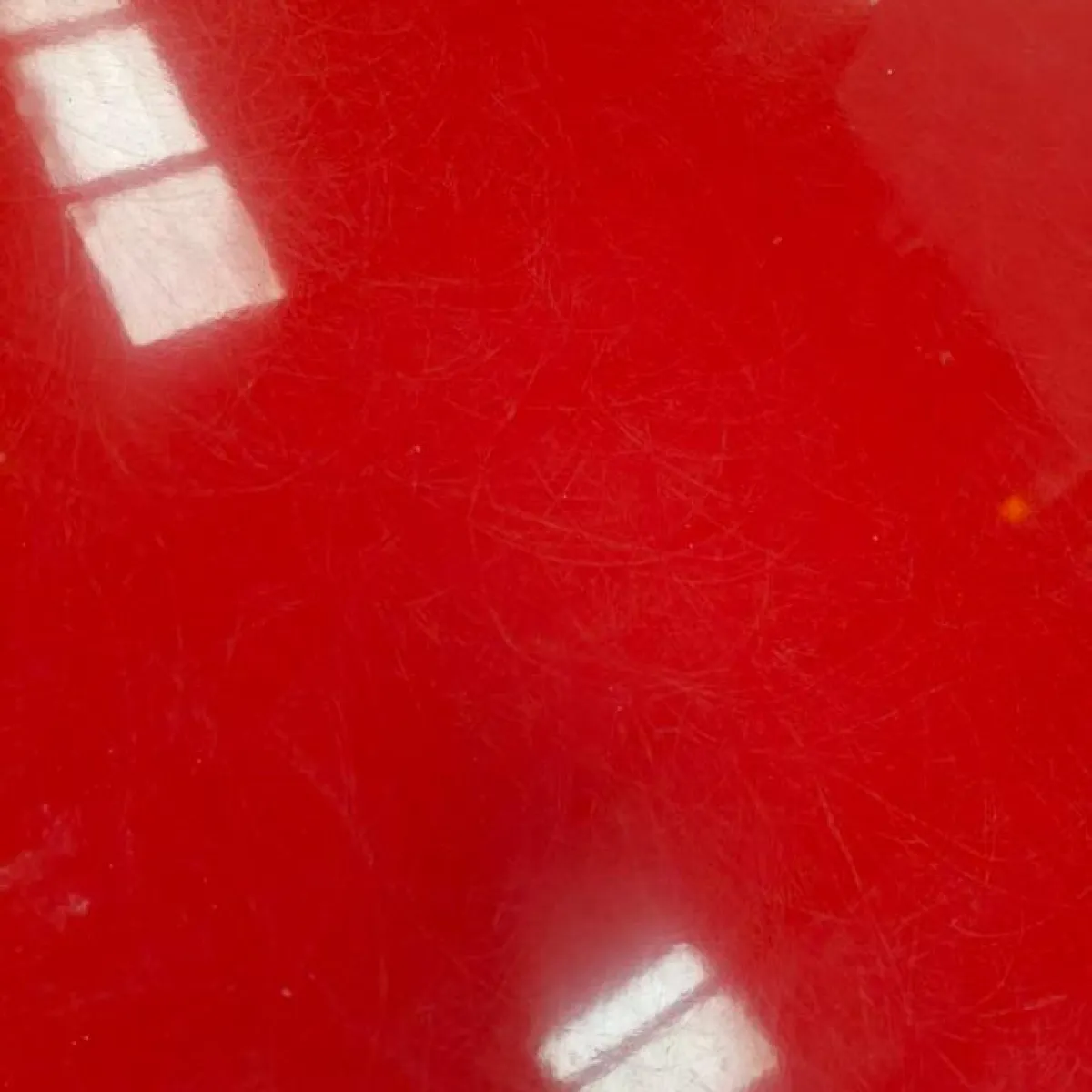
Among the materials used for these demanding applications, GPO-3 insulation board is widely selected for busbar supports, phase barriers, arc barriers and other structural insulati
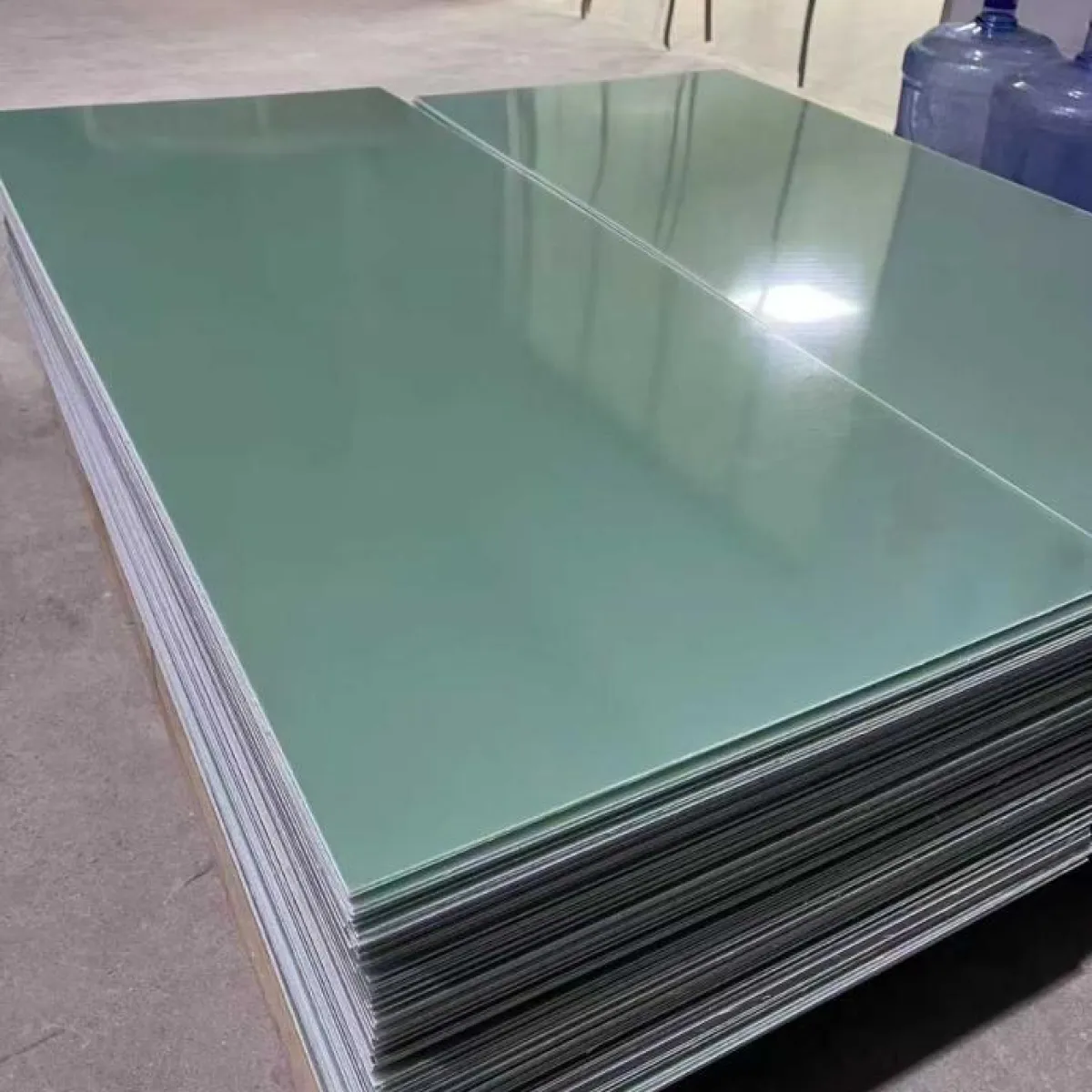
The most widely used epoxy glass laminates include 3240, G10, FR-4, and G11. Compared with these grades, 3240 is generally intended for less demanding applications. FR-4 offers goo
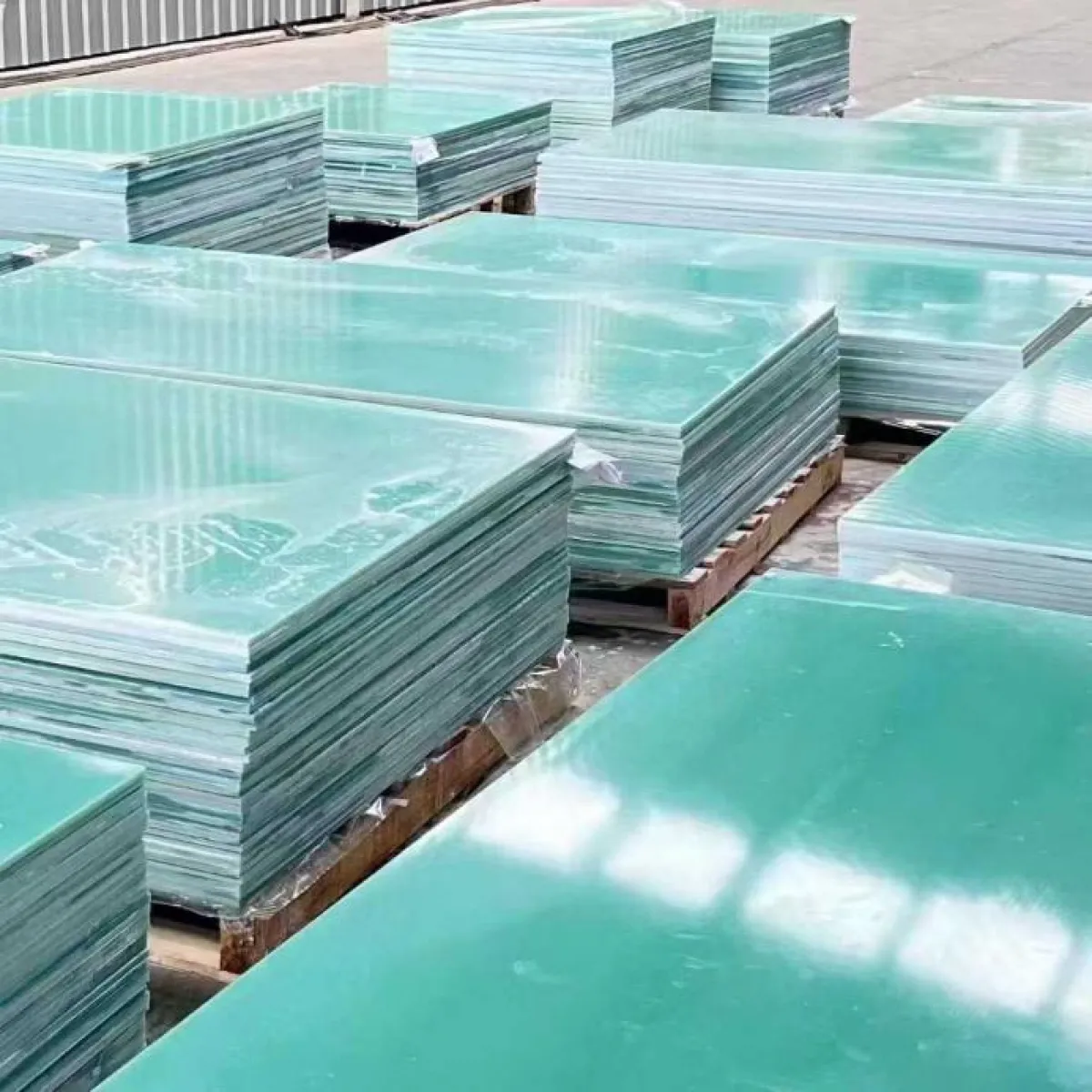
Today, we take a closer look at the manufacturing capabilities and service advantages behind YILONG’s high-quality electrical insulation solutions.
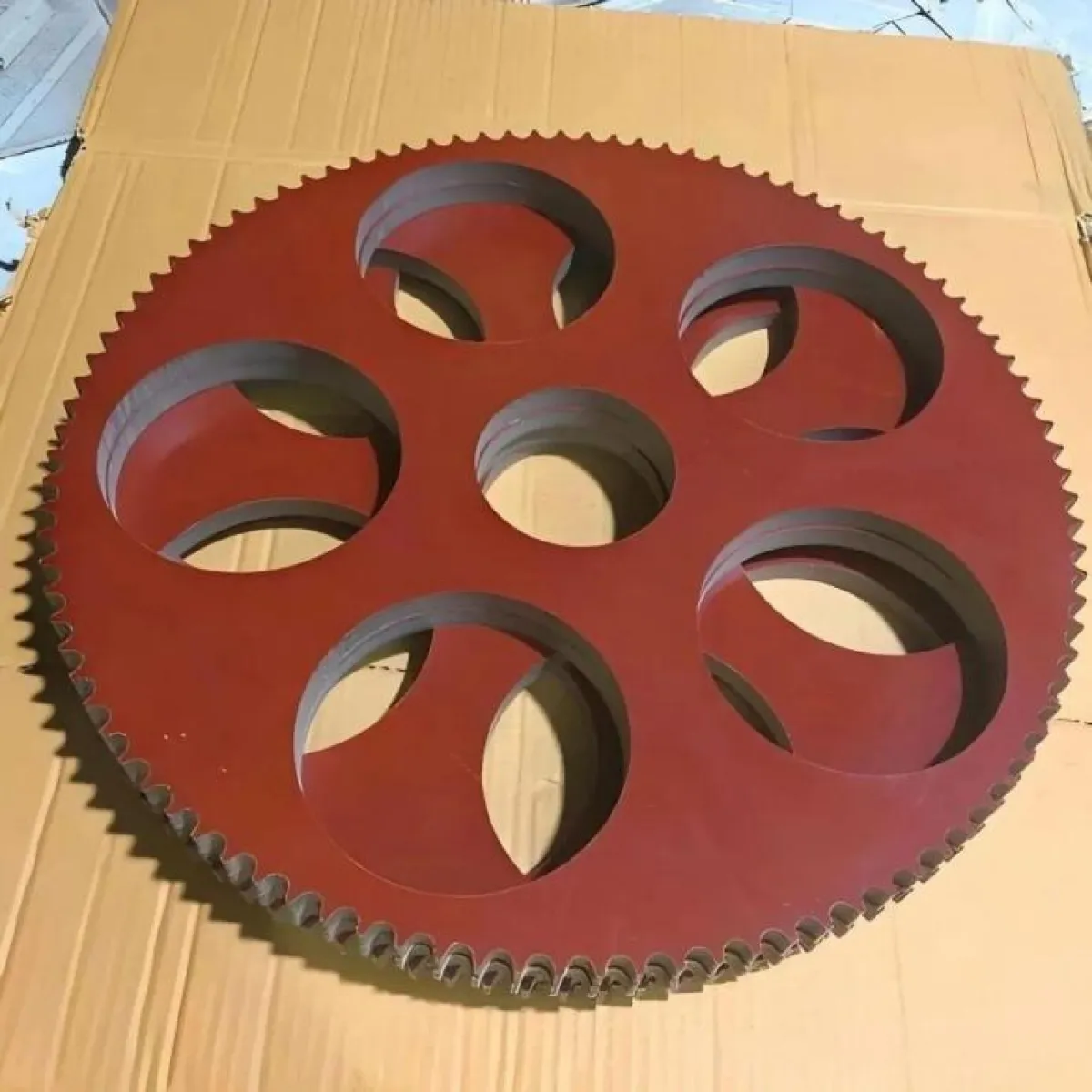
PFCP201 Phenolic Paper Sheet, also known as phenolic laminated paper sheet, is manufactured by impregnating electrical insulating paper with phenolic resin, followed by drying and
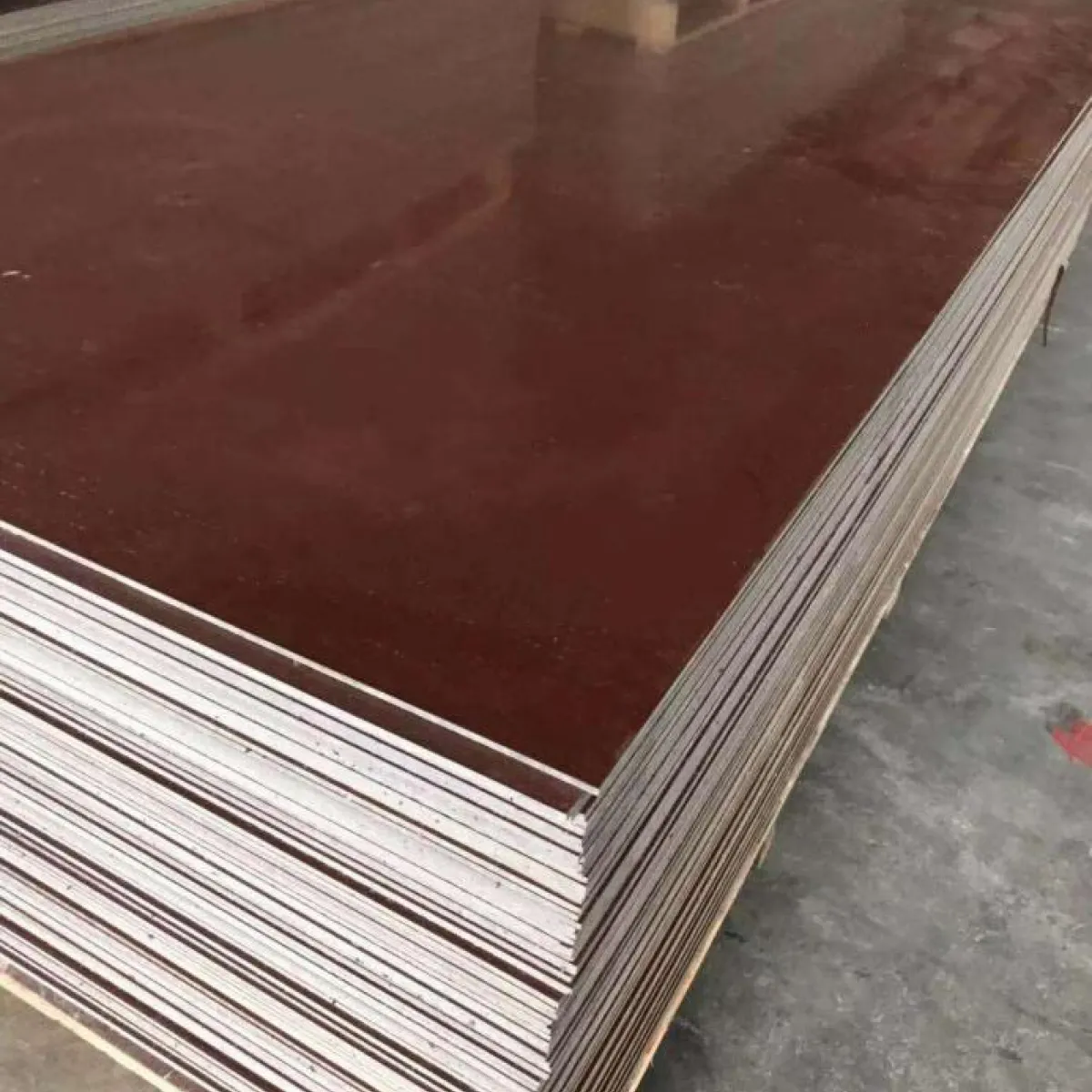
Different PFCP grades are designed for different operating conditions.

No.3, Mianzhi Street, Zhucheng, Shandong, China


Copyright © 2026 by Qingdao Yilong Insulation Material Company Limited All Rights Reserved


