
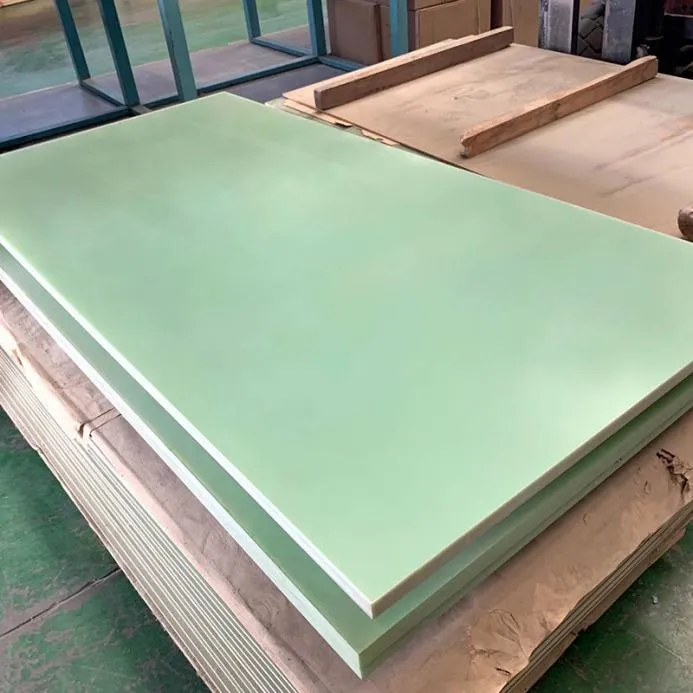
G10 CR epoxy glass laminate is specially used for cryogenic electrical insulation, insulating blocks, spacers and structural support components. With its combination of mechanical strength, electrical insulation and dimensional stability, G10 CR is well suited to demanding low-temperature and cryogenic applications.
However, selecting a cryogenic insulation material based only on its standard properties may not be enough. In actual service, continuous immersion, concentrated mechanical loads, temperature cycling, moisture and improper installation can all affect the performance and service life of insulation components.
When Can G10 CR Insulation Components Be Misused?
One common concern is continuous exposure to liquid nitrogen. Short-term contact with liquid nitrogen is not necessarily equivalent to long-term immersion at approximately -196°C. For permanent cryogenic service, dimensional stability, thermal contraction, mechanical strength and temperature-cycle performance should be evaluated under the actual operating conditions.
Mechanical loading is another important consideration. G10 CR provides high mechanical strength at low temperatures, but the performance of an insulating block or support component also depends on its geometry, fiber orientation, fastening method and load distribution. When used in highly loaded or frequently vibrating areas, stress concentration and repeated loading should be considered during component design.
Chemical exposure should also be evaluated. When insulation components are exposed to cryogenic fluids, lubricants or other chemicals at the same time, material compatibility should be verified for the specific operating environment. Performance in dry cryogenic conditions may not directly represent long-term performance in a combined media environment.
Why Does Low-Temperature Performance Need Special Attention?
The behavior of G10 CR at cryogenic temperatures is influenced by thermal shock, laminate structure and mechanical loading.
Rapid cooling from room temperature to cryogenic temperatures can generate thermal stresses because the laminate responds differently to temperature changes in different directions. Thickness, resin system, glass-fiber structure and cooling rate can all influence the actual performance of the component.
As a glass-fiber-reinforced laminate, G10 CR has direction-dependent mechanical and thermal properties. Fiber orientation should therefore be considered when designing insulating blocks, spacers and support components for non-uniform or concentrated loads.
At cryogenic temperatures, the material generally becomes stiffer and less ductile. This does not make it unsuitable for low-temperature applications, but component geometry, stress concentration and fastening pressure should be properly evaluated rather than relying only on room-temperature data.
For demanding applications, testing under actual temperature cycles can provide a more reliable basis for material selection than comparing room-temperature specifications alone.
Installation Can Affect Cryogenic Insulation Performance
Even when the appropriate cryogenic insulation material has been selected, the installation system can influence the final performance of the component.
Metal fasteners are one example. Differences in thermal contraction between the laminate and metal hardware can change clamping force during cooling and warming cycles. If the fastening system is not properly designed, excessive local stress or component movement may occur.
Sealing materials also require attention. Conventional adhesives or sealants may become brittle at very low temperatures. For cryogenic equipment, sealants and adhesives should therefore be selected according to the actual temperature range and exposure conditions.
Moisture is another factor that should not be overlooked. In cold storage and other high-humidity environments, moisture ingress can affect electrical insulation performance. Proper sealing and protection of machined edges and connection areas can help improve long-term reliability.
Fastening torque should also be properly controlled during installation and maintenance. Insufficient or excessive preload may cause movement or excessive stress in the insulating component, particularly when the assembly is exposed to repeated temperature changes.
How to Reduce Cryogenic Insulation Risks
For critical low-temperature applications, the material should be evaluated as part of the complete insulation system rather than as an individual specification.
A practical validation process should consider the material, low-temperature test data, component design, fastening system and final assembly under simulated operating conditions.
For liquid nitrogen applications, particular attention should be given to long-term dimensional stability and mechanical performance at approximately -196°C. For equipment operating continuously around -40°C to -50°C, temperature cycling, mechanical loading, moisture protection and sealing performance may become more important.
The key is to match the insulation material and machined component to the actual service conditions instead of selecting a material based on a single specification.
G10 CR Insulation Components for Cryogenic Applications
G10 CR is a reliable choice for many cryogenic electrical insulation and structural support applications where high mechanical strength and stable insulation performance are required. It can be machined into customized insulating blocks, spacers, washers, supports and other precision insulation components according to drawings or samples.
YILONG supplies G10 CR epoxy glass laminates and customized CNC-machined insulation components for electrical, industrial and cryogenic applications. With in-house manufacturing and machining capabilities, YILONG supports customers from material selection and sample development to customized production.
For technical data, samples or customized G10 CR insulation components, please contact YILONG.
Website: www.yilonginsulation.com
Email: yilong@yilonginsulation.com
WhatsApp: +86 15866869385
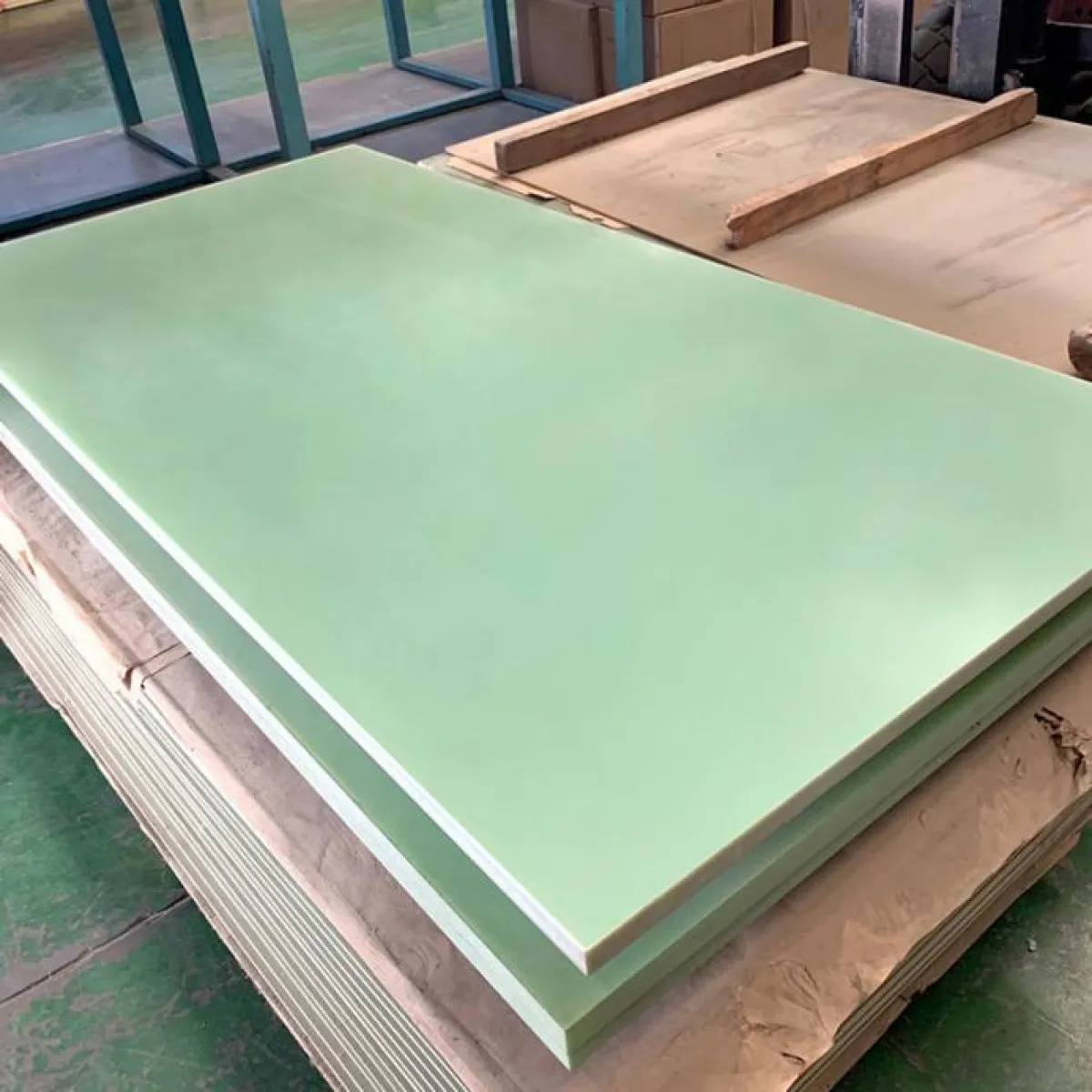
However, selecting a cryogenic insulation material based only on its standard properties may not be enough. In actual service, continuous immersion, concentrated mechanical loads,

Silicone Glass Cloth Sheet (G7) combines silicone resin with glass fiber cloth to provide a balance of high-temperature resistance, electrical insulation, mechanical strength, and
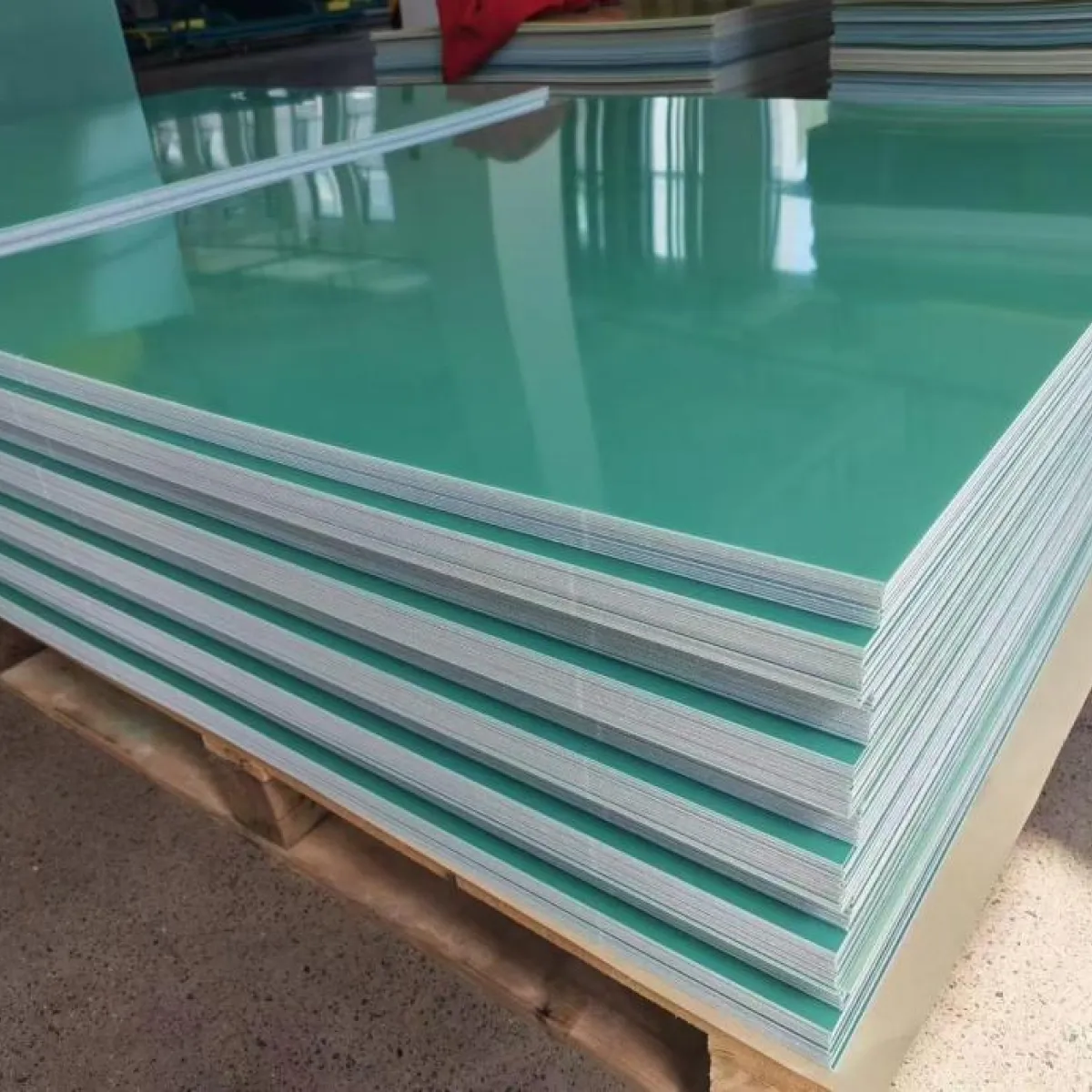
These properties make EPGC308 particularly suitable for electrical equipment operating under high temperature, high humidity and high-voltage conditions.
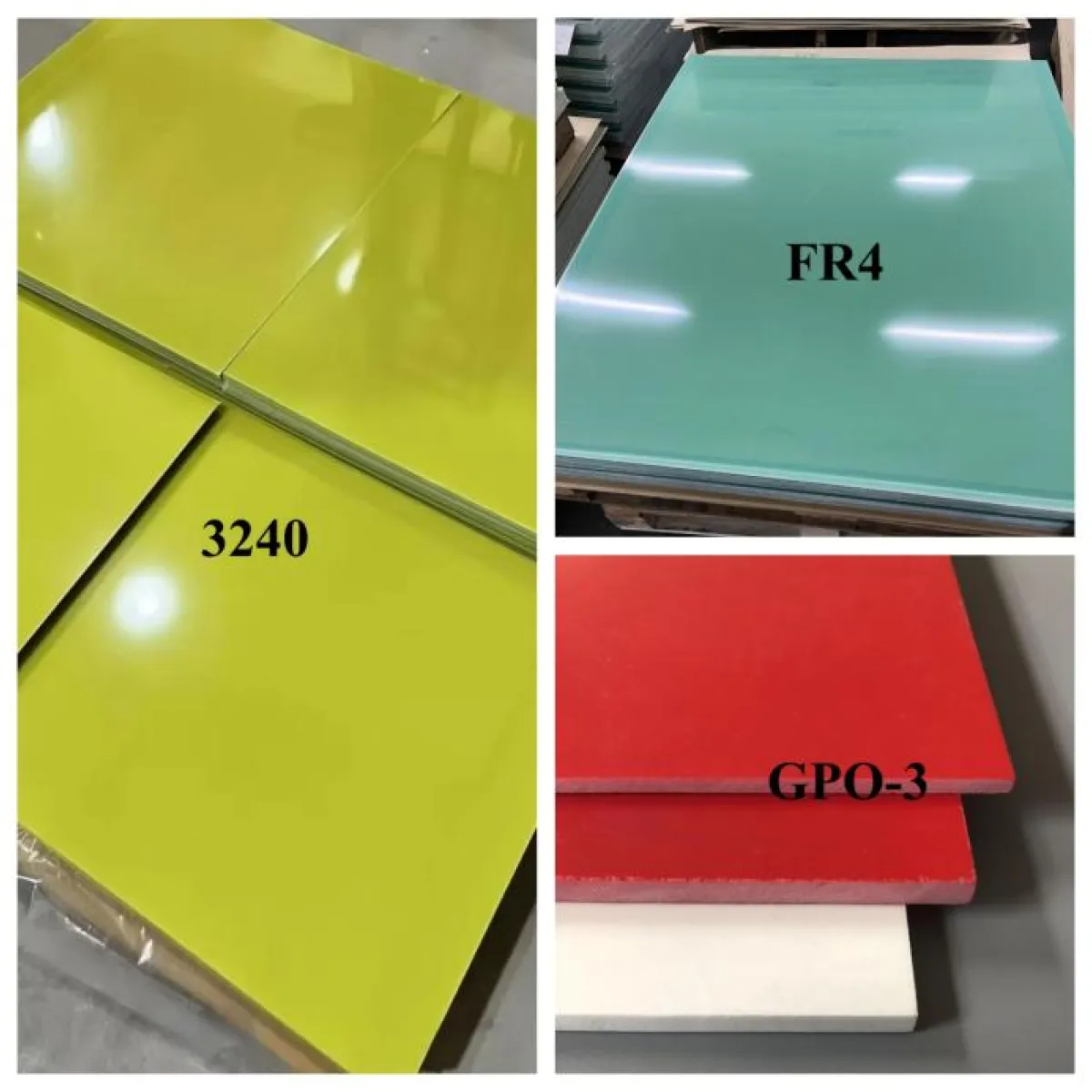
Understanding these differences can help engineers and buyers select the most suitable insulation material for their specific operating conditions.
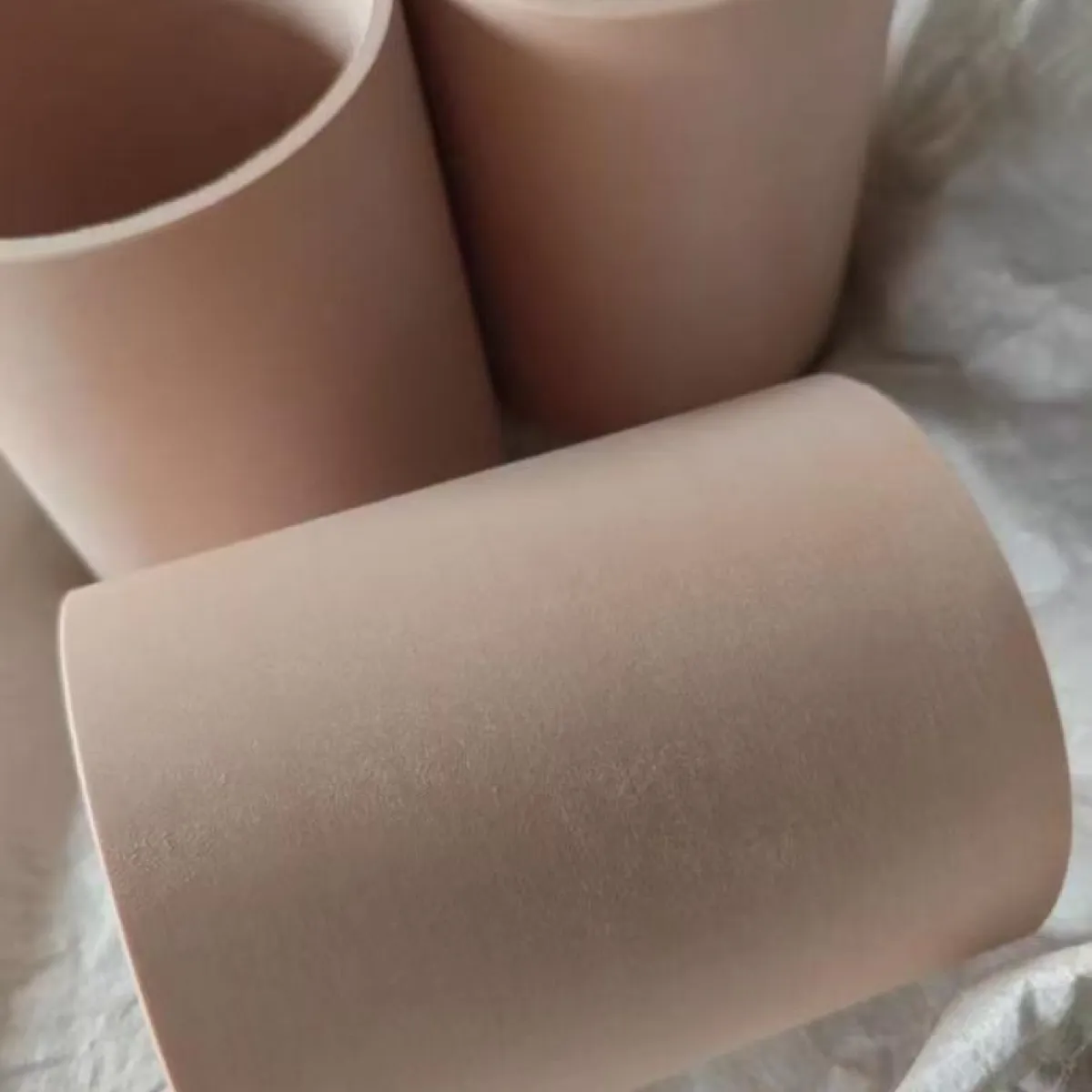
Phenolic Cotton Tube boasts multiple prominent competitive strengths for industrial use. It features extraordinary insulating performance: fully non-conductive, anti-static, and st
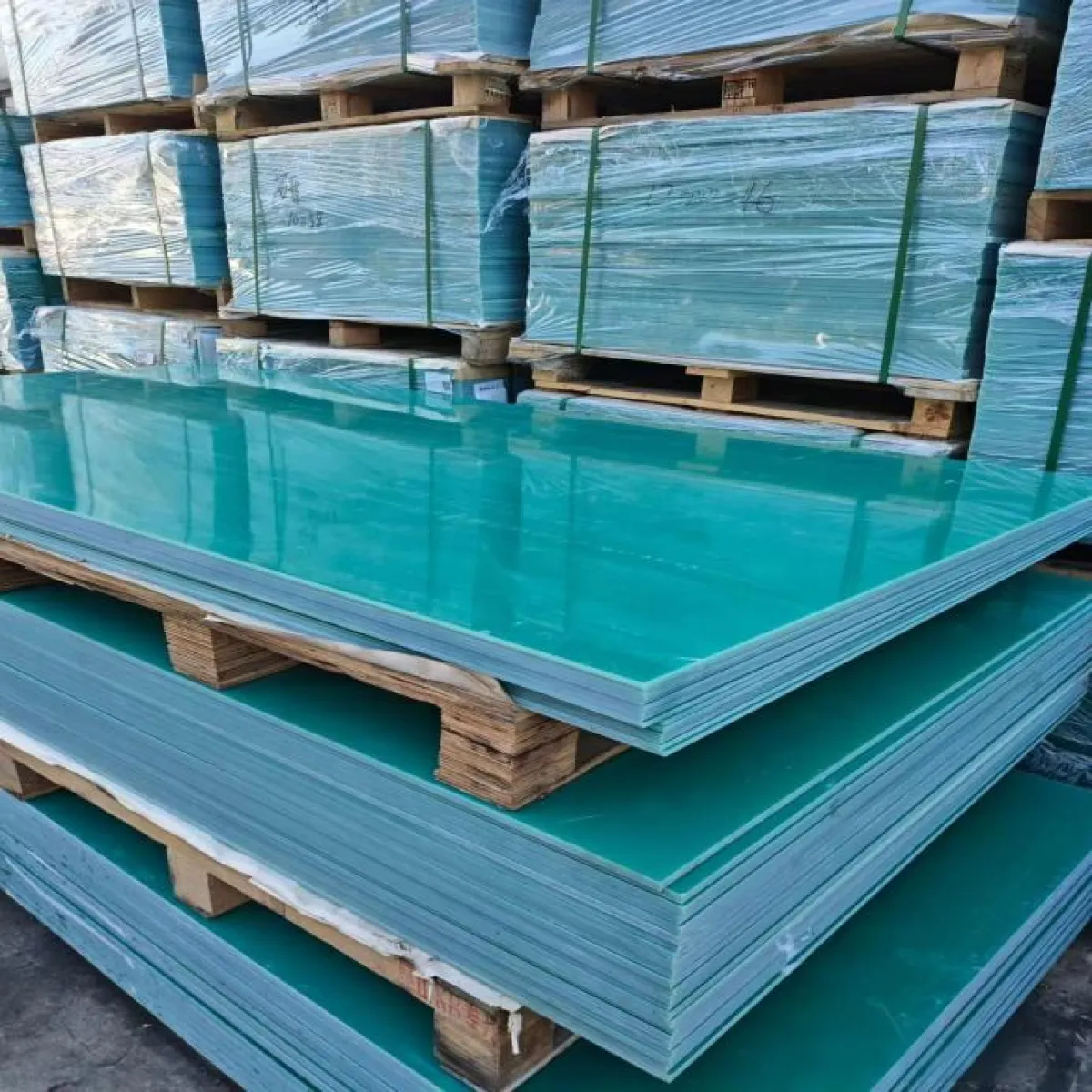
First let us look at its regular uses. In power plants, substations, power distribution rooms and other sites, Insulation Laminated Board is commonly laid on floors to avoid electr
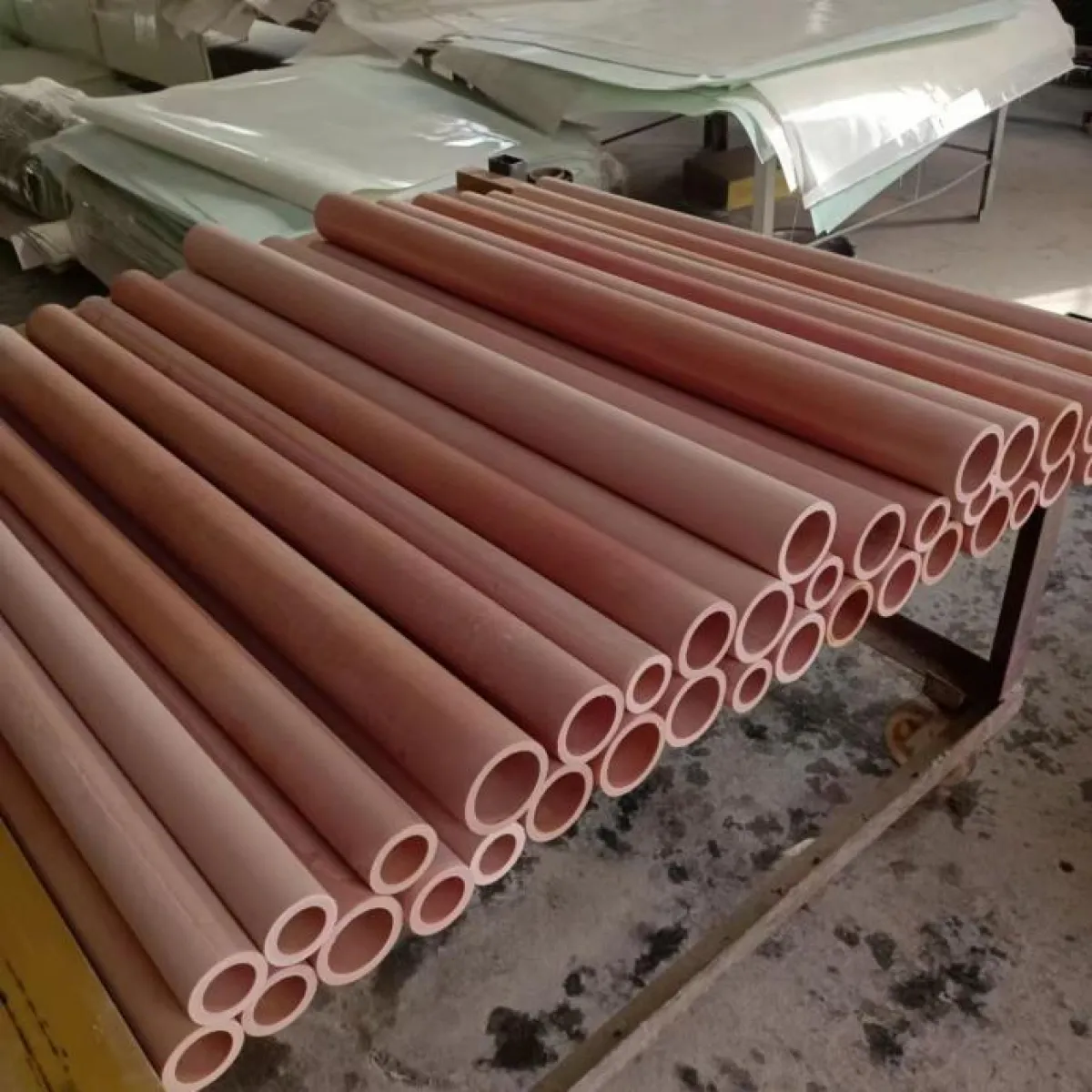
From the perspective of composite materials, Phenolic Cloth Tube is not made of a single substance, but formed by combining thermosetting phenolic resin with reinforcing materials
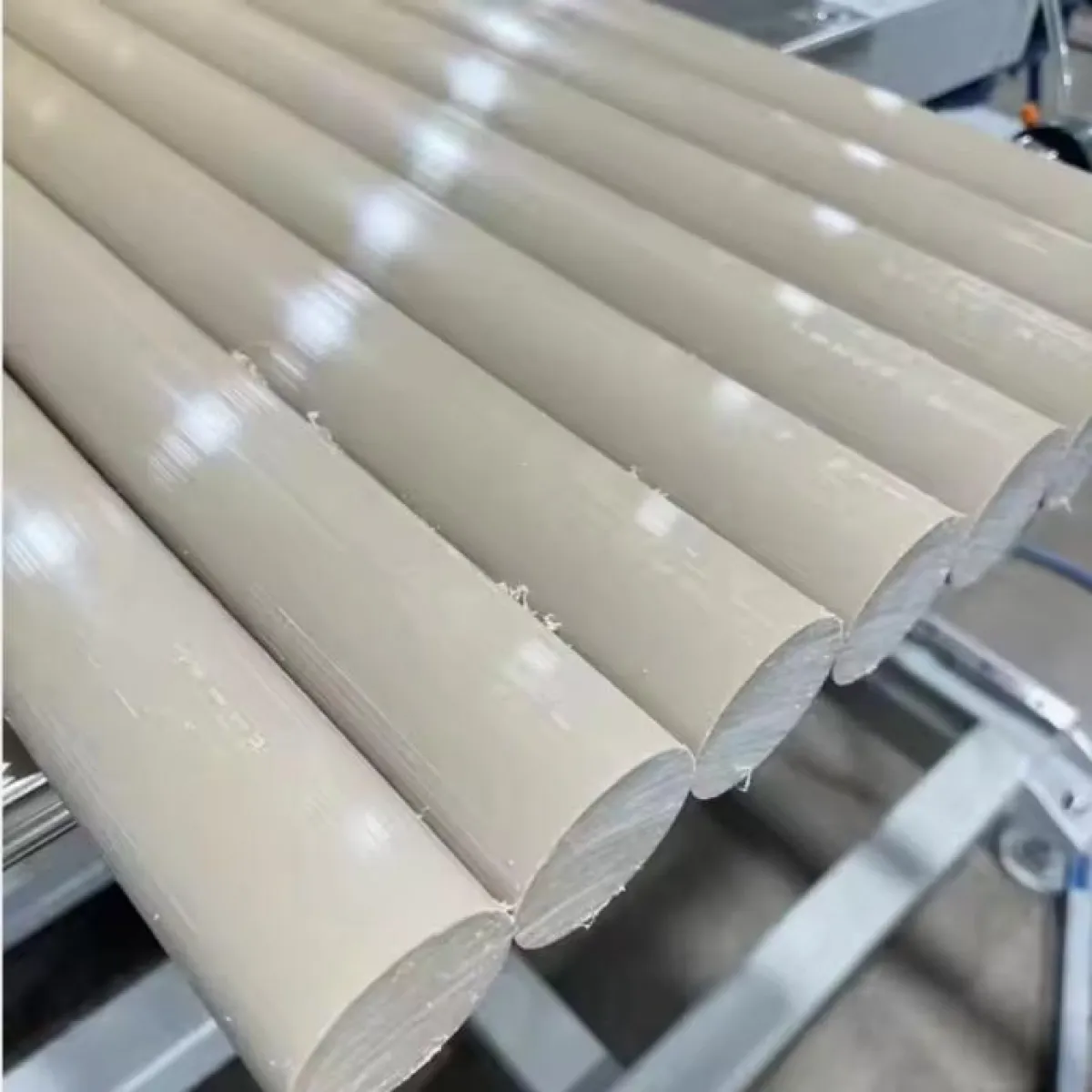
Retains high tensile strength and flexural modulus above 200°C
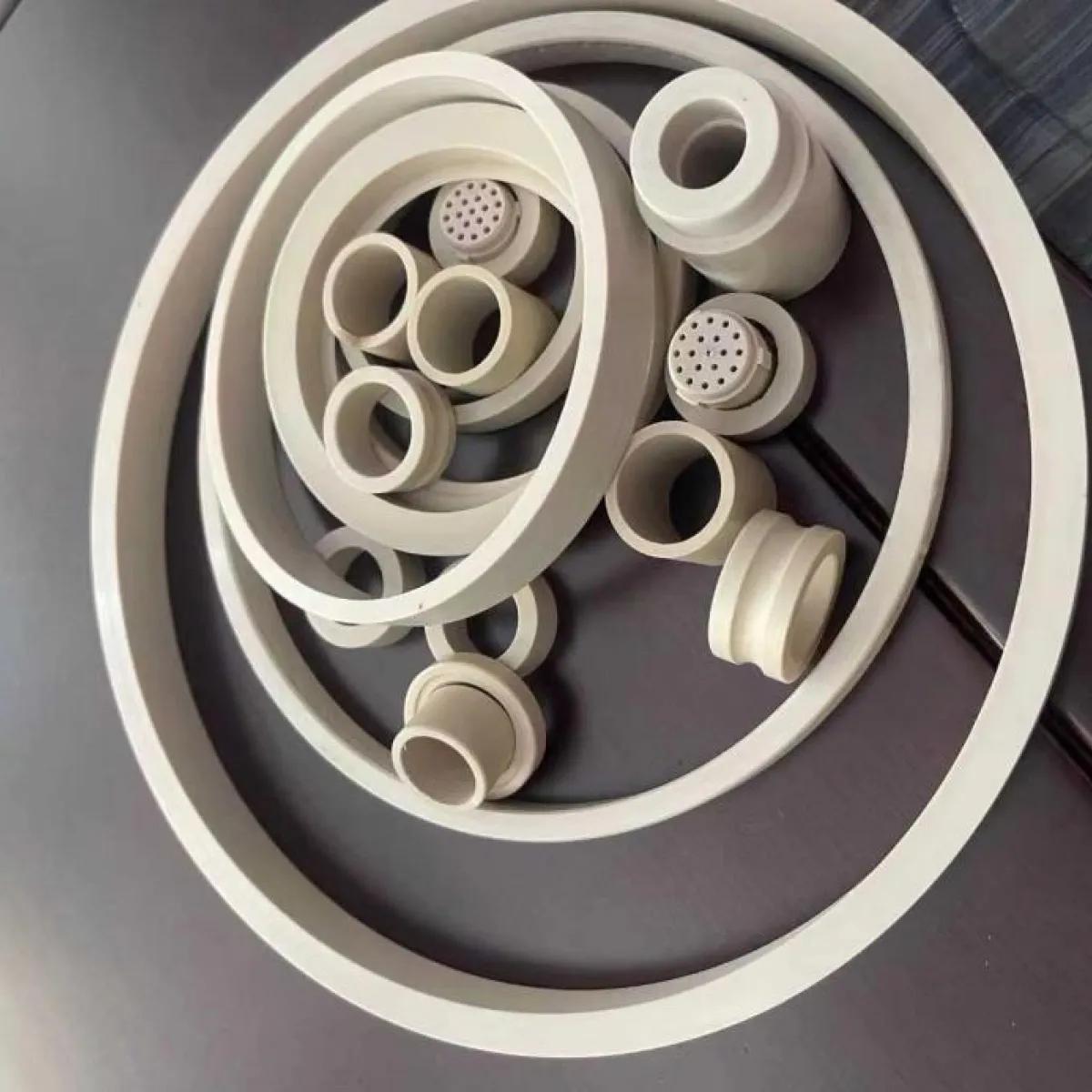
In the field of engineering plastics, one material stands out with outstanding comprehensive performance, which is Polyetheretherketone (PEEK). As a semi-crystalline thermoplastic
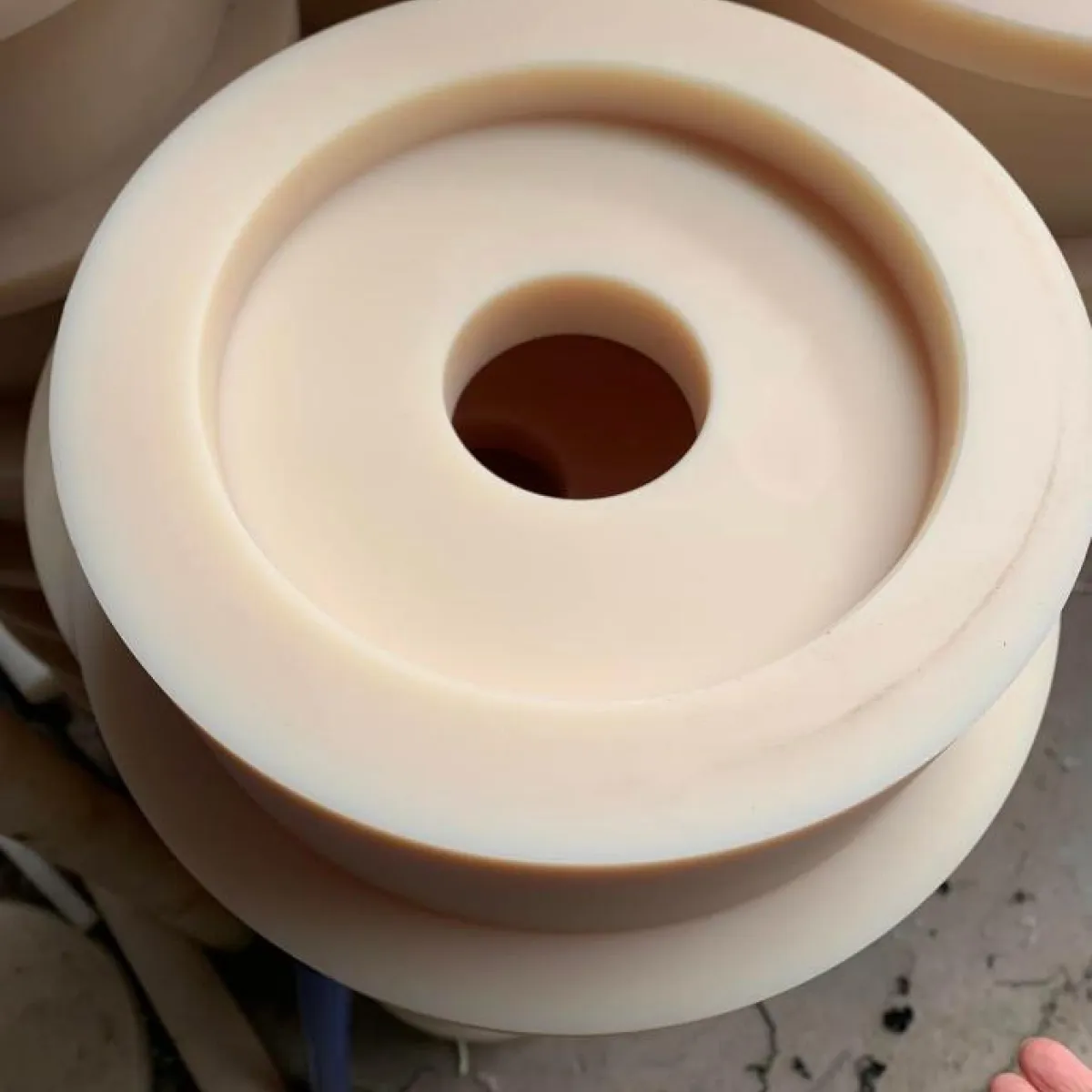
Under normal atmospheric pressure, molten caprolactam monomer (C₆H₁₁NO) is mixed with alkaline catalysts, activators and other auxiliaries to prepare polymerizable prepolymer. The

No.3, Mianzhi Street, Zhucheng, Shandong, China





Copyright © 2026 by Qingdao Yilong Insulation Material Company Limited All Rights Reserved