

When selecting a Silicone Glass Cloth Sheet (G7), have you ever found that products with seemingly similar specifications perform quite differently in actual applications? The right material selection is not simply about comparing basic data. Resin chemistry, glass cloth structure, operating conditions, processing, and compatibility with auxiliary materials can all affect the long-term performance of electrical insulation.
Why Silicone Glass Cloth Sheet (G7) Is Different?
Silicone Glass Cloth Sheet (G7) combines silicone resin with glass fiber cloth to provide a balance of high-temperature resistance, electrical insulation, mechanical strength, and dimensional stability. Unlike conventional phenolic or epoxy laminates, silicone resin can maintain relatively stable chemical and electrical characteristics at elevated temperatures, which is an important reason for its high-temperature performance.
The glass cloth reinforcement is equally important. Alkali-free glass cloth can help reduce ionic migration and support long-term insulation reliability. The weave density and structure of the glass cloth influence mechanical strength and dimensional stability, while uniform resin impregnation helps minimize internal weak points. These manufacturing details can significantly affect the service life of a laminate operating under elevated temperatures.
What Makes a High-Quality Silicone Glass Cloth Sheet (G7)?
Silicone Glass Cloth Sheet (G7)s are particularly attractive for applications requiring reliable insulation at elevated temperatures. Compared with conventional phenolic or epoxy glass laminates, silicone-based systems can offer better high-temperature stability, slower electrical performance degradation at elevated temperatures, and good resistance to moisture-related deterioration.
These characteristics make Silicone Glass Cloth Sheet (G7) suitable for demanding electrical equipment such as variable-frequency drives, traction motors, transformers, and other systems designed for prolonged high-temperature operation. However, the term “high-temperature resistant” can have different meanings depending on the manufacturer, material grade, testing method, and thermal-class requirements. Actual application conditions should therefore be considered together with the technical datasheet.
How to Choose the Right Material for Different Environments
For high-temperature applications, continuous operating temperature and thermal aging performance are key parameters. In humid environments, water absorption and dielectric strength under wet conditions should be evaluated. For applications involving strong electrical or electromagnetic stress, dielectric loss and volume resistivity may also be important selection criteria.
It is also important to distinguish short-term test results from long-term service performance. A material may meet an initial mechanical strength requirement but show degradation, delamination, or dimensional changes after repeated temperature cycling. Likewise, flexible silicone rubber insulation may perform well where flexibility is required, but it is not necessarily suitable for applications where the insulation material must provide structural support, such as certain motor insulation components.
Why Auxiliary Materials and Processing Also Matter
The overall insulation system should also be considered. High-temperature adhesives should be compatible with the silicone laminate and capable of withstanding the same service temperature. Proper laminating tooling and pressure control help ensure uniform bonding and reduce the risk of internal voids or delamination. Insulating varnishes or suitable sealing materials may also be used for edge protection and moisture resistance where required.
Machining Considerations for Silicone Glass Cloth Sheet (G7)
Machining is another factor that should not be overlooked. During drilling, cutting, or other machining operations, excessive localized heat may damage the resin system or affect the finished edge. Appropriate cutting tools, cooling methods, machining speeds, and feed rates should be selected according to the material thickness and component geometry.
After machining, the surface and edges should be properly cleaned and finished to remove machining debris and prevent potential insulation defects. For assembled components, the compatibility of adhesives, coatings, and other auxiliary insulation materials should be verified rather than assuming that general-purpose products are suitable.
Choose the Material Based on the Complete Application
A reliable selection process therefore starts with the actual working environment rather than a single specification. Maximum operating temperature, temperature cycling, humidity, mechanical loading, vibration, electrical stress, contact media, machining requirements, and compatibility with other materials should all be evaluated before choosing a Silicone Glass Cloth Sheet (G7).
YILONG manufactures Silicone Glass Cloth Sheet (G7)s and other electrical insulation materials for motors, transformers, generators, switchgear, and industrial electrical equipment. Based on the required application, YILONG can provide different insulation materials and customized sizes, thicknesses, and machined insulation components.
Choosing the right insulation material is ultimately about matching the material system to the complete operating environment. A well-designed solution considers not only the laminate itself, but also processing, assembly, and long-term service conditions.
For Silicone Glass Cloth Sheet (G7) specifications or customized electrical insulation solutions, contact YILONG through www.yilonginsulation.com, yilong@yilonginsulation.com, or WhatsApp +86 15866869385
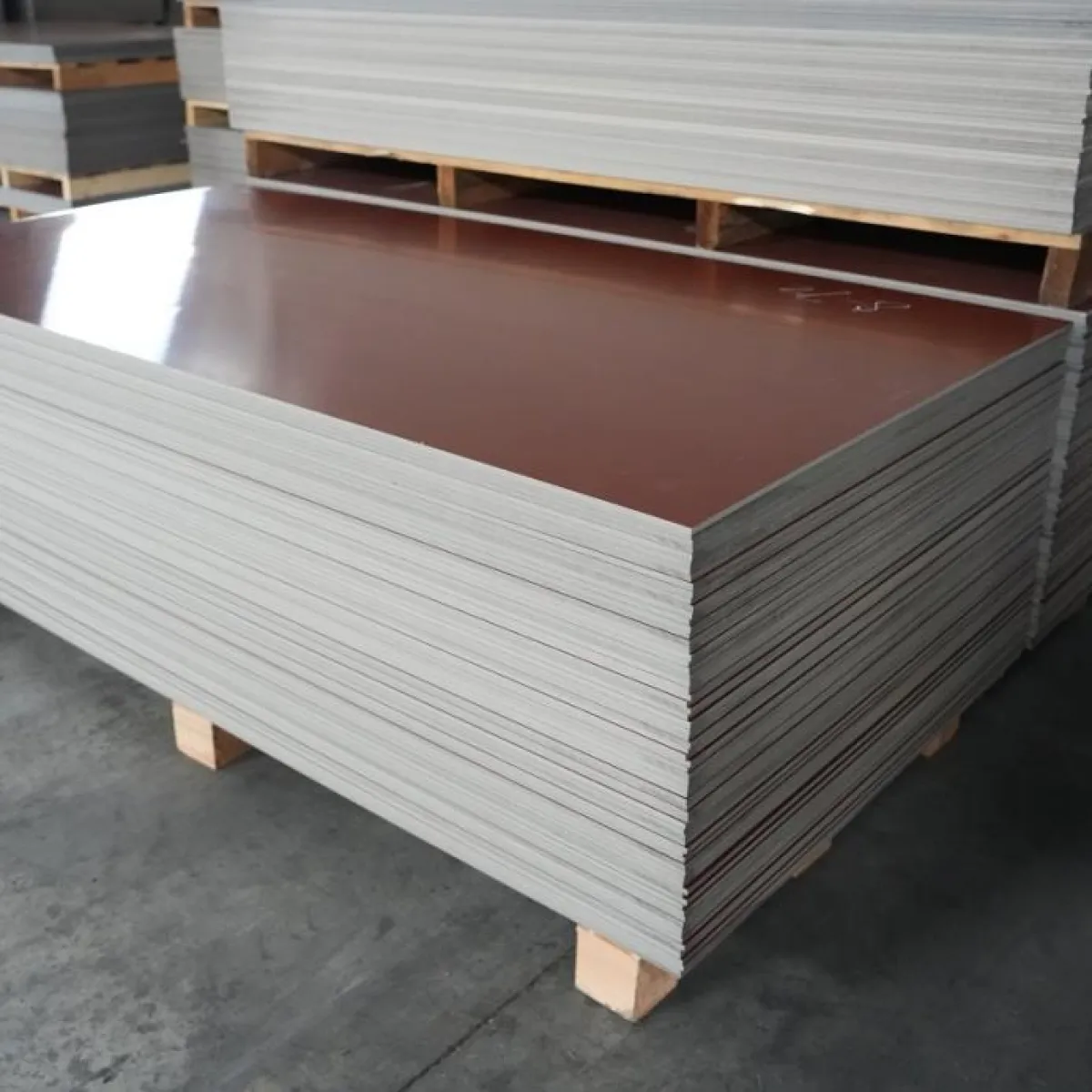
PFCP 201 phenolic paper laminated sheet is a widely used electrical insulation material for applications requiring a combination of mechanical strength, electrical insulation and d
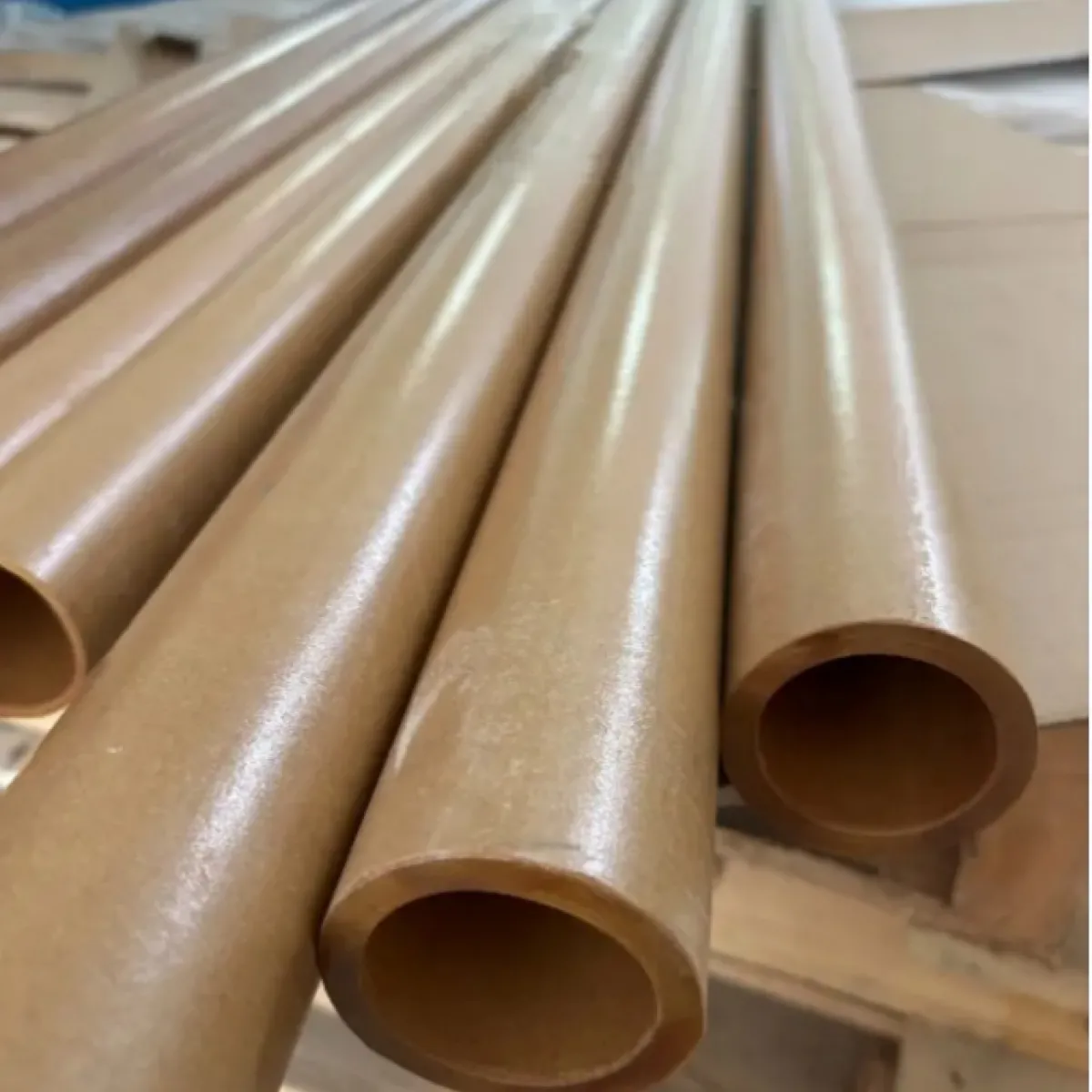
It is manufactured from insulating paper impregnated with phenolic resin and formed through a controlled hot winding and curing process. This structure combines the electrical prop
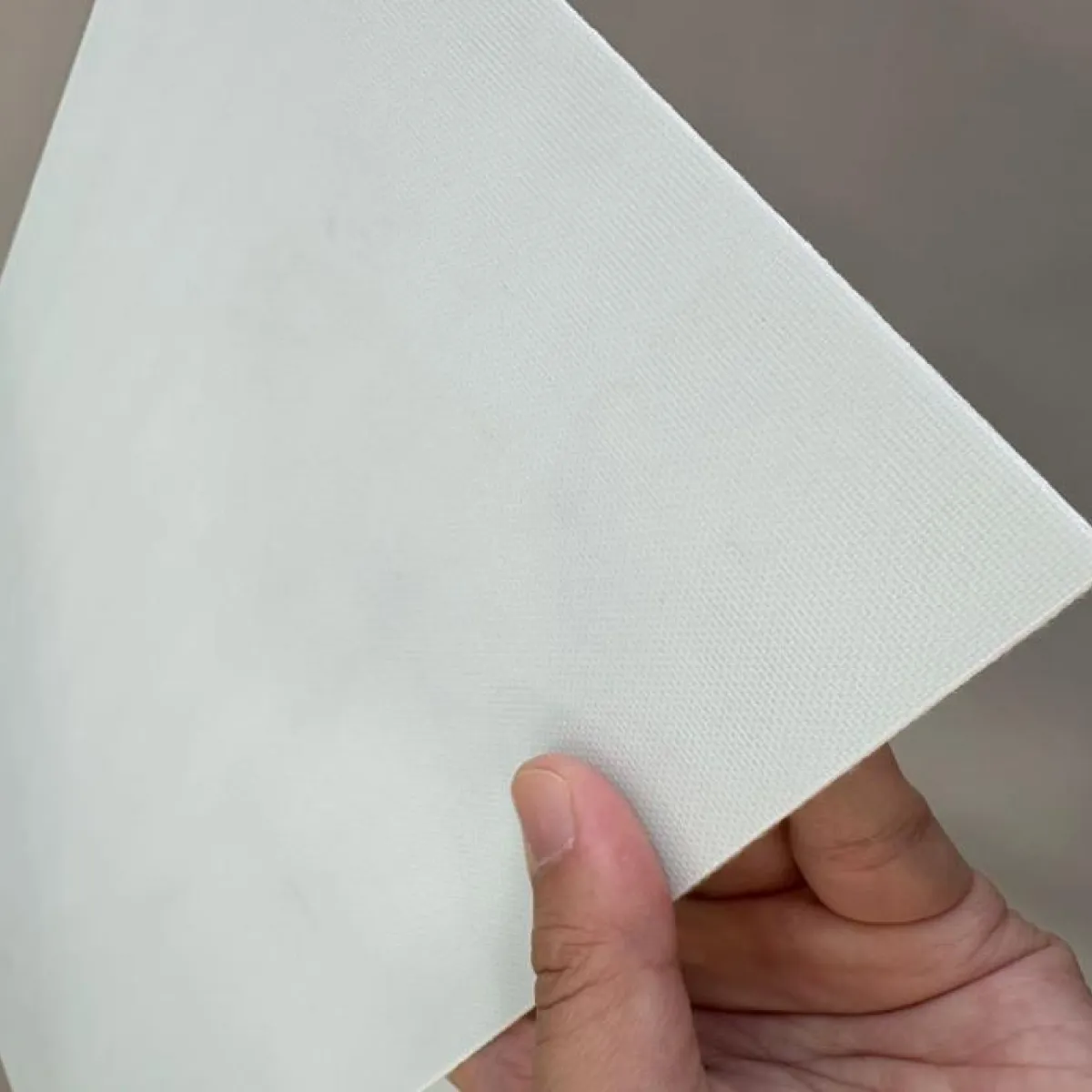
Compared with general-purpose epoxy glass laminates, silicone resin reinforced with glass fabric provides a different balance of thermal, electrical and mechanical properties. Howe
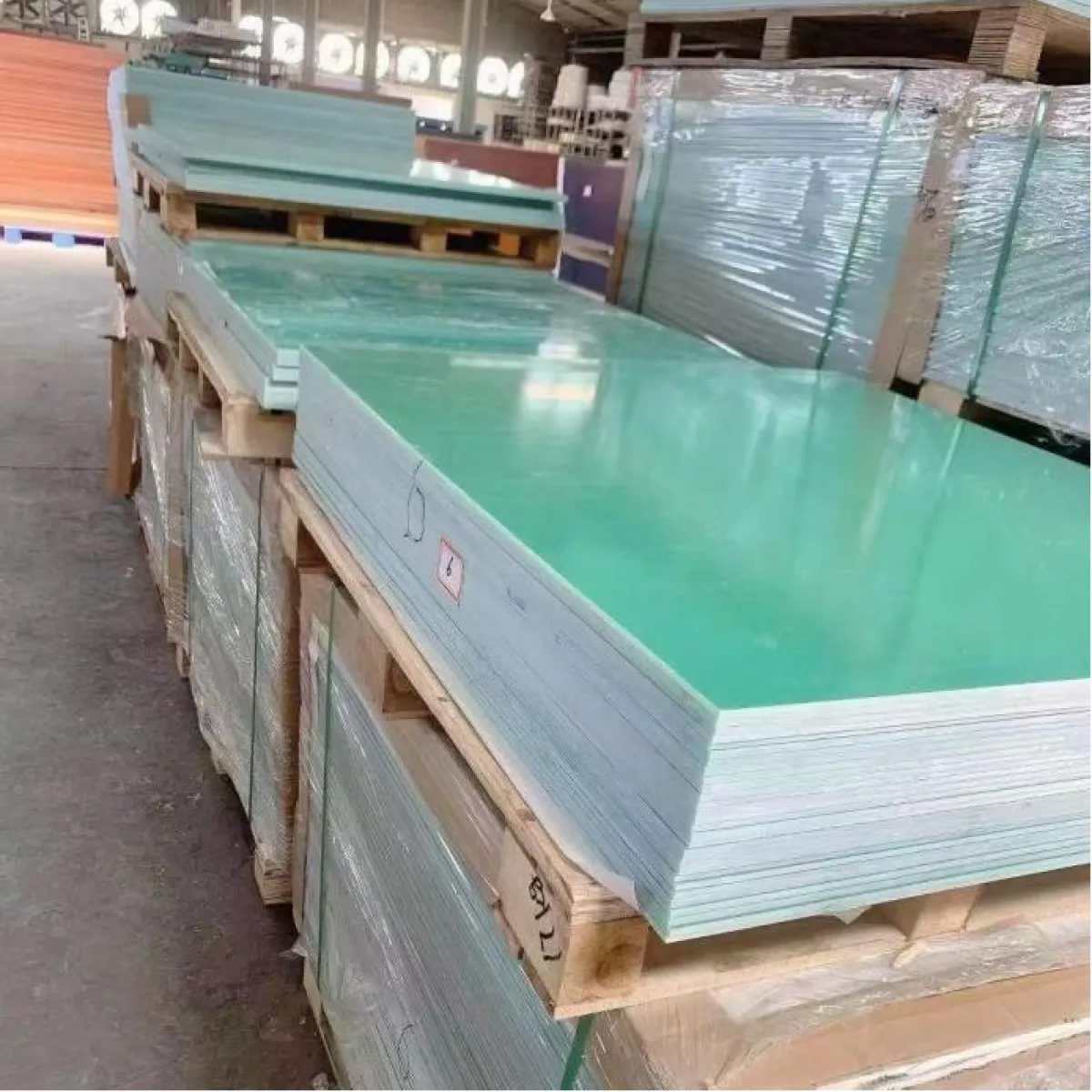
For electrical equipment manufacturers, machinery companies and insulation component suppliers, selecting the right G10 Epoxy Fiberglass Sheet involves more than simply choosing a
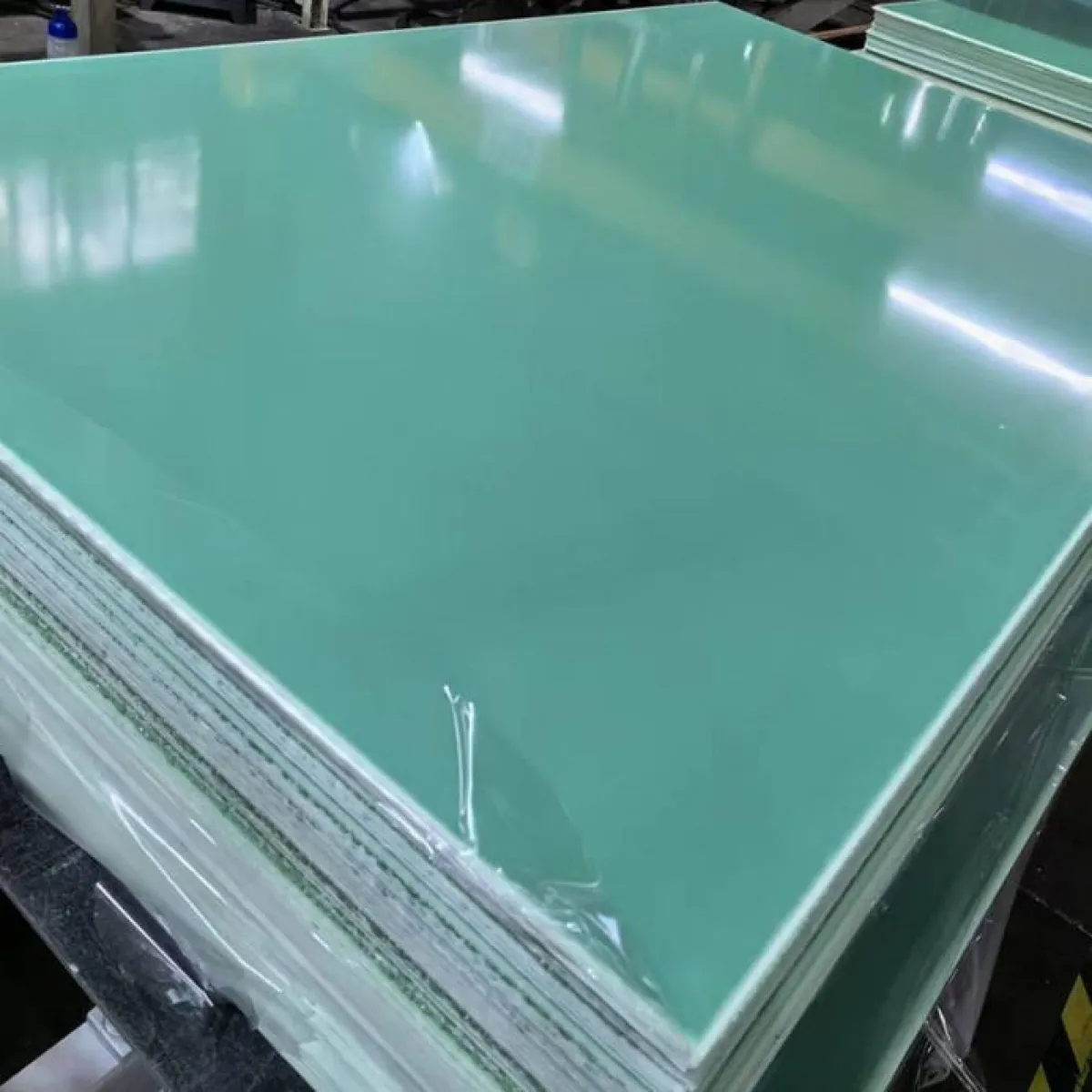
For engineers and purchasers choosing insulating materials, understanding the differences between G10 and G11 can help ensure the right balance of electrical insulation, mechanical
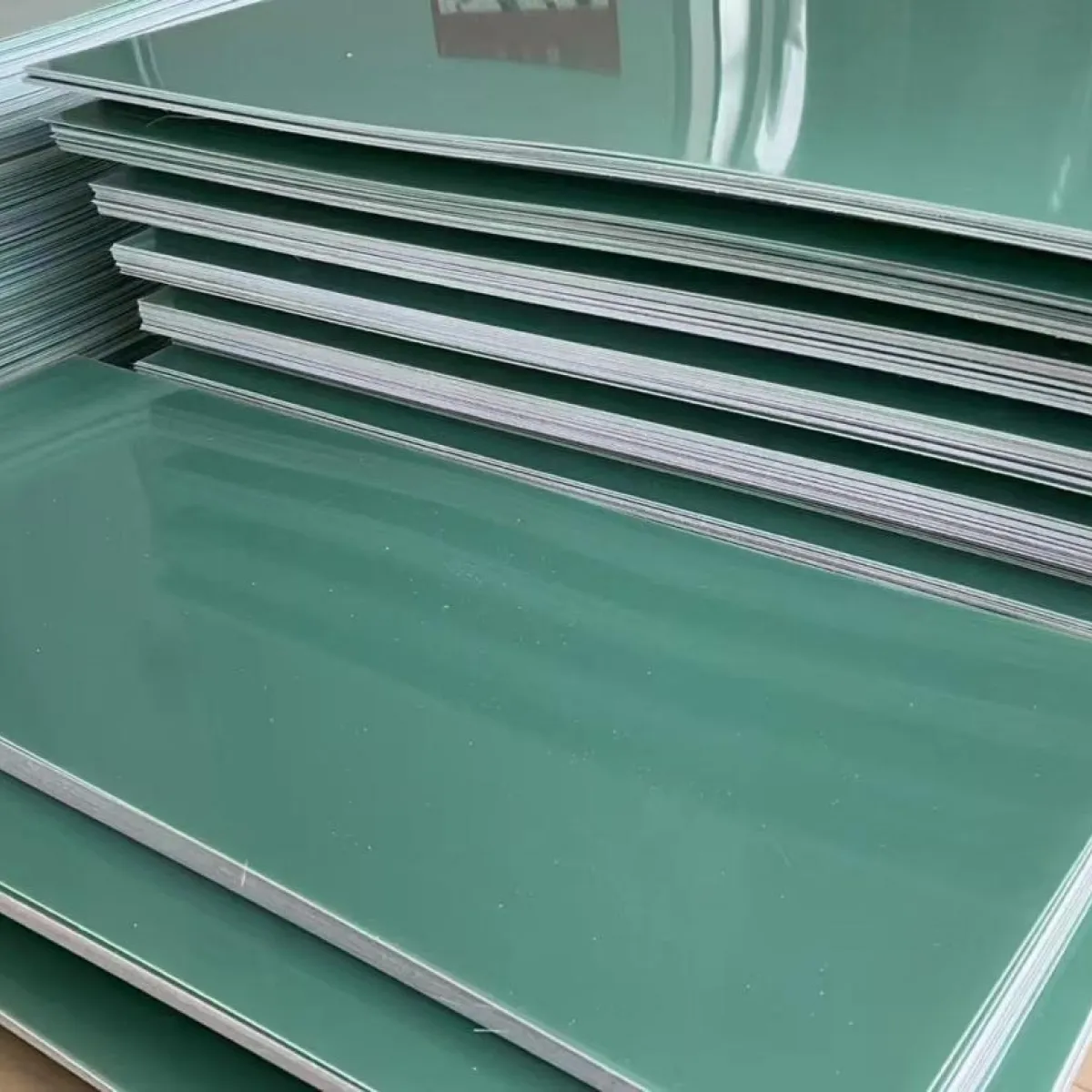
But what exactly makes FR4 so widely used? And when should engineers choose FR4 instead of G10, G11, FR5 or other insulating laminates?
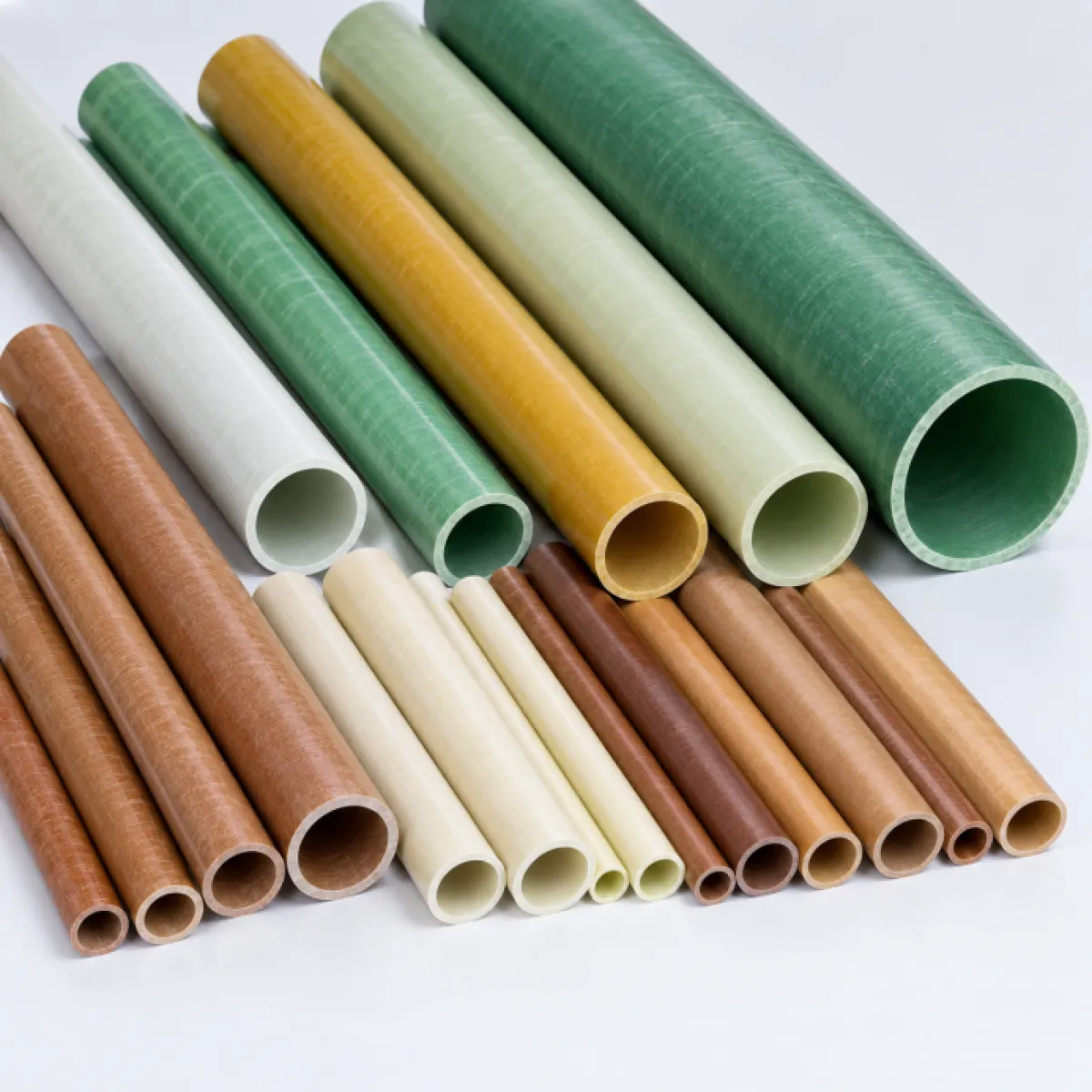
YILONG INSULATION supplies various laminated insulation tubes, including epoxy glass Cloth, melamine glass Cloth, phenolic cotton Cloth, phenolic paper and phenolic glass Cloth tube
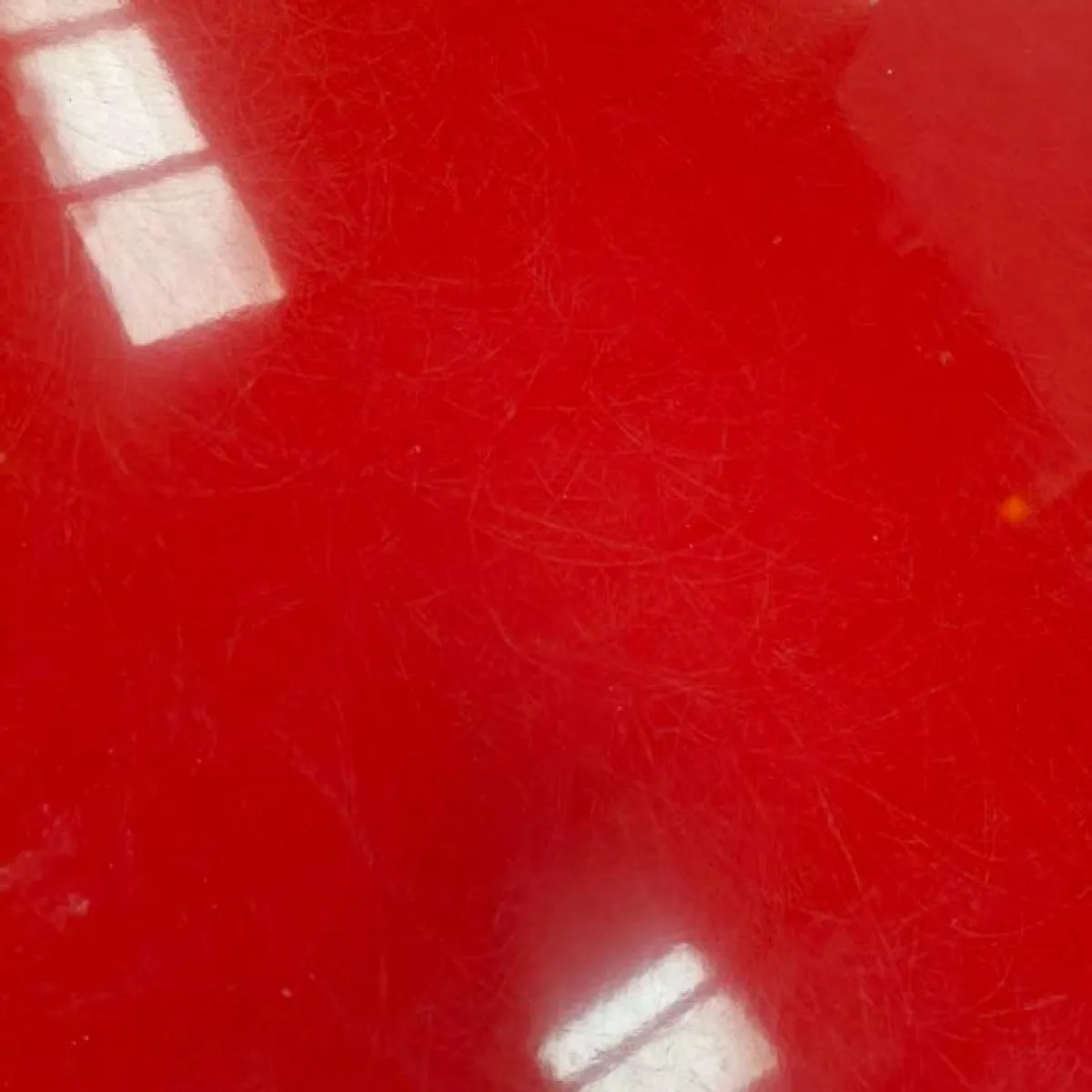
Among the materials used for these demanding applications, GPO-3 insulation board is widely selected for busbar supports, phase barriers, arc barriers and other structural insulati
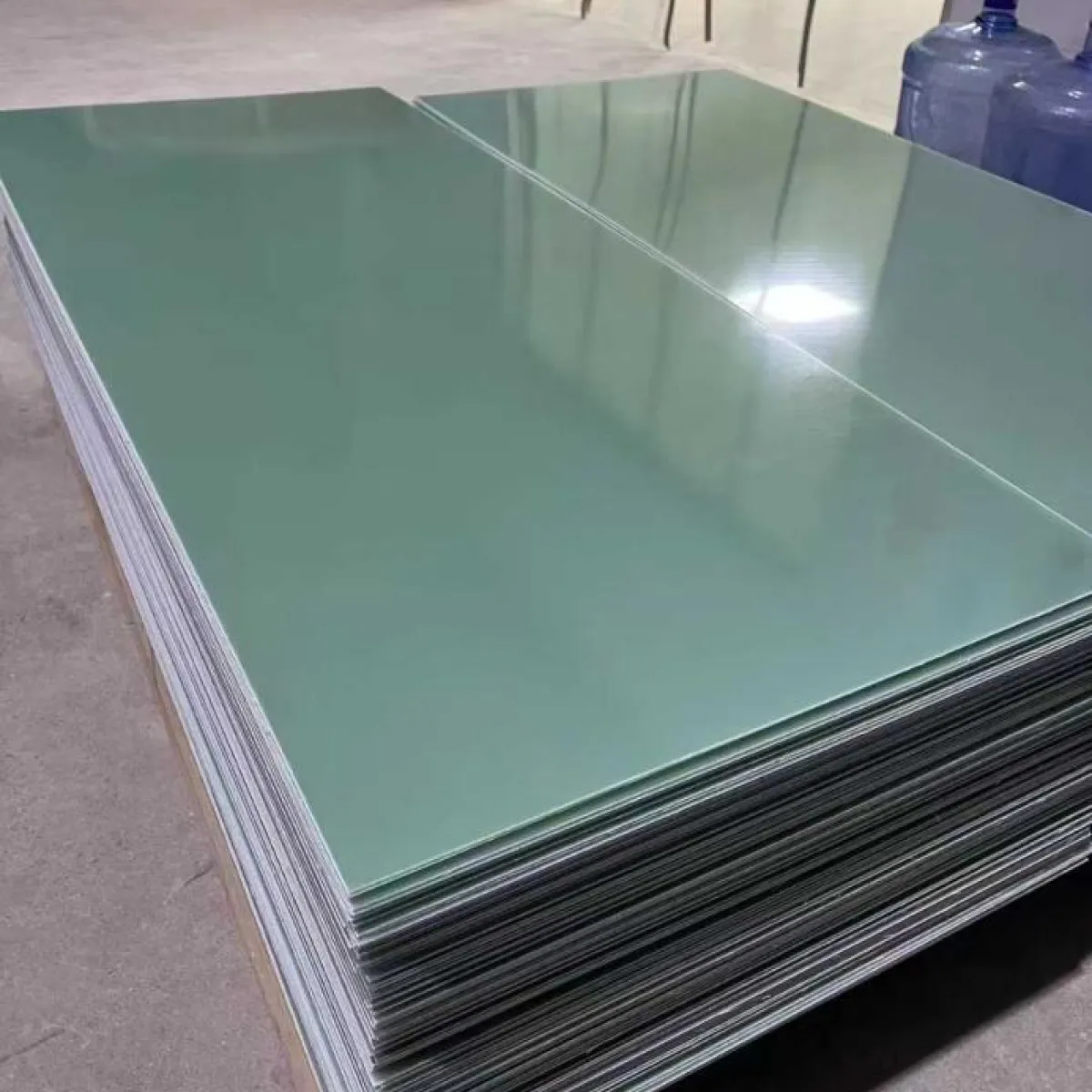
The most widely used epoxy glass laminates include 3240, G10, FR-4, and G11. Compared with these grades, 3240 is generally intended for less demanding applications. FR-4 offers goo
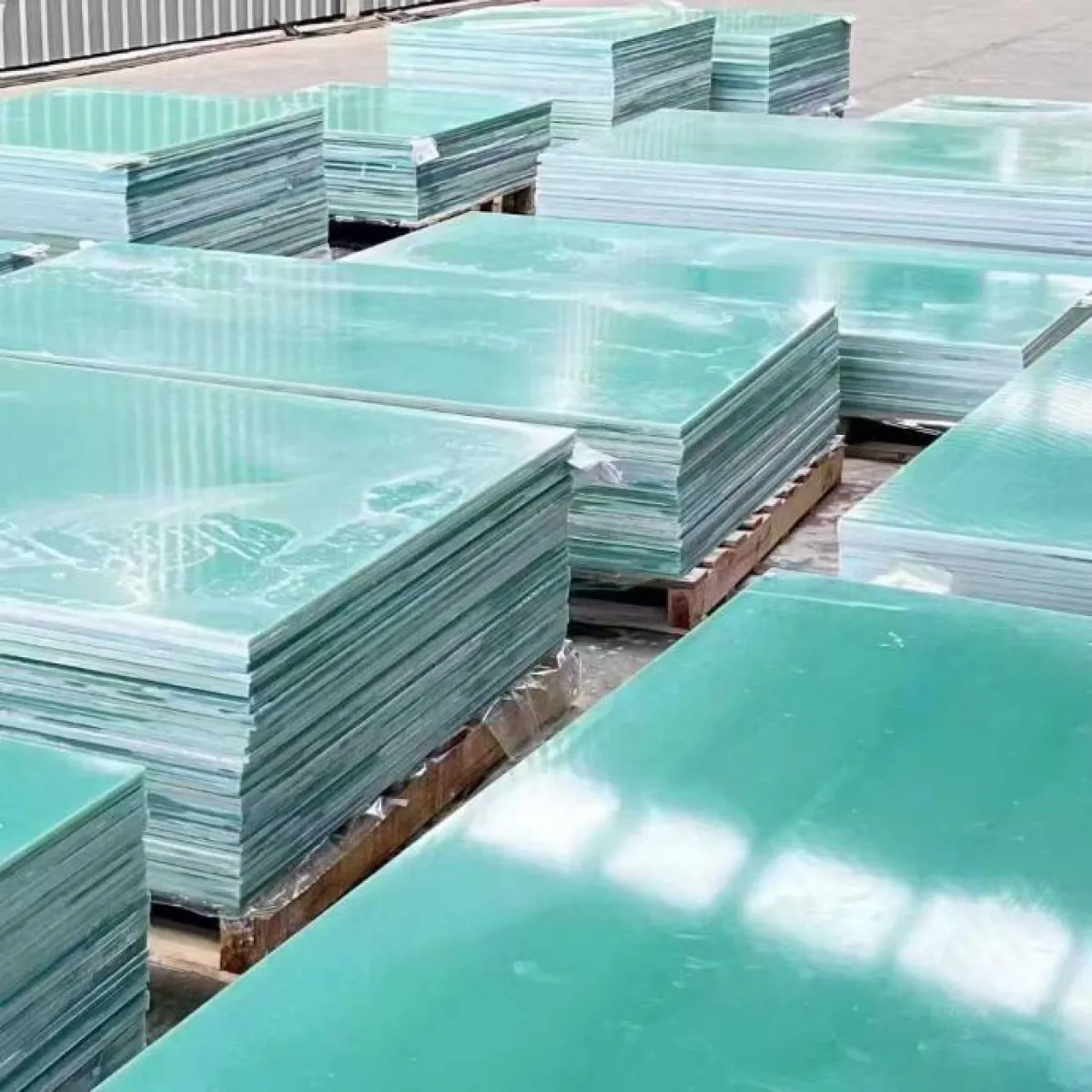
Today, we take a closer look at the manufacturing capabilities and service advantages behind YILONG’s high-quality electrical insulation solutions.

No.3, Mianzhi Street, Zhucheng, Shandong, China





Copyright © 2026 by Qingdao Yilong Insulation Material Company Limited All Rights Reserved