
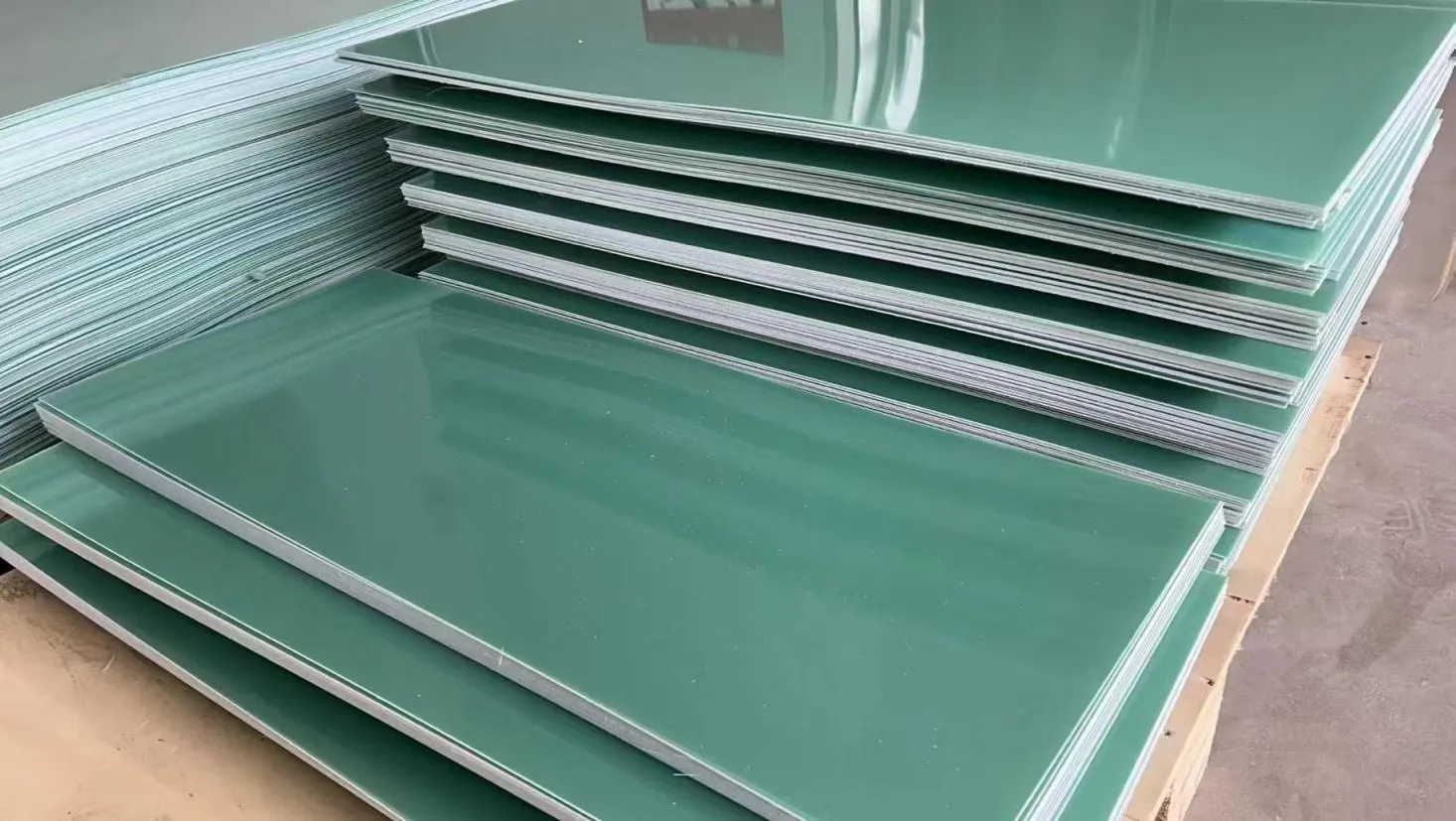
When engineers look for a material that combines electrical insulation, mechanical strength, dimensional stability and flame-retardant performance, FR4 epoxy glass laminate is often one of the first materials to consider.
But what exactly makes FR4 so widely used? And when should engineers choose FR4 instead of G10, G11, FR5 or other insulating laminates?
The answer lies not simply in the name “FR4,” but in the combination of glass-fiber reinforcement, epoxy resin system, electrical properties, thermal performance and flame-retardant requirements.
What Is FR4?
FR4 is a designation commonly used for flame-retardant glass fiber reinforced epoxy laminate. It is manufactured by impregnating woven glass fabric with epoxy resin and consolidating the layers under controlled heat and pressure.
The “FR” refers to flame-retardant performance. FR4 laminates are commonly specified to meet UL 94 V-0, although the actual flame rating should always be confirmed from the manufacturer's test data for the specific material grade.
In international standards, FR4-type electrical laminates are associated with EPGC 202. Related glass-fabric reinforced epoxy grades include G10, G11 and FR5, each offering a different balance of thermal, electrical, mechanical and flame-retardant properties.
This distinction is important: FR4 is not simply a generic name for every epoxy fiberglass sheet. The exact resin system, glass fabric, curing process and performance requirements determine the properties of the finished laminate.
Why Is FR4 So Widely Used?
The popularity of FR4 comes from its balanced performance rather than one exceptional property.
A properly manufactured FR4 epoxy glass laminate offers good electrical insulation, mechanical strength, heat resistance, moisture resistance and dimensional stability. It can also be machined into a wide range of components, making it useful beyond conventional PCB applications.
Typical applications include:
Electrical insulation components such as insulation barriers, support plates, spacers and transformer or motor insulation parts.
Electronic and PCB-related components, including PCB drilling support boards, test fixtures and reinforcement components.
Precision machined parts, where the combination of rigidity, electrical insulation and relatively stable dimensions is useful.
Industrial equipment, including insulating plates, structural supports and components exposed to moderate heat and mechanical loads.
For applications where both mechanical performance and electrical insulation are required, FR4 can offer a practical alternative to unreinforced plastics.
FR4, G10, G11 and FR5: What Is the Difference?
These materials are often discussed together because they are all glass-fabric reinforced thermoset laminates, but they are not interchangeable in every application.
FR4 / EPGC 202 is generally selected when electrical insulation, mechanical strength and flame-retardant performance are required in the same material.
G10 / EPGC 201 provides a strong combination of mechanical and electrical properties and is widely used for insulating components. Depending on the specific grade and formulation, it can be supplied to meet applicable RoHS and other compliance requirements.
G11 / EPGC 203 is designed for higher-temperature applications. Its higher thermal resistance makes it suitable where standard G10 or FR4 may not provide sufficient thermal performance.
FR5 / EPGC 204 combines higher-temperature performance with a flame-retardant formulation. It is therefore considered when both elevated-temperature resistance and flame performance are important.
Material selection should not be based on the grade name alone. Continuous operating temperature, short-term temperature exposure, dielectric requirements, mechanical loading, flame rating, moisture conditions and machining requirements should all be considered before choosing a laminate.
Where FR4 Has Its Limitations
FR4 is versatile, but it is not a universal solution.
For high-frequency applications, the dielectric constant and dissipation factor of conventional FR4 can vary with frequency, resin system, glass architecture and formulation. For demanding high-speed or microwave designs, specialized low-loss laminates may therefore be more appropriate.
Thermal conductivity is another consideration. FR4 is primarily an electrical insulating material rather than a heat-spreading material. In high-power applications where substantial heat must be removed, additional thermal-management structures may be necessary.
Moisture should also be considered. Although FR4 has relatively low water absorption compared with many conventional polymers, prolonged exposure to high humidity can influence dimensional, mechanical and electrical performance.
Mechanical machining requires appropriate tooling and process control as well. Glass fibers are abrasive, while the cured epoxy matrix is relatively hard and brittle. Drilling, milling, routing and cutting parameters should therefore be selected according to the laminate thickness, geometry and required dimensional tolerance.
For demanding applications, the material datasheet and actual test data are more reliable than relying on the grade name alone.
Surface Quality and Machining Matter More Than They May Seem
In practical engineering projects, material selection is only part of the equation.
The surface condition of an FR4 sheet can influence bonding, sealing, assembly and subsequent machining. The laminate structure also needs to remain consistent throughout the thickness, particularly when components require tight tolerances or repeated machining.
FR4 can be supplied as raw sheet material or processed into finished components by CNC milling, drilling, routing, turning, grinding or other machining methods.
For precision applications, engineers should clarify not only the laminate grade but also the sheet size, thickness tolerance, dimensional tolerance, surface condition, flame rating, electrical requirements and machining specifications before production.
This is especially important for large-format insulation components, where material flatness and internal consistency can affect the final part.
How Should FR4 Be Stored and Used?
FR4 laminate should be protected from excessive moisture, contamination and unnecessary mechanical impact during storage and handling.
The material should be kept in a suitable indoor environment and protected from prolonged exposure to high humidity, direct sunlight and extreme temperature conditions.
During machining and assembly, excessive bending, impact or localized stress should be avoided. For electrical applications, the actual operating voltage, temperature, frequency and environmental conditions should be evaluated together rather than considering dielectric strength as a single independent value.
For high-temperature or high-humidity applications, engineers should also review the manufacturer's thermal, moisture and dimensional-stability data before finalizing the material grade.
The Manufacturer Matters
FR4 is a standardized material designation, but products from different manufacturers can still differ in resin formulation, glass-fabric construction, curing process, flame-retardant system and overall consistency.
For this reason, purchasing FR4 solely by the name “FR4” can create unnecessary risk.
A professional supplier should be able to provide the relevant technical datasheet, material grade, test data, compliance information and production specifications. For critical applications, samples and application-specific testing are also recommended before volume production.
With decades of experience in electrical insulation materials, YILONG INSULATION manufactures glass-fabric reinforced epoxy laminates including FR4 / EPGC 202, G10 / EPGC 201, G11 / EPGC 203 and FR5 / EPGC 204.
Beyond standard sheets, YILONG INSULATION supports CNC machining and customized insulation components for electrical equipment, transformers, motors, power systems and industrial applications.
If you are selecting an FR4 epoxy glass laminate for a new project, the required thickness, dimensions, operating temperature, electrical requirements and application conditions can be shared with our technical team for material selection.
YILONG INSULATION
Manufacturer of high-performance electrical insulation materials since 1966
Website: www.yilonginsulation.com
Email: yilong@yilonginsulation.com
WhatsApp: +86 158 6686 9385
The right insulating material is not simply the one with the right grade name. It is the one whose properties match the actual working conditions of the application.
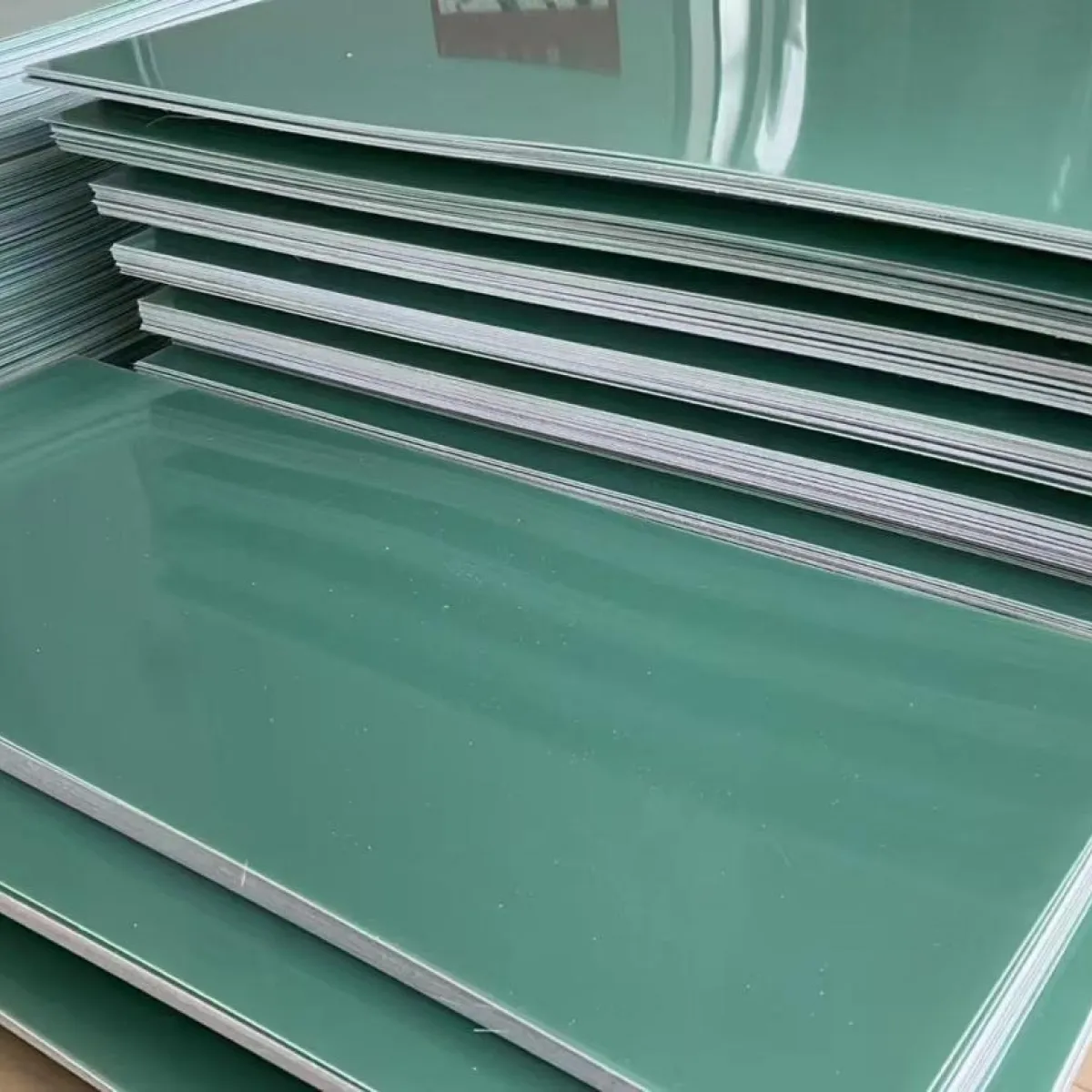
But what exactly makes FR4 so widely used? And when should engineers choose FR4 instead of G10, G11, FR5 or other insulating laminates?
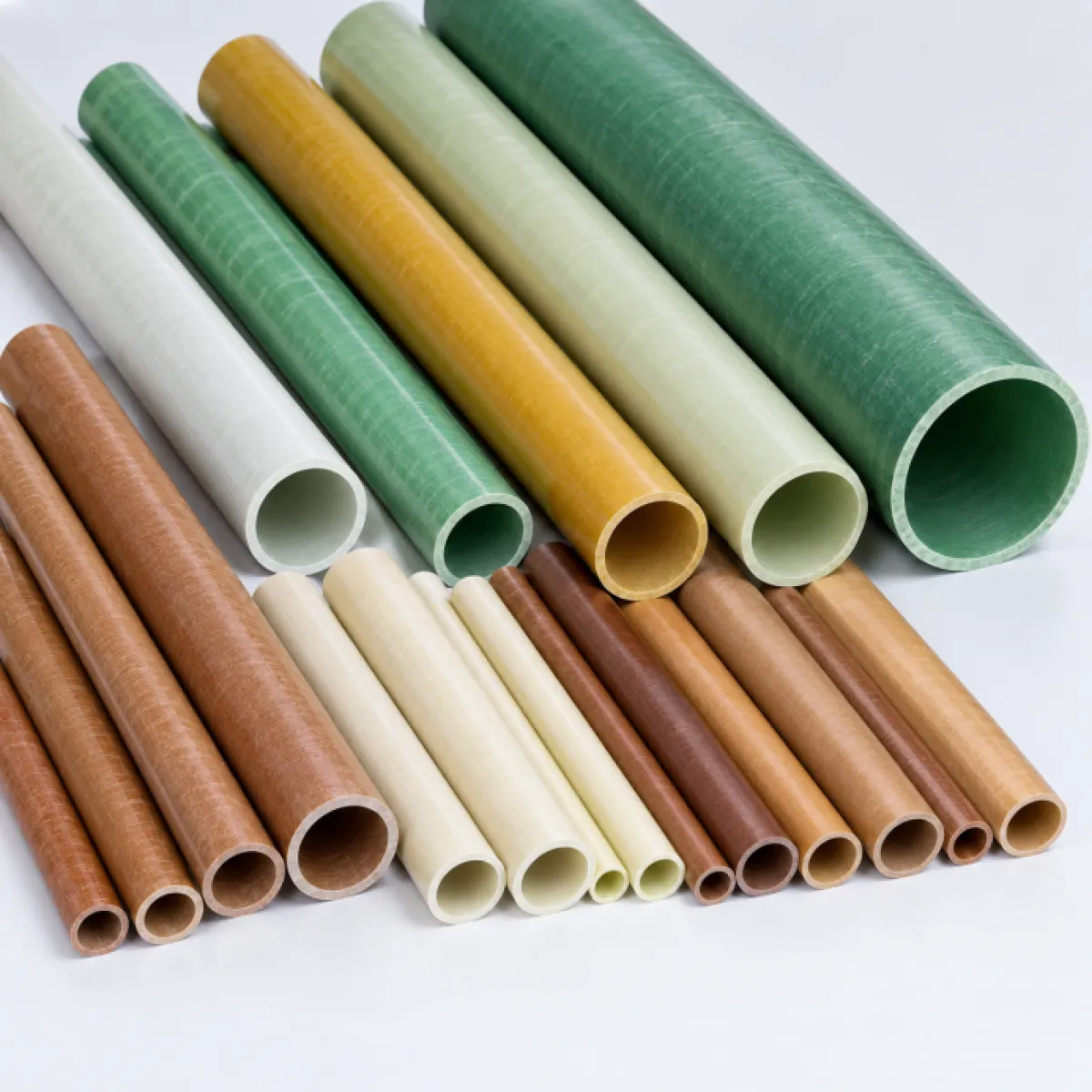
YILONG INSULATION supplies various laminated insulation tubes, including epoxy glass Cloth, melamine glass Cloth, phenolic cotton Cloth, phenolic paper and phenolic glass Cloth tube
Among the materials used for these demanding applications, GPO-3 insulation board is widely selected for busbar supports, phase barriers, arc barriers and other structural insulati
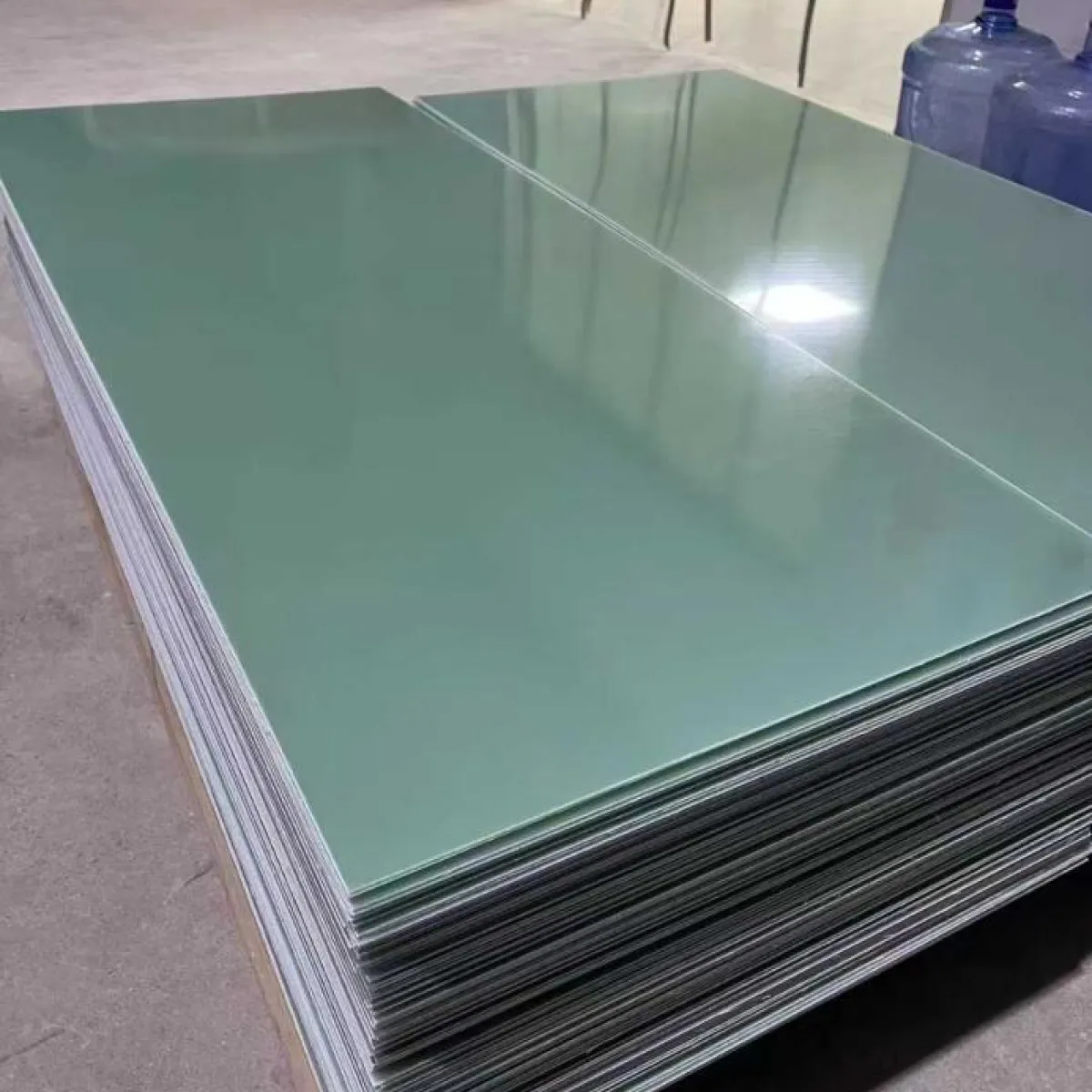
The most widely used epoxy glass laminates include 3240, G10, FR-4, and G11. Compared with these grades, 3240 is generally intended for less demanding applications. FR-4 offers goo
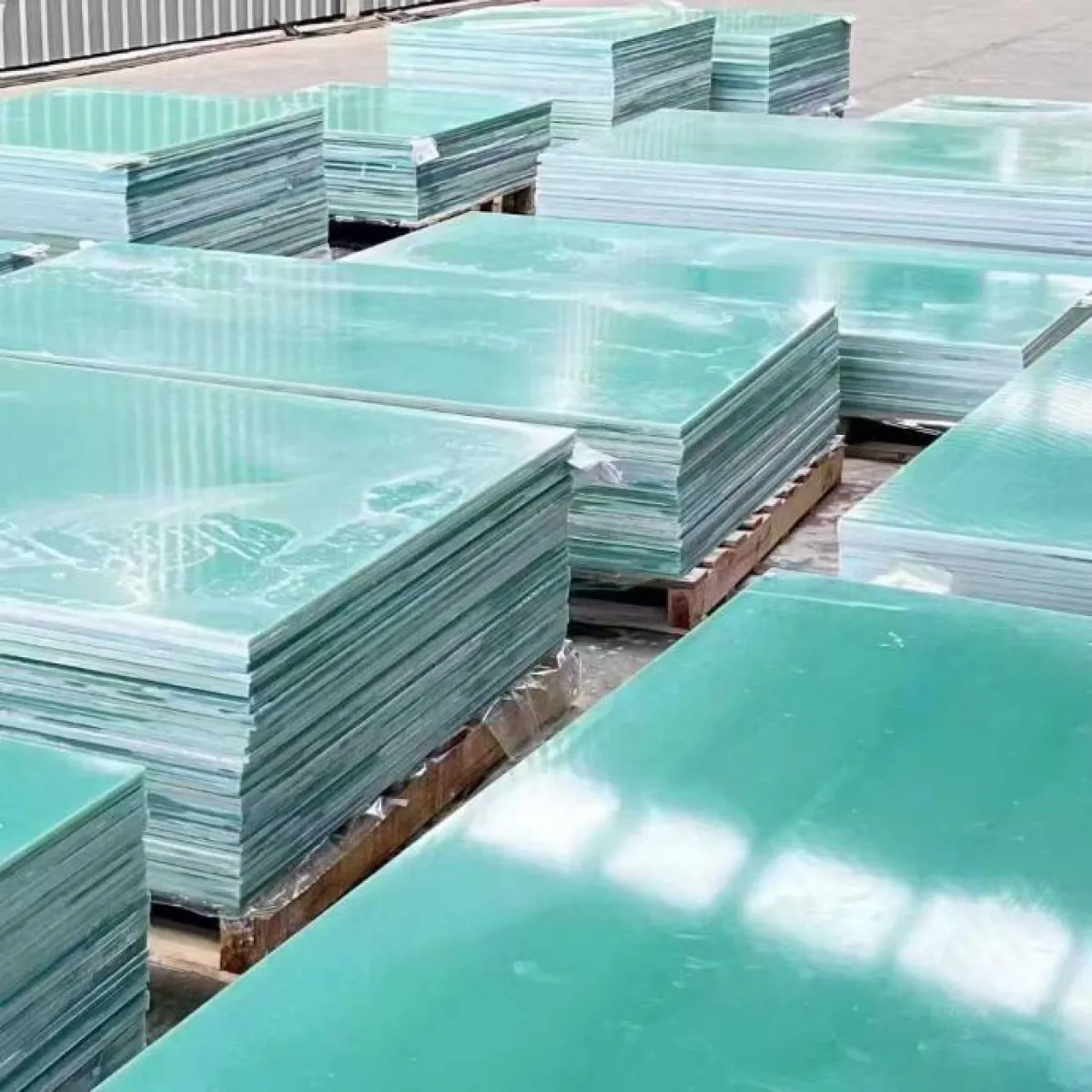
Today, we take a closer look at the manufacturing capabilities and service advantages behind YILONG’s high-quality electrical insulation solutions.
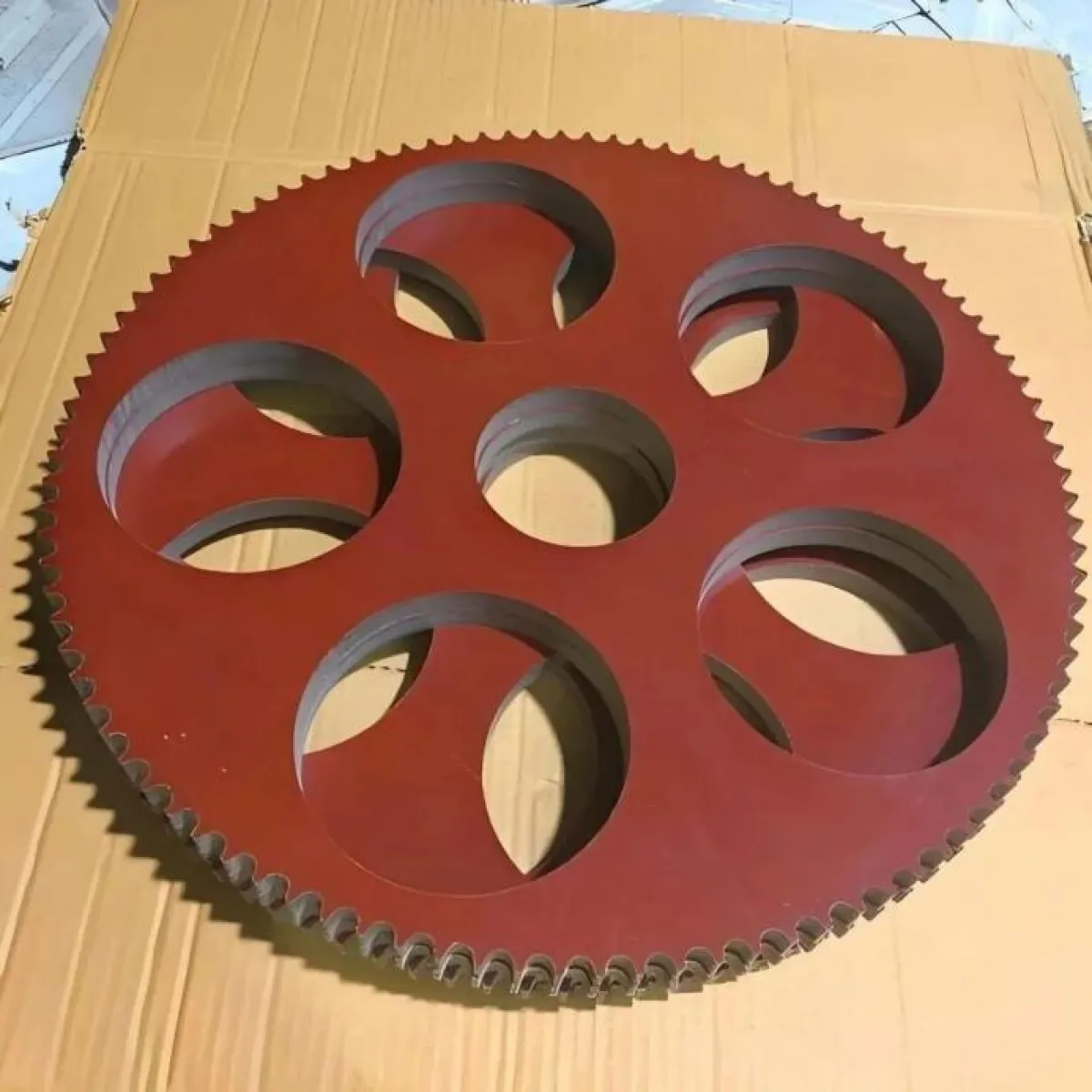
PFCP201 Phenolic Paper Sheet, also known as phenolic laminated paper sheet, is manufactured by impregnating electrical insulating paper with phenolic resin, followed by drying and
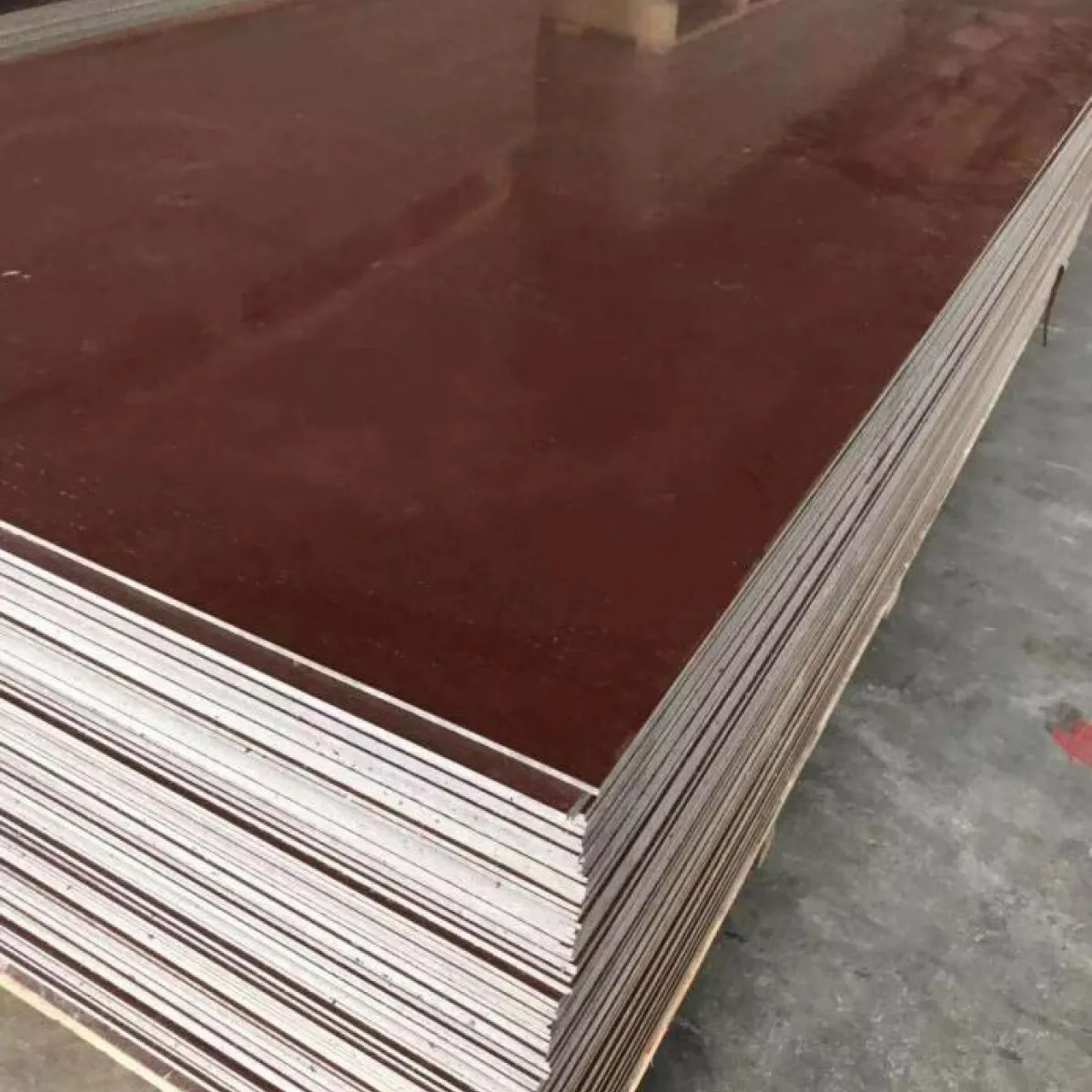
Different PFCP grades are designed for different operating conditions.
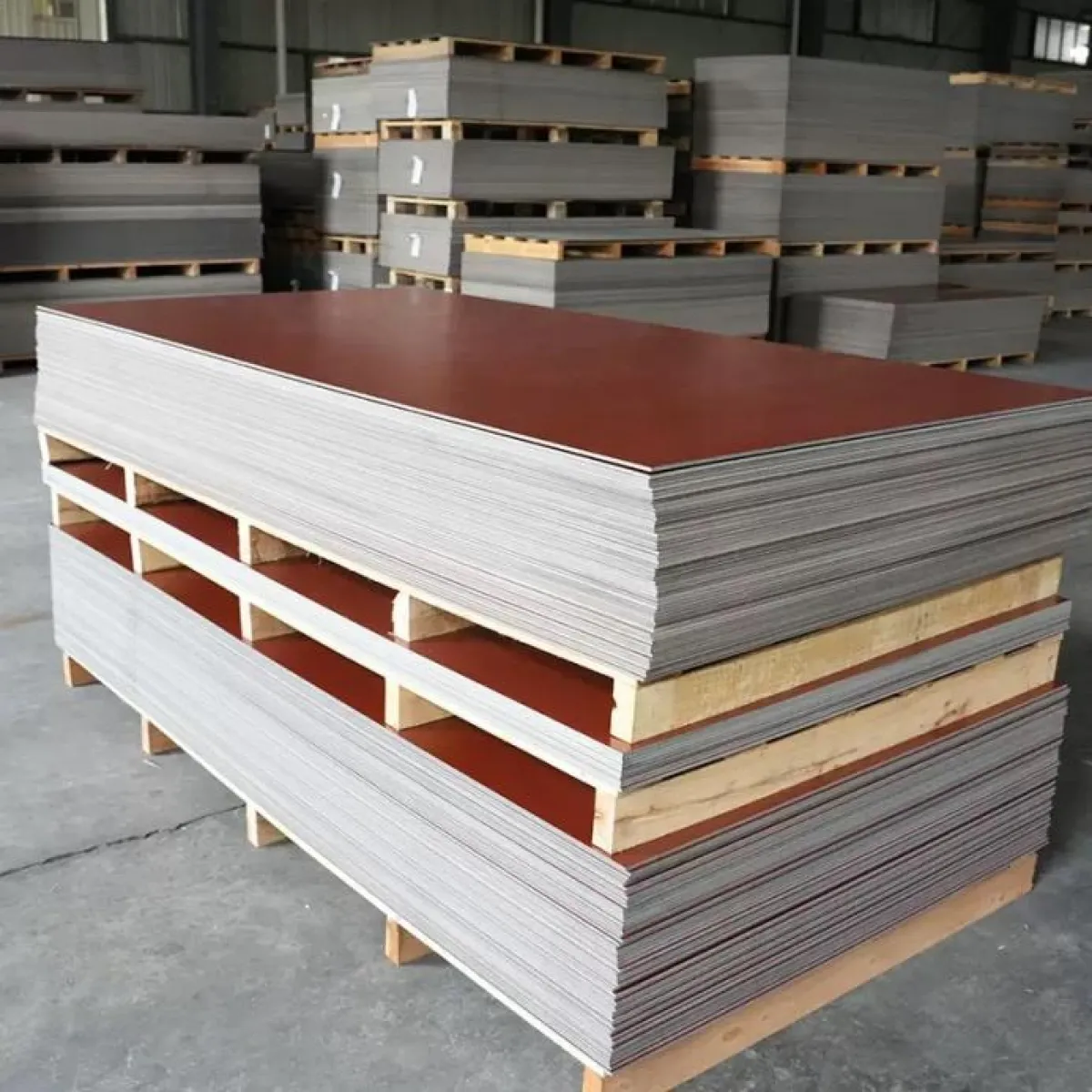
PFCP201 is manufactured using high-quality insulating paper impregnated with phenolic resin. After the raw materials are carefully inspected, the paper is passed through an automat
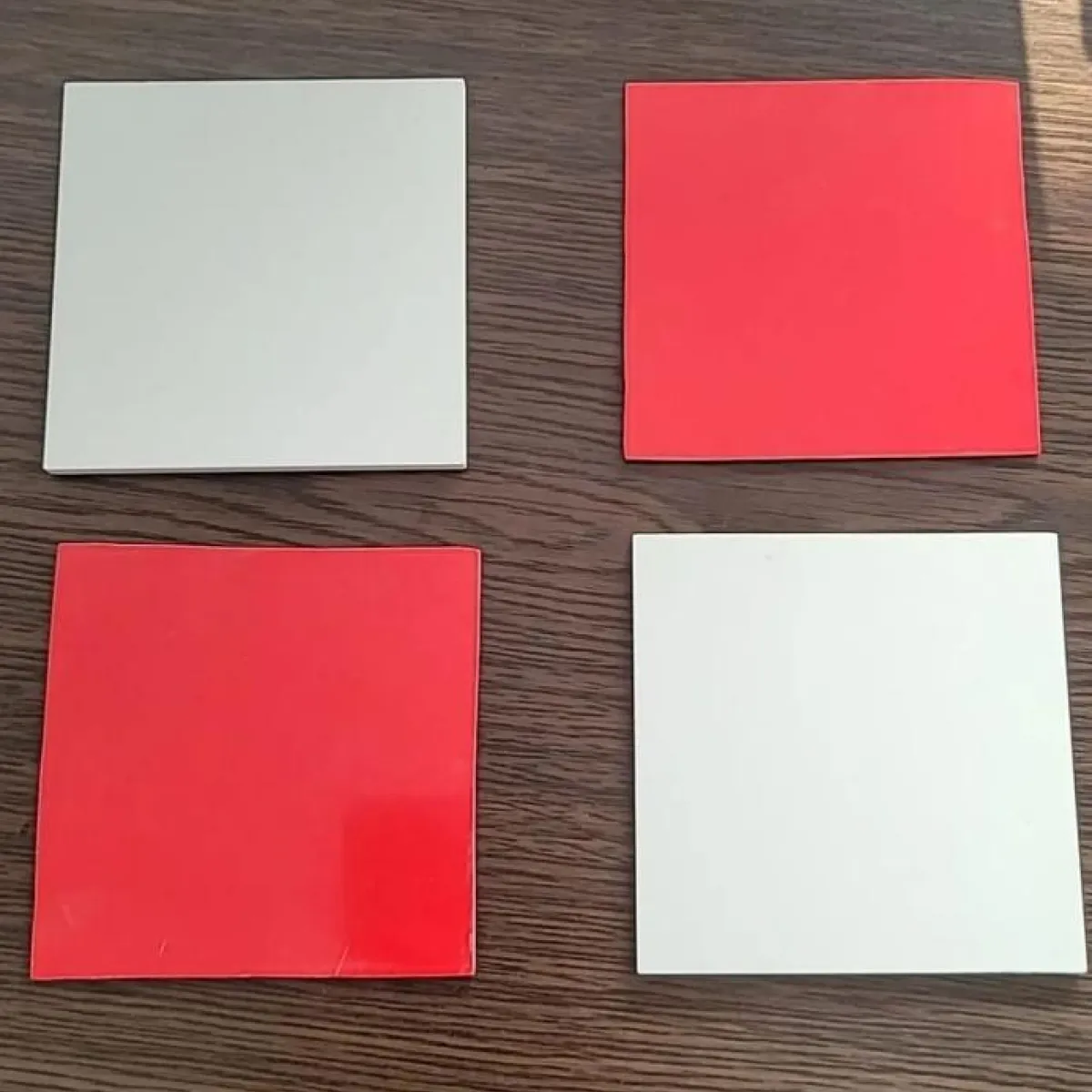
GPO-3 insulation board, also known as UPGM-203, is a rigid electrical insulation material made from alkali-free glass fiber mat impregnated with unsaturated polyester resin and pro
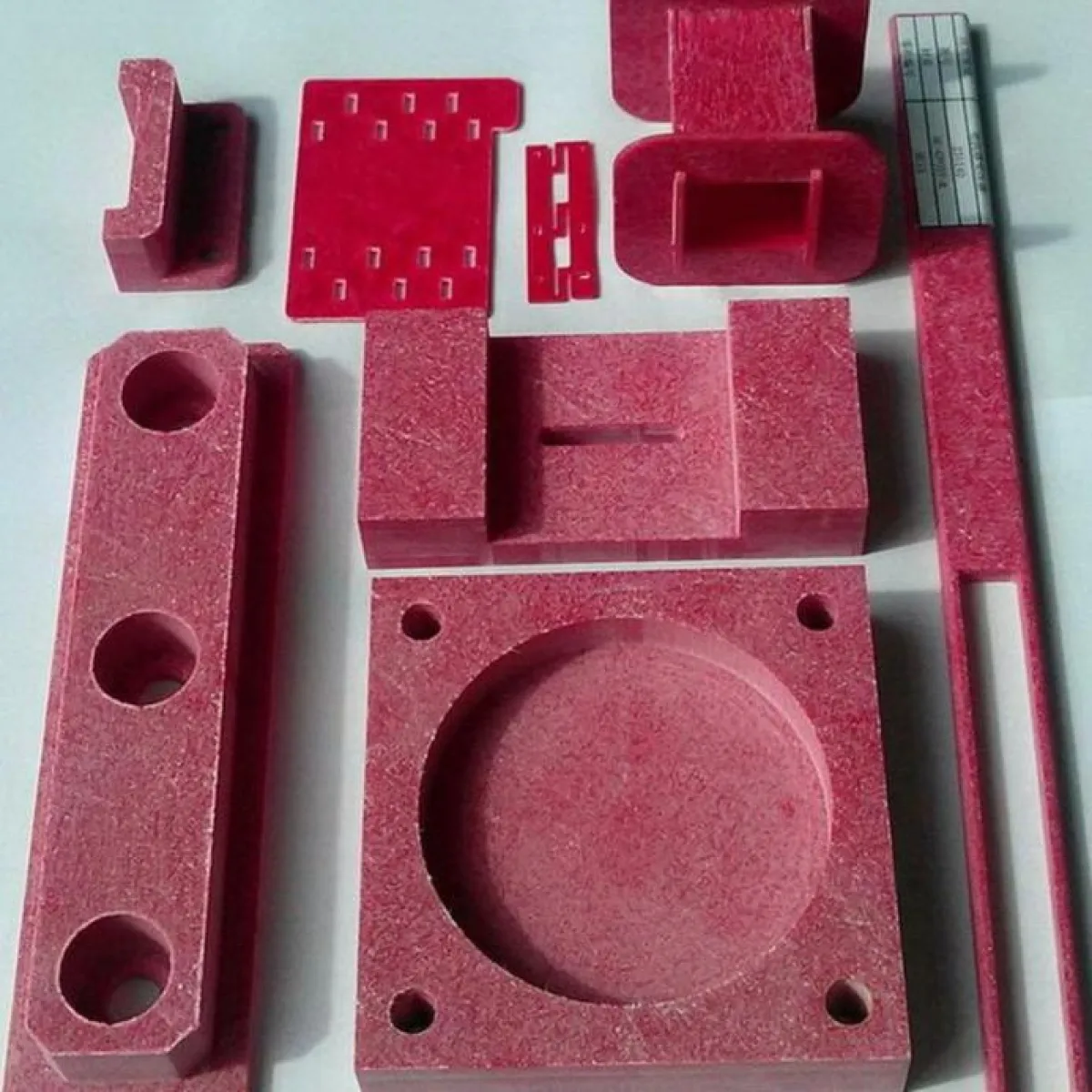
Compared with many conventional insulation materials, GPO-3 offers two particularly important advantages: strong resistance to heat and moisture, and stable electrical insulation p

No.3, Mianzhi Street, Zhucheng, Shandong, China





Copyright © 2026 by Qingdao Yilong Insulation Material Company Limited All Rights Reserved