
In the electrical insulation and electronics manufacturing industries, epoxy fiberglass laminates play an important role in ensuring reliability, safety, and long-term performance. Among the most widely used materials are FR4 and FR5 Epoxy Glass Laminates. Both materials are commonly used in circuit boards, electrical insulation structures, and industrial components, but they differ in thermal performance, material composition, and application environments.
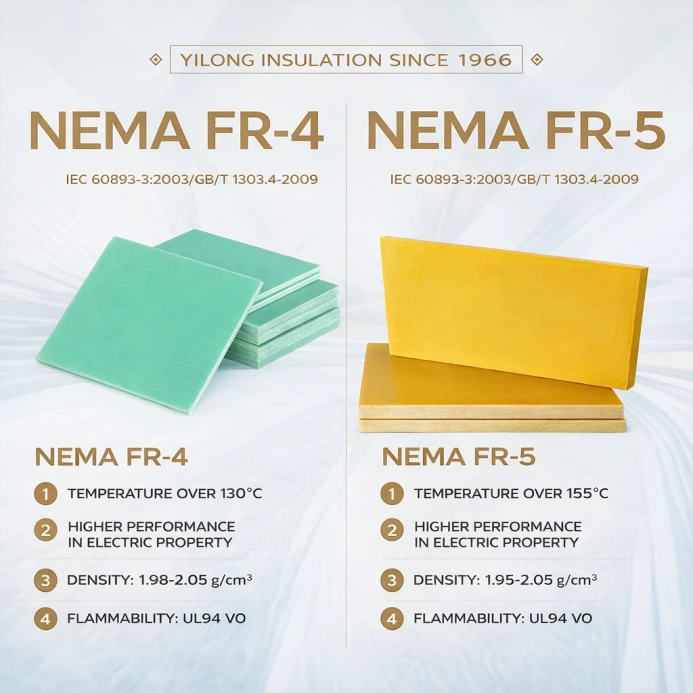
Understanding the differences between FR4 and FR5 materials helps engineers, designers, and purchasing professionals choose the most suitable insulation solution for their projects.
At YILONG INSULATION, we manufacture and supply a wide range of epoxy fiberglass laminate materials including FR4, FR5, G10, and G11 sheets and machined parts for electrical and industrial applications worldwide.
What Is FR4 Material?
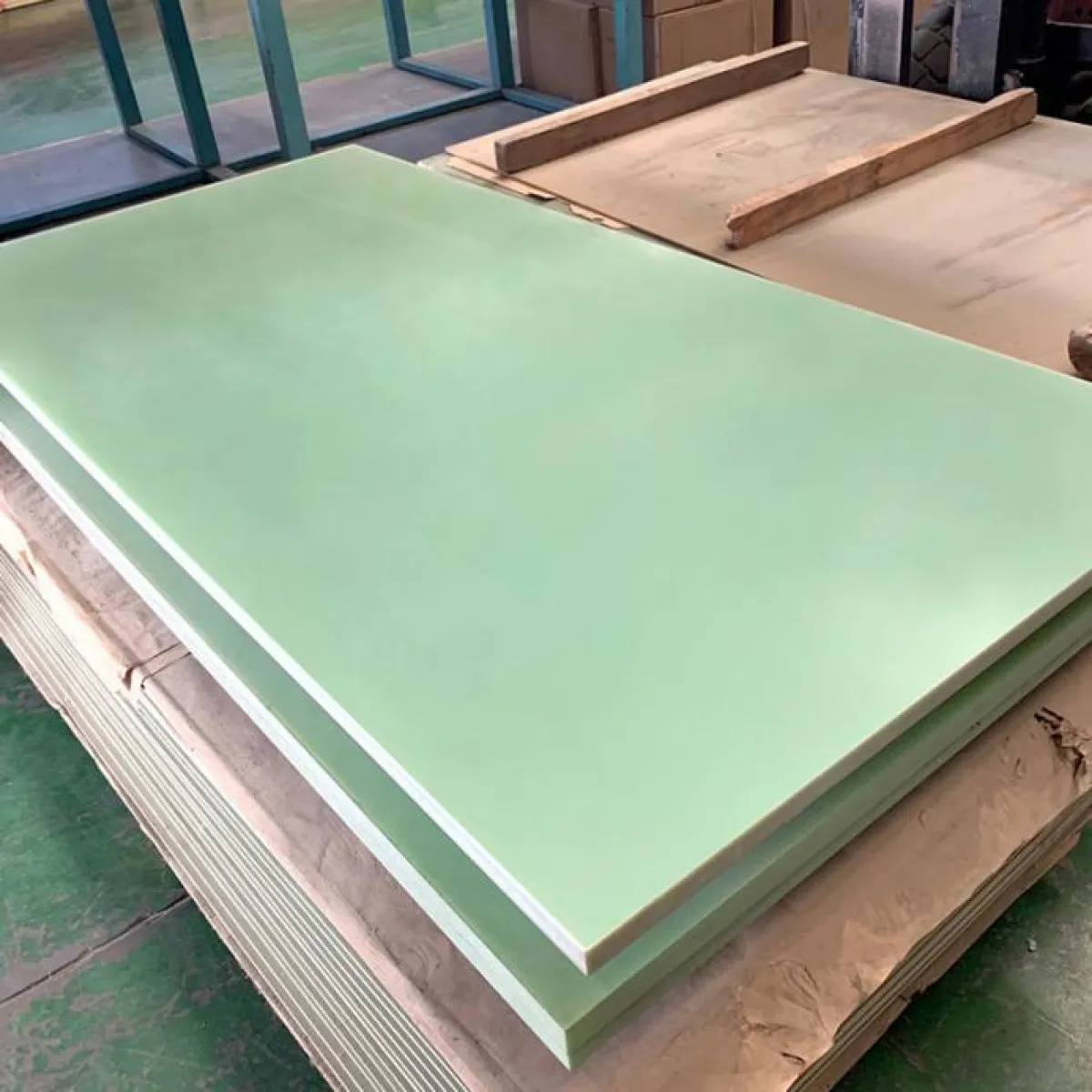
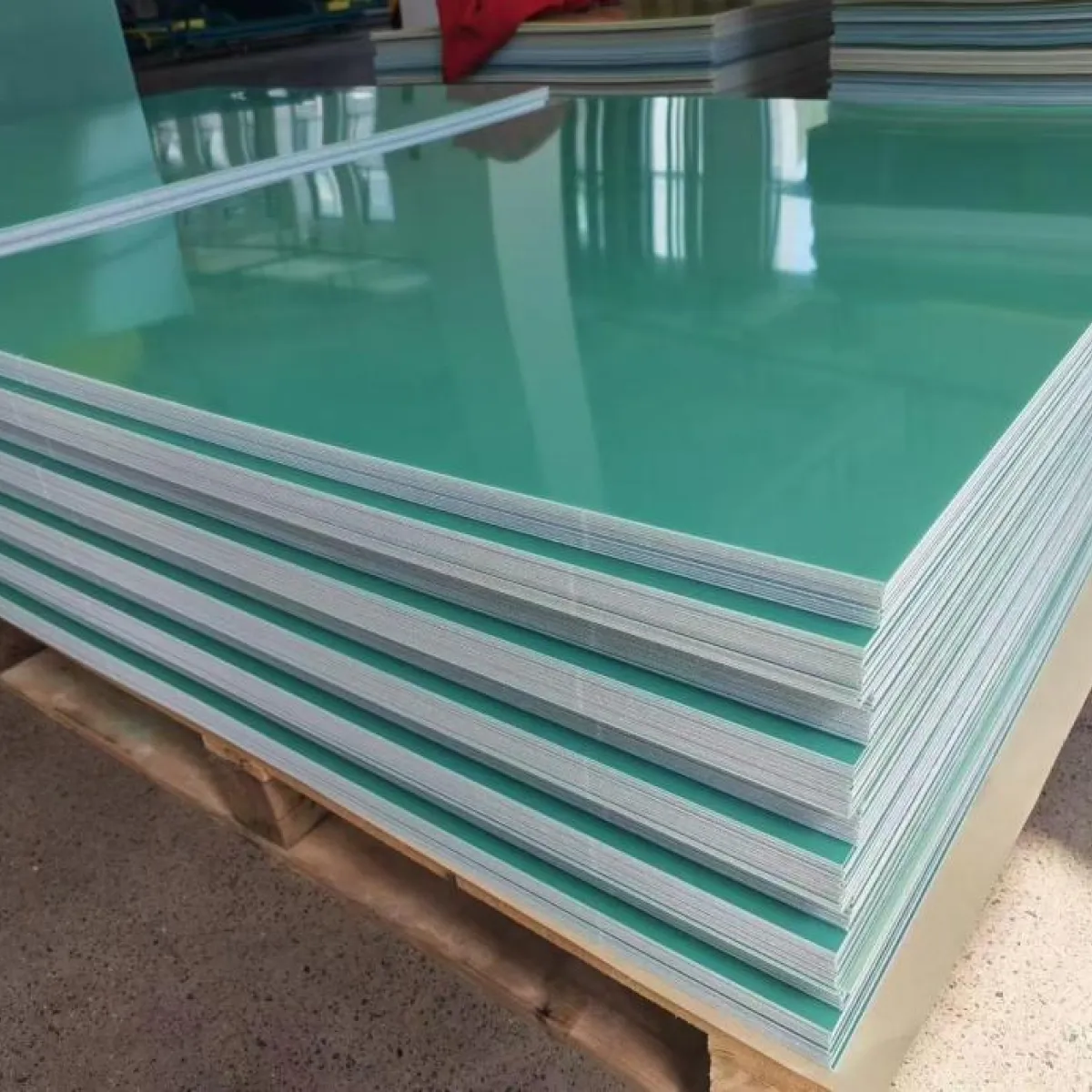
FR4 is one of the most widely used fiberglass-reinforced epoxy laminate materials in the electronics and electrical industries. The material is made by impregnating woven fiberglass cloth with epoxy resin and curing it under heat and pressure to form rigid laminated sheets.
The designation “FR” stands for flame retardant, meaning the material meets specific fire resistance requirements. FR4 is designed to provide a balance of mechanical strength, electrical insulation, and flame resistance.
FR4 sheets offer several important performance advantages. They have high mechanical strength, excellent electrical insulation properties, good dimensional stability, and reliable dielectric performance. These characteristics make FR4 a standard material for printed circuit boards (PCBs), electrical insulation components, and various structural parts in electrical equipment.
FR4 materials typically have an insulation class of F, meaning they can operate continuously at temperatures up to approximately 155°C. In addition, FR4 laminates offer low moisture absorption and stable performance under normal operating conditions.
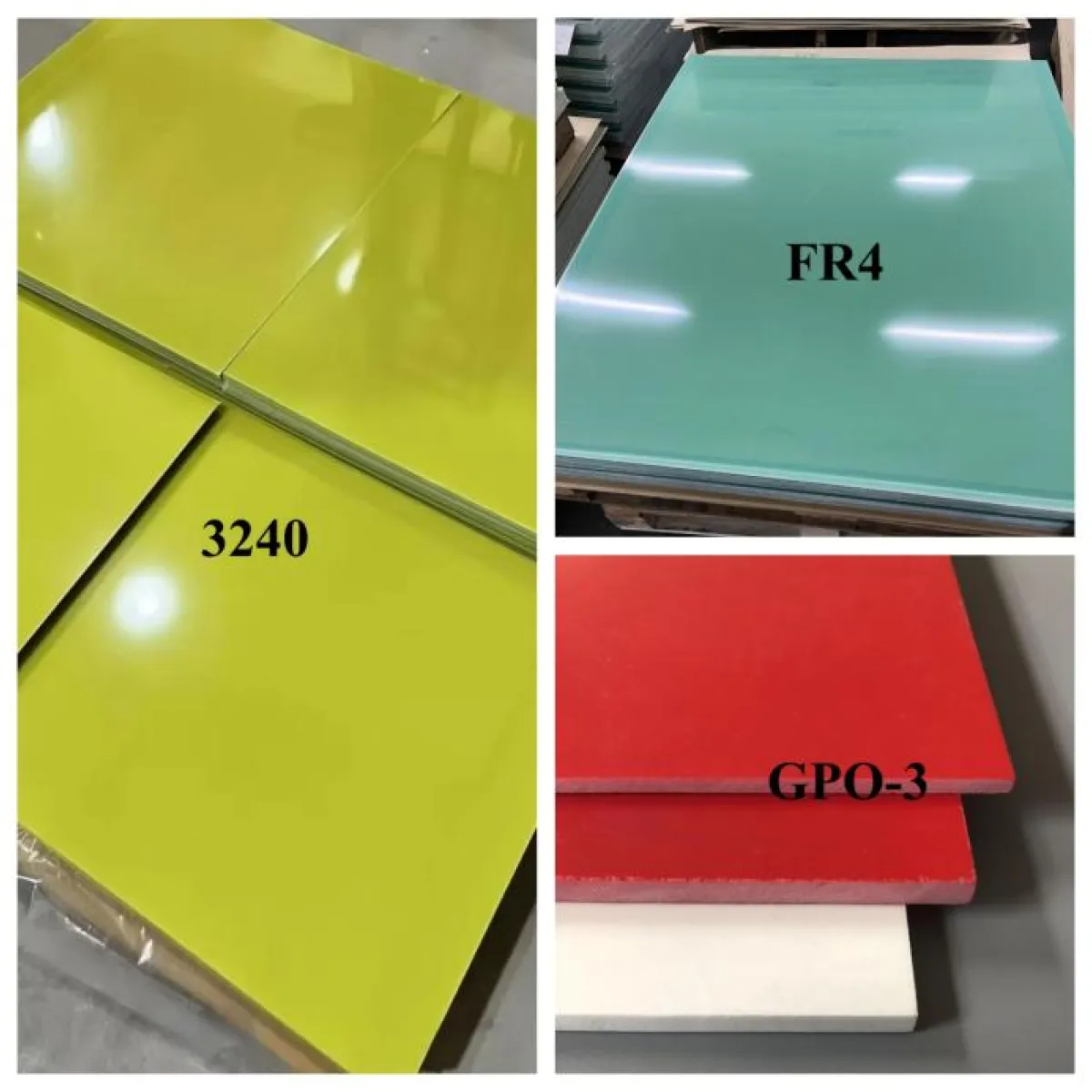
Common colors for FR4 sheets include natural white, light green, black, and yellow, although other colors may be available depending on production requirements.
What Is FR5 Material?
FR5 is another fiberglass-reinforced epoxy laminate, but it is designed for higher temperature performance compared with FR4. Like FR4, FR5 is manufactured from woven fiberglass cloth impregnated with epoxy resin and cured under heat and pressure.
However, FR5 sheets use modified epoxy systems that provide improved thermal stability and better resistance to elevated temperatures. Because of this, FR5 materials are typically rated with a higher temperature class than FR4 and can maintain mechanical and electrical performance in more demanding environments.
FR5 sheets are known for their excellent heat resistance, strong mechanical strength, low moisture absorption, and good chemical resistance. These properties make FR5 suitable for applications that require reliable insulation in high-temperature operating conditions.
In addition to electrical insulation, FR5 materials are also valued for their high impact strength and dimensional stability, which help ensure consistent performance even under mechanical stress.
Key Differences Between FR4 and FR5
Although FR4 and FR5 share a similar fiberglass-reinforced structure, there are several important differences in their performance and application.
One of the main differences is heat resistance. FR4 typically has a continuous operating temperature around 130°C to 155°C, while FR5 can withstand higher temperatures and maintain stability in more demanding thermal environments. This makes FR5 a better choice for applications involving high heat or long-term thermal exposure.
Another difference lies in thermal stability. FR5 sheets usually have a higher glass transition temperature (Tg), meaning the material retains its rigidity and mechanical strength at higher temperatures compared with FR4.
In terms of mechanical properties, both materials provide strong structural performance, but FR5 often offers improved impact resistance and durability under high-temperature conditions.
Electrical insulation performance is excellent in both materials. However, FR5 may provide better electrical stability in applications that combine high temperature with electrical stress.
Cost is another important consideration. FR4 is generally more economical and widely available, which is why it is commonly used in standard electronic and electrical applications. FR5 materials typically have higher manufacturing costs due to their enhanced thermal properties, so they are often selected only when higher performance is required.
Typical Applications of FR4
FR4 is considered the standard substrate material for many electronic products. It is widely used in printed circuit boards for consumer electronics, computers, communication equipment, and industrial electronics.
Beyond PCBs, FR4 is also used to manufacture electrical insulation components such as terminal boards, switchgear insulation parts, motor insulation structures, and transformer components.
Because of its strong mechanical strength and good machinability, FR4 sheets are often processed into CNC machined parts including insulating spacers, supports, brackets, and panels used in electrical equipment and industrial systems.
Typical Applications of FR5
FR5 is typically selected for applications where higher temperature resistance is required. These materials are commonly used in power electronics, high-temperature electrical equipment, and advanced industrial machinery.
Industries such as aerospace, military electronics, and high-performance power systems may use FR5 sheets due to their improved thermal stability and long-term reliability in demanding environments.
FR5 materials are also used in applications involving higher electrical loads or higher operating temperatures where standard FR4 laminates may not provide sufficient thermal performance.
How to Choose Between FR4 and FR5
Selecting the right insulation material requires evaluating several factors including operating temperature, electrical performance requirements, mechanical stress, and overall project cost.
For most general electronic applications, FR4 provides an excellent balance of performance, reliability, and affordability. It is suitable for standard circuit boards, electrical insulation structures, and many industrial components.
However, if the application involves higher temperatures, prolonged thermal exposure, or more demanding operating conditions, FR5 may be the better choice. Its enhanced heat resistance and improved stability make it suitable for high-performance environments.
When purchasing FR4 or FR5 materials, it is also important to consider the supplier's manufacturing quality, certification standards, and technical support. Reliable suppliers can provide detailed technical specifications and help ensure the material meets the requirements of your application.
FR4 and FR5 Materials from YILONG INSULATION
YILONG INSULATION specializes in manufacturing and supplying high-performance electrical insulation materials for global industrial customers. Our product range includes FR4 sheets, FR5 Epoxy Glass Laminates, G10 and G11 fiberglass laminates, phenolic sheets, phenolic rods, phenolic tubes, and precision CNC machined insulation components.
With strict quality control and professional manufacturing experience, YILONG INSULATION provides reliable insulation materials suitable for electrical equipment, electronics manufacturing, and industrial engineering applications worldwide.
If you are looking for high-quality FR4 or FR5 epoxy fiberglass laminates, our technical team can help you select the most suitable material for your project.
WhatsApp: +86 15866869385
Email: yilong@yilonginsulation.com
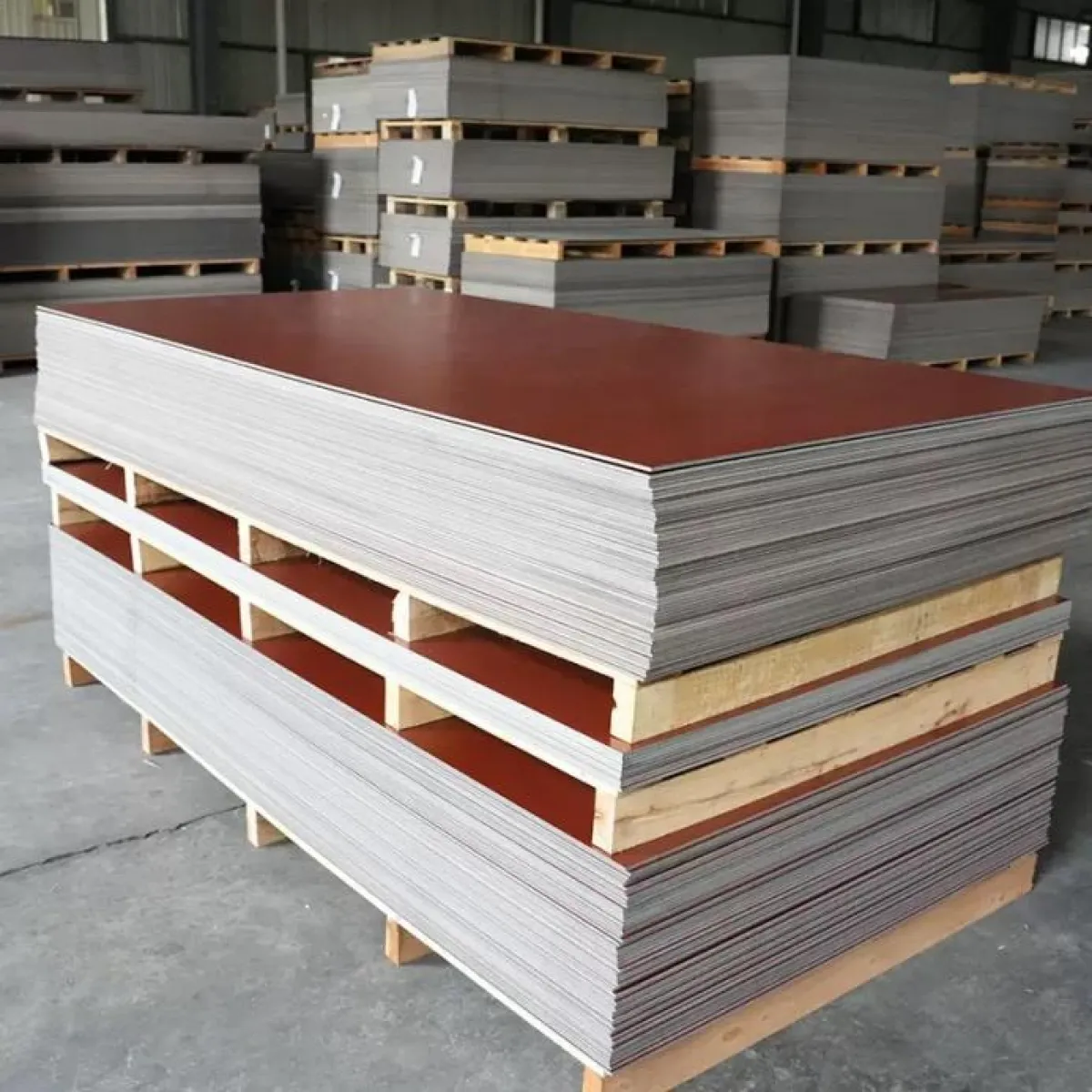
PFCP201 is manufactured using high-quality insulating paper impregnated with phenolic resin. After the raw materials are carefully inspected, the paper is passed through an automat
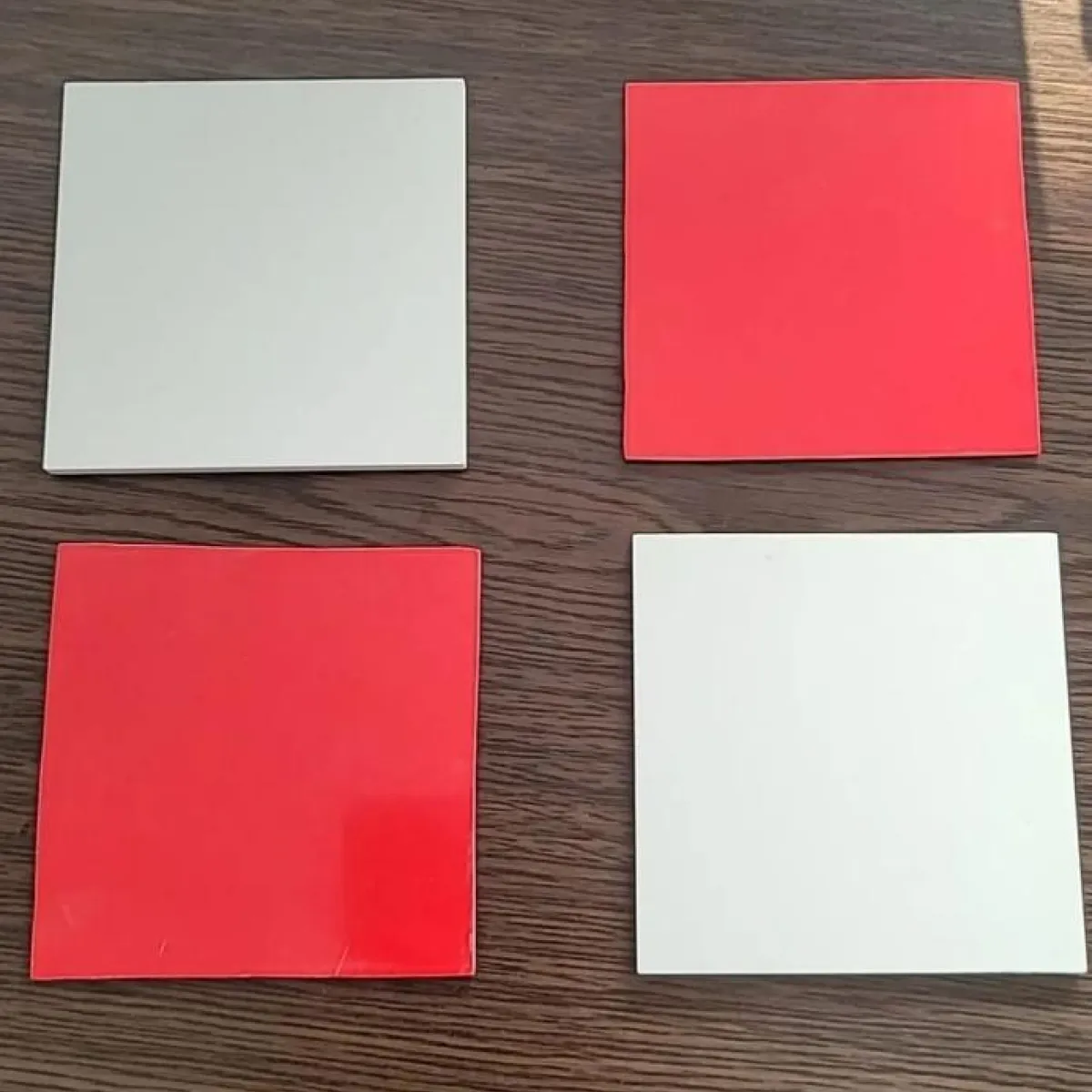
GPO-3 insulation board, also known as UPGM-203, is a rigid electrical insulation material made from alkali-free glass fiber mat impregnated with unsaturated polyester resin and pro
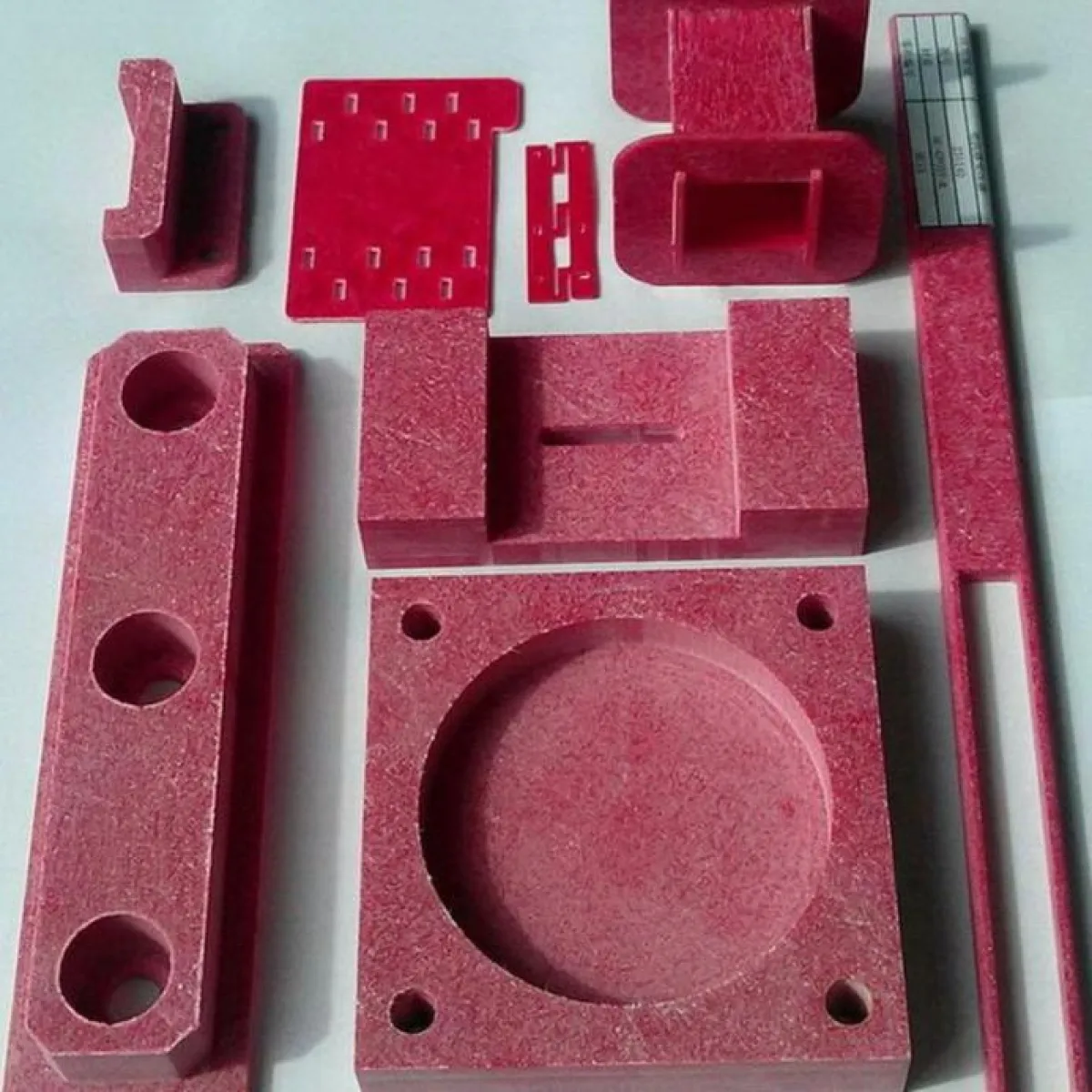
Compared with many conventional insulation materials, GPO-3 offers two particularly important advantages: strong resistance to heat and moisture, and stable electrical insulation p
However, selecting a cryogenic insulation material based only on its standard properties may not be enough. In actual service, continuous immersion, concentrated mechanical loads,

Silicone Glass Cloth Sheet (G7) combines silicone resin with glass fiber cloth to provide a balance of high-temperature resistance, electrical insulation, mechanical strength, and
These properties make EPGC308 particularly suitable for electrical equipment operating under high temperature, high humidity and high-voltage conditions.
Understanding these differences can help engineers and buyers select the most suitable insulation material for their specific operating conditions.
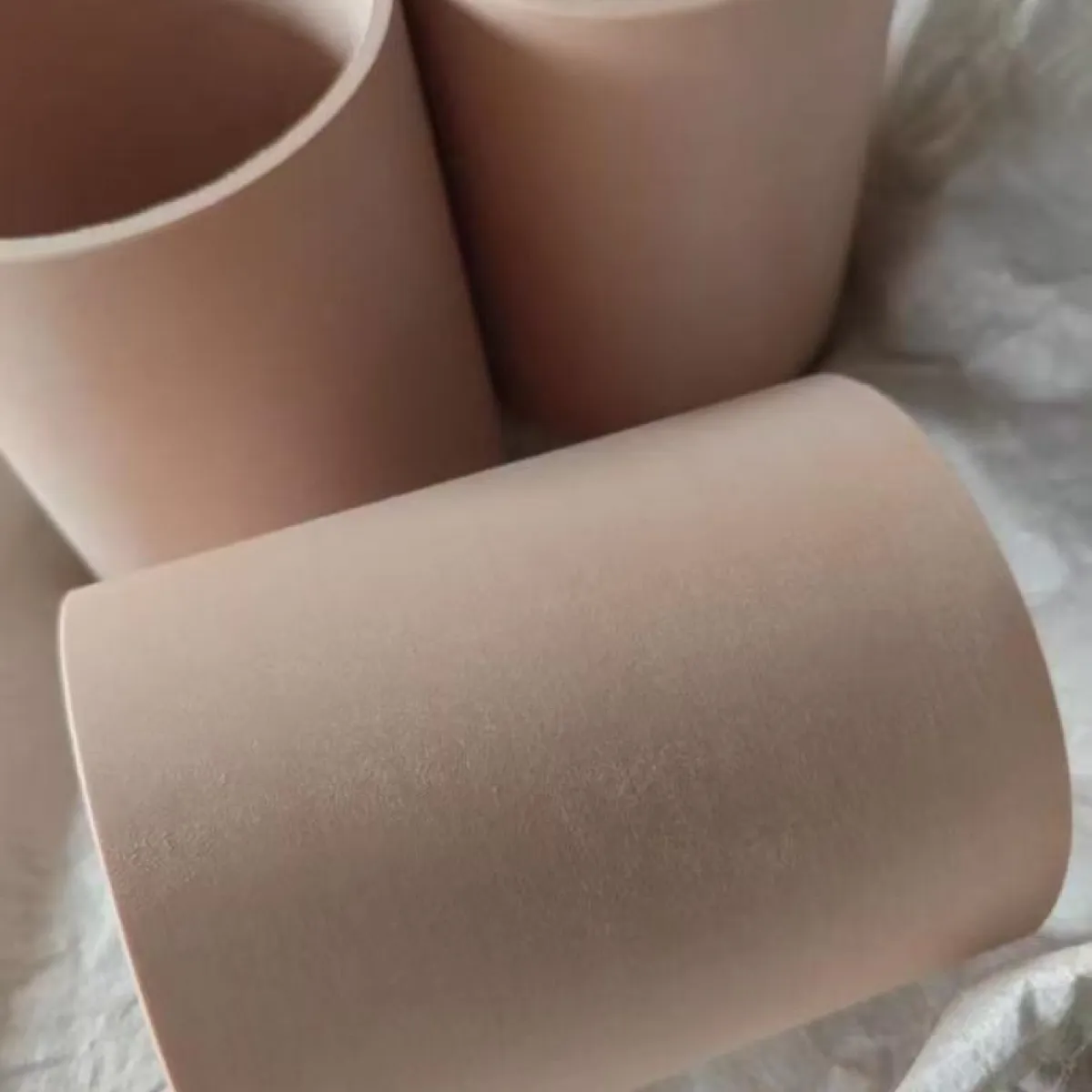
Phenolic Cotton Tube boasts multiple prominent competitive strengths for industrial use. It features extraordinary insulating performance: fully non-conductive, anti-static, and st
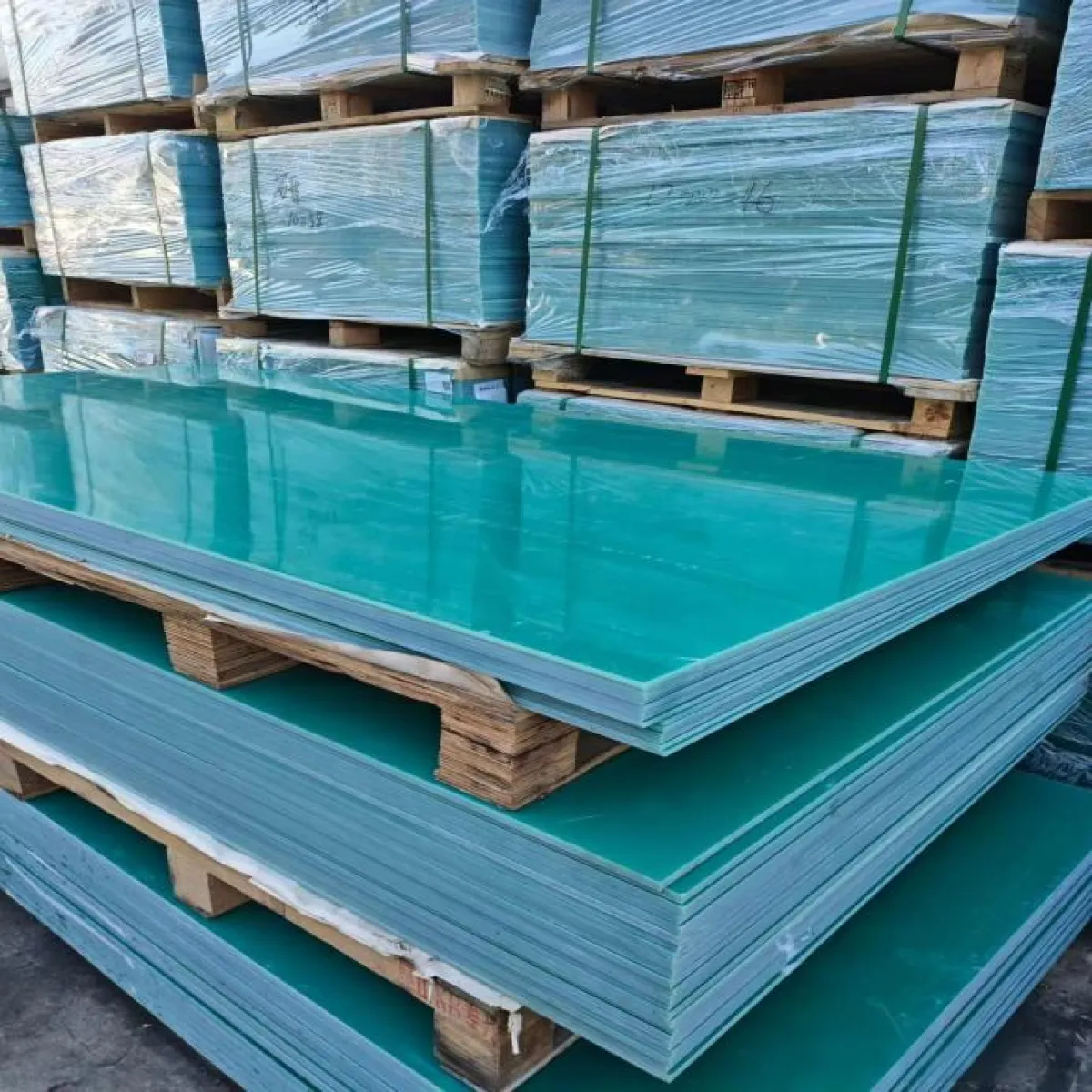
First let us look at its regular uses. In power plants, substations, power distribution rooms and other sites, Insulation Laminated Board is commonly laid on floors to avoid electr
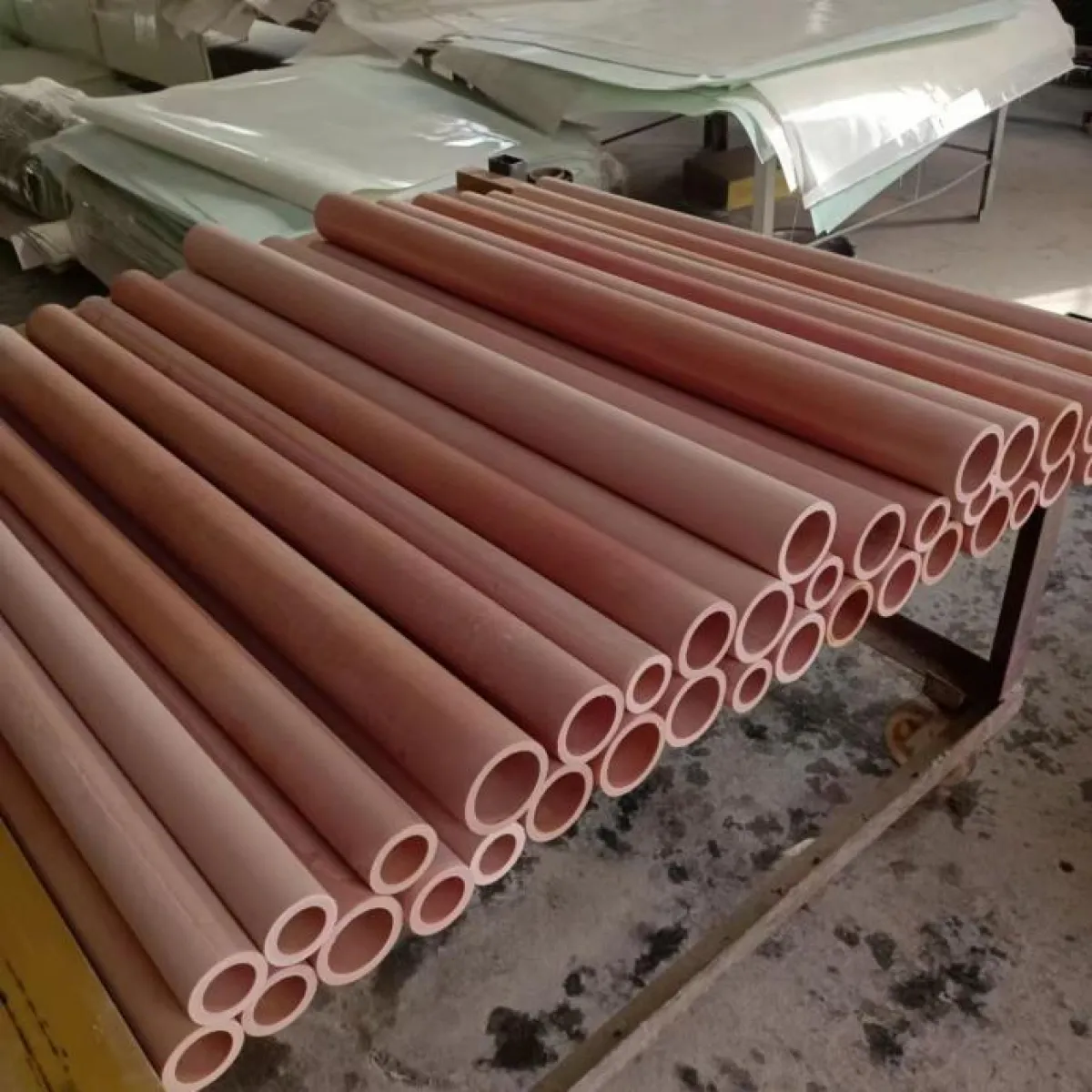
From the perspective of composite materials, Phenolic Cloth Tube is not made of a single substance, but formed by combining thermosetting phenolic resin with reinforcing materials

No.3, Mianzhi Street, Zhucheng, Shandong, China





Copyright © 2026 by Qingdao Yilong Insulation Material Company Limited All Rights Reserved