
In modern engineering and manufacturing, many high-performance materials operate quietly behind the scenes. Among them, Phenolic rods play an essential role in ensuring the safety, stability, and durability of industrial equipment.
Although they are not widely known outside engineering fields, Phenolic rods are widely used in electrical insulation systems, mechanical components, and structural applications where strength, thermal stability, and insulation are critical. From high-voltage electrical equipment to heavy industrial machinery, Phenolic rods have proven to be a reliable material for demanding working environments.
At YILONG INSULATION, we focus on providing high-quality electrical insulation materials and industrial laminate solutions, including a complete range of Phenolic rods designed for reliable and long-term industrial performance.

Phenolic rods are cylindrical composite materials produced from phenolic resin reinforced with fibrous materials such as paper, cotton fabric, or glass fiber. Phenolic resin is a thermosetting polymer formed through the chemical reaction of phenol and formaldehyde. When cured under heat and pressure, the resin forms a rigid structure that offers excellent heat resistance, mechanical strength, and dimensional stability.
To improve performance, manufacturers combine phenolic resin with reinforcement materials. These reinforcements significantly enhance mechanical strength, impact resistance, and wear resistance while maintaining the excellent electrical insulation properties of the base resin.
Compared with common plastics such as nylon or PVC, Phenolic rods typically provide better compressive strength, improved heat resistance, and superior dimensional stability under load. Because of these characteristics, Phenolic rods are widely used in industries that require reliable insulation and structural support.
Phenolic rods are also sometimes referred to as phenolic laminate rods, industrial laminate rods, or Bakelite rods, referencing one of the earliest commercial phenolic plastics. Regardless of the name, they represent a high-performance composite material designed for demanding industrial applications.
The production of Phenolic rods requires a carefully controlled manufacturing process to ensure consistent performance and quality.
The first step is the selection of high-quality phenolic resin and reinforcement materials such as paper, cotton fabric, or fiberglass. These materials must meet strict quality requirements to ensure uniform performance.
Next, the reinforcement material is impregnated with liquid phenolic resin. This process allows the resin to fully penetrate the fibers and form a strong bond between the reinforcement and the resin matrix.
After impregnation, the materials are rolled or layered into cylindrical shapes and placed into molds. The molds determine the diameter, density, and length of the finished rods.
The molded rods are then cured under high temperature and pressure. During this thermosetting process, the resin forms irreversible chemical cross-links, creating a rigid and heat-resistant composite structure.
Once curing is complete, the rods are machined to precise dimensions through cutting, drilling, or turning operations. Finally, each rod undergoes strict quality inspection including dimensional checks, mechanical testing, and electrical performance verification.
Phenolic rods are available in several types, each designed for specific performance requirements.
Paper Phenolic rods use cellulose paper reinforcement and offer excellent electrical insulation and good machinability. They are commonly used in electrical insulation components such as spacers, terminal boards, and insulating supports.
Cotton fabric Phenolic rods are reinforced with cotton fabric, providing improved toughness and wear resistance. These rods are widely used in mechanical applications such as bearings, gears, rollers, and wear strips.
Glass fiber Phenolic rods provide higher thermal resistance and mechanical strength. They are suitable for high-temperature environments and demanding electrical systems.
Special electrical grade Phenolic rods may include additional properties such as flame resistance, enhanced dielectric strength, or improved moisture resistance. These grades are typically used in critical electrical and industrial equipment.
One of the most important advantages of Phenolic rods is their strong mechanical performance. They offer high compressive strength and tensile strength, allowing them to withstand significant mechanical stress without deformation.
Phenolic rods also provide excellent electrical insulation. Their high dielectric strength and low electrical conductivity make them ideal for both low- and high-voltage applications.
Heat resistance is another key characteristic. Because phenolic materials are thermosetting, they maintain structural integrity at temperatures where many thermoplastic materials begin to soften.
In addition, Phenolic rods demonstrate good resistance to oils, fuels, solvents, and many industrial chemicals. Their low moisture absorption also helps maintain dimensional stability in humid environments.
These combined properties make Phenolic rods a dependable solution for demanding industrial conditions.
Phenolic rods offer several advantages that make them a preferred engineering material in many industries.
They provide a high strength-to-weight ratio, offering strong structural performance while remaining lighter than metal components. Their excellent electrical insulation properties help prevent electrical leakage and short circuits in electrical systems.
Phenolic rods also demonstrate strong wear resistance and friction resistance, helping extend the service life of mechanical components. Unlike metals, they do not rust or corrode, which makes them suitable for environments exposed to moisture or chemicals.
Another advantage is cost efficiency. Phenolic rods offer a balanced combination of performance and affordability compared with some high-performance plastics or metal alternatives. Their durability and low maintenance requirements also contribute to lower long-term operating costs.
While Phenolic rods provide many benefits, they also have some limitations. Compared with certain flexible plastics, phenolic materials can be more brittle under extreme impact conditions.
Machining Phenolic rods may generate fine dust, which requires appropriate dust extraction and ventilation systems during processing. Additionally, because phenolic materials are thermosetting plastics, they cannot be melted and reshaped after curing.
Applications of Phenolic rods
Due to their excellent combination of mechanical strength, thermal stability, and electrical insulation, Phenolic rods are widely used in many industries.
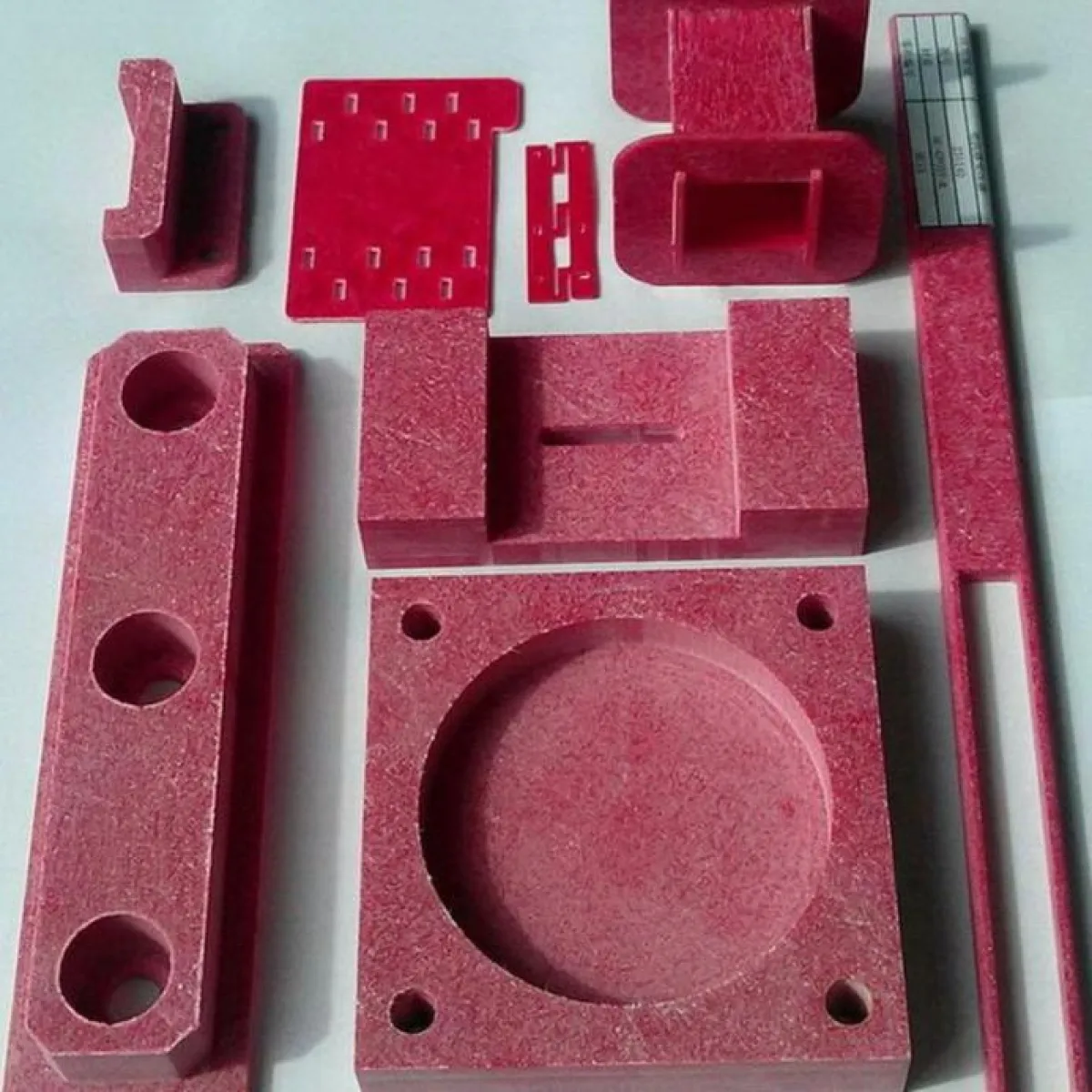
In the electrical industry, they are commonly used as insulating spacers, coil supports, switchgear components, and bushings. In mechanical systems, Phenolic rods are used as bearings, rollers, gears, and wear components.
The automotive industry uses phenolic materials for components that require vibration resistance and heat stability. In construction and structural engineering, Phenolic rods can be used in anchoring systems, insulation supports, and structural components where corrosion resistance is important.
They are also used in marine and aerospace applications where lightweight strength and resistance to harsh environments are required.
High-quality Phenolic rods are manufactured according to internationally recognized standards to ensure reliable performance and safety. Important standards include NEMA, ASTM, and IEC specifications.
These standards define requirements for electrical insulation performance, mechanical strength, thermal stability, moisture resistance, and dimensional accuracy. Compliance with these standards helps ensure consistent quality and reliable long-term performance.
Modern phenolic manufacturing focuses increasingly on environmental responsibility and workplace safety. Advanced production technologies help reduce emissions during resin processing and curing.
During machining operations, appropriate dust control systems and protective equipment should be used to ensure safe working conditions.
Phenolic materials also offer advantages in fire safety. Compared with many thermoplastics, they tend to produce lower flame spread and smoke levels, making them suitable for electrical infrastructure and industrial equipment.
Continuous improvements in phenolic resin technology and composite engineering are expanding the performance capabilities of phenolic materials. Manufacturers are developing stronger, lighter formulations with improved impact resistance and higher thermal limits.
At the same time, research is focusing on more environmentally friendly materials, including low-emission phenolic resins and partially bio-based formulations. These innovations aim to reduce environmental impact while maintaining the reliable performance required in industrial applications.
With the growing demand for durable, safe, and efficient materials in fields such as renewable energy, electric vehicles, and advanced electrical systems, Phenolic rods are expected to remain an important engineering material in the future.
YILONG INSULATION specializes in high-performance electrical insulation materials and industrial laminates for global customers. Our product range includes Phenolic rods, phenolic sheets, epoxy fiberglass laminates such as FR4, G10 and G11, engineering plastics, and CNC machined insulation components.
With strict quality control and professional manufacturing experience, YILONG INSULATION is committed to providing reliable insulation solutions for electrical, mechanical, and industrial applications worldwide.
WhatsApp: +86 15866869385
Email: yilong@yilonginsulation.com
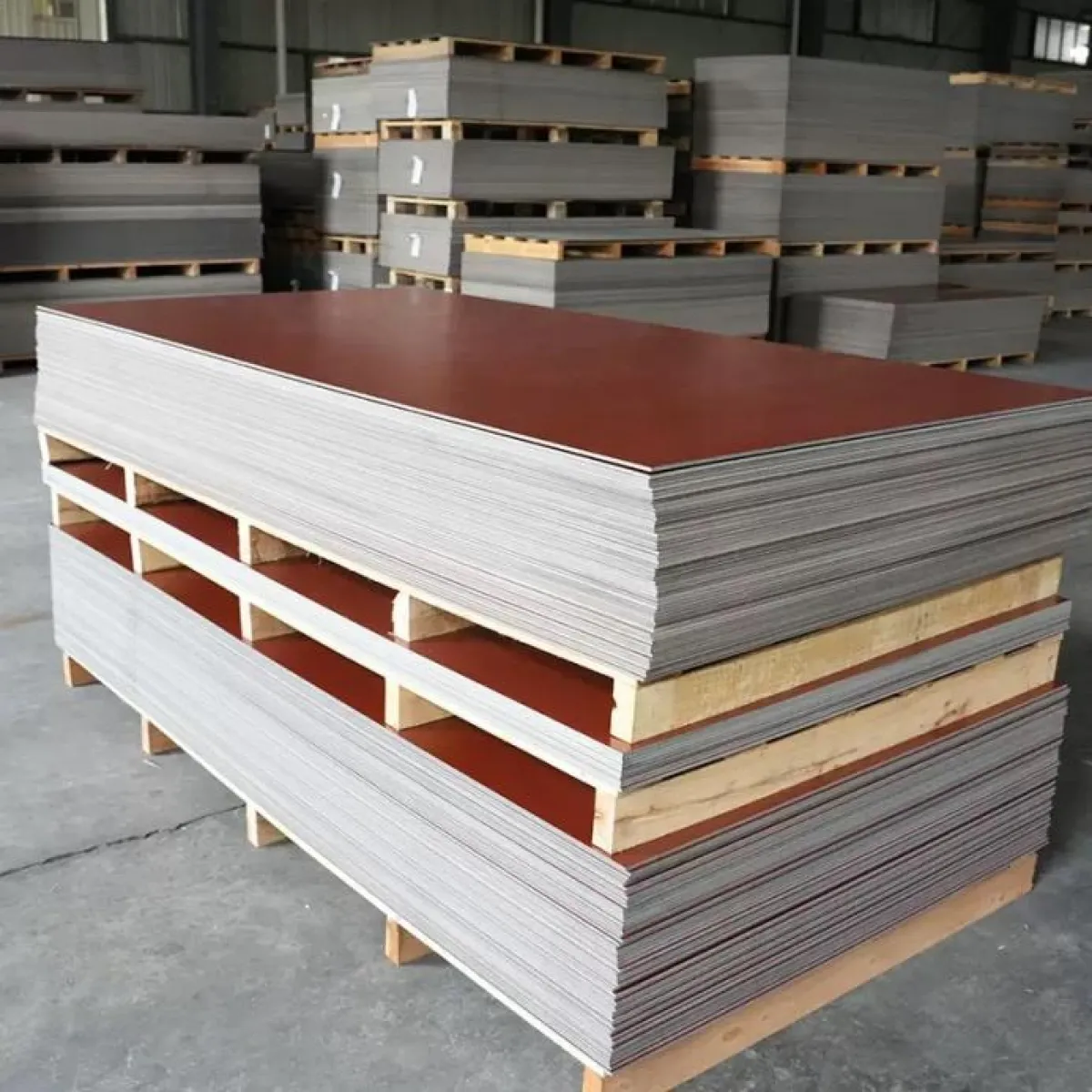
PFCP201 is manufactured using high-quality insulating paper impregnated with phenolic resin. After the raw materials are carefully inspected, the paper is passed through an automat
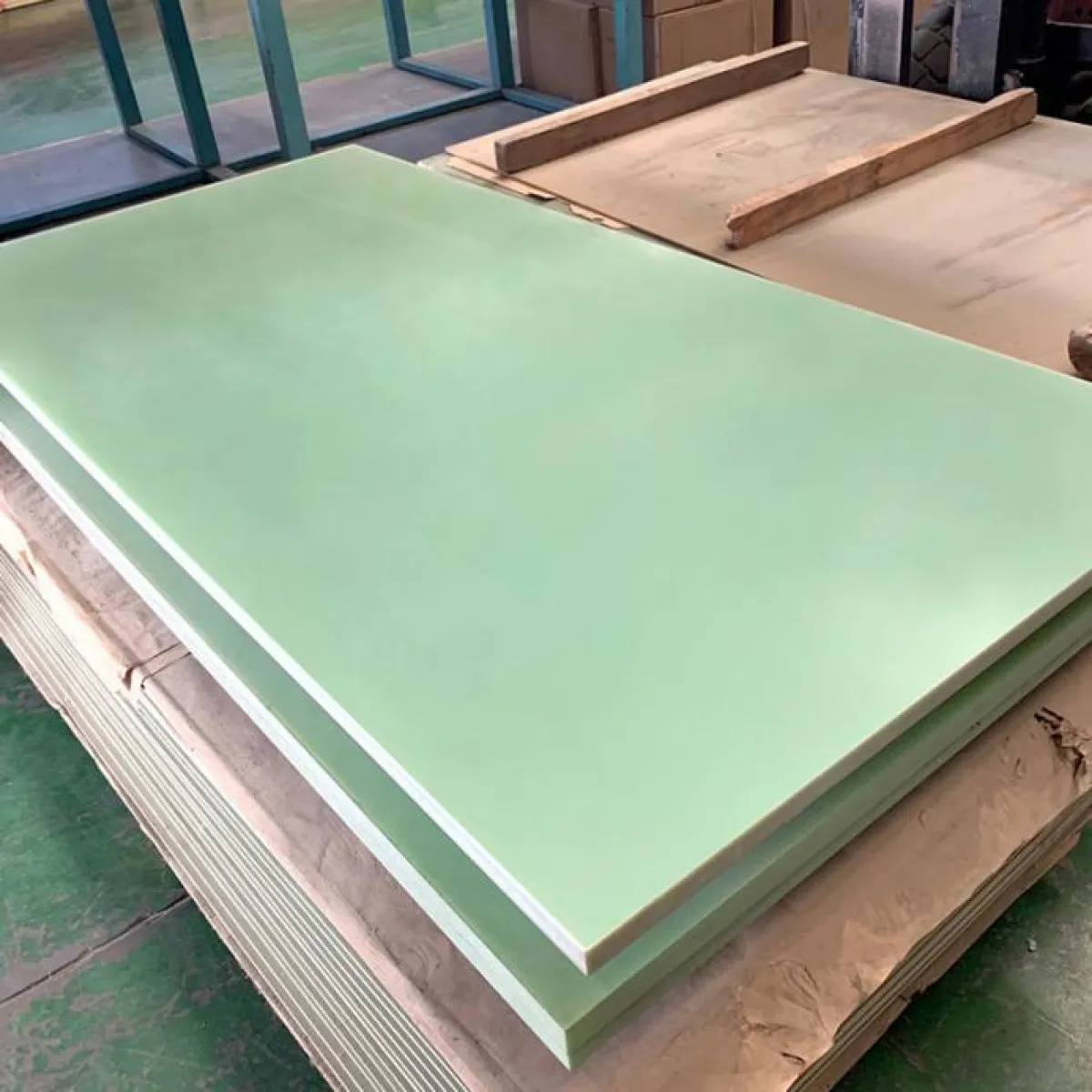
GPO-3 insulation board, also known as UPGM-203, is a rigid electrical insulation material made from alkali-free glass fiber mat impregnated with unsaturated polyester resin and pro
Compared with many conventional insulation materials, GPO-3 offers two particularly important advantages: strong resistance to heat and moisture, and stable electrical insulation p
However, selecting a cryogenic insulation material based only on its standard properties may not be enough. In actual service, continuous immersion, concentrated mechanical loads,

Silicone Glass Cloth Sheet (G7) combines silicone resin with glass fiber cloth to provide a balance of high-temperature resistance, electrical insulation, mechanical strength, and
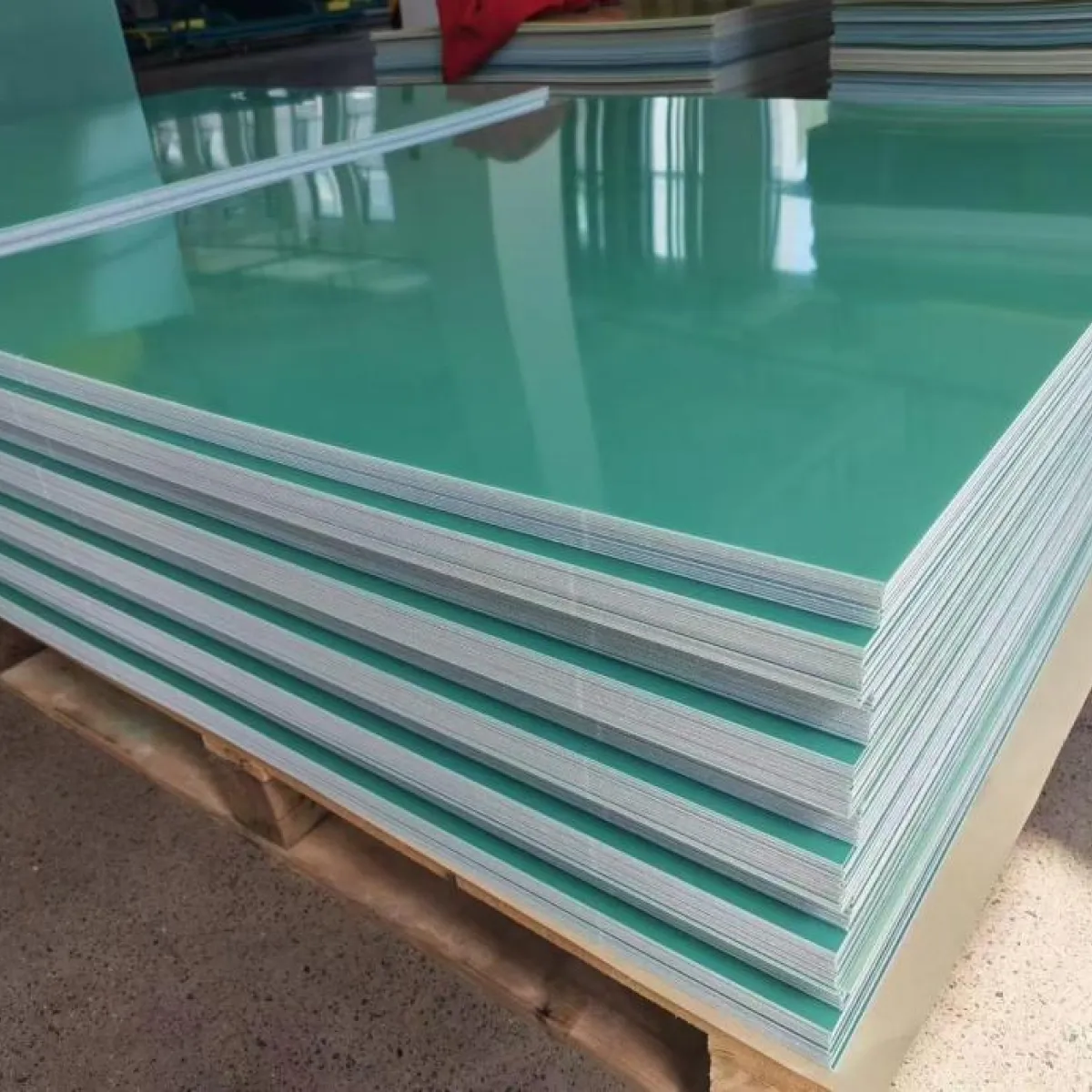
These properties make EPGC308 particularly suitable for electrical equipment operating under high temperature, high humidity and high-voltage conditions.
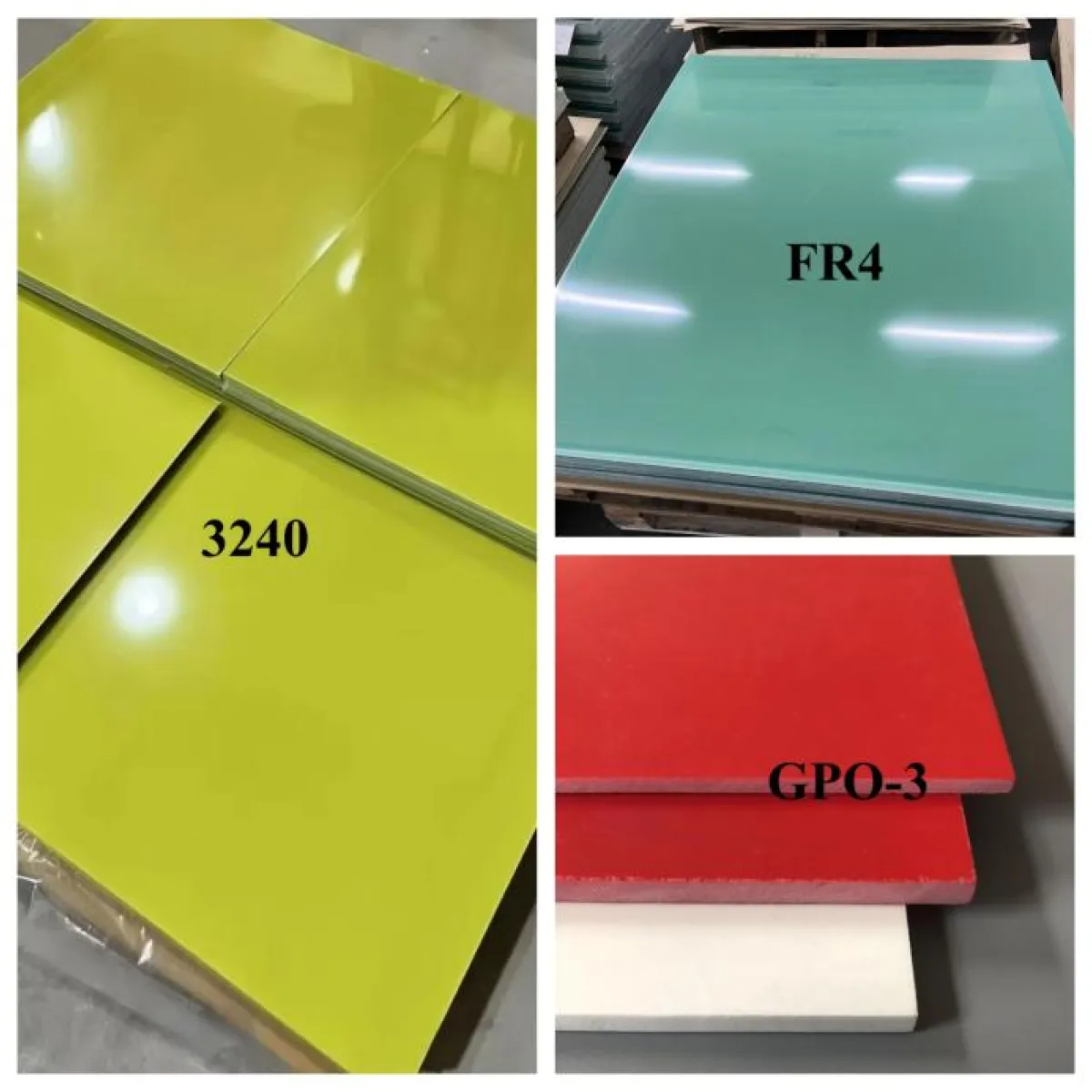
Understanding these differences can help engineers and buyers select the most suitable insulation material for their specific operating conditions.
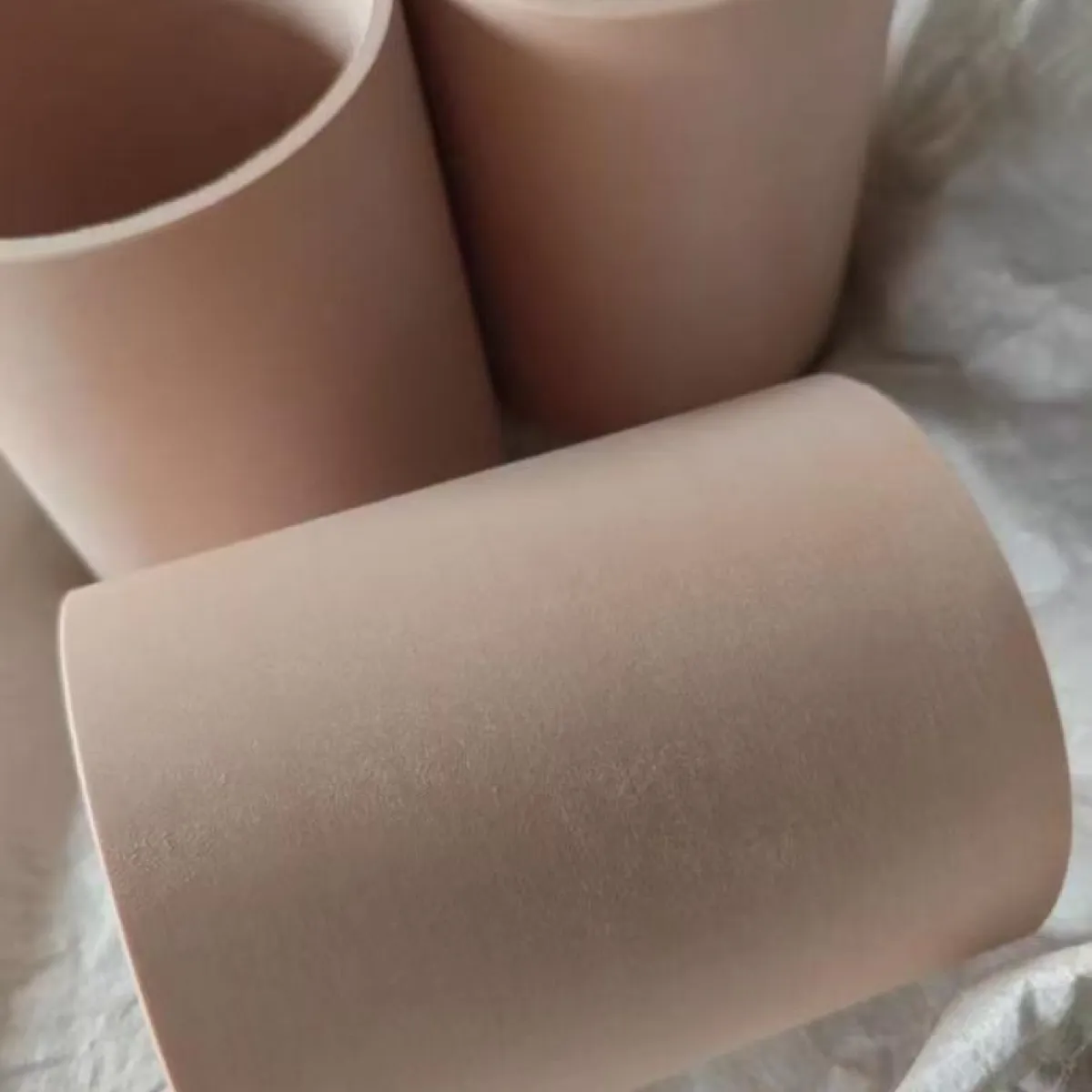
Phenolic Cotton Tube boasts multiple prominent competitive strengths for industrial use. It features extraordinary insulating performance: fully non-conductive, anti-static, and st
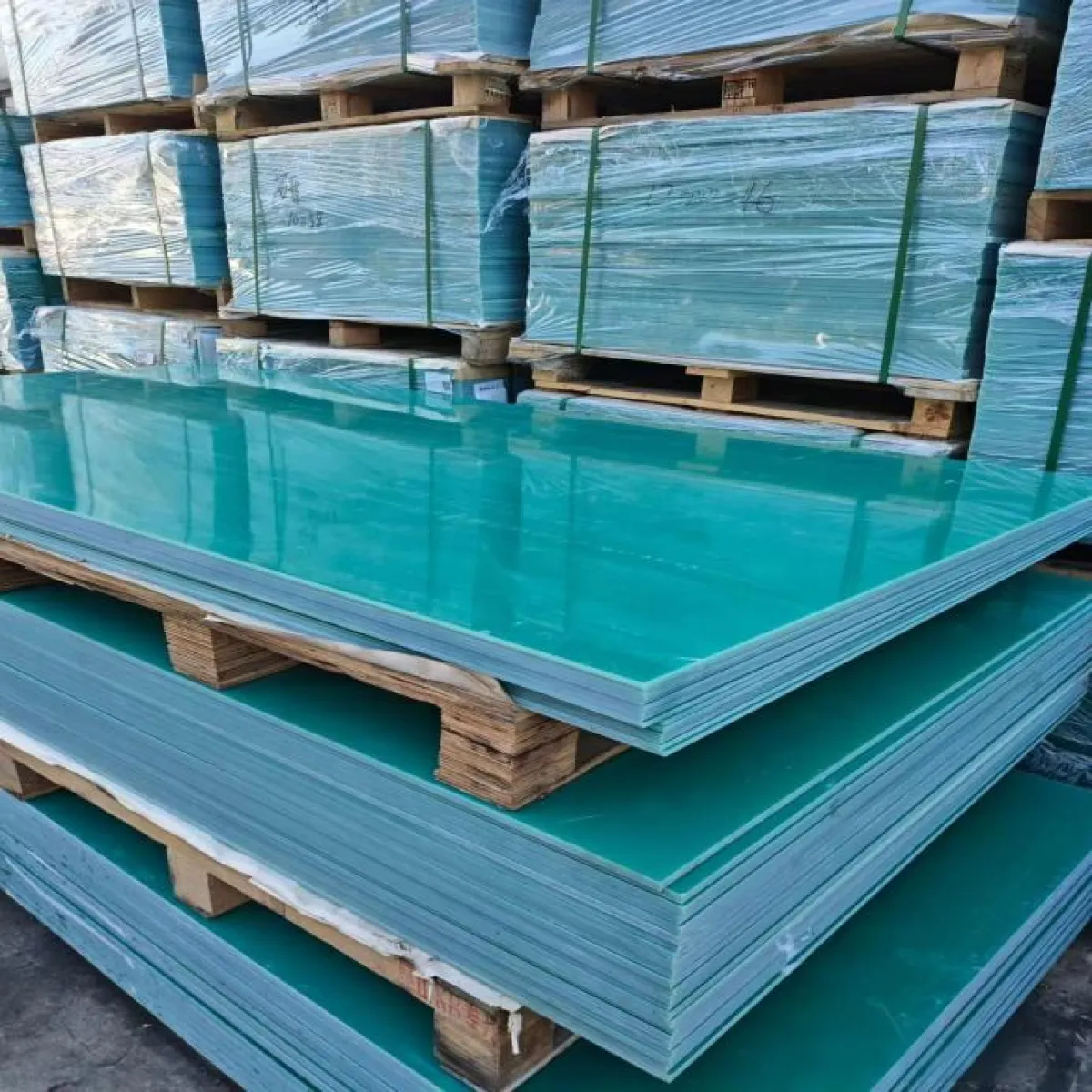
First let us look at its regular uses. In power plants, substations, power distribution rooms and other sites, Insulation Laminated Board is commonly laid on floors to avoid electr
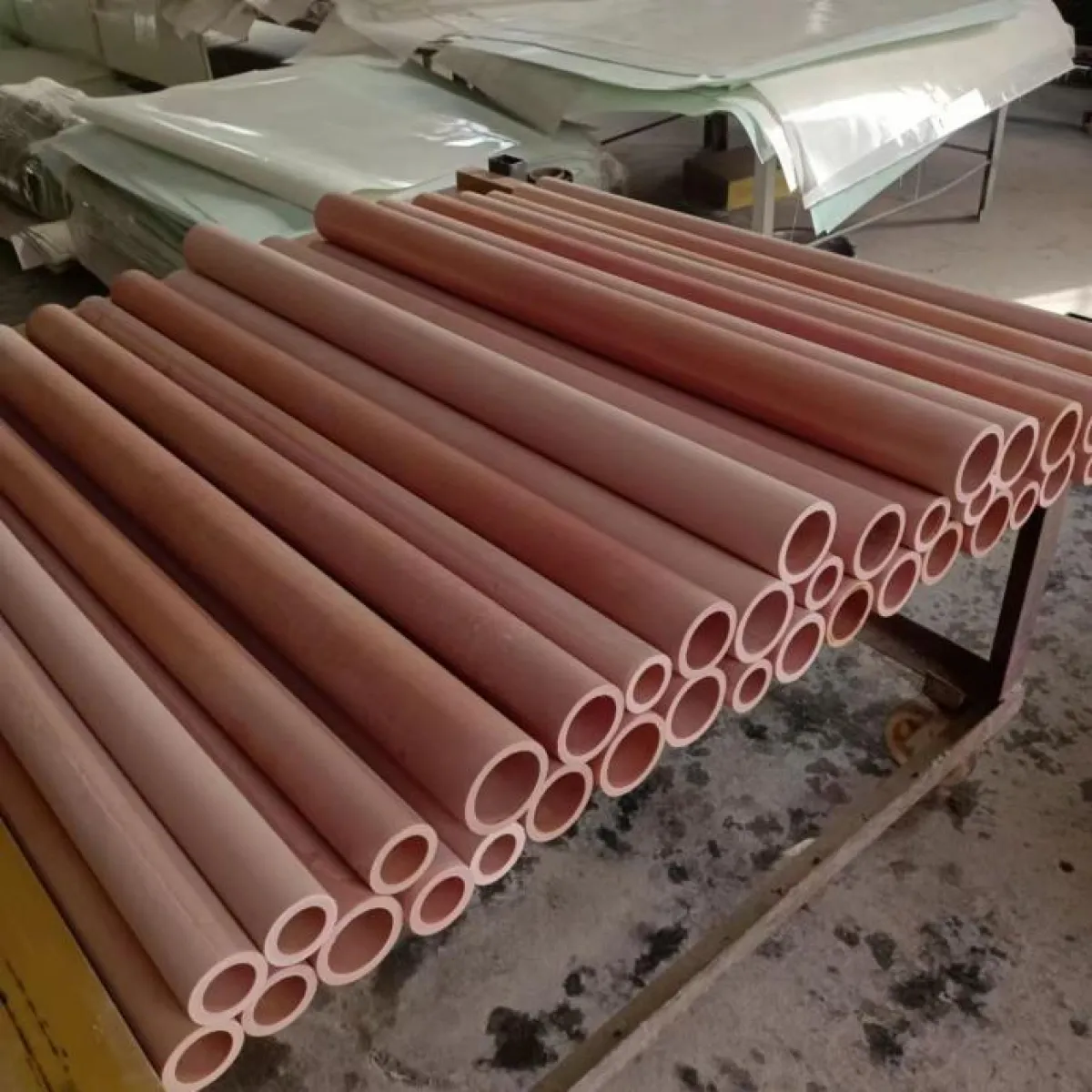
From the perspective of composite materials, Phenolic Cloth Tube is not made of a single substance, but formed by combining thermosetting phenolic resin with reinforcing materials

No.3, Mianzhi Street, Zhucheng, Shandong, China





Copyright © 2026 by Qingdao Yilong Insulation Material Company Limited All Rights Reserved