
Epoxy Fiberglass Board and phenolic board are two commonly used engineering insulation materials. Although they may appear similar in some industrial applications, their performance characteristics and usage scenarios are quite different. Below is a clear and professional comparison.
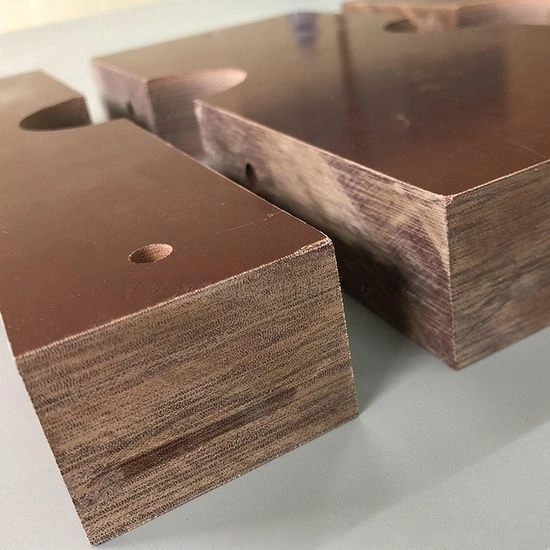
1. Epoxy Fiberglass Board Overview and Applications
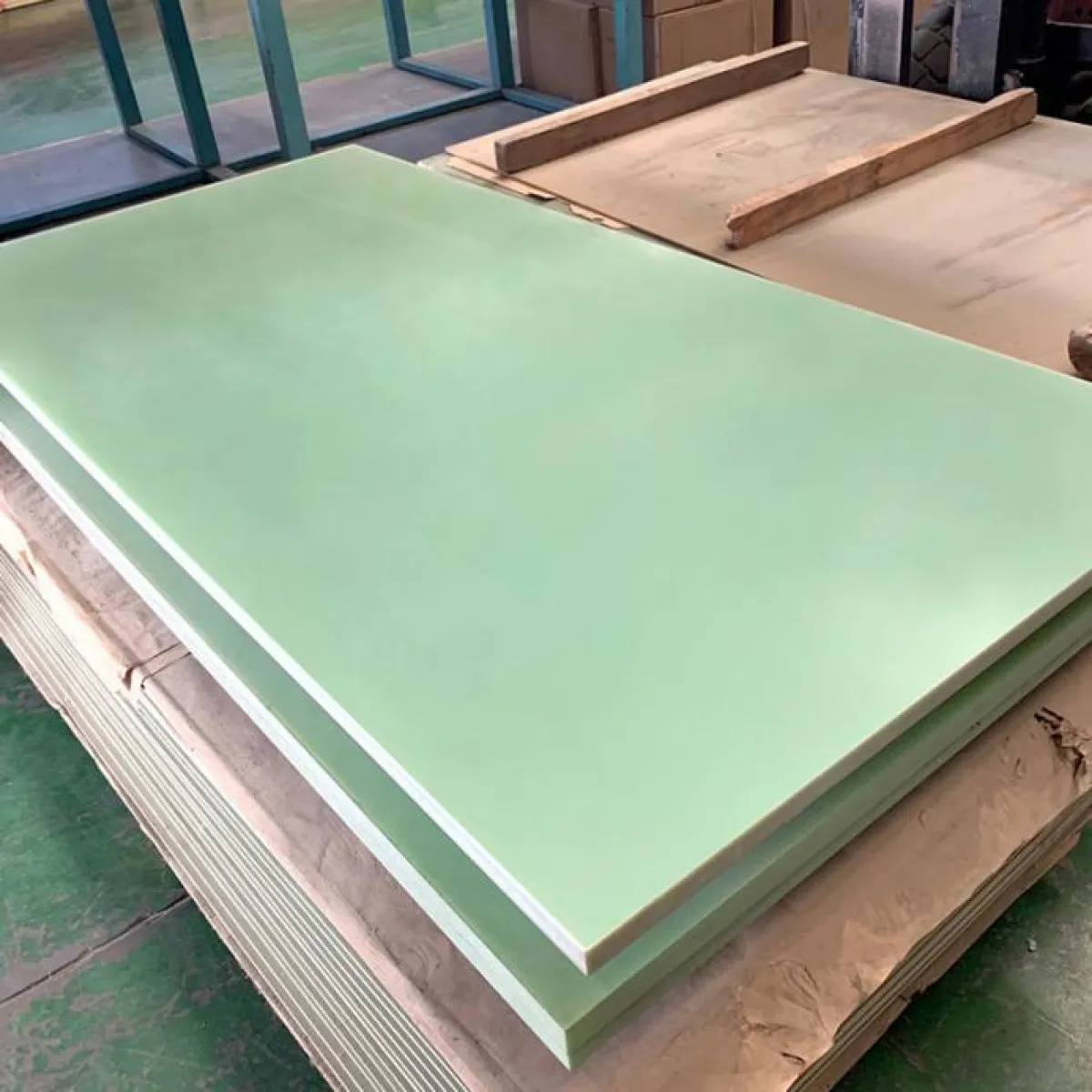
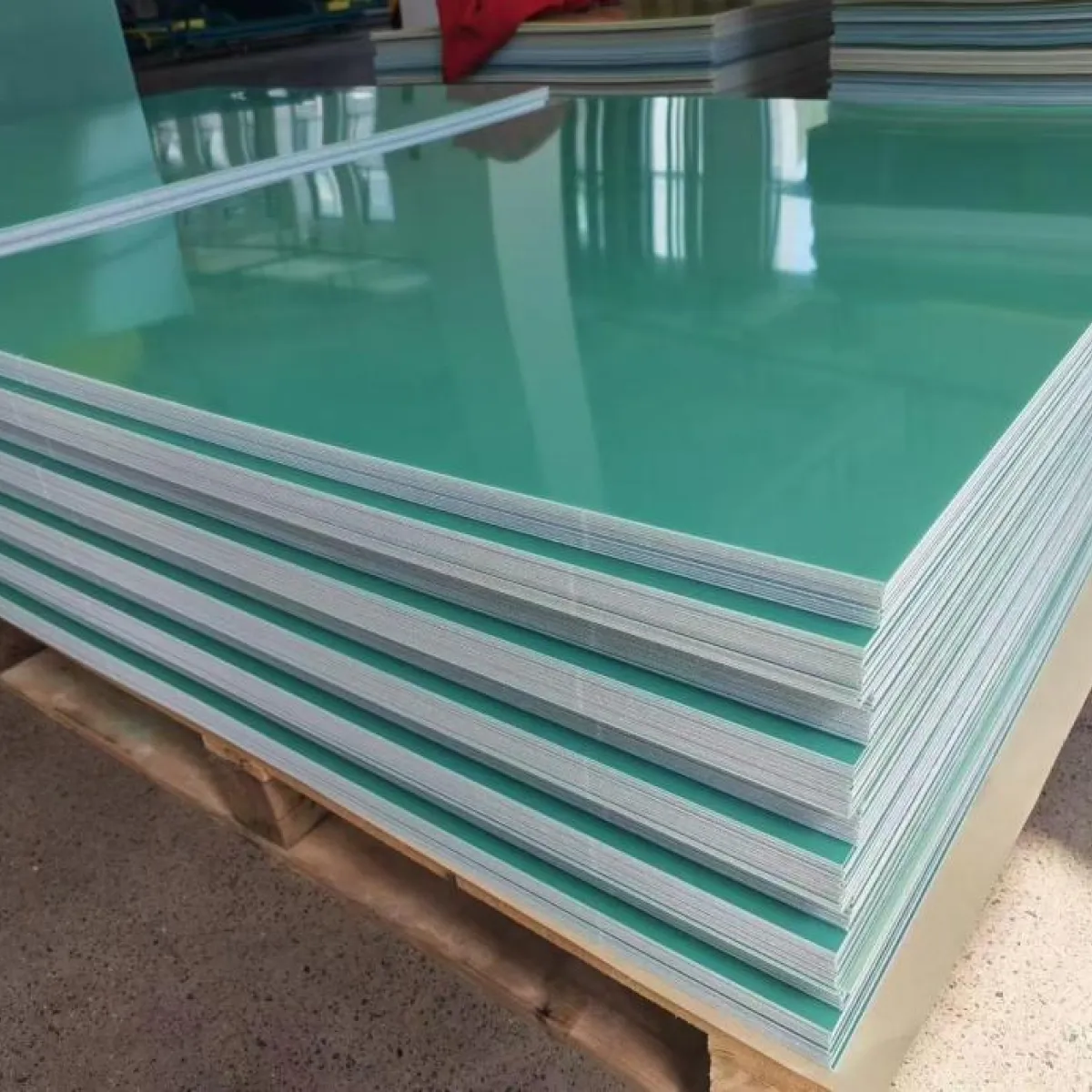
Epoxy Fiberglass Board is a composite material made of epoxy resin reinforced with glass fiber fabric. It is known for its high mechanical strength, excellent corrosion resistance, and good wear resistance.
Due to these superior properties, Epoxy Fiberglass Board is widely used in industrial fields that require high strength and durability. Its manufacturing process is relatively complex and involves special curing procedures to ensure optimal performance.
Because of its outstanding mechanical properties, Epoxy Fiberglass Board is commonly used in high-load, high-temperature, and corrosive environments. Typical applications include aerospace components, automotive parts, and chemical equipment structures.
2. Phenolic Cotton Board Overview and Applications
In contrast, Phenolic Cotton Board is made from phenolic resin combined with cotton fabric or sometimes fiberglass cloth. It is well known for its excellent electrical insulation performance, mechanical strength, and wear resistance.
Because of its stable dielectric properties, Phenolic Cotton Board is widely used in electrical equipment, transformers, switchgear systems, and other applications requiring strong insulation performance.
In addition, Phenolic Cotton Board also offers good resistance to chemical corrosion, making it suitable for certain demanding industrial environments.
3. Key Differences in Applications
The main difference between Epoxy Fiberglass Board and Phenolic Cotton Board lies in their performance priorities.
Epoxy Fiberglass Board is better suited for applications requiring high mechanical strength and strong corrosion resistance, especially in structural and heavy-duty industrial environments.
Phenolic Cotton Board, on the other hand, performs better in electrical insulation and chemical resistance environments, making it more suitable for electrical and electro-mechanical industries.
4. Processing and Manufacturing Differences
Epoxy Fiberglass Board generally requires more complex processing techniques and longer production cycles, but it delivers highly stable and reliable performance.
In comparison, Phenolic Cotton Board has a relatively simpler manufacturing process and shorter production cycle, making it more suitable for large-scale industrial production.
Both Epoxy Fiberglass Board and Phenolic Cotton Board offer excellent performance in their respective fields. The choice between them should be based on specific engineering requirements, working conditions, and application environments.
YILONG is a professional manufacturer and global supplier of high-quality Phenolic Cotton Board, Phenolic Paper Board and Epoxy Glass Boards. With advanced production technology, strict quality control systems, and stable manufacturing capability, YILONG provides reliable solutions for electrical, mechanical, and industrial applications worldwide. We are committed to delivering consistent quality products and supporting customers with long-term, application-oriented material solutions.
For more information, please feel free to contact YILONG.
Email: yilong@yilonginsulation.com
Website: www.yilonginsulation.com
Whatsapp: 85 15866869385
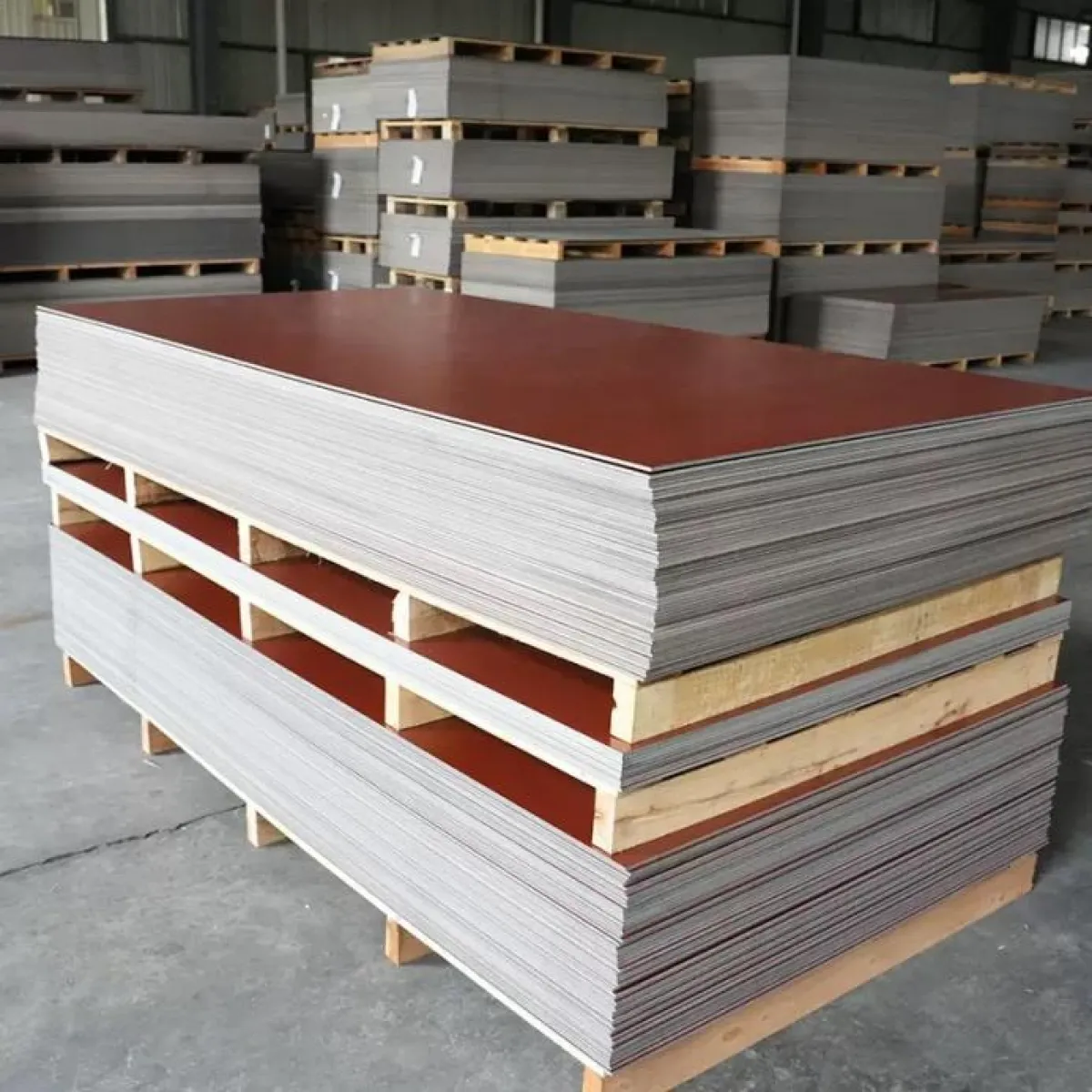
PFCP201 is manufactured using high-quality insulating paper impregnated with phenolic resin. After the raw materials are carefully inspected, the paper is passed through an automat
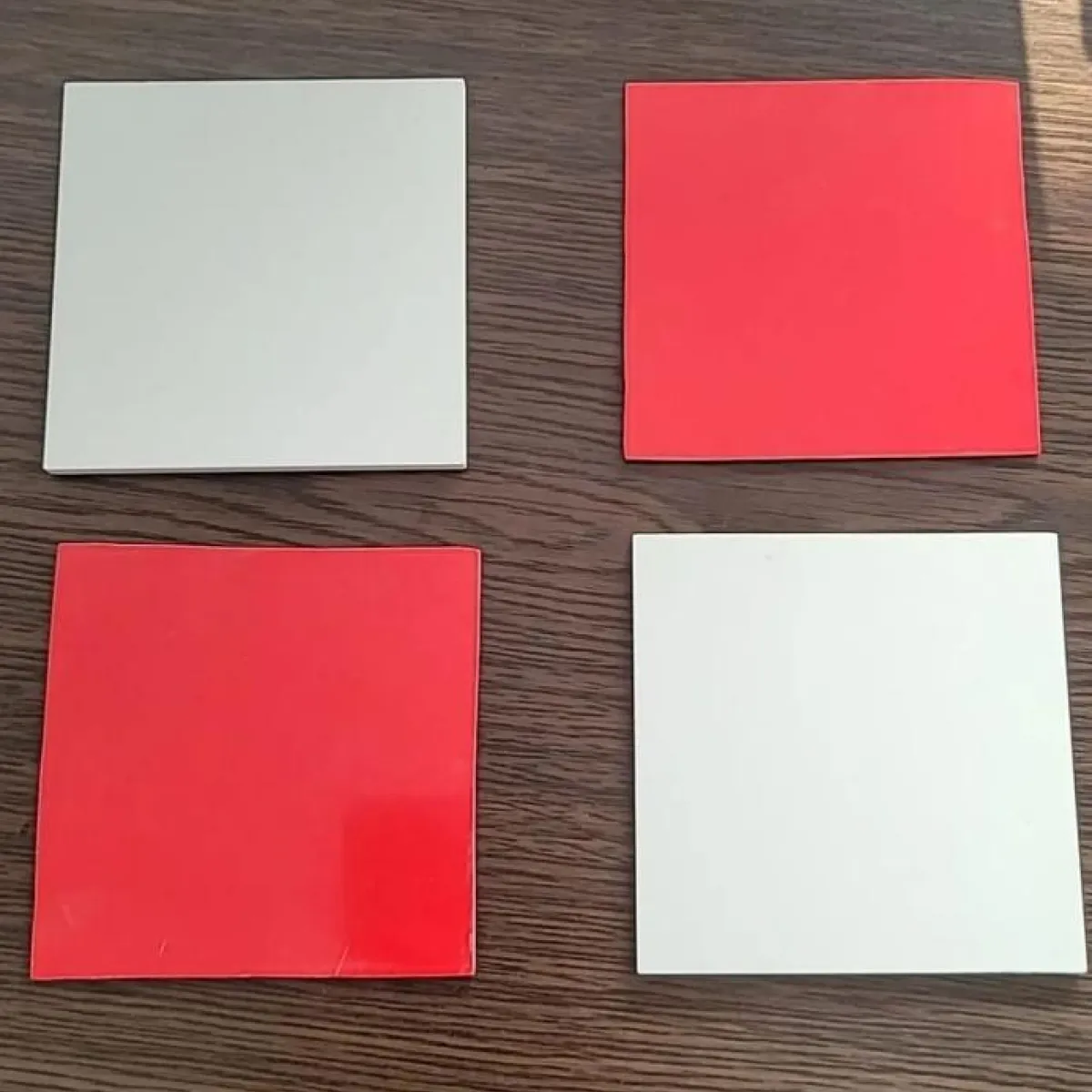
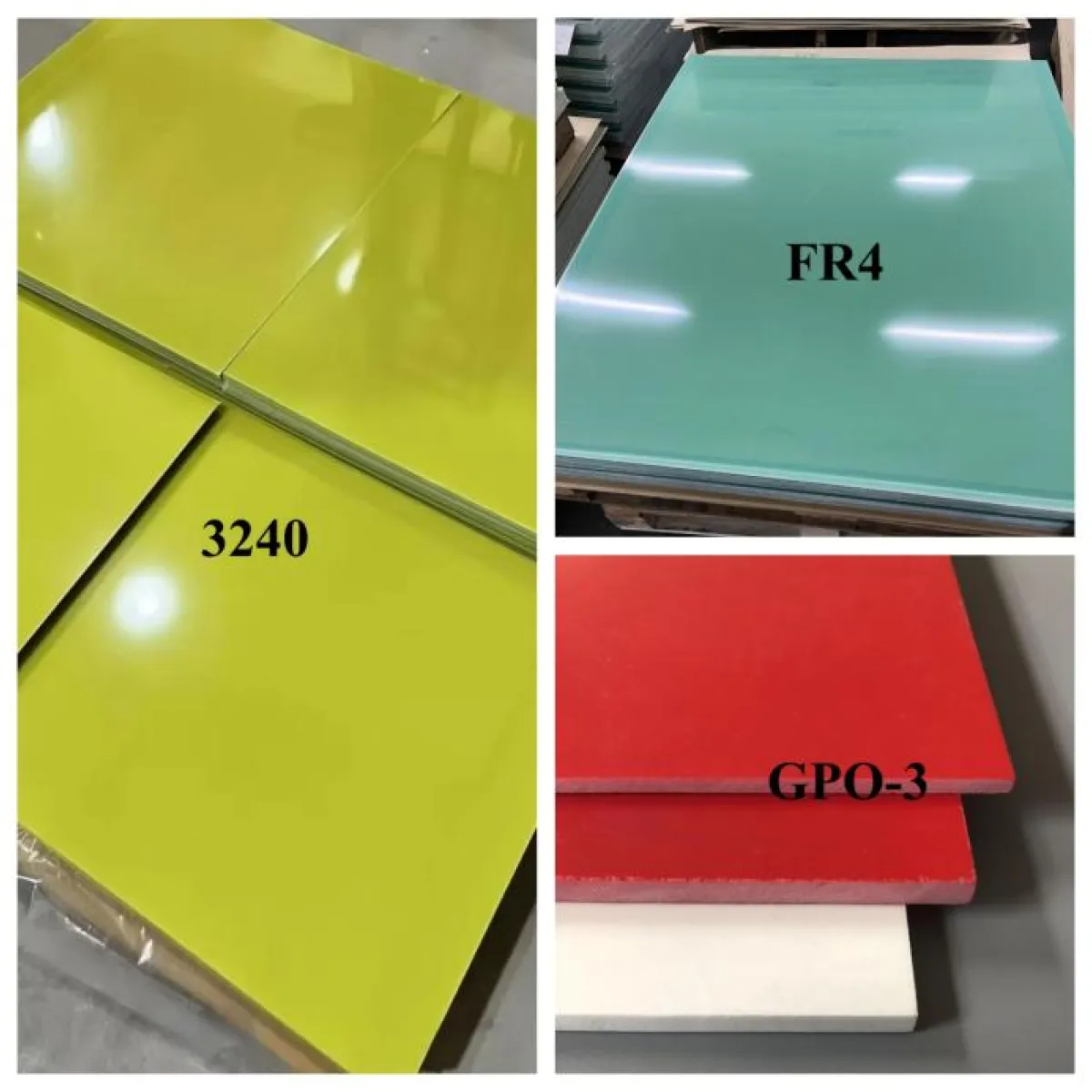
GPO-3 insulation board, also known as UPGM-203, is a rigid electrical insulation material made from alkali-free glass fiber mat impregnated with unsaturated polyester resin and pro
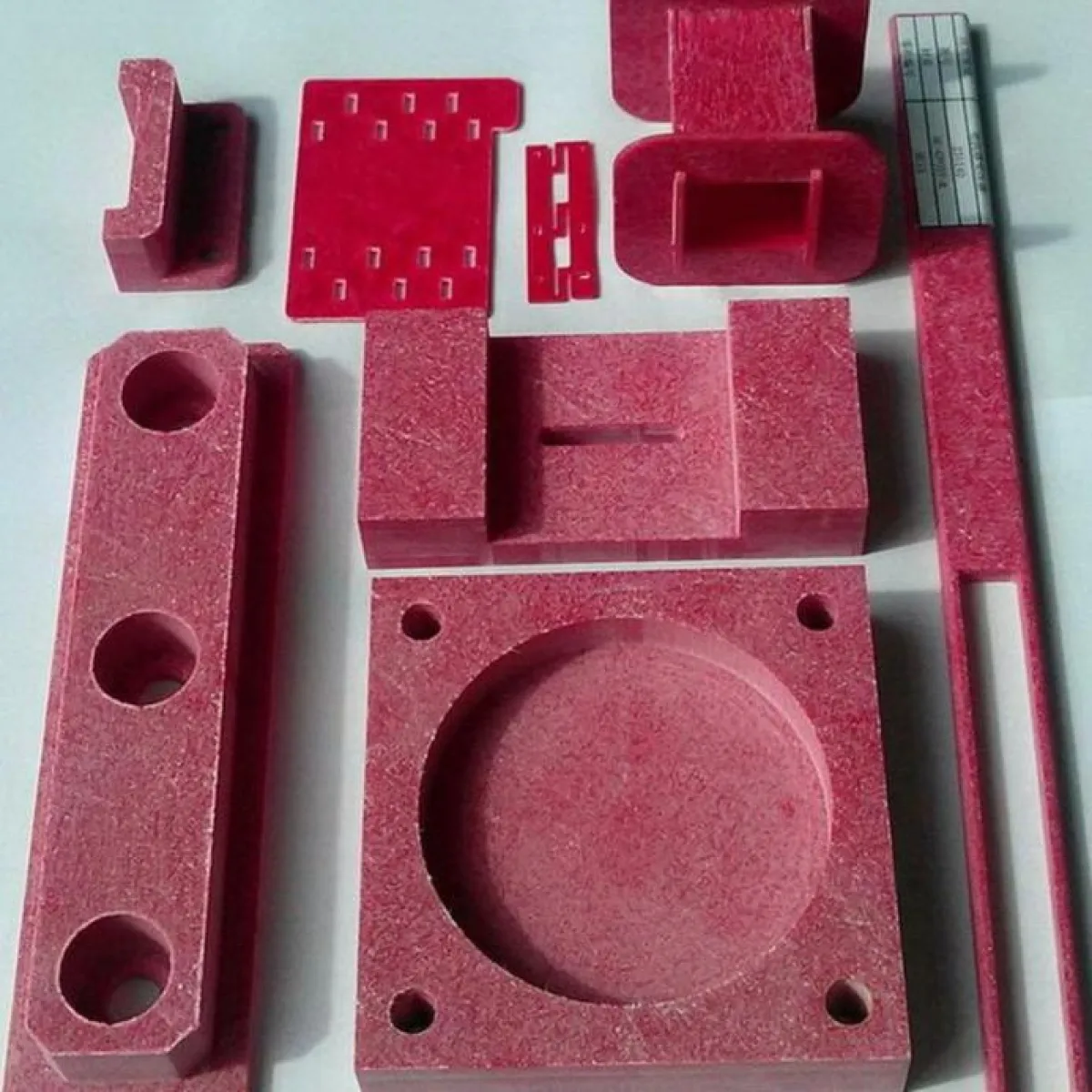
Compared with many conventional insulation materials, GPO-3 offers two particularly important advantages: strong resistance to heat and moisture, and stable electrical insulation p
However, selecting a cryogenic insulation material based only on its standard properties may not be enough. In actual service, continuous immersion, concentrated mechanical loads,

Silicone Glass Cloth Sheet (G7) combines silicone resin with glass fiber cloth to provide a balance of high-temperature resistance, electrical insulation, mechanical strength, and
These properties make EPGC308 particularly suitable for electrical equipment operating under high temperature, high humidity and high-voltage conditions.
Understanding these differences can help engineers and buyers select the most suitable insulation material for their specific operating conditions.
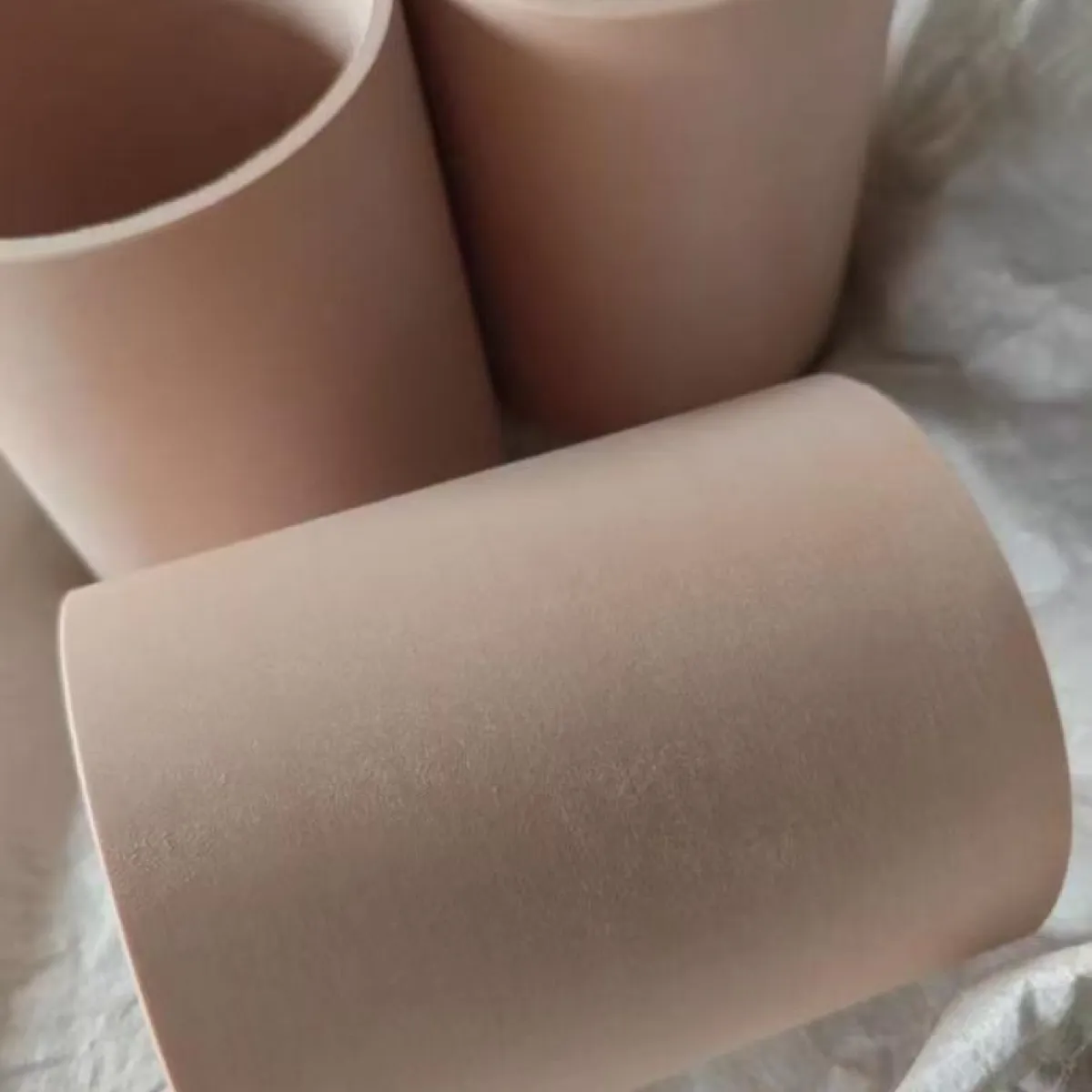
Phenolic Cotton Tube boasts multiple prominent competitive strengths for industrial use. It features extraordinary insulating performance: fully non-conductive, anti-static, and st
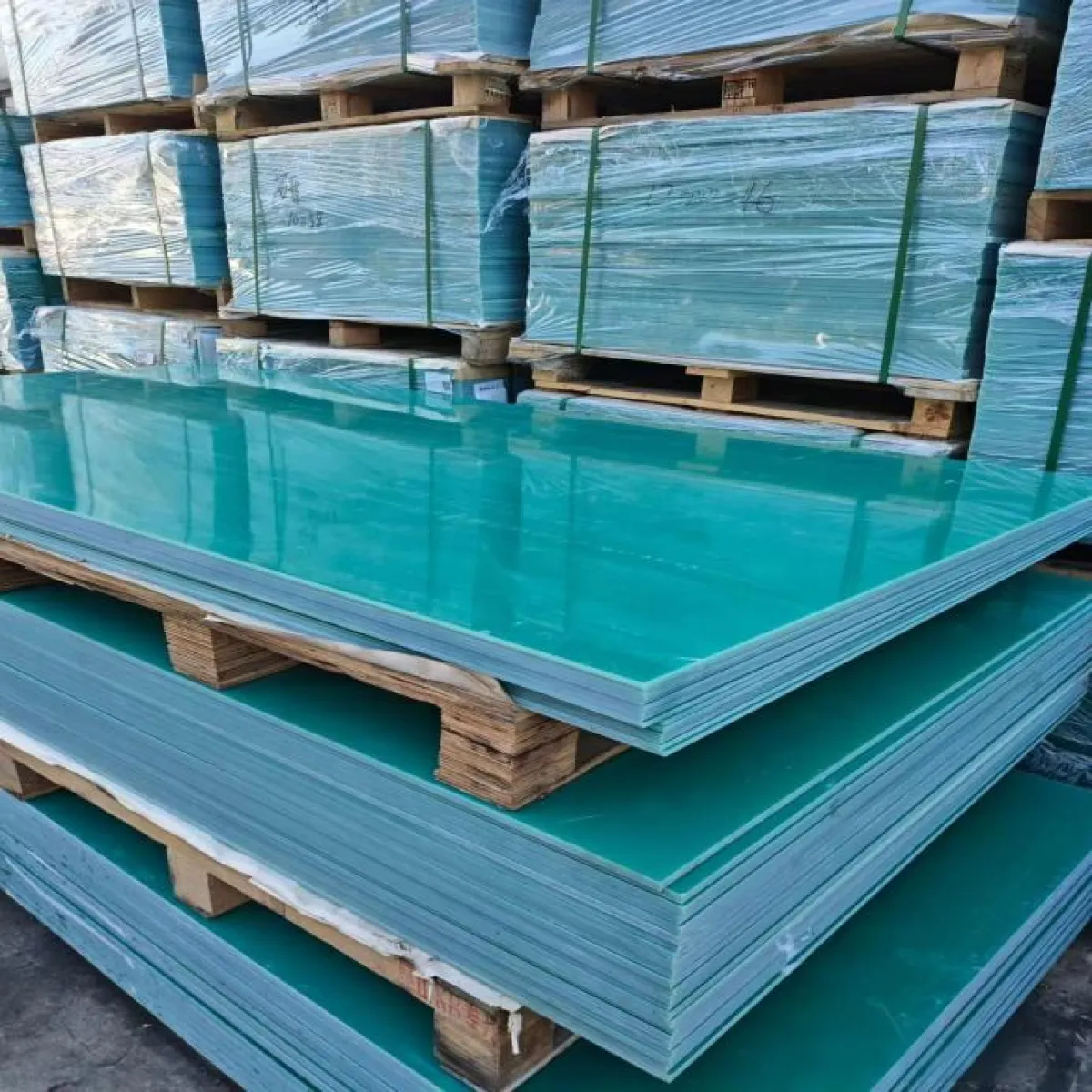
First let us look at its regular uses. In power plants, substations, power distribution rooms and other sites, Insulation Laminated Board is commonly laid on floors to avoid electr
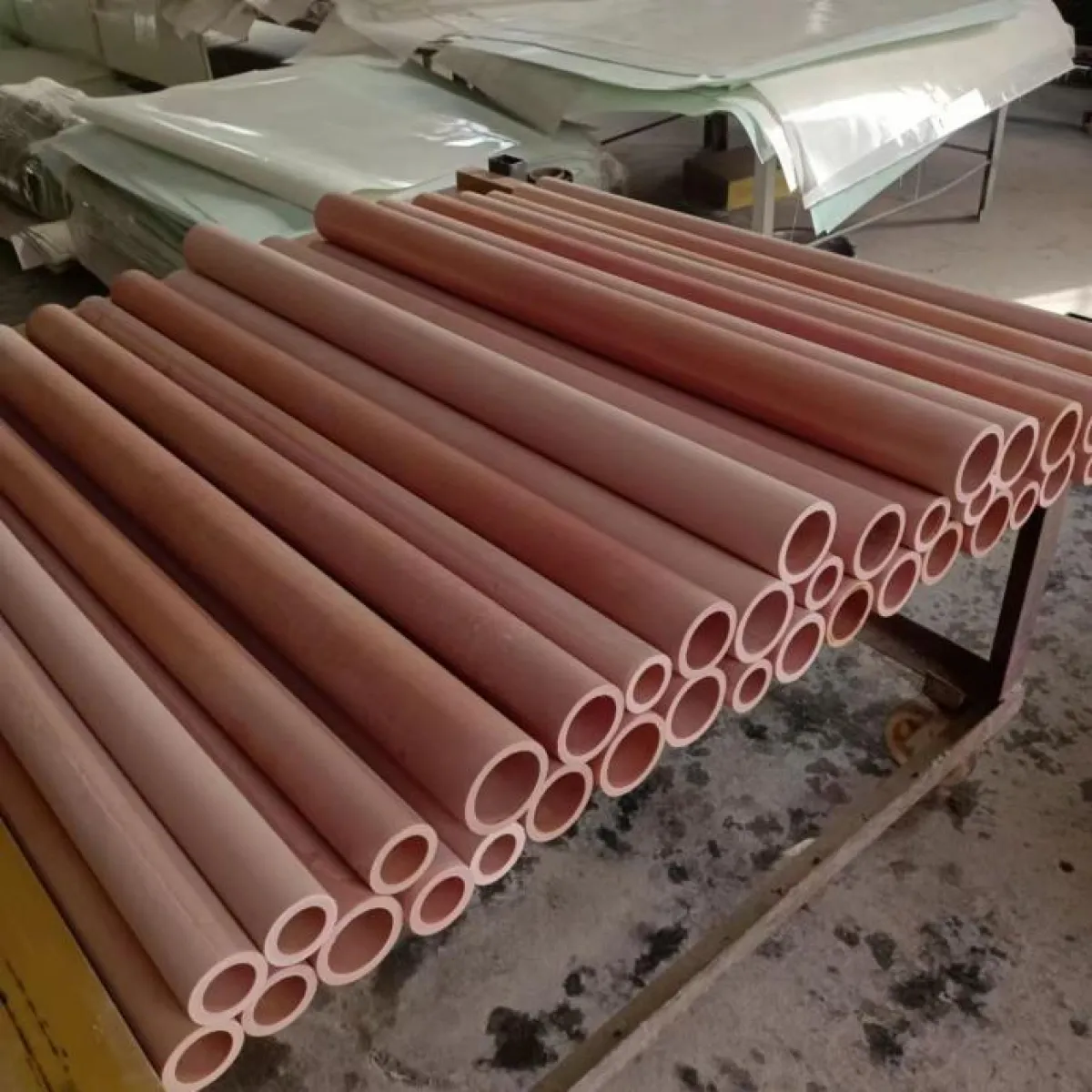
From the perspective of composite materials, Phenolic Cloth Tube is not made of a single substance, but formed by combining thermosetting phenolic resin with reinforcing materials

No.3, Mianzhi Street, Zhucheng, Shandong, China





Copyright © 2026 by Qingdao Yilong Insulation Material Company Limited All Rights Reserved