
1. Introduction
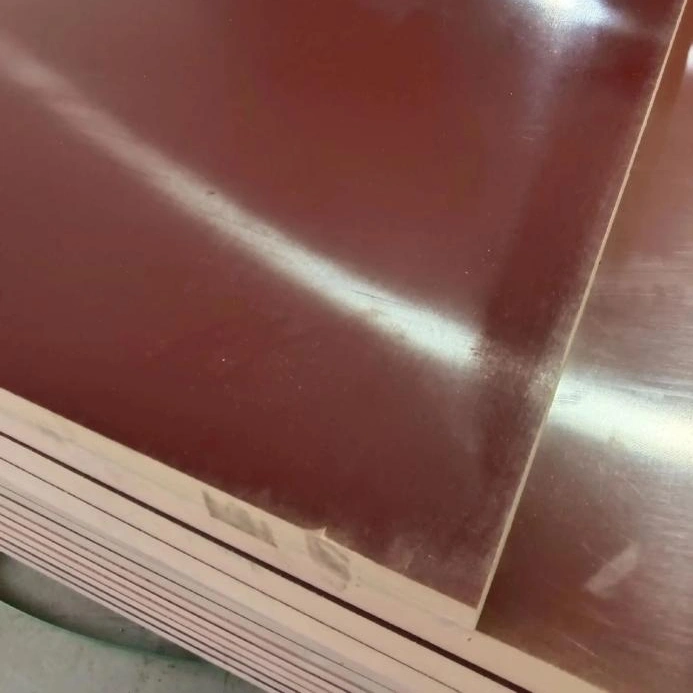
Phenolic cotton cloth laminated sheets are rigid, high-performance insulating materials manufactured by impregnating industrial cotton cloth with phenolic resin varnish, followed by baking and hot pressing. These materials are widely used in mechanical and electrical applications, offering tailored grades to meet diverse performance requirements, aligned with Chinese national standards, IEC standards, and NEMA-based specifications.
The core component of these laminates is thermosetting phenolic resin, which forms the matrix. The resin’s properties are adjusted by varying the molar ratio of phenol to formaldehyde, with key raw materials including phenol, formaldehyde, ammonia (as a catalyst), curing accelerators, and alcohol/methanol (solvents). Cotton cloth, with varying thread counts (coarse or fine weave), serves as the reinforcing substrate, directly impacting mechanical strength, electrical performance, and machinability.
2. Grade Overview: Chinese 3025 Series and IEC PFCC Equivalents
The 3025 series (compliant with JB/T 8149.2-2000 and enterprise standards) represents a foundational line of phenolic cotton laminates, with grades distinguished by substrate weave and performance. These grades correspond directly to IEC 60893-3-4 (PFCC series) and GB/T 1303.6 standards, as detailed below:
|
Grade |
Resin Type |
Substrate Weave |
Core Characteristics and Applications |
|
3025 |
Phenolic resin |
21-count coarse cloth |
Mechanical-grade material with low electrical performance; suitable for applications requiring ≥1kV insulation. |
|
3025B |
Phenolic resin |
10-count coarse cloth |
Cost-effective variant of 3025, with lower electrical performance than the base 3025 grade. |
|
3025C |
Phenolic resin |
7-count coarse cloth |
Mechanical-grade laminate optimized for wear resistance; non-electrical applications only. |
|
3025CS |
Phenolic resin |
7-count coarse cloth |
Same as 3025C, designed for mechanical use with enhanced durability. |
|
3026 |
Phenolic resin |
30-count fine cloth |
Machinable mechanical-grade material with low electrical performance (≥1kV insulation); fine weave improves precision. |
|
3027 |
Phenolic resin |
21-count coarse cloth |
Mechanical and electrical-grade material with higher electrical performance than 3025/3026; suitable for ≥18kV applications. |
|
3028 |
Phenolic resin |
40-count fine cloth |
High-precision mechanical/electrical-grade material with excellent machinability and superior electrical performance (≥20kV insulation). |
l The 3025 series aligns with IEC 60893-3-4 PFCC grades, creating a global standard equivalence:
l 3025 = PFCC201 (21-count coarse cloth, mechanical use, low electrical performance)
l 3027 = PFCC202 (21-count coarse cloth, mechanical/electrical use, better electrical performance than 3025)
l 3026 = PFCC203 (30-count fine cloth, mechanical use, good machinability, low electrical performance)
l 3028 = PFCC204 (40-count fine cloth, mechanical/electrical use, superior electrical performance, ideal for precision parts)
3. High-Strength F850/C850 Series (NEMA-Equivalent Grades)
The F850/C850 series (compliant with enterprise standards and GB/T 24124-2009) represents an advanced tier of phenolic cotton laminates, engineered to meet or exceed NEMA standards, outperforming the baseline IEC PFCC series in critical performance metrics. These grades are specifically designed for high-demand applications, with four key advantages:
Enhanced mechanical strength for heavy-load environments
Superior bonding strength (a requirement not specified in IEC standards)
Improved electrical strength for higher-voltage insulation
Higher moisture resistance (low water absorption, good humidity tolerance)
|
F850/C850 Grade |
NEMA Equivalent |
Substrate Weave |
Core Characteristics and Applications |
|
F850/C850.1 |
C |
10-count coarse cloth |
Mechanical-grade laminate optimized for heavy mechanical stress applications. |
|
F851/C850.2 |
CE |
10-count coarse cloth |
Dual-purpose mechanical/electrical grade with balanced strength and insulation properties. |
|
F852/C850.3 |
L |
30-count fine cloth |
Machinable mechanical-grade material, ideal for precision components requiring tight tolerances. |
|
F853/C850.4 |
LE |
40-count fine cloth |
Premium mechanical/electrical grade with excellent moisture resistance, superior machinability, and high-voltage performance. |
4. Cross-Standard Performance Comparison: 3025, PFCC, and F850/C850 Series
To facilitate material selection, the following table maps the core grades across Chinese industry standards, IEC, NEMA, and national/military specifications, highlighting substrate type, use cases, and performance advantages:
|
Chinese Industrial Standard |
IEC Standard |
NEMA Standard |
Domestic NEMA Grade |
National Standard |
US Military Standard |
Substrate Type |
Core Applications and Performance Notes |
|
3025 |
PFCC201 |
C |
F850 |
C850.1 |
FBM |
Coarse cloth |
Mechanical use only; low electrical performance, cost-effective for non-critical insulation. |
|
3027 |
PFCC202 |
CE |
F851 |
C850.2 |
FBC |
Coarse cloth |
Mechanical/electrical use; superior moisture resistance and electrical performance compared to 3025. |
|
3026 |
PFCC203 |
L |
F852 |
C850.3 |
FBI |
Fine cloth |
Mechanical use with excellent machinability; low electrical performance but ideal for precision parts. |
|
3028 |
PFCC204 |
LE |
F853 |
C850.4 |
FBE |
Fine cloth |
Premium mechanical/electrical use; combines superior moisture resistance, high electrical performance, and precision machinability. |
l F850/C850 vs. IEC PFCC: The F850/C850 series outperforms IEC-based PFCC grades in bonding strength (a non-IEC requirement), mechanical durability, and moisture resistance, making them preferred for harsh industrial environments.
l Coarse vs. Fine Weave Substrates: Coarse cloth (7–21 count) prioritizes mechanical strength and wear resistance, while fine cloth (30–40 count) delivers superior machinability and higher electrical insulation, ideal for precision electrical components.
l 3025 Series vs. F850/C850 Series: The 3025 series is a cost-effective baseline for general applications, while the F850/C850 series targets high-performance use cases requiring compliance with NEMA and military-grade specifications.
5. Conclusion and Application Guidance
Phenolic cotton cloth laminated sheets are versatile materials tailored to balance mechanical strength, electrical insulation, machinability, and cost. When selecting a grade, consider the following:
Use 3025/PFCC201/3025B for low-cost, mechanical-only applications with minimal electrical requirements.
Choose 3027/PFCC202/F851 for dual mechanical/electrical use cases where moderate moisture resistance is needed.
Opt for 3026/PFCC203/F852 when precision machining is a priority, even with lower electrical performance.
Select 3028/PFCC204/F853 or the full F850/C850 series for high-demand environments requiring superior electrical performance, moisture resistance, and compliance with NEMA or military standards.
At YILONG, we offer a complete range of Phenolic cotton cloth laminated sheets, from baseline 3025 grades to high-performance F850/C850 series materials, ensuring alignment with your application’s technical and regulatory requirements. Contact us today to discuss your specific needs and find the optimal solution for your project.
Would you like me to add a section on typical mechanical/electrical performance values (like tensile strength, dielectric strength) to make this more technical for datasheet use? Contact us at yilong@yilonginsulation.com.
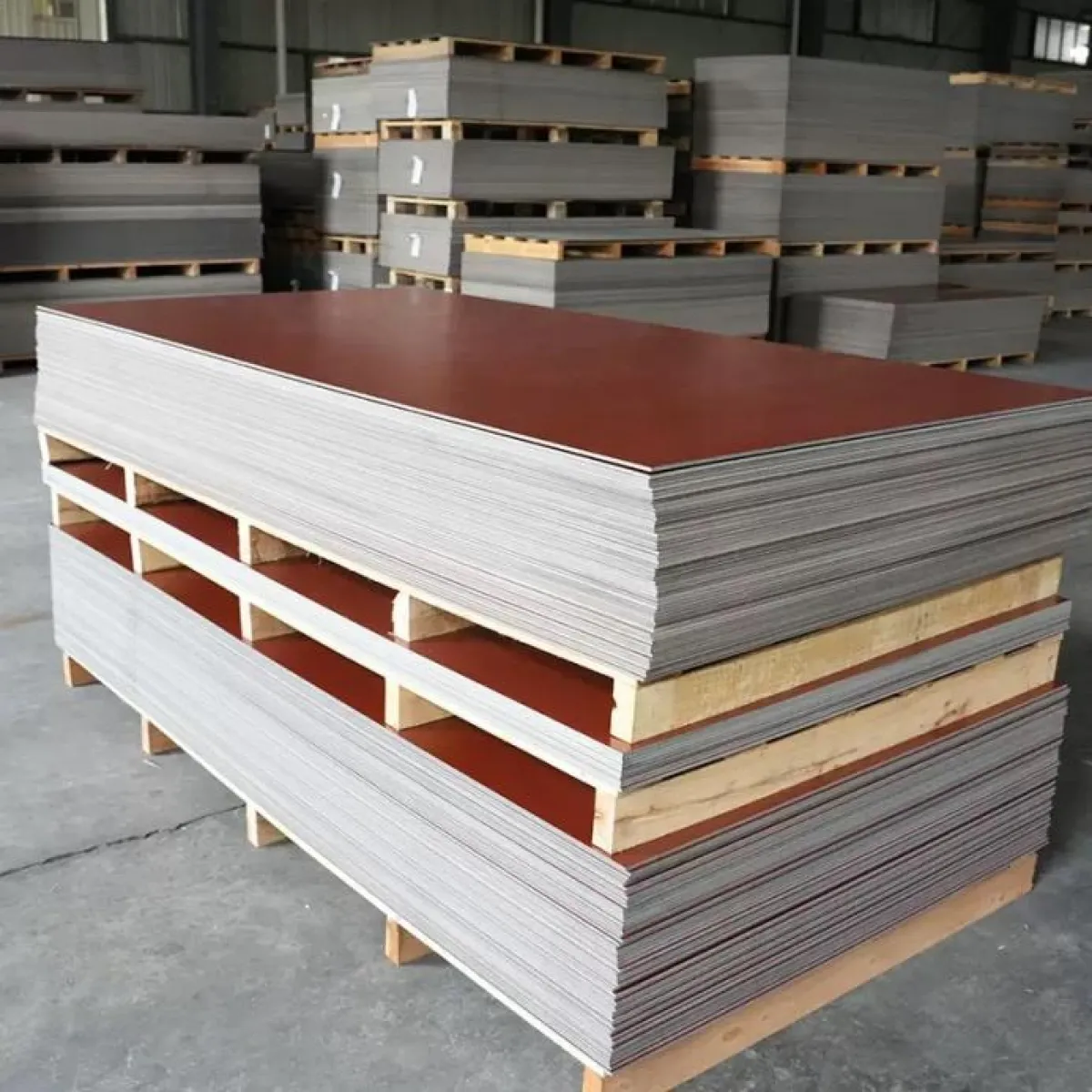
PFCP201 is manufactured using high-quality insulating paper impregnated with phenolic resin. After the raw materials are carefully inspected, the paper is passed through an automat
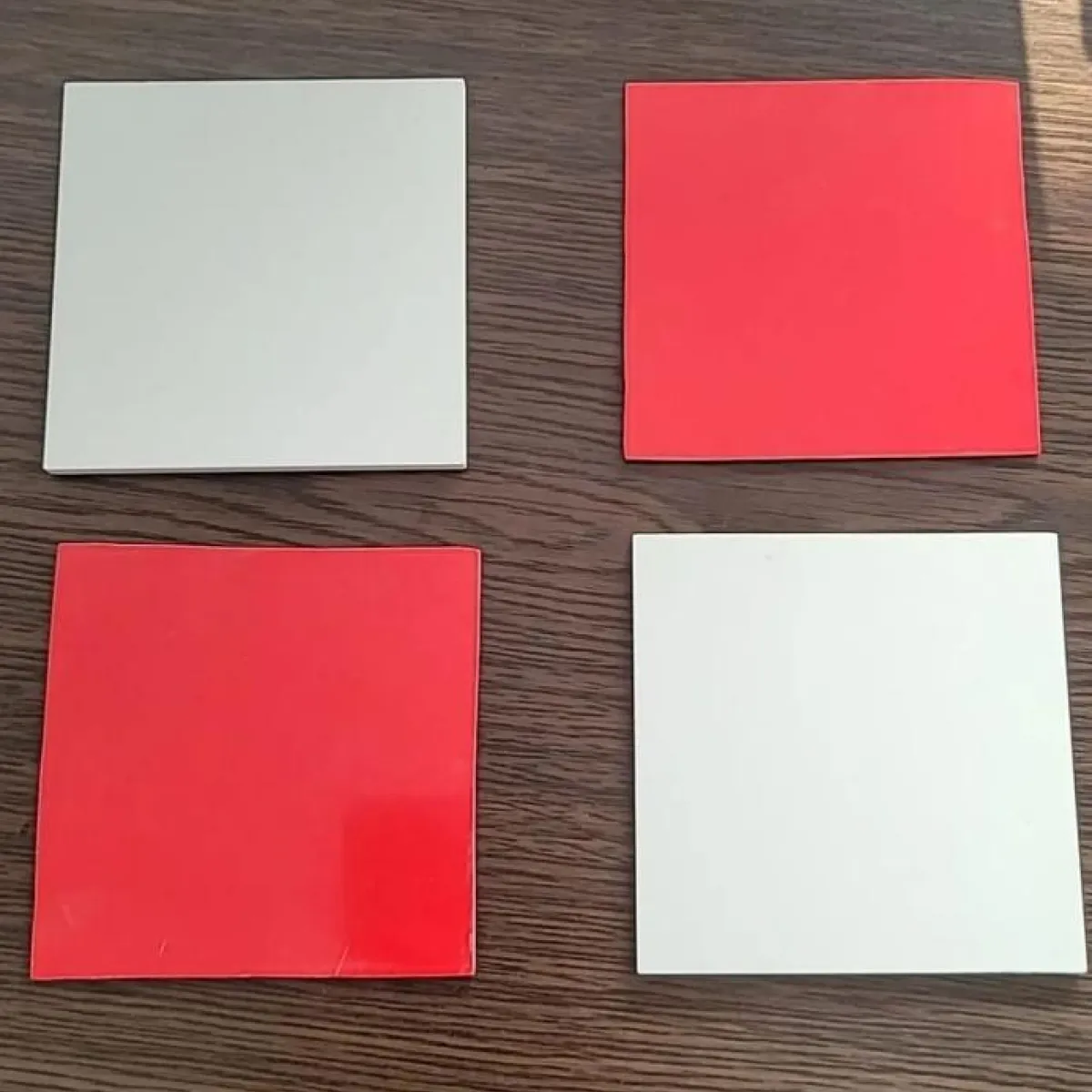
GPO-3 insulation board, also known as UPGM-203, is a rigid electrical insulation material made from alkali-free glass fiber mat impregnated with unsaturated polyester resin and pro
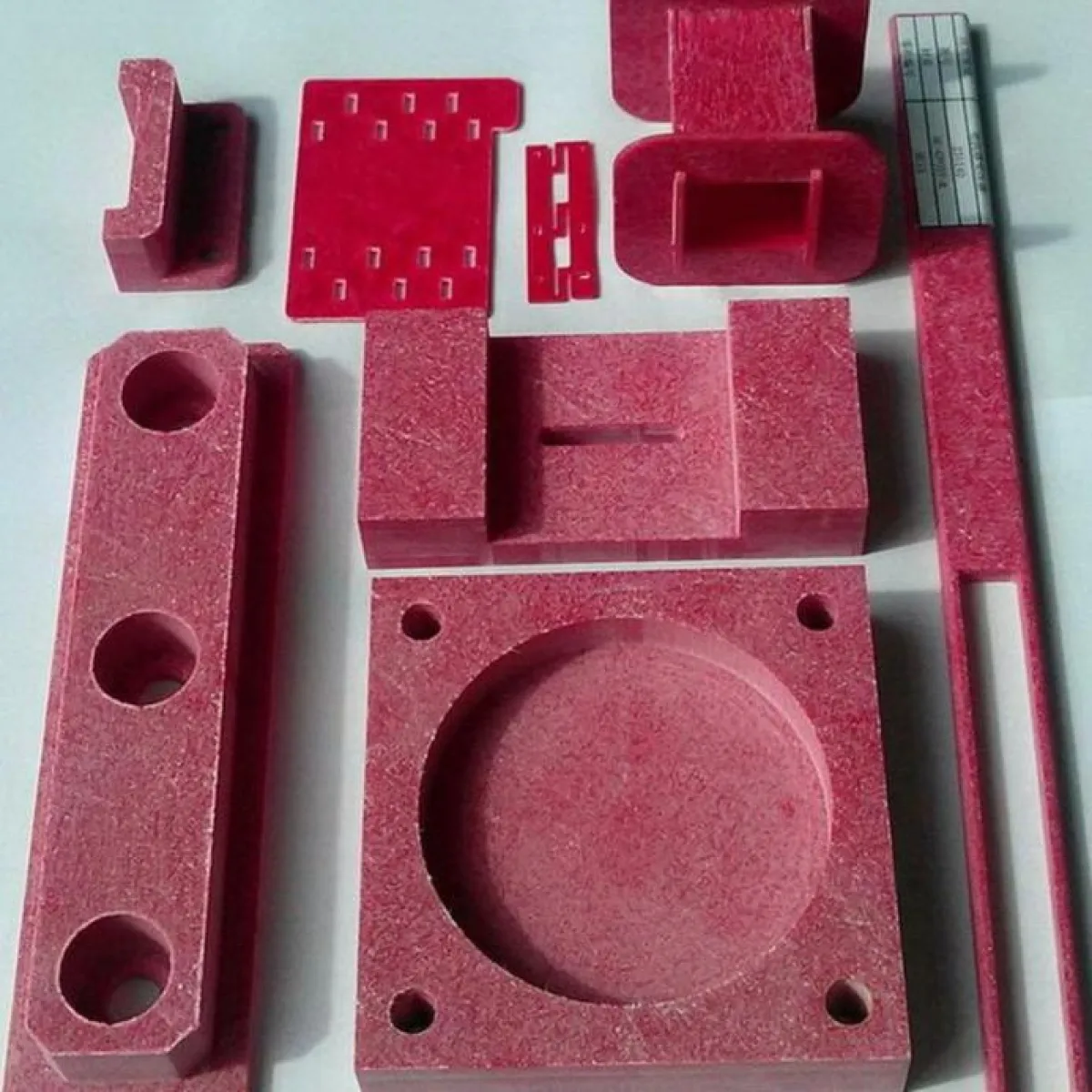
Compared with many conventional insulation materials, GPO-3 offers two particularly important advantages: strong resistance to heat and moisture, and stable electrical insulation p
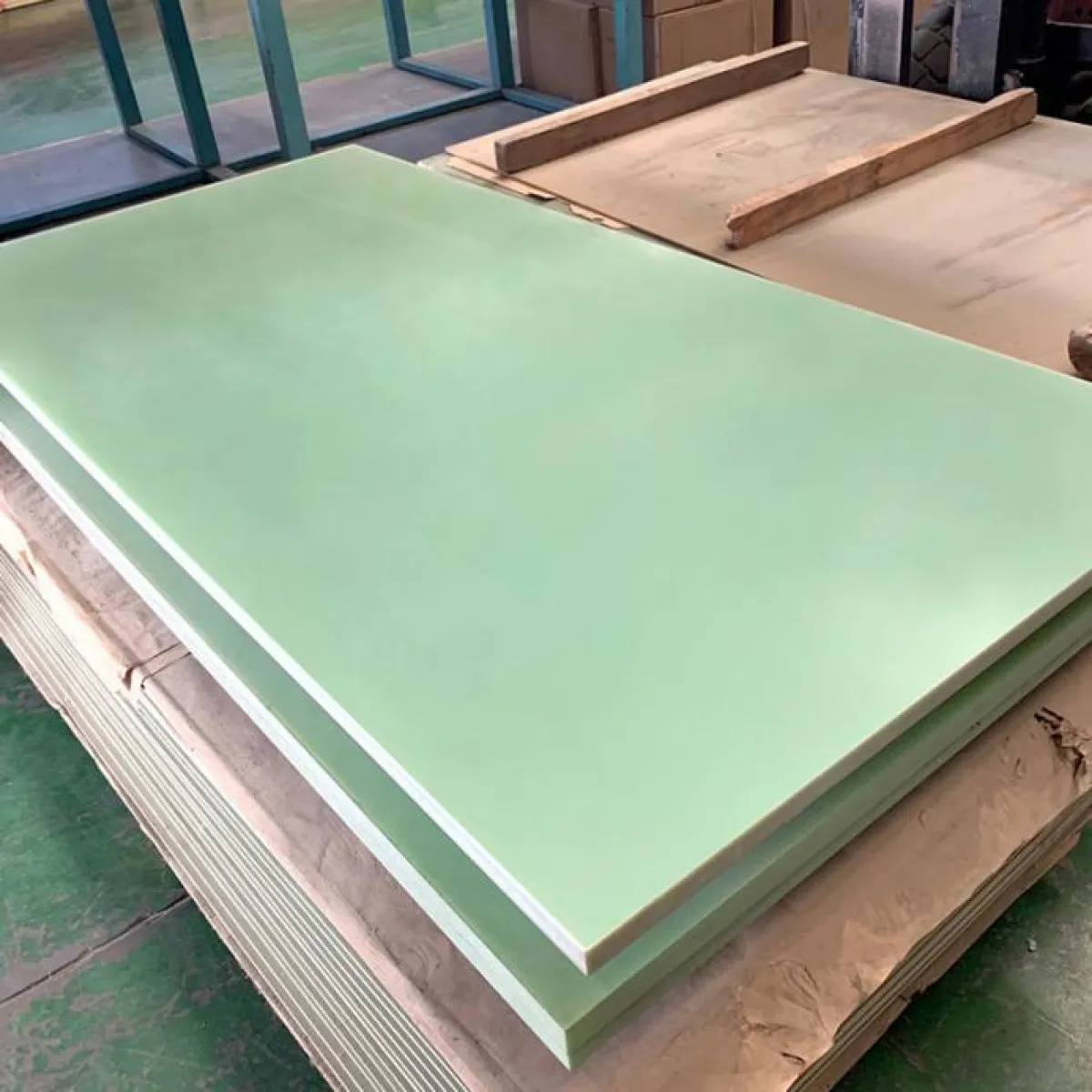
However, selecting a cryogenic insulation material based only on its standard properties may not be enough. In actual service, continuous immersion, concentrated mechanical loads,

Silicone Glass Cloth Sheet (G7) combines silicone resin with glass fiber cloth to provide a balance of high-temperature resistance, electrical insulation, mechanical strength, and
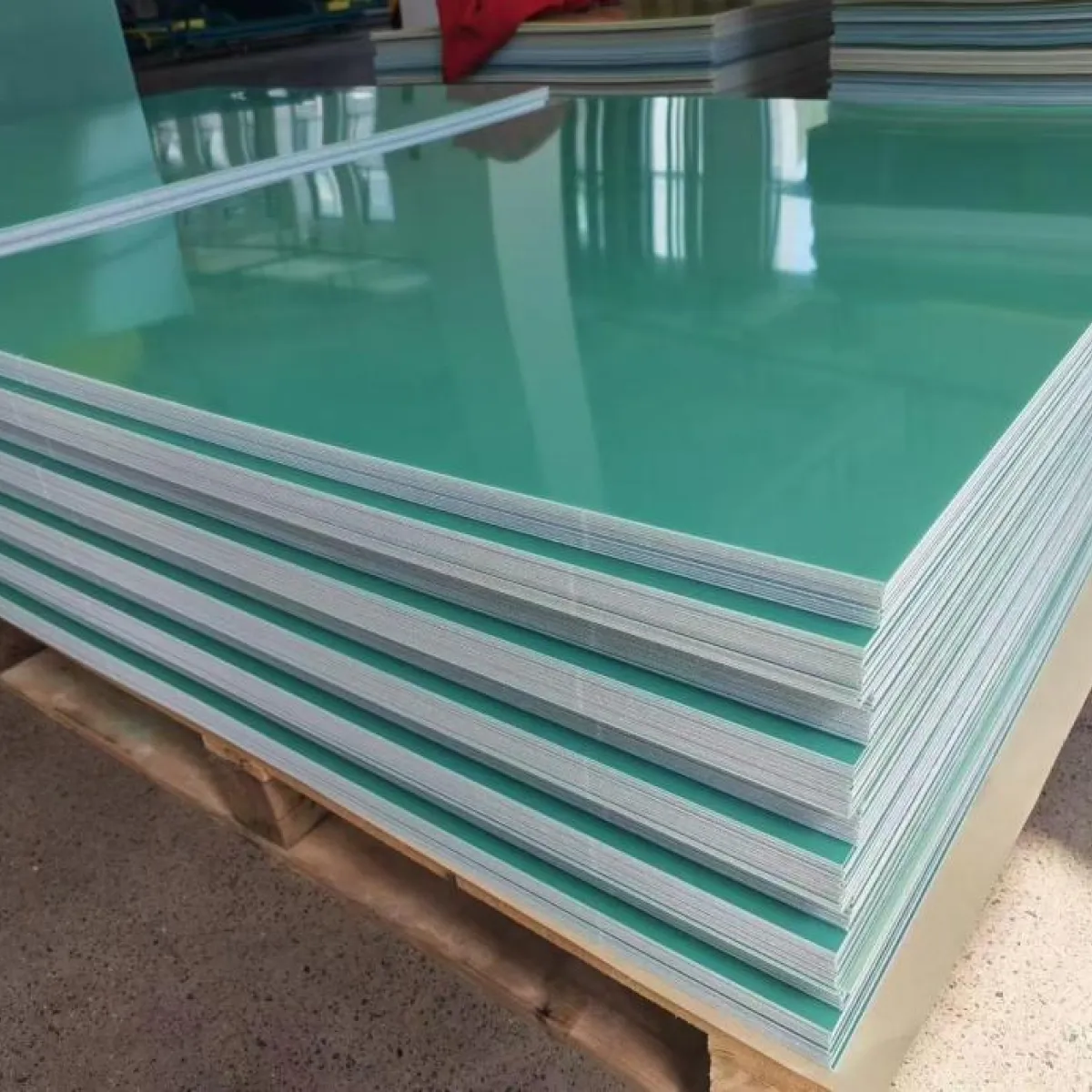
These properties make EPGC308 particularly suitable for electrical equipment operating under high temperature, high humidity and high-voltage conditions.
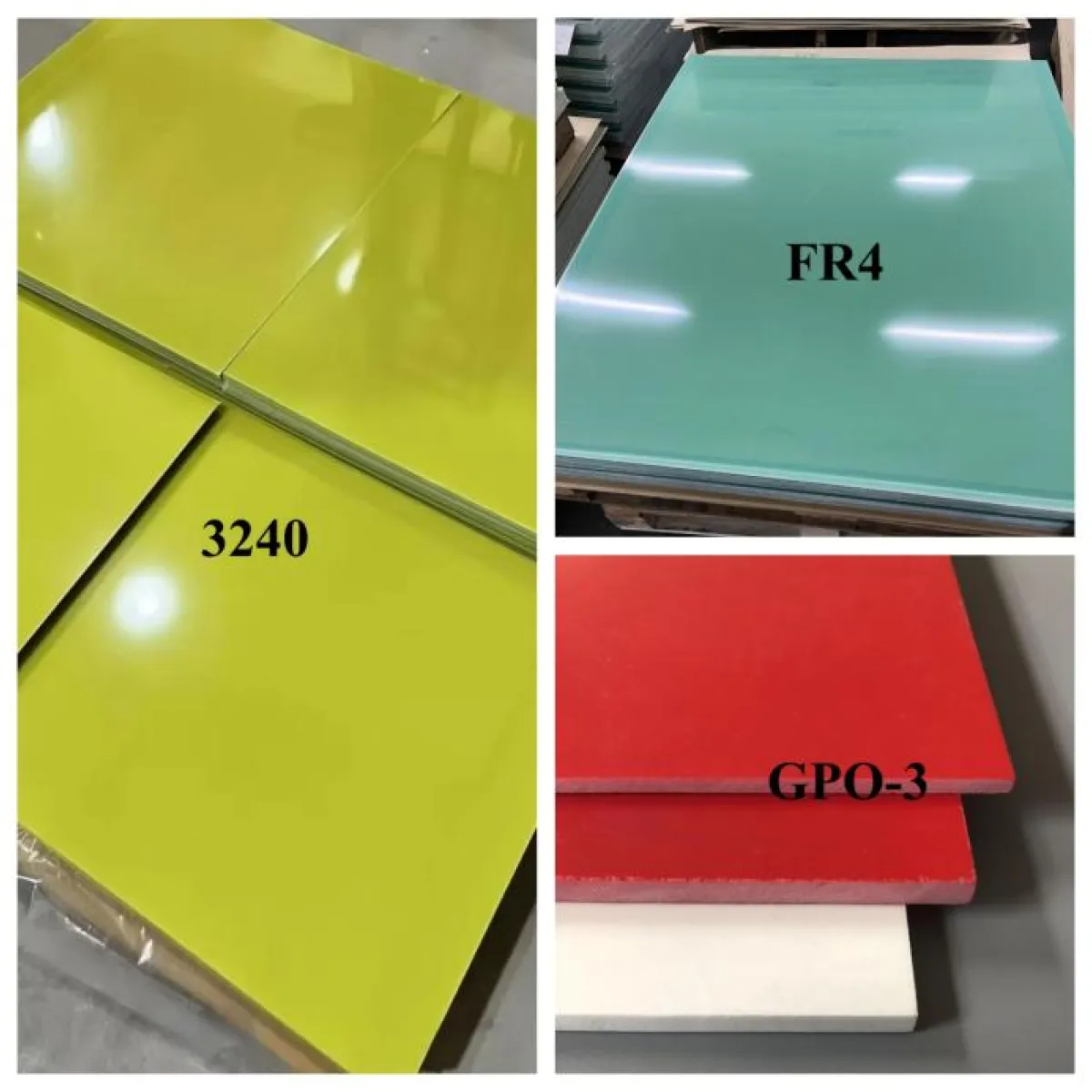
Understanding these differences can help engineers and buyers select the most suitable insulation material for their specific operating conditions.
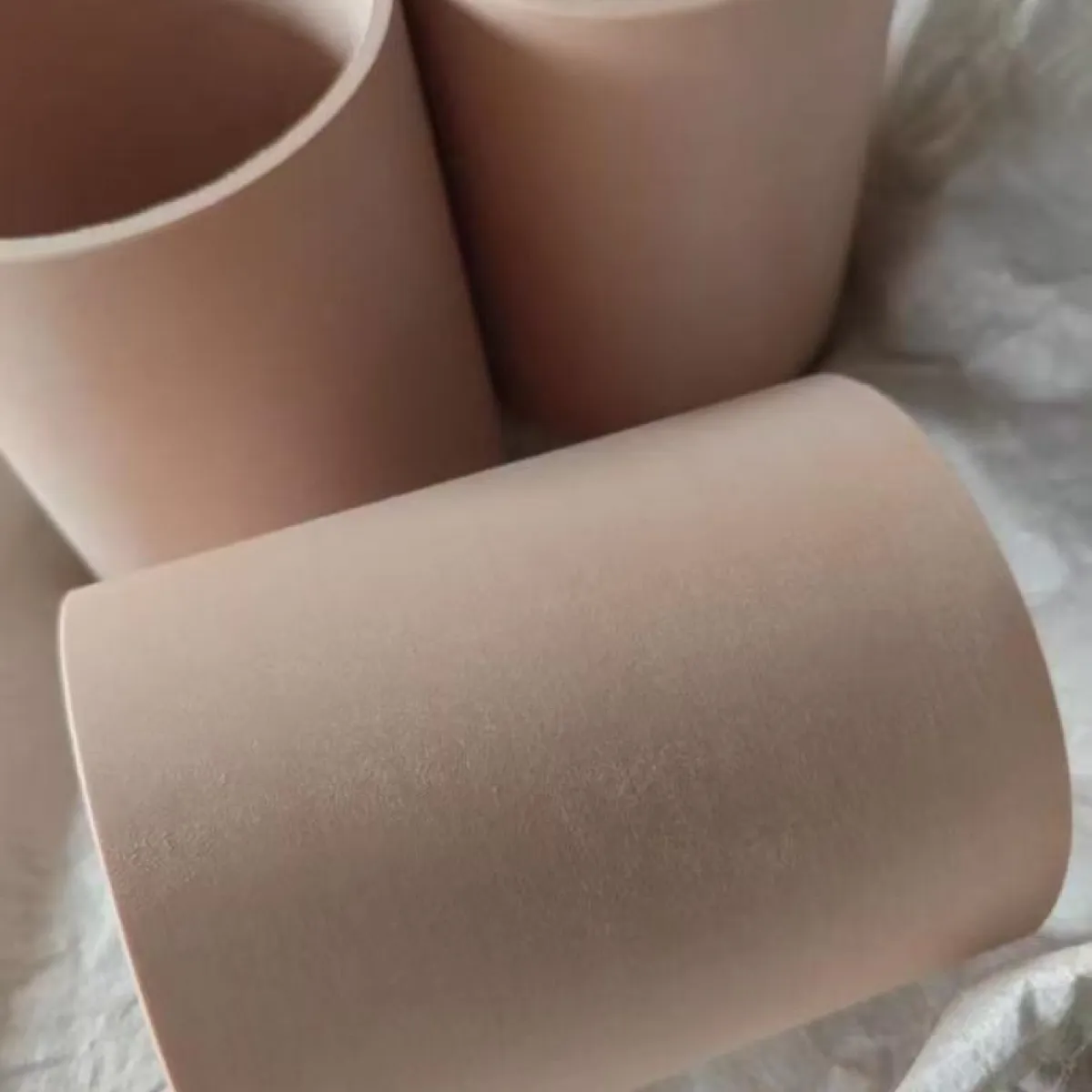
Phenolic Cotton Tube boasts multiple prominent competitive strengths for industrial use. It features extraordinary insulating performance: fully non-conductive, anti-static, and st
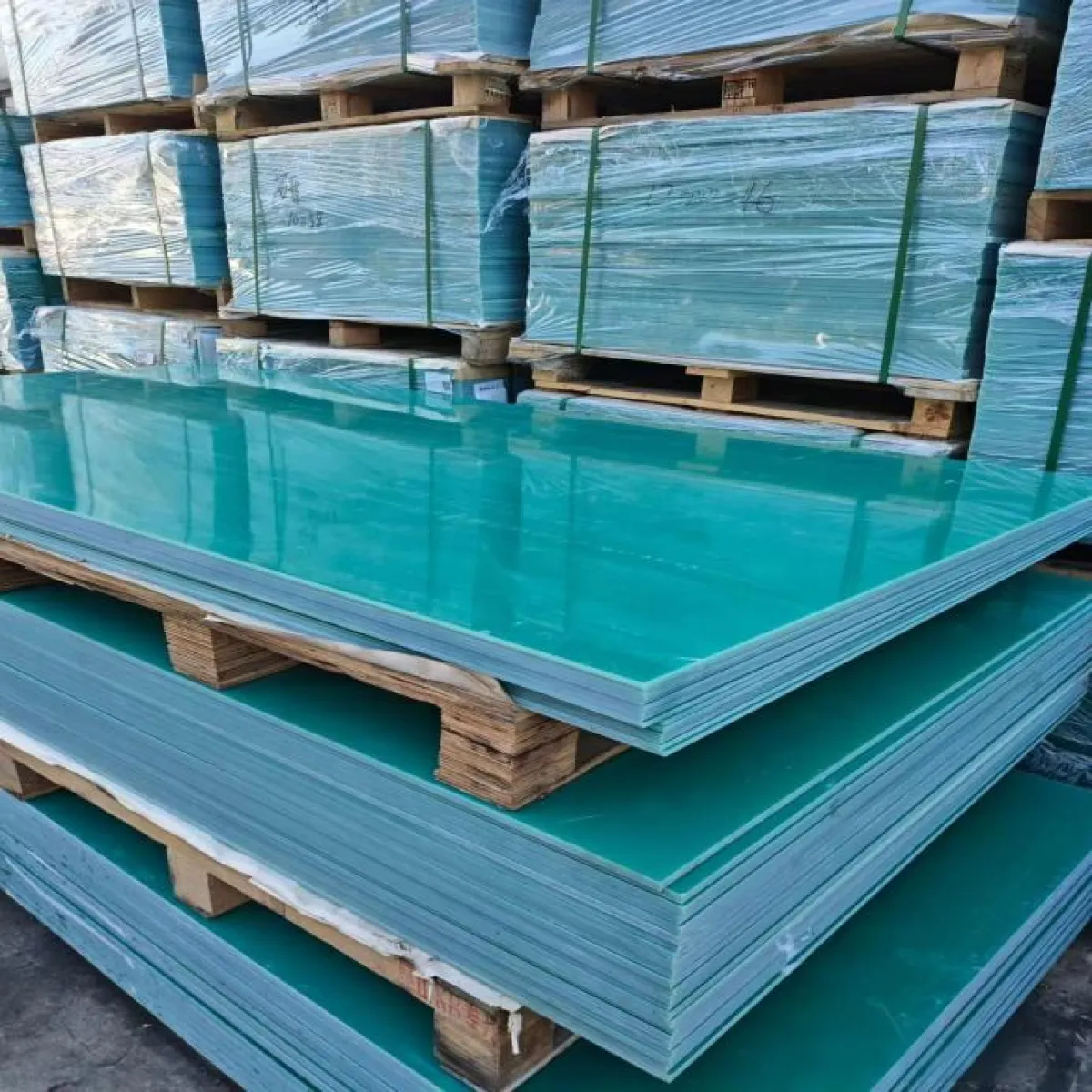
First let us look at its regular uses. In power plants, substations, power distribution rooms and other sites, Insulation Laminated Board is commonly laid on floors to avoid electr
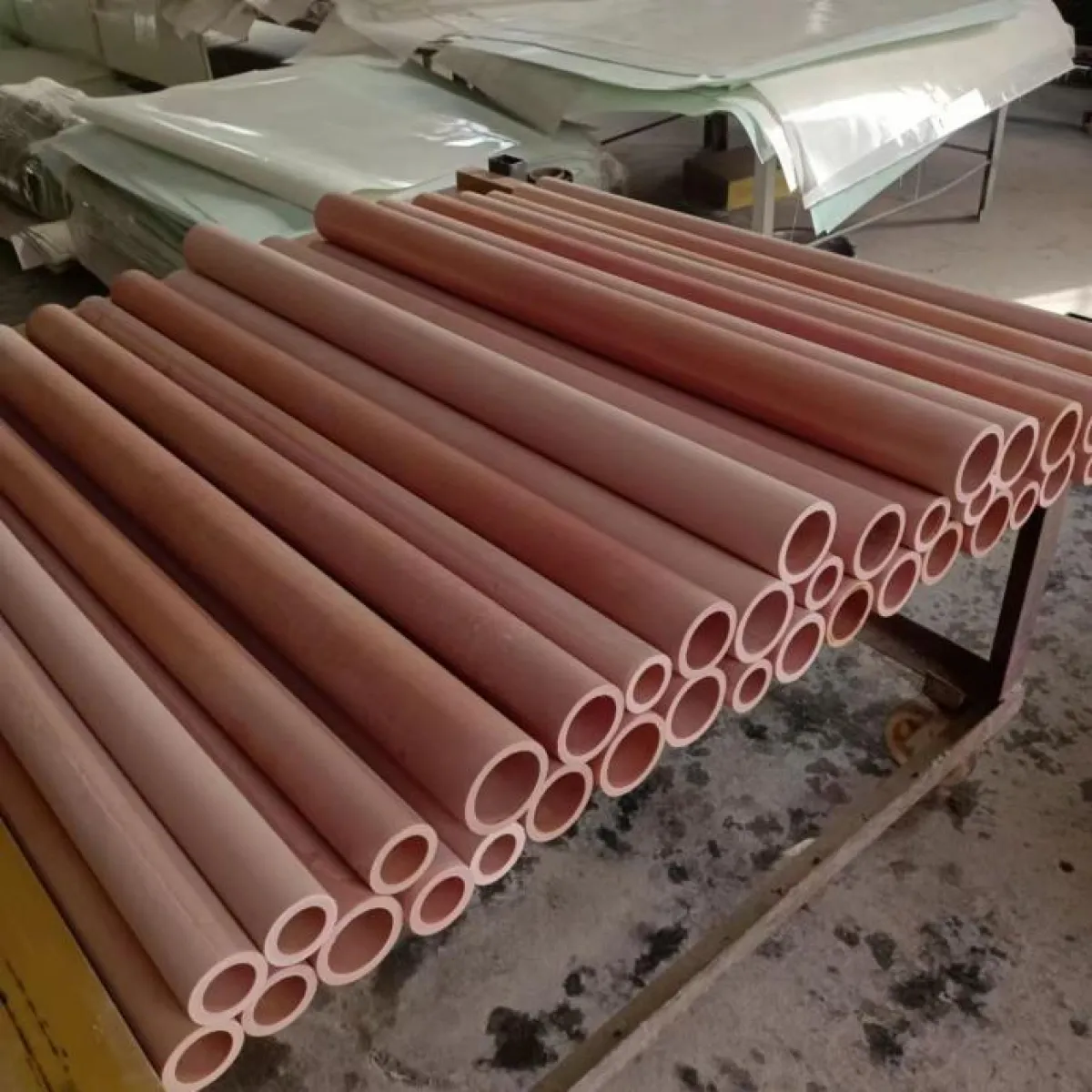
From the perspective of composite materials, Phenolic Cloth Tube is not made of a single substance, but formed by combining thermosetting phenolic resin with reinforcing materials

No.3, Mianzhi Street, Zhucheng, Shandong, China





Copyright © 2026 by Qingdao Yilong Insulation Material Company Limited All Rights Reserved