
Phenolic laminates remain essential materials in electrical insulation and mechanical engineering due to their durability, stability, and insulating performance. Among them, Phenolic Cotton Board (NEMA Grade L) has gained significant attention for its balanced properties and versatility. At YILONG, we provide a wide range of phenolic materials, and understanding the differences between Grade L, Grade C, and Grade LE is key to selecting the right solution for demanding industrial applications.
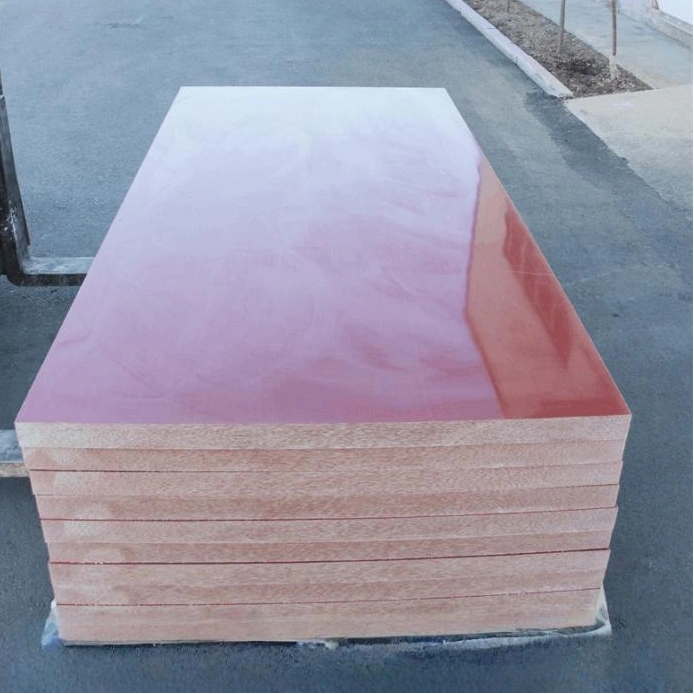
Material Composition and Structural Differences
The primary distinction between these phenolic grades lies in their base reinforcement materials. Phenolic Cotton Board (Grade L) is manufactured using cotton fabric combined with phenolic resin, delivering a uniform balance of strength, flexibility, and machinability.
In contrast, Grade C phenolic uses paper as its reinforcing material. While this offers good electrical insulation and cost efficiency, it typically lacks the mechanical strength and wear resistance required for heavy-duty applications. Grade LE phenolic, on the other hand, is reinforced with linen fabric, which provides higher mechanical strength than paper-based grades but can result in less uniformity compared to cotton-based laminates.
At YILONG, strict control over raw materials and resin systems ensures that our Phenolic Cotton Board maintains consistent fiber distribution and stable performance across different batches.
Mechanical Strength and Machinability
One of the most important advantages of Phenolic Cotton Board is its excellent machinability combined with solid mechanical strength. The cotton reinforcement allows for smooth cutting, drilling, and shaping without cracking or delamination, making it particularly suitable for precision components such as gears, rollers, and structural insulating parts.
Compared to Grade C, Grade L offers significantly higher tensile strength and better resistance to mechanical stress. While Grade LE also provides strong mechanical properties due to linen reinforcement, it may exhibit directional variability. In contrast, Phenolic Cotton Board delivers more uniform performance in multiple directions.
These characteristics make Grade L a preferred material in applications where both strength and processing accuracy are required.
Electrical Insulation Performance
Electrical insulation is a critical factor in selecting phenolic materials. Phenolic Cotton Board provides reliable dielectric strength and stable insulation performance under varying environmental conditions. Its balanced composition allows it to handle both medium and relatively high voltage applications with consistency.
Grade C phenolic is widely used in electrical insulation, especially in cost-sensitive applications, but its performance may be limited under higher electrical stress. Grade LE offers good insulation properties; however, due to the structure of linen fibers, slight variations in dielectric behavior may occur.
YILONG ensures that all Phenolic Cotton Board materials meet stringent electrical performance requirements, making them suitable for switchgear, transformers, and insulation systems.
Thermal Stability and Moisture Resistance
Phenolic Cotton Board also stands out in terms of thermal stability and resistance to moisture. The combination of cotton fabric and phenolic resin helps maintain dimensional stability even in humid or temperature-fluctuating environments.
Grade C, being paper-based, is generally more sensitive to moisture absorption, which can impact both mechanical and electrical performance over time. Grade LE performs better than Grade C in thermal conditions but may not match the overall moisture resistance and stability of Phenolic Cotton Board.
This makes Grade L particularly suitable for outdoor equipment, industrial environments, and applications involving temperature cycling.
Typical Applications Across Industries
Thanks to its well-balanced properties, Phenolic Cotton Board is widely used in electrical, mechanical, and industrial sectors. Common applications include insulating components, gears, bearings, wear-resistant parts, and precision-machined elements.
In the electrical industry, it is used for switchgear parts, transformer insulation, and terminal boards. In mechanical systems, it serves as a reliable material for load-bearing and friction-related components. Its resistance to oils and chemicals further expands its use in industrial equipment and processing environments.
YILONG supplies high-quality Phenolic Cotton Board tailored for these demanding applications, ensuring long-term reliability and performance.
Conclusion
Phenolic Cotton Board (NEMA Grade L) distinguishes itself from Grade C and Grade LE through its cotton-based reinforcement, offering a superior combination of machinability, mechanical strength, electrical insulation, and environmental stability. While each phenolic grade has its own advantages, Grade L provides a well-rounded solution for applications requiring both performance and precision.
As industries continue to demand higher efficiency and reliability, YILONG remains committed to delivering advanced phenolic materials that meet international standards and customer-specific requirements.
For more information about YILONG Phenolic Cotton Board and customized solutions, please feel free to contact us.
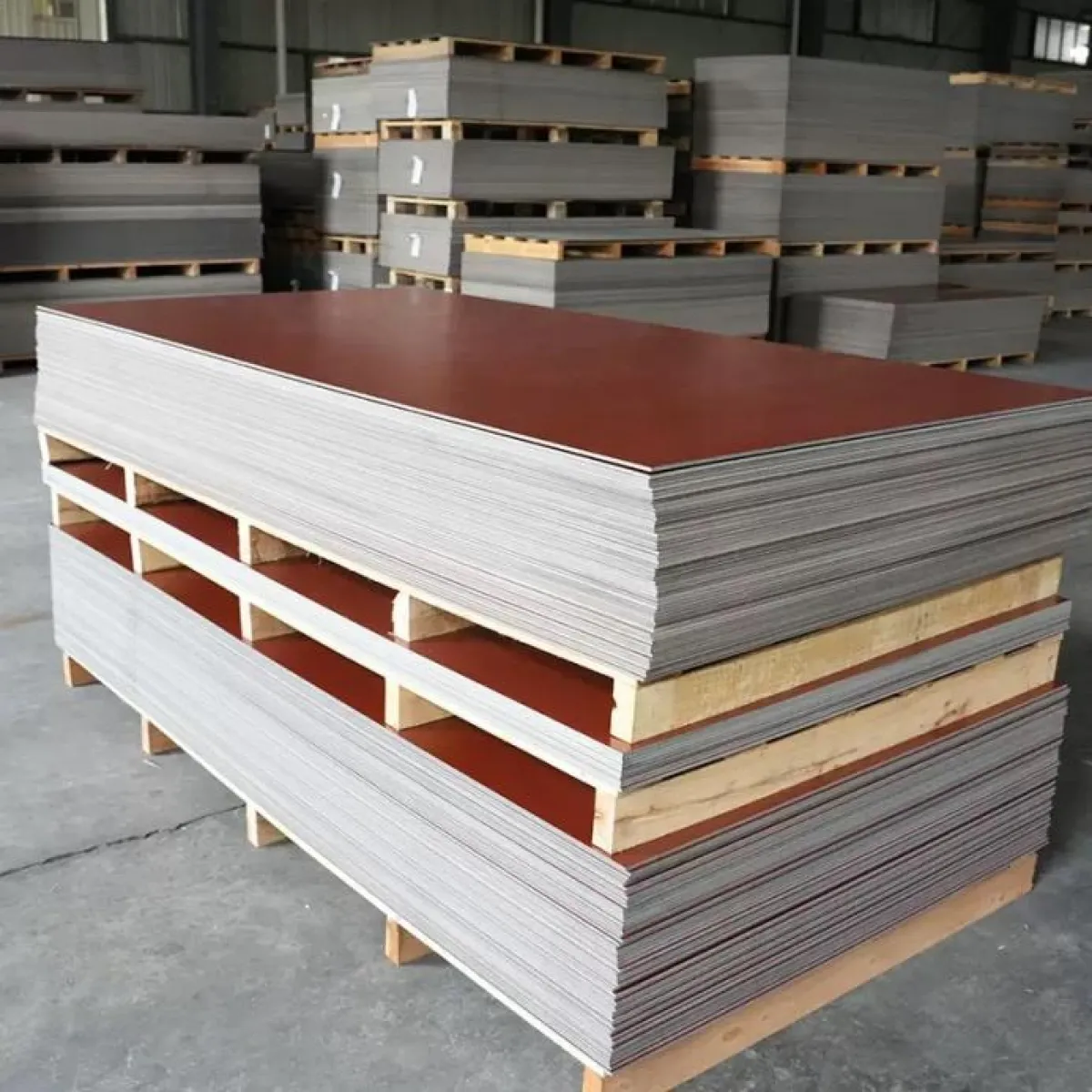
PFCP201 is manufactured using high-quality insulating paper impregnated with phenolic resin. After the raw materials are carefully inspected, the paper is passed through an automat
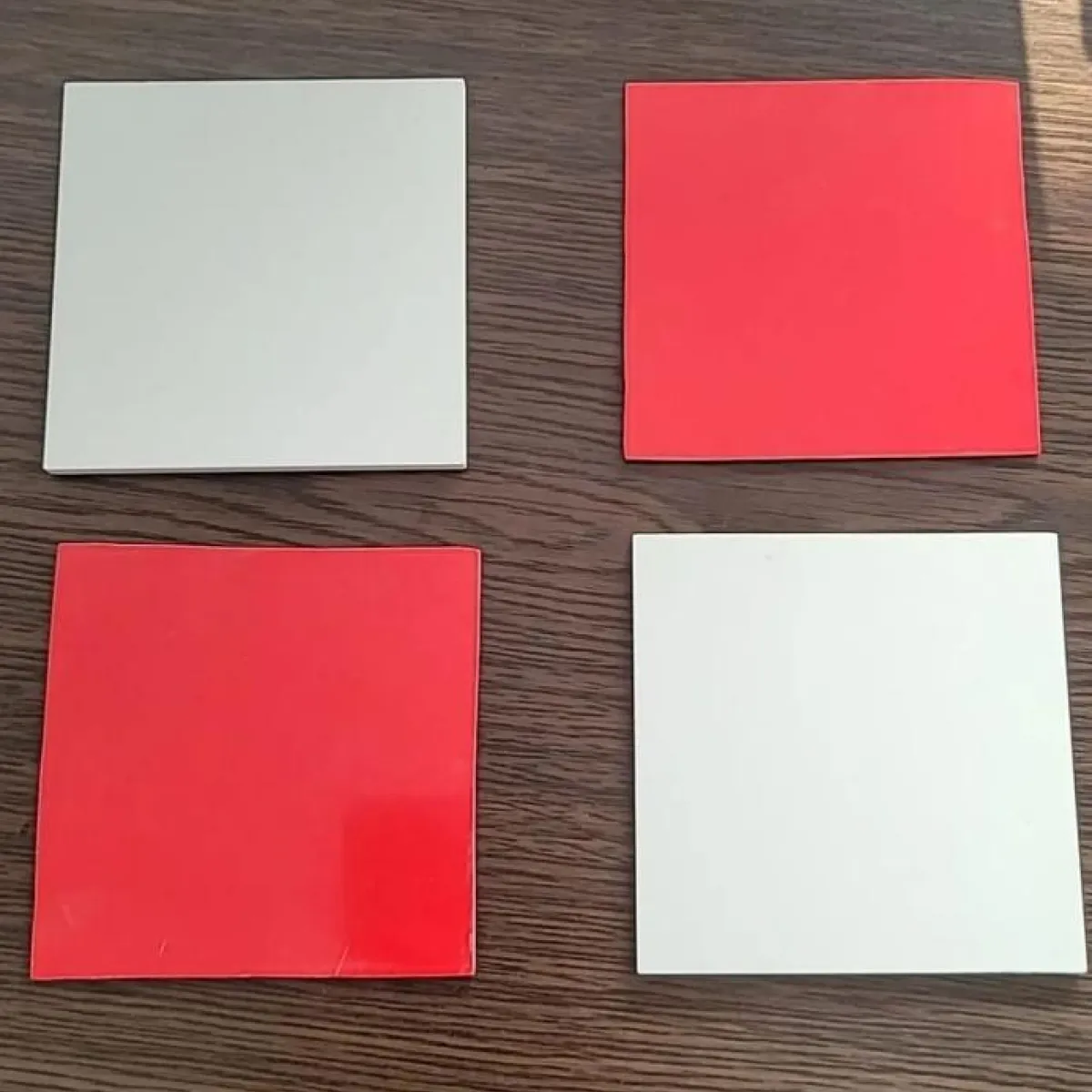
GPO-3 insulation board, also known as UPGM-203, is a rigid electrical insulation material made from alkali-free glass fiber mat impregnated with unsaturated polyester resin and pro
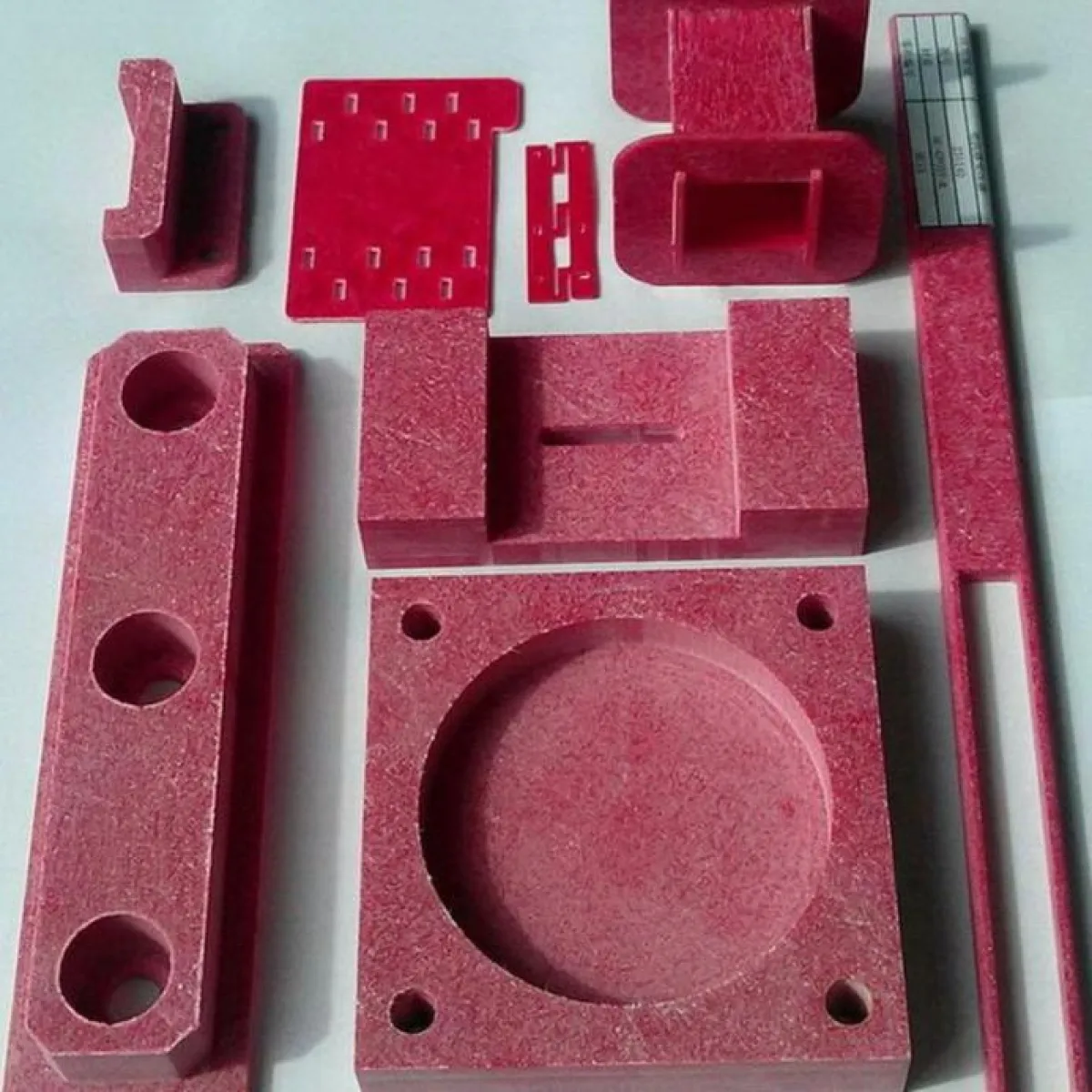
Compared with many conventional insulation materials, GPO-3 offers two particularly important advantages: strong resistance to heat and moisture, and stable electrical insulation p
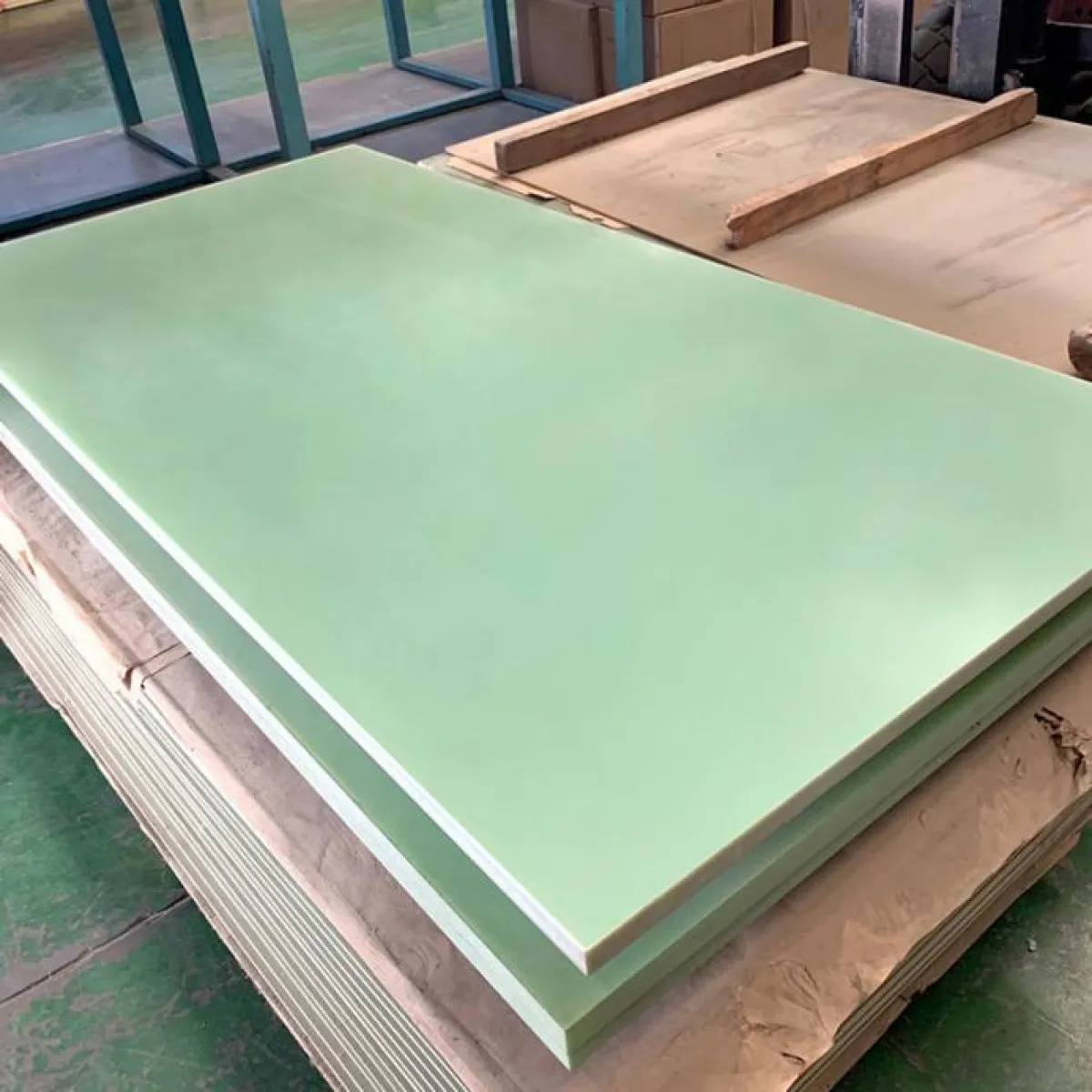
However, selecting a cryogenic insulation material based only on its standard properties may not be enough. In actual service, continuous immersion, concentrated mechanical loads,

Silicone Glass Cloth Sheet (G7) combines silicone resin with glass fiber cloth to provide a balance of high-temperature resistance, electrical insulation, mechanical strength, and
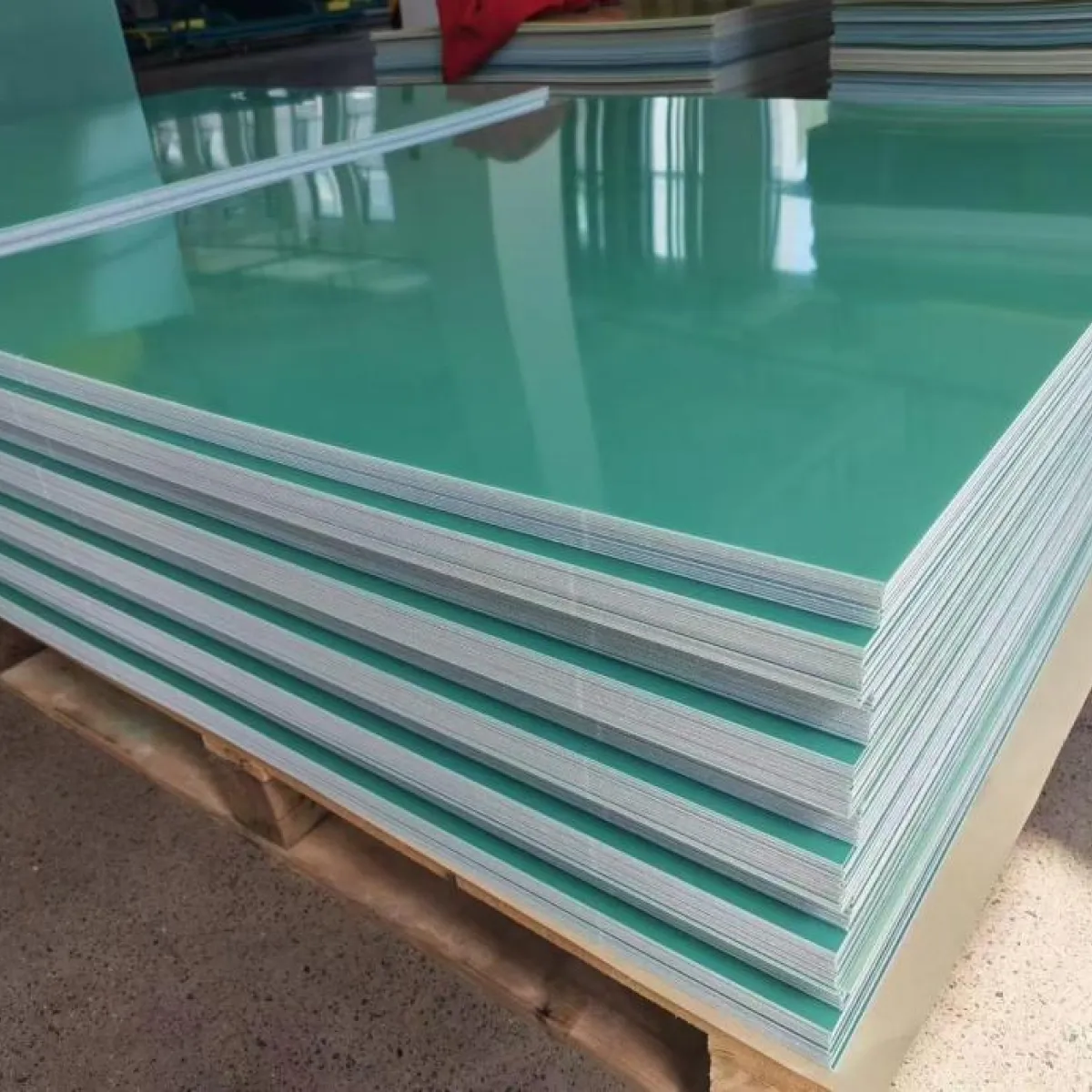
These properties make EPGC308 particularly suitable for electrical equipment operating under high temperature, high humidity and high-voltage conditions.
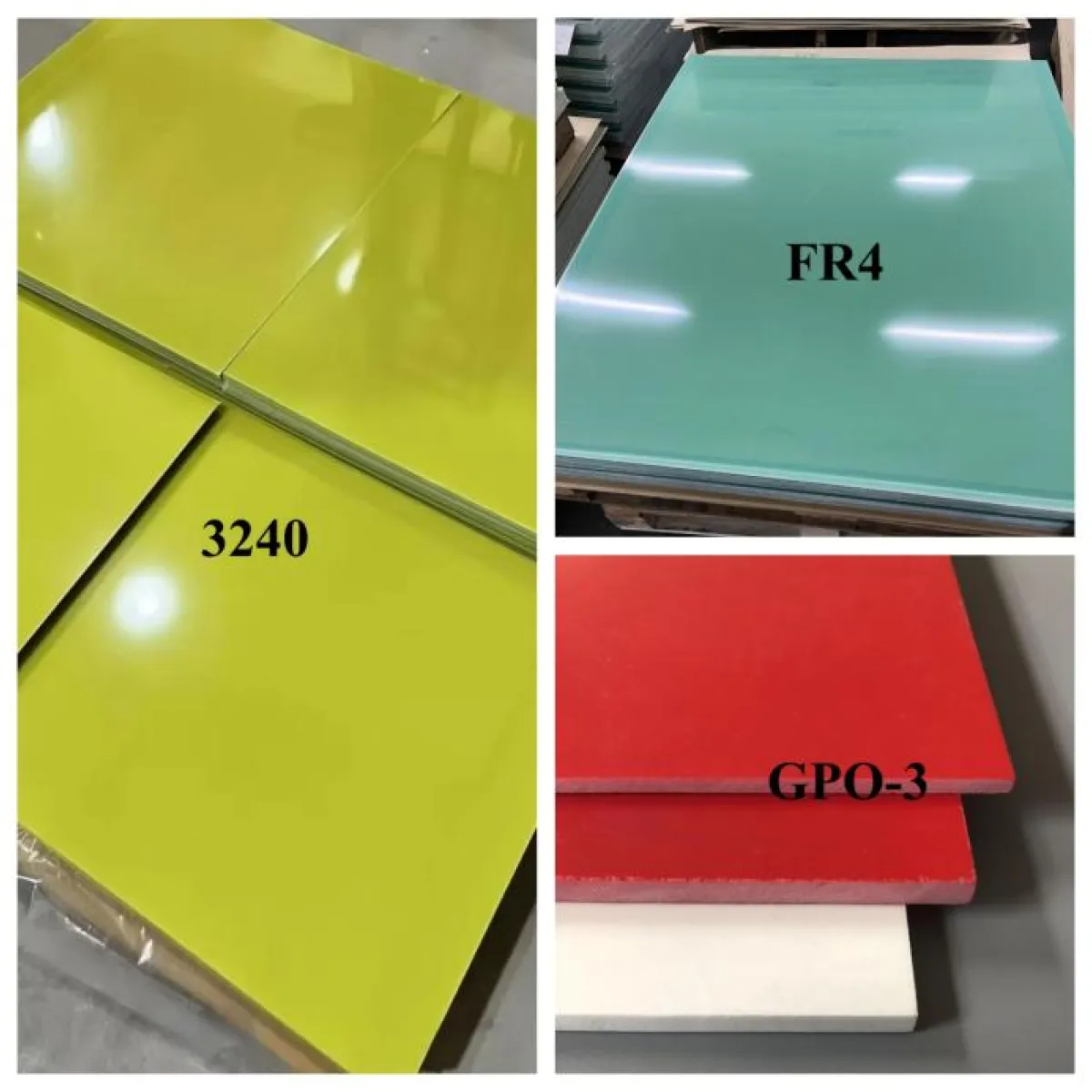
Understanding these differences can help engineers and buyers select the most suitable insulation material for their specific operating conditions.
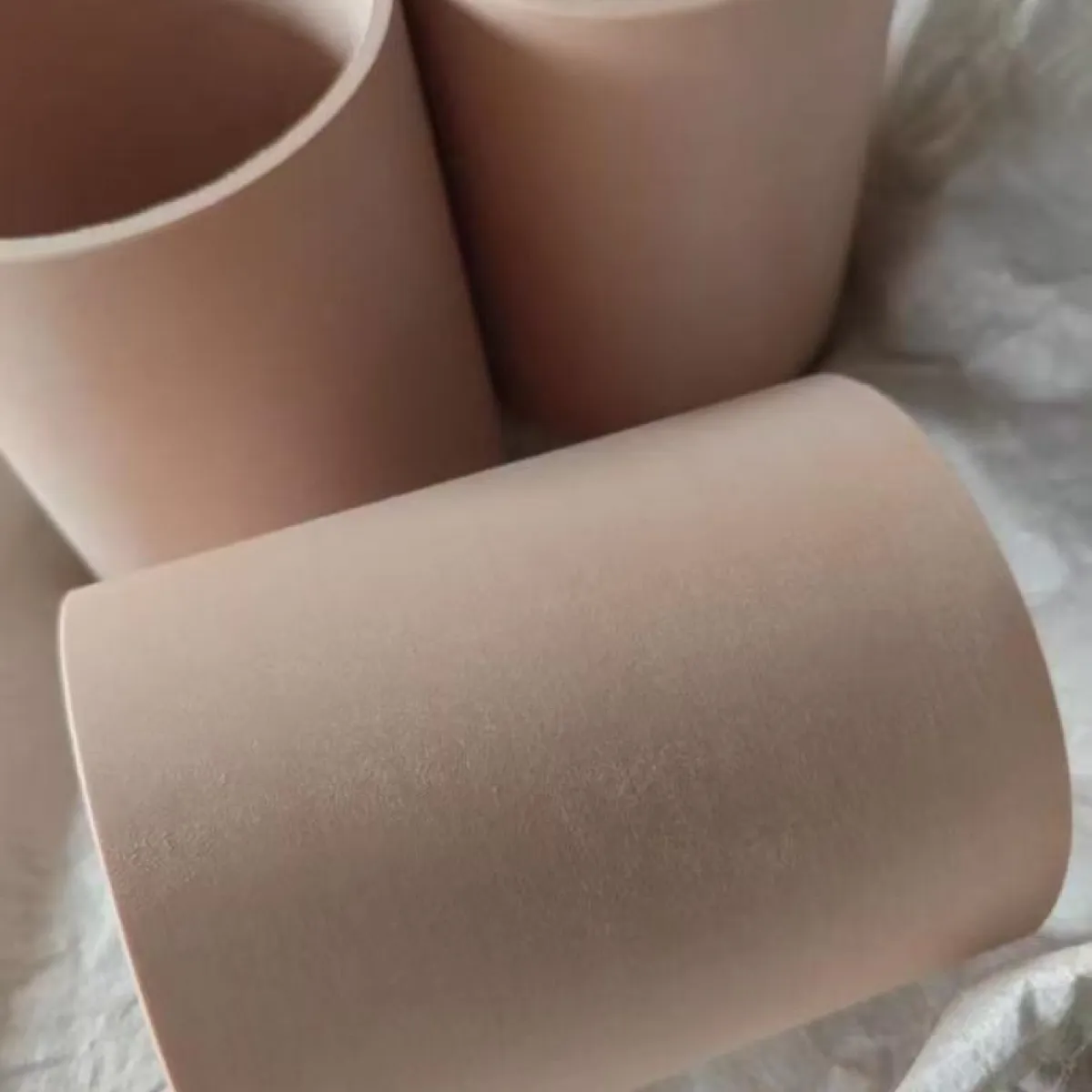
Phenolic Cotton Tube boasts multiple prominent competitive strengths for industrial use. It features extraordinary insulating performance: fully non-conductive, anti-static, and st
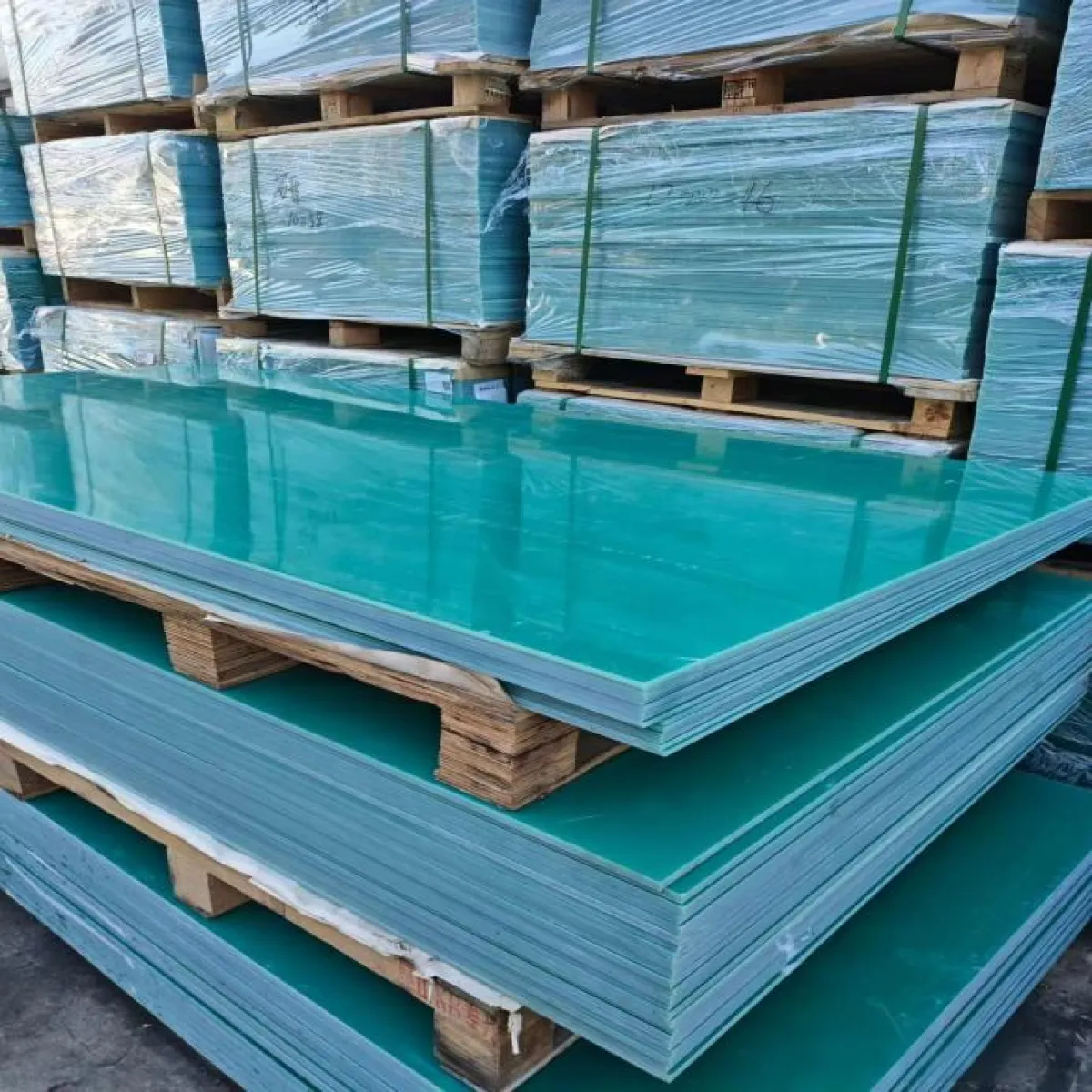
First let us look at its regular uses. In power plants, substations, power distribution rooms and other sites, Insulation Laminated Board is commonly laid on floors to avoid electr
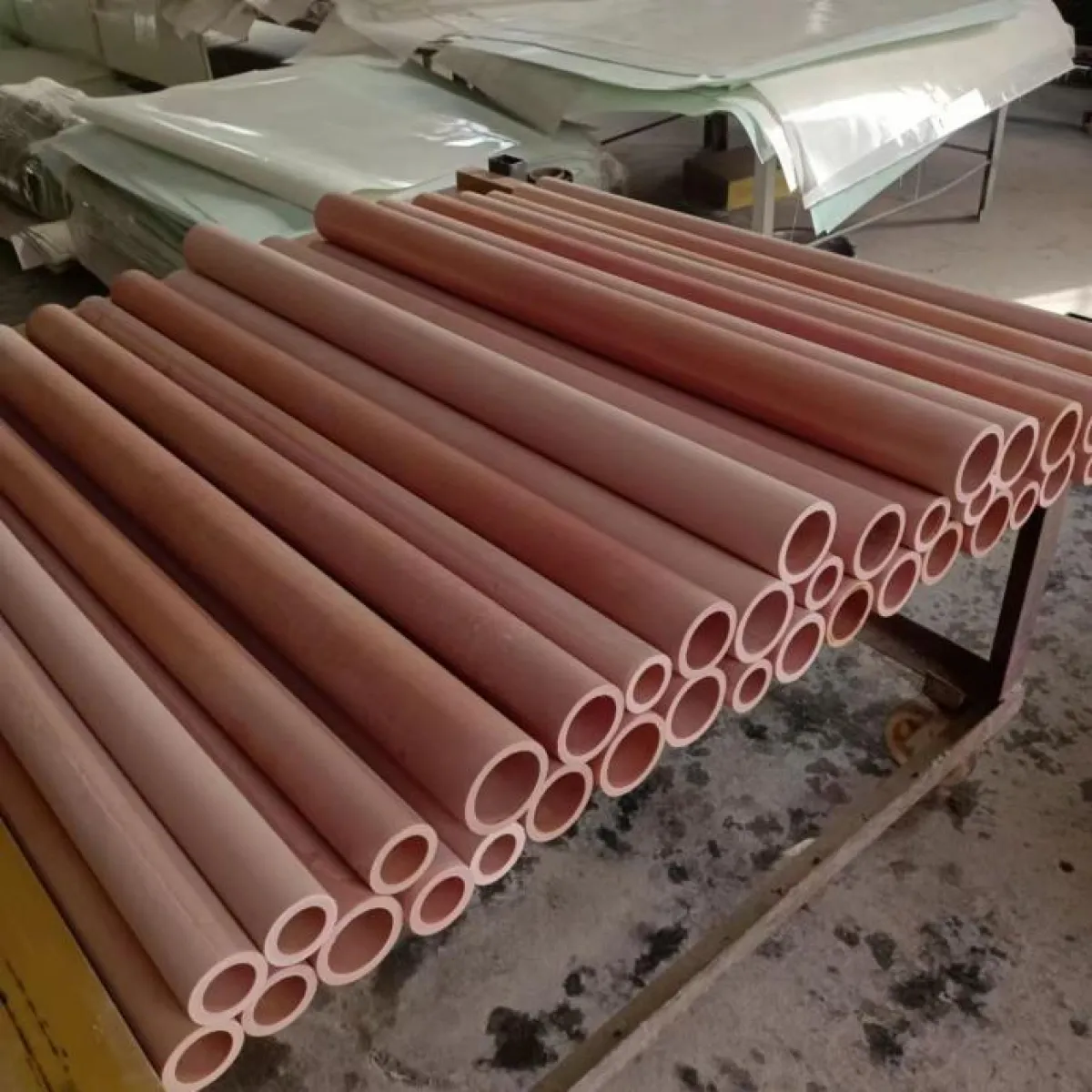
From the perspective of composite materials, Phenolic Cloth Tube is not made of a single substance, but formed by combining thermosetting phenolic resin with reinforcing materials

No.3, Mianzhi Street, Zhucheng, Shandong, China





Copyright © 2026 by Qingdao Yilong Insulation Material Company Limited All Rights Reserved