
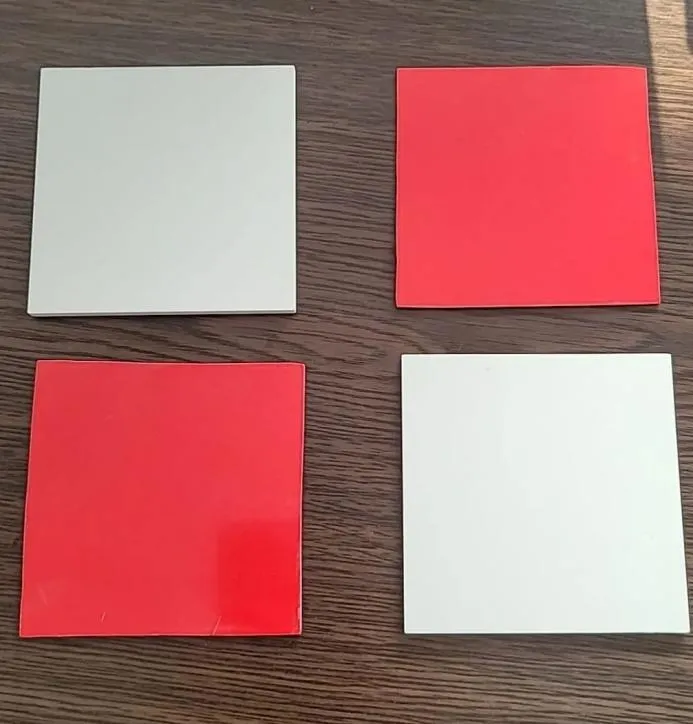
SMC insulation board, also known as Sheet Molding Compound, is a molded composite material mainly made from specialized glass fiber, unsaturated polyester resin and various fillers. With good electrical insulation and corrosion resistance, SMC is widely used in transportation, construction, electronics and electrical equipment.
GPO-3 insulation board, also known as UPGM-203, is a rigid electrical insulation material made from alkali-free glass fiber mat impregnated with unsaturated polyester resin and processed under heat and pressure. It is designed for both mechanical and electrical applications and offers good electrical performance under high humidity, good mechanical strength at moderate temperatures, flame resistance, arc resistance and excellent tracking resistance.
Although both GPO-3 and SMC are used in electrical applications, they have different material structures and manufacturing characteristics. Their performance advantages therefore vary depending on the application.
GPO-3 for Rigid Electrical Insulation
GPO-3 is widely used as an insulation and structural material in motors, switchgear and other electrical equipment. Typical applications include circuit breakers, DC motors and AC contactors.
The glass fiber mat reinforcement gives GPO-3 high stiffness and a relatively high elastic modulus. It also offers good machining performance, making it suitable for cutting, drilling and machining into complex electrical insulation components.
When properly processed, GPO-3 can maintain good structural integrity during machining. Its high surface and volume resistivity also provide reliable electrical insulation performance.
The combination of mechanical strength, electrical insulation, flame resistance, arc resistance and tracking resistance makes GPO-3 particularly suitable for demanding electrical insulation applications.
SMC for Molded Electrical Components
SMC has a different structure and manufacturing process from GPO-3 laminate. As a molded composite material, its properties depend strongly on the formulation, fiber content and molding process.
Compared with GPO-3, SMC generally has a lower elastic modulus and rigidity. It can therefore be more susceptible to deformation under certain mechanical loads, while its machining performance is generally less suited to applications requiring extensive precision machining.
SMC is mainly used for molded electrical components and parts where complex shapes and efficient mass production are important. Typical applications include electrical enclosures, switch boxes, instrument covers, motor components and insulators.
GPO-3 vs. SMC: Which Material Should You Choose?
The choice between GPO-3 and SMC should be based on the actual requirements of the application rather than material type alone.
GPO-3 is particularly suitable when high rigidity, mechanical strength, electrical insulation, arc resistance, tracking resistance and machinability are important. It is commonly selected for structural insulation components in motors, circuit breakers, switchgear and other electrical equipment.
SMC can be advantageous for molded components with complex geometries, especially where high-volume production and molding efficiency are priorities.
When selecting an electrical insulation material, engineers should consider mechanical load, dielectric requirements, operating temperature, humidity, flame resistance, component geometry and manufacturing process together.
Choosing the Right Insulation Material
GPO-3 and SMC are not simply interchangeable materials. Their different reinforcement structures and manufacturing methods give them different performance characteristics and application advantages.
For rigid electrical insulation components that require high stiffness, reliable insulation performance and good resistance to electrical arcing and tracking, GPO-3 offers a strong combination of properties. For complex molded electrical housings and components, SMC may be a more practical solution.
The best material is ultimately the one that matches the actual working conditions and manufacturing requirements of the component.
YILONG has been focused on electrical insulation materials and customized insulation solutions for motors, switchgear, circuit breakers and other electrical equipment. GPO-3 / UPGM-203 sheets can be supplied in different thicknesses and further processed into customized components according to drawings or samples.
Website: www.yilonginsulation.com
Email: yilong@yilonginsulation.com
WhatsApp: +86 15866869385
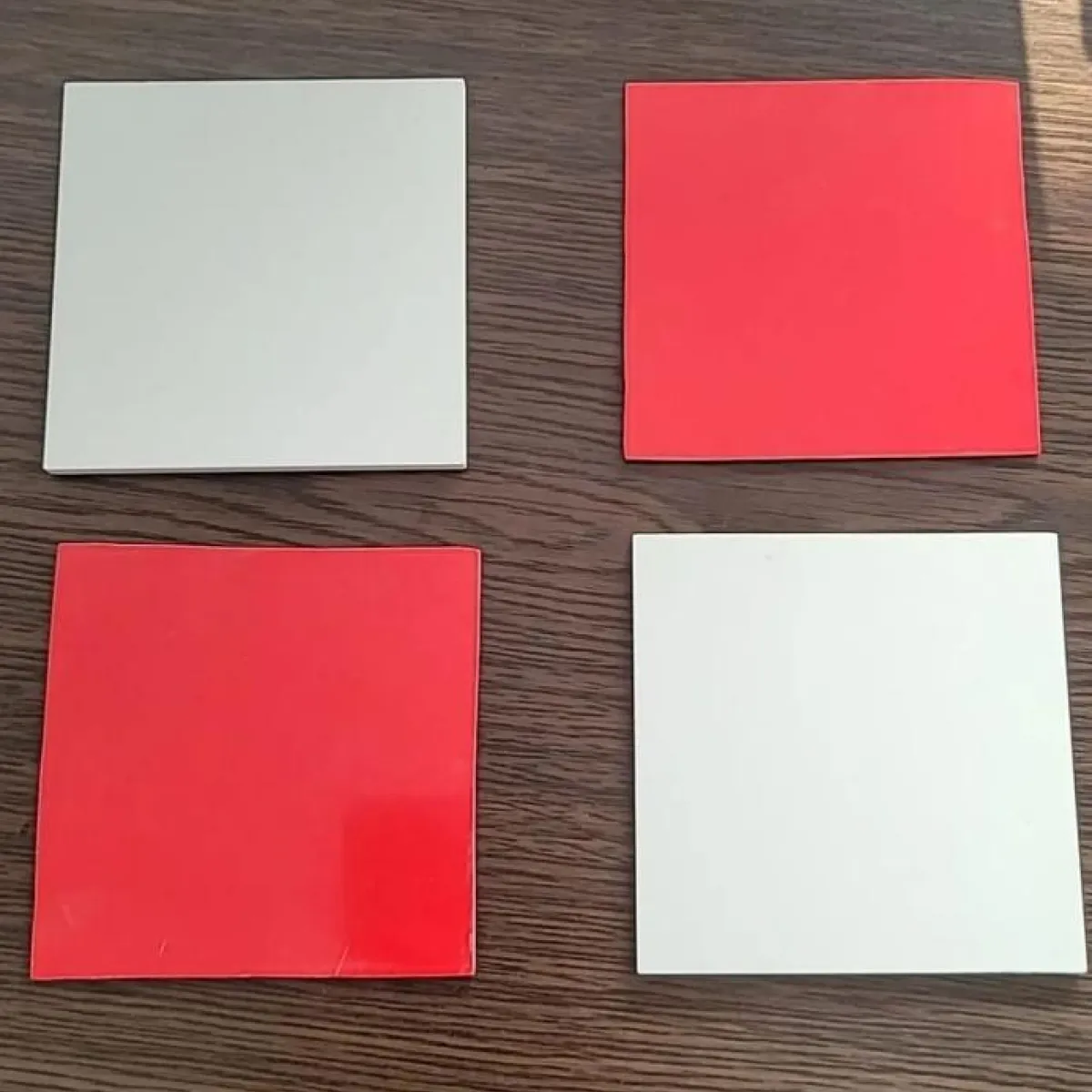
GPO-3 insulation board, also known as UPGM-203, is a rigid electrical insulation material made from alkali-free glass fiber mat impregnated with unsaturated polyester resin and pro
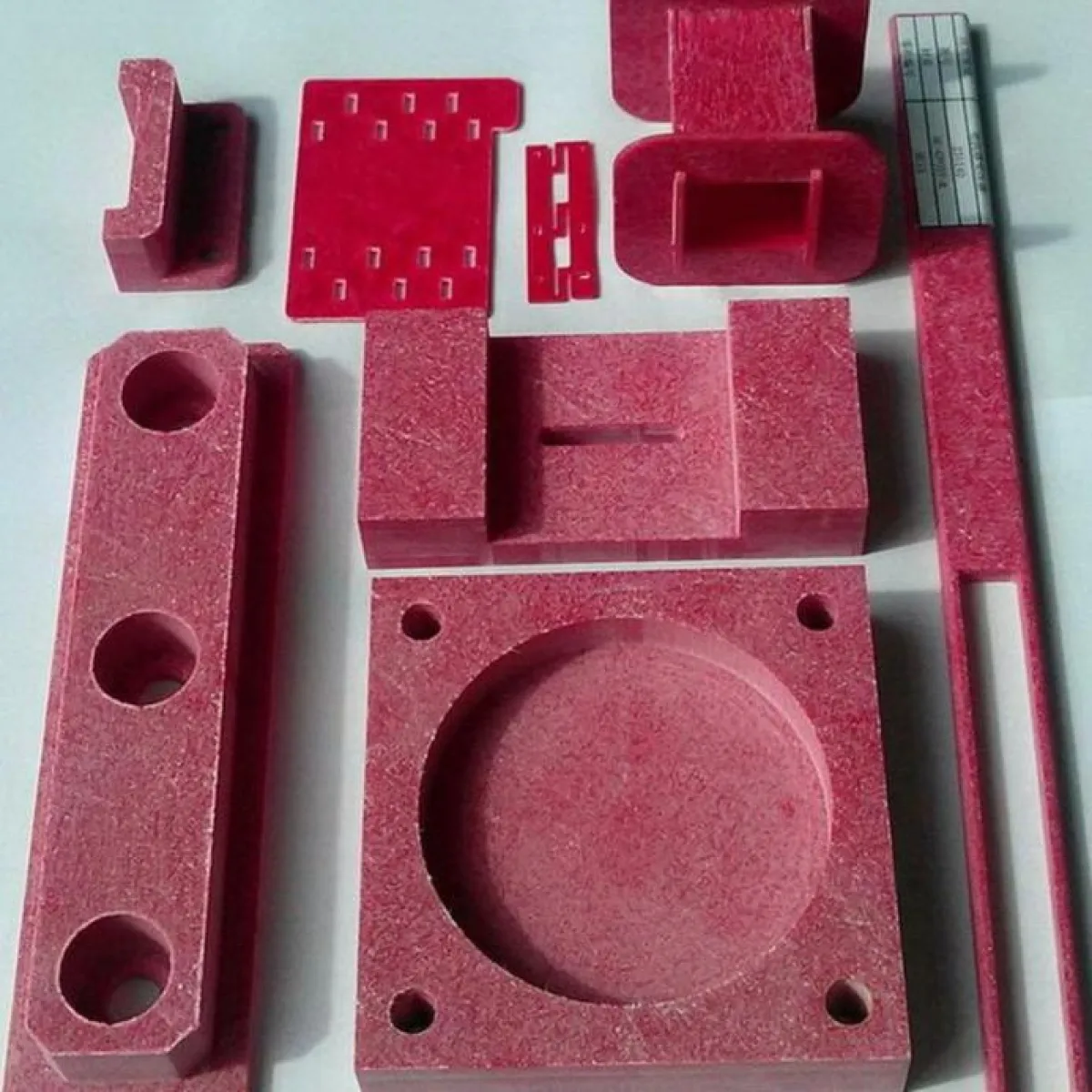
Compared with many conventional insulation materials, GPO-3 offers two particularly important advantages: strong resistance to heat and moisture, and stable electrical insulation p
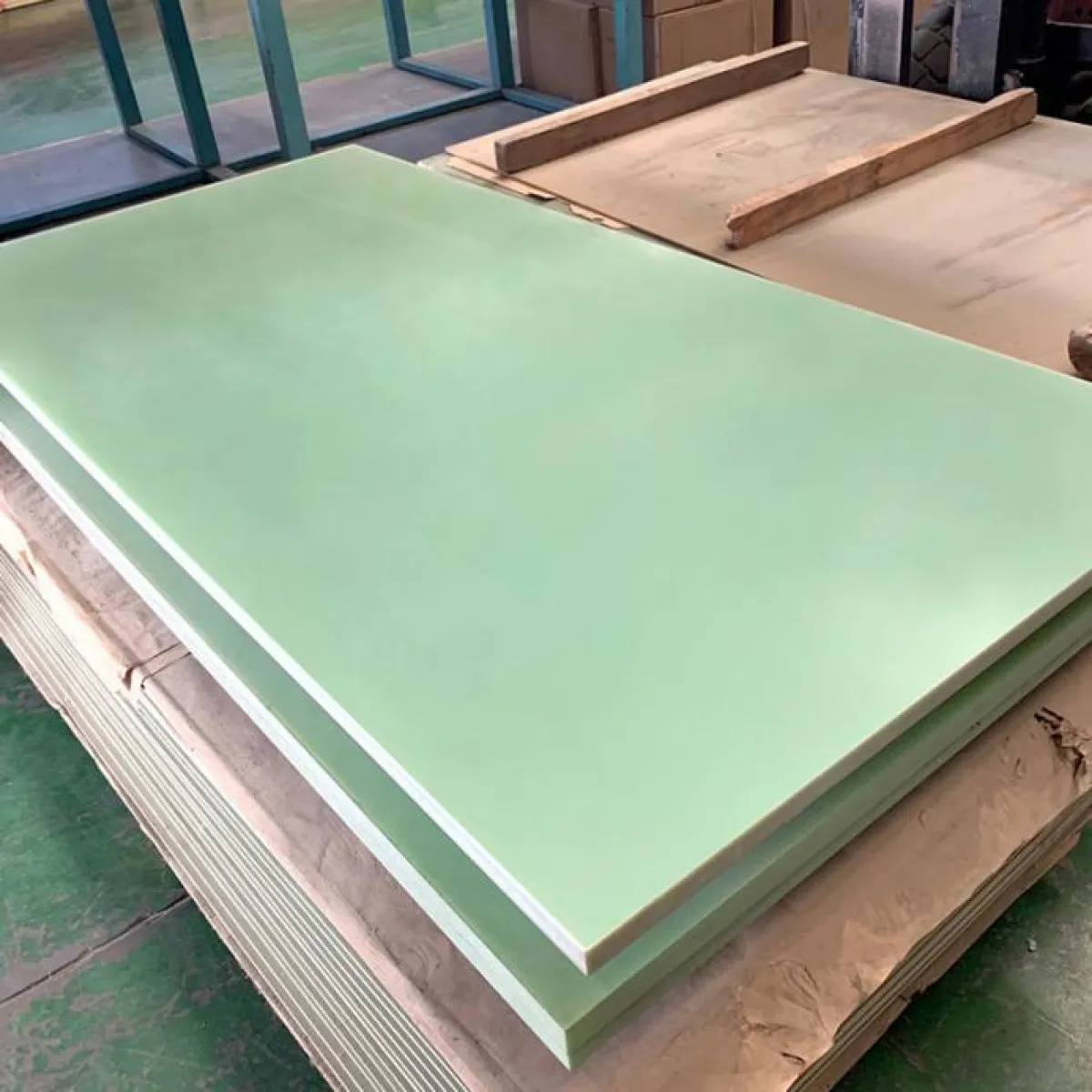
However, selecting a cryogenic insulation material based only on its standard properties may not be enough. In actual service, continuous immersion, concentrated mechanical loads,

Silicone Glass Cloth Sheet (G7) combines silicone resin with glass fiber cloth to provide a balance of high-temperature resistance, electrical insulation, mechanical strength, and
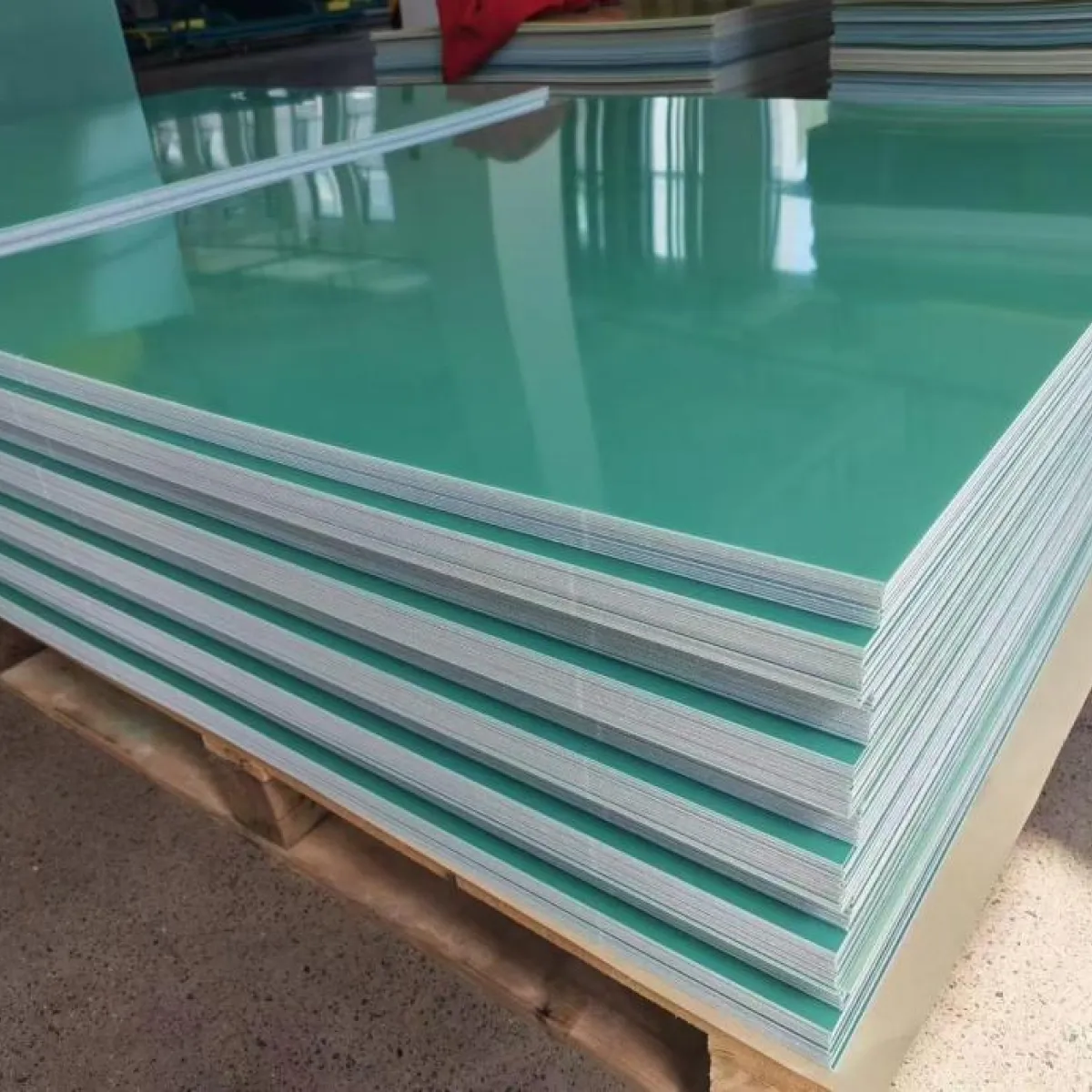
These properties make EPGC308 particularly suitable for electrical equipment operating under high temperature, high humidity and high-voltage conditions.
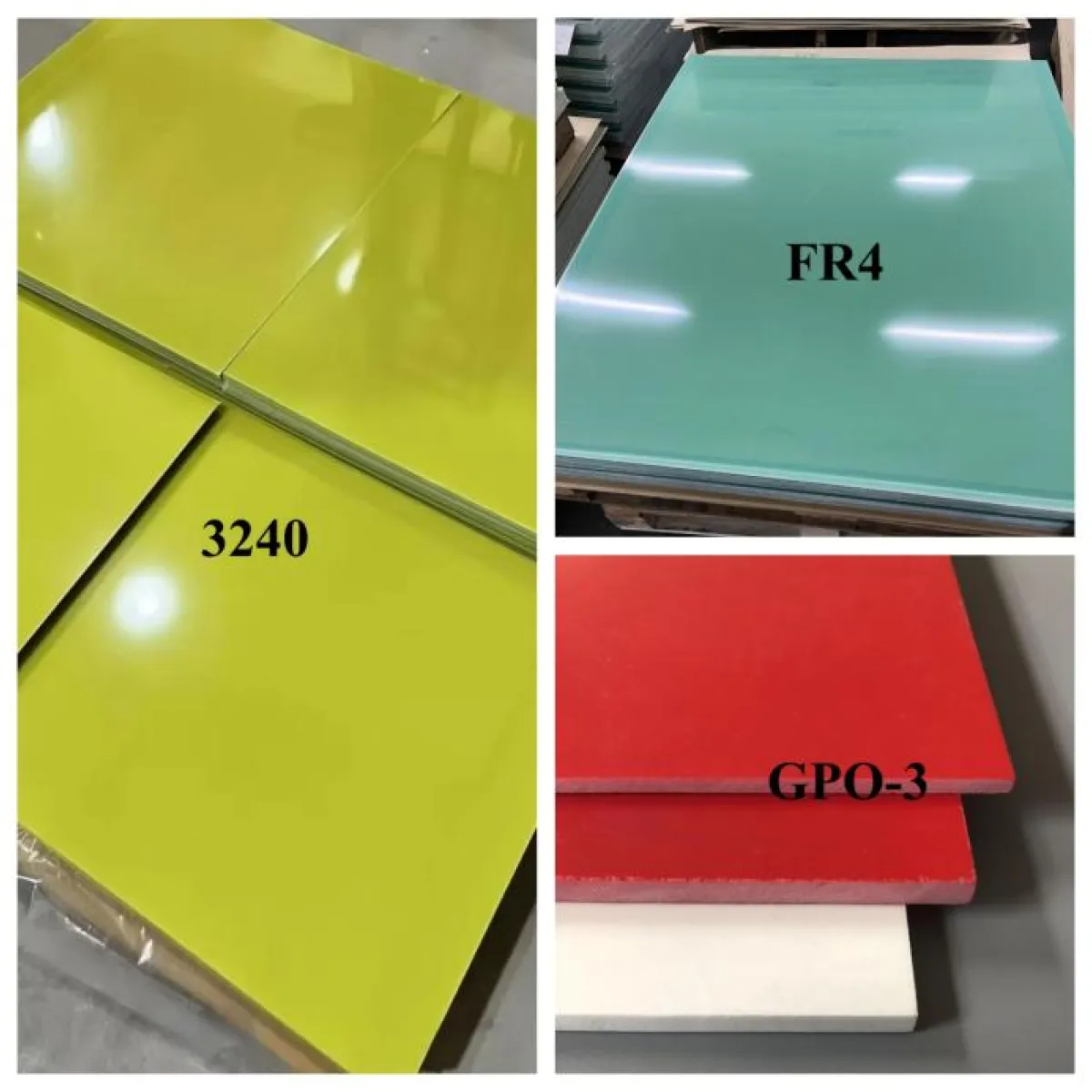
Understanding these differences can help engineers and buyers select the most suitable insulation material for their specific operating conditions.
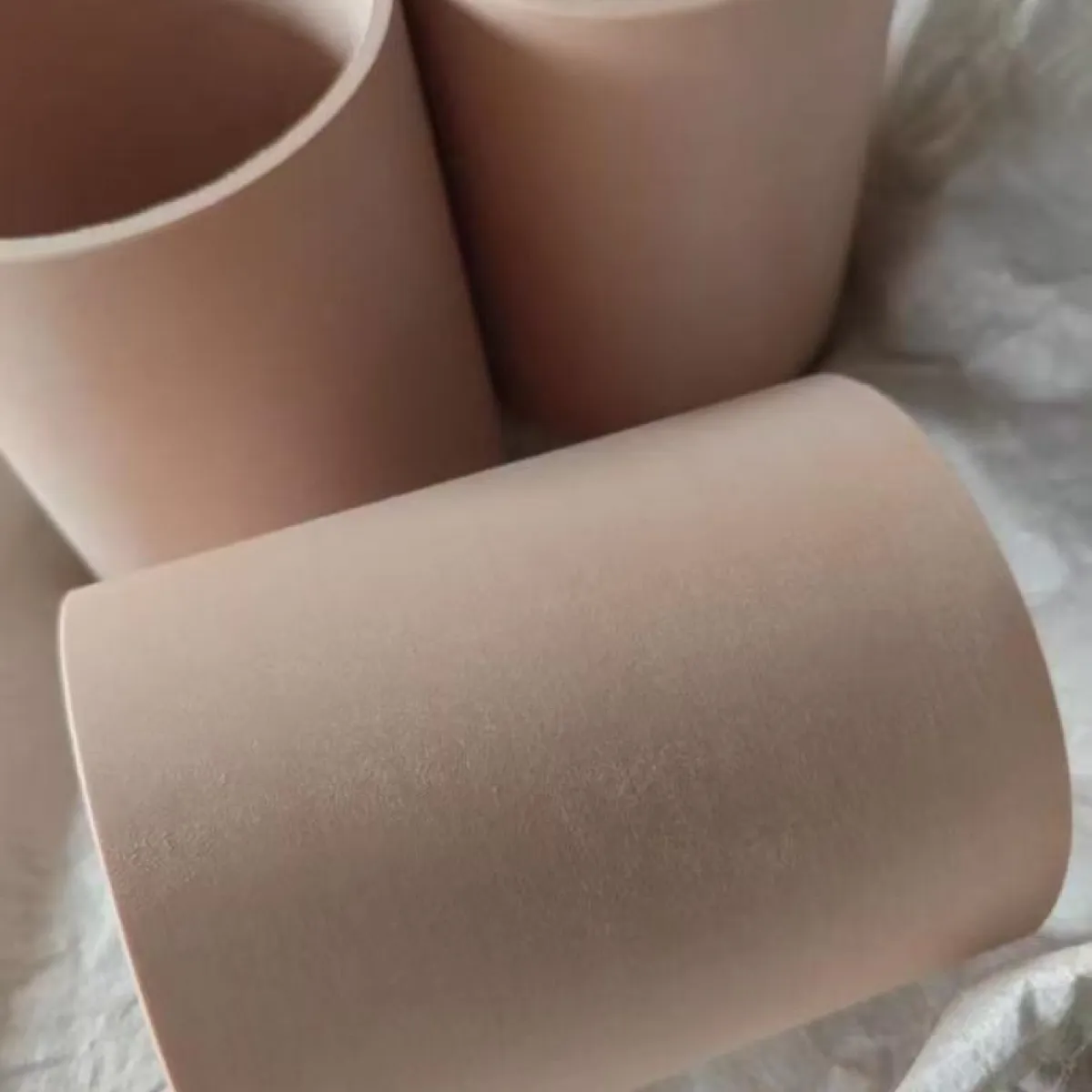
Phenolic Cotton Tube boasts multiple prominent competitive strengths for industrial use. It features extraordinary insulating performance: fully non-conductive, anti-static, and st
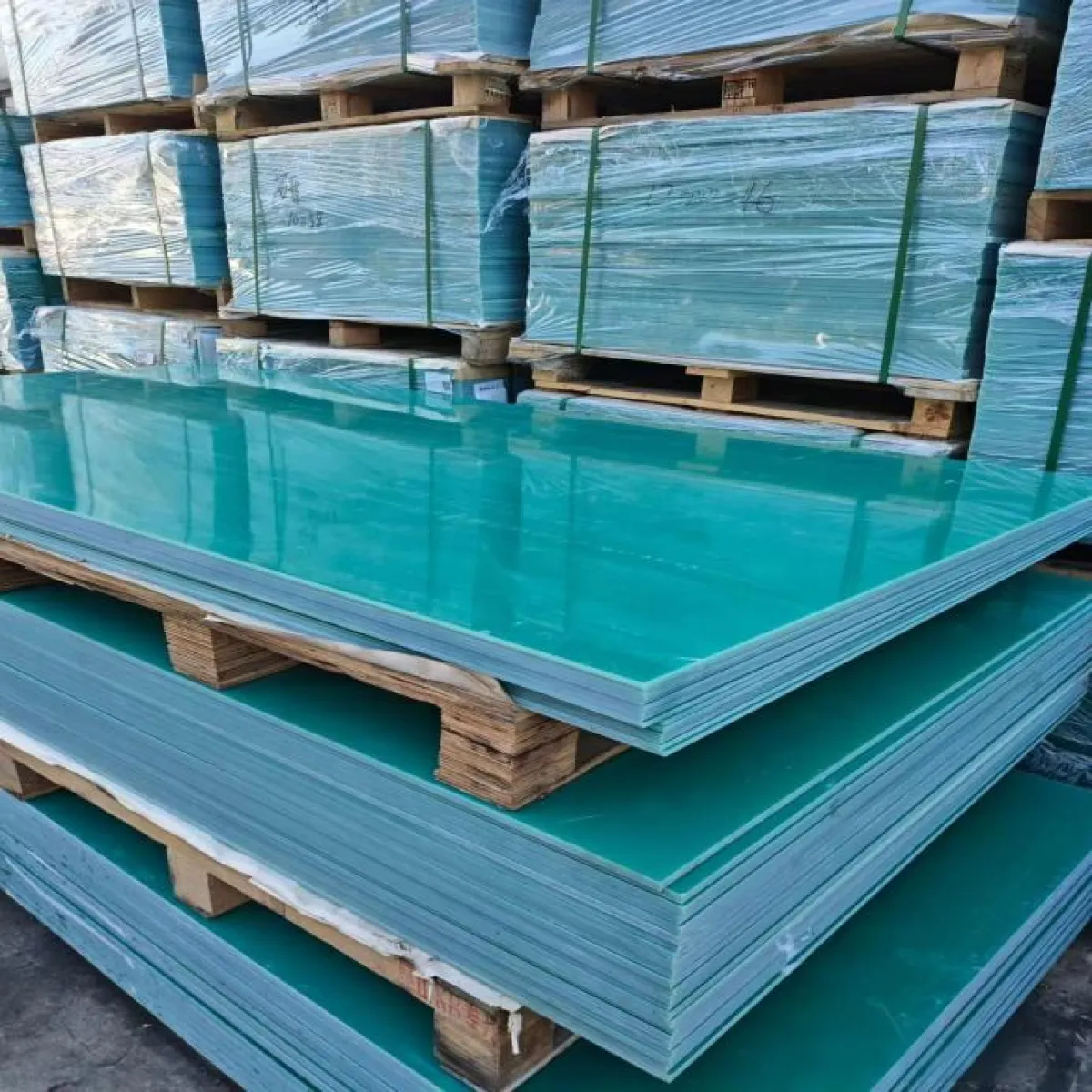
First let us look at its regular uses. In power plants, substations, power distribution rooms and other sites, Insulation Laminated Board is commonly laid on floors to avoid electr
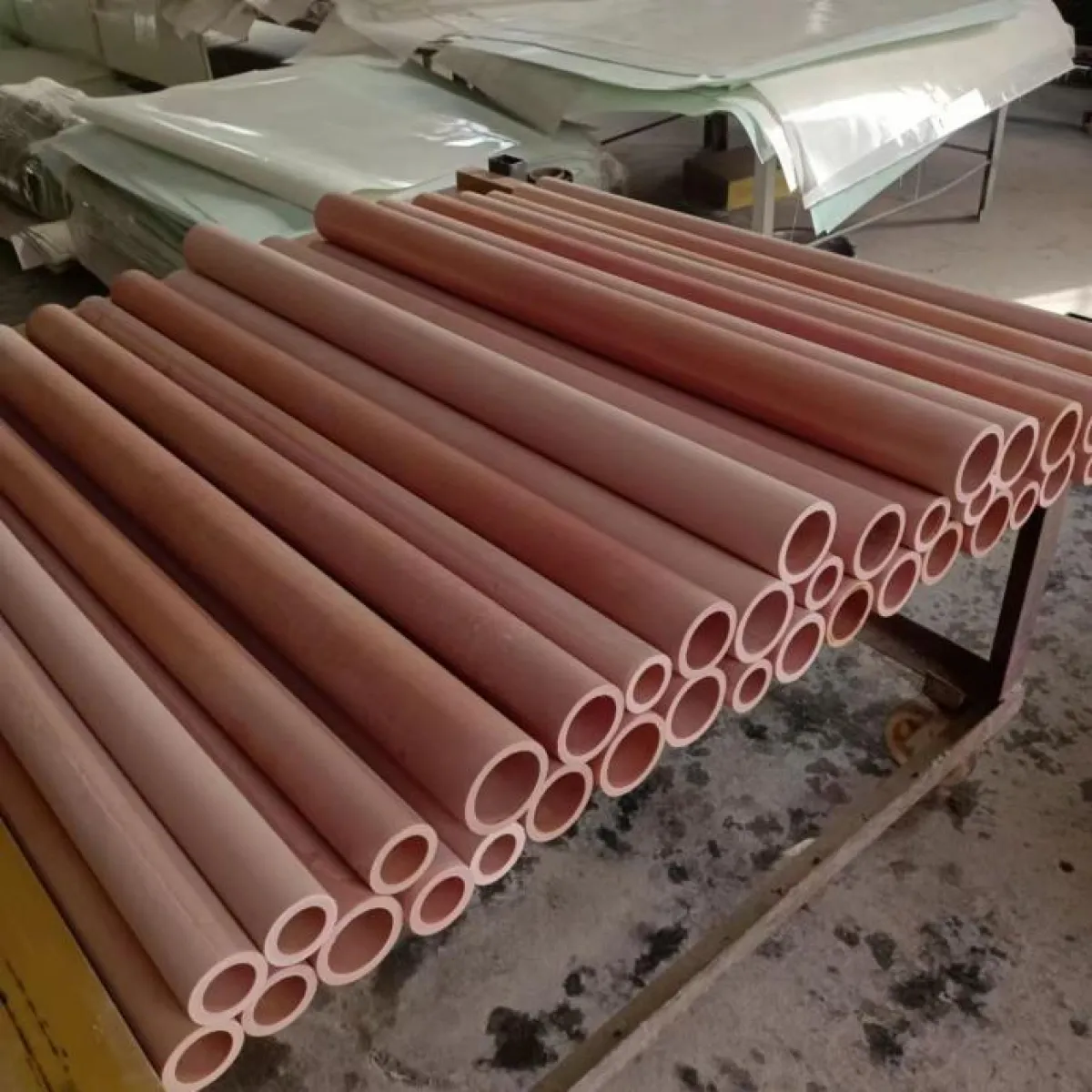
From the perspective of composite materials, Phenolic Cloth Tube is not made of a single substance, but formed by combining thermosetting phenolic resin with reinforcing materials
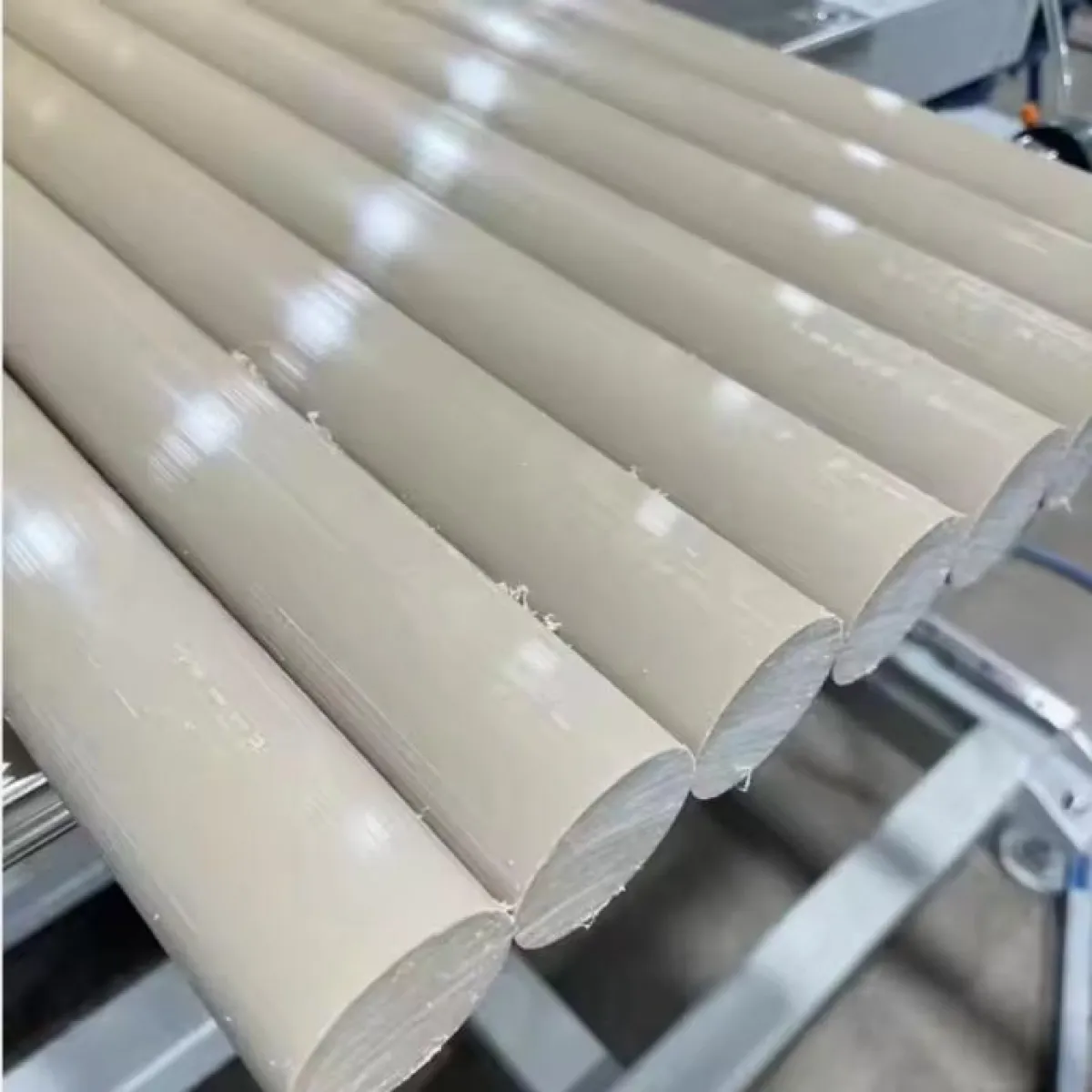
Retains high tensile strength and flexural modulus above 200°C

No.3, Mianzhi Street, Zhucheng, Shandong, China





Copyright © 2026 by Qingdao Yilong Insulation Material Company Limited All Rights Reserved