
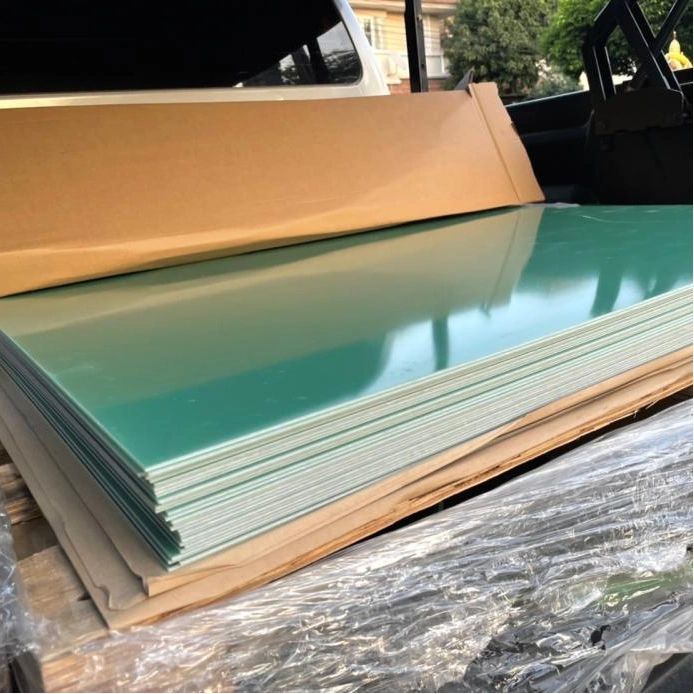
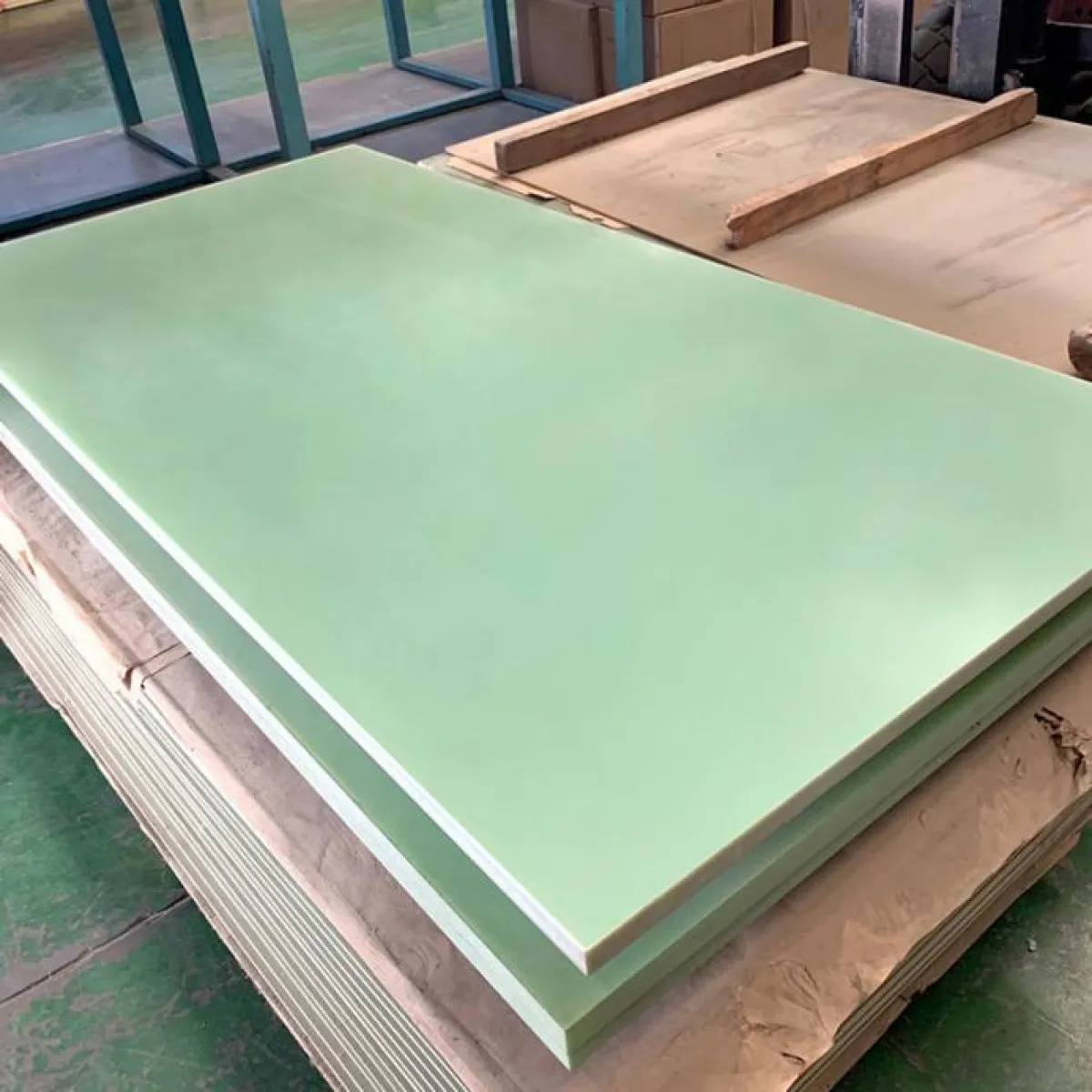
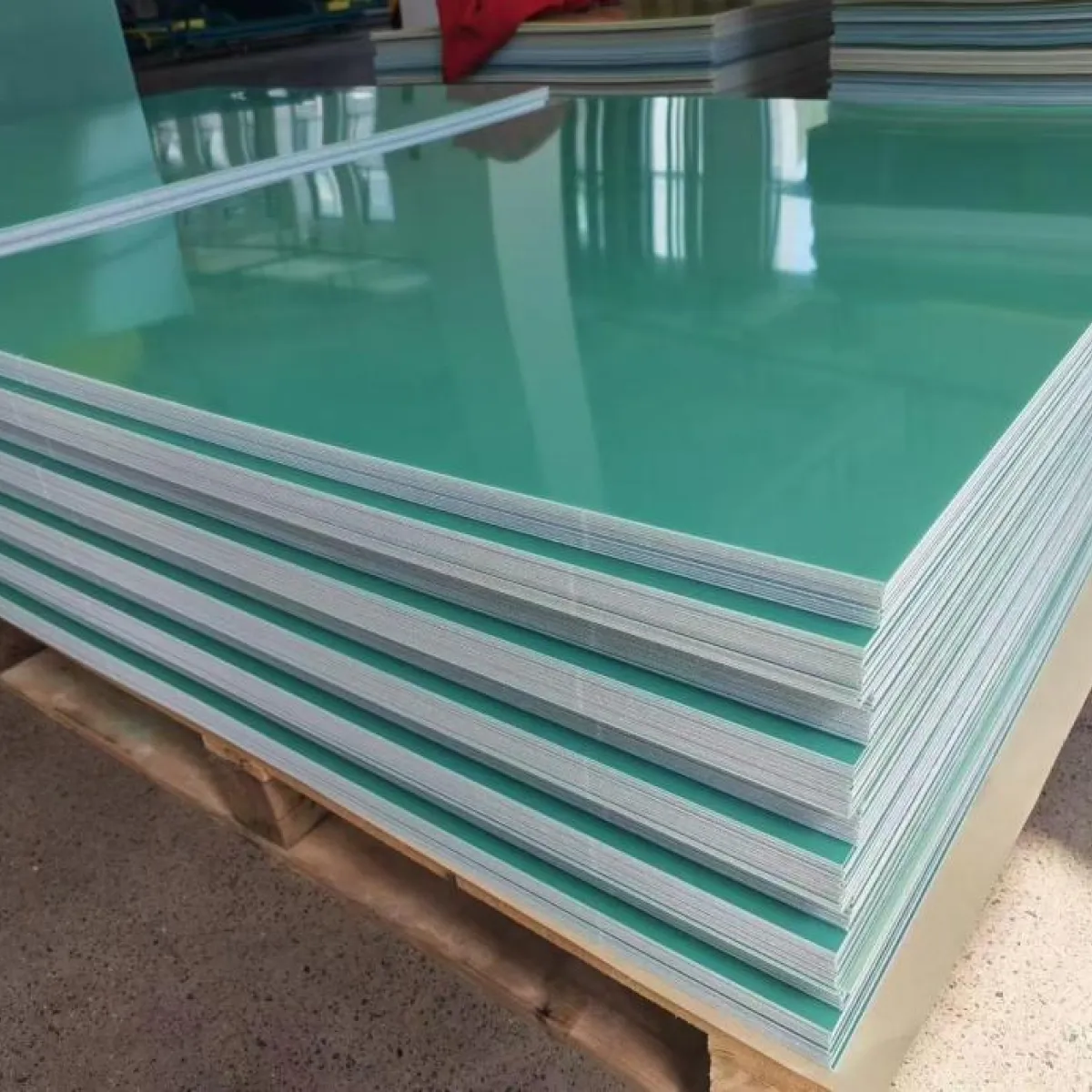
Epoxy Glass Sheet boasts outstanding comprehensive performance, featuring high temperature resistance, corrosion resistance, high mechanical strength, superior machinability, low water absorption, reliable insulation and excellent electrical properties. There are various types of Epoxy Glass Sheet available, including 3240, G11, FR-4, G10 and so on.
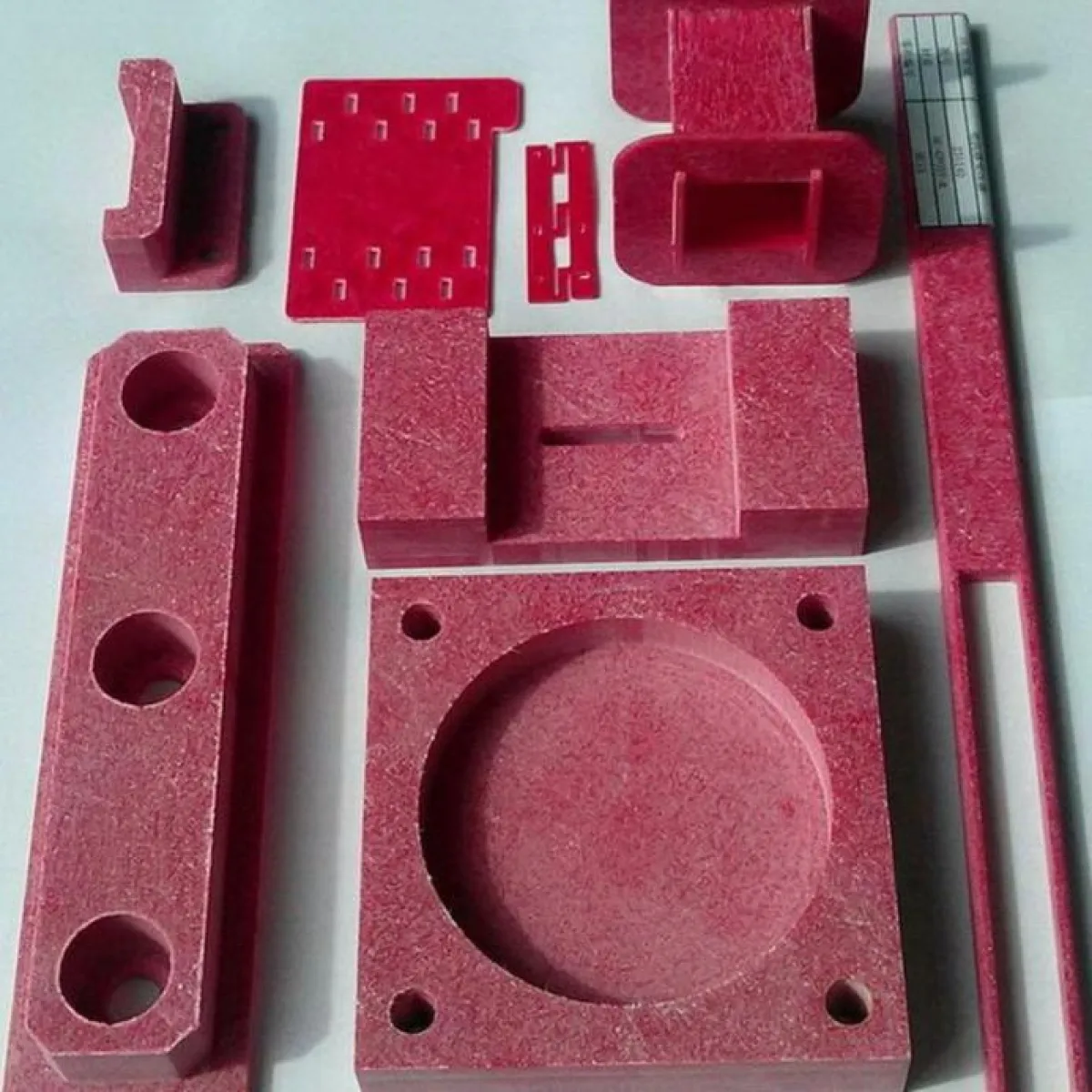
Nowadays, transportation is highly convenient, and subways as well as high-speed railways have become indispensable travel tools. Machined parts made of insulating materials are widely adopted in railway construction, and such insulating materials can fully meet the requirements of harsh service environments.
Machined Epoxy Glass Sheet components for railway use are arc-resistant, easy to machine and flame retardant. They can operate stably at 150℃ and own excellent chemical resistance without being corroded when exposed to acid and alkali solutions. If ignition occurs under excessive temperature, its flame retardant property allows the material to self-extinguish once separated from open flame. Furthermore, machined Epoxy Glass Sheet parts have great wear resistance and extended service life, which can drastically cut the cost of component replacement.
Epoxy Glass Sheet, also known as epoxy fiberglass sheet, is a composite material formed by embedding or wrapping glass fiber materials with epoxy resin. Compared with ordinary glass fiber materials, epoxy fiberglass composites possess superior properties such as high tensile strength, high elastic modulus, excellent impact resistance, stable chemical performance, good fatigue resistance and high temperature resistance. They are widely used in aerospace, construction, chemical engineering, agriculture and other industries.
1. Diverse forms Various systems composed of resin, curing agent and modifier can adapt to molding requirements of different applications, covering materials ranging from ultra-low viscosity liquids to high-melting-point solids.
2. Convenient curing By matching different curing agents, epoxy resin systems can realize curing within the temperature range of 0℃ to 180℃.
3. Strong adhesion Polar hydroxyl groups and ether bonds contained in the molecular chains of epoxy resin endow it with strong adhesion to all kinds of substances. Epoxy resin features low shrinkage during curing and generates minor internal stress, which further improves bonding strength.
4. Low shrinkage rate The reaction between epoxy resin and curing agent proceeds via direct addition reaction or ring-opening polymerization of epoxy groups in resin molecules, without releasing water or other volatile by-products. Compared with unsaturated polyester resin and phenolic resin, epoxy resin achieves an extremely low shrinkage rate (less than 2%) during curing.
YILONG supplies a full range of premium Epoxy Glass Sheet including 3240, G10, G11, FR4 and FR5 with custom cutting, precision machining and non-standard customization services to support railway and multiple industrial projects. For product samples, technical data and bulk order cooperation, feel free to contact us: Email: yilong@yilonginsulation.com Website: www.yilonginsulation.com Mob/Whatsapp: +8615866869385
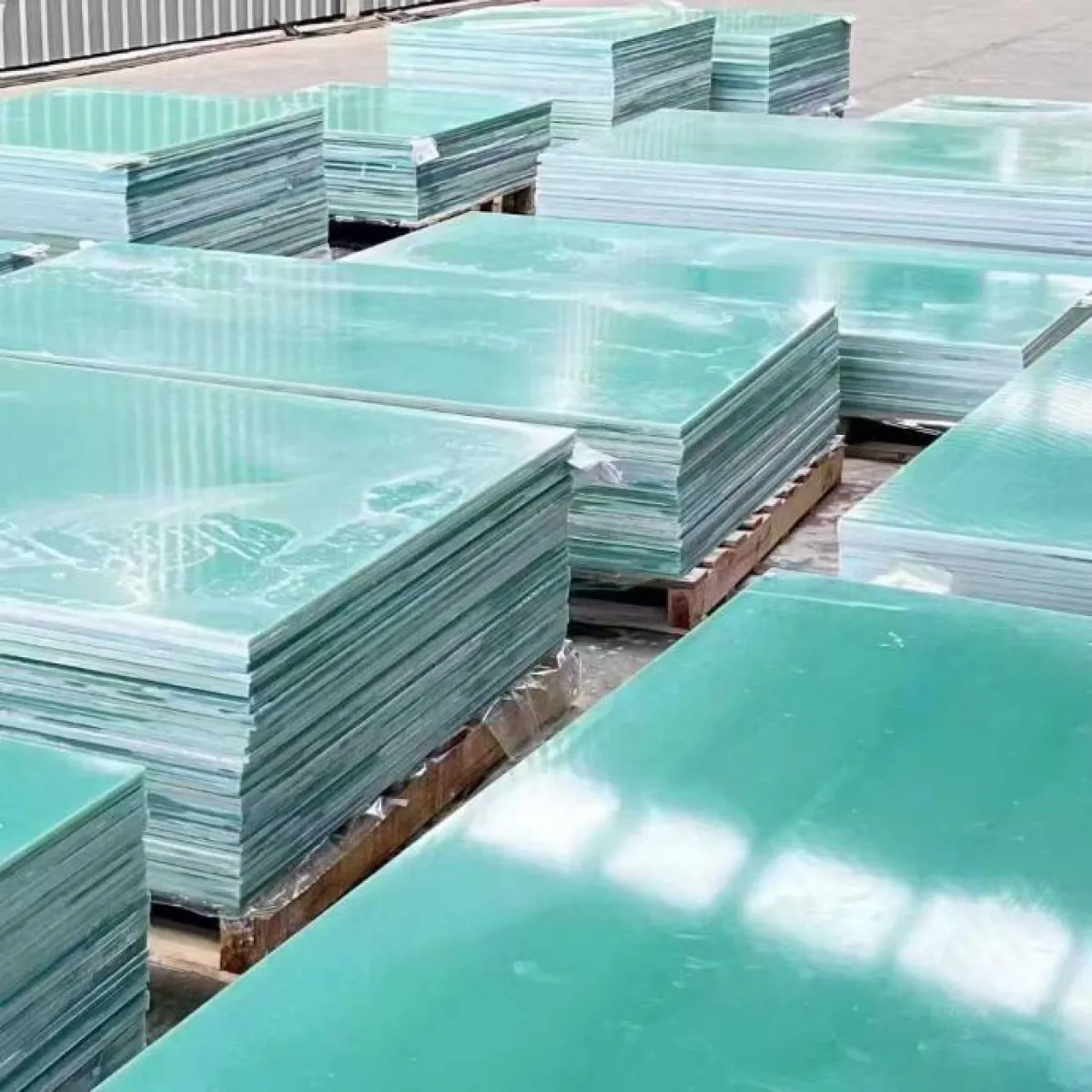
Today, we take a closer look at the manufacturing capabilities and service advantages behind YILONG’s high-quality electrical insulation solutions.
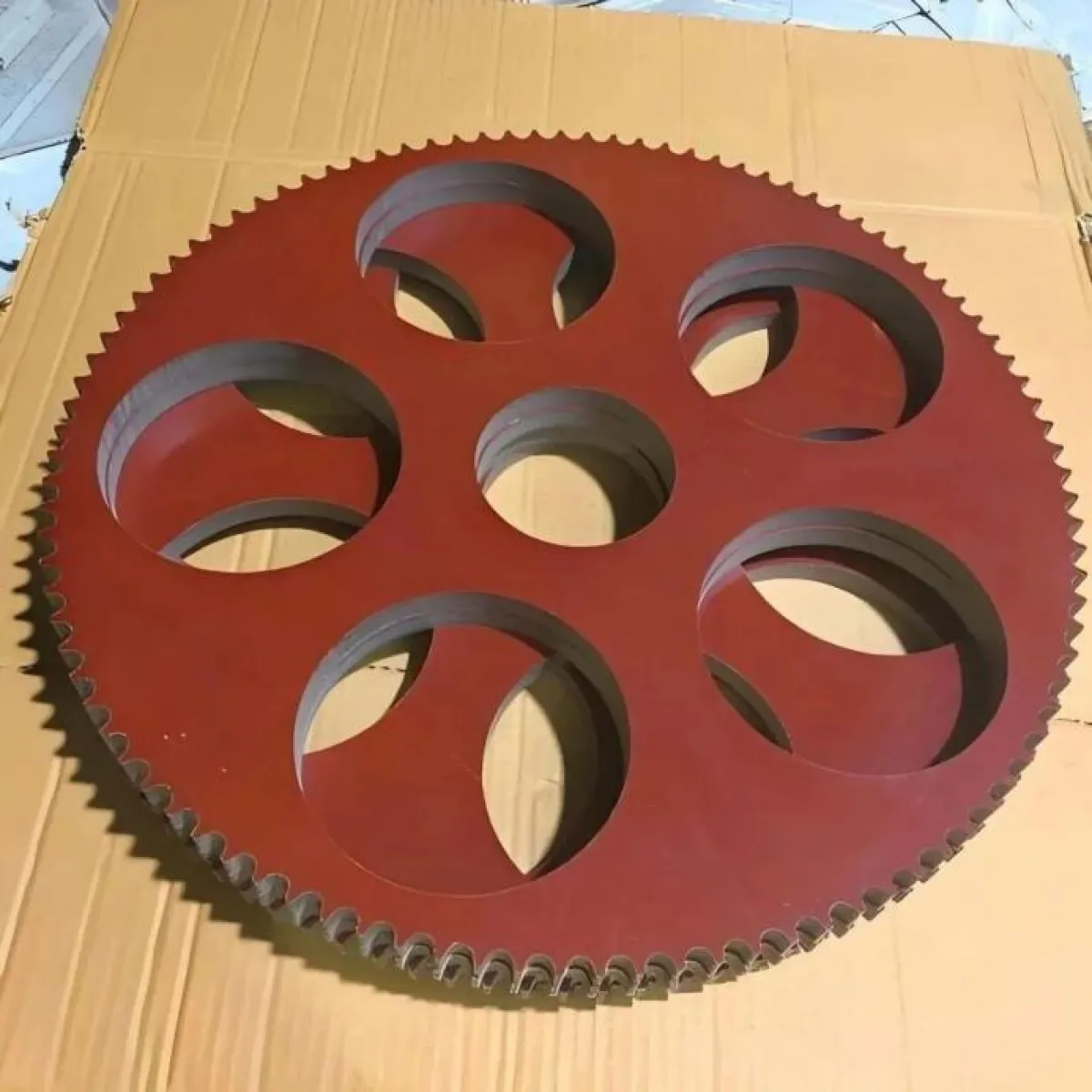
PFCP201 Phenolic Paper Sheet, also known as phenolic laminated paper sheet, is manufactured by impregnating electrical insulating paper with phenolic resin, followed by drying and
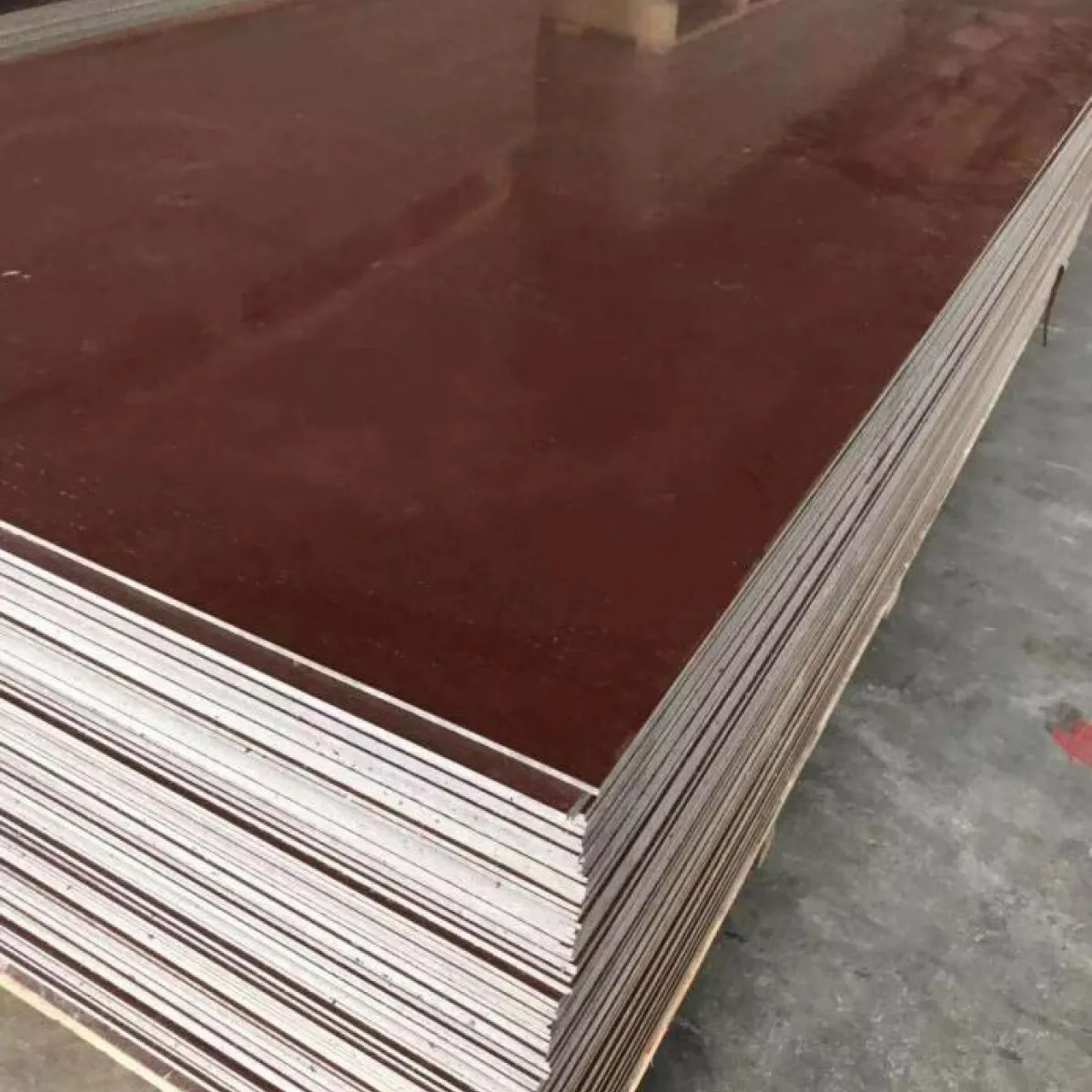
Different PFCP grades are designed for different operating conditions.
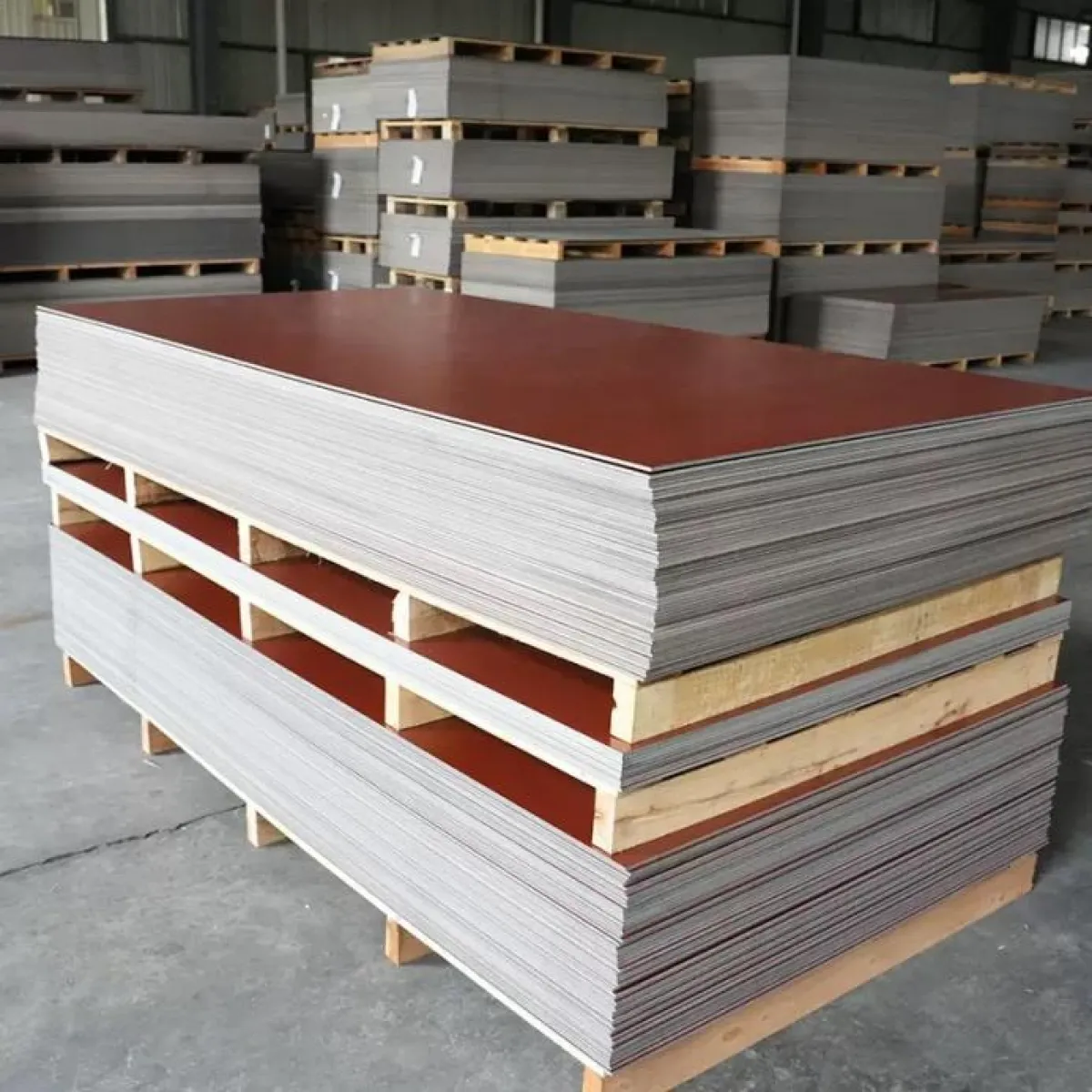
PFCP201 is manufactured using high-quality insulating paper impregnated with phenolic resin. After the raw materials are carefully inspected, the paper is passed through an automat
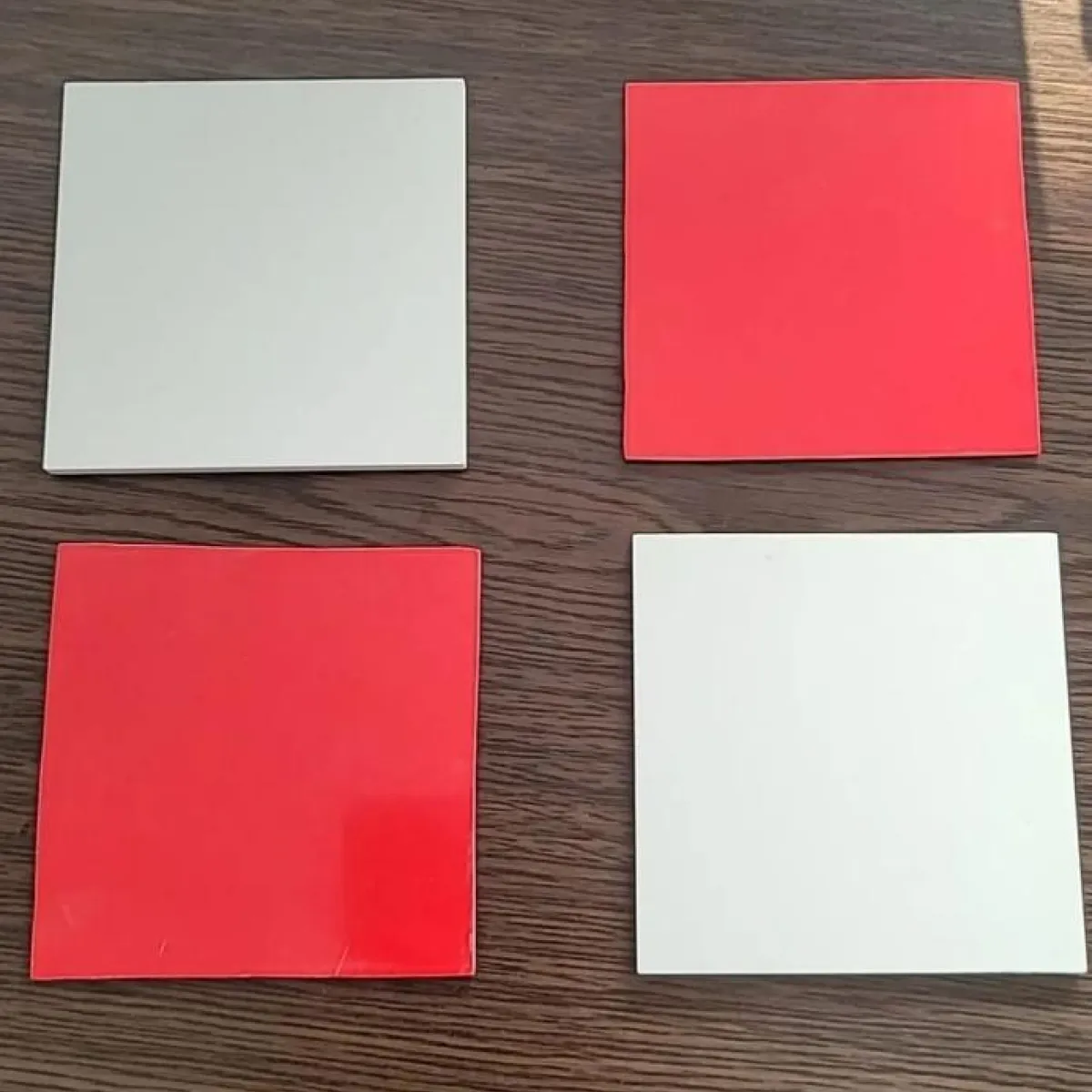
GPO-3 insulation board, also known as UPGM-203, is a rigid electrical insulation material made from alkali-free glass fiber mat impregnated with unsaturated polyester resin and pro
Compared with many conventional insulation materials, GPO-3 offers two particularly important advantages: strong resistance to heat and moisture, and stable electrical insulation p
However, selecting a cryogenic insulation material based only on its standard properties may not be enough. In actual service, continuous immersion, concentrated mechanical loads,

Silicone Glass Cloth Sheet (G7) combines silicone resin with glass fiber cloth to provide a balance of high-temperature resistance, electrical insulation, mechanical strength, and
These properties make EPGC308 particularly suitable for electrical equipment operating under high temperature, high humidity and high-voltage conditions.
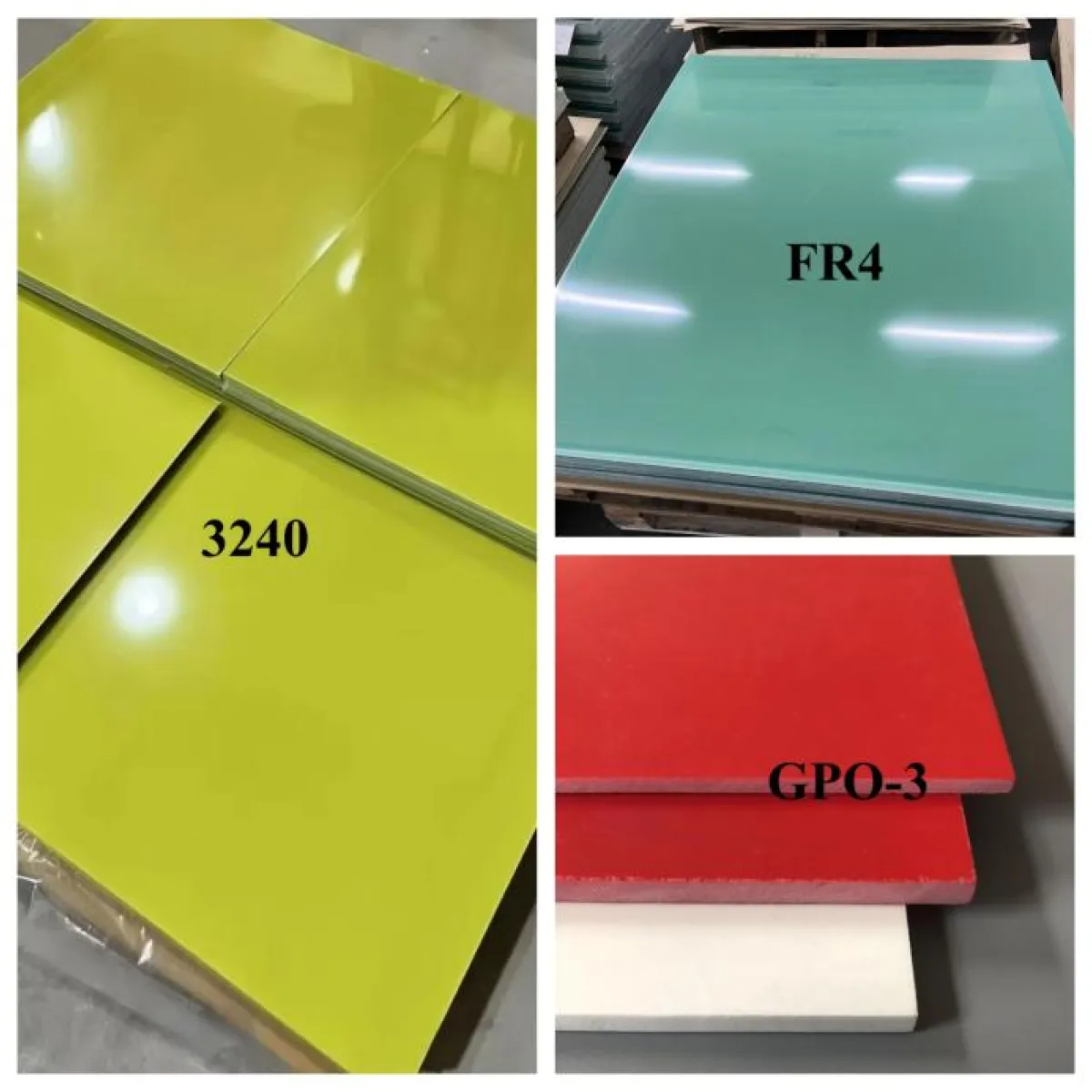
Understanding these differences can help engineers and buyers select the most suitable insulation material for their specific operating conditions.

No.3, Mianzhi Street, Zhucheng, Shandong, China





Copyright © 2026 by Qingdao Yilong Insulation Material Company Limited All Rights Reserved