
YILONG Insulation Professional Supporting Supplier of Insulating Materials for Transformers & Motors
Basic Composition of Phenolic Cloth Tube
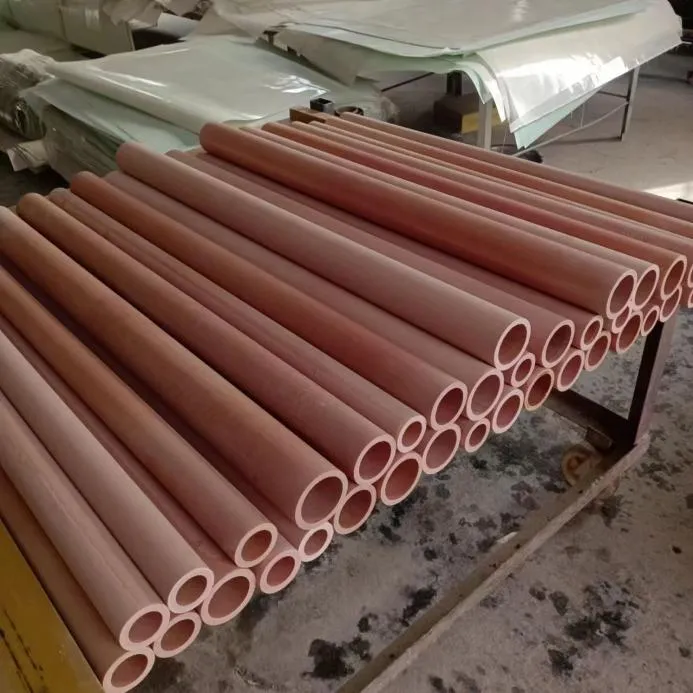
From the perspective of composite materials, Phenolic Cloth Tube is not made of a single substance, but formed by combining thermosetting phenolic resin with reinforcing materials via dedicated manufacturing processes. The resin serves as the continuous phase, providing basic heat resistance and chemical stability. Reinforcing materials, usually cotton cloth, glass cloth or asbestos cloth, act as the dispersed phase to form a supporting framework and bear mechanical stress. This composite structure delivers balanced performance, avoiding the brittleness of pure resin and softness of single-layer fabric.
How Customization Processes Determine Final Product Performance
Customization involves full-process adjustment from raw material selection to forming procedures. Customization starts with the selection of cloth substrate and weaving patterns; plain weave and twill weave show different mechanical properties after resin impregnation. Next comes the adjustment of resin formula and impregnation process, which directly affect the curing degree, porosity and interlayer bonding strength of the tube. In the final rolling or compression molding stage, precise control of temperature, pressure and processing time enables accurate adjustment of tube wall thickness, density and inner diameter. Customization is far more than simple size modification; it represents systematic optimization covering material microstructures and overall macroscopic performance.
1. Analysis of Root Causes for Core Performance
Why can Phenolic Cloth Tube replace metal or all-plastic pipes in certain working conditions? Its core advantages stem from inherent material properties and composite synergies.
Mechanical Performance: The fiber orientation of cloth substrate and cured resin network jointly deliver high specific strength (strength-to-weight ratio) and outstanding dimensional stability, with negligible creep under temperature changes.
Heat Resistance: The three-dimensional crosslinked network formed by phenolic resin allows long-term stable operation at 150°C–180°C, with short-term tolerance of higher temperatures.
Corrosion Resistance: The resin matrix is inert to most organic solvents, weak acids and weak alkalis, yet application under strong oxidizing acids or strong alkalis requires rigorous assessment.
Electrical insulation is another prominent advantage. Fully cured phenolic resin is an excellent insulator, and evenly impregnated cloth base effectively blocks surface discharge and breakdown paths, making it widely used for insulating sleeves and arc-suppression components. All performance indicators are interrelated; for instance, reliable heat resistance prevents rapid insulation attenuation under high temperatures.
2. Matching Logic Between Performance and Application Scenarios
The application of Phenolic Cloth Tube is not arbitrary, but a precise match between material characteristics and working requirements.
Mechanical Industry: Its wear resistance, self-lubricity and load-bearing capacity make it ideal for guide rollers and bearing bushes in textile and papermaking machinery, reducing operating noise and maintenance frequency.
Electrical & Electronic Industry: Thanks to superior insulation and arc resistance, it is adopted for transformer insulating barrels, structural parts of switchgear and heat insulation supports for electric heating equipment.
Chemical Industry: It serves as an optional solution for pipeline systems, exhaust ducts and tank liners in mildly corrosive environments without extreme temperature demands.
Aerospace & Rail Transit: Its lightweight feature brings benefits for non-load-bearing structural components requiring weight reduction and easy installation.
Clear application limits exist: it is not suitable for ultra-high voltage environments, heavy impact loads, long-term immersion in strong acid/alkali, or temperatures exceeding its thermal decomposition threshold.
3. Key Factors to Consider During Customization
A complete set of technical parameters must be confirmed before customization:
Chemical medium compatibility: Confirm the type, concentration and temperature of contacting chemicals to verify the applicability of the resin system.
Continuous operating temperature and temperature fluctuation range, which determine thermal stability design and safety margin of resin formulas.
Mechanical load conditions including static pressure, dynamic vibration and friction & wear requirements, to confirm cloth substrate type, layup structure and wall thickness.
Electrical performance indicators such as working voltage, insulation class and anti-static demand, which affect resin formulation and filler addition.
Geometric dimensions and geometric tolerance requirements, directly guiding mold design and process precision control.
A mature customized scheme is obtained through trade-off and optimization of all above factors. For example, enhanced corrosion resistance may sacrifice partial mechanical strength; thicker walls for higher pressure resistance may lower heat transfer efficiency.
The ultimate value of customized Phenolic Cloth Tube lies in transforming standard basic material properties into targeted solutions for non-standard special working conditions through precise matching of materials and processes. The whole customization process relies on in-depth mastery of composite material principles and accurate analysis of application scenarios, rather than simple dimensional modification of standard products. When selecting and designing Phenolic Cloth Tube, enterprises shall sort out the corresponding relationship between actual environmental parameters and performance demands systematically, so as to guarantee stable and long-term service of customized tubes within their performance limits.
YILONG provides full customized service for Phenolic Cloth Tube with adjustable cloth base, resin formula, wall thickness and dimensional tolerance, supporting matching insulation solutions for transformers, mechanical equipment and chemical pipelines. If you need technical parameter sheets, customized process consultation or bulk order prices, please feel free to get in touch with YILONG.
Email: yilong@yilonginsulation.com
Website: www.yilonginsulation.com
Mob/Whatsapp: +8615866869385
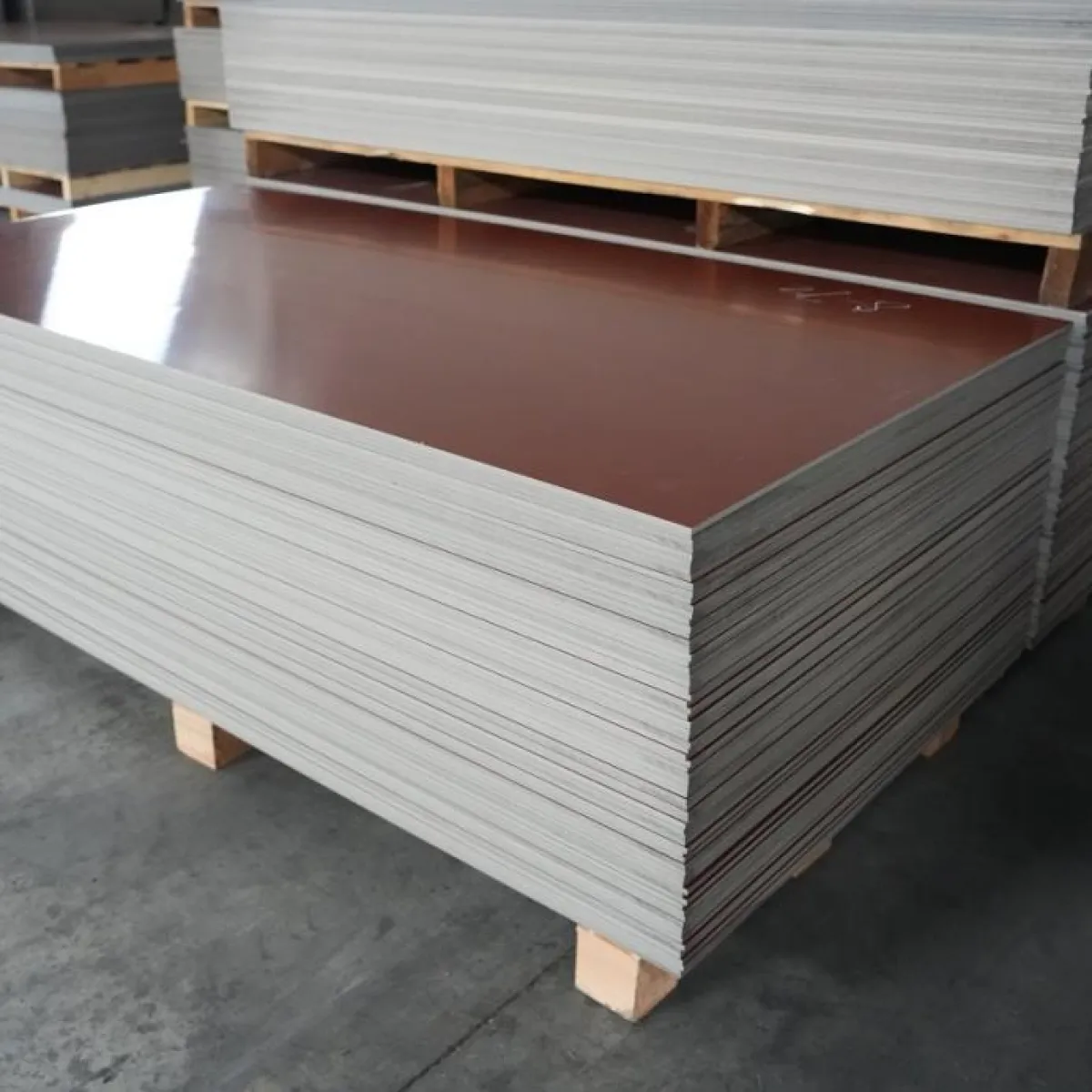
PFCP 201 phenolic paper laminated sheet is a widely used electrical insulation material for applications requiring a combination of mechanical strength, electrical insulation and d
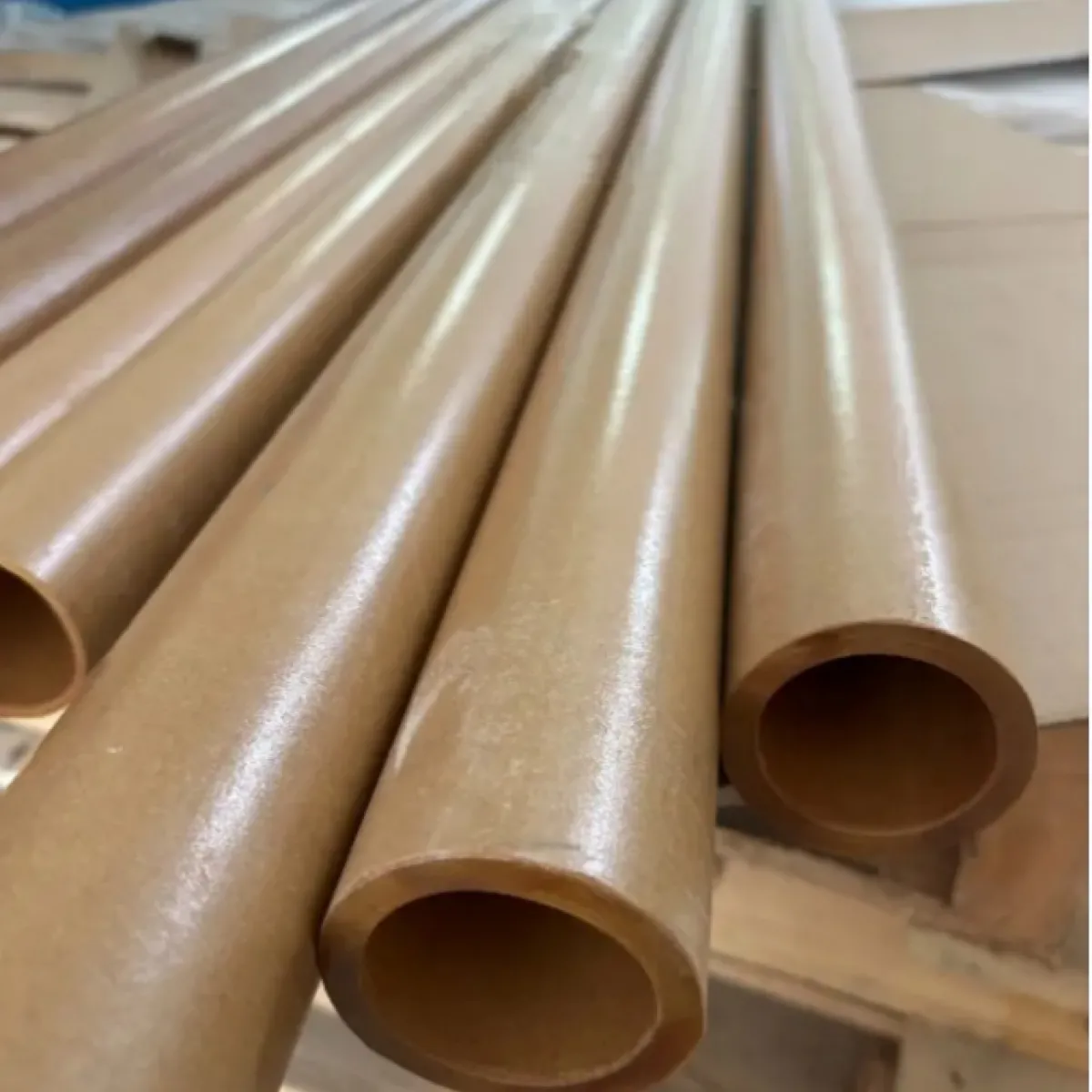
It is manufactured from insulating paper impregnated with phenolic resin and formed through a controlled hot winding and curing process. This structure combines the electrical prop
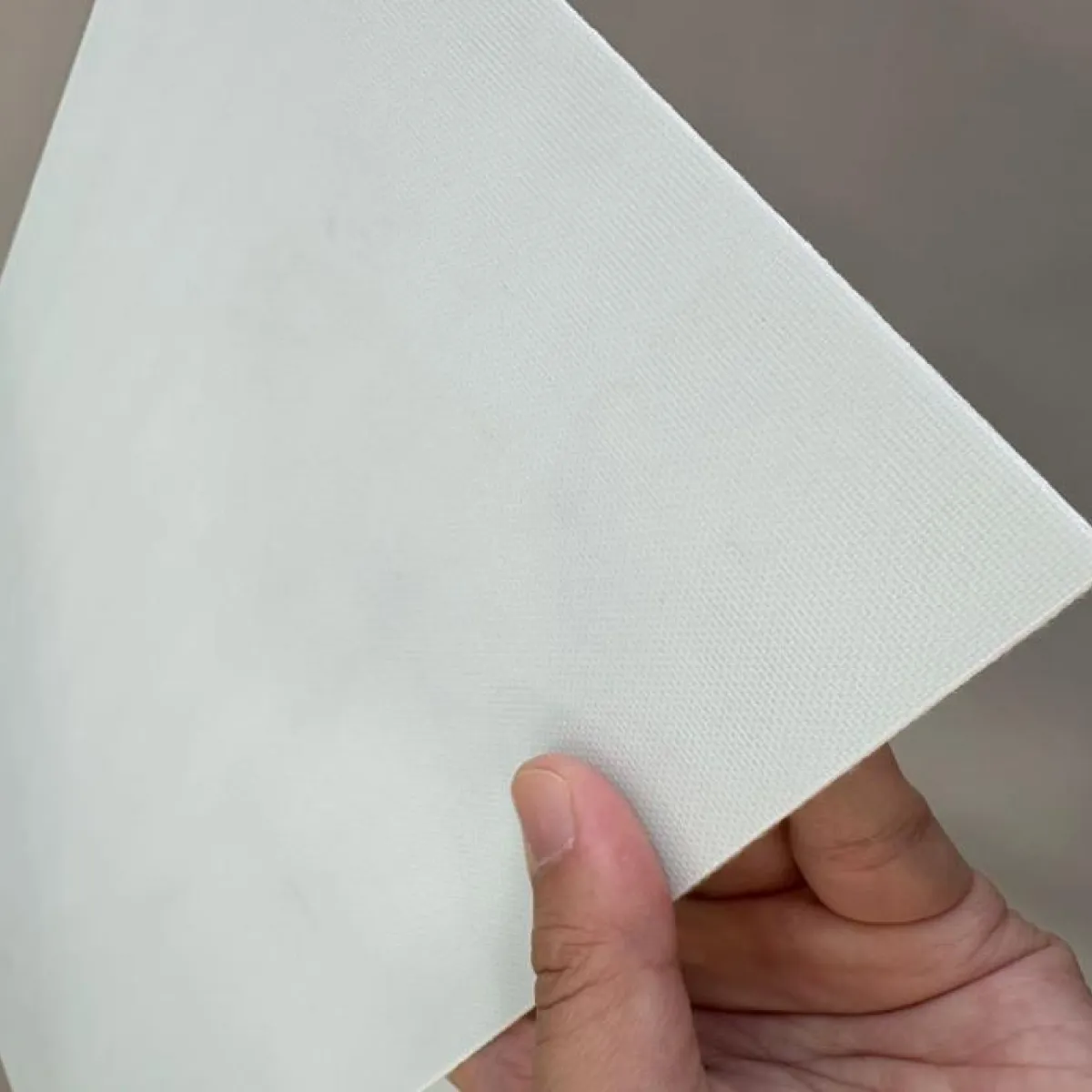
Compared with general-purpose epoxy glass laminates, silicone resin reinforced with glass fabric provides a different balance of thermal, electrical and mechanical properties. Howe
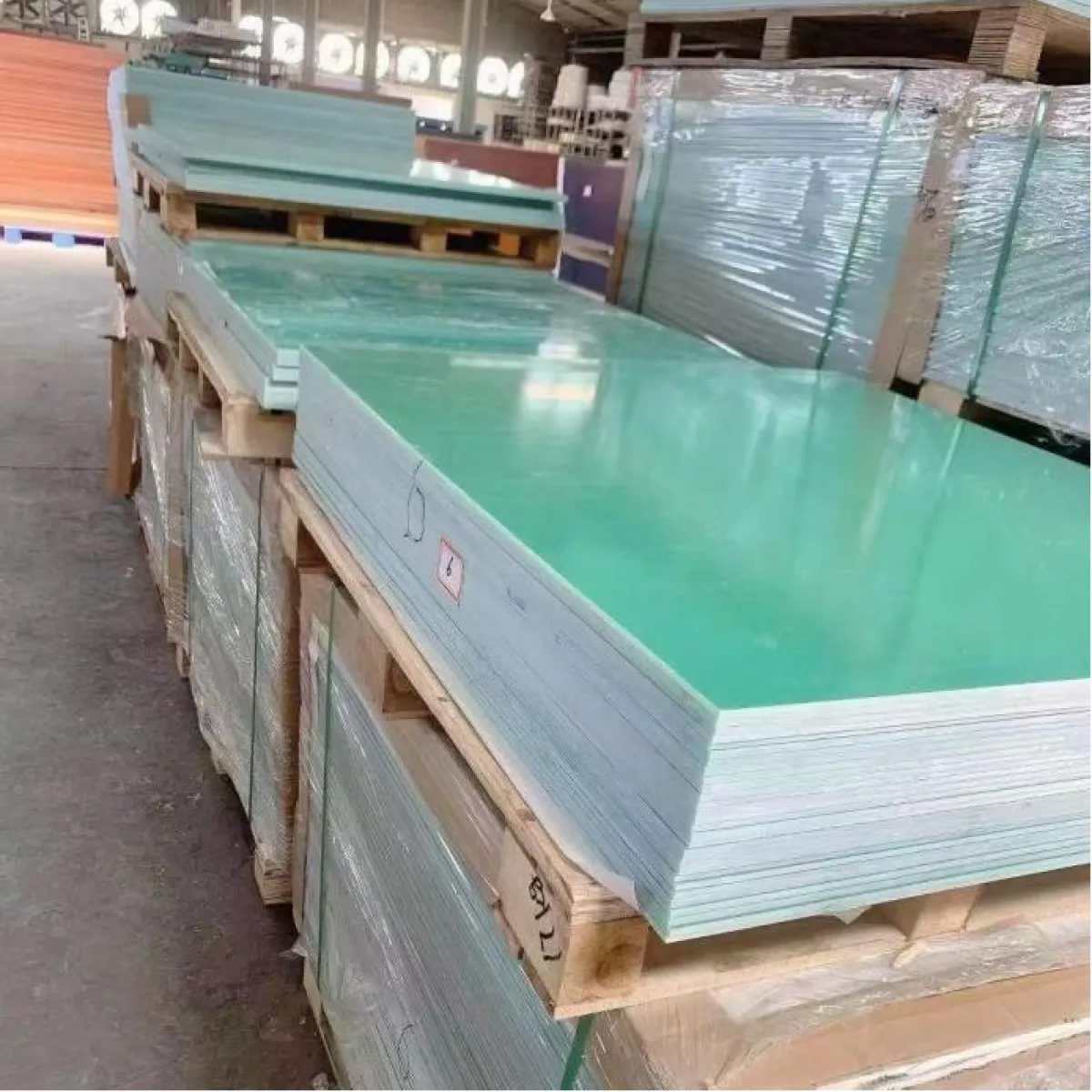
For electrical equipment manufacturers, machinery companies and insulation component suppliers, selecting the right G10 Epoxy Fiberglass Sheet involves more than simply choosing a
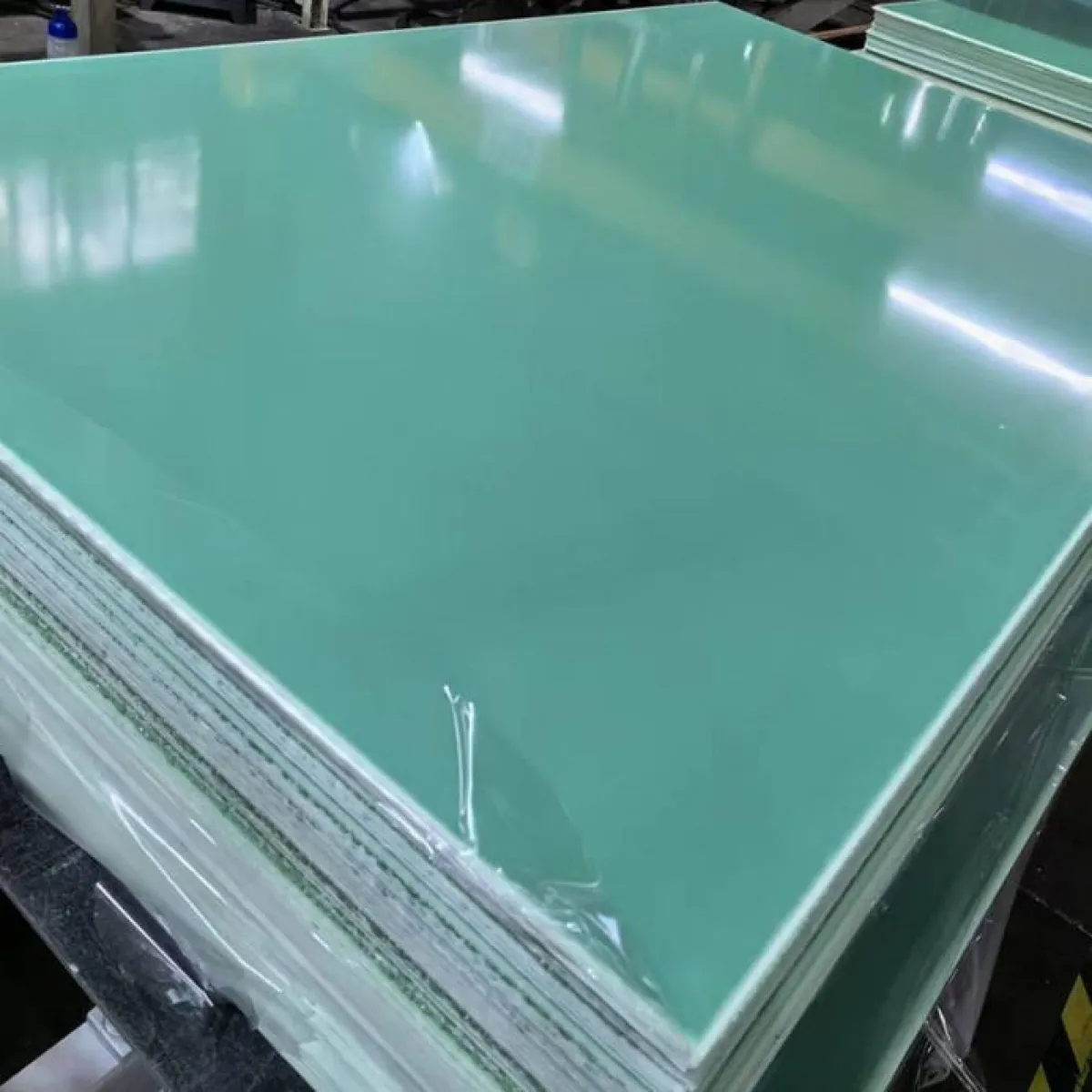
For engineers and purchasers choosing insulating materials, understanding the differences between G10 and G11 can help ensure the right balance of electrical insulation, mechanical
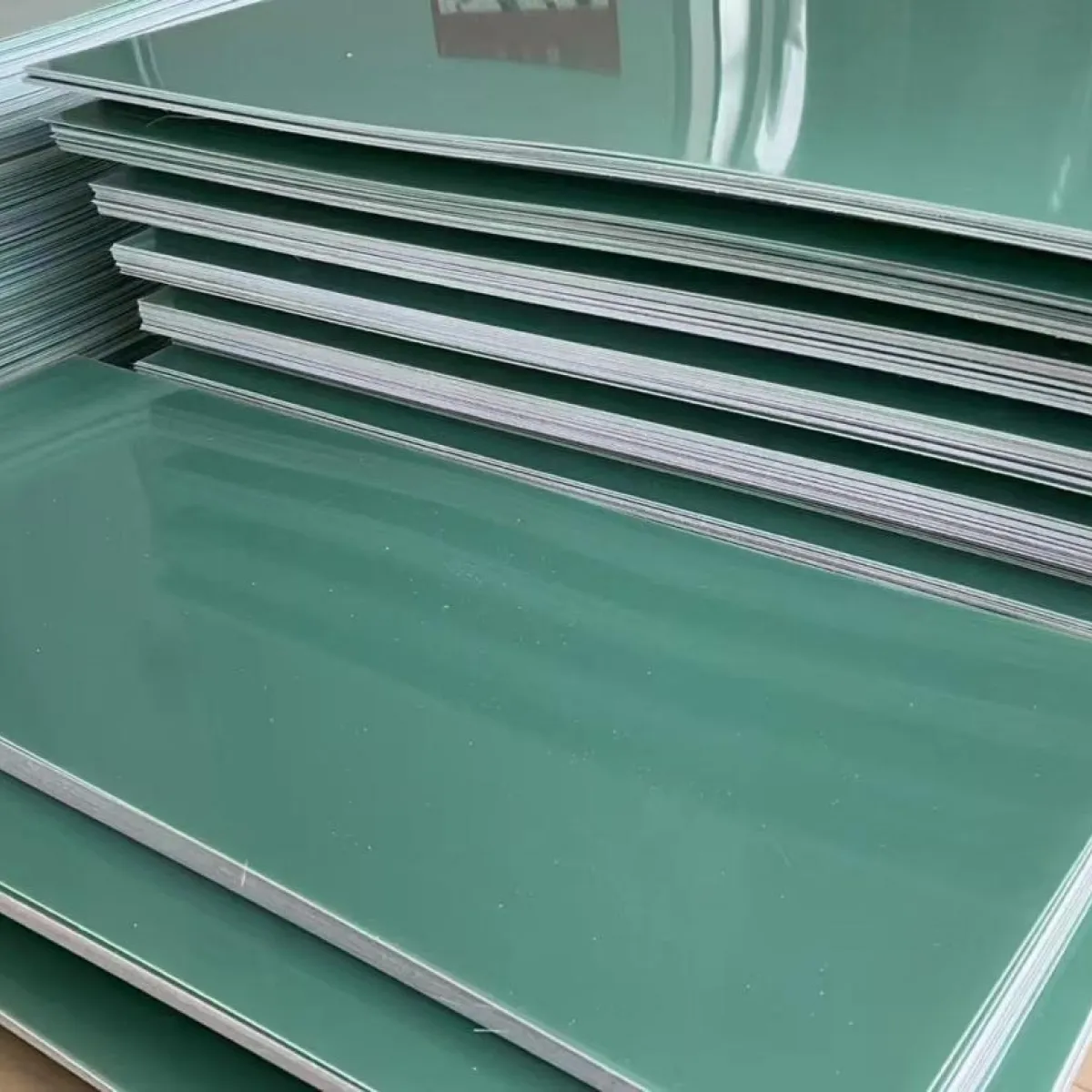
But what exactly makes FR4 so widely used? And when should engineers choose FR4 instead of G10, G11, FR5 or other insulating laminates?
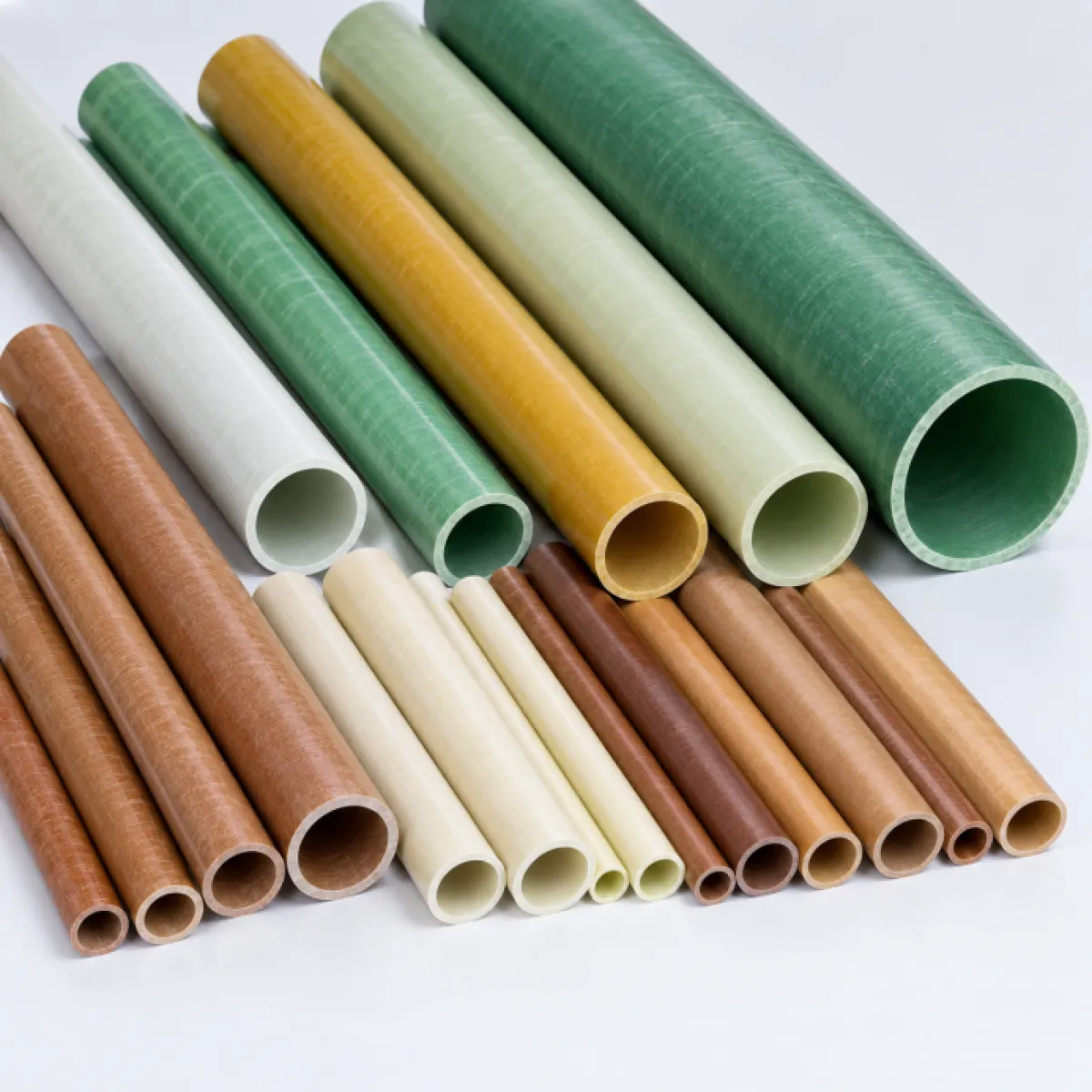
YILONG INSULATION supplies various laminated insulation tubes, including epoxy glass Cloth, melamine glass Cloth, phenolic cotton Cloth, phenolic paper and phenolic glass Cloth tube
Among the materials used for these demanding applications, GPO-3 insulation board is widely selected for busbar supports, phase barriers, arc barriers and other structural insulati
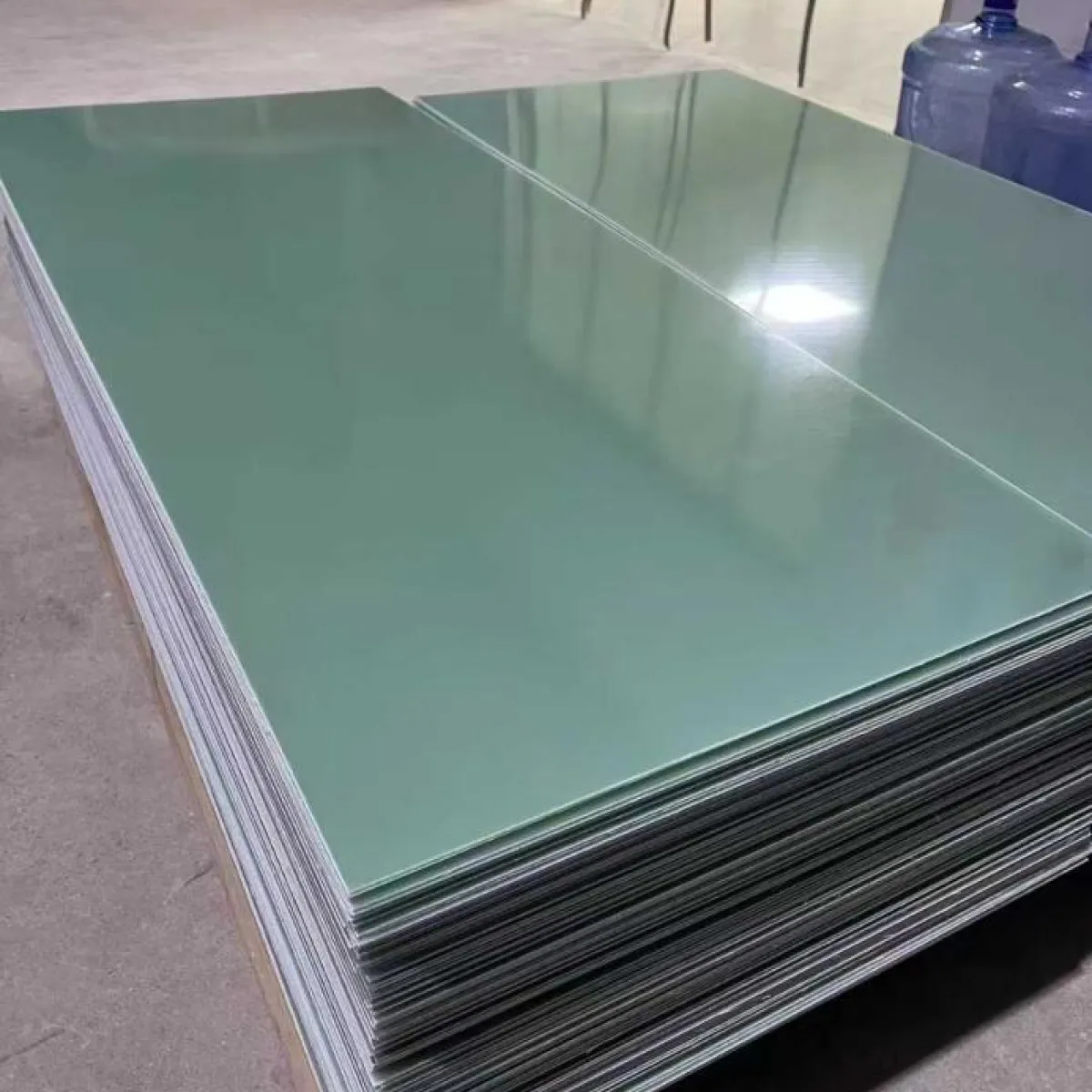
The most widely used epoxy glass laminates include 3240, G10, FR-4, and G11. Compared with these grades, 3240 is generally intended for less demanding applications. FR-4 offers goo
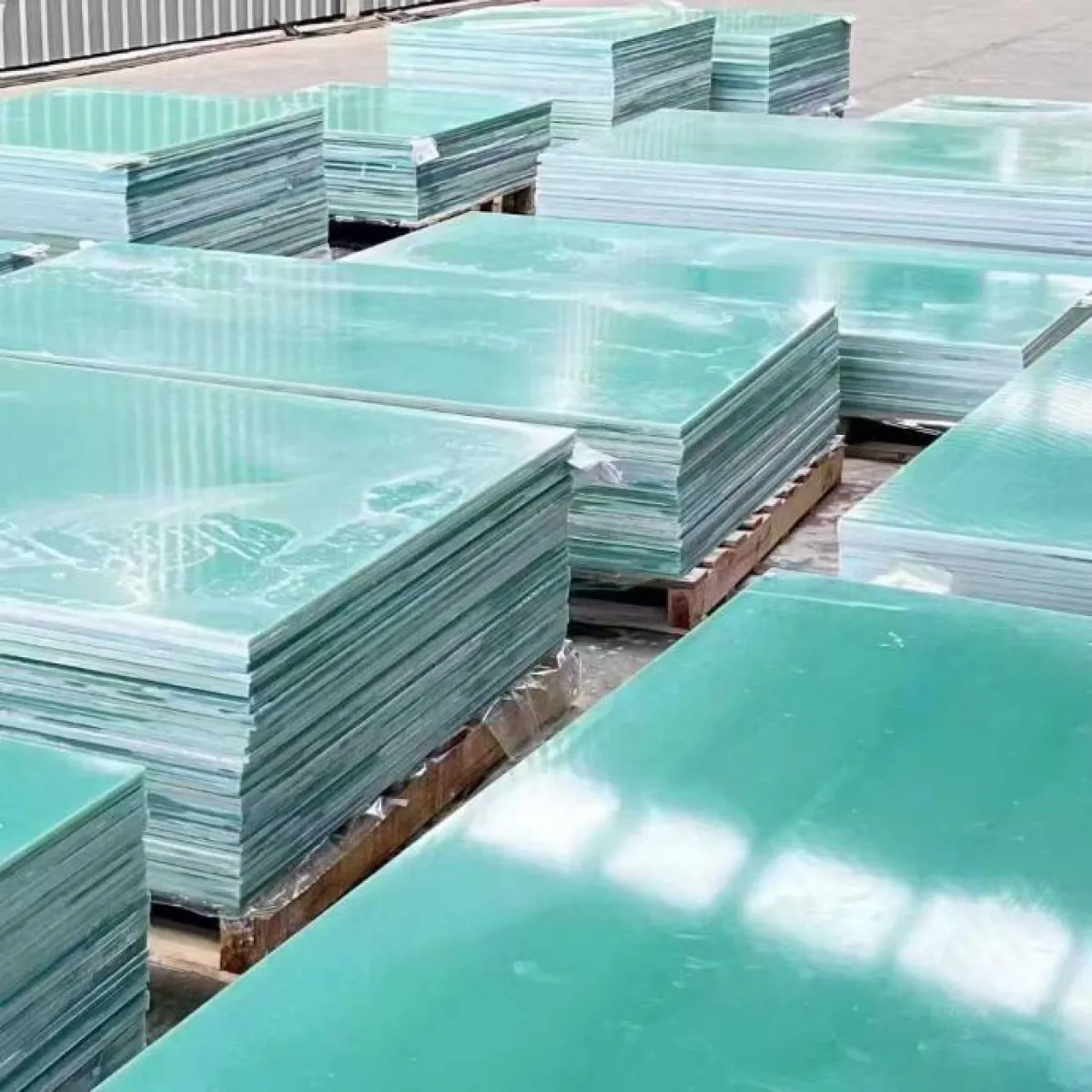
Today, we take a closer look at the manufacturing capabilities and service advantages behind YILONG’s high-quality electrical insulation solutions.

No.3, Mianzhi Street, Zhucheng, Shandong, China





Copyright © 2026 by Qingdao Yilong Insulation Material Company Limited All Rights Reserved