
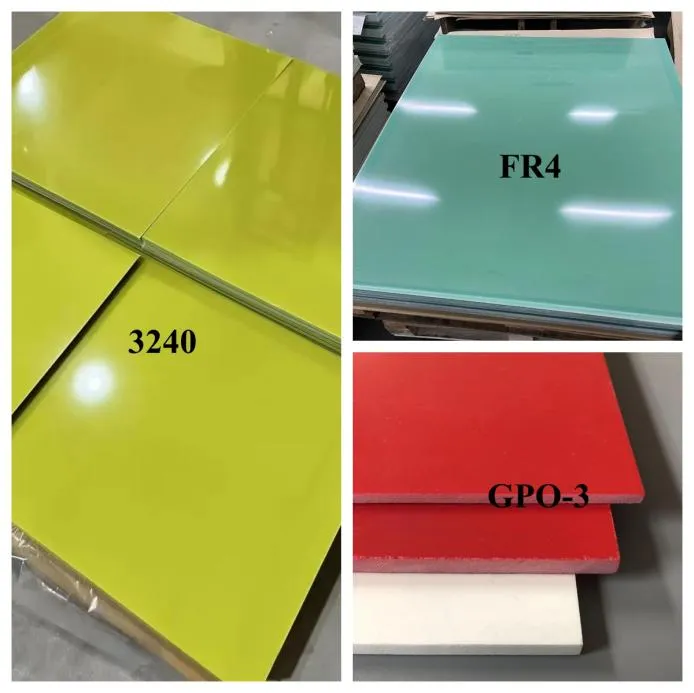
Choosing the right electrical insulation material is essential for reliable performance in motors, transformers, switchgear and other electrical equipment. Among the most commonly used materials are 3240 epoxy glass laminate, FR-4 and GPO-3. Although they are all used for electrical insulation, their resin systems, flame resistance, thermal performance, mechanical properties and application areas are different.
Understanding these differences can help engineers and buyers select the most suitable insulation material for their specific operating conditions.
3240 epoxy glass laminate
3240 is a widely used epoxy glass cloth laminate, corresponding to EPGC201 in IEC material classification. It is manufactured from glass cloth reinforced with epoxy resin and is commonly used for electrical insulation and structural components.
Compared with FR-4 and GPO-3, 3240 is generally a more economical option. It provides good mechanical strength, dimensional stability and electrical insulation, with typical long-term temperature resistance around 155°C, depending on the specific grade and applicable standard.
However, standard 3240 does not inherently provide the same level of flame retardancy as FR-4 or GPO-3. Therefore, it is more suitable for applications where high flame resistance is not a primary requirement.
FR-4 Epoxy Glass Laminate
FR-4 is an epoxy glass fiber laminate with flame-retardant properties, commonly associated with UL94 V-0 performance. It is widely used as a base material for printed circuit boards and also for electrical insulation components.
Compared with standard 3240, FR-4 generally offers better flame resistance, dimensional stability and electrical performance. Typical continuous operating temperatures are approximately 130–155°C, depending on the resin system and grade. Halogen-free FR-4 options are also available for applications with specific environmental requirements.
FR-4 is commonly selected for applications where flame resistance and stable electrical performance are more important than the lowest material cost.
GPO-3 Insulation Board
GPO-3, also known as GPO-3 laminate or UPGM-203, is a rigid electrical insulation material based on glass fiber mat reinforced unsaturated polyester resin. It is manufactured through a high-pressure molding process and is widely used in electrical equipment requiring high dielectric strength, arc resistance and flame resistance.
GPO-3 is available in thicknesses from approximately 0.8 mm to 100 mm, with common sheet sizes including 914 × 1828 mm and 1220 × 2440 mm. Typical colors are white and reddish brown.
Depending on the specific grade, GPO-3 can provide UL94 V-0 flame resistance, high dielectric strength and stable insulation performance in humid environments. Its temperature capability varies by grade and application, with some grades offering thermal resistance up to approximately 210°C.
GPO-3 can also be punched, drilled, machined and, for suitable grades and applications, laser cut. It is widely used for phase barriers, arc-chute components, motor insulation parts, switchgear components and other electrical structural applications.
Performance
3240
FR-4
GPO-3
Flame Resistance
Limited; standard grades are not primarily designed for flame resistance
Excellent; many grades meet UL94 V-0
Excellent; many grades meet UL94 V-0, with halogen-free options
Electrical Insulation / Arc Resistance
Good electrical insulation; moderate arc resistance
Good electrical stability and insulation
Excellent dielectric and arc resistance
Mechanical Strength
High; good dimensional stability
Very high; excellent impact and mechanical performance
High; rigid and resistant to mechanical damage
Temperature Resistance
Moderate; typically up to about 155°C
Moderate to high; typically about 130–155°C depending on grade
High; approximately 120–210°C depending on grade
Humidity Resistance
Moderate; water absorption typically around 0.2%
Moderate; moisture can affect performance depending on grade
Excellent; stable insulation performance in humid environments
Environmental Options
Standard grades may contain halogenated components
Halogen-free options available; commonly selected for RoHS-oriented applications
Halogen-free options available for selected grades
Relative Cost
Low
Medium to high
Medium
Which Electrical Insulation Material Should You Choose?
There is no single insulation material that is best for every application.
3240 is a practical and cost-effective choice for general electrical insulation where high flame resistance is not required.
FR-4 is more suitable when flame retardancy, dimensional stability and reliable electrical performance are important, particularly in electronic and electrical applications.
GPO-3 is a strong choice for applications requiring a combination of high dielectric strength, flame resistance, arc resistance, mechanical strength and good performance in humid environments.
The final selection should be based on the actual operating temperature, voltage, mechanical load, humidity, flame-rating requirements and processing method rather than on material cost alone.
YILONG Electrical Insulation Materials
YILONG supplies 3240 epoxy glass laminate, FR-4 and GPO-3 insulation boards, as well as customized machined electrical insulation components. Materials can be supplied in standard sheet sizes and customized thicknesses, with CNC machining, drilling, cutting and other processing available according to customer drawings and application requirements.
For material selection, technical data, samples or customized insulation components, please contact YILONG.
Website: www.yilonginsulation.com
Email: yilong@yilonginsulation.com
WhatsApp: +86 15866869385
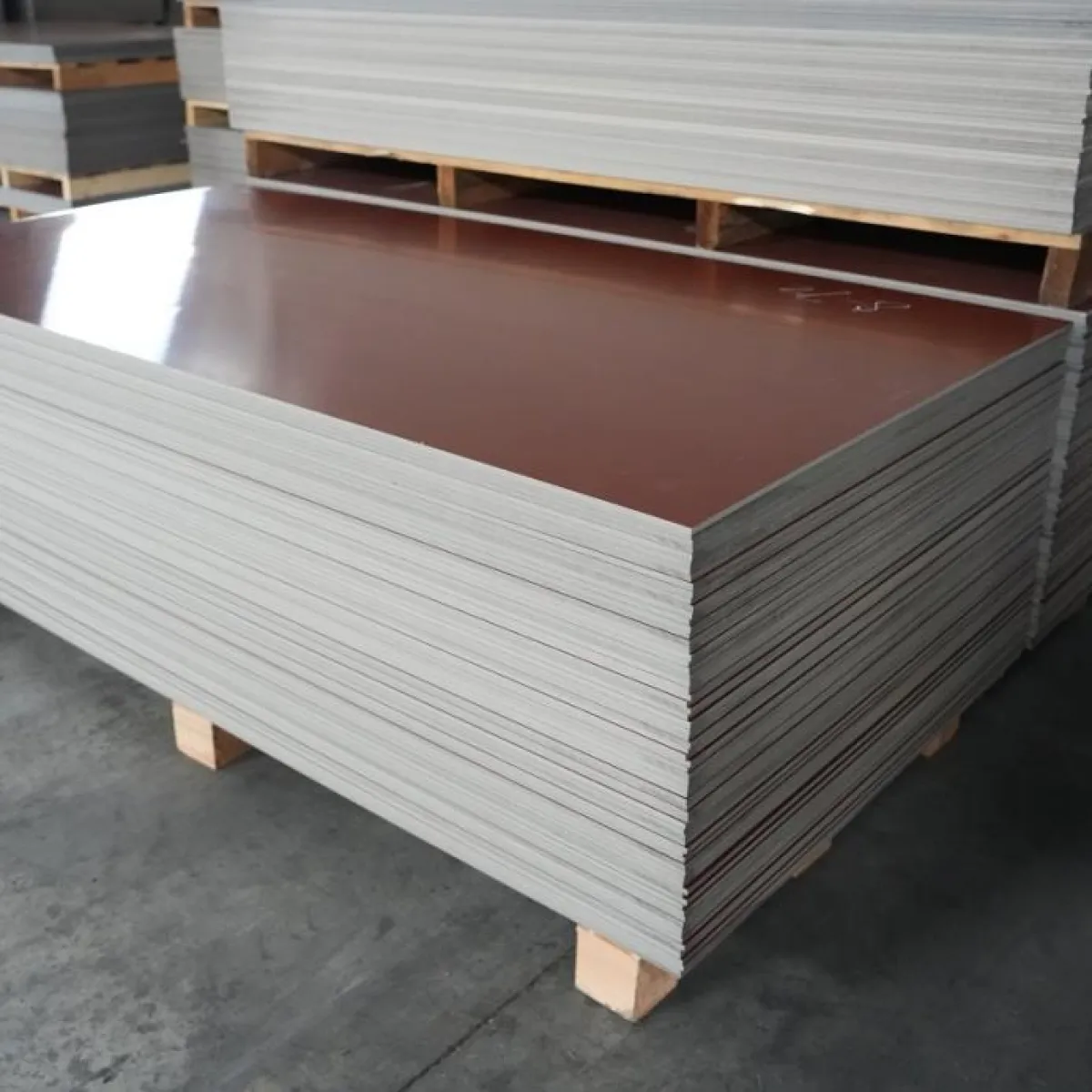
PFCP 201 phenolic paper laminated sheet is a widely used electrical insulation material for applications requiring a combination of mechanical strength, electrical insulation and d
It is manufactured from insulating paper impregnated with phenolic resin and formed through a controlled hot winding and curing process. This structure combines the electrical prop
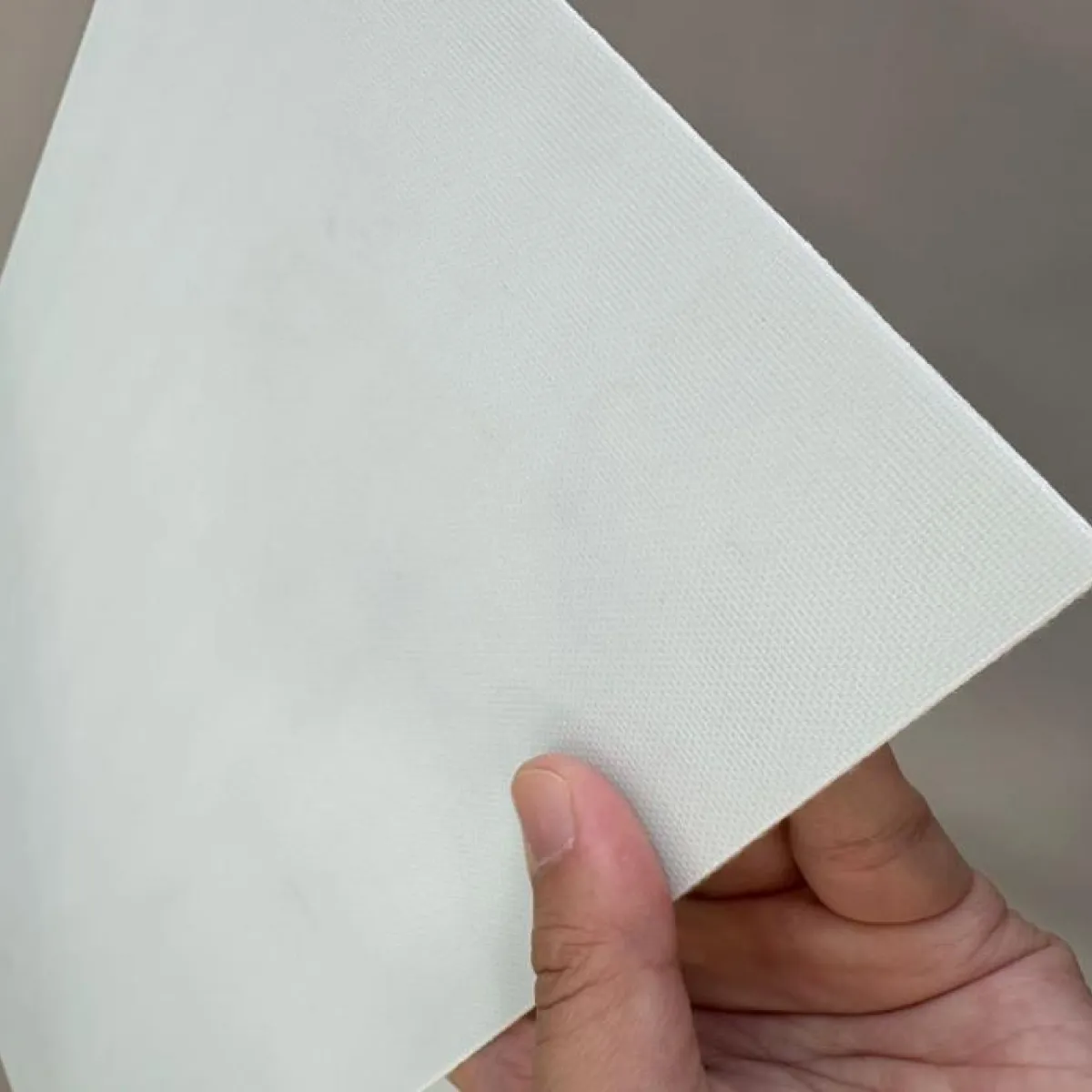
Compared with general-purpose epoxy glass laminates, silicone resin reinforced with glass fabric provides a different balance of thermal, electrical and mechanical properties. Howe
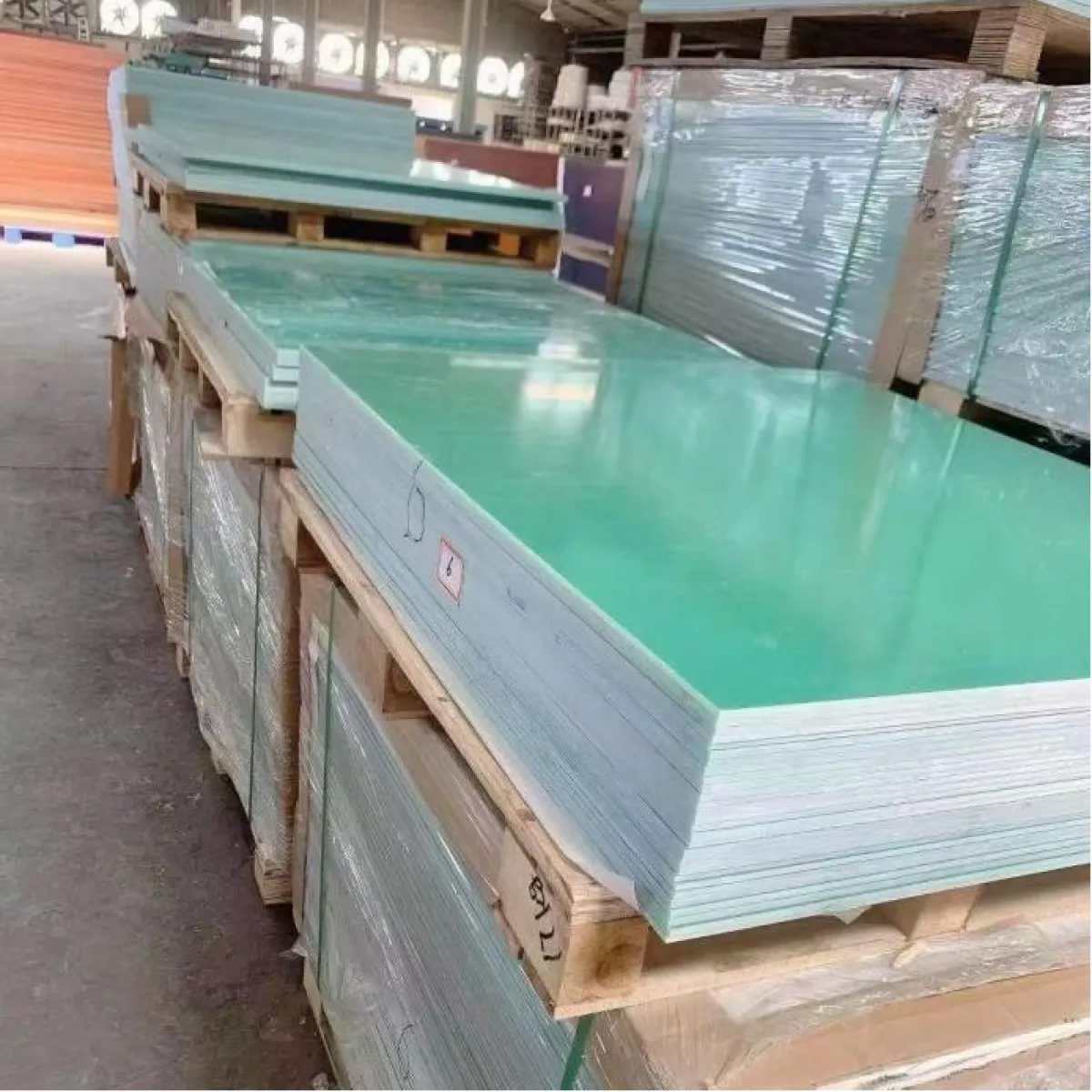
For electrical equipment manufacturers, machinery companies and insulation component suppliers, selecting the right G10 Epoxy Fiberglass Sheet involves more than simply choosing a
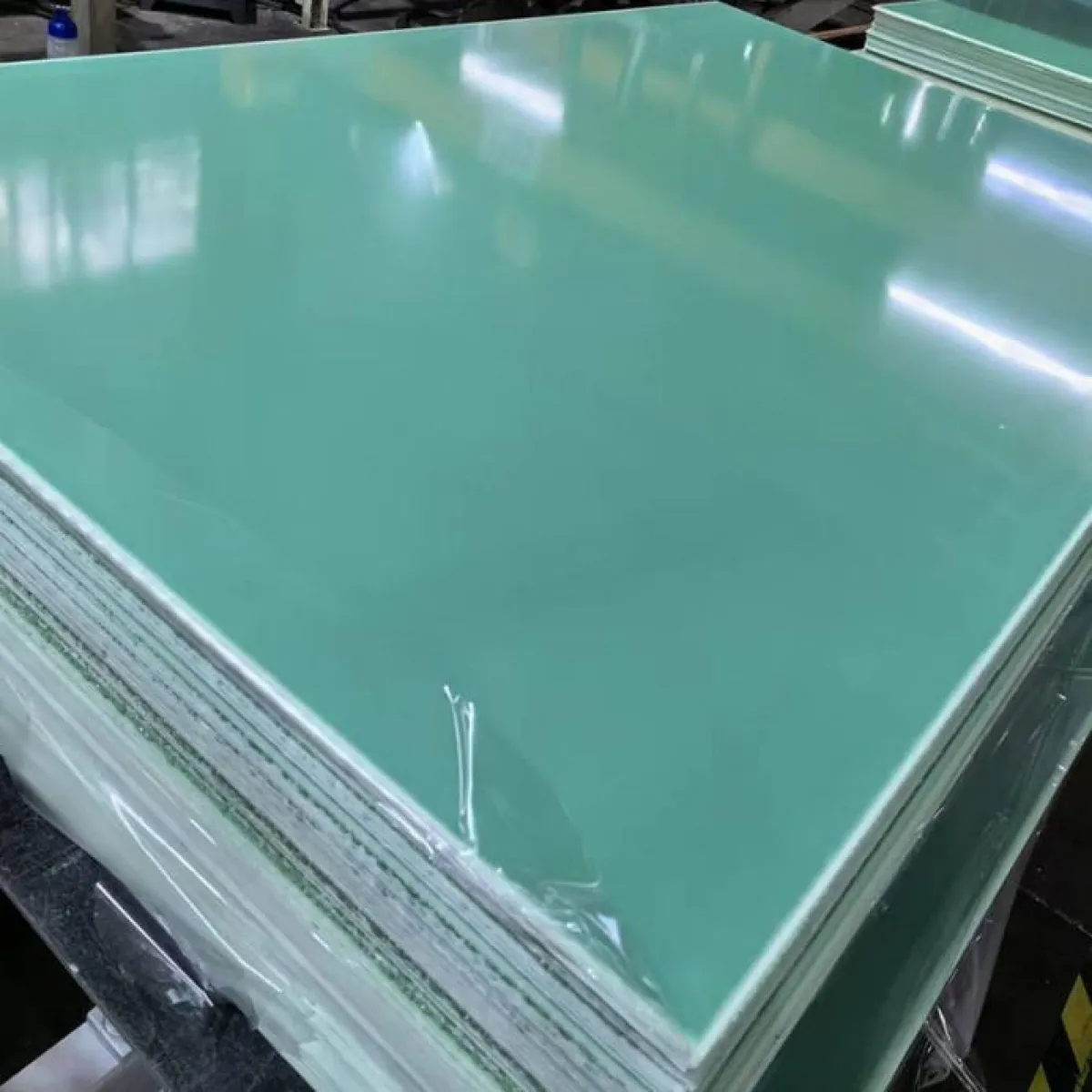
For engineers and purchasers choosing insulating materials, understanding the differences between G10 and G11 can help ensure the right balance of electrical insulation, mechanical
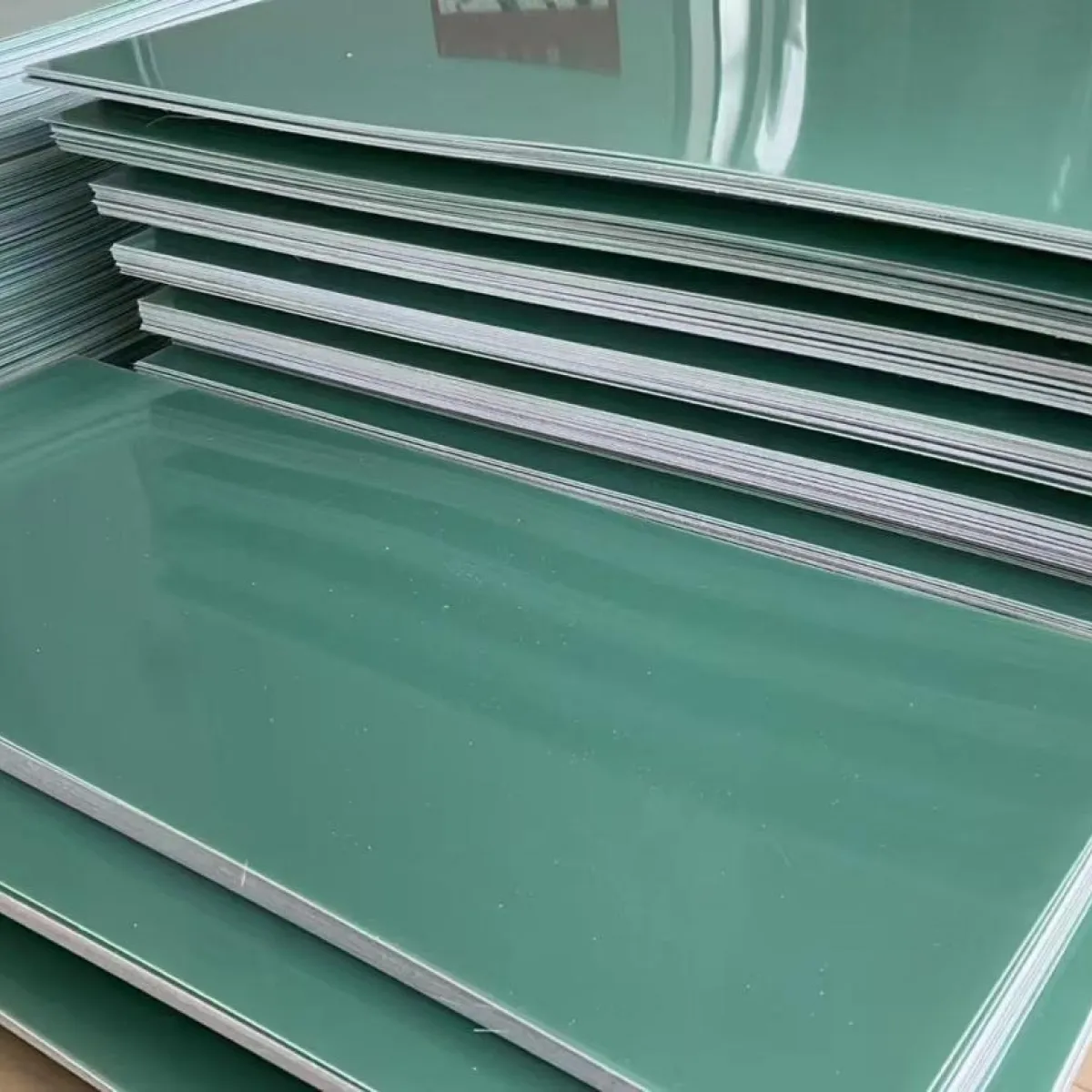
But what exactly makes FR4 so widely used? And when should engineers choose FR4 instead of G10, G11, FR5 or other insulating laminates?
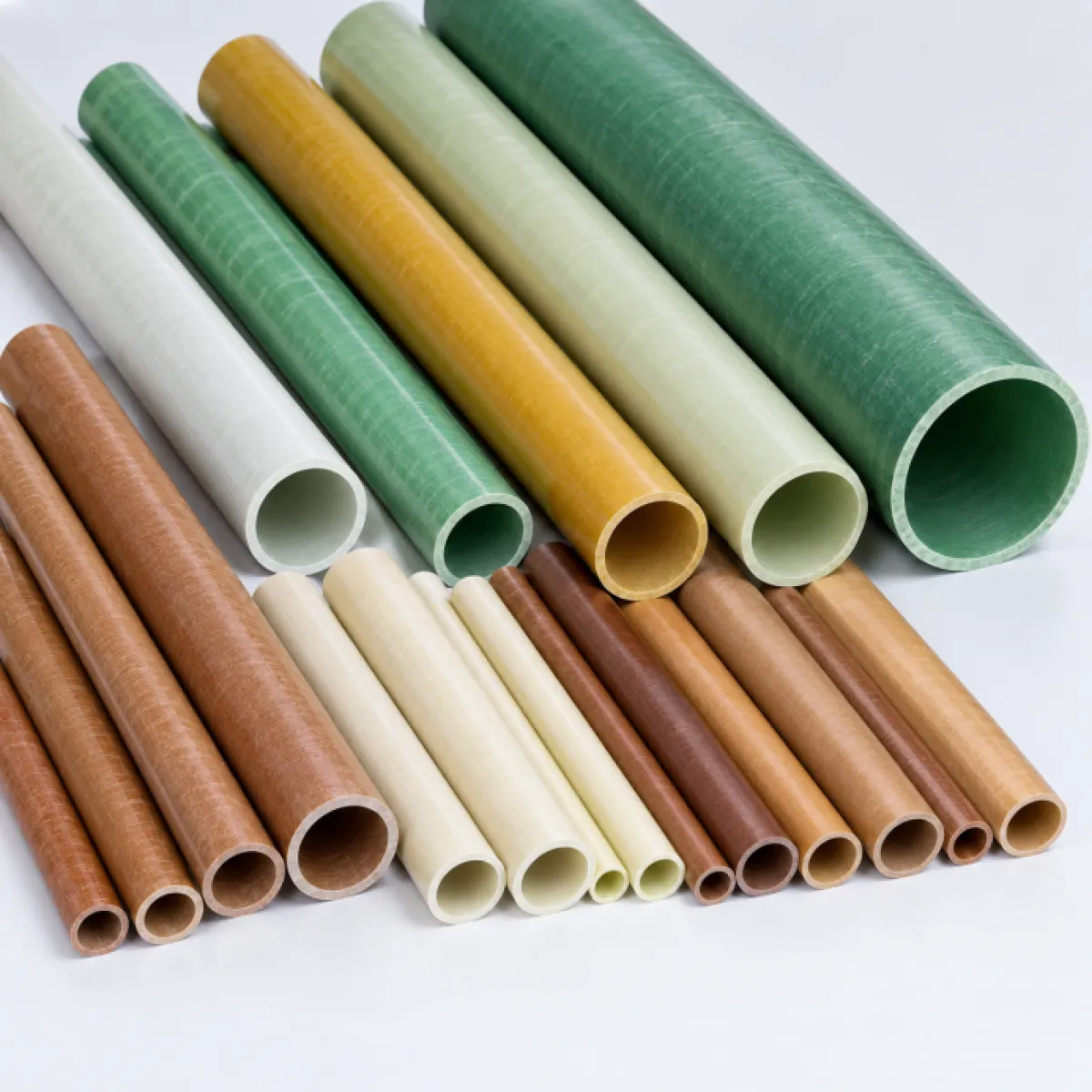
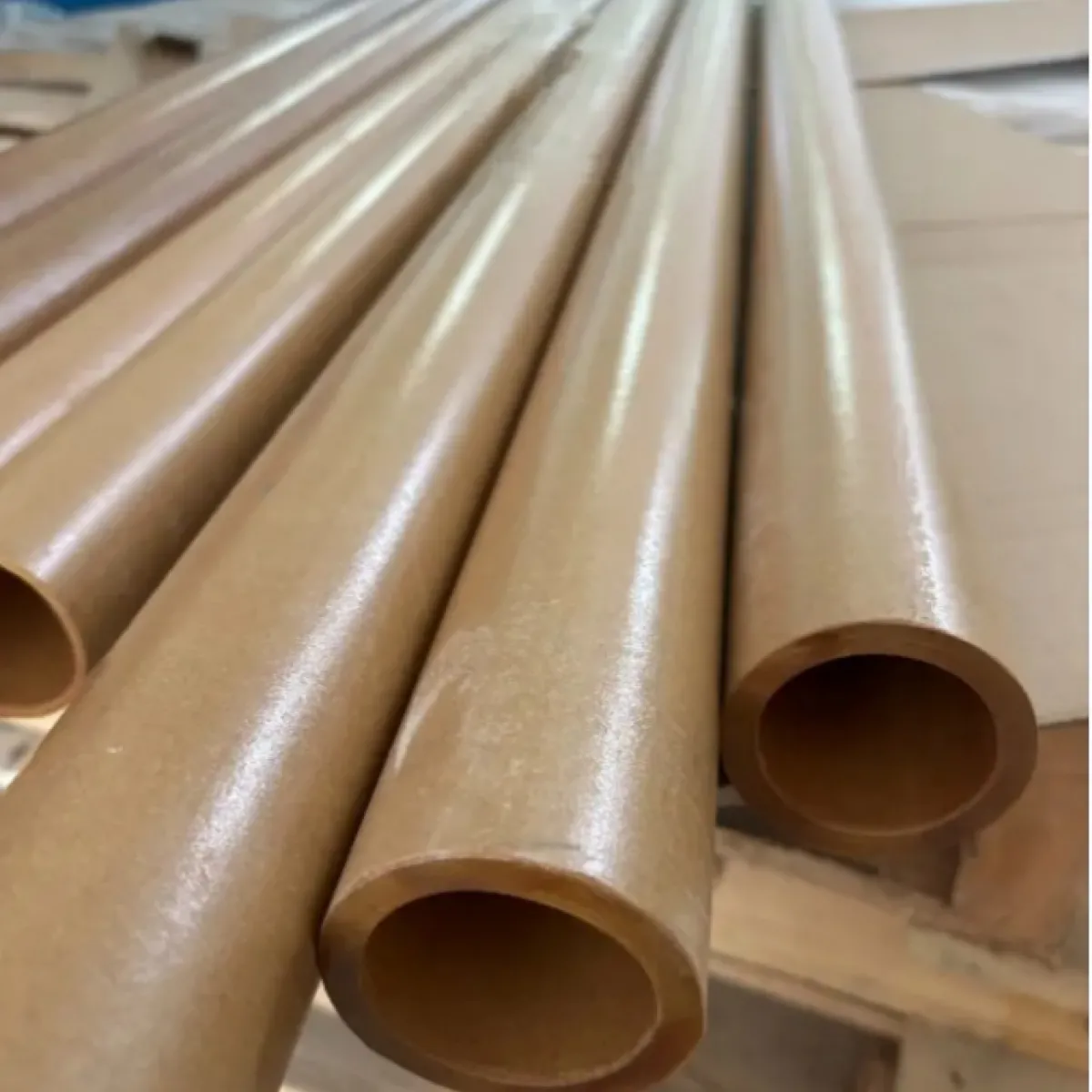
YILONG INSULATION supplies various laminated insulation tubes, including epoxy glass Cloth, melamine glass Cloth, phenolic cotton Cloth, phenolic paper and phenolic glass Cloth tube
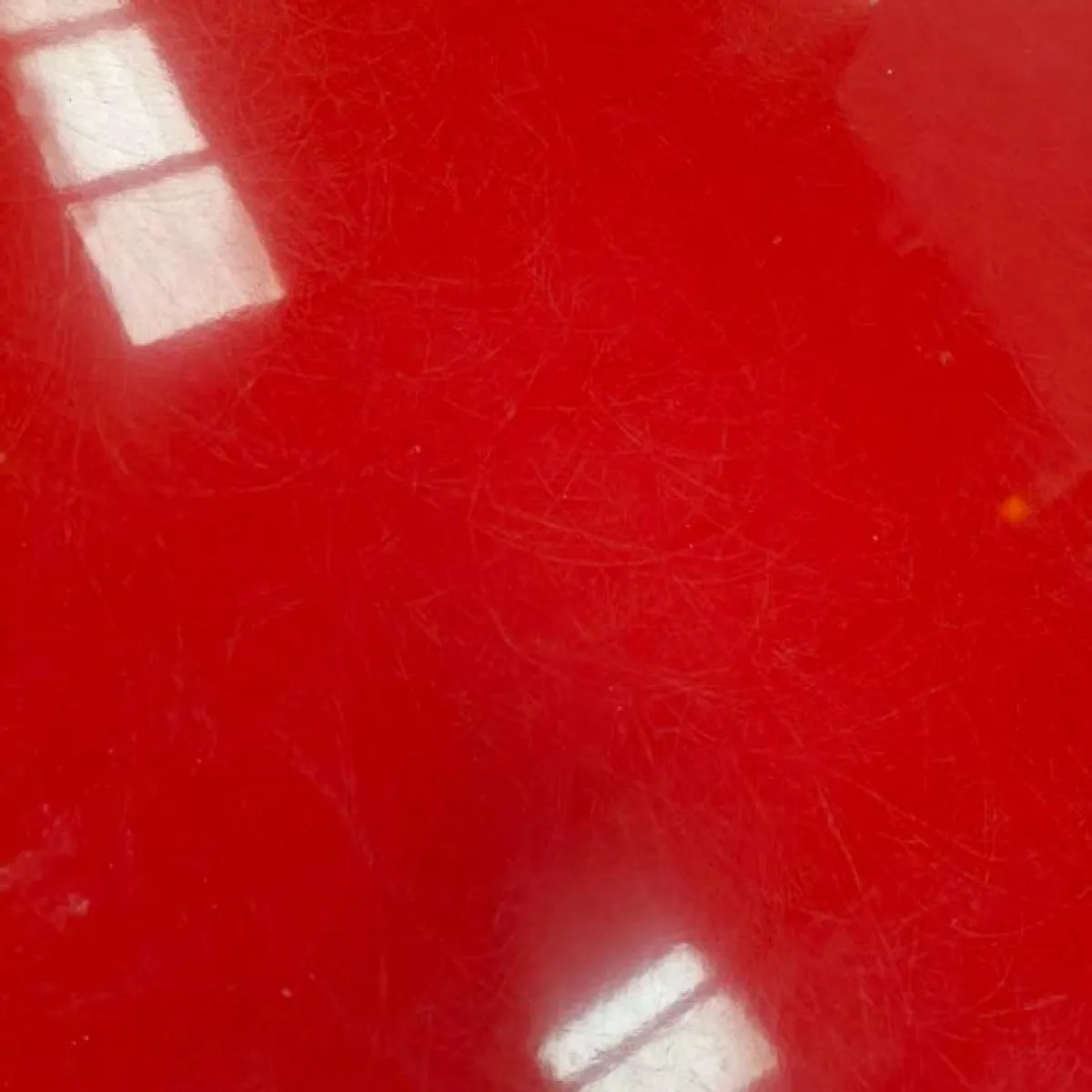
Among the materials used for these demanding applications, GPO-3 insulation board is widely selected for busbar supports, phase barriers, arc barriers and other structural insulati
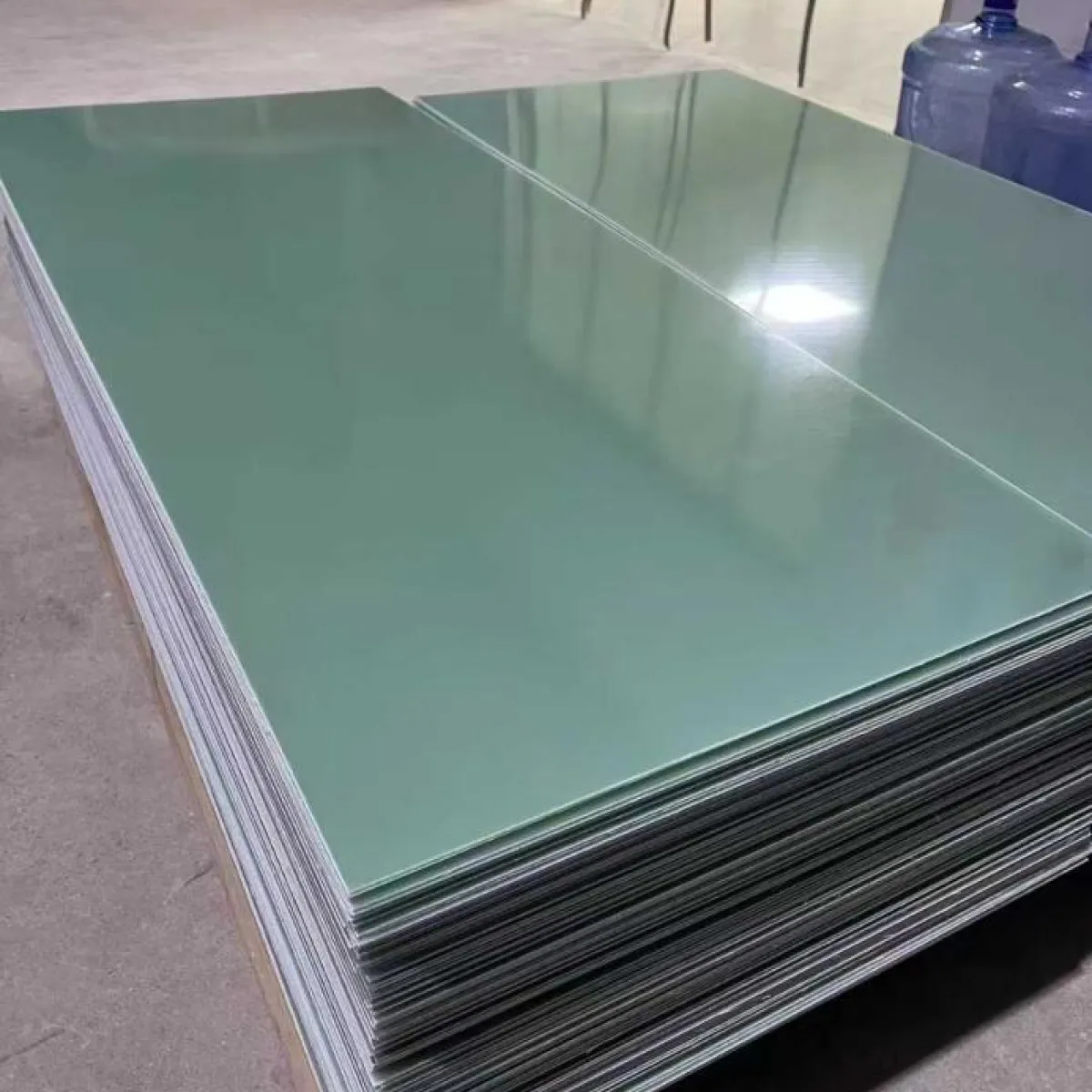
The most widely used epoxy glass laminates include 3240, G10, FR-4, and G11. Compared with these grades, 3240 is generally intended for less demanding applications. FR-4 offers goo
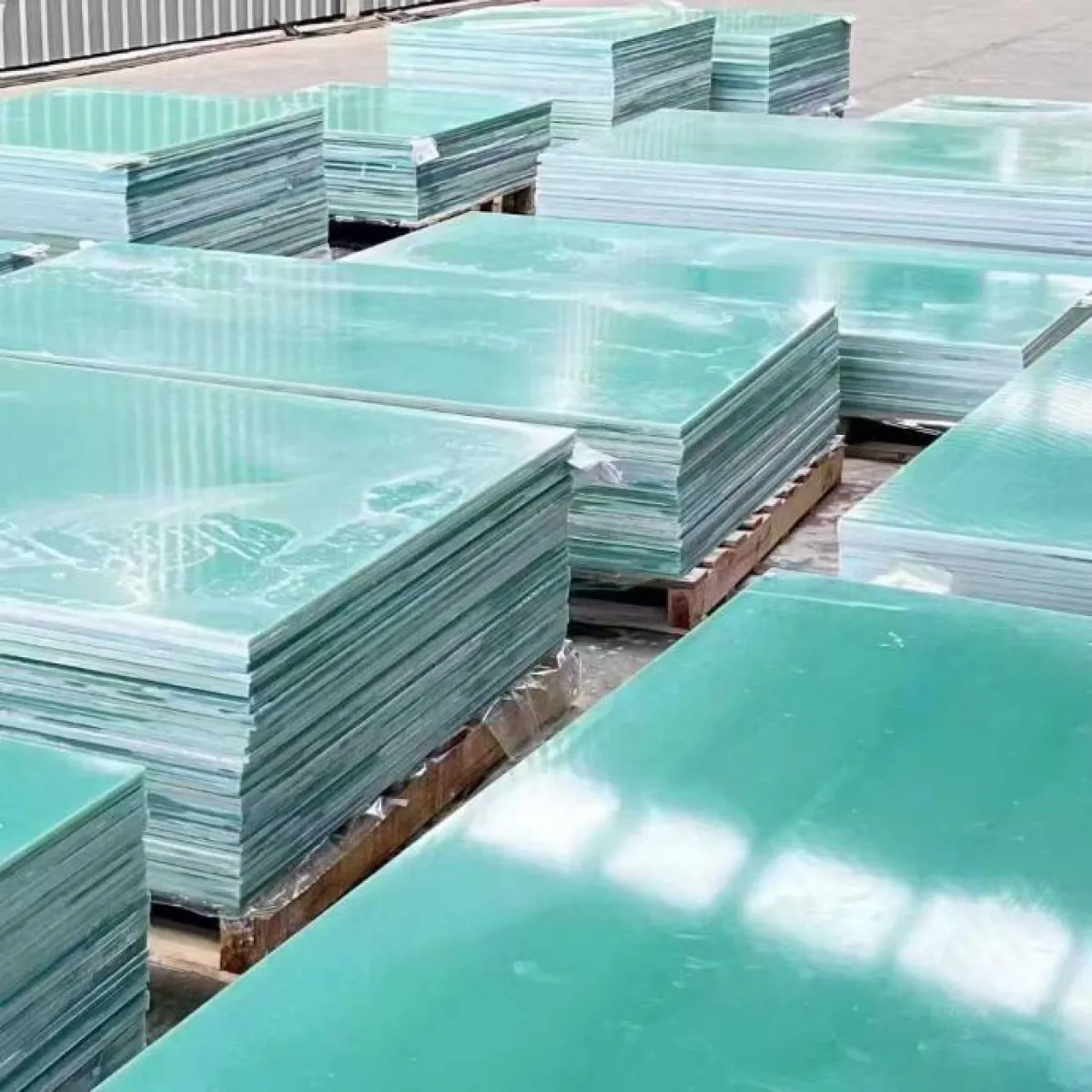
Today, we take a closer look at the manufacturing capabilities and service advantages behind YILONG’s high-quality electrical insulation solutions.

No.3, Mianzhi Street, Zhucheng, Shandong, China





Copyright © 2026 by Qingdao Yilong Insulation Material Company Limited All Rights Reserved