
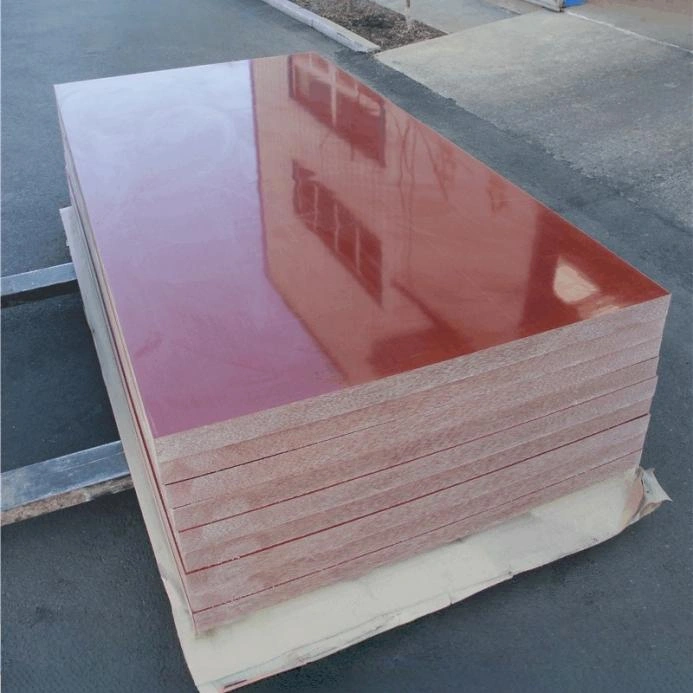
As global demand for electrical insulation materials and mechanical composite components grows, phenolic cotton cloth laminated sheet remains a competitive solution due to its performance-to-cost ratio. For procurement teams and design engineers, evaluating cost structure, production quality, and long-term value is critical when selecting phenolic cotton laminate materials.
Cost Structure and Market Pricing
The price of phenolic cotton cloth laminated sheet depends on several technical and commercial factors. Standard 3025 grade materials typically fall within a moderate price range in the global market, with variations influenced by:
Fabric weave type (coarse vs. fine cloth)
Sheet thickness and density
Customization requirements
Certification standards
Order volume
Fine weave grades or enhanced versions containing PTFE or graphite generally carry higher costs due to increased raw material input and more complex processing. Larger bulk orders often reduce unit pricing, while custom machining or tight tolerances increase production expense.
When compared to alternative materials, phenolic cotton laminate offers competitive value. Epoxy glass laminates such as FR4 typically provide higher dielectric performance and higher temperature resistance but at a significantly higher material cost. Paper-based phenolic laminates are cheaper, yet they lack the mechanical durability and wear resistance of cotton cloth reinforced grades. For many structural insulation applications, phenolic cotton cloth laminated sheet achieves the optimal balance between cost and performance.
Manufacturing Process and Quality Control
High-quality Phenolic Cotton Laminated Sheets require strict production control. The manufacturing process involves four main stages:
Raw Material Selection – Uniform cotton fabric and stable phenolic resin formulation ensure consistent mechanical and electrical performance.
Resin Impregnation – Controlled resin saturation guarantees balanced resin-to-fabric ratios and prevents weak bonding areas.
Hot Press Lamination – Multi-layer stacking followed by curing at 140–160°C under high pressure produces a rigid thermoset structure with strong interlayer bonding.
Finishing and Inspection – Final sheets undergo dimensional trimming, surface inspection, dielectric testing, and mechanical property verification before shipment.
Quality assurance typically includes dielectric strength testing, density checks, tensile and compressive strength measurement, and visual defect inspection. Reliable manufacturers maintain batch traceability and follow international standards such as IEC and NEMA classifications.
Material Selection Guidelines
Selecting the right phenolic cotton cloth laminated sheet depends on the application environment:
For heavy mechanical loads, coarse weave grades like 3025 provide high compressive strength.
For precision electrical components, fine weave grades offer better dimensional stability and insulation performance.
For sliding or wear applications, graphite- or PTFE-modified variants may reduce friction and extend service life.
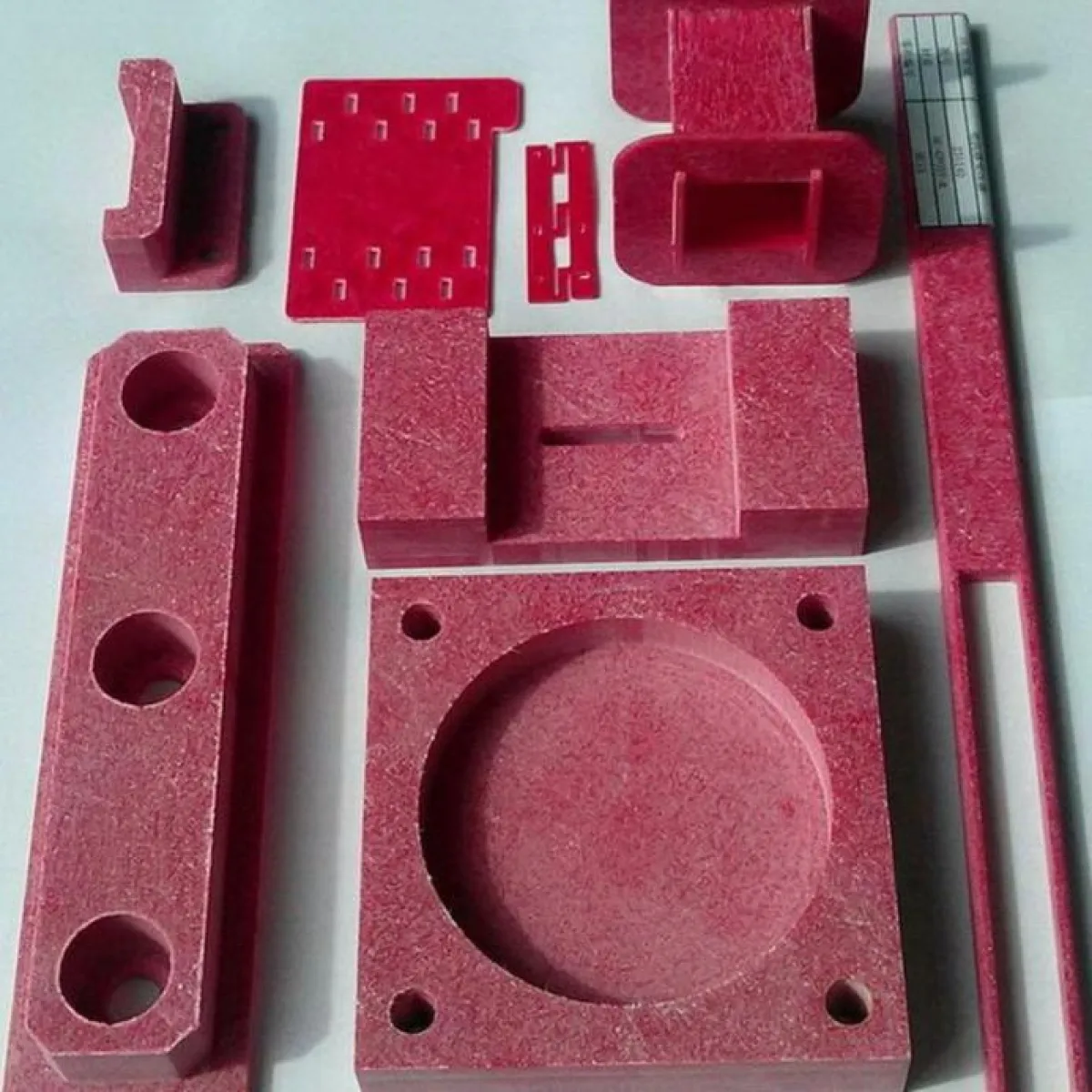
Designers should also consider lamination direction when planning load paths, as properties differ parallel and perpendicular to the layers. Proper machining allowances and correct fastening methods prevent delamination or cracking during assembly.
Storage and Handling Recommendations
To maintain dimensional stability and electrical properties, phenolic cotton laminated Sheets should be stored flat in temperature-controlled environments with moderate humidity. Proper packaging protects against moisture absorption and contamination, while careful machining practices preserve surface integrity.
YILONG’s Commitment to Consistent Supply
YILONG focuses on delivering stable-quality phenolic cotton cloth laminated sheets for industrial and electrical applications. Our production lines emphasize curing control, dimensional accuracy, and property testing to ensure each batch meets specification requirements. We support customers with technical consultation, grade selection guidance, and customized sheet solutions tailored to project needs.
As industries continue seeking reliable insulation and structural composite materials, phenolic cotton laminated sheet remains a proven option that balances durability, machinability, and economic efficiency. By understanding cost factors, manufacturing standards, and performance criteria, manufacturers can make informed procurement decisions that improve long-term operational reliability.
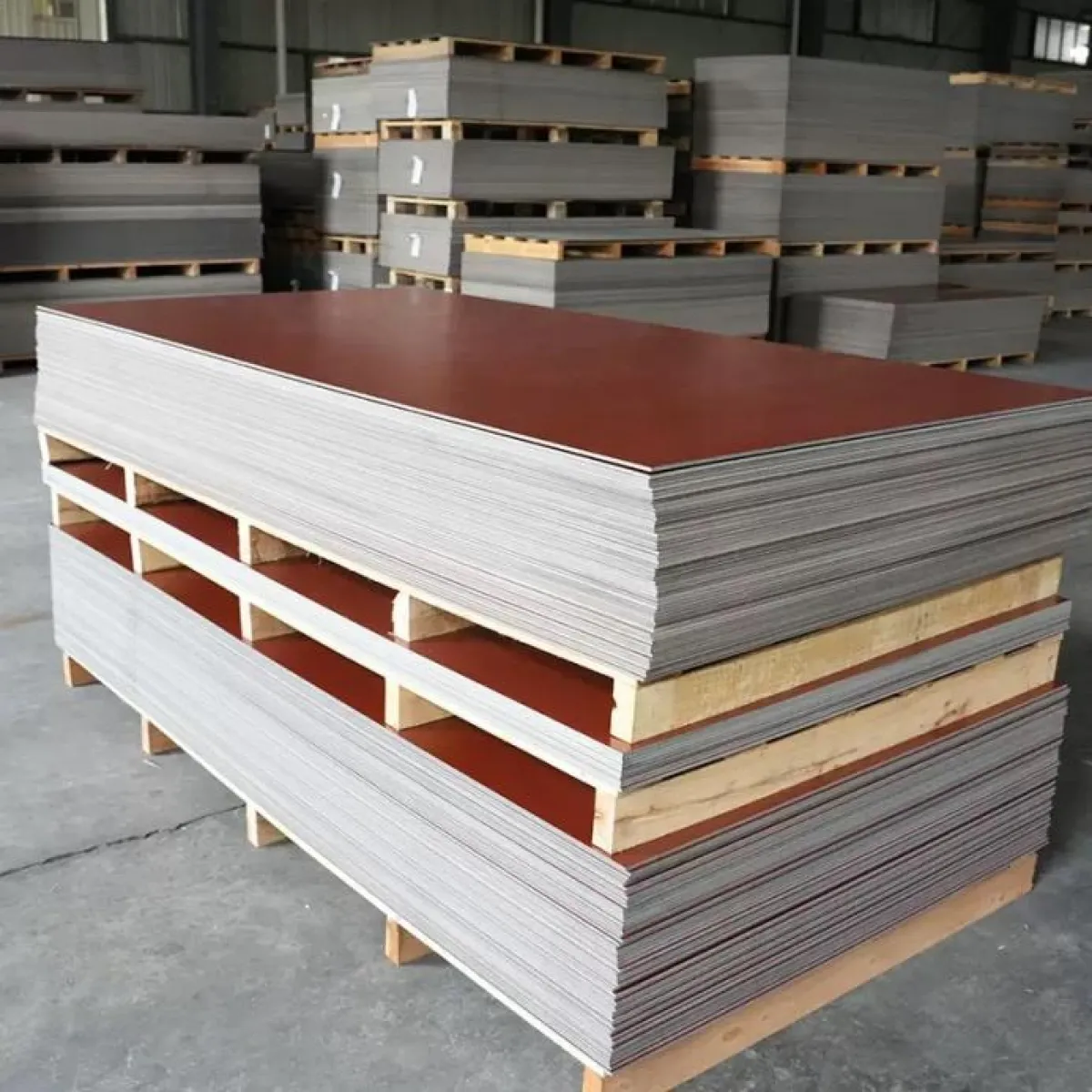
PFCP201 is manufactured using high-quality insulating paper impregnated with phenolic resin. After the raw materials are carefully inspected, the paper is passed through an automat
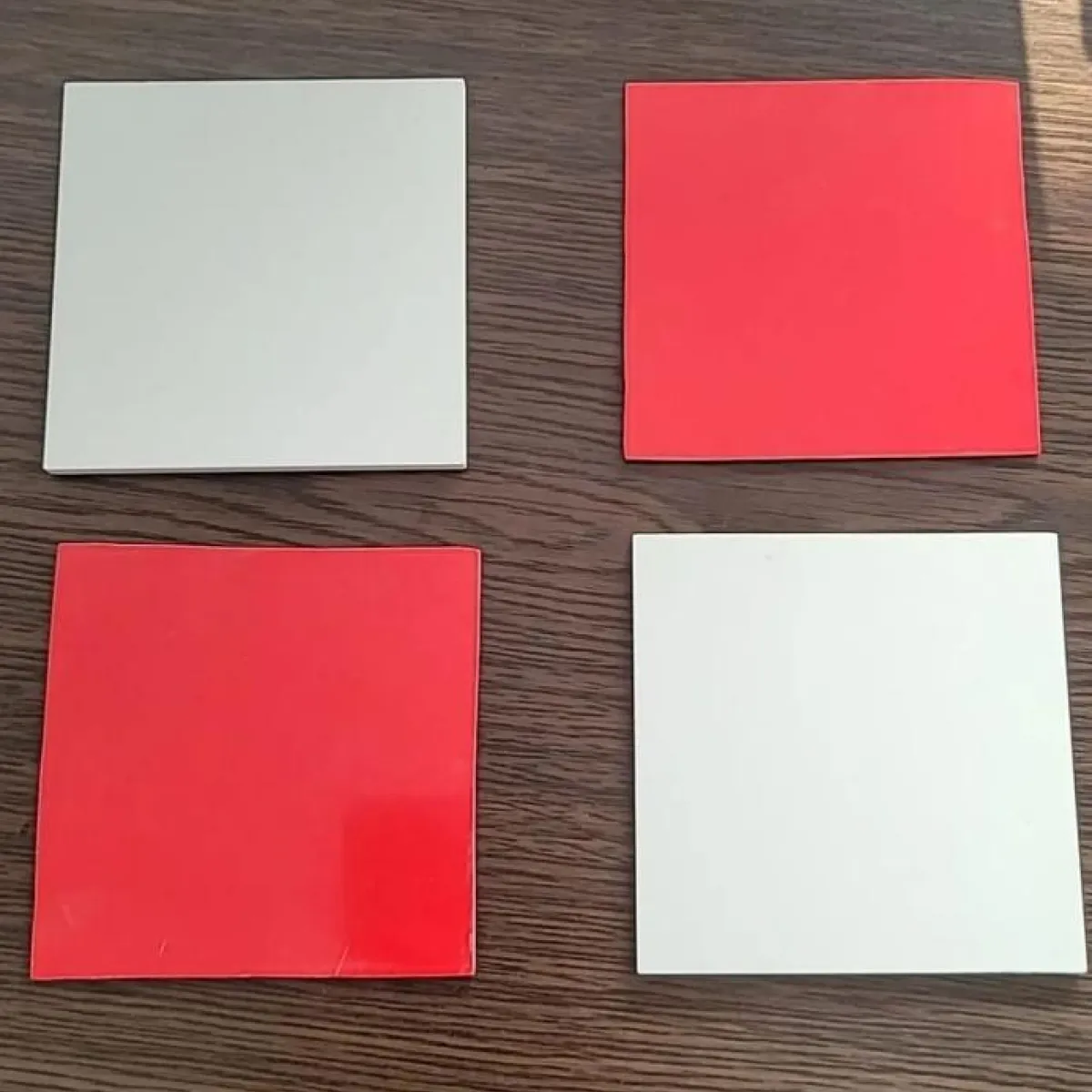
GPO-3 insulation board, also known as UPGM-203, is a rigid electrical insulation material made from alkali-free glass fiber mat impregnated with unsaturated polyester resin and pro
Compared with many conventional insulation materials, GPO-3 offers two particularly important advantages: strong resistance to heat and moisture, and stable electrical insulation p
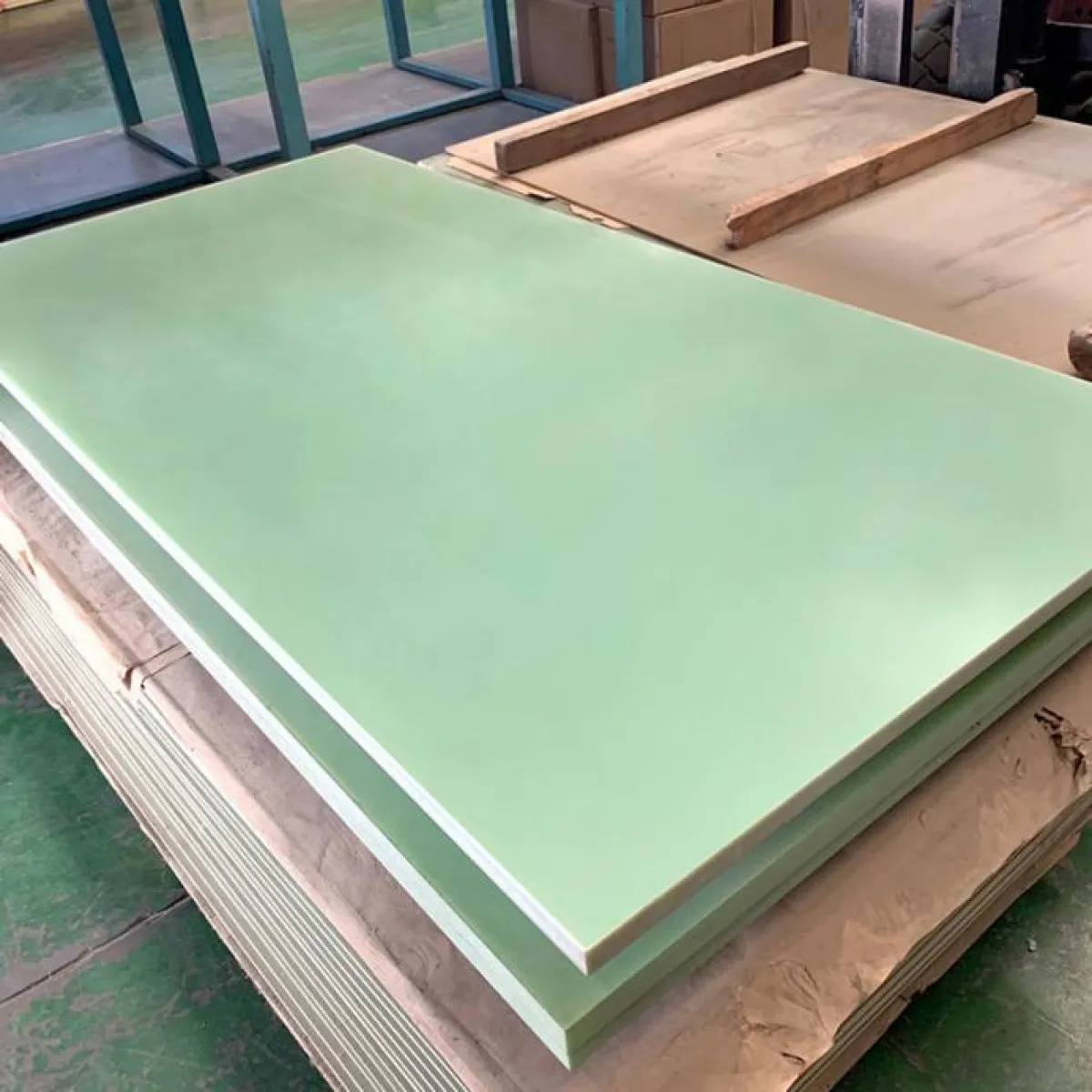
However, selecting a cryogenic insulation material based only on its standard properties may not be enough. In actual service, continuous immersion, concentrated mechanical loads,

Silicone Glass Cloth Sheet (G7) combines silicone resin with glass fiber cloth to provide a balance of high-temperature resistance, electrical insulation, mechanical strength, and
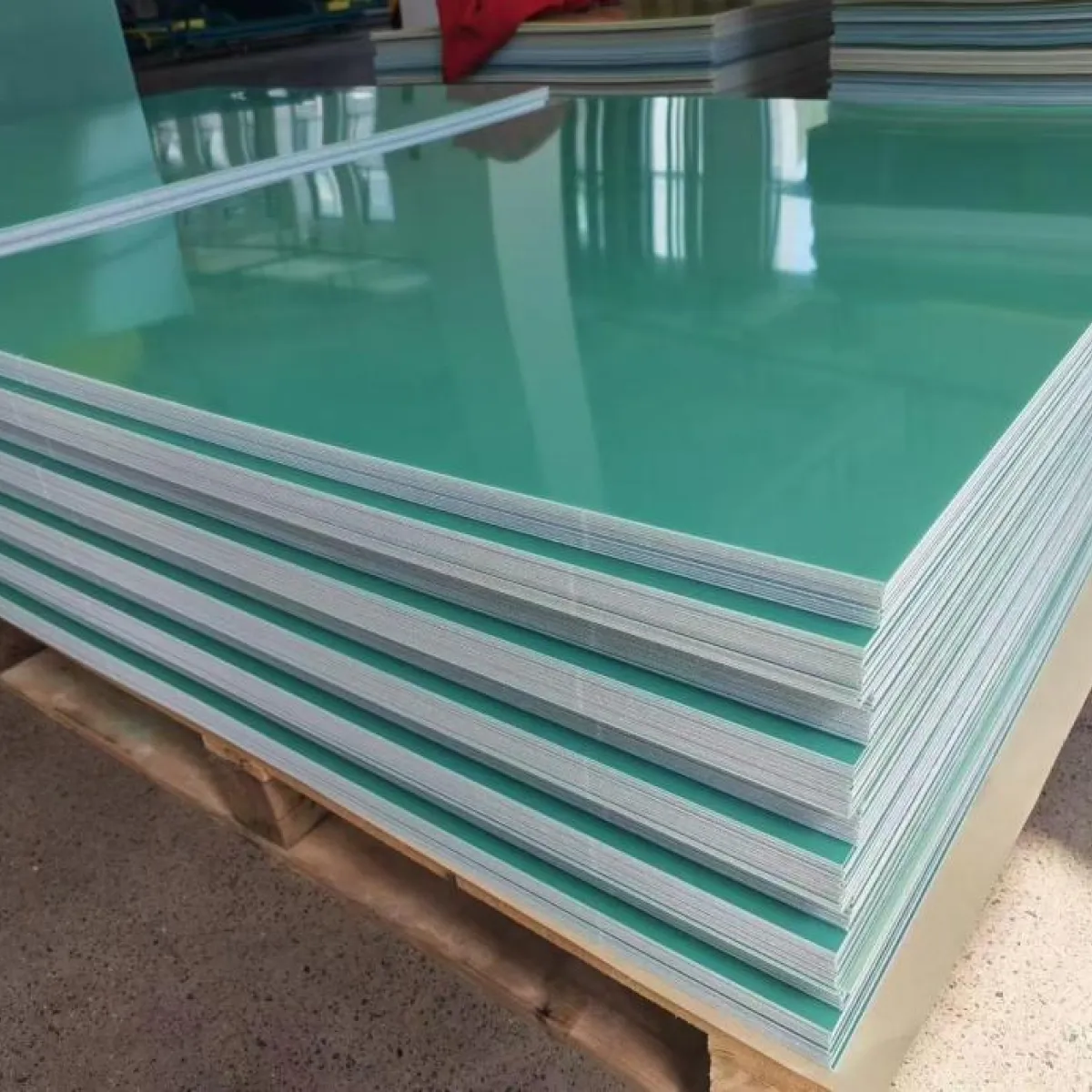
These properties make EPGC308 particularly suitable for electrical equipment operating under high temperature, high humidity and high-voltage conditions.
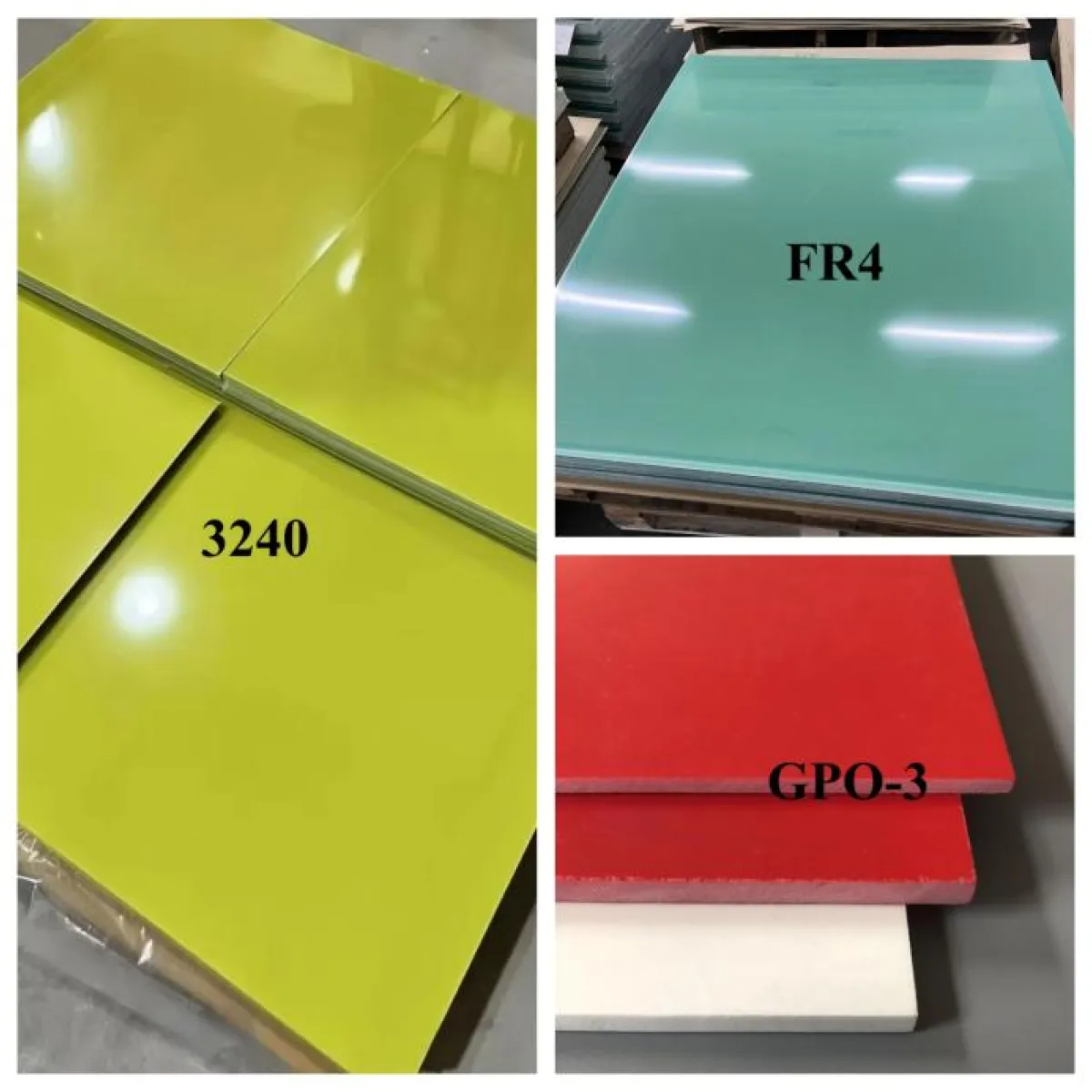
Understanding these differences can help engineers and buyers select the most suitable insulation material for their specific operating conditions.
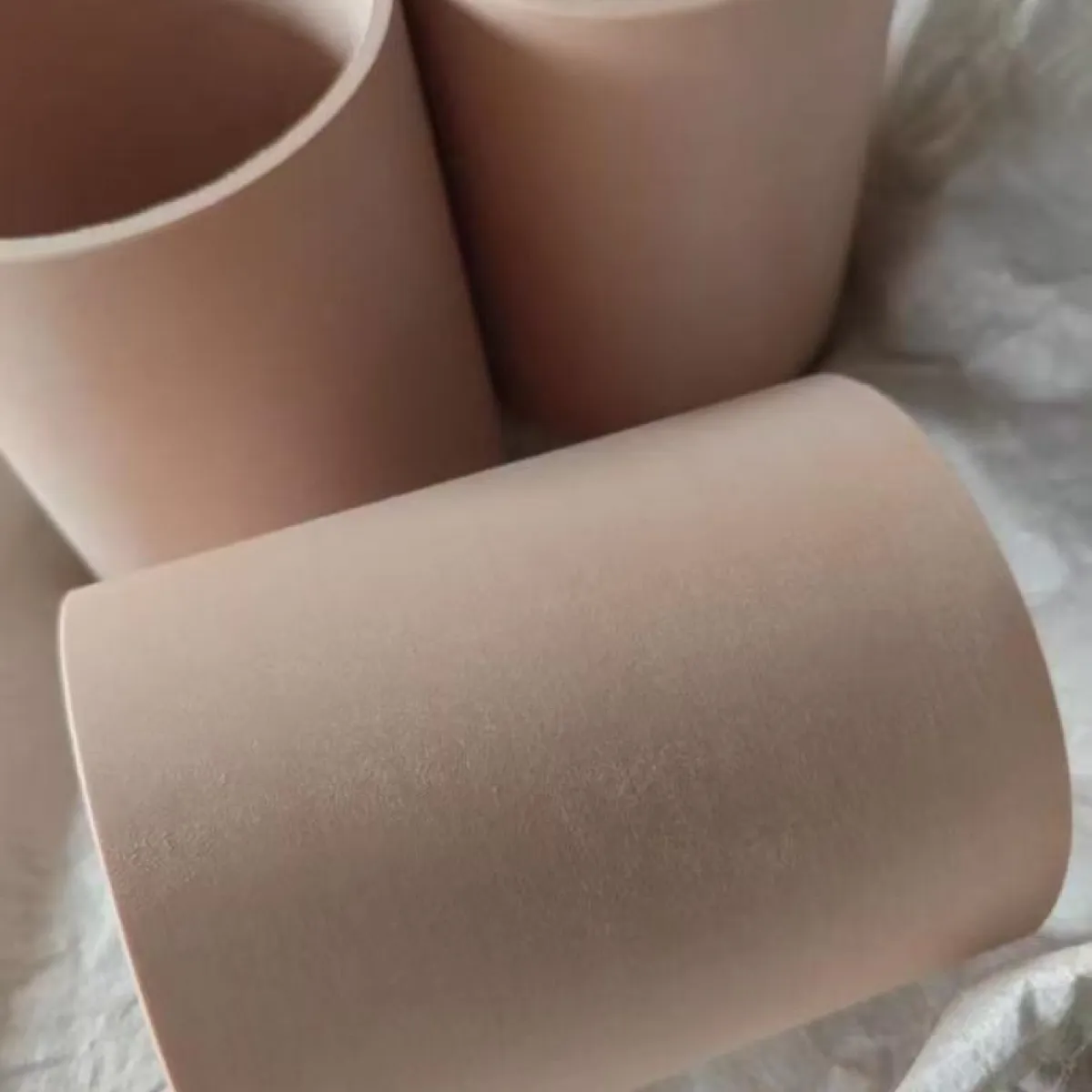
Phenolic Cotton Tube boasts multiple prominent competitive strengths for industrial use. It features extraordinary insulating performance: fully non-conductive, anti-static, and st
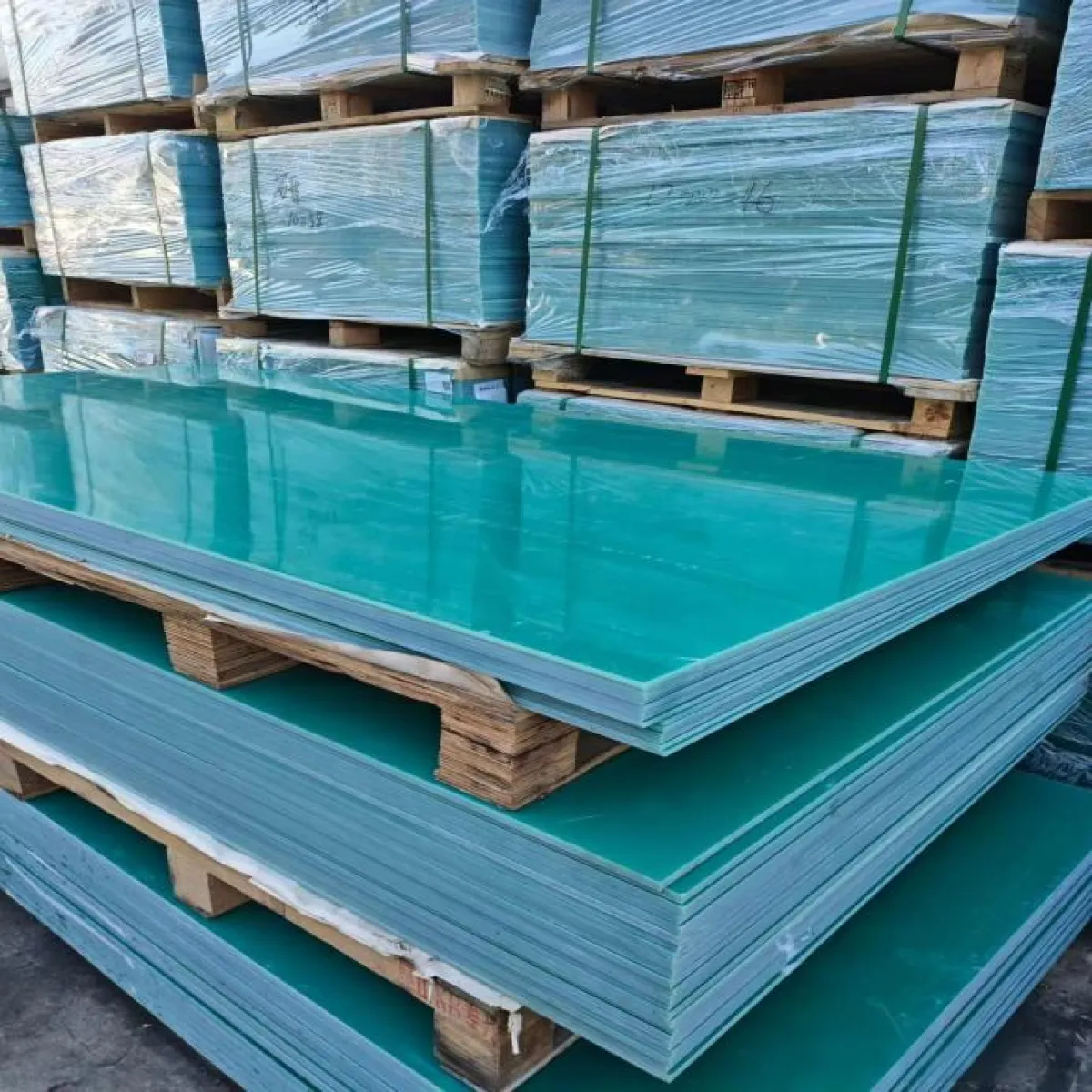
First let us look at its regular uses. In power plants, substations, power distribution rooms and other sites, Insulation Laminated Board is commonly laid on floors to avoid electr
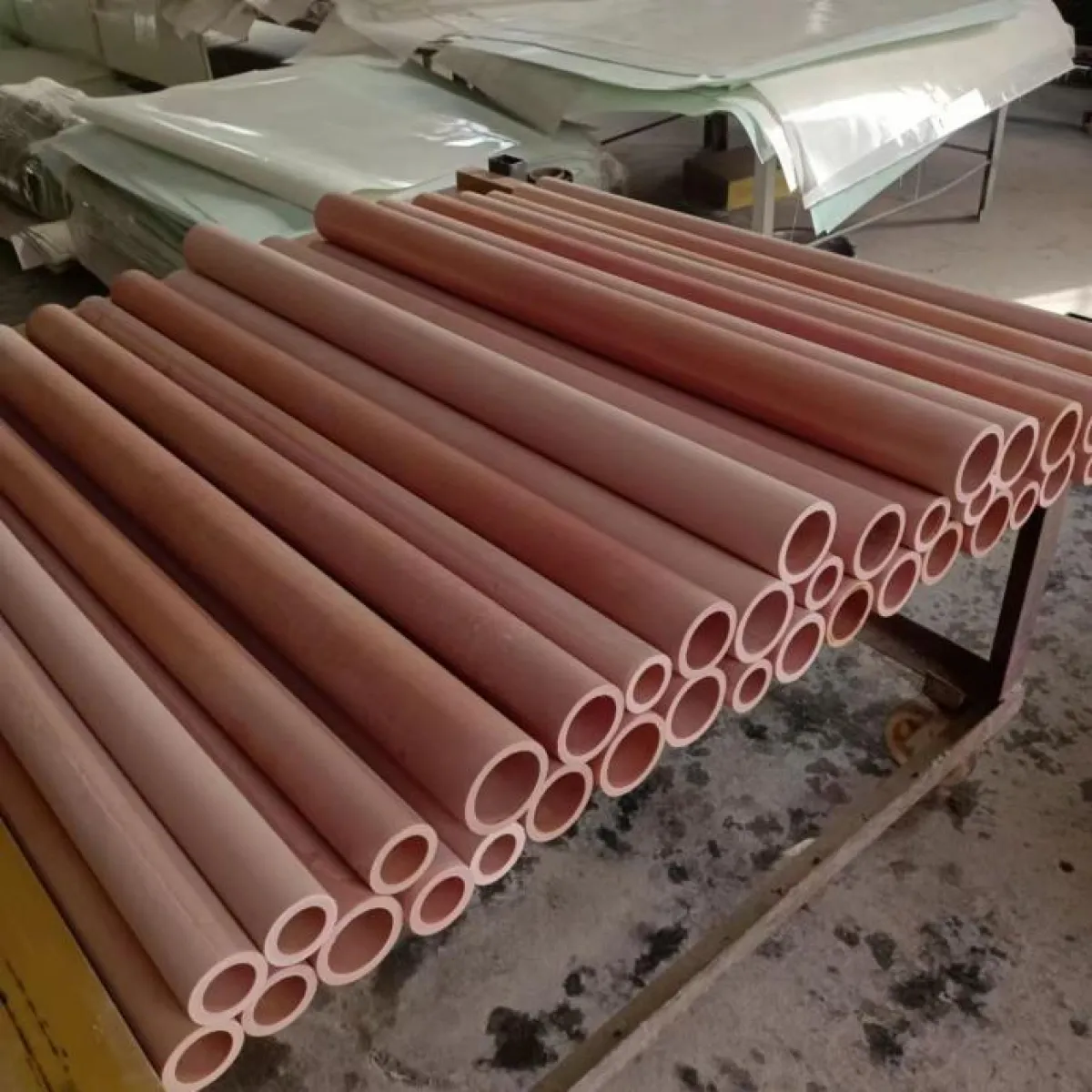
From the perspective of composite materials, Phenolic Cloth Tube is not made of a single substance, but formed by combining thermosetting phenolic resin with reinforcing materials

No.3, Mianzhi Street, Zhucheng, Shandong, China





Copyright © 2026 by Qingdao Yilong Insulation Material Company Limited All Rights Reserved