
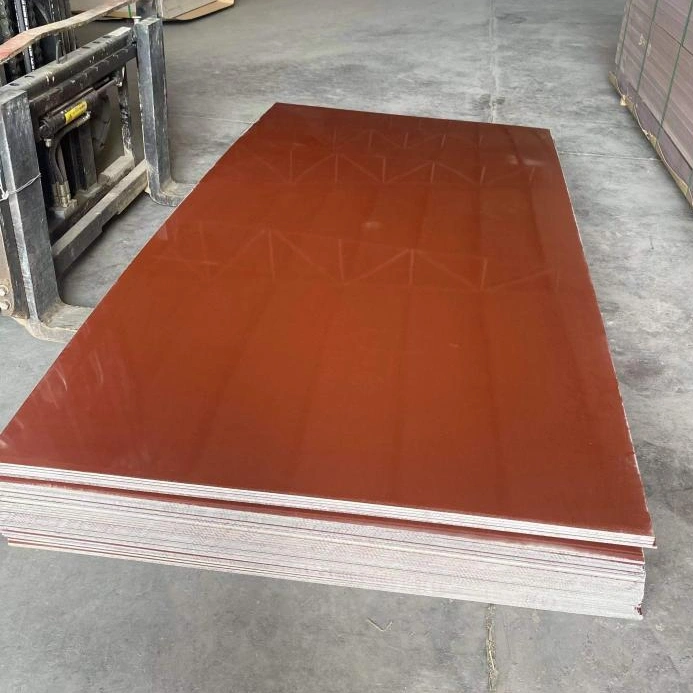
Phenolic Cotton Cloth Laminated Sheet, often referred to as textolite sheet or bakelite cotton board, remains one of the most reliable composite materials for electrical insulation and mechanical engineering. By combining woven cotton fabric with thermosetting phenolic resin, this material delivers a balanced profile of strength, dimensional stability, and dielectric performance. For manufacturers of electrical equipment, motors, transformers, and precision mechanical components, understanding the characteristics of phenolic cotton laminates is essential for proper material selection.
What Is Phenolic Cotton Cloth Laminated Sheet?
A Phenolic Cotton Cloth Laminated Sheet is produced by impregnating layers of cotton fabric with phenolic resin and curing them under high temperature and pressure. During the hot-pressing process, the resin undergoes irreversible cross-linking, forming a rigid thermoset structure that cannot be remelted or reshaped.
Typical pressing parameters range from 140–160°C with pressures between 7–15 MPa. The result is a dense laminated sheet with high compressive strength, good impact resistance, and stable electrical insulation properties. The material performs reliably within a long-term temperature range of approximately -65°C to +105°C and is widely used in air or transformer oil environments.
Main Grades and International Standards
Phenolic cotton laminated sheets are available in several grades to match different mechanical and electrical requirements. Common classifications include:
3025 – Coarse cotton fabric, primarily focused on mechanical strength and structural applications.
3026 – Fine weave fabric, offering improved dimensional stability for smaller precision parts.
3027 – Balanced mechanical and electrical performance.
3028 – Fine weave grade with enhanced insulation characteristics.
Under IEC standards, these materials are identified in the PFCC (Phenolic Fabric Cotton Cloth) series, while DIN and NEMA standards use alternative designations such as HGW and CE grades. These international equivalents ensure consistency in global sourcing and specification.
Mechanical and Electrical Performance
Phenolic Cotton Cloth Laminated Sheets are valued for their well-rounded physical properties. Typical performance indicators include:
Tensile strength above 120 MPa
Compressive strength up to 300 MPa
Dielectric strength reaching 14 MV/m (perpendicular to laminations)
Thermal class E (125°C insulation system rating)
The cotton fabric reinforcement improves toughness compared to paper-based phenolic laminates, while the phenolic matrix provides rigidity and heat resistance. In addition, the material offers good machinability, supporting drilling, milling, turning, and CNC processing without significant delamination when proper tooling is used.
Industrial Applications
Due to its combination of mechanical durability and electrical insulation, phenolic cotton cloth laminate is widely used across industries.
In electrical systems, it functions as insulating structural components in motors, generators, and transformers. It is suitable for slot wedges, spacers, and oil duct supports where both mechanical strength and dielectric isolation are required.
In mechanical engineering, phenolic cotton laminated sheet is commonly machined into gears, bushings, bearings, pulleys, and wear plates. Compared with metal components, it reduces noise, avoids sparking, and offers good friction performance. This makes it particularly useful in textile machinery, pump systems, and equipment operating in explosive environments.
Specialized variants incorporating PTFE, graphite, or molybdenum disulfide are also available for enhanced wear resistance or self-lubricating applications.
YILONG’s Material Support
At YILONG, we supply high-quality Phenolic Cotton Cloth Laminated Sheets designed for consistent mechanical and electrical performance. Our production control focuses on resin ratio accuracy, fabric quality, curing stability, and dimensional tolerance management. We support OEM manufacturers with standard grades as well as customized thicknesses and sheet sizes according to project requirements.
With increasing demand for reliable insulation and structural composites, Phenolic Cotton Cloth Laminated Sheet continues to serve as a cost-effective and technically dependable solution for global industrial markets.
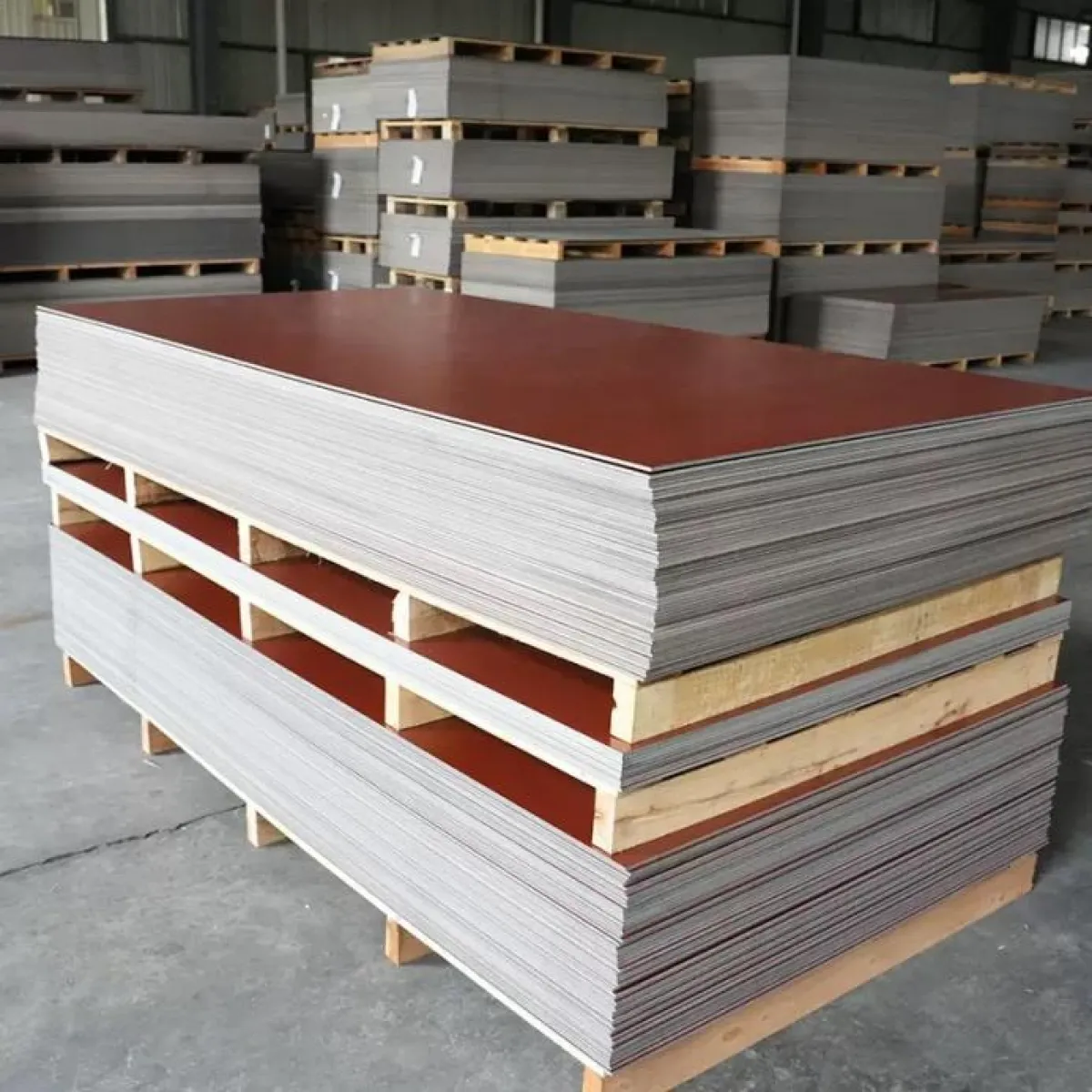
PFCP201 is manufactured using high-quality insulating paper impregnated with phenolic resin. After the raw materials are carefully inspected, the paper is passed through an automat
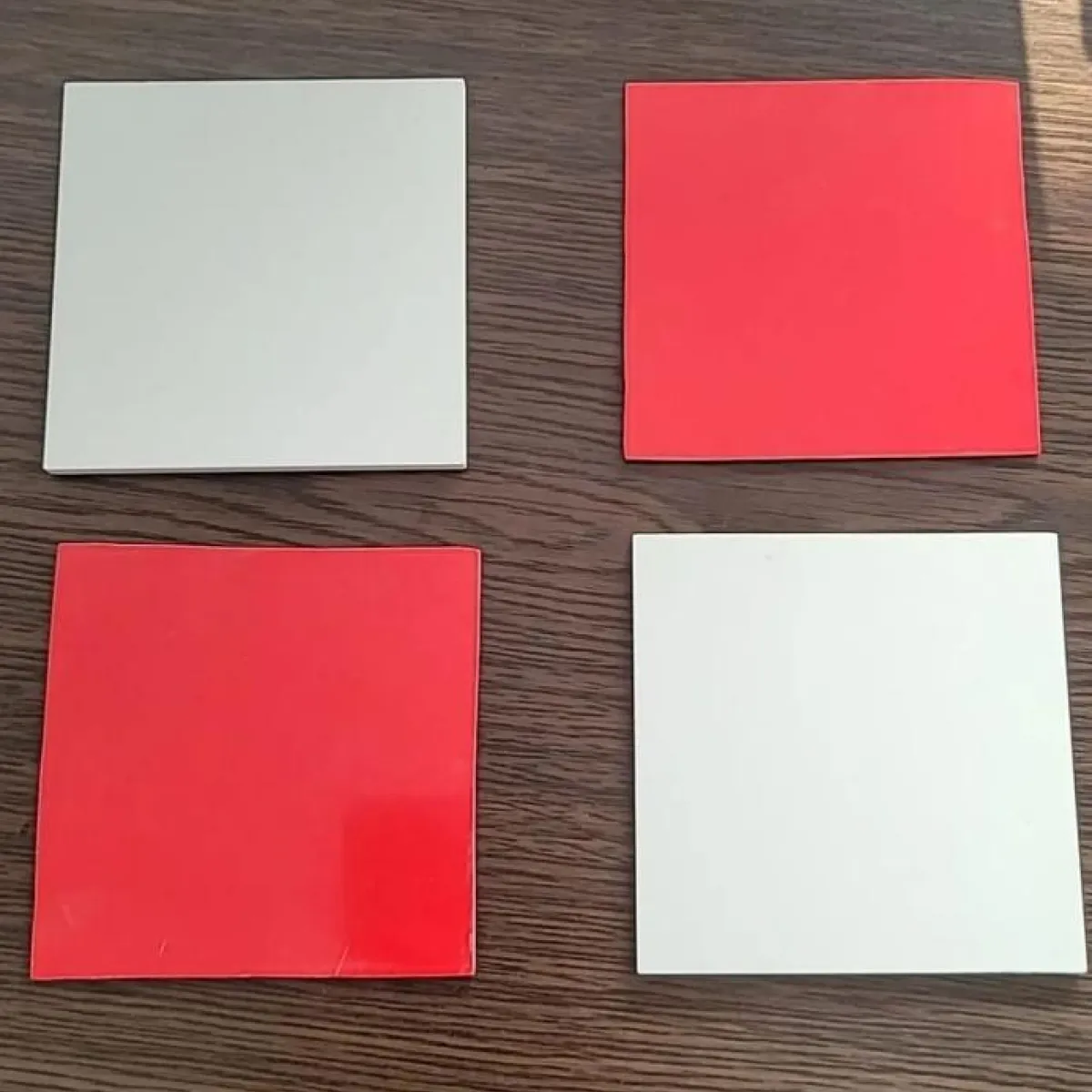
GPO-3 insulation board, also known as UPGM-203, is a rigid electrical insulation material made from alkali-free glass fiber mat impregnated with unsaturated polyester resin and pro
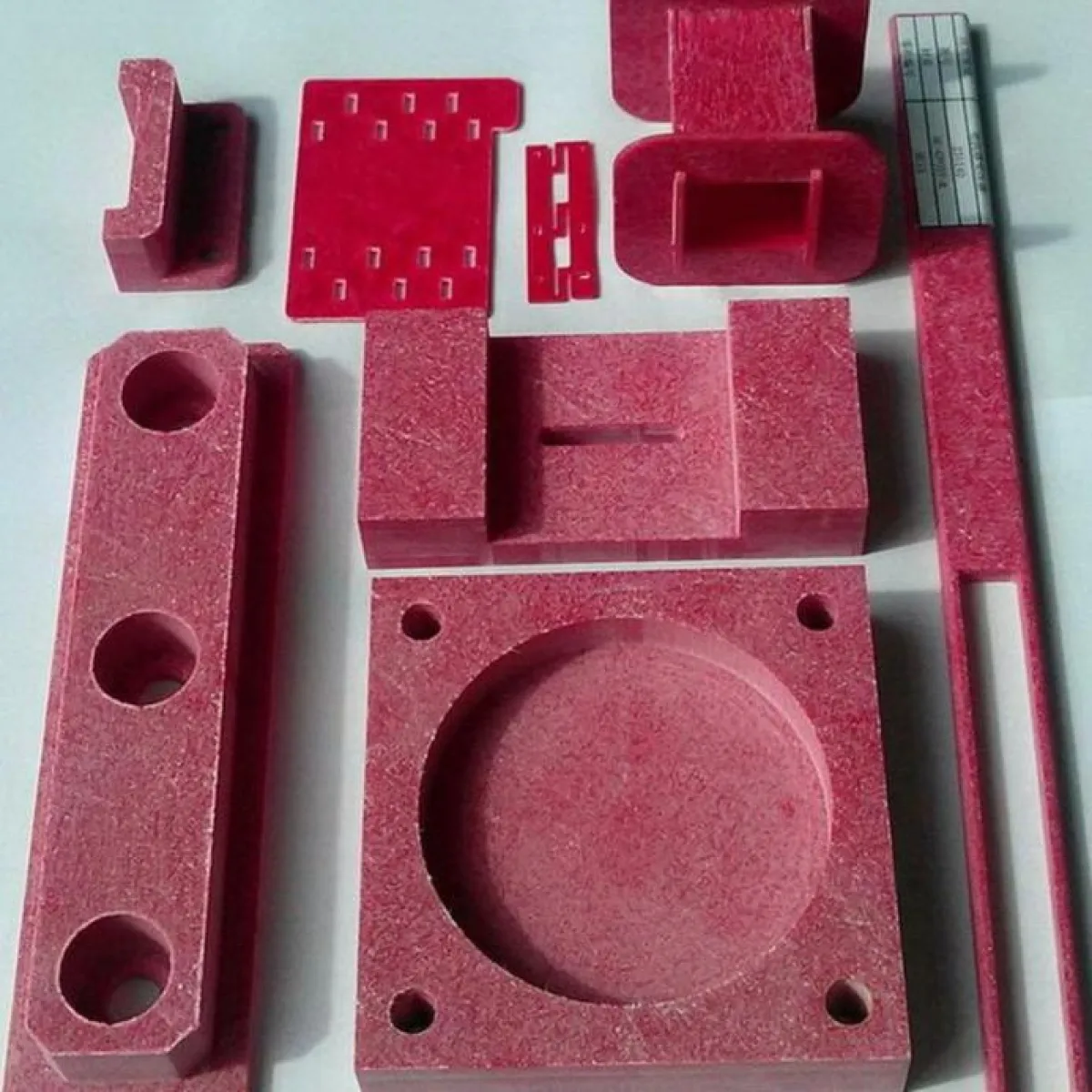
Compared with many conventional insulation materials, GPO-3 offers two particularly important advantages: strong resistance to heat and moisture, and stable electrical insulation p
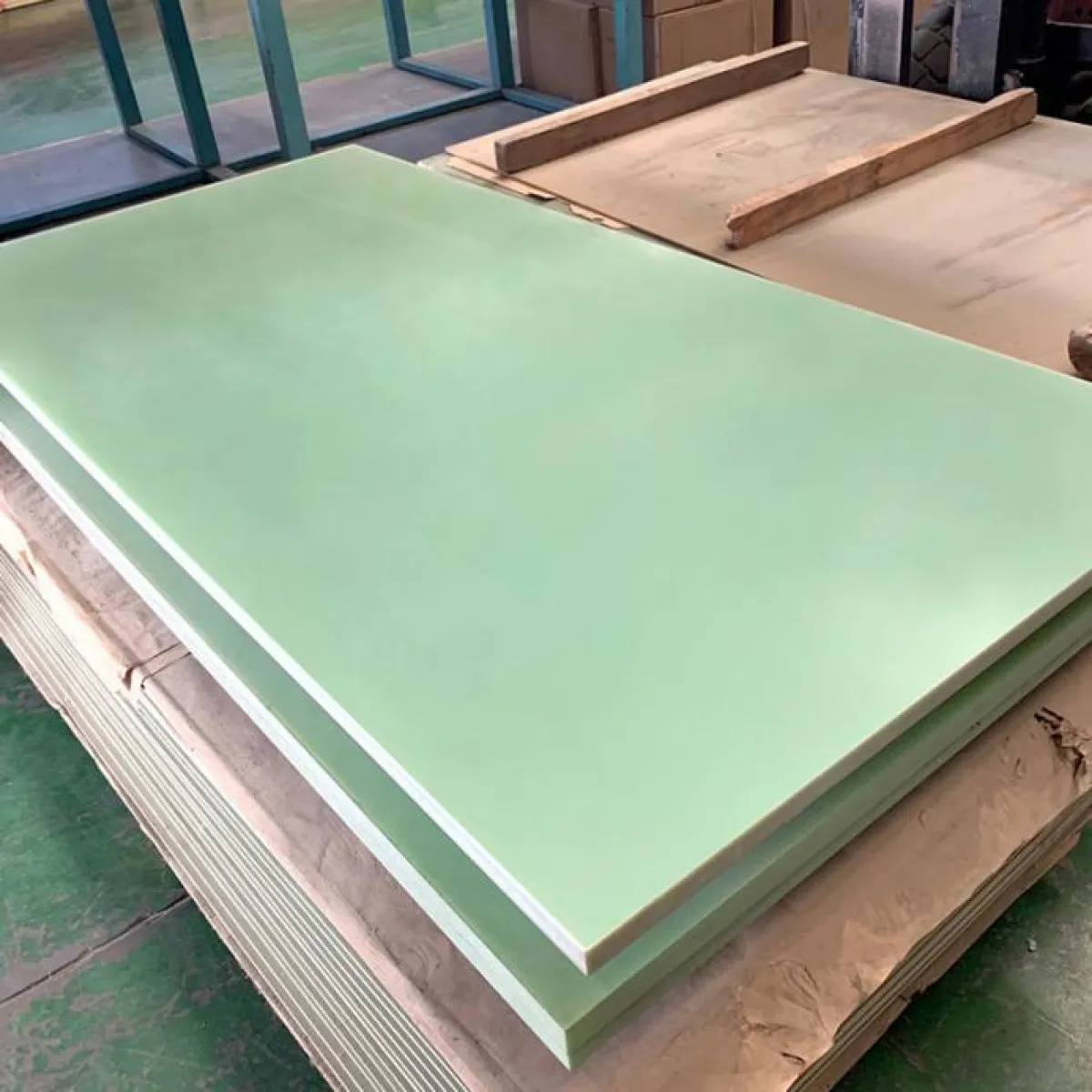
However, selecting a cryogenic insulation material based only on its standard properties may not be enough. In actual service, continuous immersion, concentrated mechanical loads,

Silicone Glass Cloth Sheet (G7) combines silicone resin with glass fiber cloth to provide a balance of high-temperature resistance, electrical insulation, mechanical strength, and
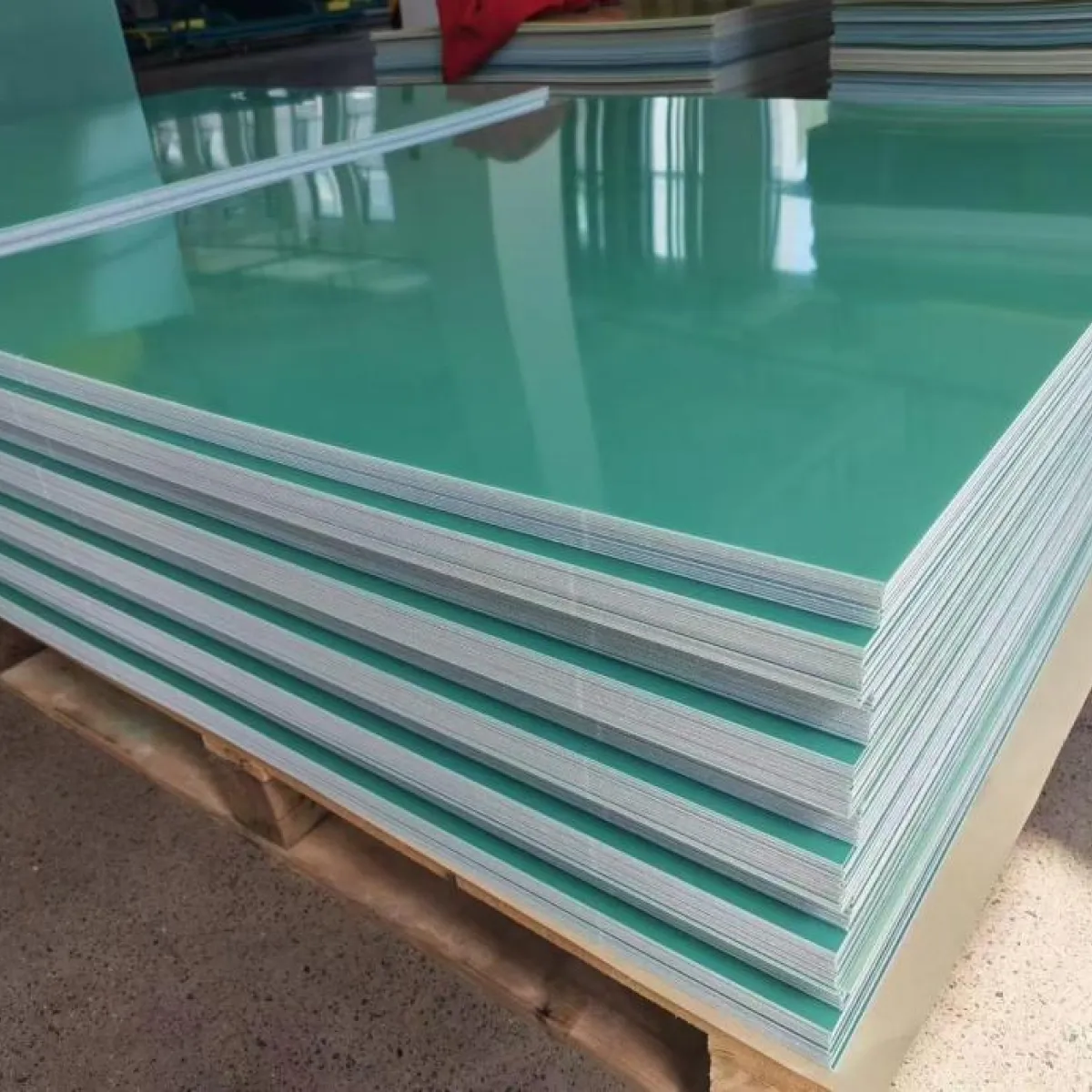
These properties make EPGC308 particularly suitable for electrical equipment operating under high temperature, high humidity and high-voltage conditions.
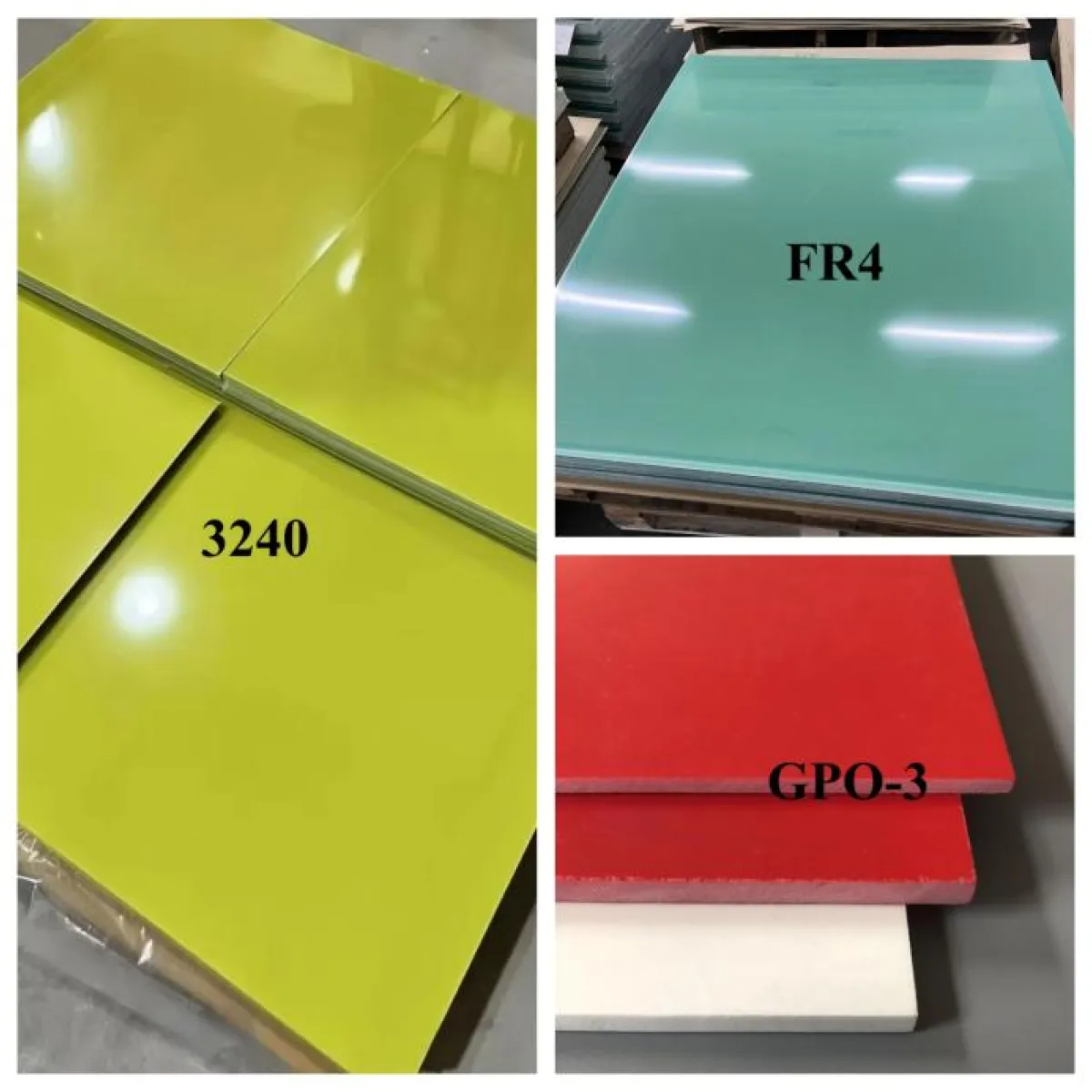
Understanding these differences can help engineers and buyers select the most suitable insulation material for their specific operating conditions.
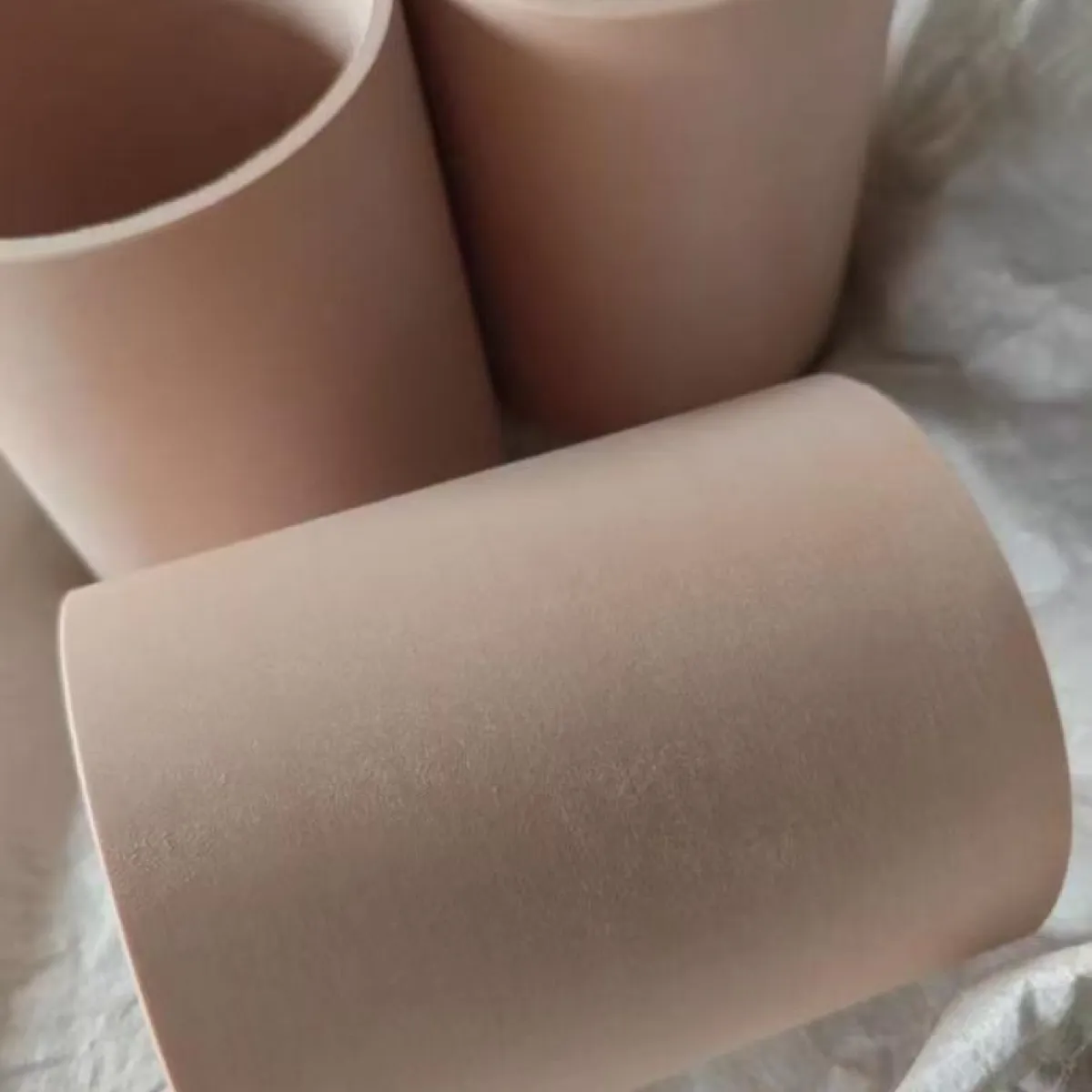
Phenolic Cotton Tube boasts multiple prominent competitive strengths for industrial use. It features extraordinary insulating performance: fully non-conductive, anti-static, and st
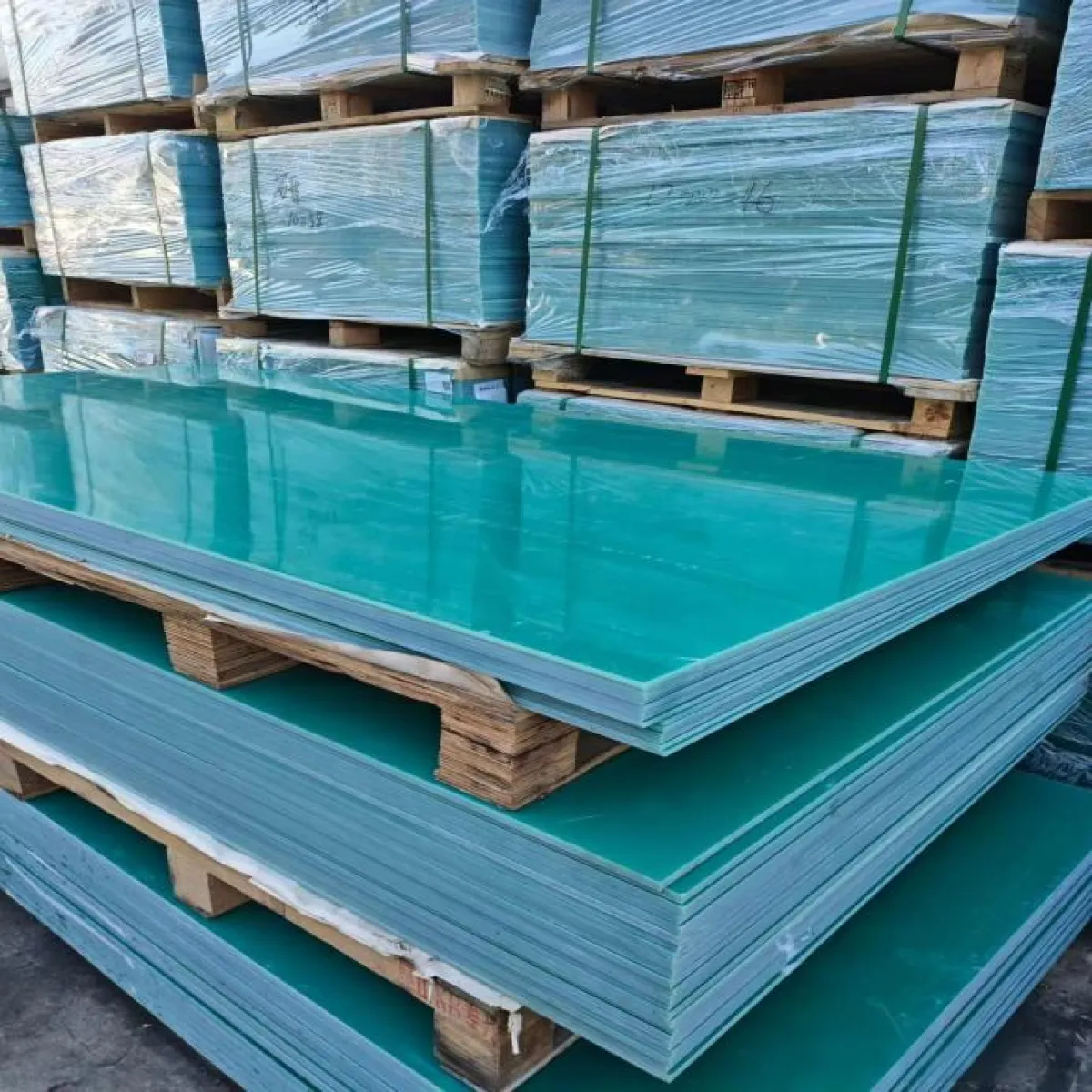
First let us look at its regular uses. In power plants, substations, power distribution rooms and other sites, Insulation Laminated Board is commonly laid on floors to avoid electr
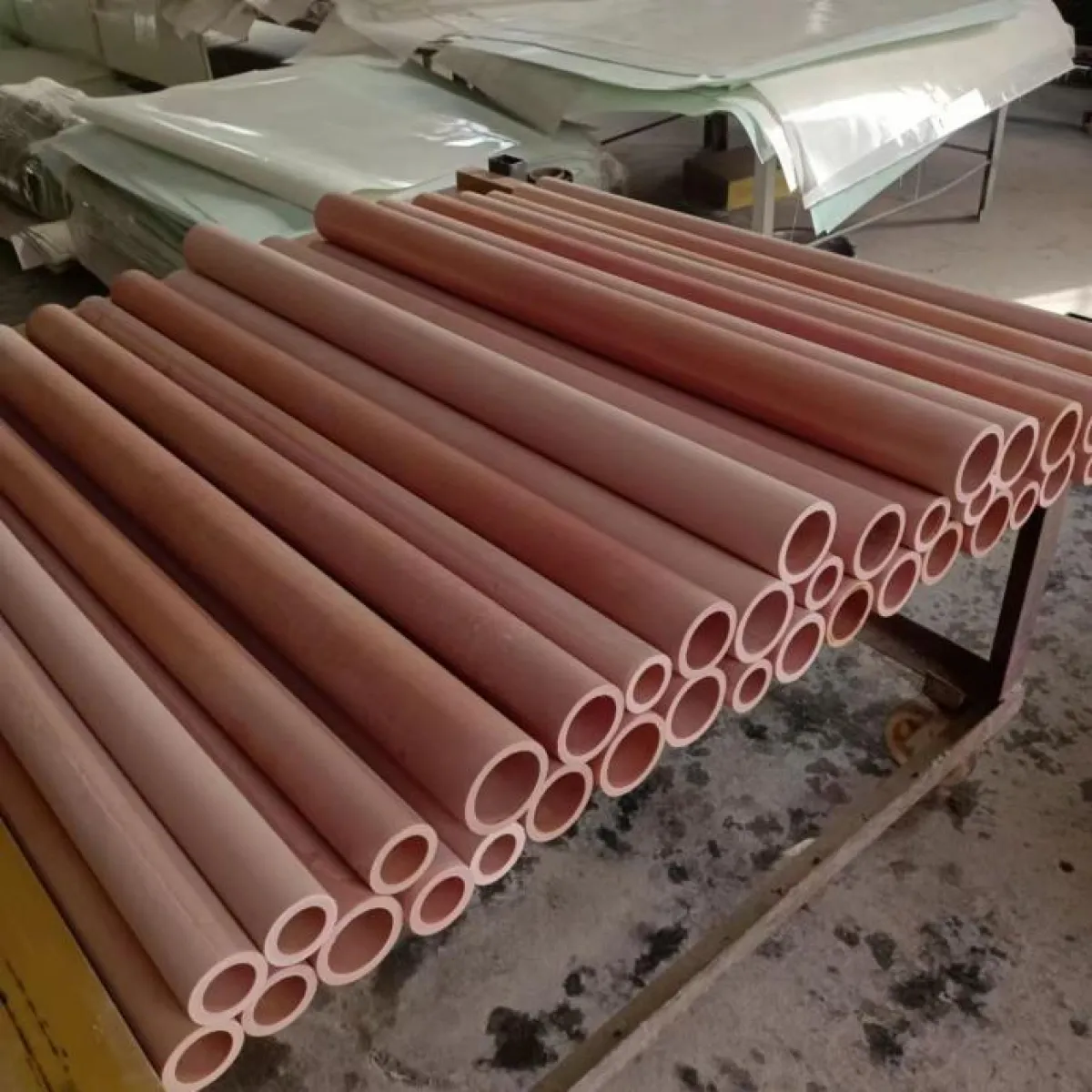
From the perspective of composite materials, Phenolic Cloth Tube is not made of a single substance, but formed by combining thermosetting phenolic resin with reinforcing materials

No.3, Mianzhi Street, Zhucheng, Shandong, China





Copyright © 2026 by Qingdao Yilong Insulation Material Company Limited All Rights Reserved