
Nylon sheet is a widely used engineering material valued for its strength, wear resistance, and cost efficiency. Within this material category, Cast Nylon and Extruded Nylon are the two most common forms used in industrial applications. Although they share the same base polymer, their different manufacturing processes result in clear differences in performance, structure, and application suitability.
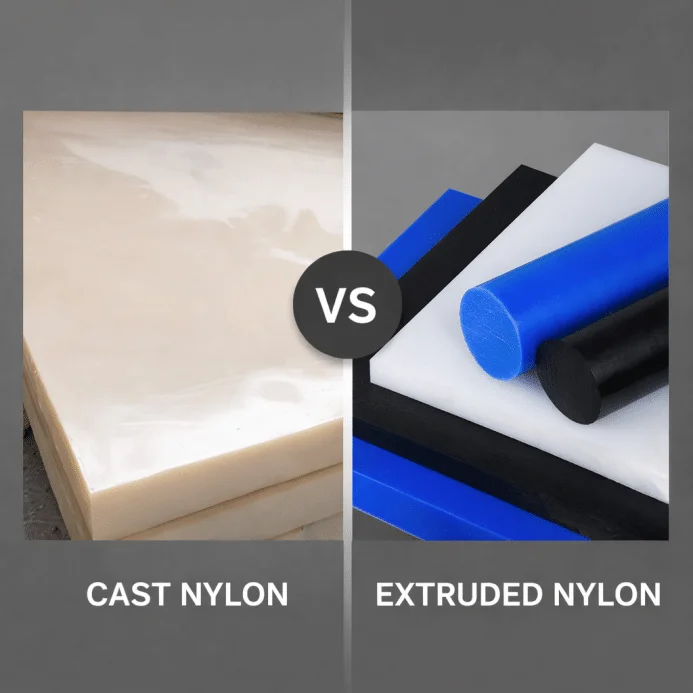
Extruded Nylon Sheet
Extruded Nylon Sheet is produced by melting nylon resin and forcing it through a die to form sheets or rods with consistent thickness and smooth surface finish. This process provides good dimensional accuracy, making extruded nylon suitable for precision parts and relatively thin sections.
Extruded Nylon Sheet performs well in applications involving sliding, guiding, or continuous motion. Its low coefficient of friction and natural self-lubricating properties help reduce wear on mating components. In addition, extruded nylon is easy to machine and is widely used in industries such as automotive manufacturing, food processing, electronics, fluid handling, and mining. Many grades of extruded nylon meet FDA and food-contact requirements, allowing safe use in hygienic environments.
Cast Nylon Sheet
Cast Nylon Sheet is manufactured through an in-situ polymerization process, in which liquid monomer is poured into molds and cured into solid shapes. This process results in a more uniform internal structure and significantly lower internal stress compared to extruded nylon.
Due to its production method, Cast Nylon Sheet offers higher mechanical strength, superior wear resistance, and better impact performance, especially in thick sections and large-size components. It is commonly used as a lightweight alternative to metal for parts that require long service life, reduced noise, and lower maintenance.
Cast Nylon Sheet also provides excellent design flexibility. Large plates, thick sections, and custom shapes can be produced without performance loss. Additives such as oil, glass fiber, or Kevlar® fiber can be incorporated to improve self-lubrication, stiffness, or load-bearing capacity. Cast nylon is available in a wide range of standard colors and can be custom-colored to meet specific identification or branding needs.
Key Differences Between Cast Nylon and Extruded Nylon
From a mechanical performance perspective, cast nylon generally offers higher strength and better wear resistance, particularly in heavy-load and impact-prone applications. Extruded Nylon Sheet, by contrast, provides better dimensional consistency and surface finish, making it more suitable for precision components.
In terms of size and thickness, Extruded Nylon Sheet is typically limited to smaller dimensions, while Cast Nylon Sheet can be produced in large blocks and thick plates with minimal internal stress.
Regarding application focus, Extruded Nylon Sheet is commonly used for low-load, slide-type, and high-precision parts. Cast Nylon Sheet is preferred for structural components, gears, bushings, rollers, wear pads, and other parts subjected to heavy loads, vibration, or harsh operating conditions.
Conclusion
Both Cast Nylon Sheet and Extruded Nylon Sheet play important roles in modern industrial applications. Understanding the differences between these two forms allows engineers and buyers to select the most suitable nylon sheet based on performance requirements, part size, and operating conditions, ensuring optimal reliability and cost efficiency over the product’s service life
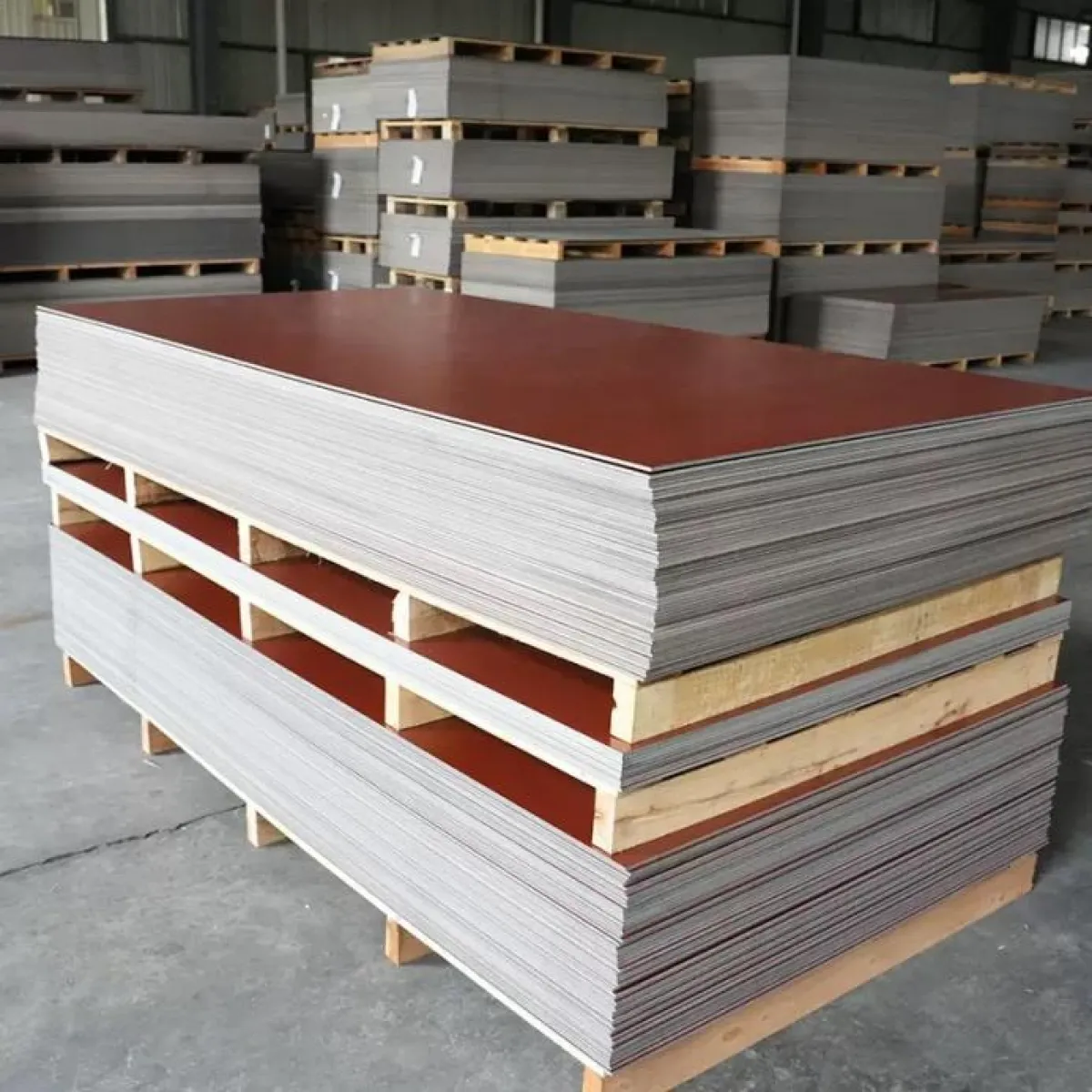
PFCP201 is manufactured using high-quality insulating paper impregnated with phenolic resin. After the raw materials are carefully inspected, the paper is passed through an automat
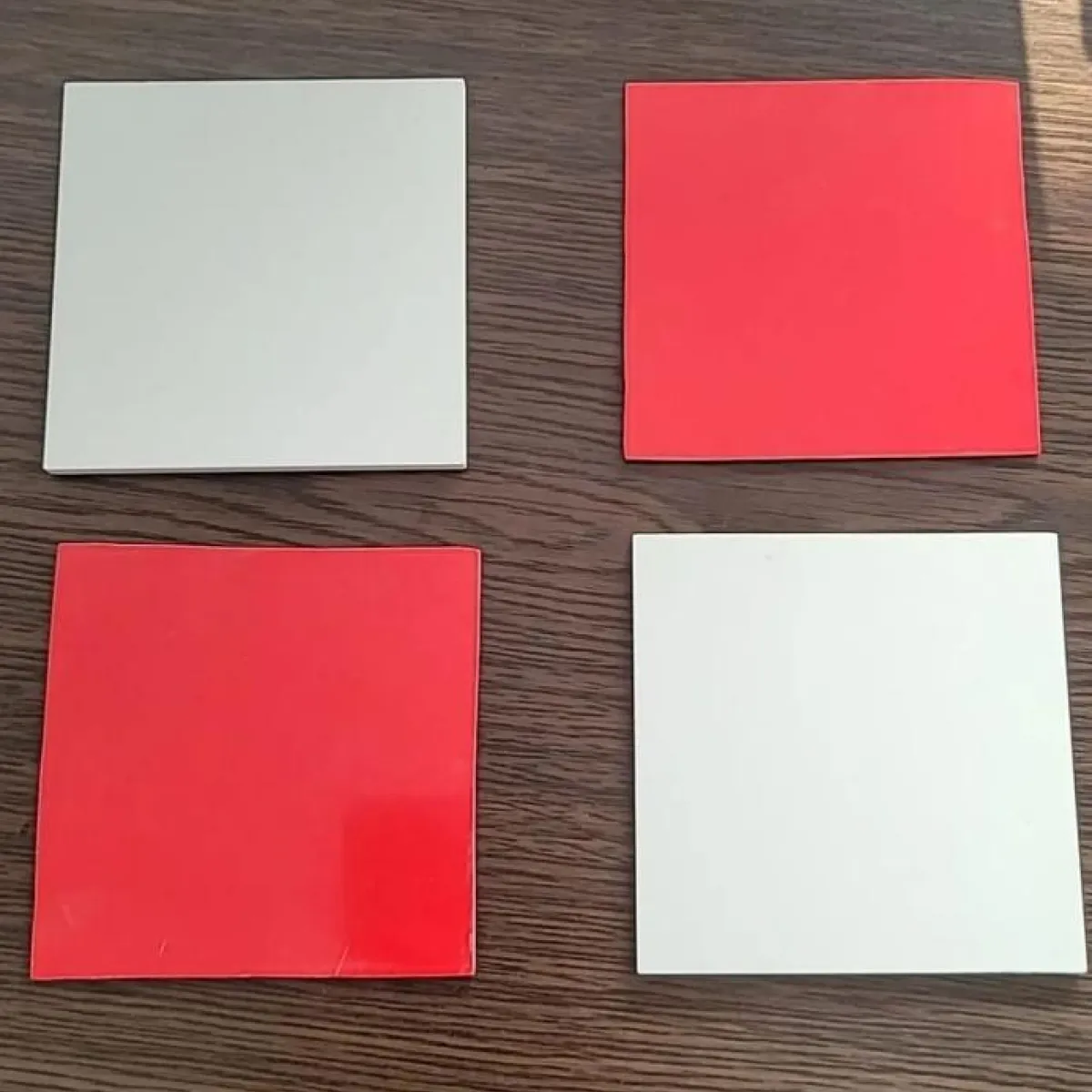
GPO-3 insulation board, also known as UPGM-203, is a rigid electrical insulation material made from alkali-free glass fiber mat impregnated with unsaturated polyester resin and pro
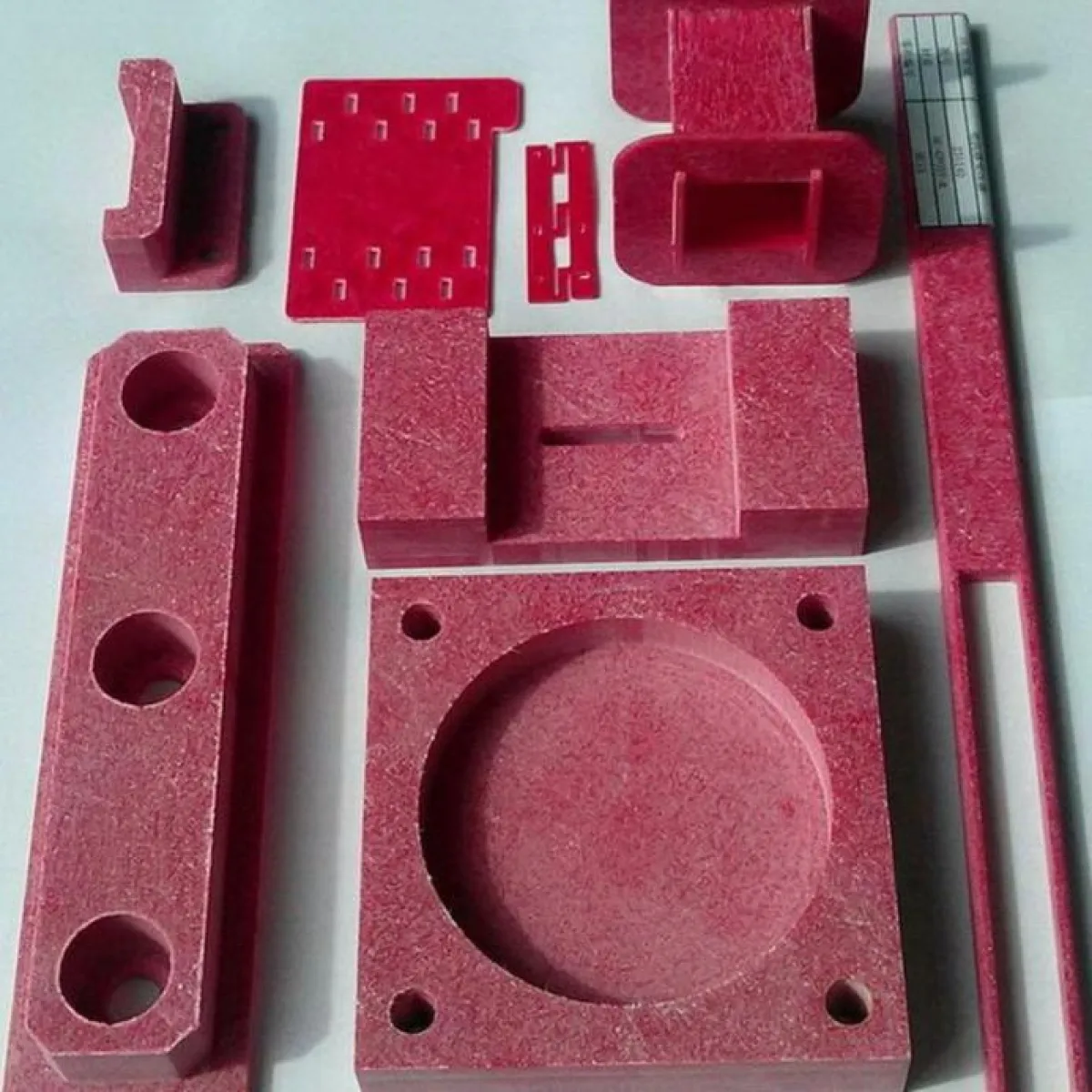
Compared with many conventional insulation materials, GPO-3 offers two particularly important advantages: strong resistance to heat and moisture, and stable electrical insulation p
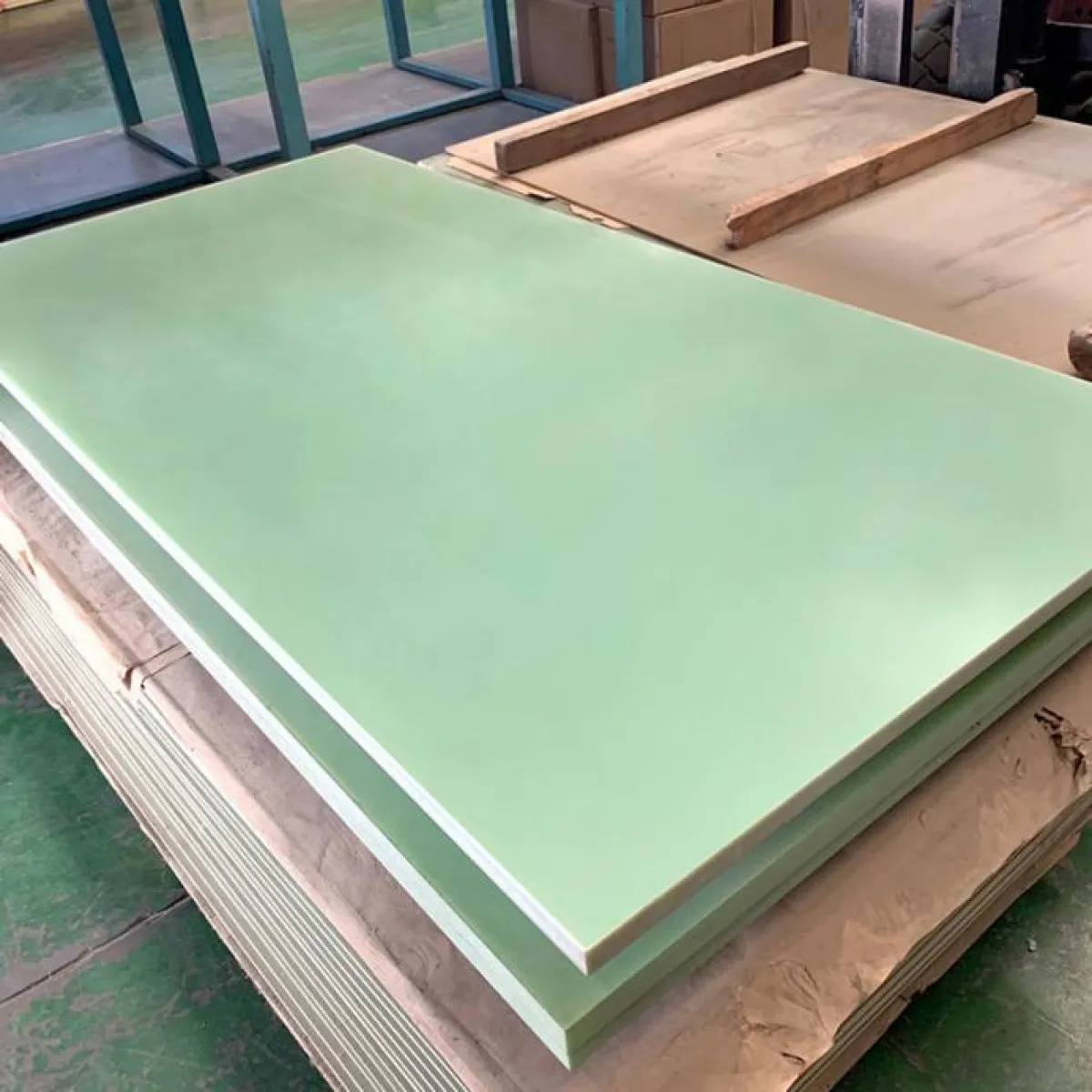
However, selecting a cryogenic insulation material based only on its standard properties may not be enough. In actual service, continuous immersion, concentrated mechanical loads,

Silicone Glass Cloth Sheet (G7) combines silicone resin with glass fiber cloth to provide a balance of high-temperature resistance, electrical insulation, mechanical strength, and
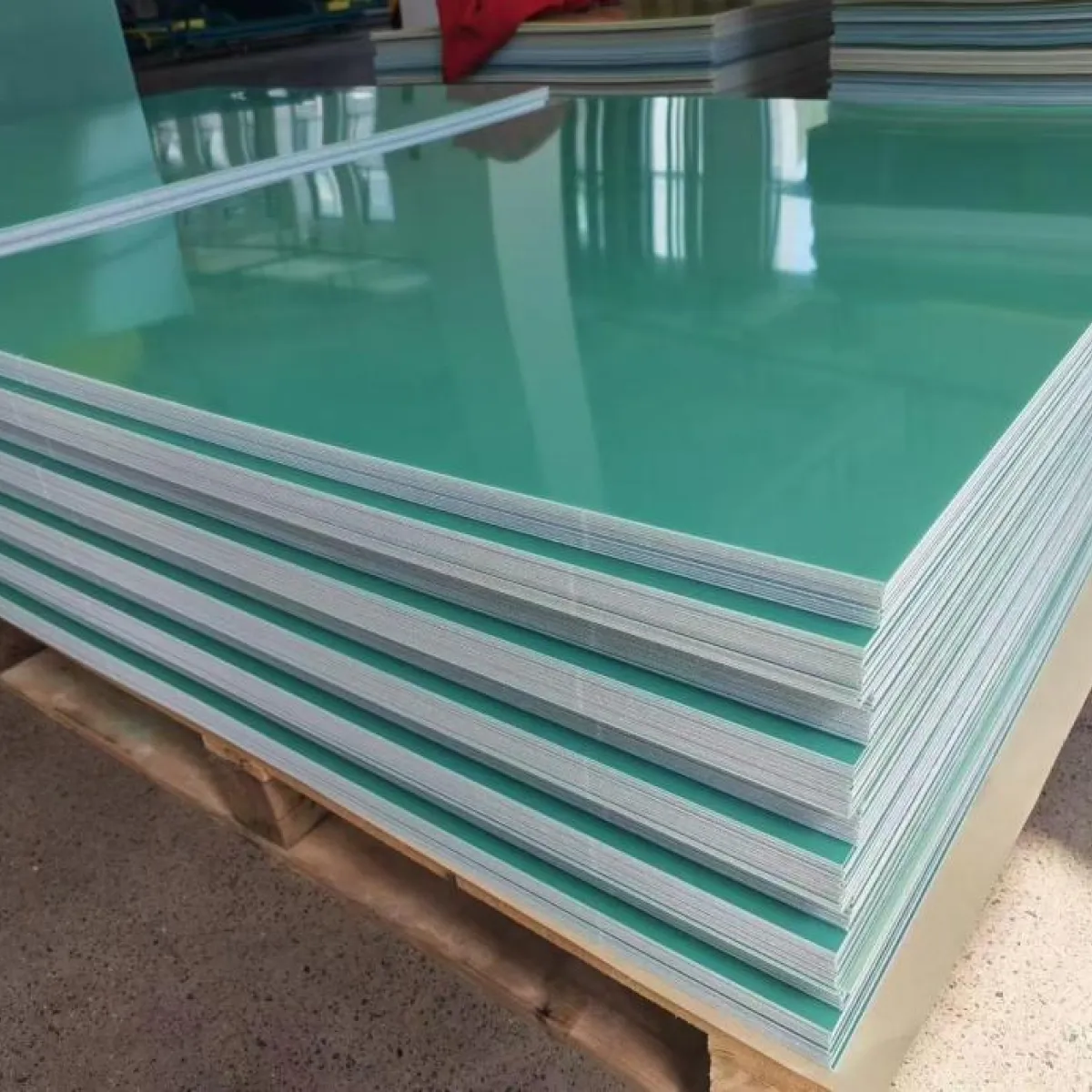
These properties make EPGC308 particularly suitable for electrical equipment operating under high temperature, high humidity and high-voltage conditions.
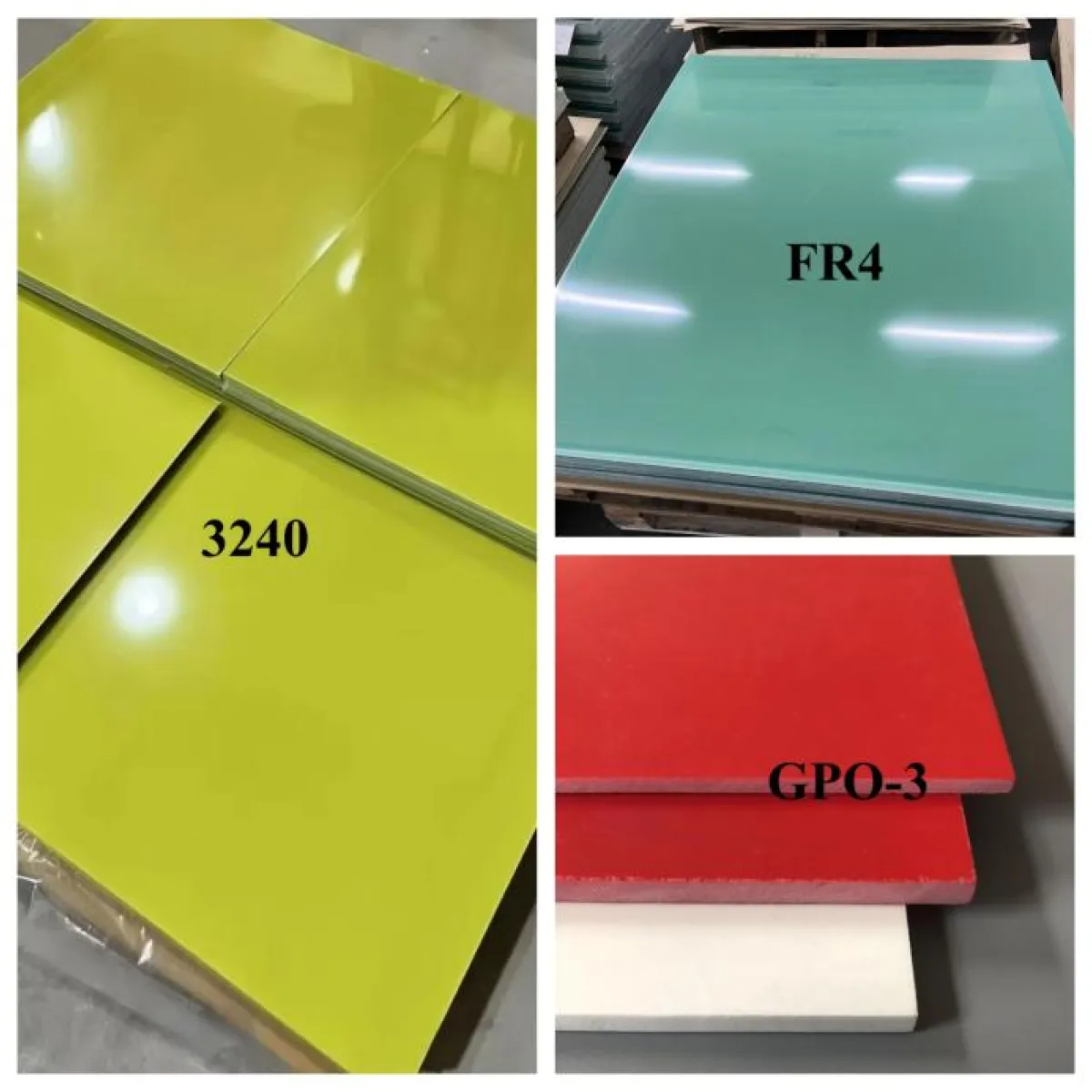
Understanding these differences can help engineers and buyers select the most suitable insulation material for their specific operating conditions.
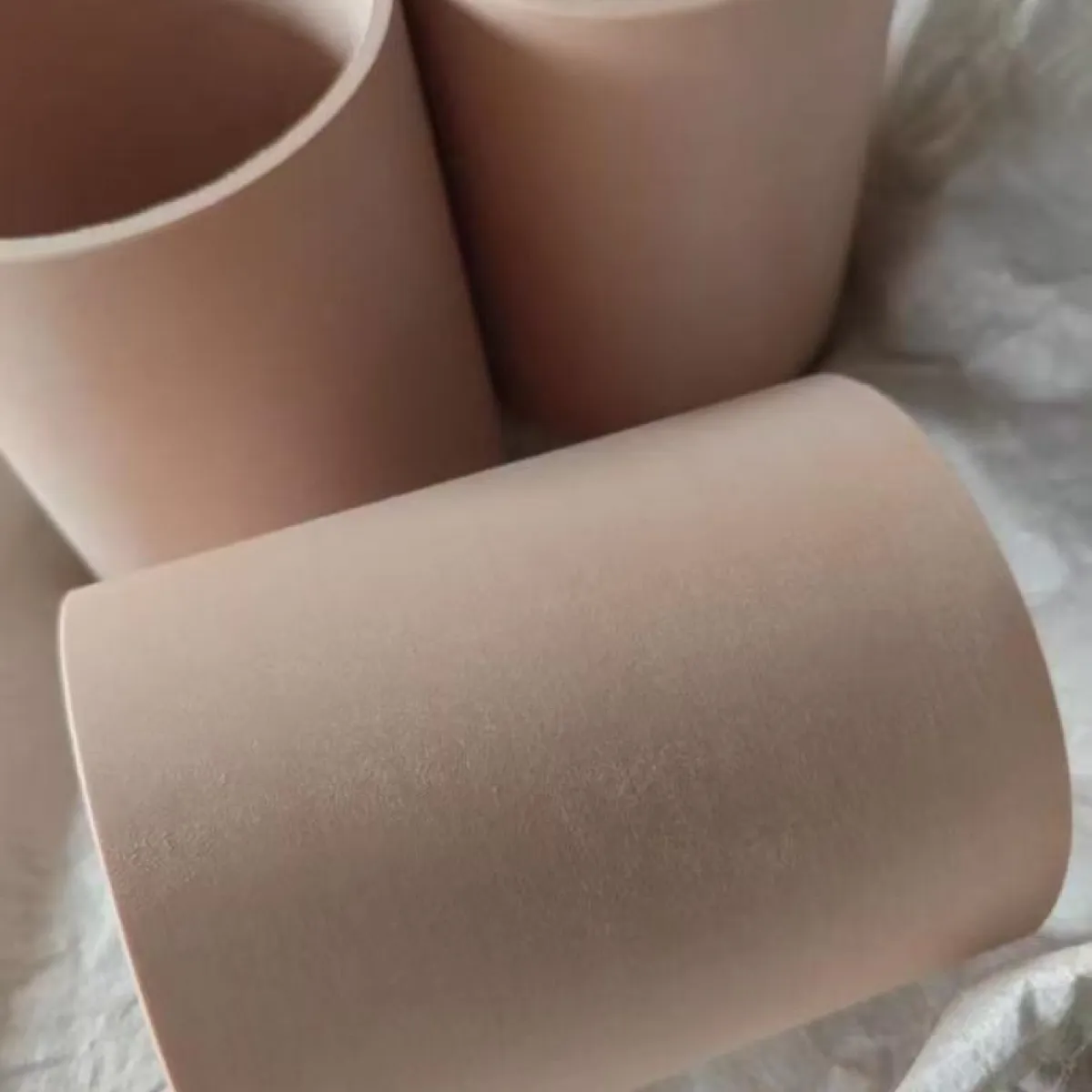
Phenolic Cotton Tube boasts multiple prominent competitive strengths for industrial use. It features extraordinary insulating performance: fully non-conductive, anti-static, and st
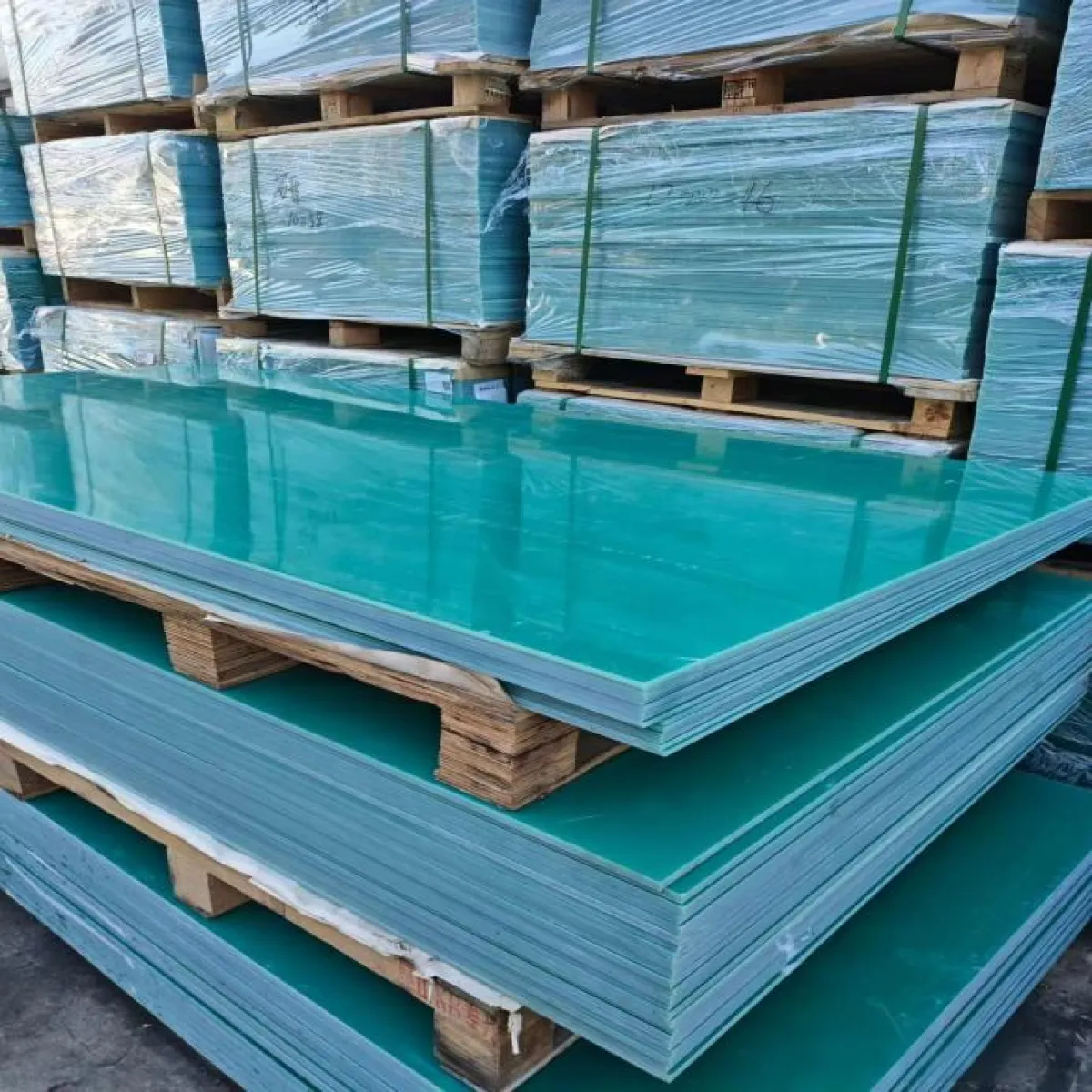
First let us look at its regular uses. In power plants, substations, power distribution rooms and other sites, Insulation Laminated Board is commonly laid on floors to avoid electr
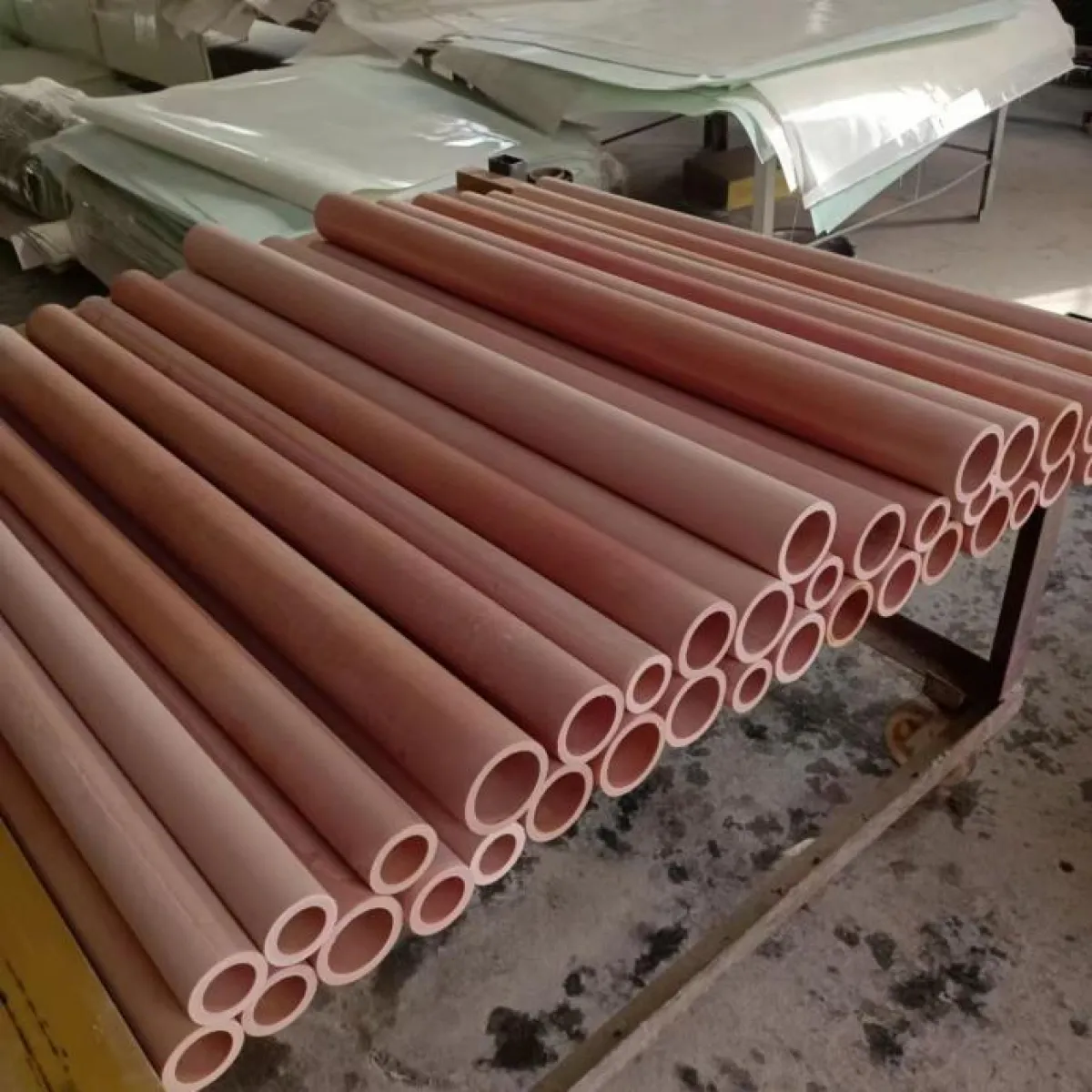
From the perspective of composite materials, Phenolic Cloth Tube is not made of a single substance, but formed by combining thermosetting phenolic resin with reinforcing materials

No.3, Mianzhi Street, Zhucheng, Shandong, China





Copyright © 2026 by Qingdao Yilong Insulation Material Company Limited All Rights Reserved