
Polytetrafluoroethylene (PTFE) is a high-performance fluoropolymer widely recognized for its outstanding chemical resistance, low friction coefficient, and excellent electrical insulation properties. PTFE sheets are commonly used in industries such as sealing, chemical processing, electrical insulation, and mechanical engineering.
At YILONG, we supply both Molded PTFE sheets and Skived PTFE Sheets to meet diverse application requirements. Although they share the same base material, their manufacturing processes and performance characteristics differ significantly. Understanding these differences is essential for selecting the right PTFE sheet for your application.
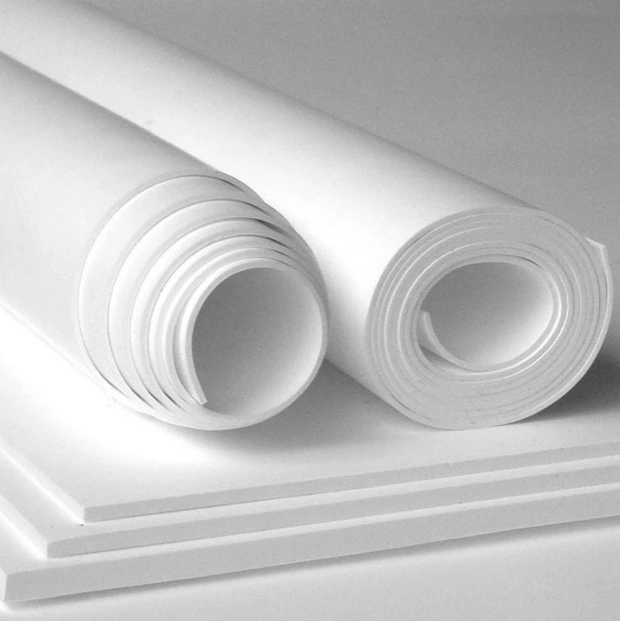
Molded PTFE sheets are manufactured by compressing PTFE fine powder under high pressure and elevated temperature. This process forms a solid sheet with uniform density and consistent thickness throughout.
One of the main advantages of Molded PTFE sheets is their excellent mechanical strength. The compression process allows the PTFE molecular structure to become more compact and stable, resulting in higher tensile strength and superior resistance to deformation. This makes Molded PTFE sheets especially suitable for applications involving mechanical stress, pressure, or load-bearing conditions.
Molded PTFE sheets also offer high material purity. The controlled molding process minimizes the presence of contaminants, ensuring reliable performance in chemically aggressive environments. In addition, they maintain excellent electrical insulation properties and perform consistently across a wide temperature range.
However, Molded PTFE sheets are typically limited in maximum sheet size due to production constraints. For applications requiring very large surface areas, alternative manufacturing methods may be more practical.
Skived PTFE Sheets are produced by slicing thin layers from a pre-compressed PTFE billet using precision skiving equipment. This method allows the production of thinner sheets with larger widths compared to Molded PTFE sheets.
A major benefit of Skived PTFE Sheets is their flexibility and conformability. The skiving process enables precise control over thickness, making these sheets ideal for applications that require tight tolerances or customized fitting. This is particularly valuable in gasket manufacturing, sealing solutions, and complex insulation designs.
Skived PTFE Sheets are also known for their smooth surface finish, which contributes to low friction performance. As a result, they are commonly used in sliding applications, wear surfaces, and components where reduced friction is critical.
That said, Skived PTFE Sheets generally have lower tensile strength than Molded PTFE sheets. The slicing process can slightly disrupt molecular alignment, making them less suitable for heavy mechanical loads. Additionally, minor surface imperfections may occur during skiving, although quality control measures help minimize these effects.
Selecting the right PTFE sheet depends on the specific demands of your application.
Molded PTFE sheets are recommended when high mechanical strength, dimensional stability, and resistance to stress are required. They are commonly used in structural components, heavy-duty seals, and demanding industrial environments.
Skived PTFE Sheets are a better choice when flexibility, precise thickness control, or larger sheet sizes are critical. They are widely used for gaskets, liners, insulation layers, and applications requiring excellent conformability.
At YILONG, we offer a comprehensive range of molded and Skived PTFE Sheets manufactured to strict quality standards. Our technical team supports customers in selecting the most suitable PTFE material based on operating conditions, mechanical requirements, and industry standards.
By understanding the performance differences between molded and Skived PTFE Sheets, engineers and buyers can make informed decisions that improve reliability, efficiency, and service life in their applications.
For more information about YILONG PTFE sheets or technical consultation, feel free to contact our team.
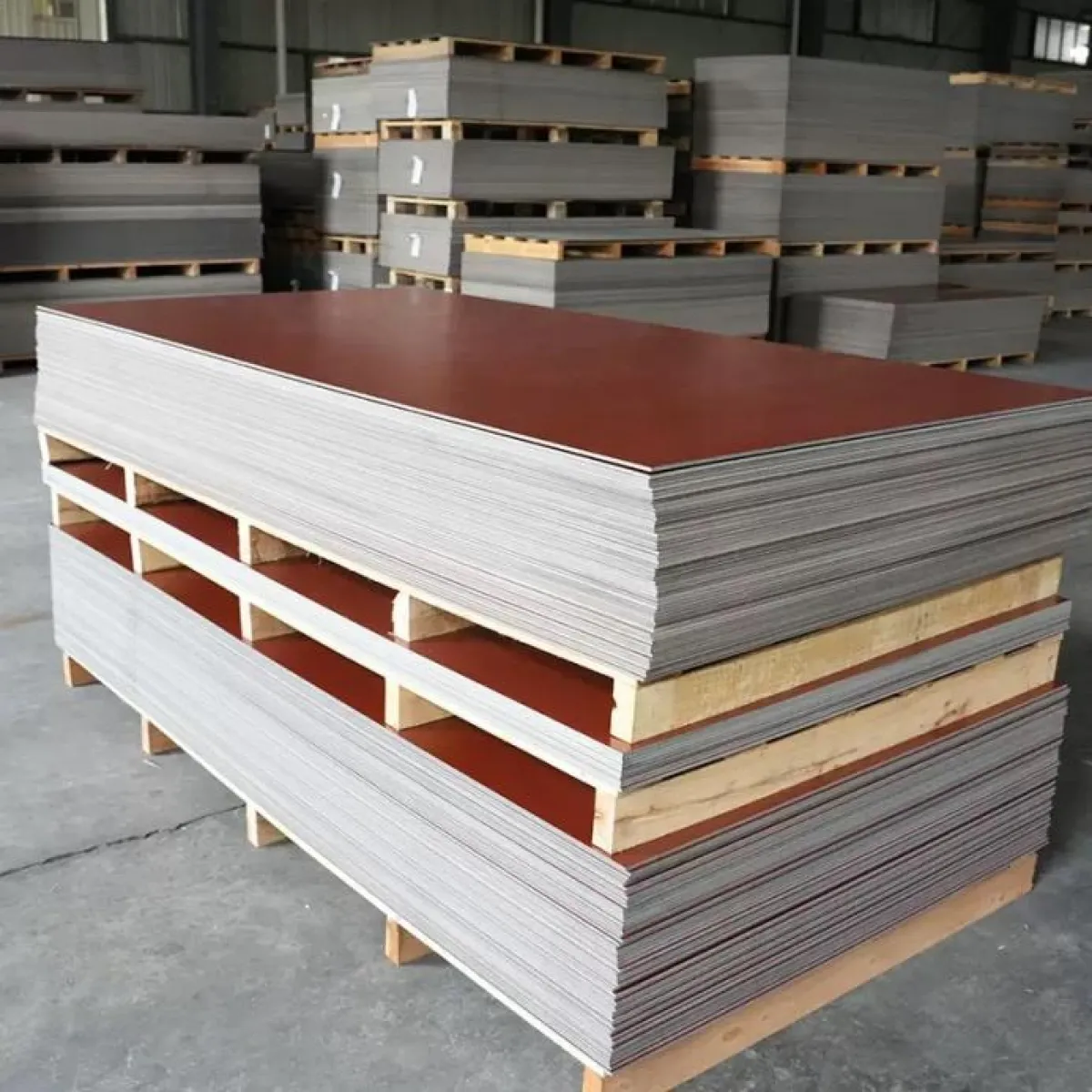
PFCP201 is manufactured using high-quality insulating paper impregnated with phenolic resin. After the raw materials are carefully inspected, the paper is passed through an automat
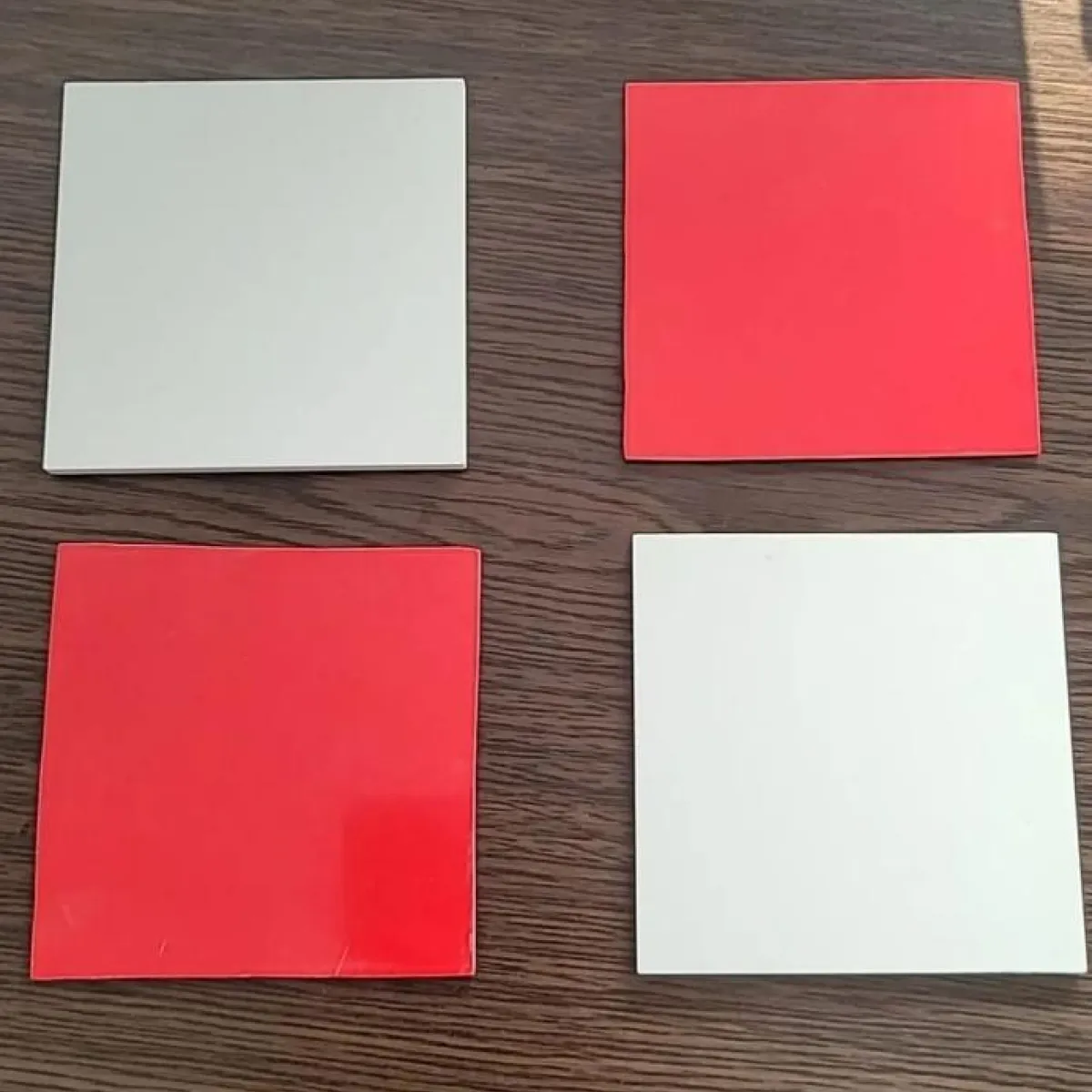
GPO-3 insulation board, also known as UPGM-203, is a rigid electrical insulation material made from alkali-free glass fiber mat impregnated with unsaturated polyester resin and pro
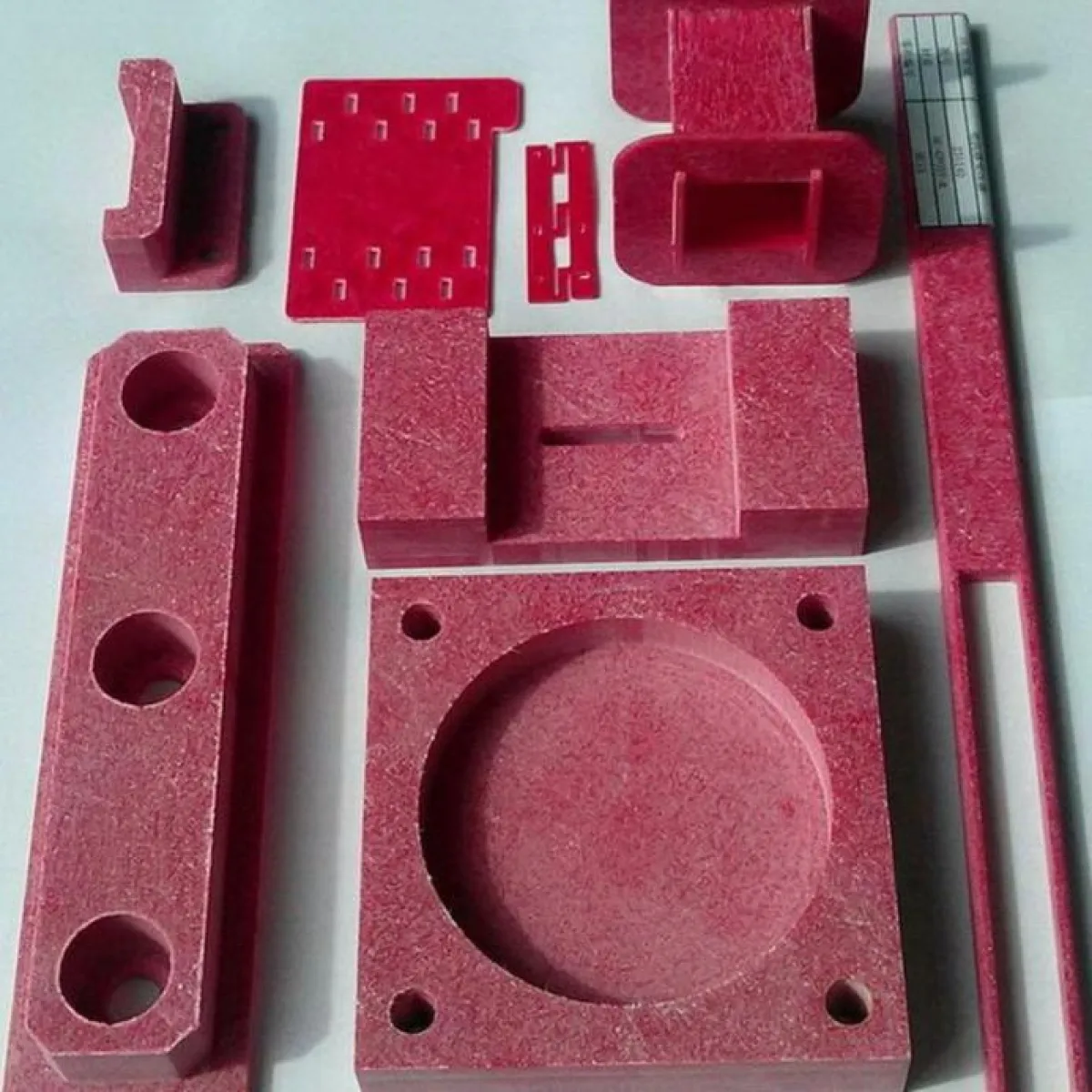
Compared with many conventional insulation materials, GPO-3 offers two particularly important advantages: strong resistance to heat and moisture, and stable electrical insulation p
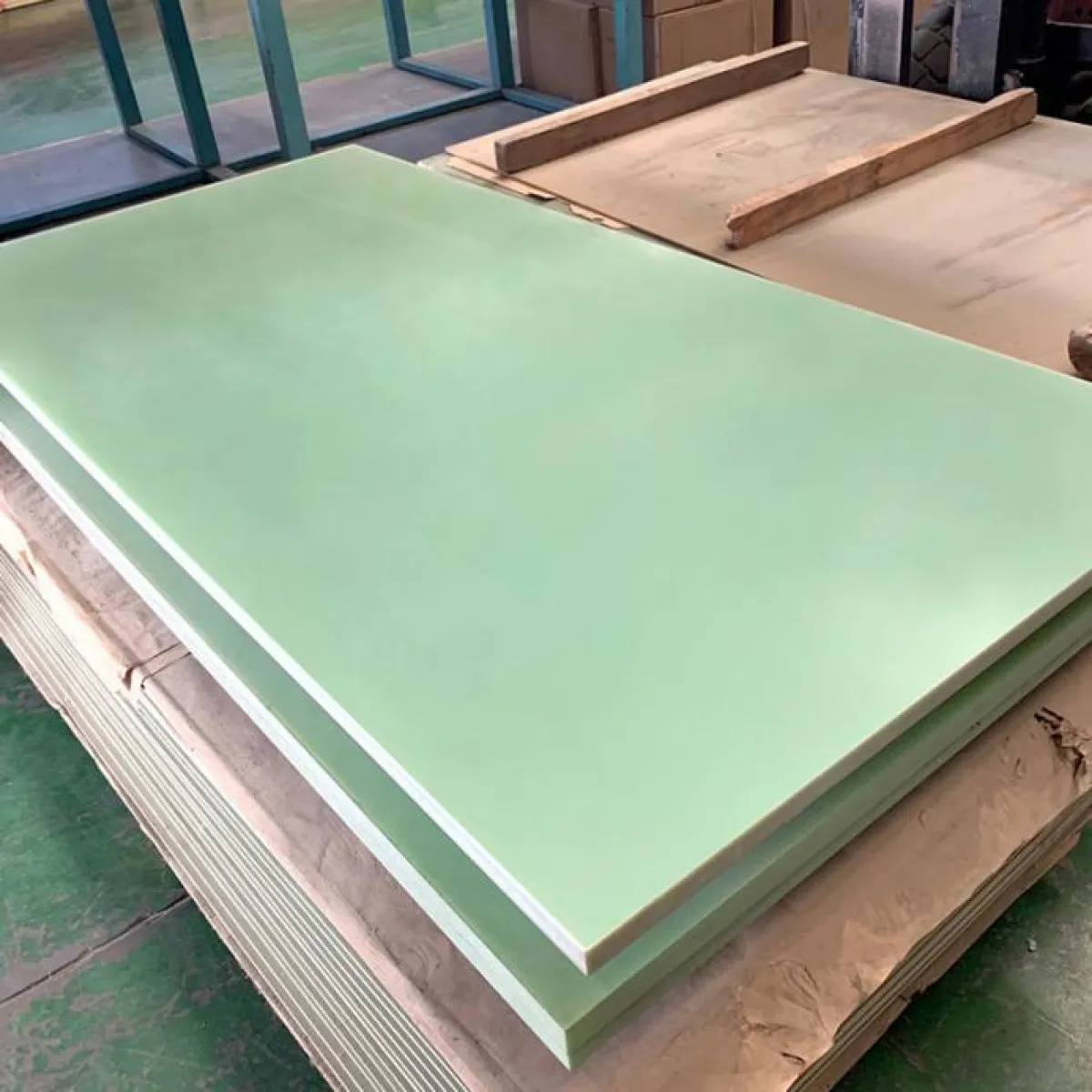
However, selecting a cryogenic insulation material based only on its standard properties may not be enough. In actual service, continuous immersion, concentrated mechanical loads,

Silicone Glass Cloth Sheet (G7) combines silicone resin with glass fiber cloth to provide a balance of high-temperature resistance, electrical insulation, mechanical strength, and
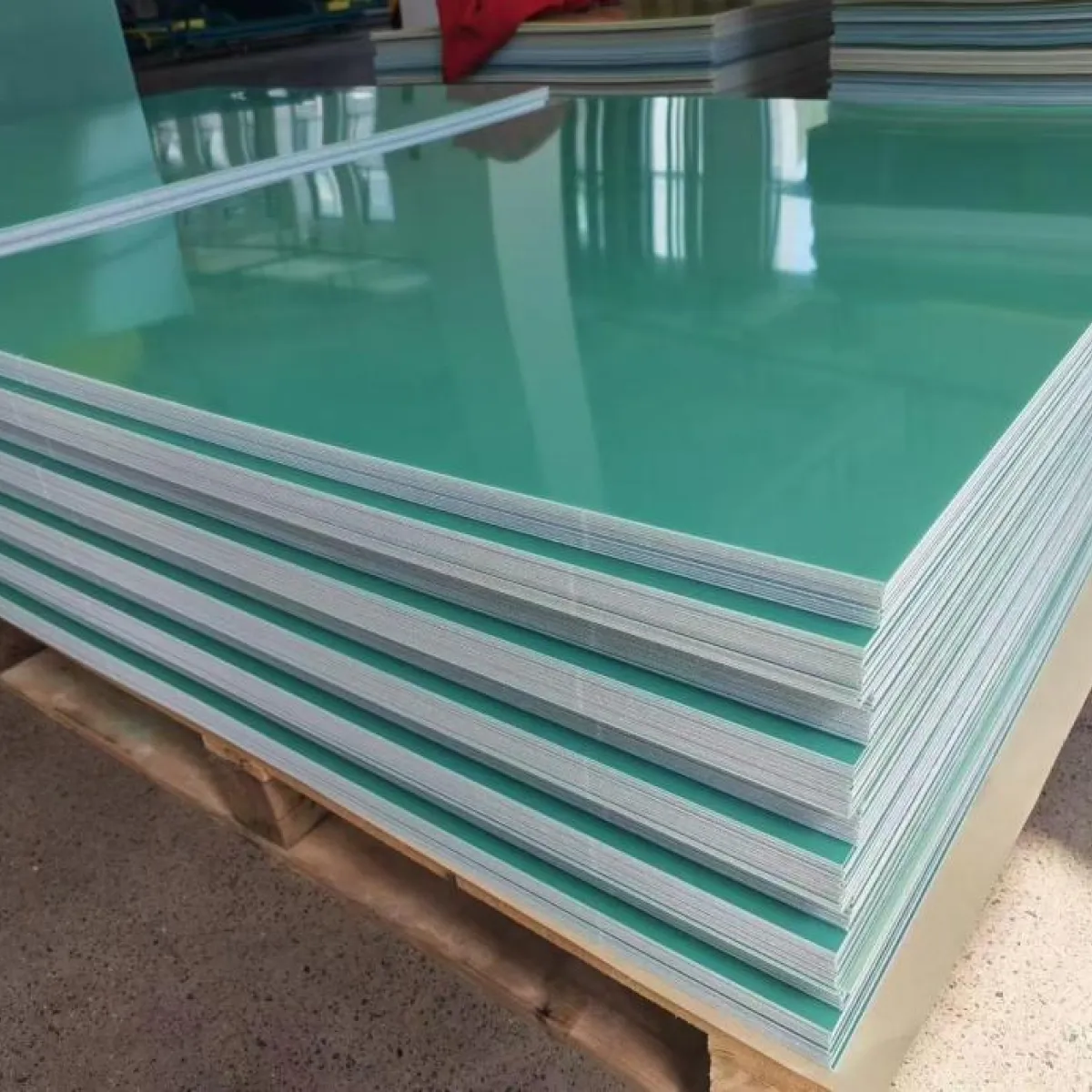
These properties make EPGC308 particularly suitable for electrical equipment operating under high temperature, high humidity and high-voltage conditions.
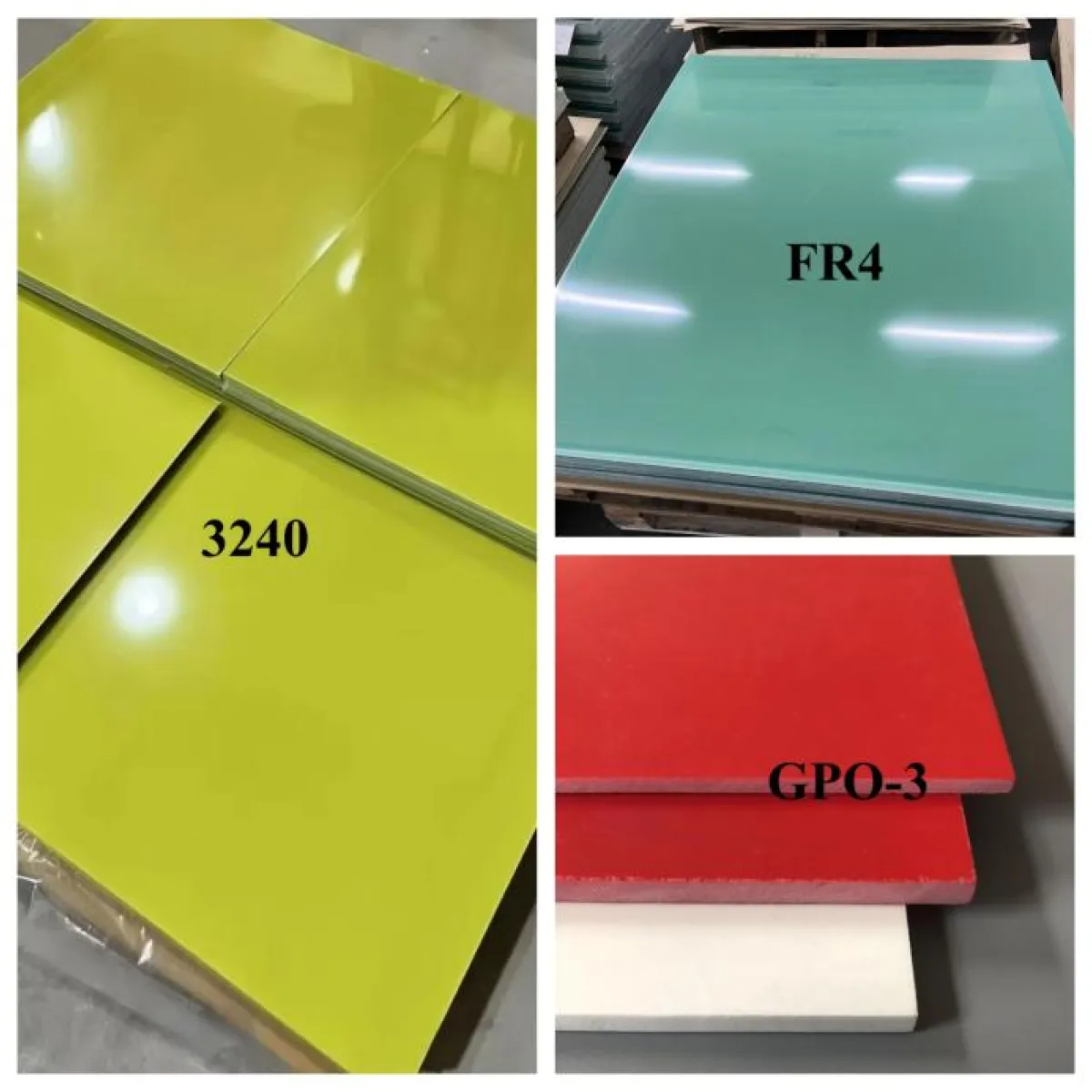
Understanding these differences can help engineers and buyers select the most suitable insulation material for their specific operating conditions.
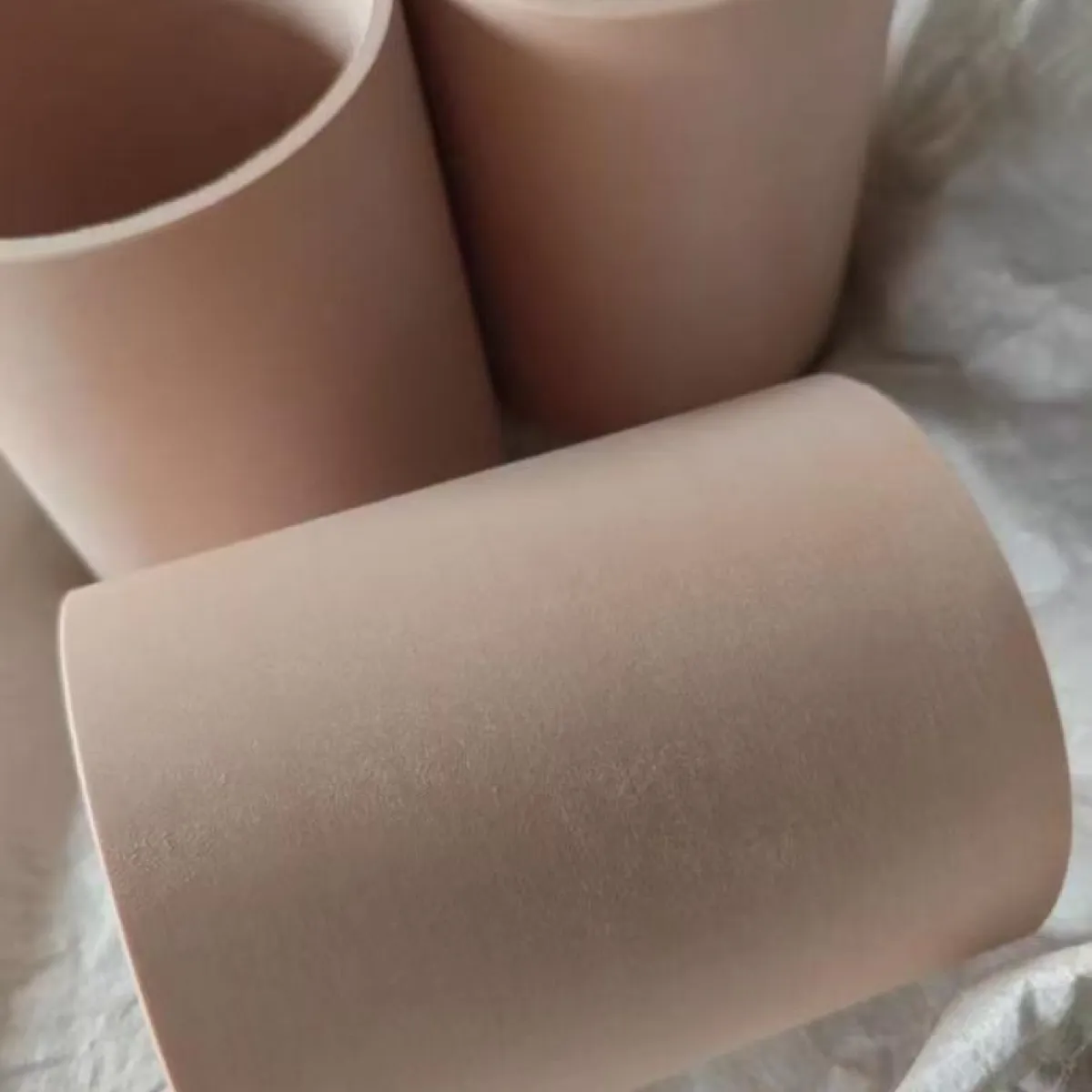
Phenolic Cotton Tube boasts multiple prominent competitive strengths for industrial use. It features extraordinary insulating performance: fully non-conductive, anti-static, and st
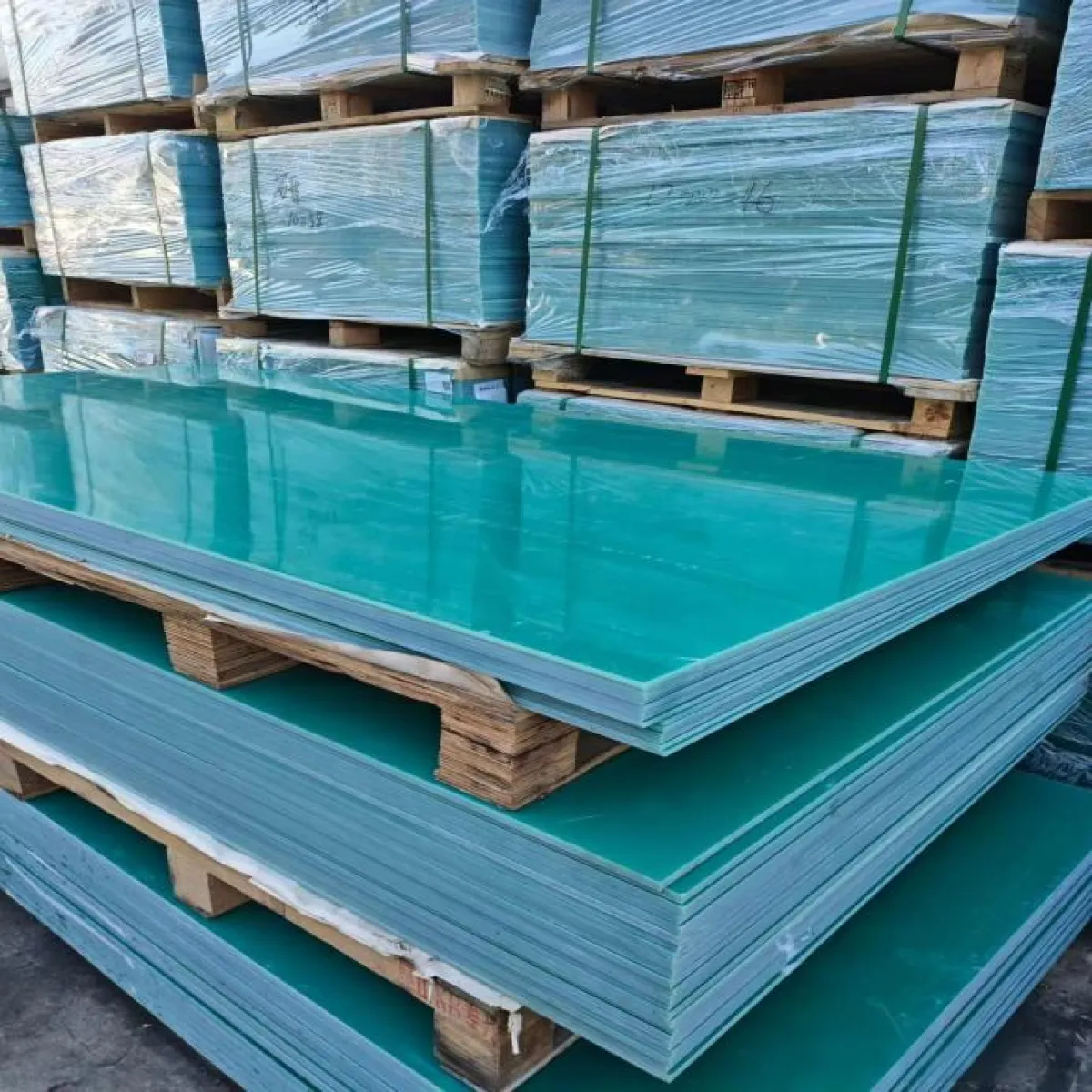
First let us look at its regular uses. In power plants, substations, power distribution rooms and other sites, Insulation Laminated Board is commonly laid on floors to avoid electr
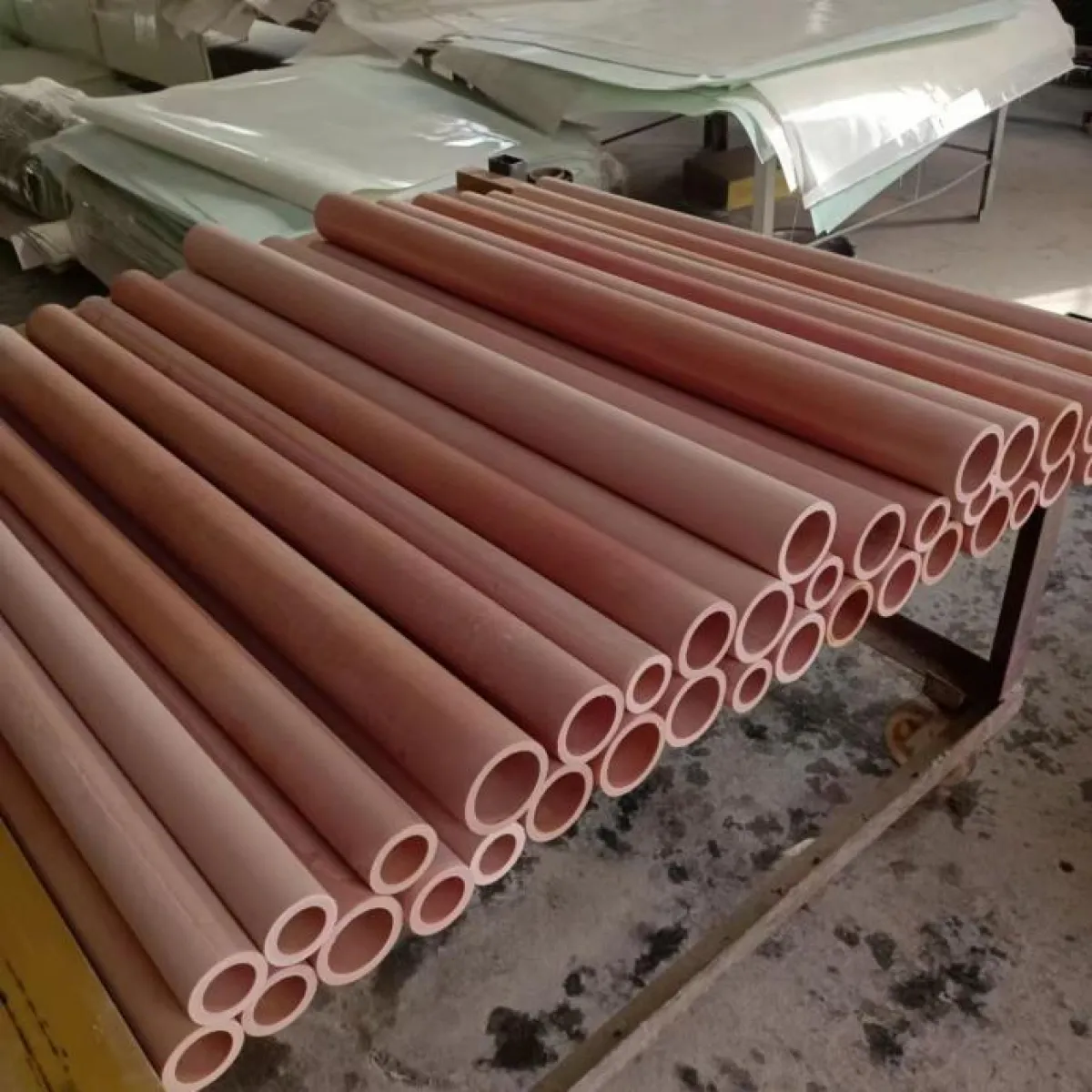
From the perspective of composite materials, Phenolic Cloth Tube is not made of a single substance, but formed by combining thermosetting phenolic resin with reinforcing materials

No.3, Mianzhi Street, Zhucheng, Shandong, China





Copyright © 2026 by Qingdao Yilong Insulation Material Company Limited All Rights Reserved