
Phenolic paper tubes are widely recognized as reliable insulating and structural materials across the electrical, mechanical, and industrial sectors. With their excellent balance of strength, thermal resistance, and dielectric performance, these composite tubes have become indispensable in modern electrical equipment manufacturing. As global industries continue to demand lightweight yet durable insulation materials, Phenolic paper tubes have emerged as a preferred choice due to their consistent performance, stable properties, and cost-effective manufacturing. As a specialized supplier of composite insulating materials, YILONG provides an in-depth overview of the characteristics, production process, and applications of Phenolic paper tubes.
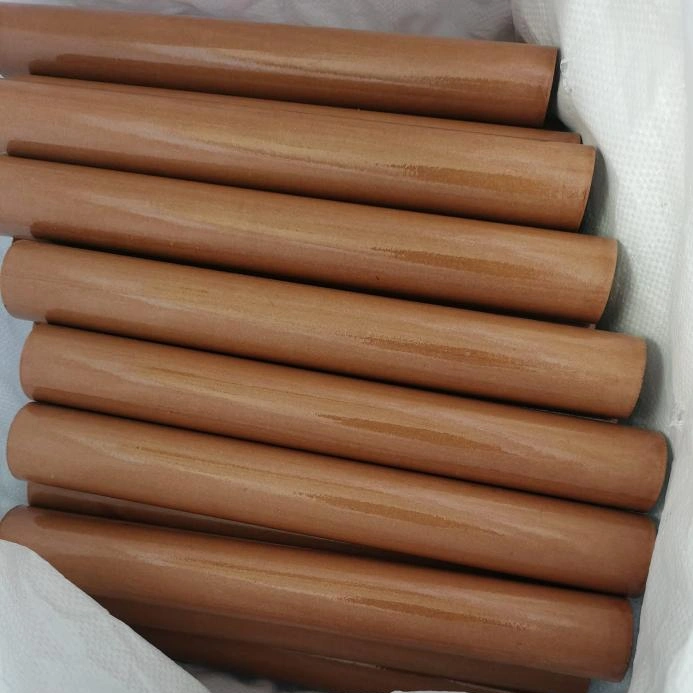
Manufacturing Process of Phenolic paper tubes
The production of Phenolic paper tubes involves several controlled stages that ensure consistent electrical and mechanical performance:
1. Phenolic Resin Synthesis
High-purity phenolic resin is synthesized through a controlled reaction of phenol and formaldehyde. Resin viscosity, solid content, and curing characteristics are precisely adjusted to ensure optimal impregnation and bonding.
2. Paper Impregnation
Insulating kraft paper is fed through a resin bath where phenolic resin fully wets and penetrates the cellulose fibers. Excess resin is removed to maintain uniform thickness and optimal resin content.
3. Pre-Drying and Conditioning
The impregnated paper enters a pre-drying oven, where moisture and solvents evaporate. This partially cures the resin, allowing the paper to achieve proper tackiness for lamination.
4. Rolling and Tube Forming
The semi-cured paper is wound onto a mandrel in multiple layers under controlled tension. The layer orientation and thickness are adjusted according to the required final tube size and mechanical strength.
5. Hot Pressing and Final Curing
The wound tube is transferred to a curing oven, where heat and pressure initiate full cross-linking of the phenolic resin. This thermosetting process transforms the laminate into a rigid, dimensionally stable structure.
6. Cooling, Demolding, and Finishing
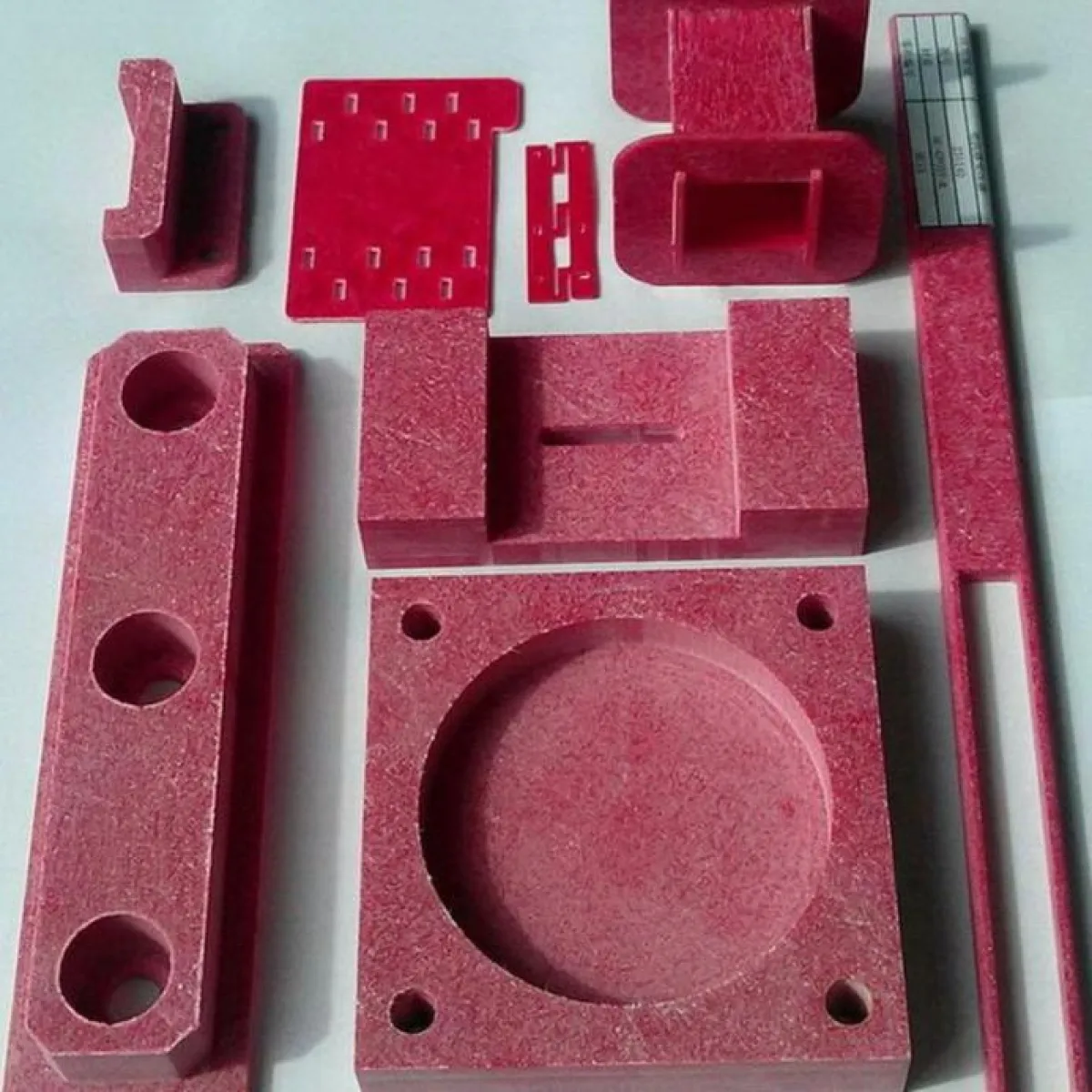
After cooling, the tube is removed from the mandrel and undergoes surface finishing, trimming, and dimensional inspection. Depending on application requirements, the tubes may be machined into sleeves, bushings, rings, or custom profiles.
Material Composition and Structural Advantages
Phenolic paper tubes are laminated tubular composites produced by impregnating high-strength insulating paper—typically kraft paper—with phenolic resin. Kraft paper serves as the core reinforcement layer, known for its tensile strength, fiber uniformity, and mechanical durability. Phenolic resin, a thermosetting polymer, penetrates deeply into the paper fibers, creating a rigid, cohesive structure after curing. This resin–paper integration significantly enhances structural strength, dimensional stability, and environmental resistance.
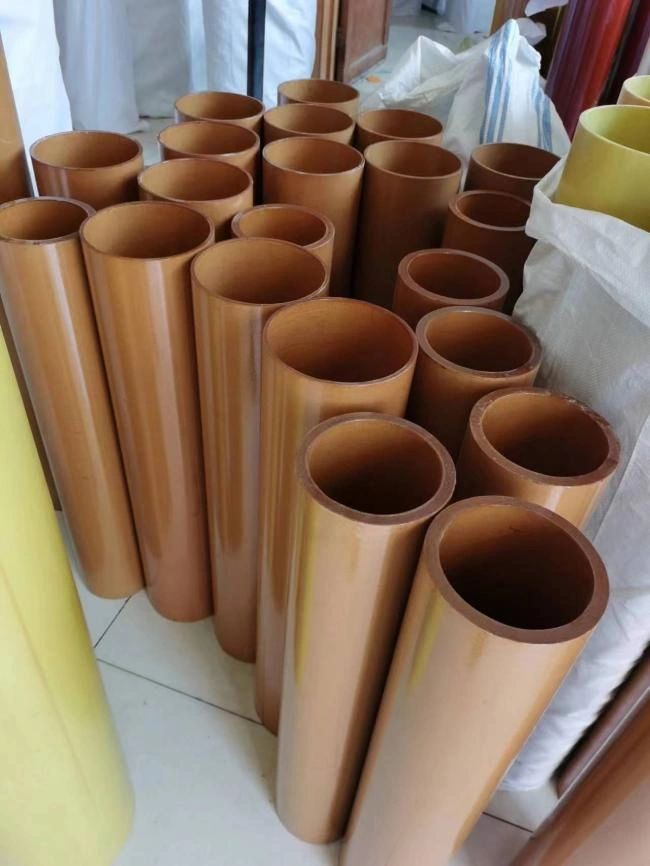
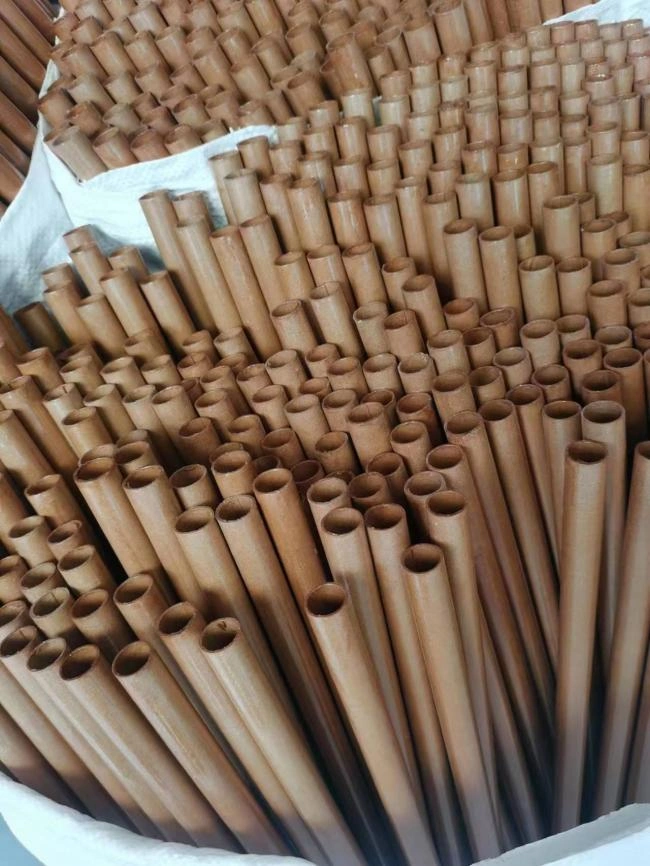
The resulting tube is lightweight yet exceptionally strong, offering superior resistance to mechanical load, abrasion, oil contamination, and certain chemical exposures. These attributes make Phenolic paper tubes suitable for demanding applications where both electrical insulation and mechanical support are required.
Key Characteristics of Phenolic paper tubes
l High Mechanical Strength
Phenolic resin forms a rigid polymer network after curing, enabling the tube to withstand compressive loads, torsional stress, and external impact. This makes Phenolic paper tubes ideally suited for components that require both insulation and structural reinforcement.
l Excellent Corrosion Resistance
Phenolic resin provides natural resistance to oils, weak acids, moisture, and general chemical exposure. As a result, Phenolic paper tubes maintain stable performance even in harsh industrial environments.
l Superior Dielectric Properties
In dry environments, Phenolic paper tubes exhibit consistent electrical insulation performance. They are widely used for coil insulation, phase separation, and structural insulation in electrical devices.
l Reliable Heat Resistance
Most Phenolic paper tubes can operate stably at temperatures up to 130°C, depending on formulation and manufacturing conditions. Their thermal durability makes them suitable for equipment subjected to continuous heating cycles.
l Dimensional Stability
Once cured, the laminated structure maintains its shape and size with minimal deformation, enabling long-term use in mechanically constrained environments.
Typical Applications of Phenolic paper tubes
l Electrical Insulation Components
Due to strong dielectric properties, Phenolic paper tubes are commonly used in:
· Motor insulation sleeves
· Transformer coil insulation
· Switchgear support components
· Terminal blocks and spacer tubes
They ensure safe current flow and prevent electrical breakdown or short circuits.
l Mechanical Protection and Support
Phenolic paper tubes provide structural reinforcement and physical protection for:
· Cable assemblies
· Internal components of electrical devices
· Winding supports
· Precision instrument housings
Their mechanical strength helps maintain stability under vibration and handling.
l Heat Management and Thermal Barriers
Because of their heat resistance, Phenolic paper tubes are used in:
· High-temperature electrical devices
· Thermal barrier structures
· Heat channeling components that assist with airflow or dissipation
They maintain integrity even in elevated temperatures where plastics or low-grade papers would degrade.
Other Industrial Uses
Phenolic paper tubes serve as:
· Insulation brackets
· Structural partitions
· Forming supports in manufacturing
· Customized machined components for electrical equipment
Their machinability makes them suitable for a variety of specialized applications.
Limitations and Considerations
While Phenolic paper tubes offer excellent performance, some limitations must be considered:
· They are not suitable for applications requiring extreme flexibility.
· They do not offer transparency or optical clarity.
· They may not match the heat resistance of advanced composites such as epoxy glass or polyimide.
· Cost may be higher than conventional cardboard tubes, though often justified by their superior durability and insulation properties.
Evaluation of application requirements—mechanical load, voltage level, temperature, and environmental exposure—is essential before selecting Phenolic paper tubes.
Conclusion
Phenolic paper tubes continue to be a foundational insulating material in the electrical and industrial sectors due to their exceptional balance of strength, dielectric properties, and heat resistance. Their versatile performance, stable structure, and cost efficiency make them a preferred choice for manufacturers worldwide. Through advanced processing and strict quality control, YILONG remains committed to delivering high-quality Phenolic paper tubes that meet the stringent requirements of modern engineering applications.
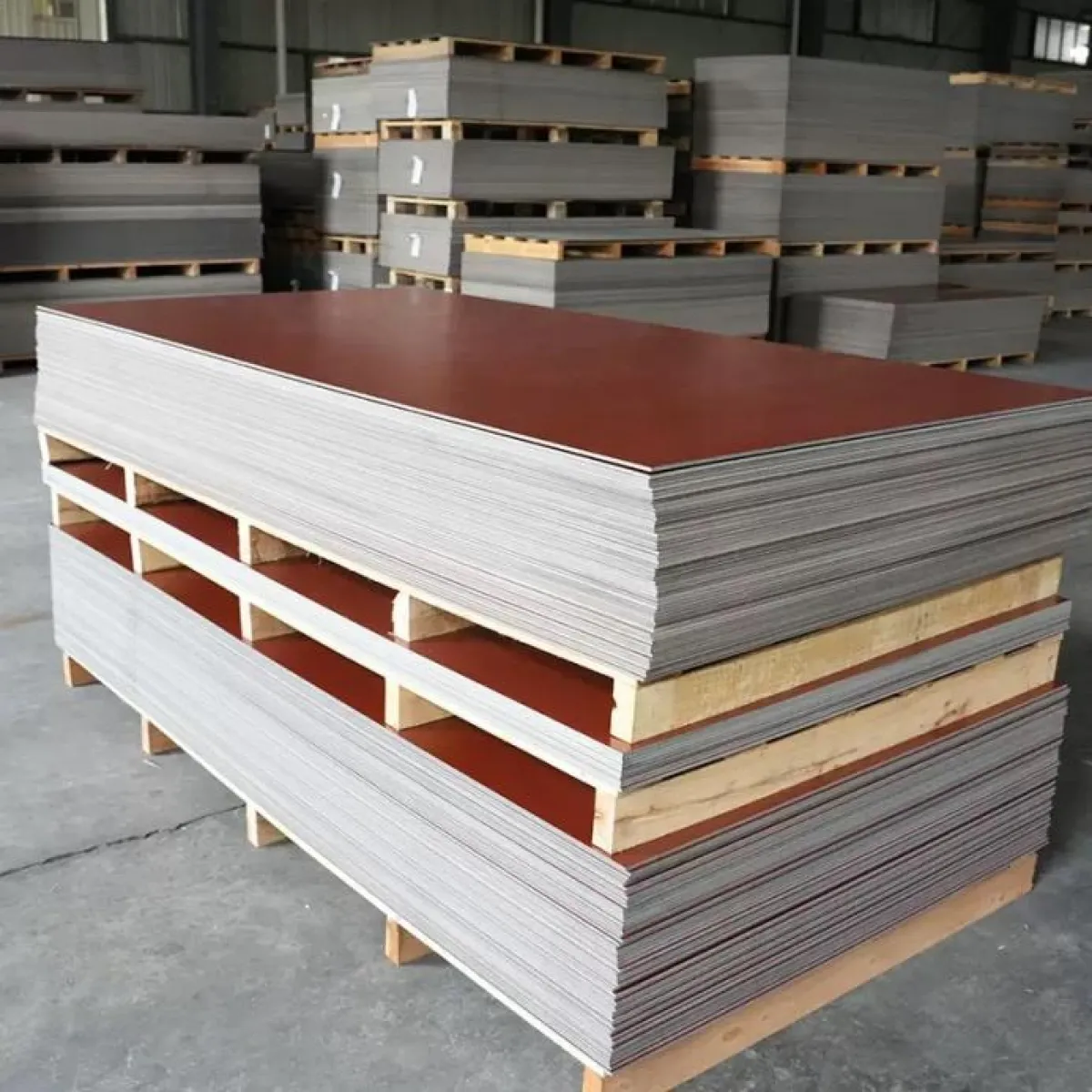
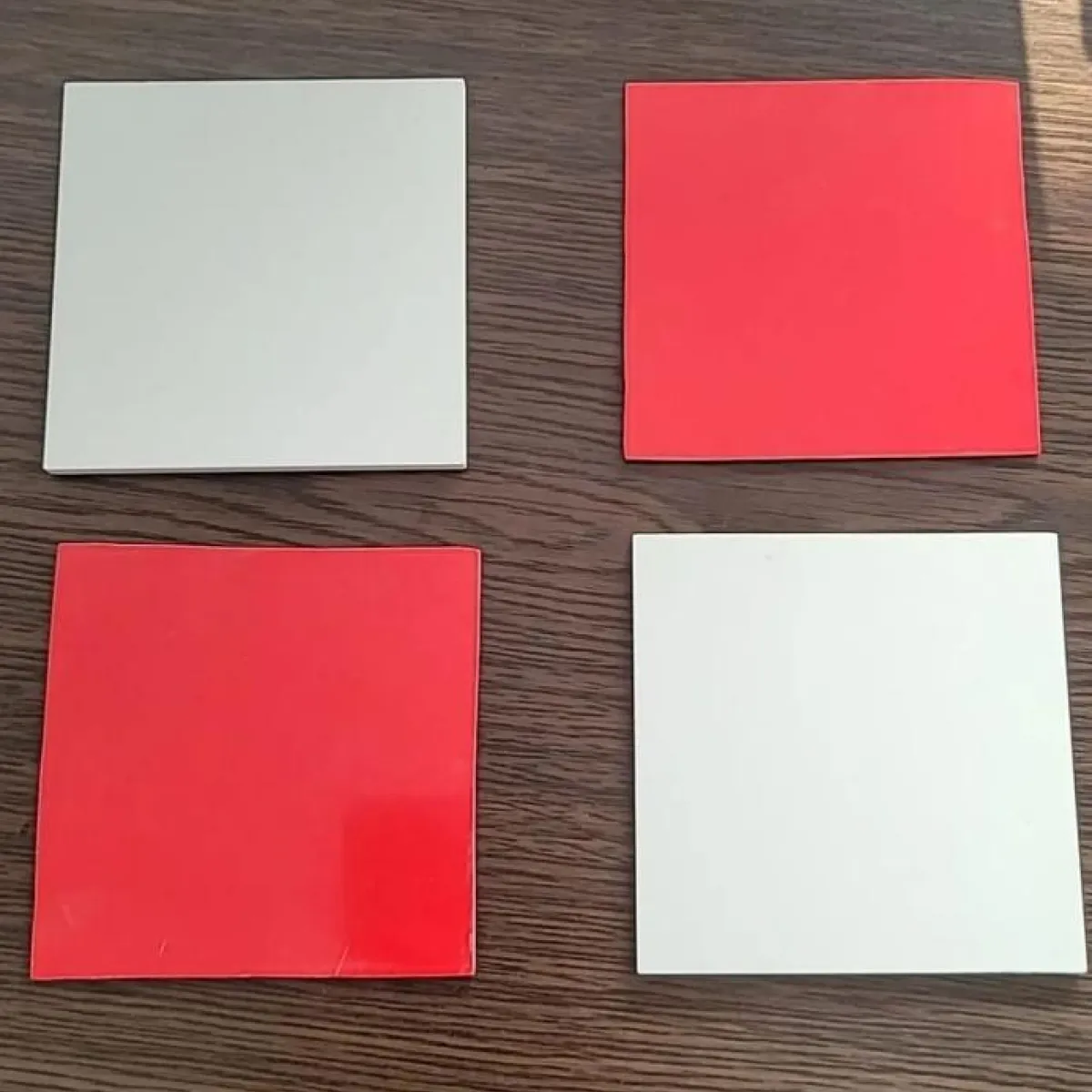
PFCP201 is manufactured using high-quality insulating paper impregnated with phenolic resin. After the raw materials are carefully inspected, the paper is passed through an automat
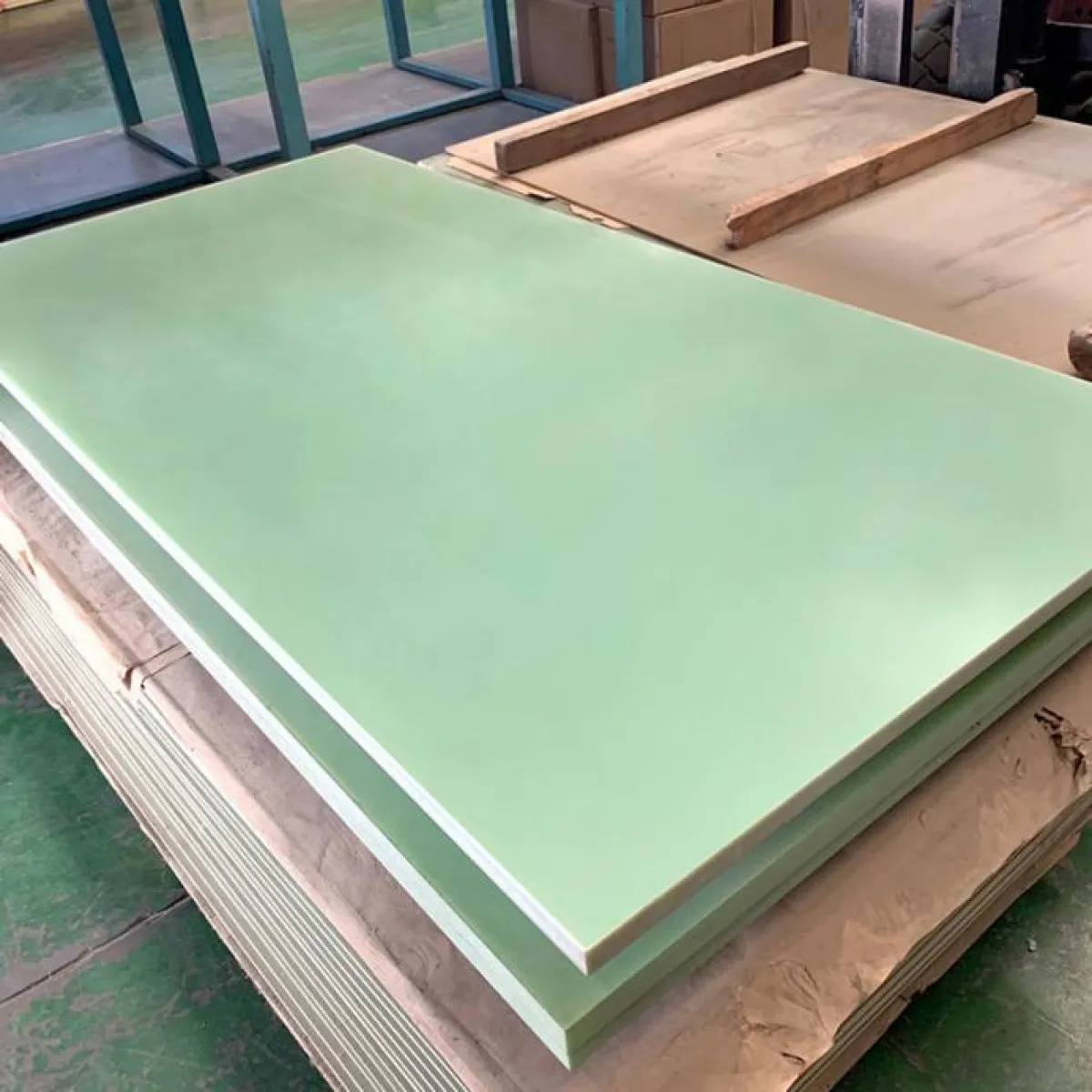
GPO-3 insulation board, also known as UPGM-203, is a rigid electrical insulation material made from alkali-free glass fiber mat impregnated with unsaturated polyester resin and pro
Compared with many conventional insulation materials, GPO-3 offers two particularly important advantages: strong resistance to heat and moisture, and stable electrical insulation p
However, selecting a cryogenic insulation material based only on its standard properties may not be enough. In actual service, continuous immersion, concentrated mechanical loads,

Silicone Glass Cloth Sheet (G7) combines silicone resin with glass fiber cloth to provide a balance of high-temperature resistance, electrical insulation, mechanical strength, and
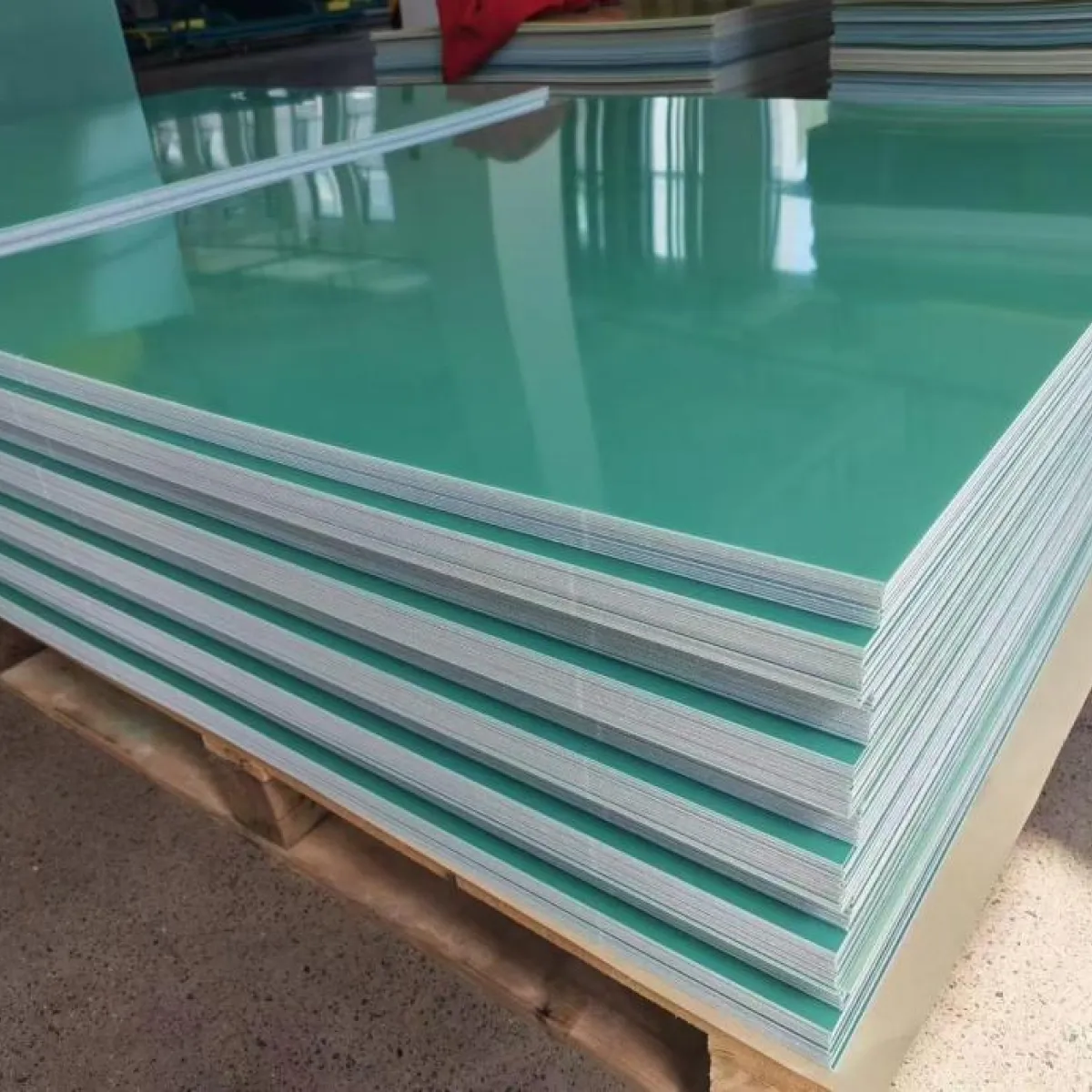
These properties make EPGC308 particularly suitable for electrical equipment operating under high temperature, high humidity and high-voltage conditions.
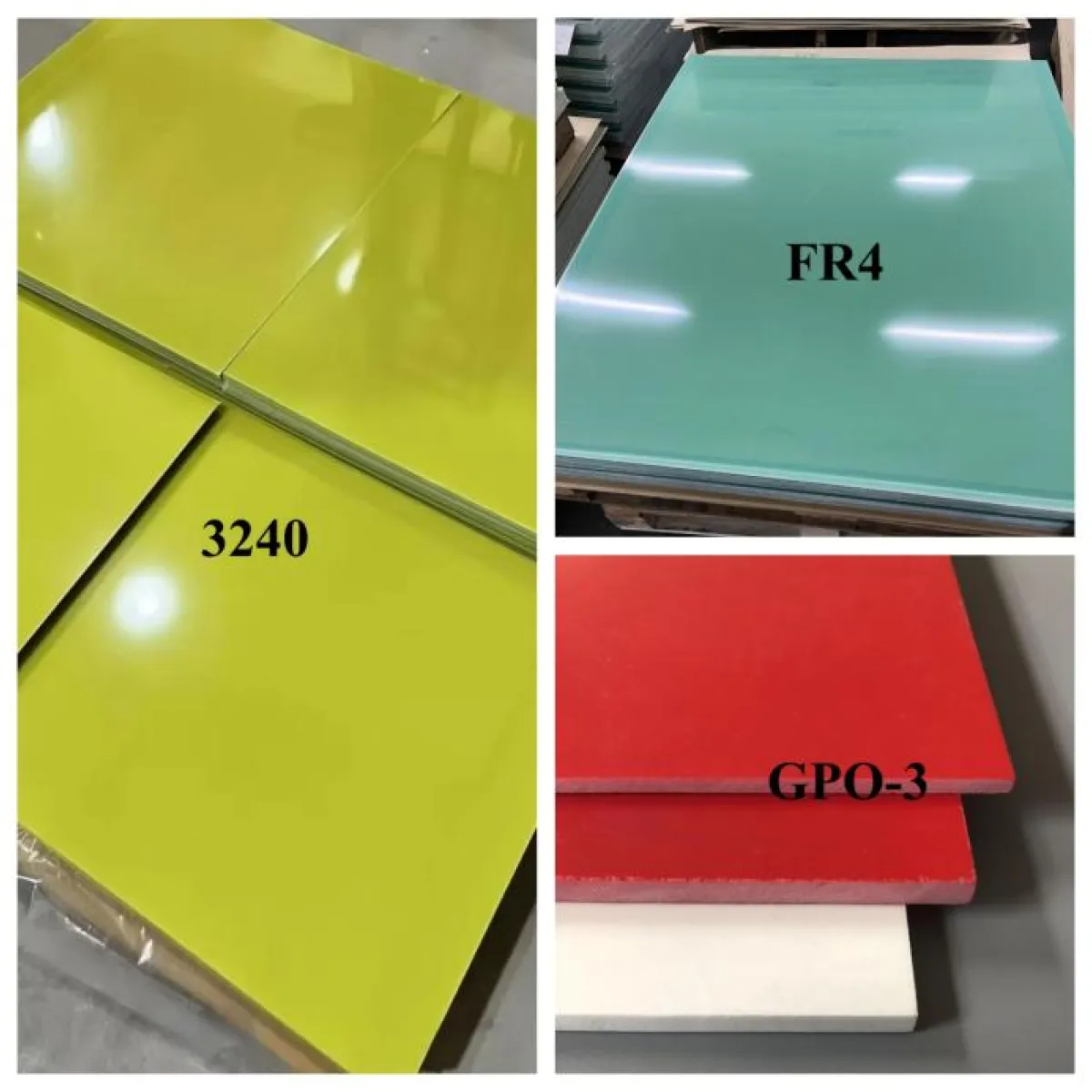
Understanding these differences can help engineers and buyers select the most suitable insulation material for their specific operating conditions.
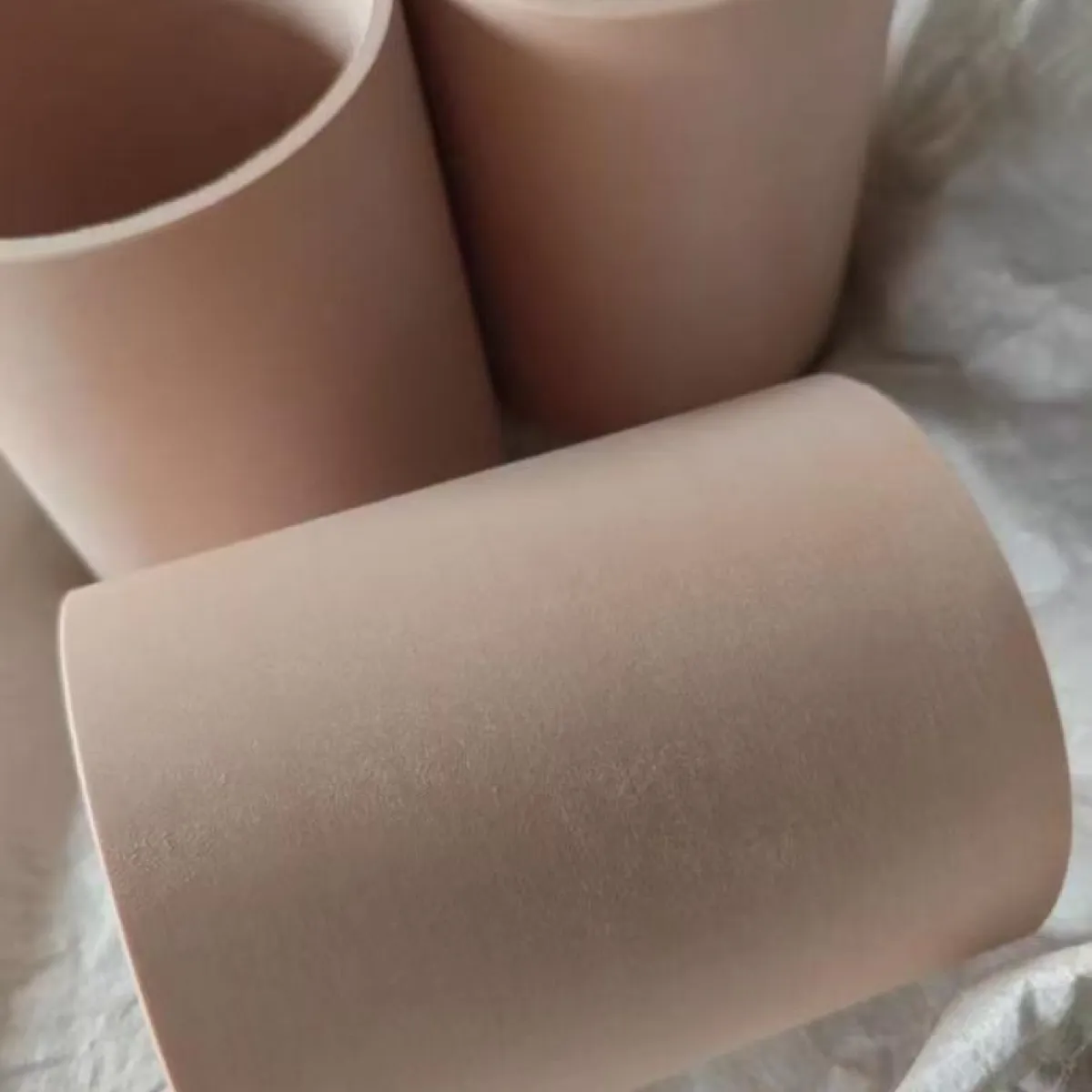
Phenolic Cotton Tube boasts multiple prominent competitive strengths for industrial use. It features extraordinary insulating performance: fully non-conductive, anti-static, and st
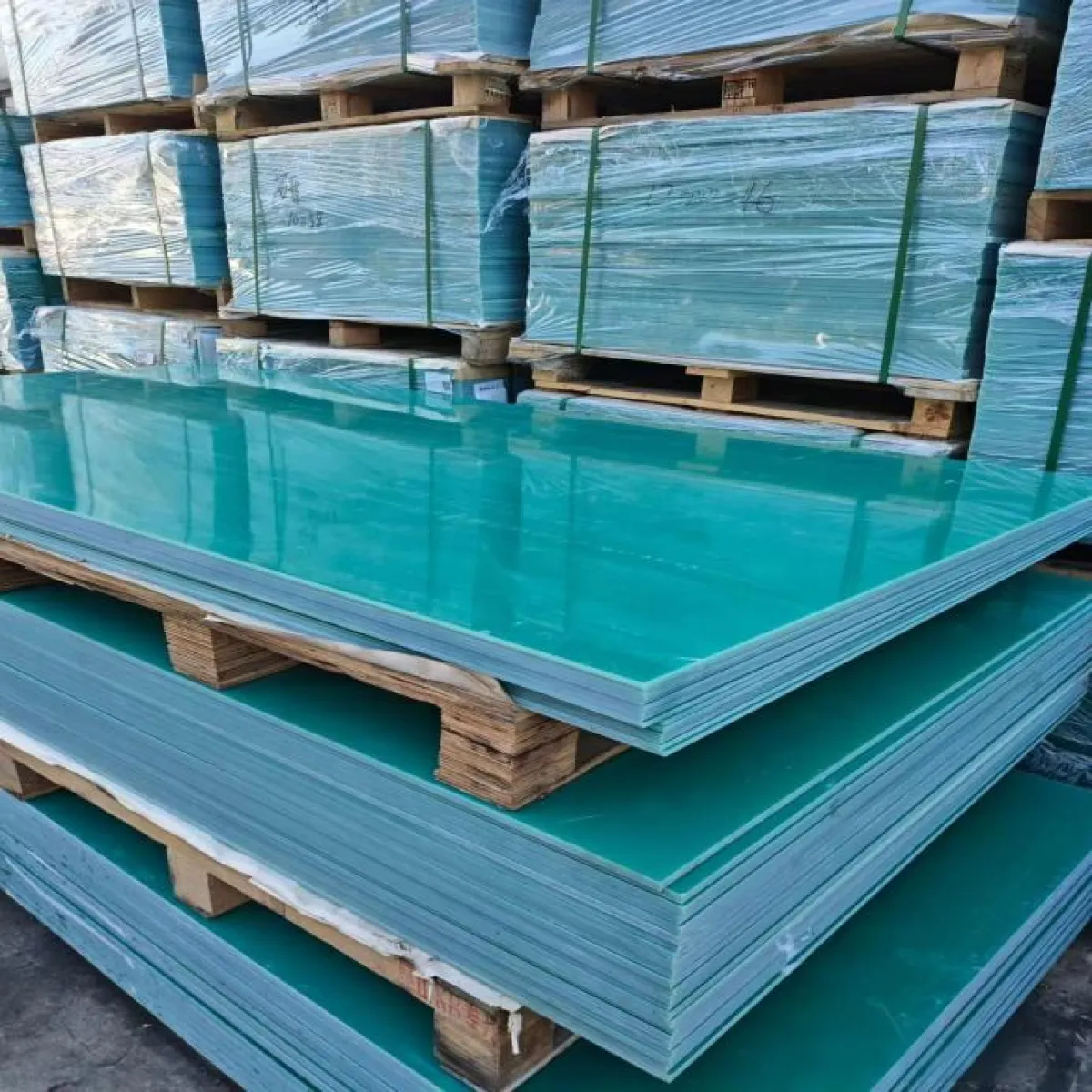
First let us look at its regular uses. In power plants, substations, power distribution rooms and other sites, Insulation Laminated Board is commonly laid on floors to avoid electr
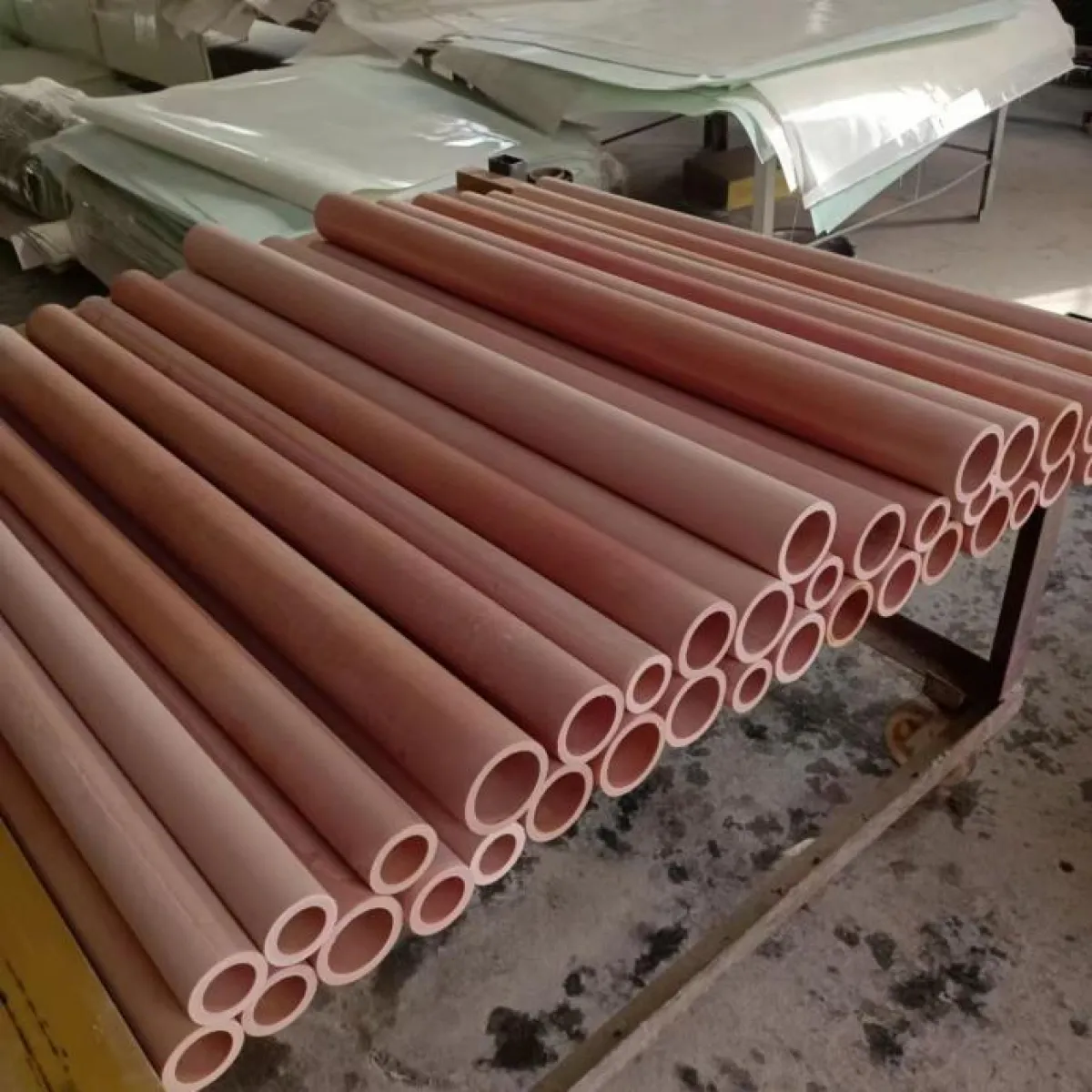
From the perspective of composite materials, Phenolic Cloth Tube is not made of a single substance, but formed by combining thermosetting phenolic resin with reinforcing materials

No.3, Mianzhi Street, Zhucheng, Shandong, China





Copyright © 2026 by Qingdao Yilong Insulation Material Company Limited All Rights Reserved