
CTI, known as the Comparative Tracking Index, is a key parameter used to evaluate the resistance of insulating materials to electrical tracking failure (surface breakdown). It is widely applied in the quality assessment of insulating substrates used in household appliances, low-voltage electrical equipment, and high-voltage applications.
What is the Tracking Test?
The tracking test (also called the electrical tracking or erosion test) is a standardized simulation test defined in IEC 60112, UL 746A, GB/T 4207, GB 4706.1, and ASTM D 3638-92.
In this test, a conductive liquid (0.1% NH₄Cl solution) is dropped from a height of 35 mm at intervals of 30 seconds between two platinum electrodes placed on the surface of a solid insulating material. The electrode spacing is typically 2 mm × 5 mm. This setup evaluates the material’s resistance to tracking under the combined effects of electric field, moisture, and contamination.
The test determines two important values:
l CTI (Comparative Tracking Index)
l PTI (Proof Tracking Index)
Definition of CTI and PTI
According to IEC 60112:2003:
CTI (Comparative Tracking Index): The highest voltage at which five test samples can withstand 50 drops of electrolyte without tracking failure or persistent flame. It may also include observations from extended 100-drop testing.
PTI (Proof Tracking Index): A specified test voltage at which five samples must withstand 50 drops without tracking failure or sustained flame.
Simplified Explanation
l CTI: The maximum voltage a material can withstand during the 50-drop test without failure.
l PTI: A fixed voltage used to verify whether the material can pass the 50-drop test at that specific level.
Applications of Tracking Test Equipment
Tracking test instruments are widely used in:
l Lighting equipment
l Low-voltage electrical devices
l Household appliances
l Machine tool electrical systems
l Motors and power tools
l Electronic instruments and IT equipment
They are also essential for R&D, manufacturing, and quality control in industries such as:
l Insulating materials
l Engineering plastics
l Electrical connectors and accessories
CTI vs PTI: Key Differences
CTI determines the maximum withstand voltage by varying the applied voltage. It reflects the intrinsic performance of the material and is mainly used for material comparison.
PTI evaluates whether a material can withstand a specified voltage. It serves as an acceptance criterion and is commonly used for quality control.
For example:
If a material has a PTI of 150V, it means it can withstand 150V under test conditions, and its actual capability may be higher.
If a material has a CTI value, it represents the upper voltage limit it can endure, and it does not exceed this value.
CTI Classification
CTI values are typically classified into levels (0 to 5) based on withstand voltage.
The lower the classification number, the higher the resistance to tracking.
Importance in Standards and Design
CTI and PTI are widely referenced in international standards. In practical applications:
The pollution degree of the environment must first be determined.
Each pollution level corresponds to specific CTI or PTI requirements depending on the equipment standard.
These parameters are critical for ensuring electrical safety, especially in environments exposed to humidity or contamination.
Conclusion
CTI (Comparative Tracking Index) is a fundamental indicator of a material’s resistance to electrical tracking. Together with PTI, it plays a vital role in material selection, product design, and quality assurance across electrical and electronic industries. Proper understanding and application of CTI and PTI ensure higher reliability and safety of insulating components in real-world operating conditions.
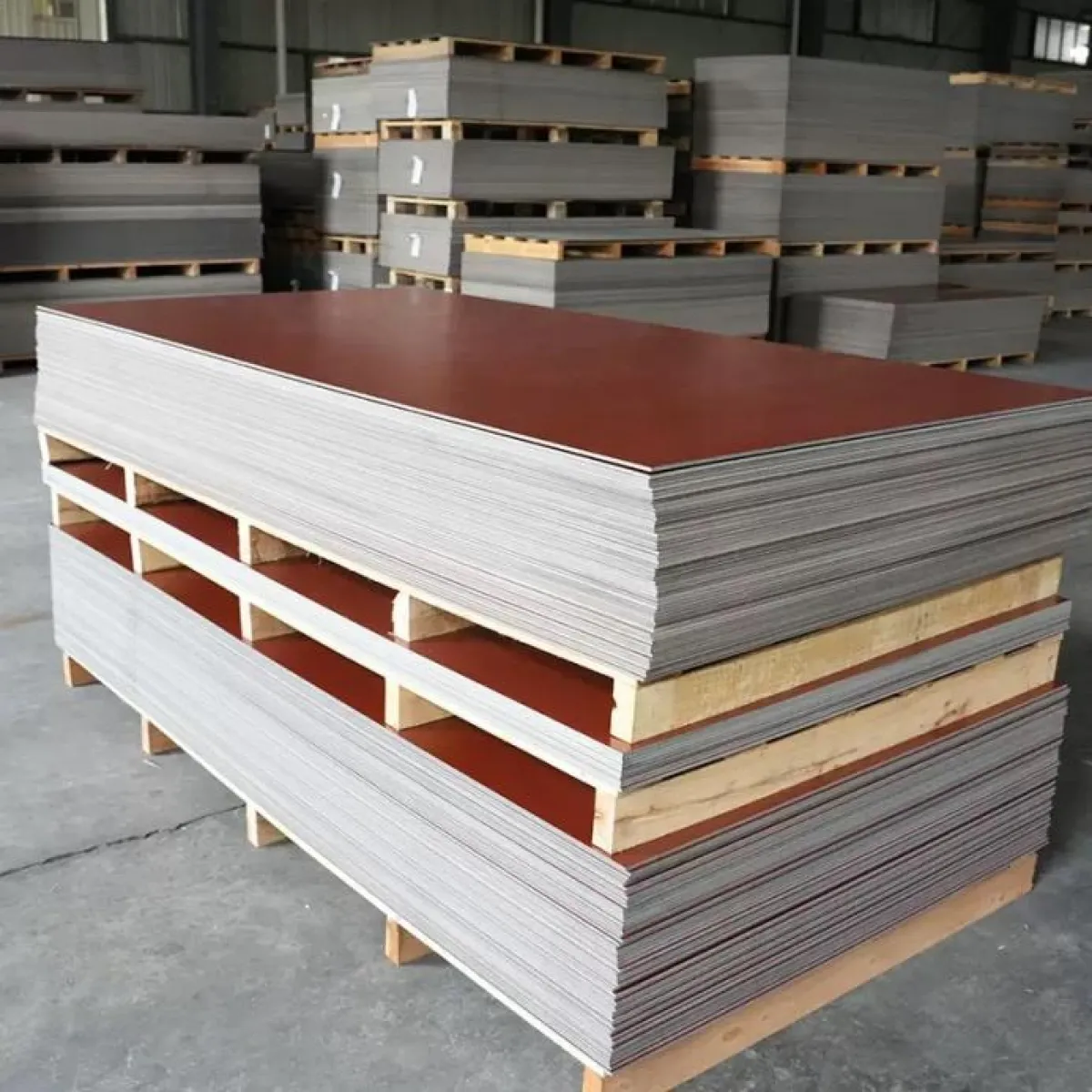
PFCP201 is manufactured using high-quality insulating paper impregnated with phenolic resin. After the raw materials are carefully inspected, the paper is passed through an automat
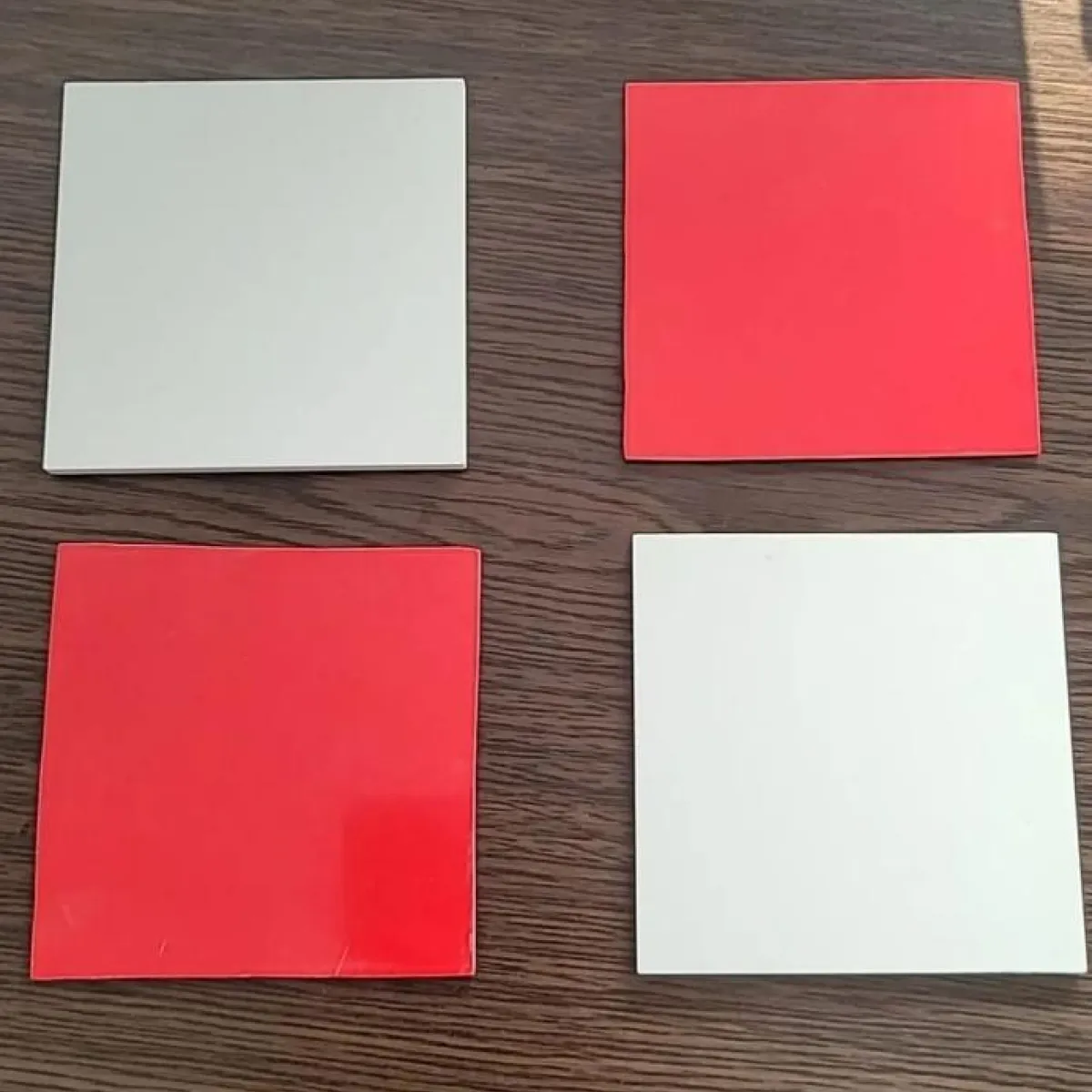
GPO-3 insulation board, also known as UPGM-203, is a rigid electrical insulation material made from alkali-free glass fiber mat impregnated with unsaturated polyester resin and pro
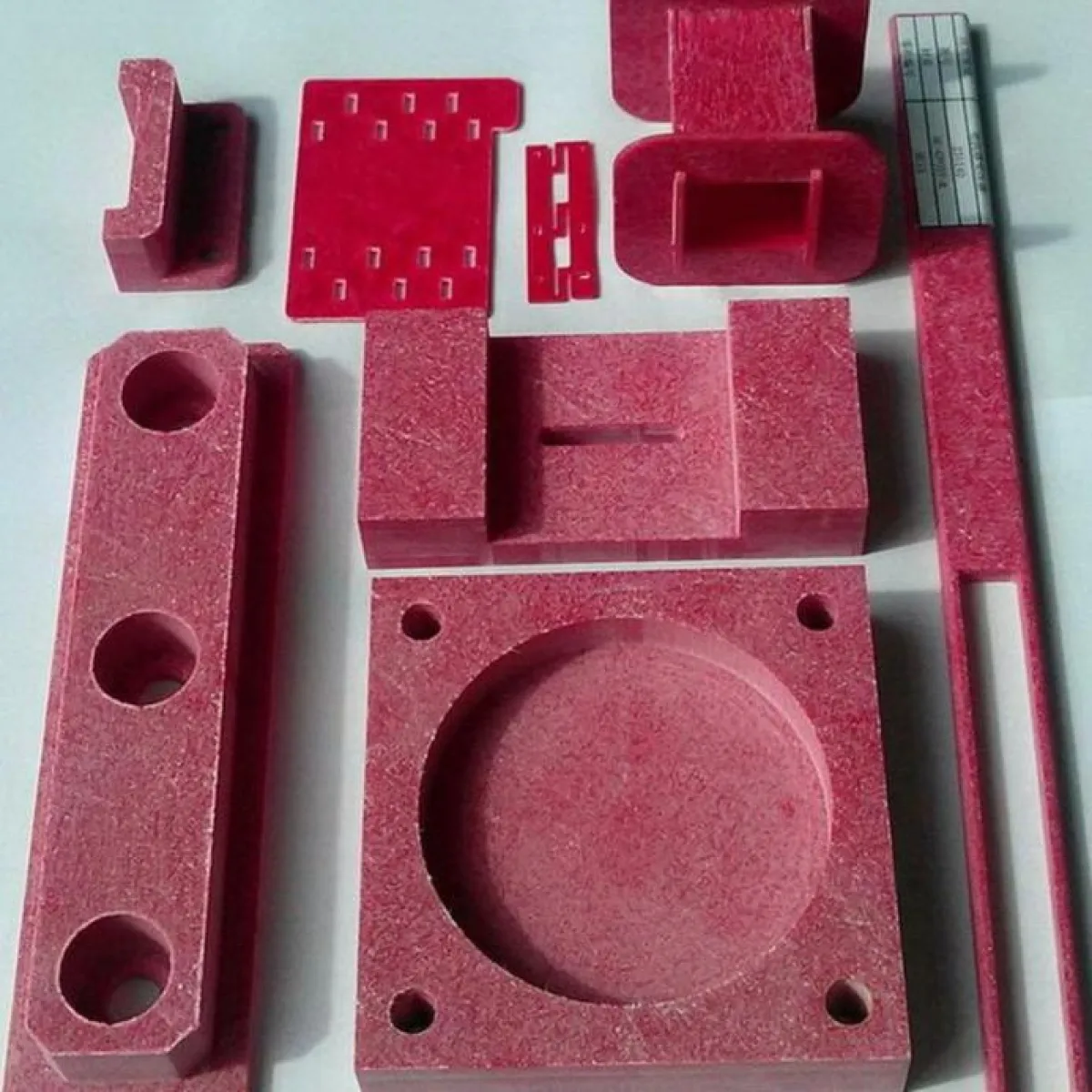
Compared with many conventional insulation materials, GPO-3 offers two particularly important advantages: strong resistance to heat and moisture, and stable electrical insulation p
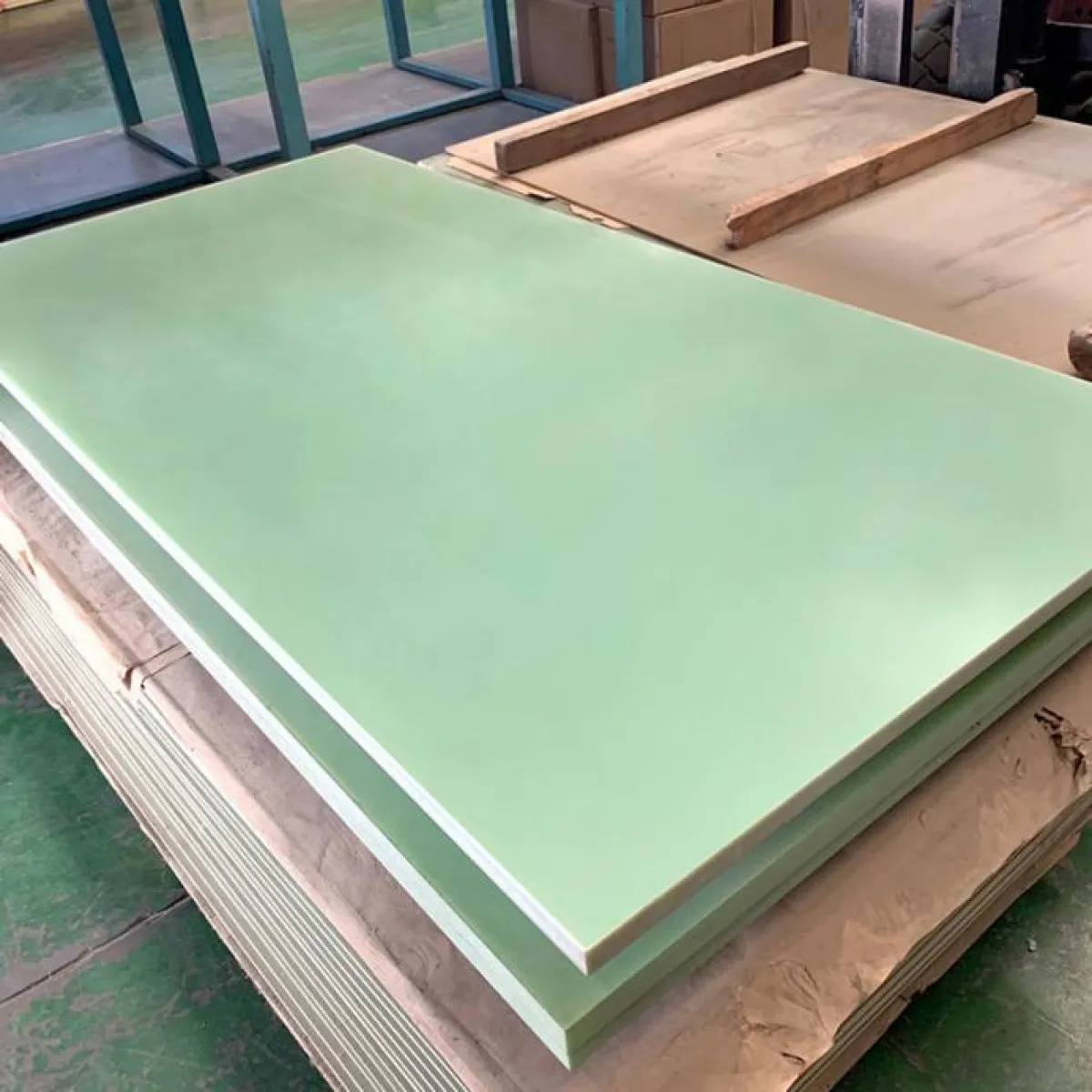
However, selecting a cryogenic insulation material based only on its standard properties may not be enough. In actual service, continuous immersion, concentrated mechanical loads,

Silicone Glass Cloth Sheet (G7) combines silicone resin with glass fiber cloth to provide a balance of high-temperature resistance, electrical insulation, mechanical strength, and
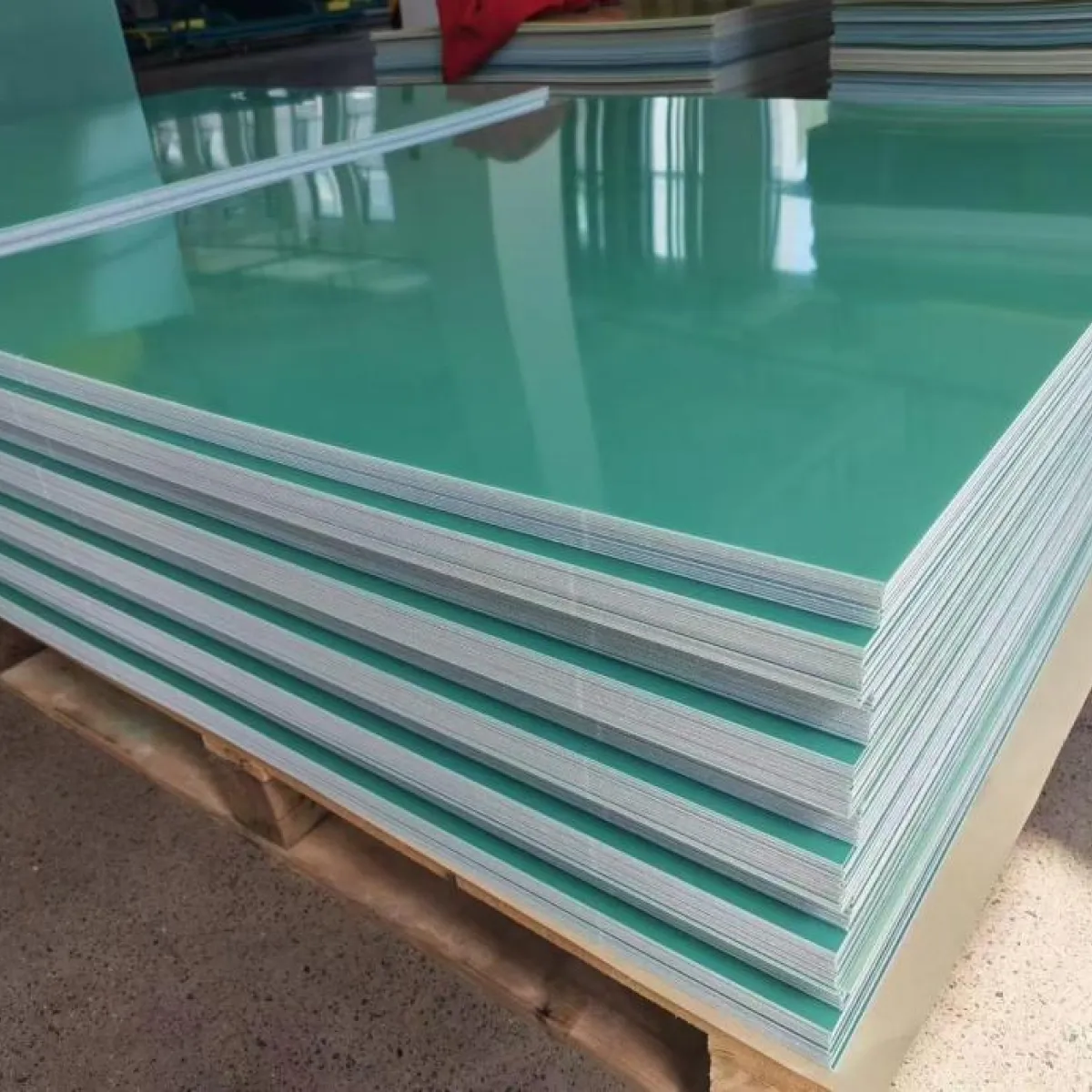
These properties make EPGC308 particularly suitable for electrical equipment operating under high temperature, high humidity and high-voltage conditions.
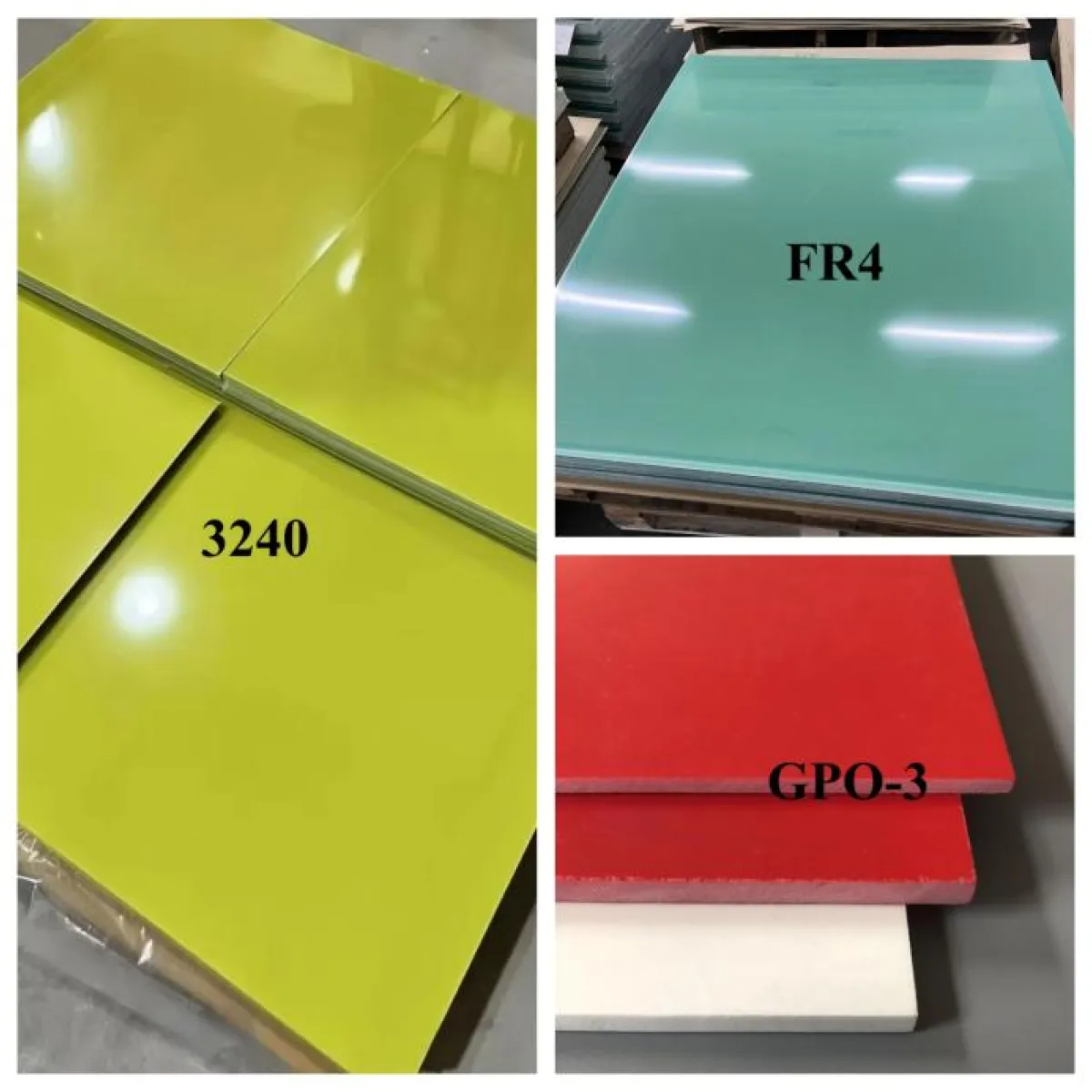
Understanding these differences can help engineers and buyers select the most suitable insulation material for their specific operating conditions.

Phenolic Cotton Tube boasts multiple prominent competitive strengths for industrial use. It features extraordinary insulating performance: fully non-conductive, anti-static, and st
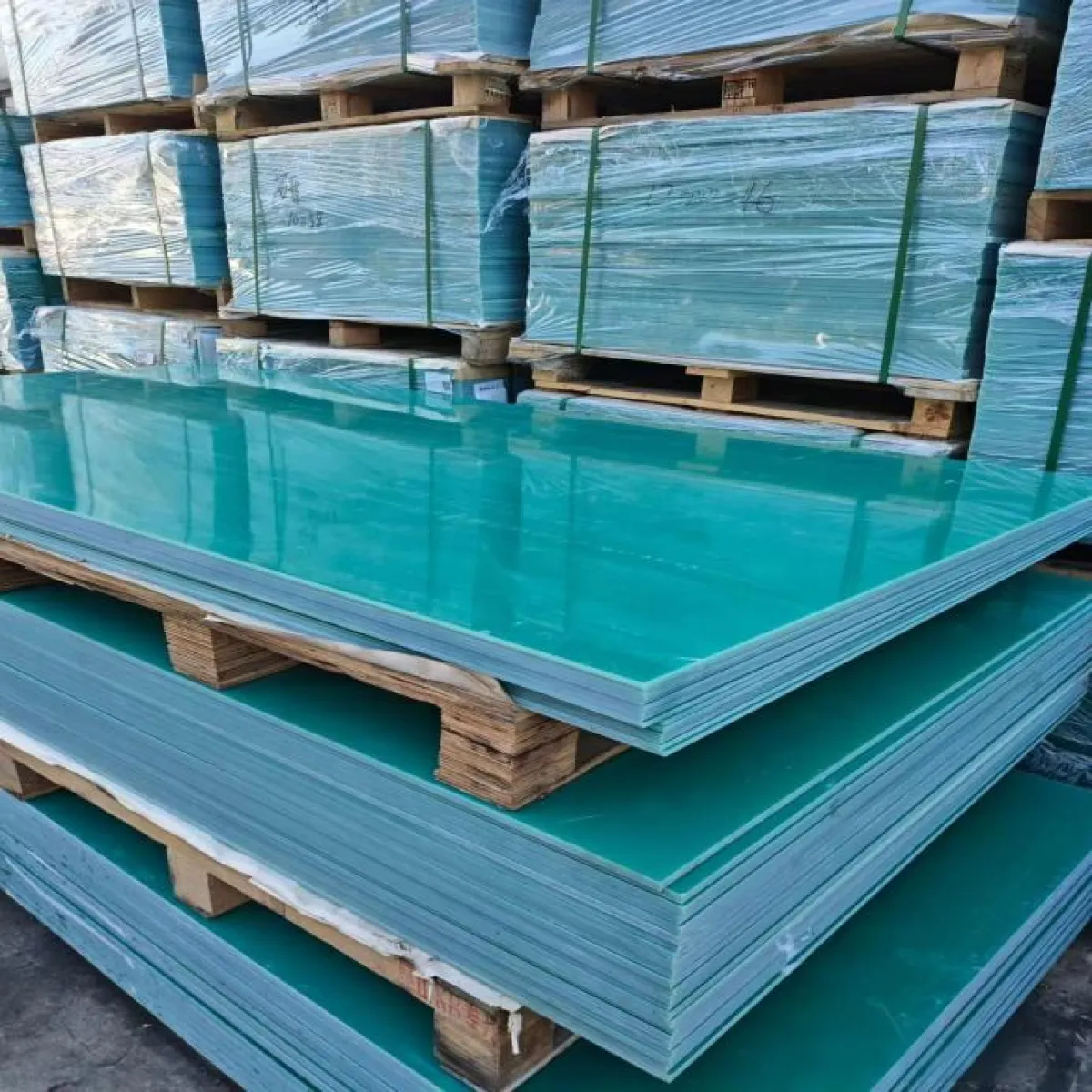
First let us look at its regular uses. In power plants, substations, power distribution rooms and other sites, Insulation Laminated Board is commonly laid on floors to avoid electr
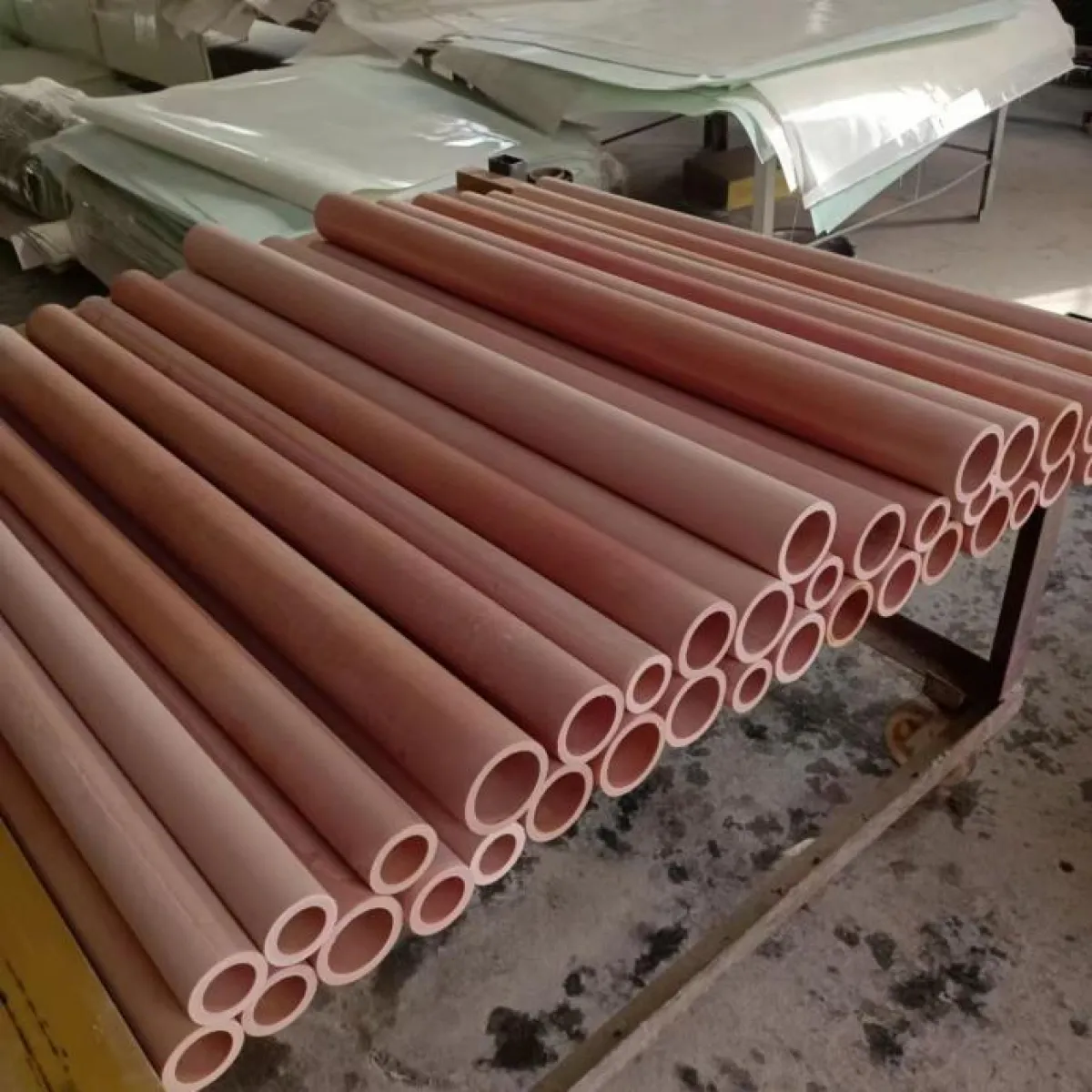
From the perspective of composite materials, Phenolic Cloth Tube is not made of a single substance, but formed by combining thermosetting phenolic resin with reinforcing materials

No.3, Mianzhi Street, Zhucheng, Shandong, China





Copyright © 2026 by Qingdao Yilong Insulation Material Company Limited All Rights Reserved