
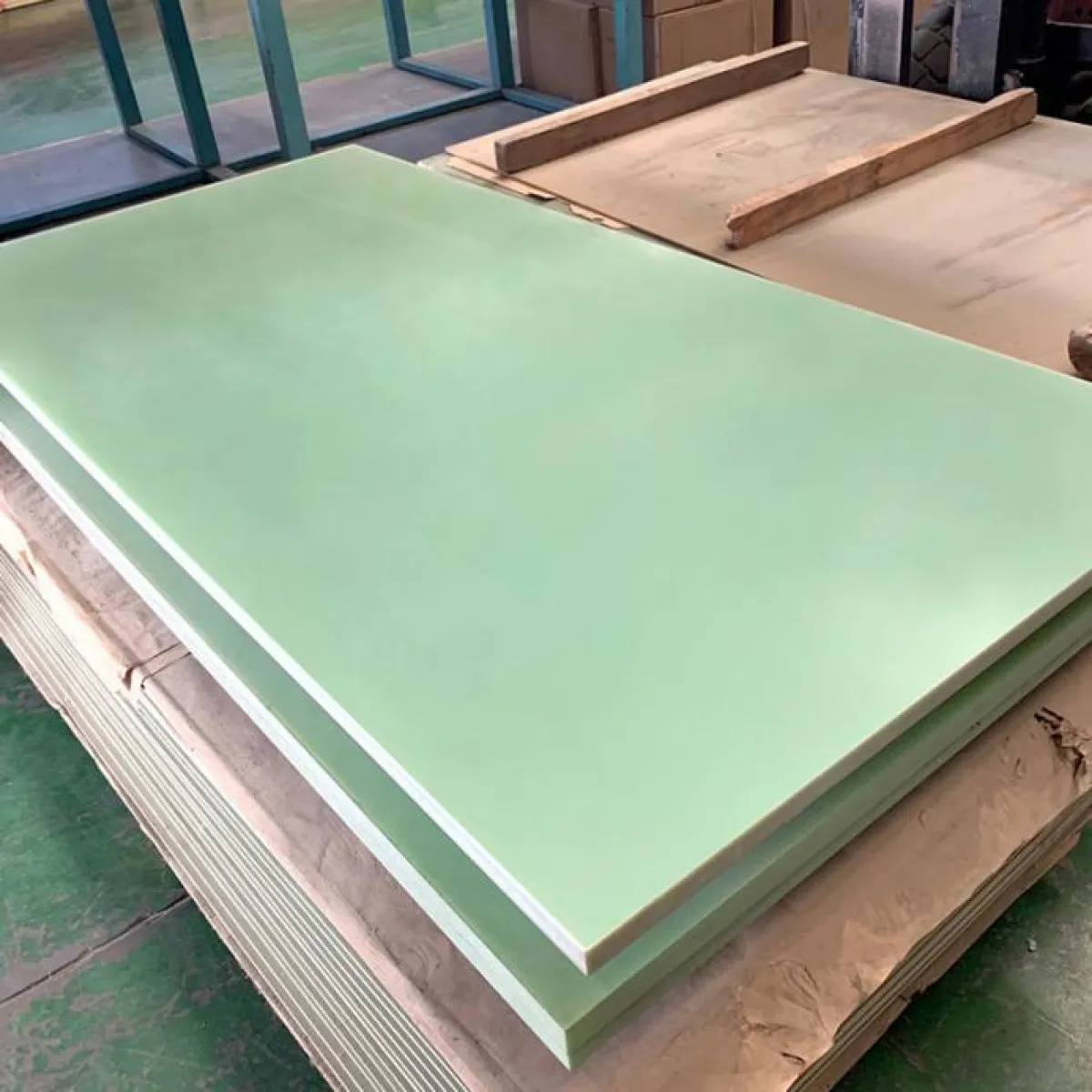
Epoxy Board exhibits excellent performance, featuring high temperature resistance, corrosion resistance, high mechanical strength, good machinability, low water absorption, and outstanding insulation and electrical properties. There are various grades of Epoxy Board, including 3240, G11, FR‑4, G10, and others.
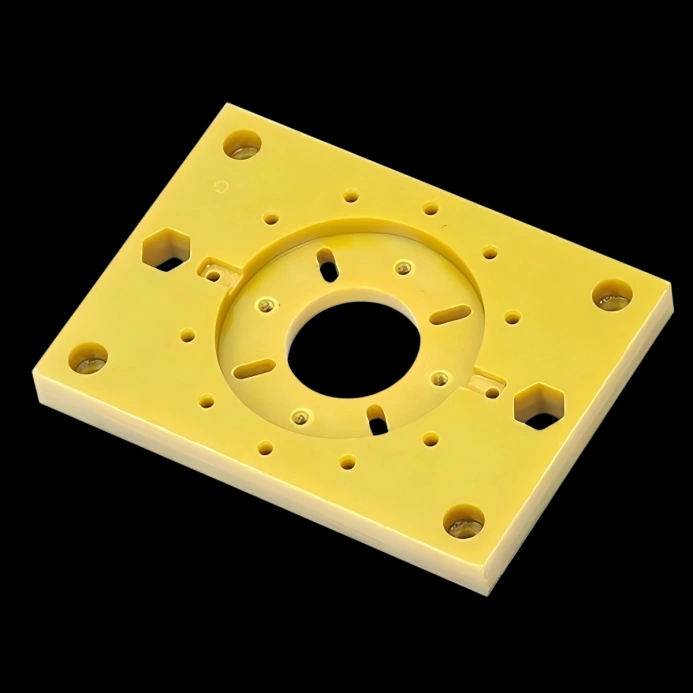
In today’s era of convenient transportation, subways and high‑speed railways have become indispensable for travel. In fact, machined insulation components are extensively used in railway construction, as insulation materials can fully meet the requirements of these harsh operating environments.
Epoxy Board machined parts for railway applications offer arc resistance, good machinability, and flame retardancy. They can operate continuously at temperatures up to 150 °C and possess strong chemical stability, with no risk of corrosion when exposed to acidic or alkaline solutions. In the event of overheating and ignition, the material is self‑extinguishing upon removal of the ignition source due to its flame‑retardant properties. Epoxy Board components also feature excellent wear resistance and long service life, which significantly reduces the cost of part replacement.
Epoxy Board, also known as epoxy fiberglass board, is a composite material formed by impregnating or encapsulating fiberglass with epoxy resin. Compared with conventional fiberglass, epoxy fiberglass provides superior properties including high tensile strength, high modulus of elasticity, good impact resistance, excellent chemical stability, high fatigue resistance, and high temperature resistance. It is widely applied in aviation, aerospace, construction, chemical engineering, agriculture, and other fields.
Application Characteristics of Epoxy Board
l Versatility in formVarious resin, curing agent, and modifier systems can be adapted to nearly all form requirements for different applications, ranging from extremely low viscosity to high‑melting solids.
l Flexible curing conditionsBy selecting different curing agents, epoxy resin systems can be cured over a wide temperature range of approximately 0–180 °C.
l Strong adhesionThe inherent polar hydroxyl and ether groups in the epoxy resin molecular chain impart high adhesion to various substrates. The low shrinkage during epoxy curing minimizes internal stress, which further enhances bond strength.
l Low shrinkageThe reaction between epoxy resin and selected curing agents proceeds via direct addition or ring‑opening polymerization of epoxy groups on resin molecules, without releasing water or other volatile byproducts. Compared with unsaturated polyester resins and phenolic resins, epoxy systems exhibit very low shrinkage during curing (less than 2%).
For inquiries and customized solutions regarding epoxy board machined parts, please contact YILONG for professional support and reliable service.
Whatsapp: 86 158 6686 9385
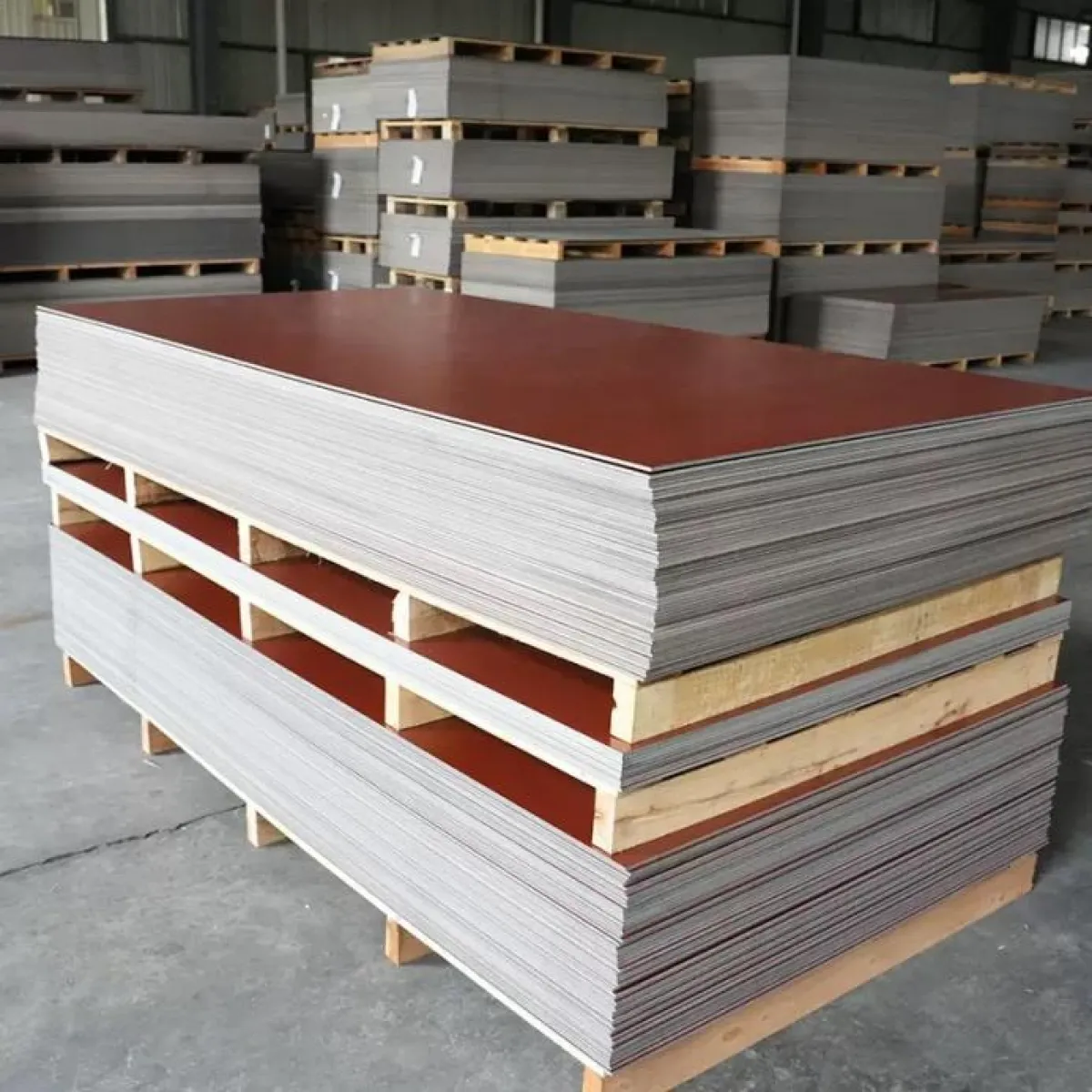
PFCP201 is manufactured using high-quality insulating paper impregnated with phenolic resin. After the raw materials are carefully inspected, the paper is passed through an automat
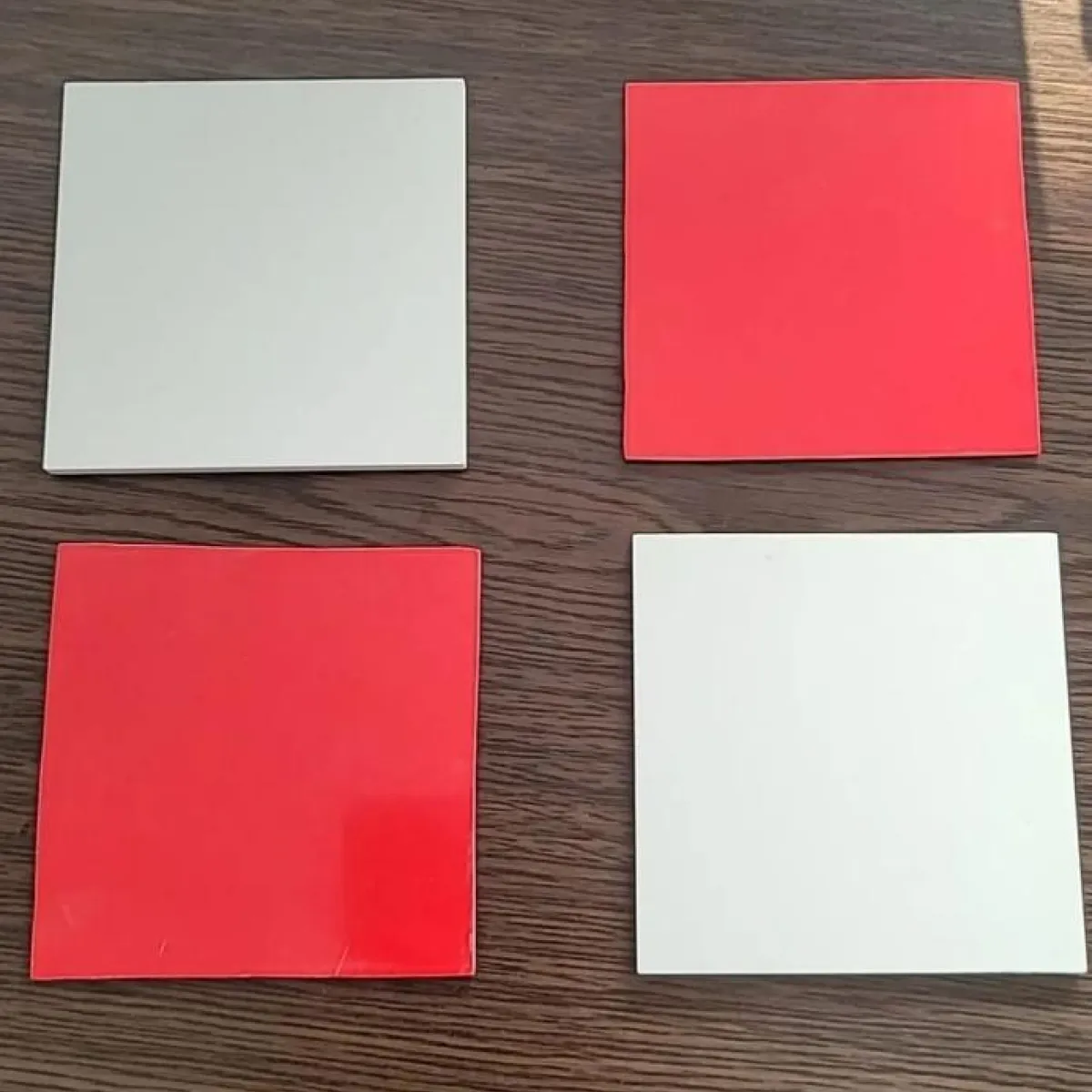
GPO-3 insulation board, also known as UPGM-203, is a rigid electrical insulation material made from alkali-free glass fiber mat impregnated with unsaturated polyester resin and pro
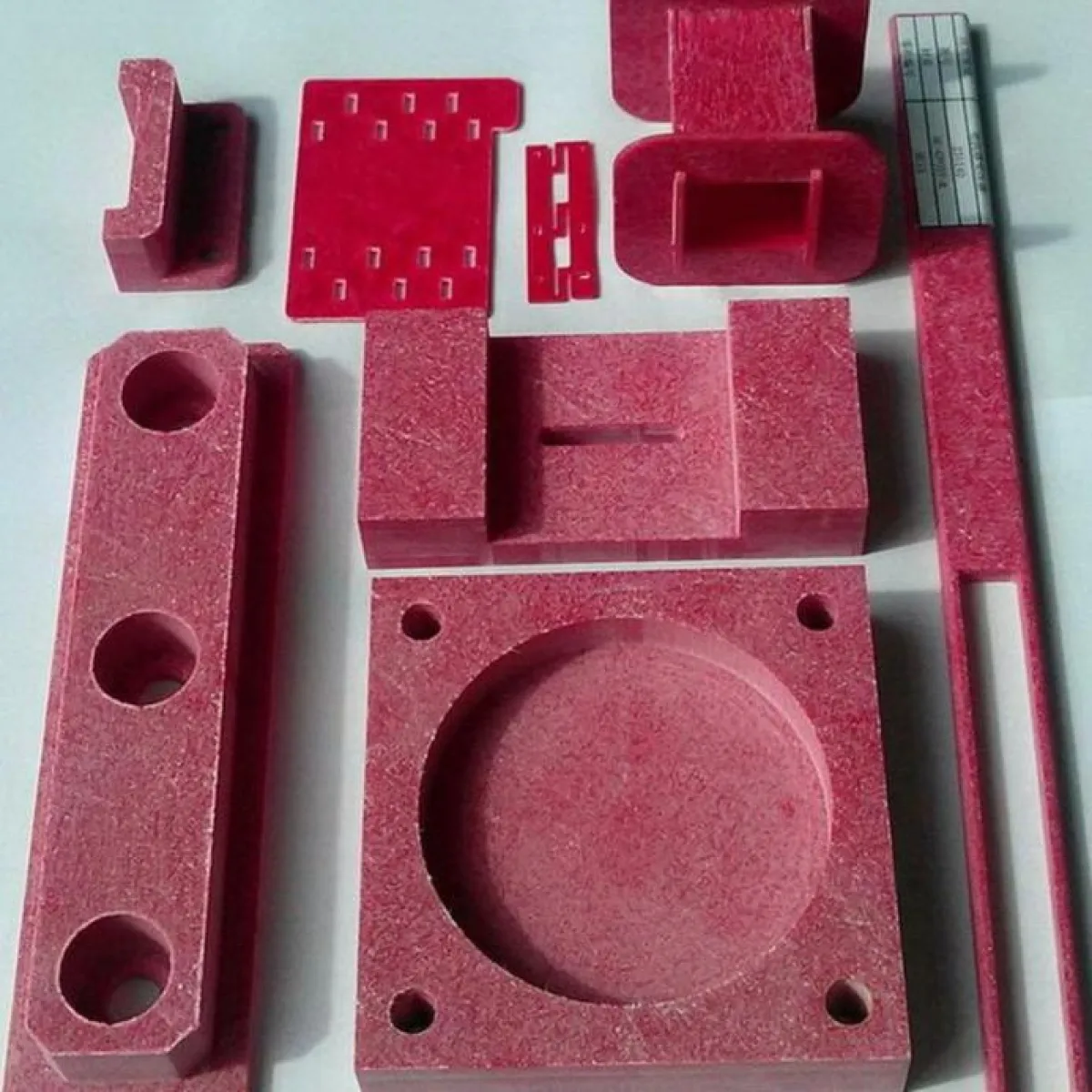
Compared with many conventional insulation materials, GPO-3 offers two particularly important advantages: strong resistance to heat and moisture, and stable electrical insulation p
However, selecting a cryogenic insulation material based only on its standard properties may not be enough. In actual service, continuous immersion, concentrated mechanical loads,

Silicone Glass Cloth Sheet (G7) combines silicone resin with glass fiber cloth to provide a balance of high-temperature resistance, electrical insulation, mechanical strength, and
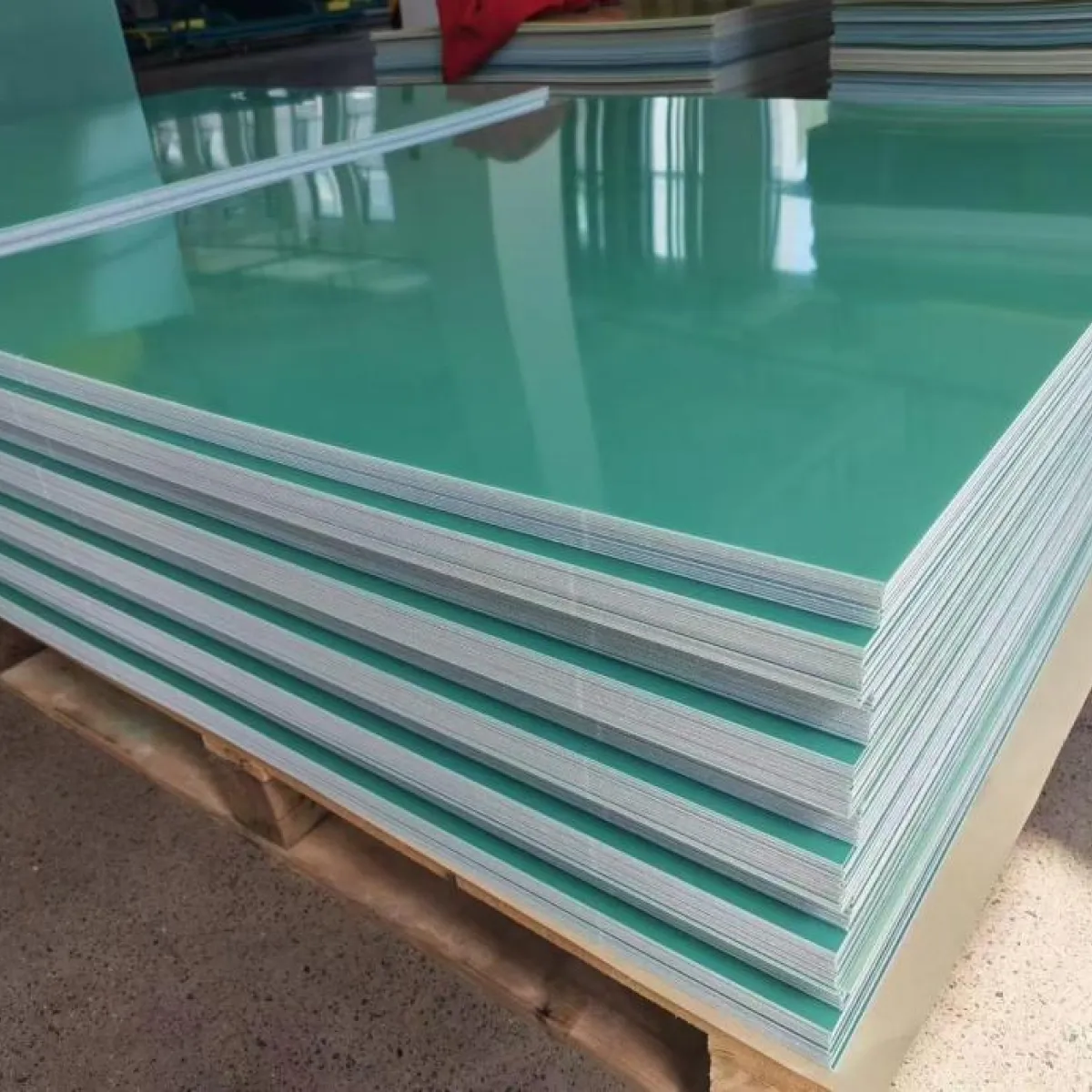
These properties make EPGC308 particularly suitable for electrical equipment operating under high temperature, high humidity and high-voltage conditions.
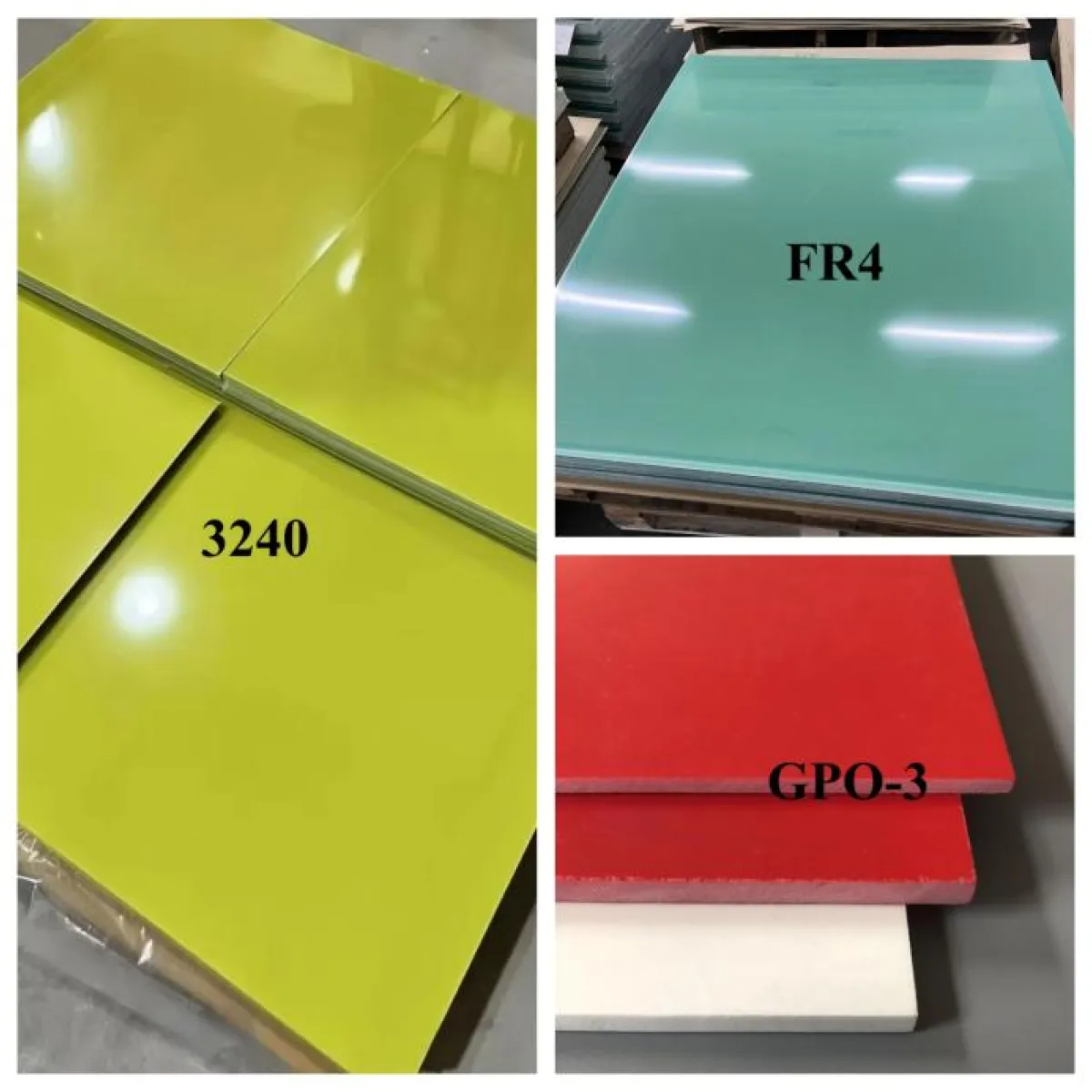
Understanding these differences can help engineers and buyers select the most suitable insulation material for their specific operating conditions.
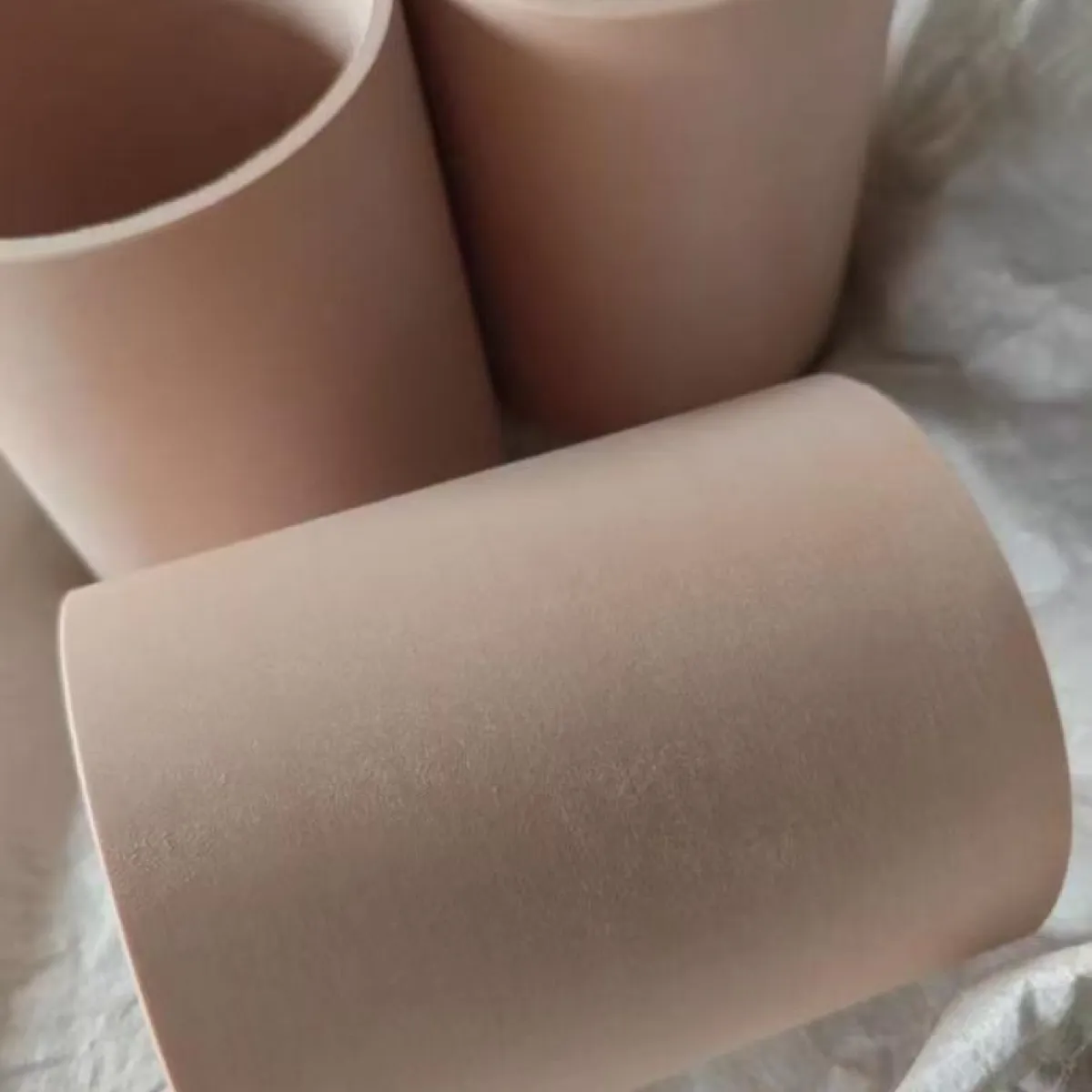
Phenolic Cotton Tube boasts multiple prominent competitive strengths for industrial use. It features extraordinary insulating performance: fully non-conductive, anti-static, and st
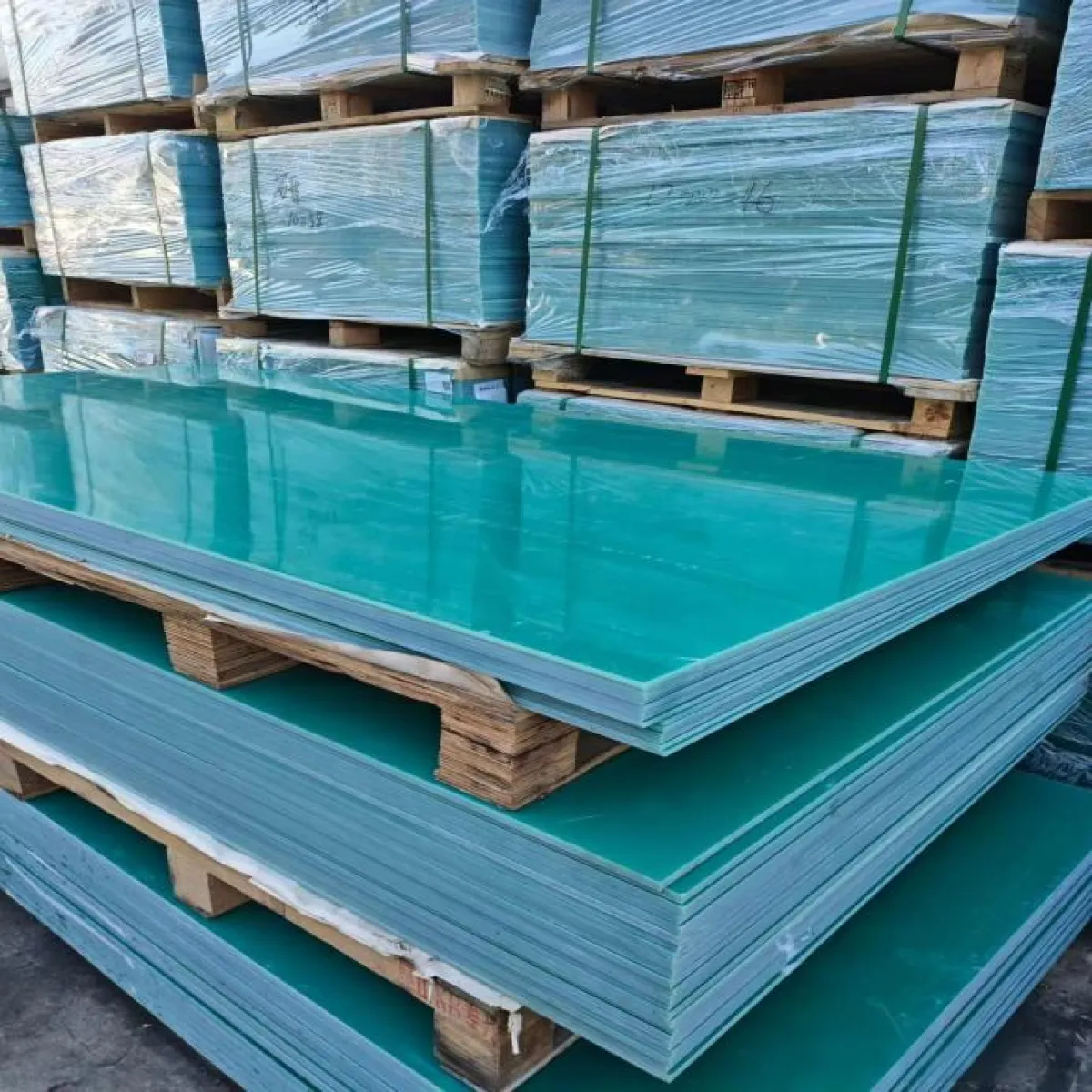
First let us look at its regular uses. In power plants, substations, power distribution rooms and other sites, Insulation Laminated Board is commonly laid on floors to avoid electr
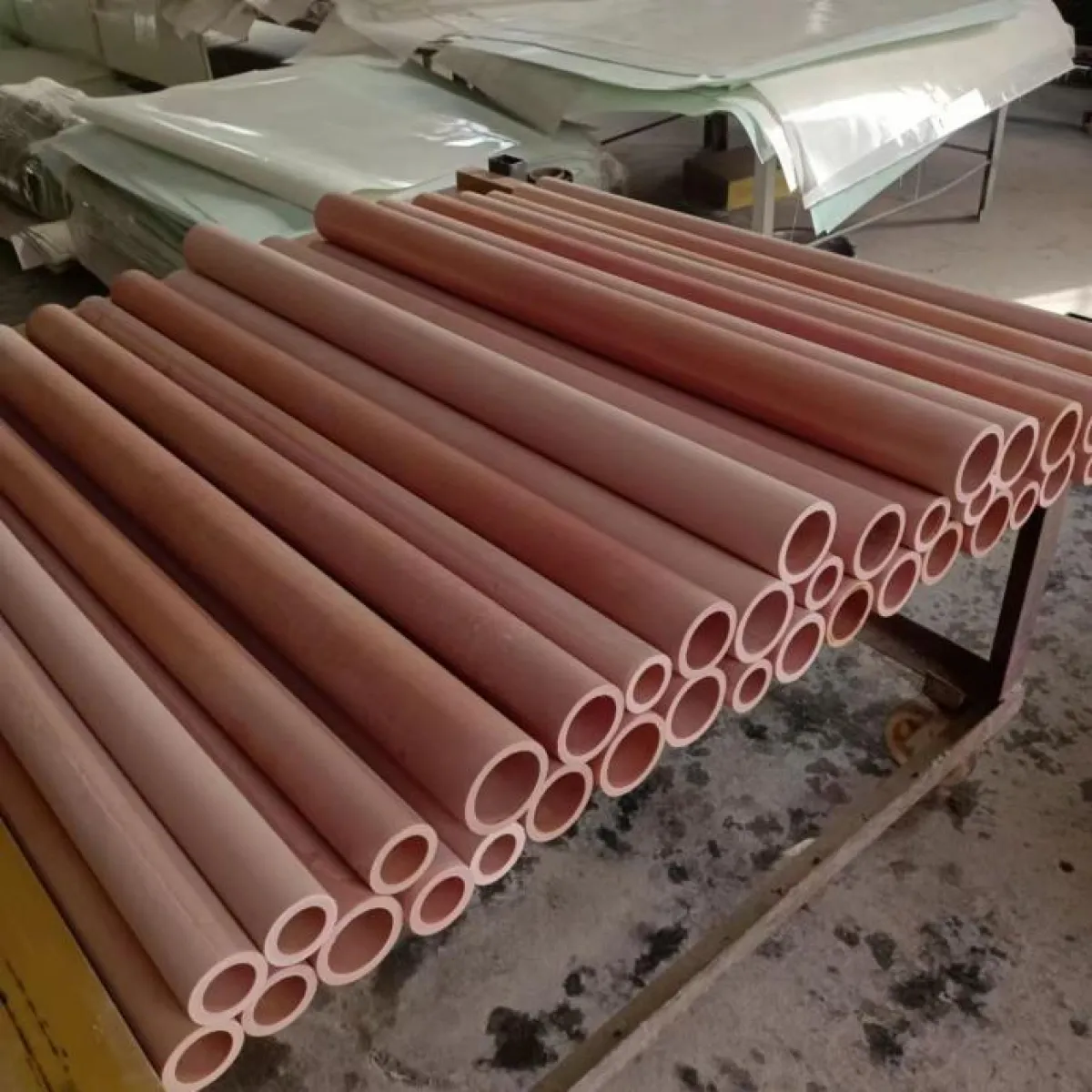
From the perspective of composite materials, Phenolic Cloth Tube is not made of a single substance, but formed by combining thermosetting phenolic resin with reinforcing materials

No.3, Mianzhi Street, Zhucheng, Shandong, China





Copyright © 2026 by Qingdao Yilong Insulation Material Company Limited All Rights Reserved