
As a professional engaged in electrical accessory processing for many years, we have handled a large number of custom Epoxy Laminates orders. In practice, many users simply treat this material as an “insulation board,” without fully realizing that it combines excellent electrical insulation, high mechanical strength, and strong corrosion resistance, making it widely used across multiple industries.
Based on real application scenarios, this article explains the core applications of Epoxy Laminates and provides practical selection guidance to help avoid common material selection mistakes.
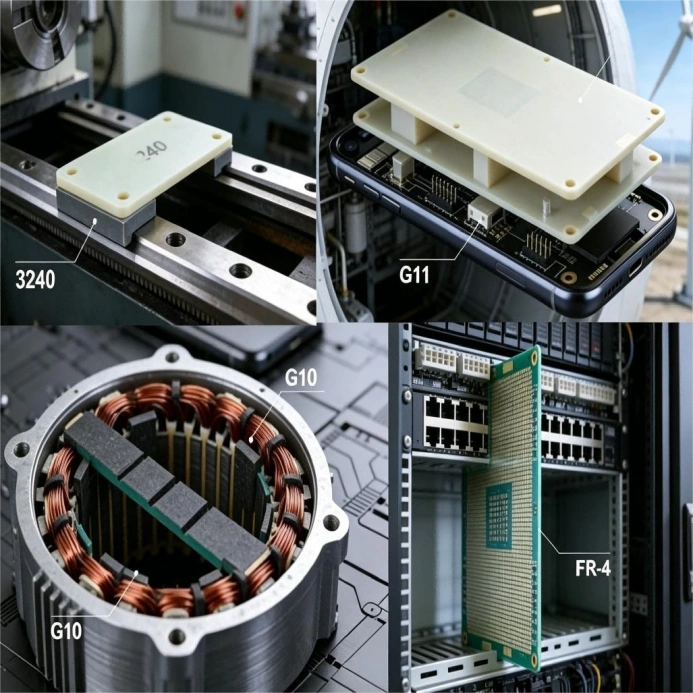
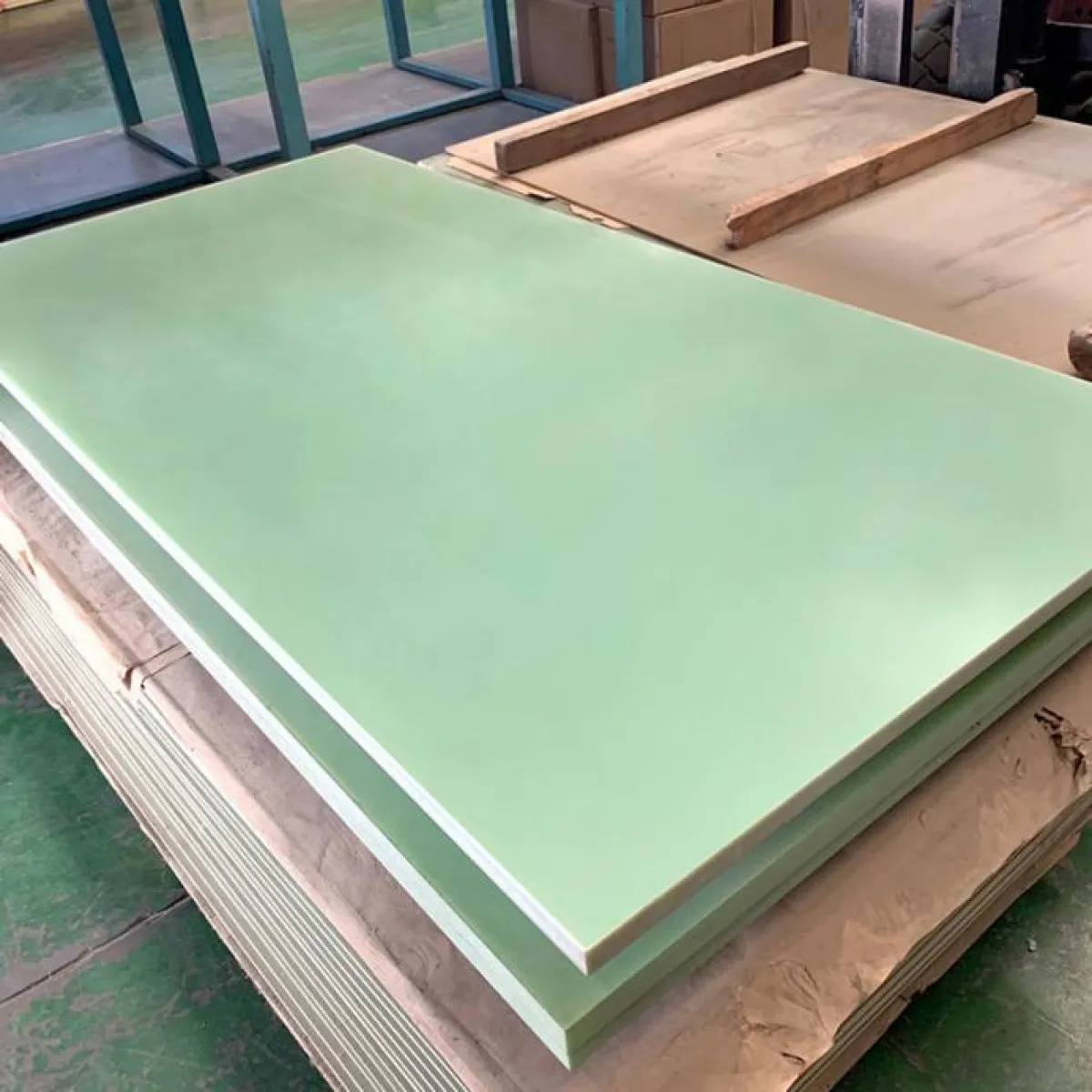
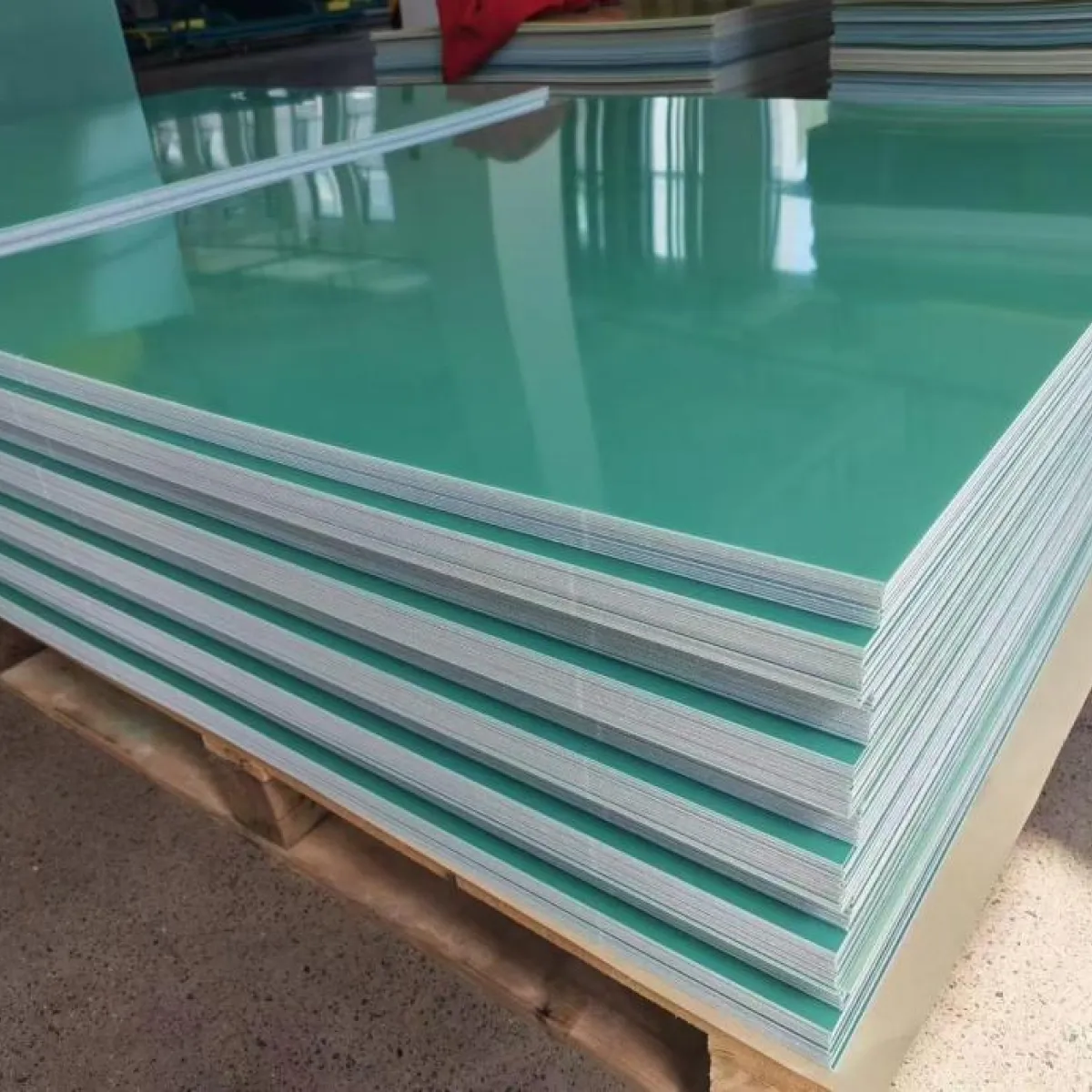
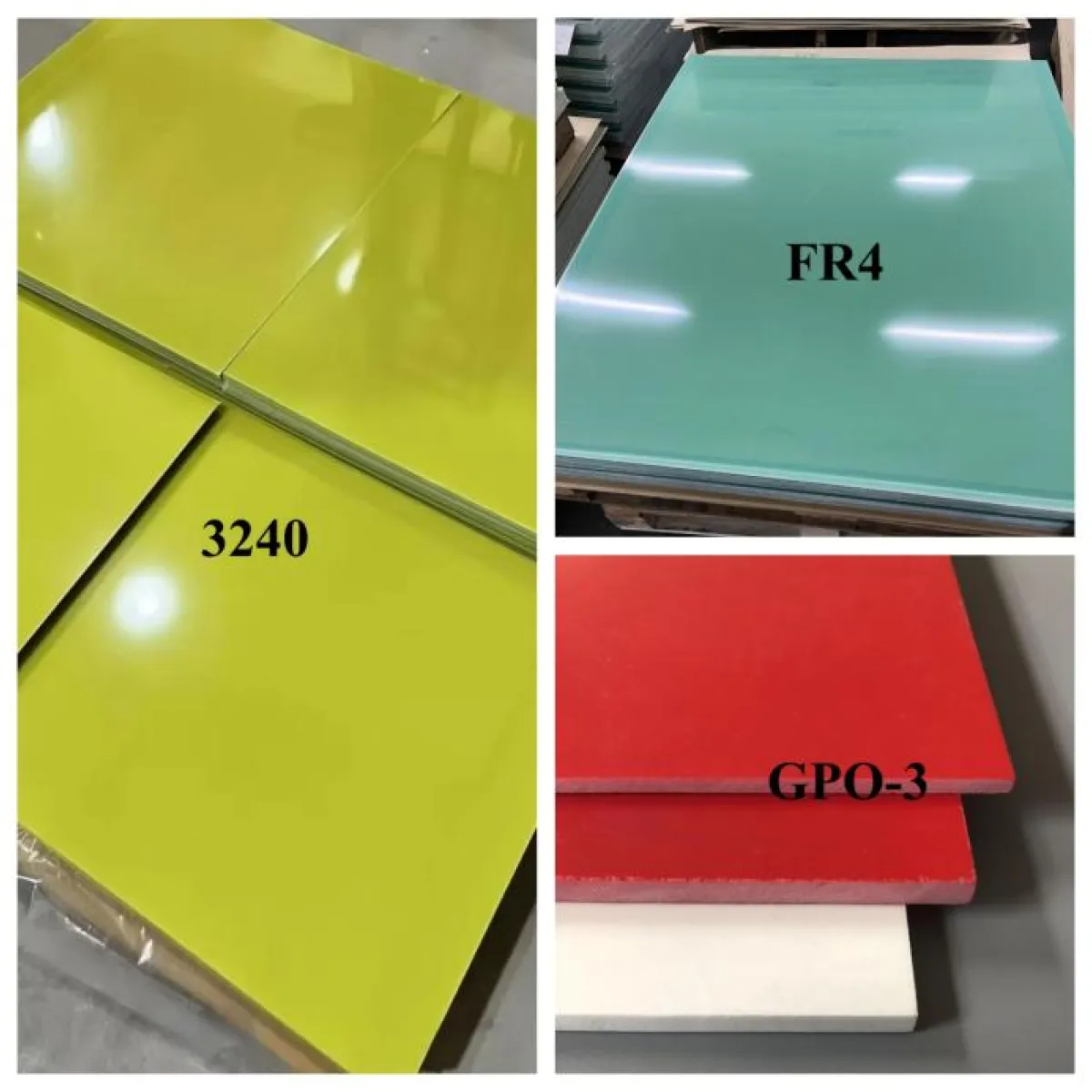
These composite materials are made from epoxy resin and fiberglass cloth through a lamination process. Common grades include FR-4, G10, G11, and 3240, each offering different levels of temperature resistance, flame retardancy, and mechanical performance.
In the electrical and electronics industry, Epoxy Laminates are among the most widely used insulation materials. FR-4 is commonly used as the base material for printed circuit boards due to its stable performance at 130 °C, UL94 V-0 flame rating, and excellent dimensional stability. It supports high-density circuit designs in consumer electronics, industrial control systems, and communication equipment. For higher temperature environments, G11 is preferred because of its superior thermal resistance.
In electrical equipment such as transformers, switchgear, and inverters, these laminates are processed into insulation spacers, supports, and barriers. High-voltage partitions inside frequency converters often use 3240, which provides strong mechanical strength and reliable voltage insulation. For general low-voltage applications, G10 offers a cost-effective solution.
Motors and generators also rely on such materials for insulation components such as slot wedges and end plates. Depending on operating temperature, FR-4 or G10 is typically used, while G11 is selected for high-temperature conditions to ensure long-term reliability.
In industrial machinery, Epoxy Laminates are valued not only as electrical insulation materials but also for their wear resistance and structural strength. They are widely used as guide rail supports, sliding components, and mechanical separators, helping reduce wear between metal parts while maintaining stability.
In chemical environments, these materials are used for corrosion-resistant parts such as panels, gaskets, and partitions. Modified FR-4 grades with enhanced chemical resistance are recommended to withstand acids and alkalis while maintaining insulation performance.
They are also used in molds as positioning blocks and backing plates, where both insulation and mechanical precision are required.
The rapid development of the new energy industry has further expanded the application of Epoxy Laminates. In photovoltaic systems, FR-4 is used for inverter insulation barriers and combiner box components, ensuring stable operation under high temperature and humidity conditions. For offshore environments, specially modified materials with enhanced salt spray resistance are required.
In wind power systems, G11 is commonly used for insulation supports and internal structural components, as it can withstand low temperatures, vibration, and long service life requirements.
In energy storage systems, these laminates are used as insulation partitions between battery modules, preventing short circuits and ensuring operational safety under thermal cycling conditions.
In construction and safety applications, Epoxy Laminates function as reliable insulation materials in cable systems, distribution panels, and flooring insulation. Their flame-retardant properties make them suitable for environments such as data centers and hospitals where electrical safety is critical.
In specialized industries such as aerospace and medical equipment, these materials are used in high-end customized applications requiring strict standards for temperature resistance, environmental safety, and long-term stability.
Correct material selection is critical in all these applications. For general environments below 130 °C, FR-4 or 3240 is sufficient. For higher temperatures, G11 is recommended, while G10 is suitable for applications requiring better toughness at lower temperatures.
From a performance perspective, FR-4 is ideal when flame retardancy and insulation are key, 3240 is preferred for mechanical strength, and G11 is best suited for harsh environments with high temperature and aging requirements.
For special environments such as chemical processing, offshore installations, or medical applications, customized Epoxy Laminates are necessary to meet specific requirements for corrosion resistance, environmental compliance, and safety.
In conclusion, Epoxy Laminates are essential insulation materials used across industries ranging from electrical engineering to high-end manufacturing. Selecting the correct grade—whether FR-4, G10, G11, or 3240—is the key to achieving reliable performance and cost efficiency.
For tailored recommendations and machining solutions, YILONG provides professional technical support and high-quality supply for industries including electronics, new energy, industrial machinery, and aerospace.
For more information, please contact: yilong@yilonginsulation.com
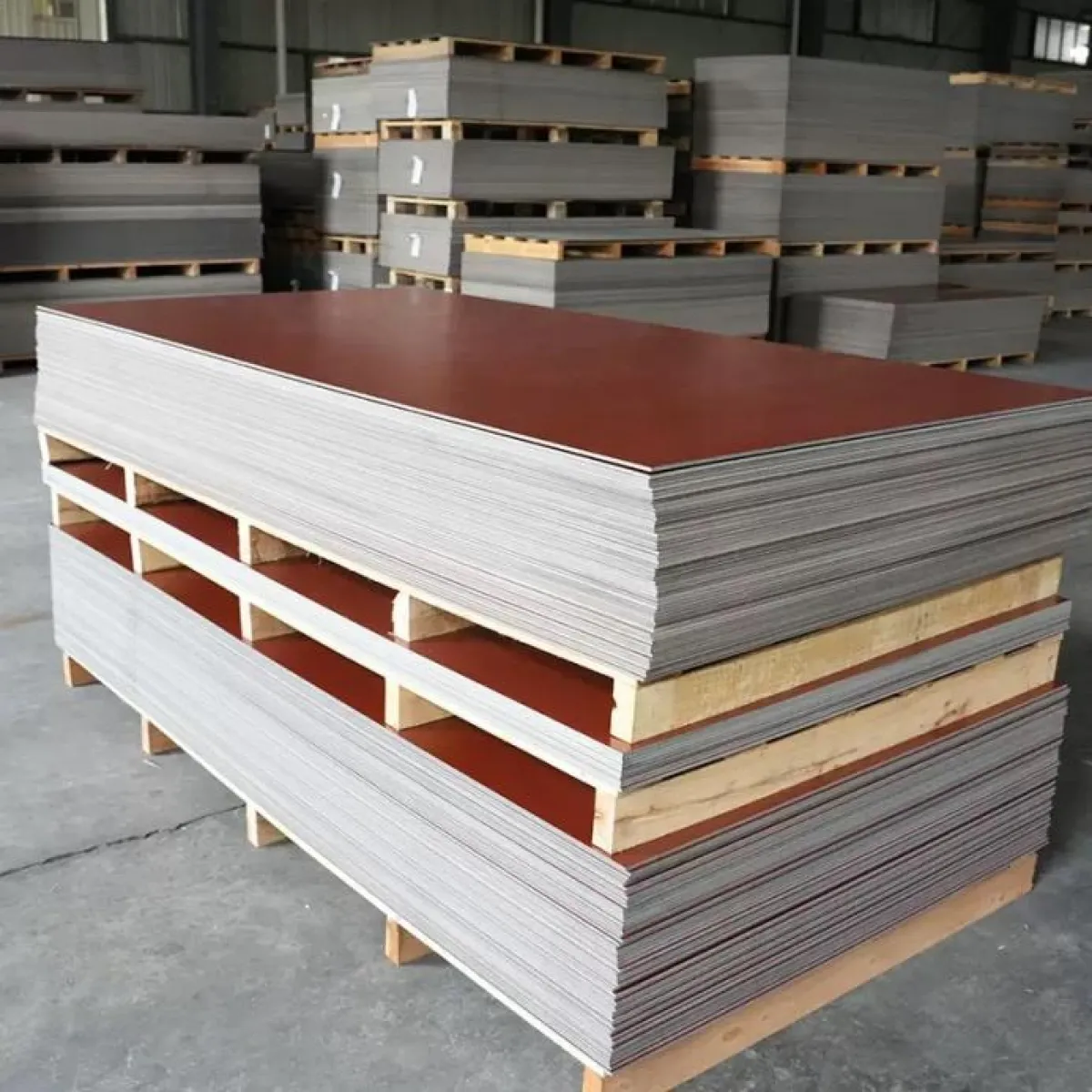
PFCP201 is manufactured using high-quality insulating paper impregnated with phenolic resin. After the raw materials are carefully inspected, the paper is passed through an automat
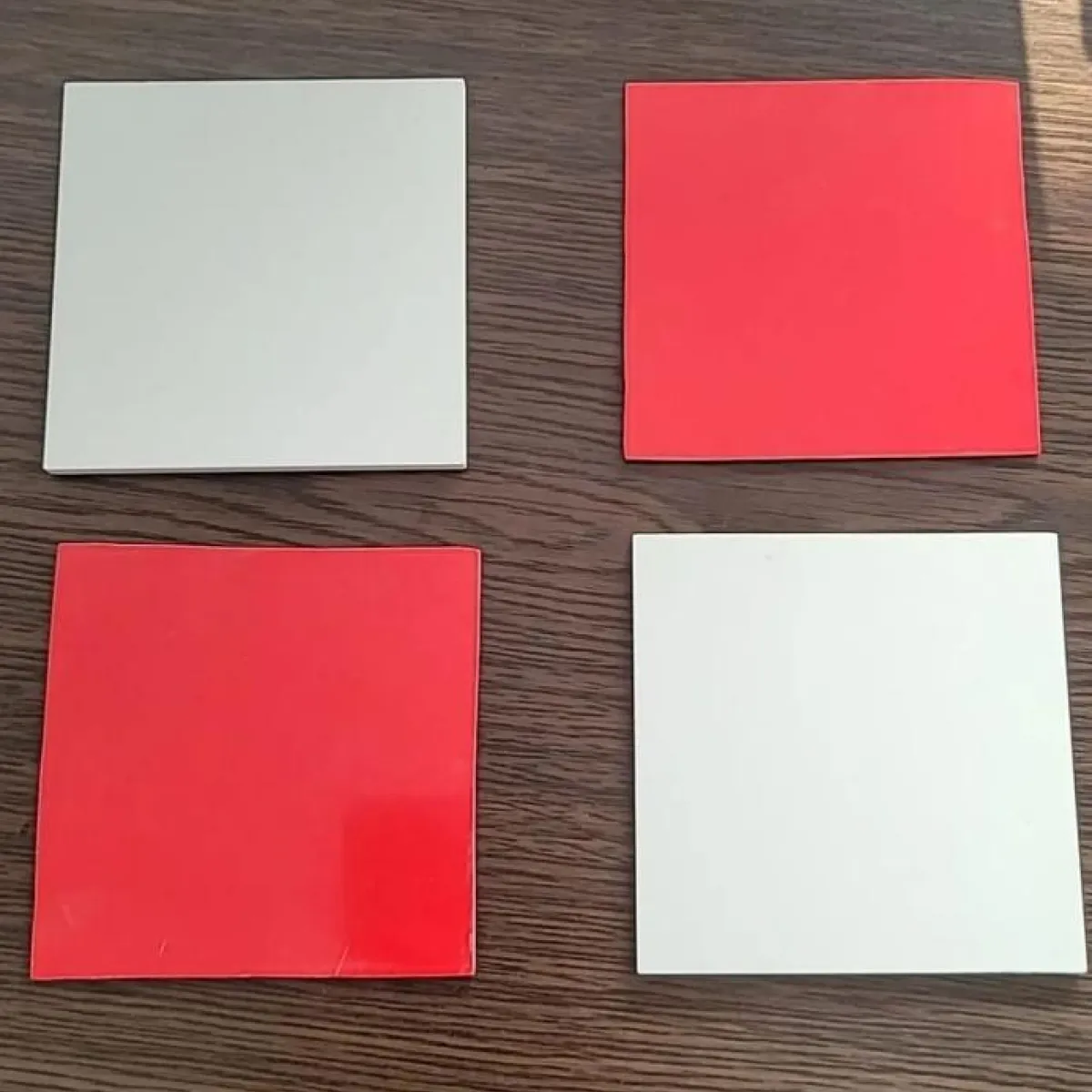
GPO-3 insulation board, also known as UPGM-203, is a rigid electrical insulation material made from alkali-free glass fiber mat impregnated with unsaturated polyester resin and pro
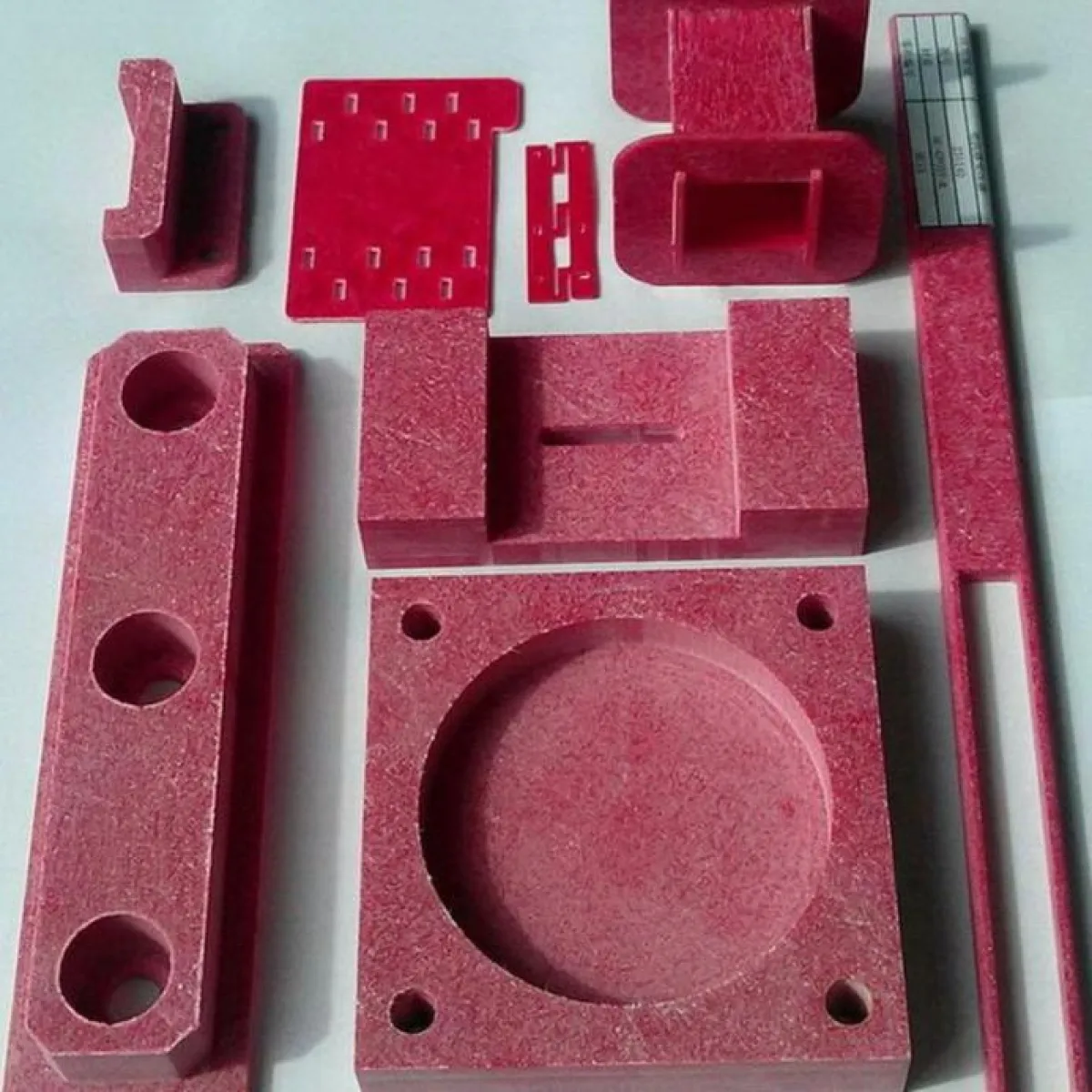
Compared with many conventional insulation materials, GPO-3 offers two particularly important advantages: strong resistance to heat and moisture, and stable electrical insulation p
However, selecting a cryogenic insulation material based only on its standard properties may not be enough. In actual service, continuous immersion, concentrated mechanical loads,

Silicone Glass Cloth Sheet (G7) combines silicone resin with glass fiber cloth to provide a balance of high-temperature resistance, electrical insulation, mechanical strength, and
These properties make EPGC308 particularly suitable for electrical equipment operating under high temperature, high humidity and high-voltage conditions.
Understanding these differences can help engineers and buyers select the most suitable insulation material for their specific operating conditions.
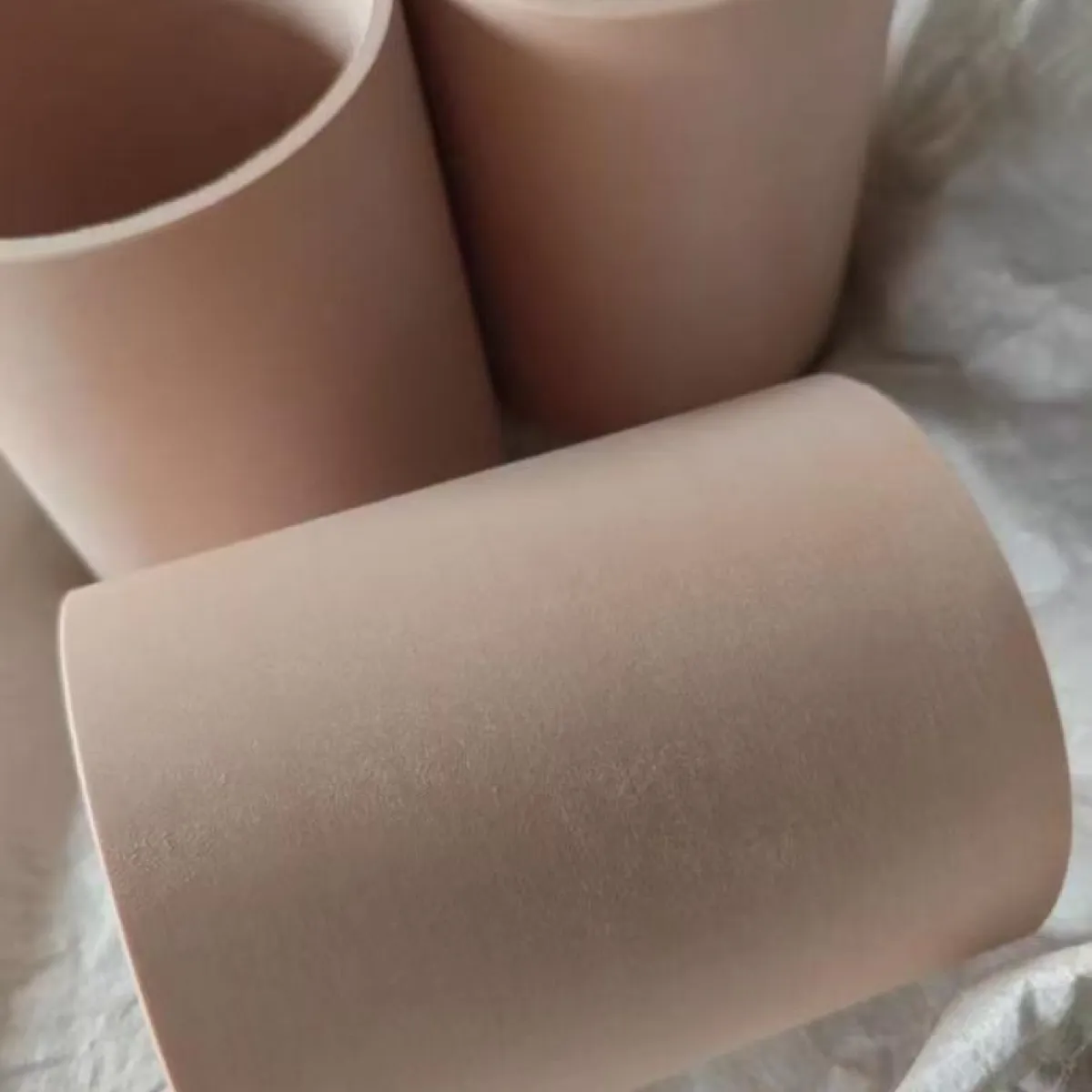
Phenolic Cotton Tube boasts multiple prominent competitive strengths for industrial use. It features extraordinary insulating performance: fully non-conductive, anti-static, and st
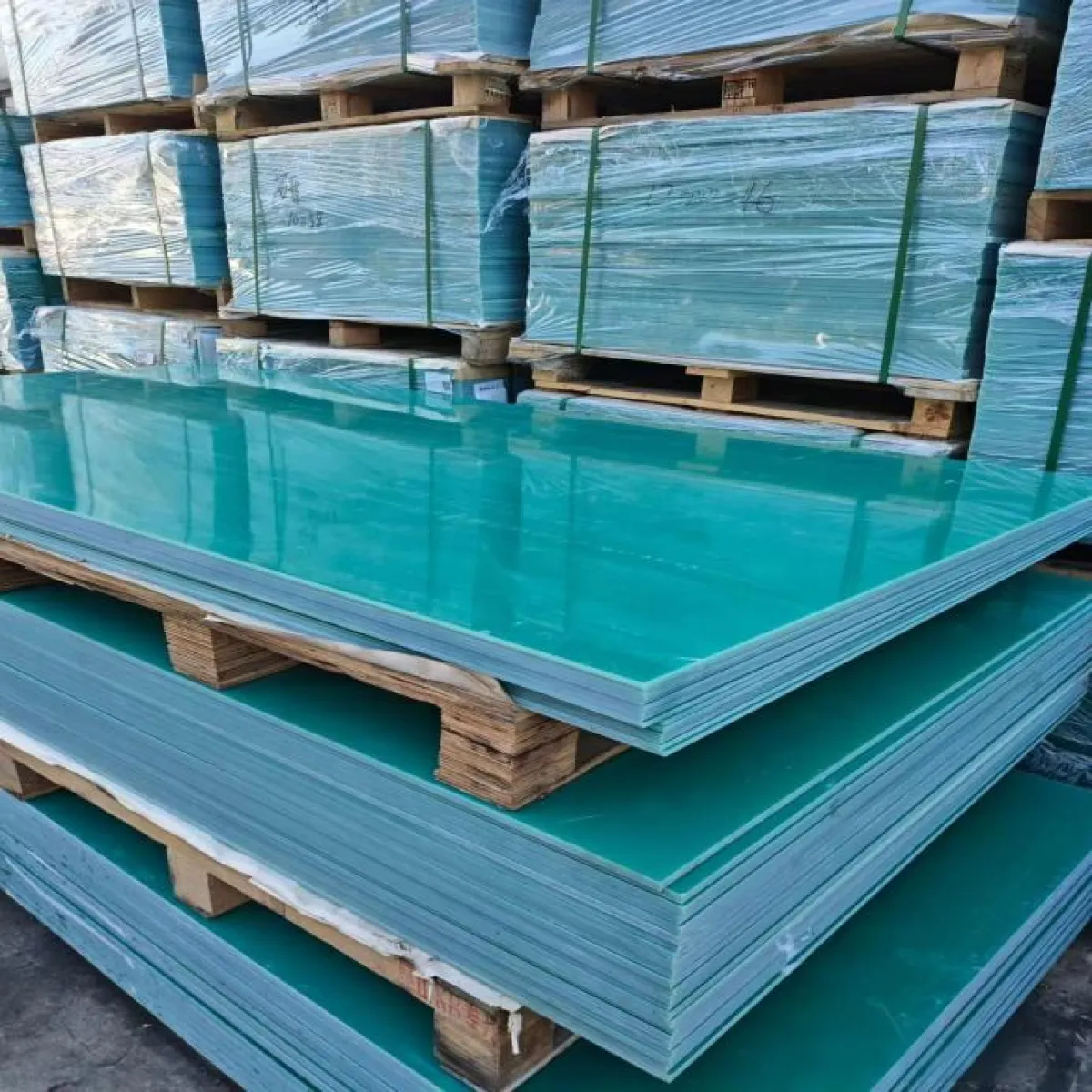
First let us look at its regular uses. In power plants, substations, power distribution rooms and other sites, Insulation Laminated Board is commonly laid on floors to avoid electr
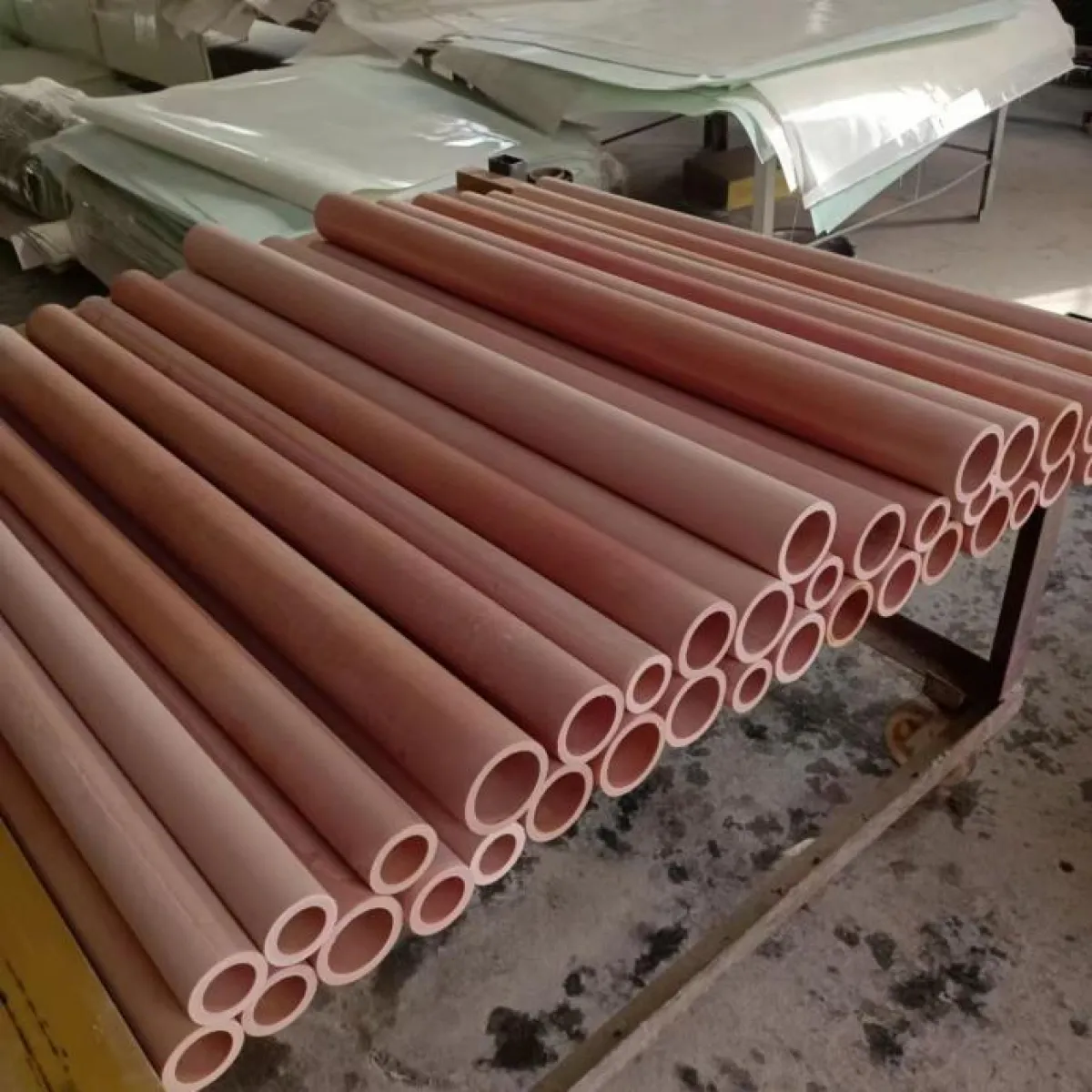
From the perspective of composite materials, Phenolic Cloth Tube is not made of a single substance, but formed by combining thermosetting phenolic resin with reinforcing materials

No.3, Mianzhi Street, Zhucheng, Shandong, China





Copyright © 2026 by Qingdao Yilong Insulation Material Company Limited All Rights Reserved