
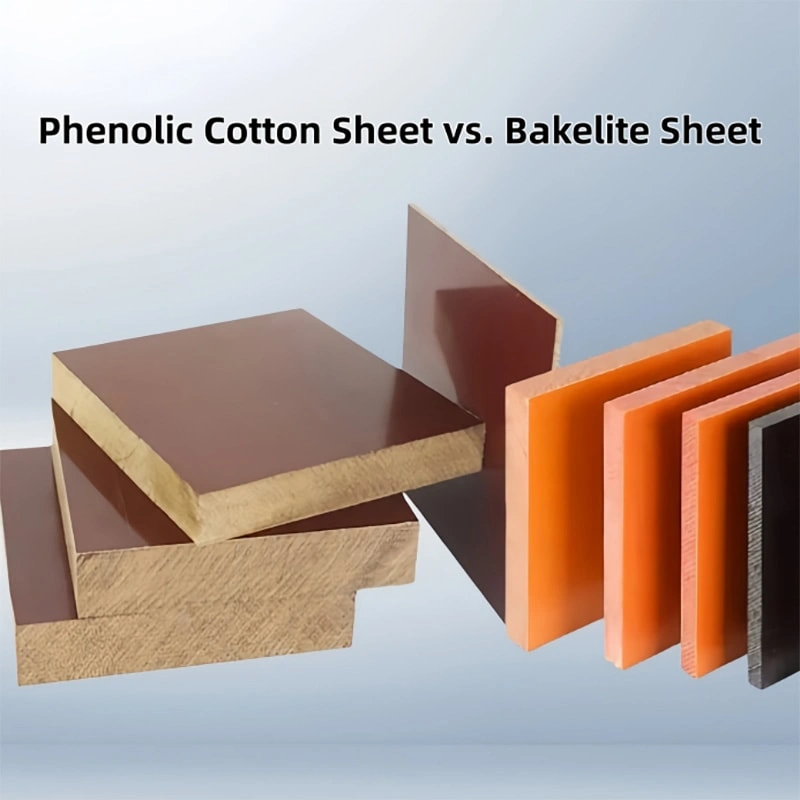
As industries continue to demand high-performance insulating materials with superior mechanical strength and thermal stability, phenolic cotton sheets and Bakelite Sheets remain two of the most widely used options. Although both materials are based on phenolic resin systems, their compositions, performance characteristics, and ideal application scenarios differ significantly. Understanding these distinctions helps engineers, designers, and procurement specialists select the most suitable material for their projects. This article provides a clear and professional comparison, offering valuable insights for anyone involved in electrical insulation, mechanical components, or industrial manufacturing.
Bakelite is a classic thermosetting phenolic resin material known for its excellent electrical insulation, heat resistance, and high rigidity. Produced through a condensation reaction of phenol and formaldehyde, Bakelite becomes permanently cured under heat and pressure, forming a hard, chemically resistant material. It is typically reinforced with high-quality paper or cotton linter paper to enhance strength and dimensional stability. Due to its outstanding dielectric strength and thermal endurance, Bakelite has remained widely used in electrical equipment, mechanical fixtures, and high-temperature applications.
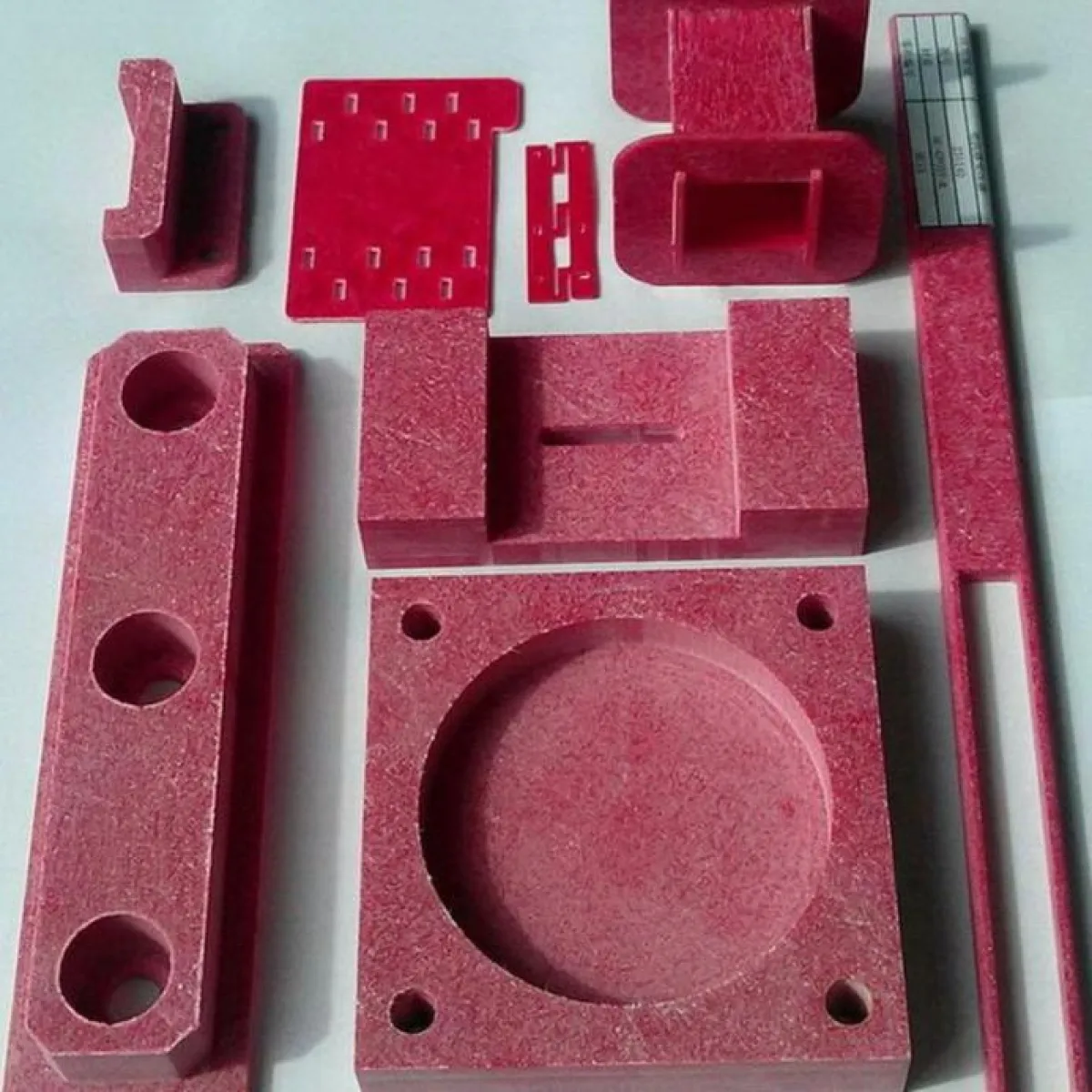
Phenolic cotton sheet, also known as cotton-cloth-based phenolic laminate, is manufactured by impregnating cotton fabric with phenolic resin and pressing it under high temperature and pressure. The cotton reinforcement gives the material enhanced toughness, excellent machinability, and superior resistance to impact and vibration. This combination of strong resin bonding and flexible fibers makes phenolic cotton sheet an ideal choice for parts requiring repeated motion, precision machining, or mechanical load-bearing.
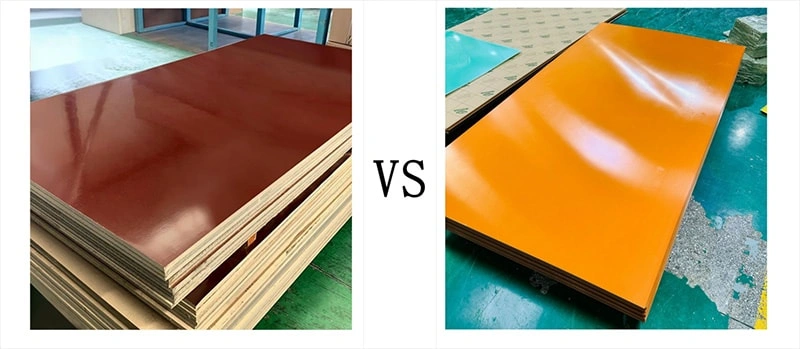
While both materials utilize phenolic resin as a binder, their reinforcement systems are different:
Phenolic Cotton Sheet
l Reinforced with cotton cloth
l Manufactured through multiple layers of resin-soaked fabric cured under heat and pressure
l Offers stronger elasticity, toughness, and vibration absorption
Bakelite Sheet
l Reinforced with bleached wood pulp paper or cotton linter paper
l Produced through resin polymerization followed by molding or laminating under pressure
l Provides high rigidity, hardness, and excellent electrical insulation
These differences in reinforcement directly affect mechanical performance, machining behavior, and environmental suitability.
Phenolic Cotton Sheet
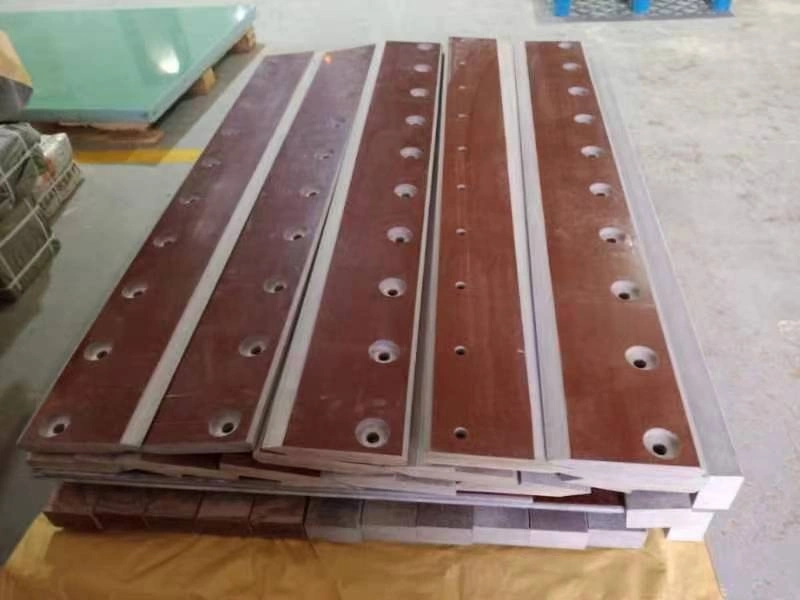
Thanks to the cotton fabric base, phenolic cotton sheets deliver:
l High tensile strength
l Strong impact resistance
l Low friction coefficient
l Excellent wear resistance
l Better resistance to cracking under vibration or shock
These attributes make them suitable for gears, bearings, wear parts, and precision machined components.
Bakelite Sheet
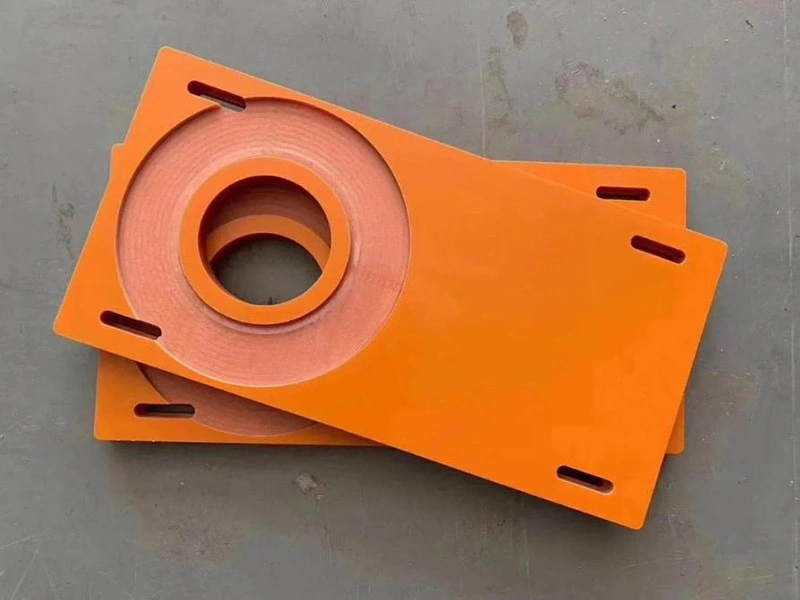
Bakelite Sheets are more rigid and harder but also more brittle. They offer:
l Superior compressive strength
l Outstanding dimensional stability
l High surface hardness
l Excellent resistance to mechanical deformation under load
This makes Bakelite ideal for fixture plates, terminal boards, and components requiring structural stability.
Thermal Properties
Bakelite can withstand higher temperatures than phenolic cotton laminates, maintaining structural integrity even under extreme heat.
Phenolic cotton sheet typically operates safely up to around 120°C while maintaining good mechanical properties.
Electrical Properties
Bakelite demonstrates stronger electrical insulation performance and higher dielectric strength.
phenolic cotton sheets also provide solid electrical insulation but with added advantages in reducing static charge buildup, suitable for environments sensitive to electrostatic discharge.
Typical Uses of Phenolic Cotton Sheet
l Bearings, bushings, gears, pulleys, and wear-resistant parts
l Mechanical components requiring frequent movement
l Gaskets, washers, and insulating components exposed to friction
l Transformer and electrical equipment parts needing both strength and machinability
Typical Uses of Bakelite Sheet
l Electrical insulators, switchgear components, terminal boards
l Structural parts exposed to high temperatures
l Molded parts requiring rigidity and precise shape retention
l Industrial fixtures, jigs, and support plates
While pricing varies by grade, thickness, and supplier, Bakelite is generally considered a more economical solution for insulation purposes and is cheaper than materials like ABS or epoxy glass fiber board. phenolic cotton sheets may be slightly higher in cost due to their enhanced mechanical performance, but they offer long-term value in vibration-heavy or high-wear applications.
When choosing between phenolic cotton sheet and Bakelite Sheet, consider:
l Mechanical stresses
l Thermal environment
l Electrical insulation requirements
l Machining complexity
l Expected service life
l Total cost of ownership
With extensive experience in the production and global distribution of insulating laminates, YILONG provides reliable, high-performance phenolic cotton sheets and Bakelite Sheets engineered for demanding industrial environments. Our technical team ensures consistent quality, competitive pricing, and tailored solutions for electrical insulation, mechanical engineering, and custom fabrication.
For more information or to request technical data and quotations, please contact YILONG at yilong@yilonginsulation.com or Whatsapp +86 158 6686 9385. We are committed to providing professional solutions for all your insulation and engineering material needs.
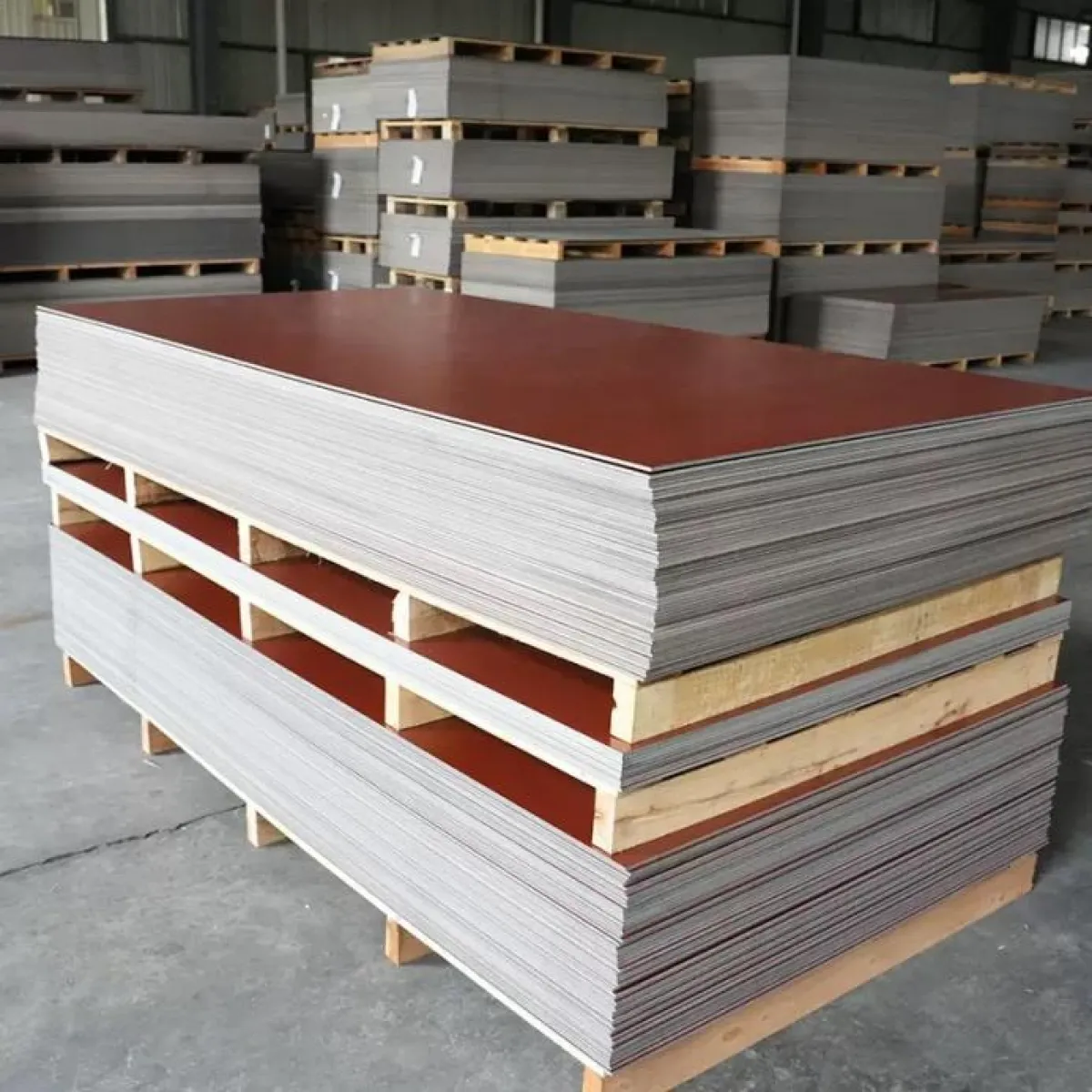
PFCP201 is manufactured using high-quality insulating paper impregnated with phenolic resin. After the raw materials are carefully inspected, the paper is passed through an automat
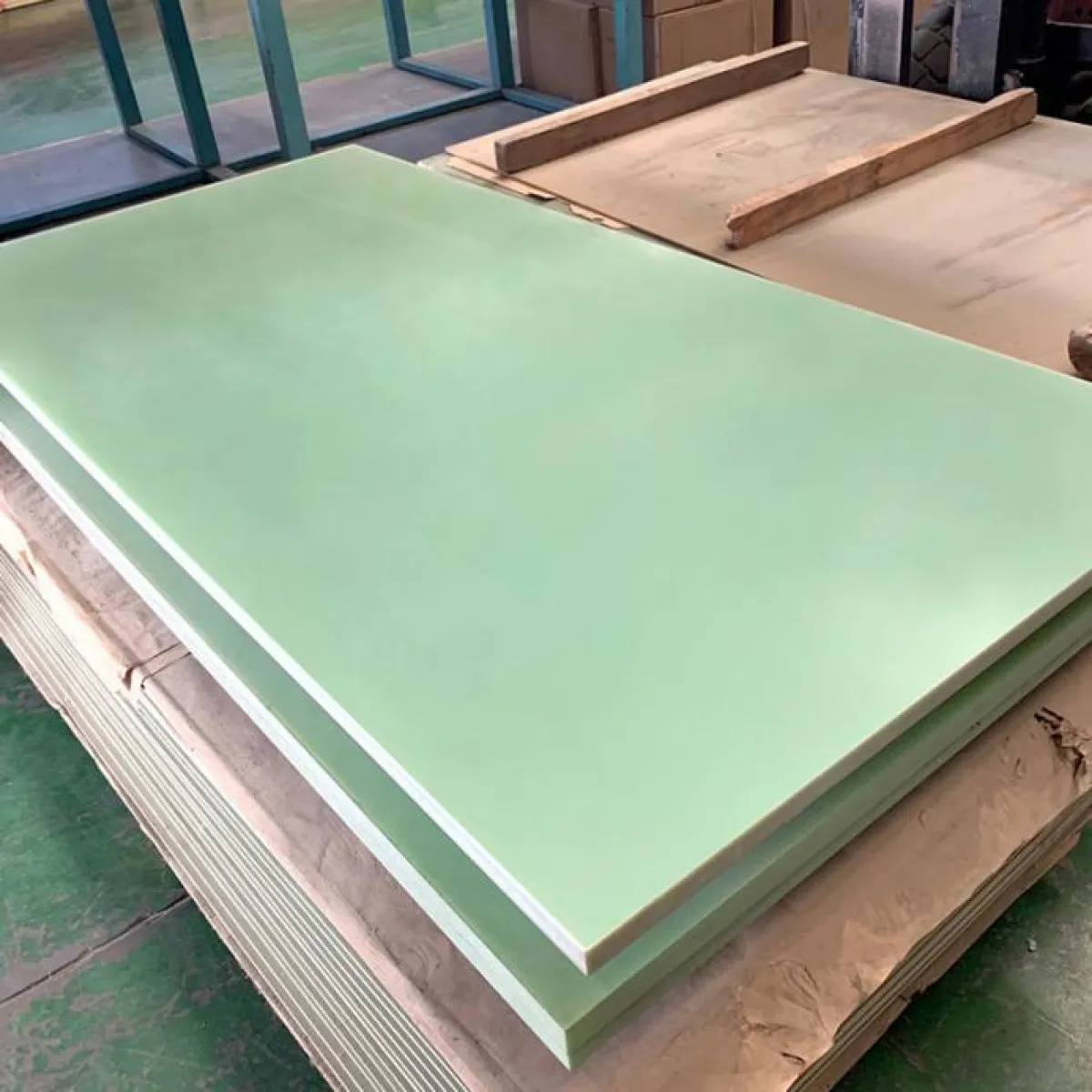
GPO-3 insulation board, also known as UPGM-203, is a rigid electrical insulation material made from alkali-free glass fiber mat impregnated with unsaturated polyester resin and pro
Compared with many conventional insulation materials, GPO-3 offers two particularly important advantages: strong resistance to heat and moisture, and stable electrical insulation p
However, selecting a cryogenic insulation material based only on its standard properties may not be enough. In actual service, continuous immersion, concentrated mechanical loads,

Silicone Glass Cloth Sheet (G7) combines silicone resin with glass fiber cloth to provide a balance of high-temperature resistance, electrical insulation, mechanical strength, and
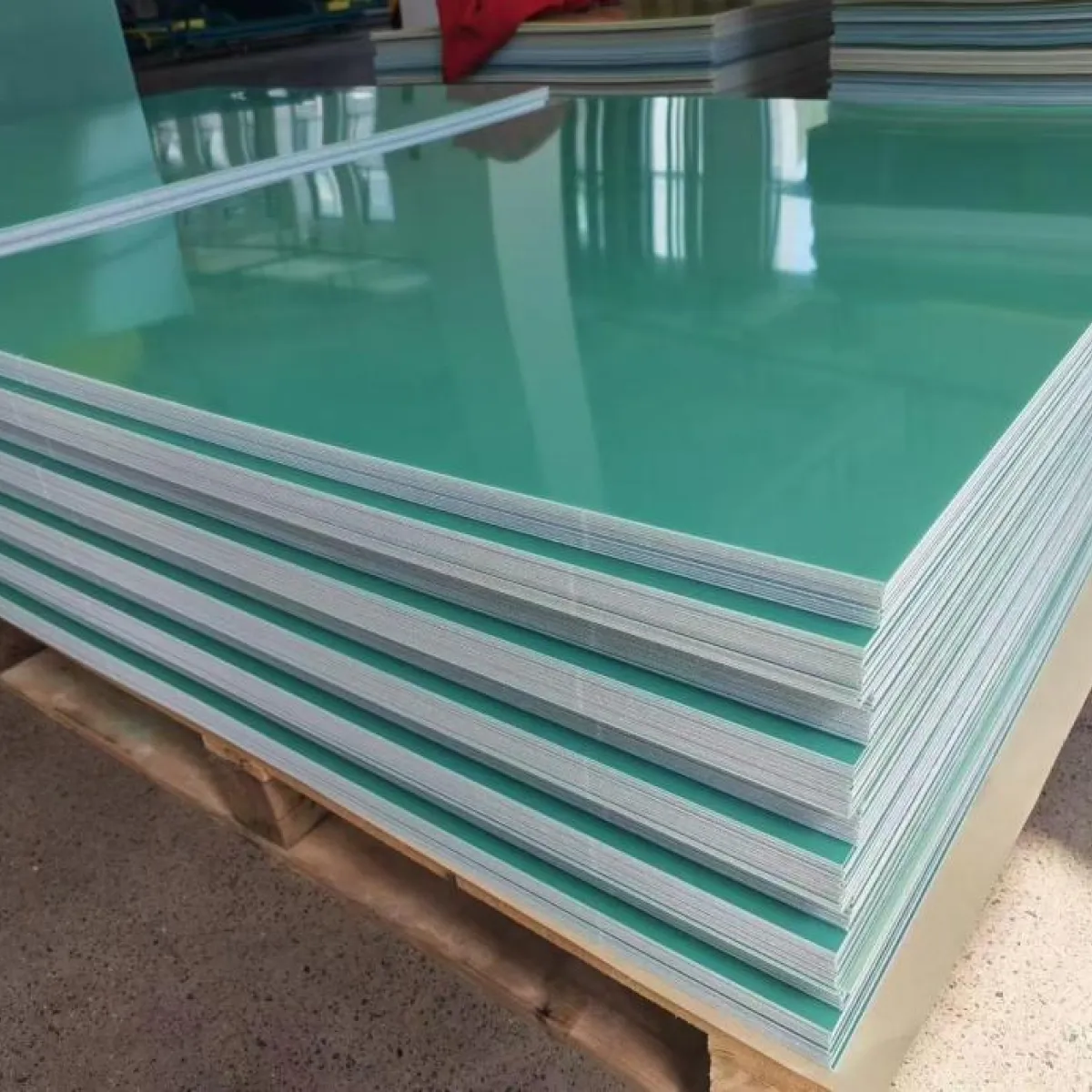
These properties make EPGC308 particularly suitable for electrical equipment operating under high temperature, high humidity and high-voltage conditions.
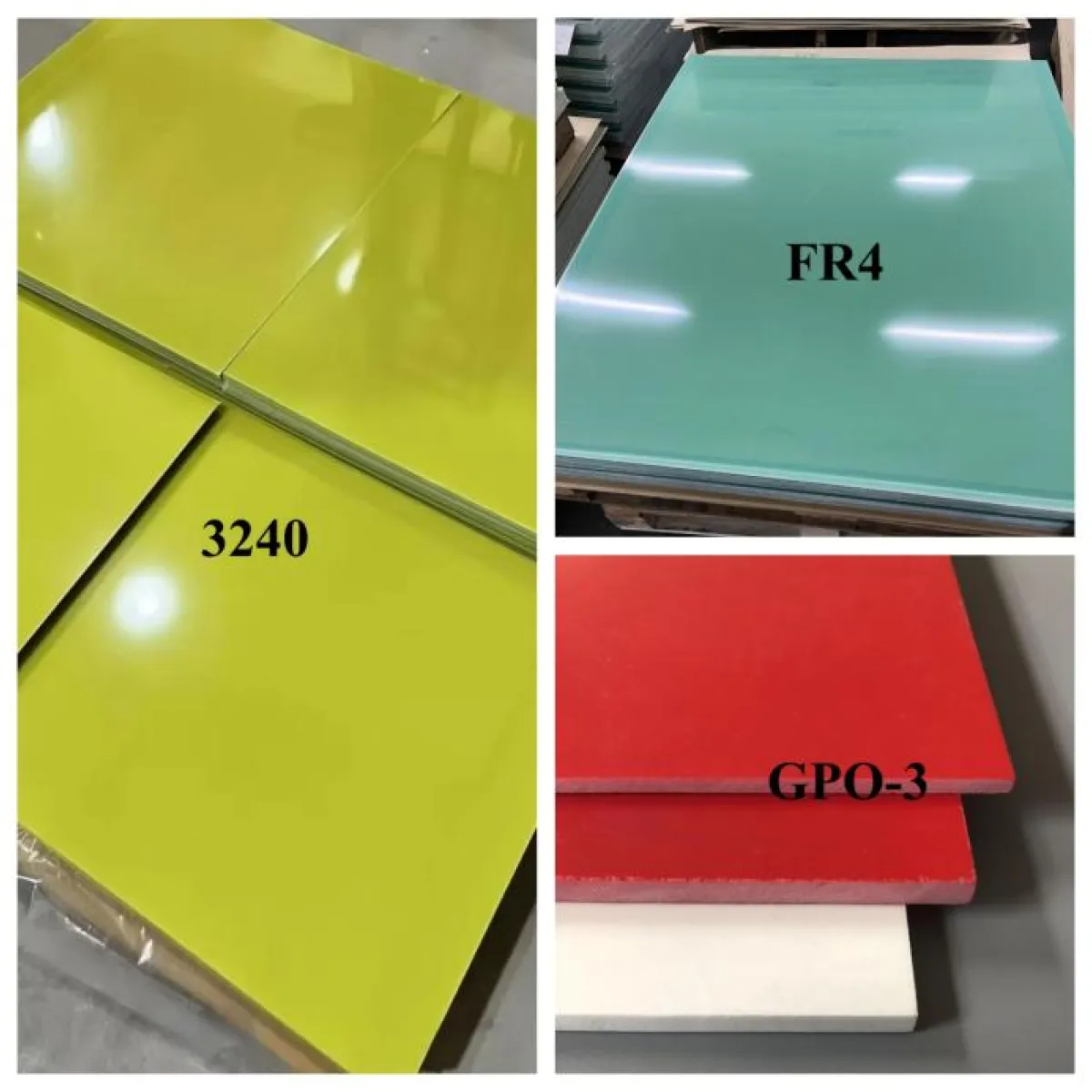
Understanding these differences can help engineers and buyers select the most suitable insulation material for their specific operating conditions.
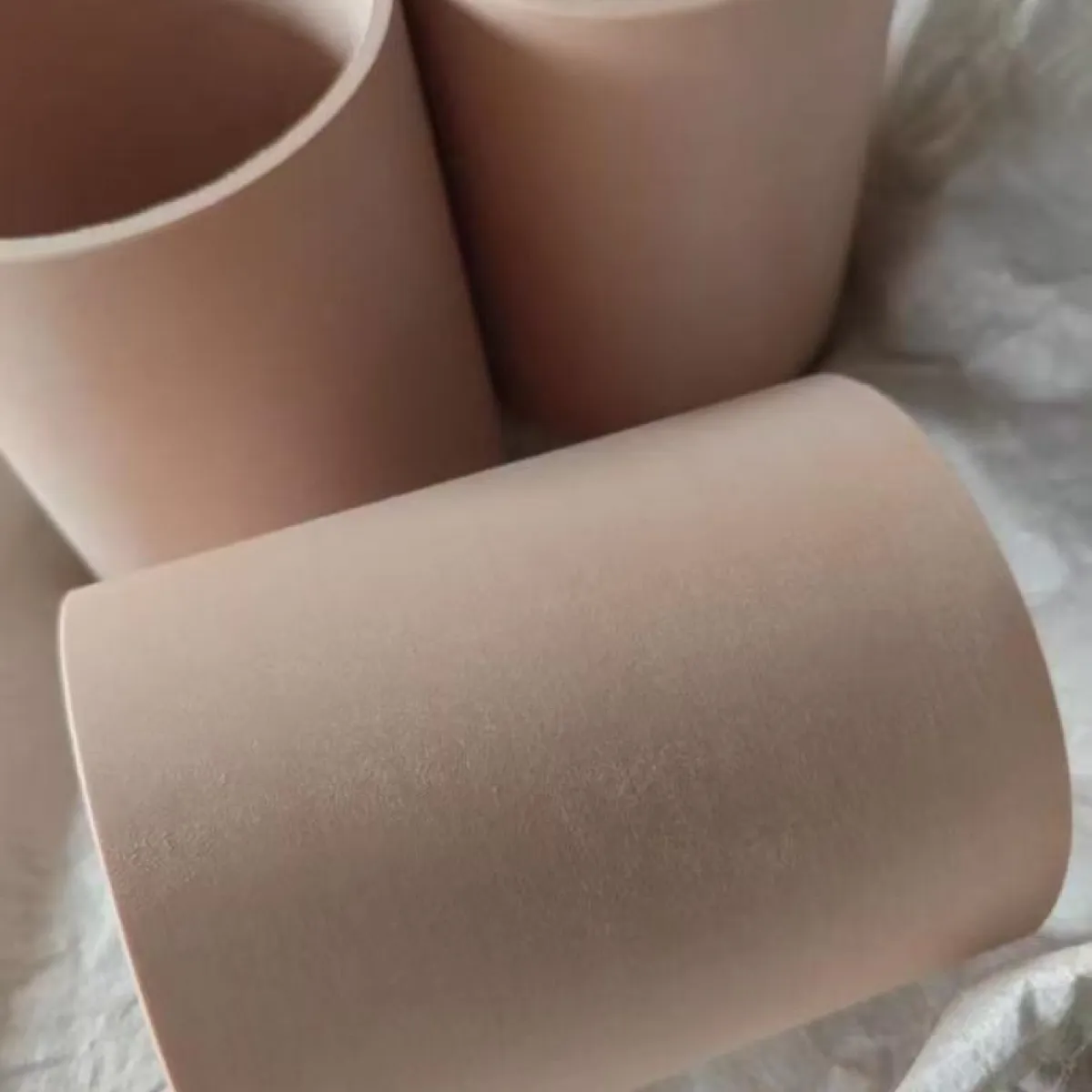
Phenolic Cotton Tube boasts multiple prominent competitive strengths for industrial use. It features extraordinary insulating performance: fully non-conductive, anti-static, and st
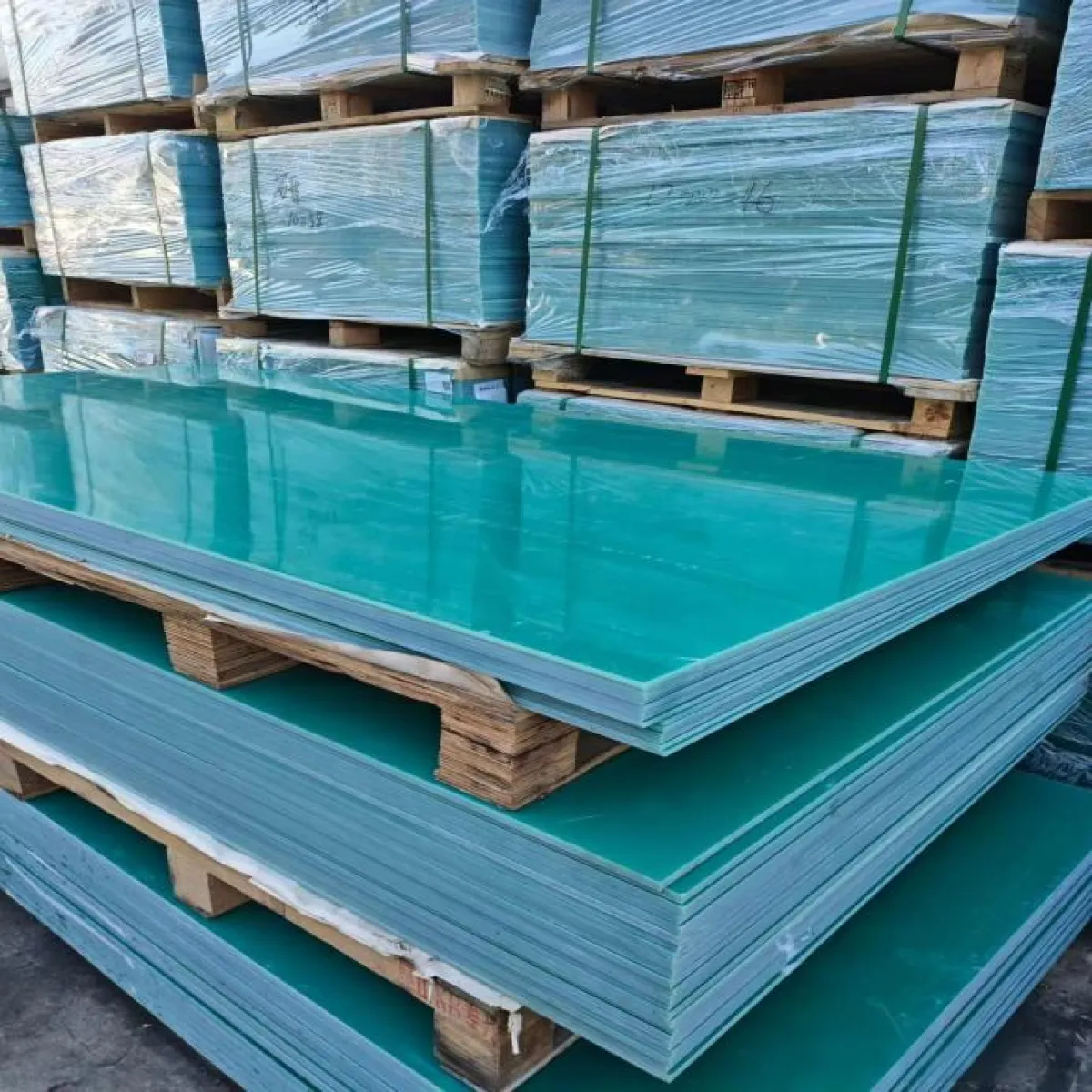
First let us look at its regular uses. In power plants, substations, power distribution rooms and other sites, Insulation Laminated Board is commonly laid on floors to avoid electr
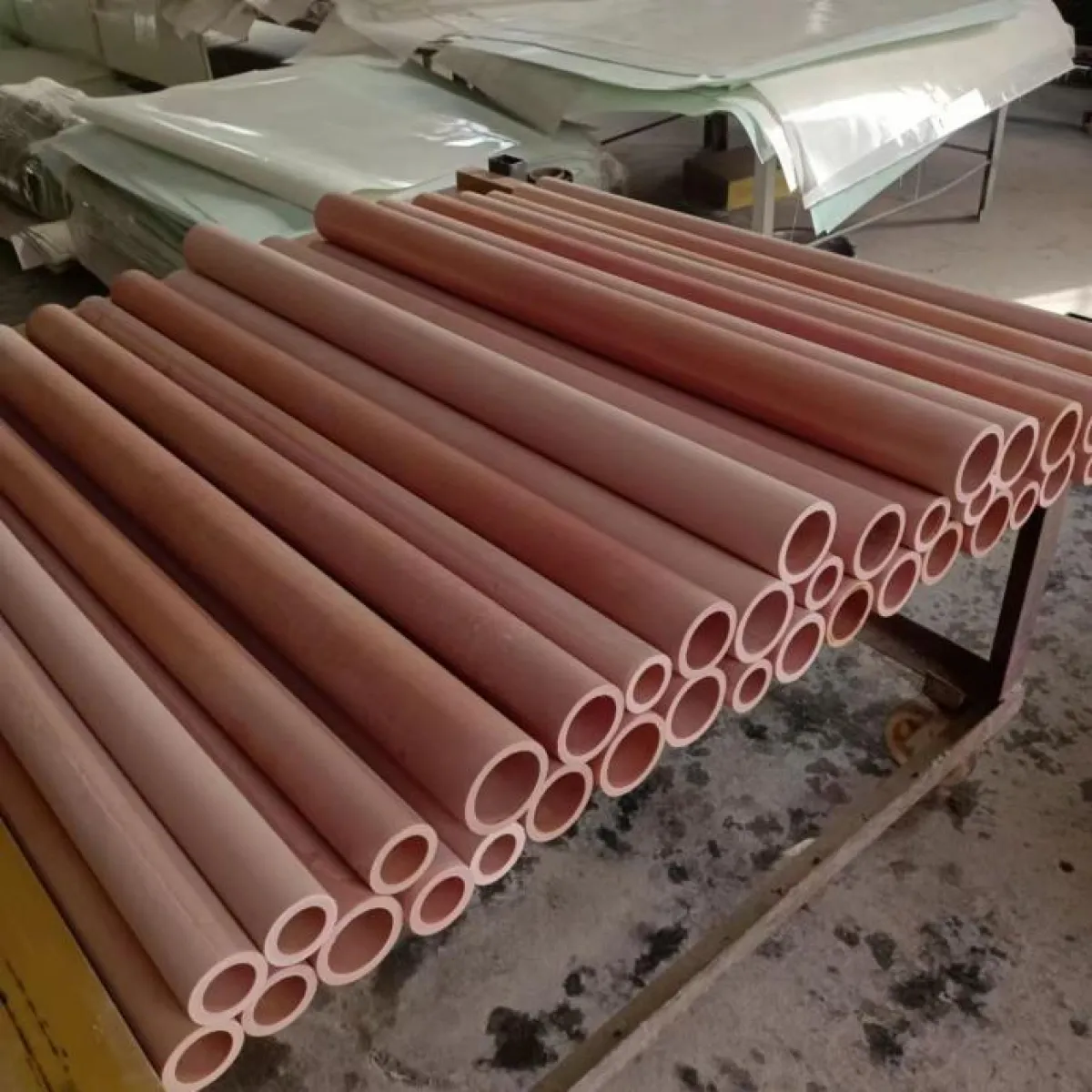
From the perspective of composite materials, Phenolic Cloth Tube is not made of a single substance, but formed by combining thermosetting phenolic resin with reinforcing materials

No.3, Mianzhi Street, Zhucheng, Shandong, China





Copyright © 2026 by Qingdao Yilong Insulation Material Company Limited All Rights Reserved