
Bakelite may be more than 100 years old, but it remains one of the most dependable engineered materials in today’s industrial world. First formulated by Leo Baekeland in 1907, this thermosetting phenolic plastic quickly became famous for its stability, heat resistance, and excellent dielectric performance. Today, Bakelite Sheets are widely used in electrical systems, mechanical assemblies, and high-temperature environments where reliability is essential.
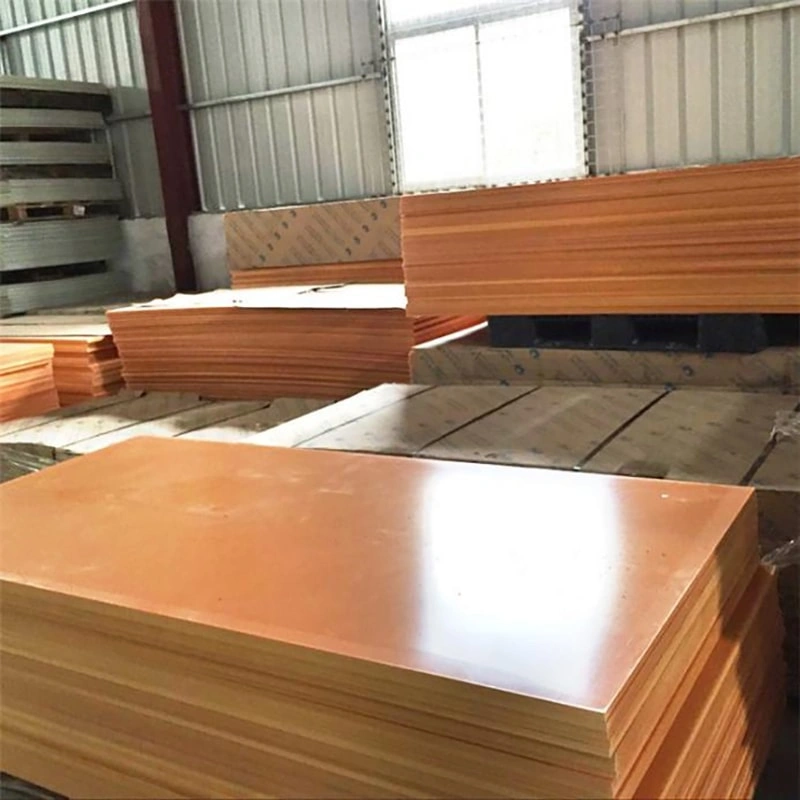
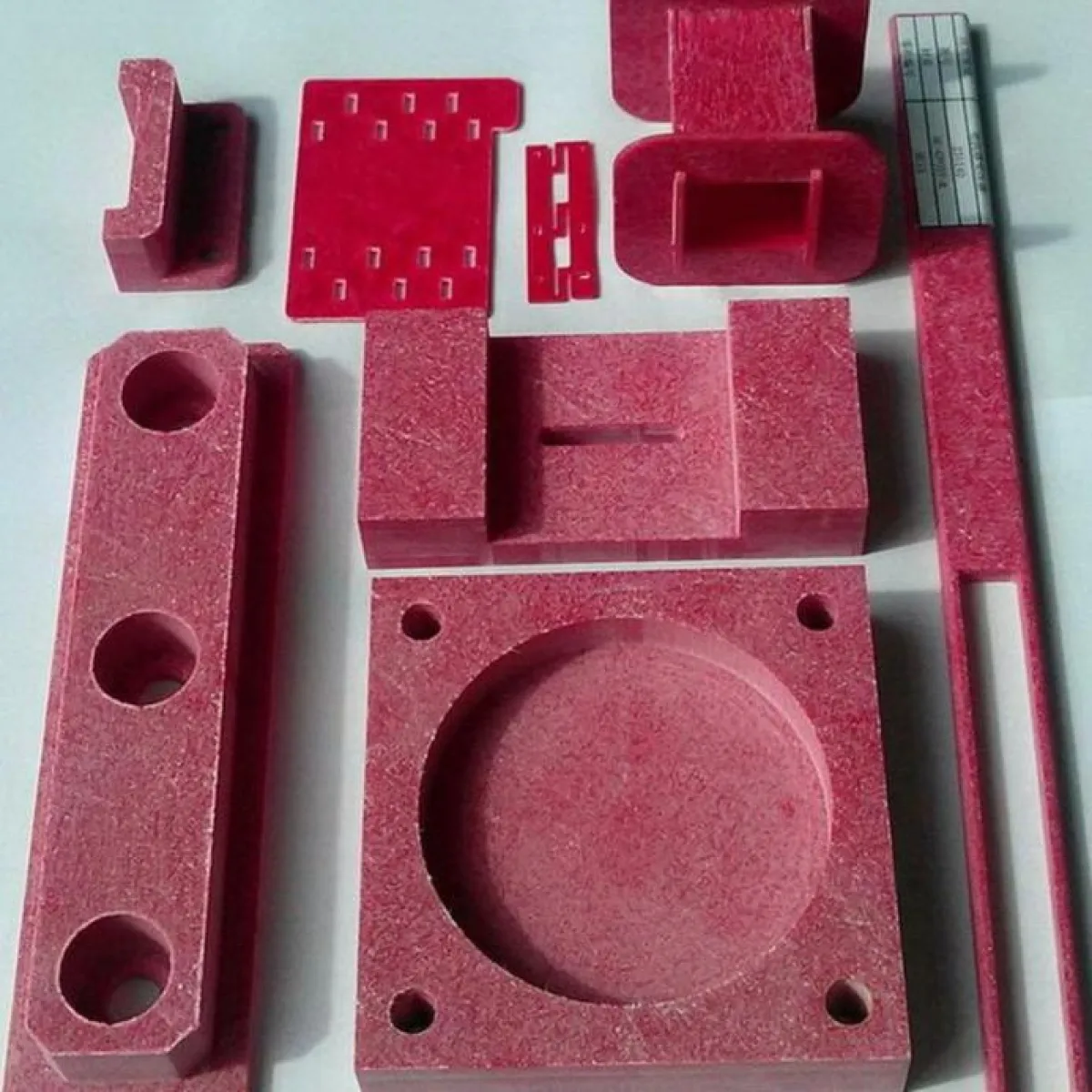
Bakelite Sheet is essentially a rigid, flat laminate produced by bonding layers of paper, cotton fabric, or glass cloth with phenolic resin under high heat and pressure. The result is a tough, durable panel that can be cut, milled, drilled, or CNC machined to extremely precise dimensions.
This guide explains what Bakelite Sheet is made from, how manufacturers produce it, why industries still rely on it, and how modern machining technology unlocks the full performance of this classic material.
Bakelite is a phenol-formaldehyde thermoset, meaning it undergoes a chemical transformation during curing and cannot be melted or reshaped afterward. This irreversible cross-linking gives bakelite its signature properties: rigidity, heat resistance, and dimensional stability.
Common Reinforcement Types
Different base materials create distinct Bakelite Sheet grades:
► Paper Phenolic (NEMA XX)
ü Laminated from resin-impregnated paper
ü Excellent dielectric strength and low moisture uptake
ü Frequently used for electrical insulating parts, switchgear plates, and transformer components
► Fabric/Cotton Phenolic (Canvas Grade)
ü Reinforced with layers of cotton fabric
ü Higher impact resistance and stronger mechanical performance
ü Ideal for gears, bushings, bearings, wear parts, and jigs
► Glass Cloth Phenolic (G-10-type Phenolic)
ü Produced with woven glass fiber
ü Best temperature resistance and dimensional accuracy
ü Suitable for aerospace, chemical, and high-precision applications
Regardless of grade, Bakelite Sheets range in thickness from 0.5mm to 50mm+, with custom sizes readily available.
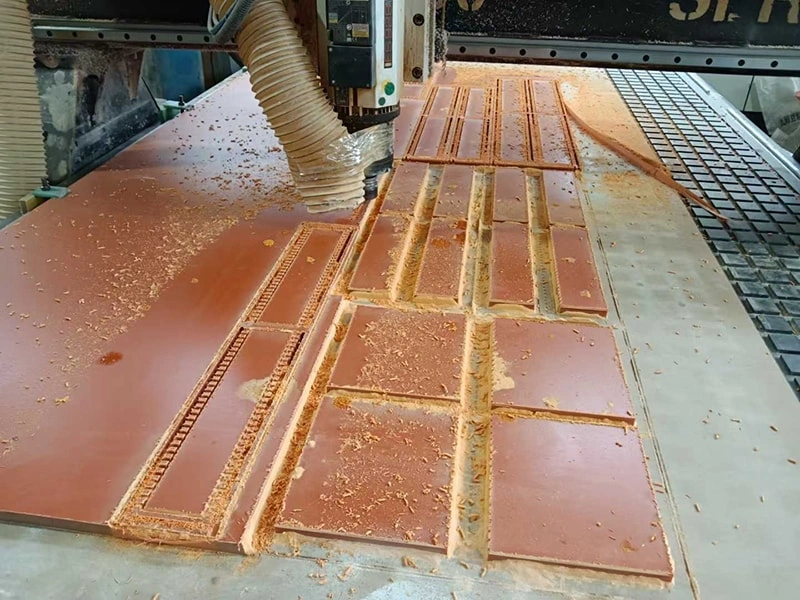
The production process involves two major steps: resin preparation and laminate pressing.
Step 1 — Phenolic Resin Synthesis
Phenol and formaldehyde react under controlled heat with catalysts, forming a cross-linked polymer network. Additives may be blended to fine-tune color, hardness, or heat resistance. This resin impregnates the reinforcement layers.
Step 2 — Lamination Under Heat & Pressure
1. Paper, cloth, or glass fabric is saturated with phenolic resin
2. Prepreg layers are dried and stacked
3. Stacks enter a high-pressure press (typically 7–14 MPa) at 140–180°C
4. The resin cures, permanently bonding the layers
5. Finished sheets are cooled, trimmed, and ready for machining
This controlled process creates a dense, rigid laminate that withstands heavy loads, heat, and moisture exposure.
Bakelite’s popularity comes from its reliable and balanced performance profile:
High Mechanical Strength
ü Tensile strength typically around 60–70 MPa
ü Flexural strength up to 150 MPa
ü Excellent compressive strength
ü It tolerates vibration, load, and long-term stress without distortion.
Outstanding Electrical Insulation
ü Dielectric strength of 15–20 kV/mm
ü Low dielectric constant
ü High surface and volume resistivity
These properties ensure safety and stability in high-voltage applications.
Thermal Reliability
ü Continuous service temperature: approx. –20°C to 130°C
ü Short-term heat exposure up to 180°C
ü Flame-retardant and self-extinguishing
ü Unlike thermoplastics, bakelite does not soften when heated.
Chemical Resistance
ü Stable against oils, fuels, alcohols, and most solvents.
ü It only reacts with very strong acids or heavy alkaline solutions.
Excellent Machinability
ü CNC machining produces tight tolerances and clean surfaces.
ü This makes bakelite a strong candidate for custom precision components.
Thanks to its versatility, Bakelite Sheet appears in dozens of industries:
Electrical & Power Distribution
ü Insulating boards
ü Circuit breaker components
ü Busbar supports
ü Transformer insulation
ü Terminal blocks
ü Its dielectric strength makes it one of the safest materials for power systems.
Mechanical Engineering
ü Gears, bearings, spacers
ü Wear pads and guide rails
ü Low-friction moving parts
ü Industrial jigs and fixtures
ü Fabric phenolic types work especially well in mechanical assemblies.
Thermal & Chemical Applications
ü Heat shields
ü Oven hardware
ü Laboratory counters
ü Chemical-resistant surfaces
Consumer & Commercial Uses
ü Radio/communication equipment housings
ü Decorative laminates
ü Precision instrument panels
|
Requirement |
Recommended Grade |
|
Best electrical insulation |
Paper phenolic |
|
High impacts or friction |
Canvas/fabric phenolic |
|
Extreme heat or chemical exposure |
Glass-reinforced phenolic |
|
Precision machining |
Any grade, especially fabric and glass |
Modern CNC machining dramatically enhances bakelite’s usability:
ü Tolerances as tight as ±0.03mm
ü Smooth edges and fine surface finish
ü Rapid prototyping without expensive molds
ü Consistent quality even in complex shapes
Services typically include:
ü Cutting to size
ü CNC milling & turning
ü Drilling, countersinking, tapping
ü Edge finishing
ü Engineering support for material selection
Although invented over a century ago, Bakelite Sheet continues to outperform many modern plastics in electrical insulation, mechanical durability, and high-temperature resistance. Its stable structure, predictable behavior, and excellent machinability make it a highly trusted material in industrial manufacturing.
Whether you're designing electrical components, building mechanical assemblies, or sourcing durable insulating materials, bakelite remains a cost-effective and dependable choice for long-term performance.
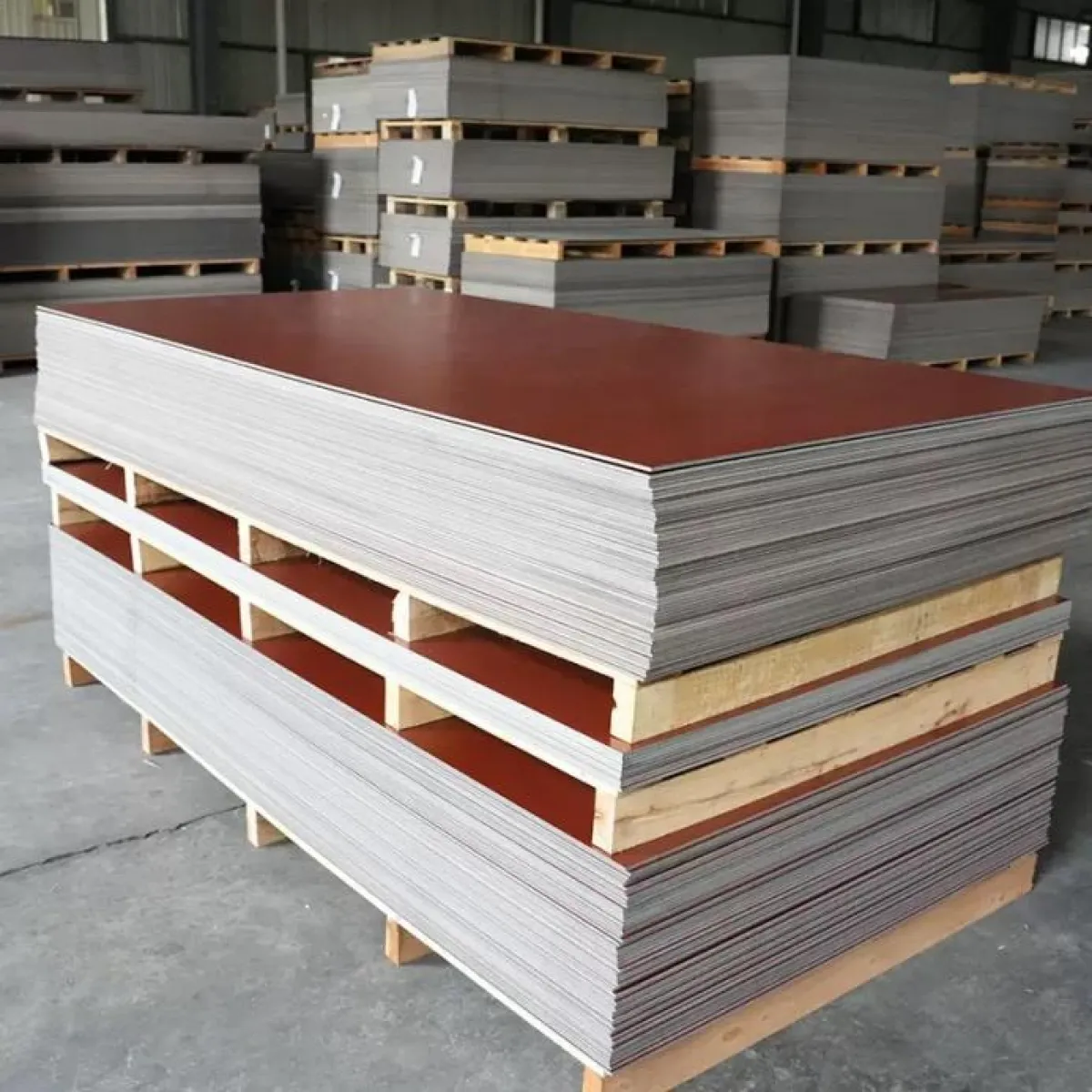
PFCP201 is manufactured using high-quality insulating paper impregnated with phenolic resin. After the raw materials are carefully inspected, the paper is passed through an automat
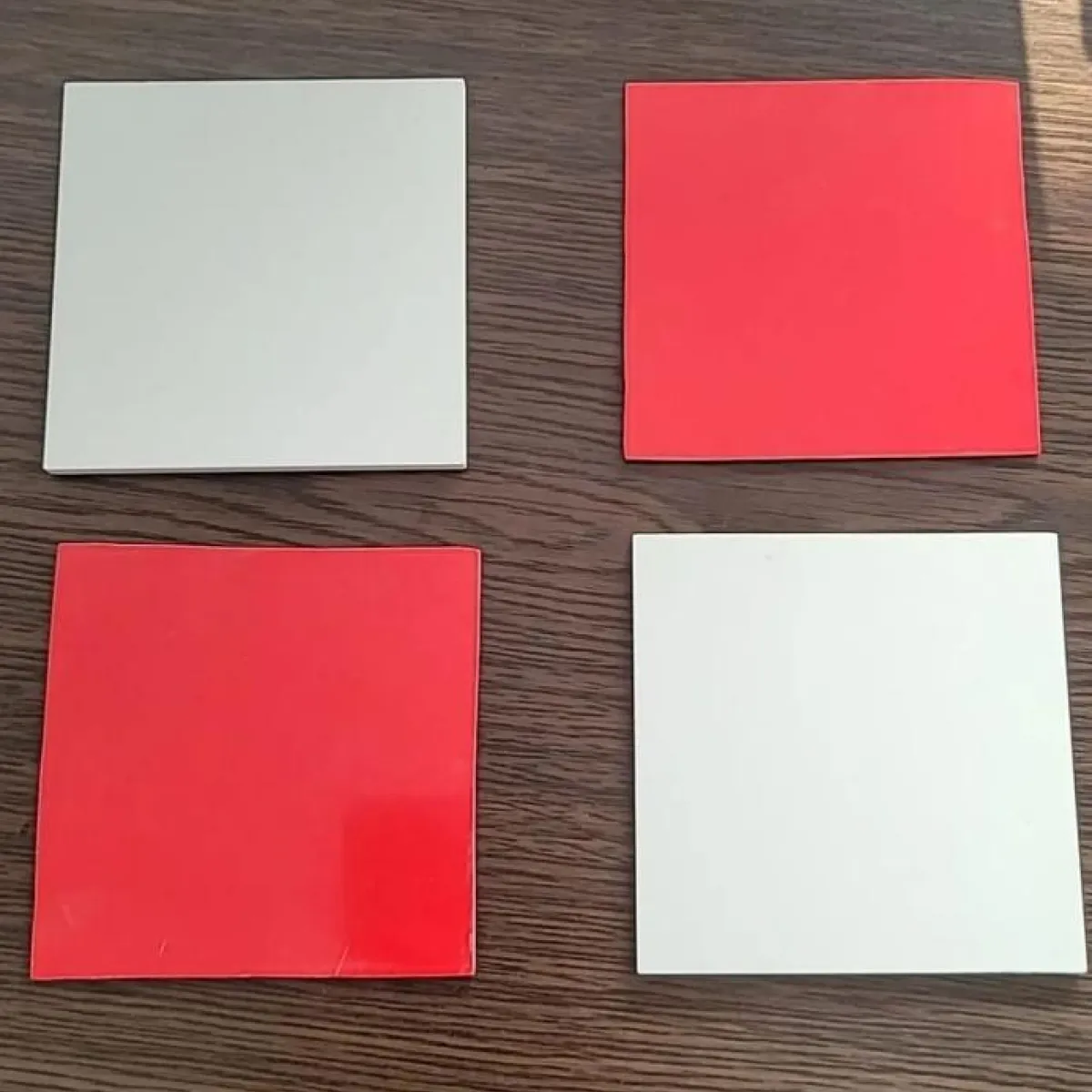
GPO-3 insulation board, also known as UPGM-203, is a rigid electrical insulation material made from alkali-free glass fiber mat impregnated with unsaturated polyester resin and pro
Compared with many conventional insulation materials, GPO-3 offers two particularly important advantages: strong resistance to heat and moisture, and stable electrical insulation p
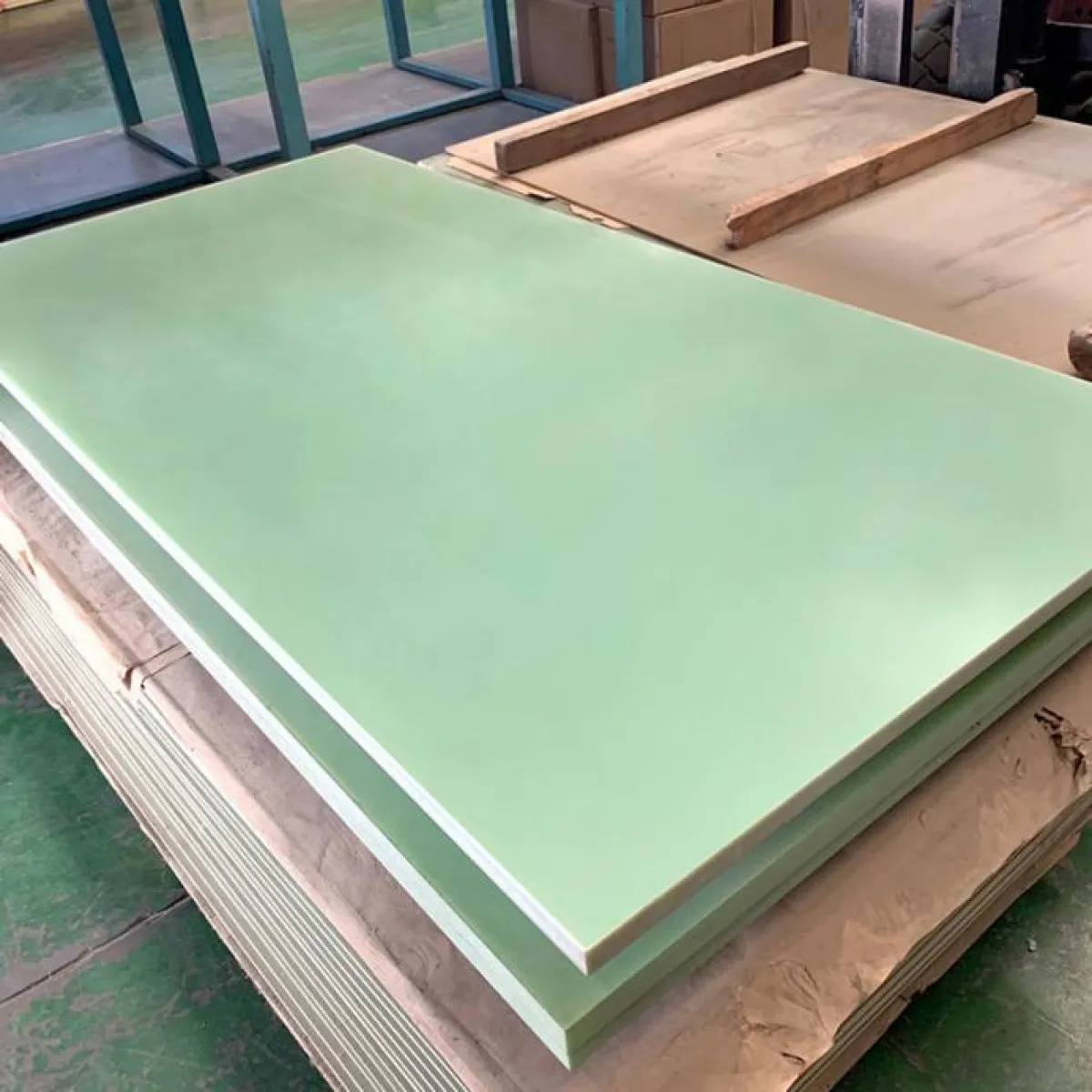
However, selecting a cryogenic insulation material based only on its standard properties may not be enough. In actual service, continuous immersion, concentrated mechanical loads,

Silicone Glass Cloth Sheet (G7) combines silicone resin with glass fiber cloth to provide a balance of high-temperature resistance, electrical insulation, mechanical strength, and
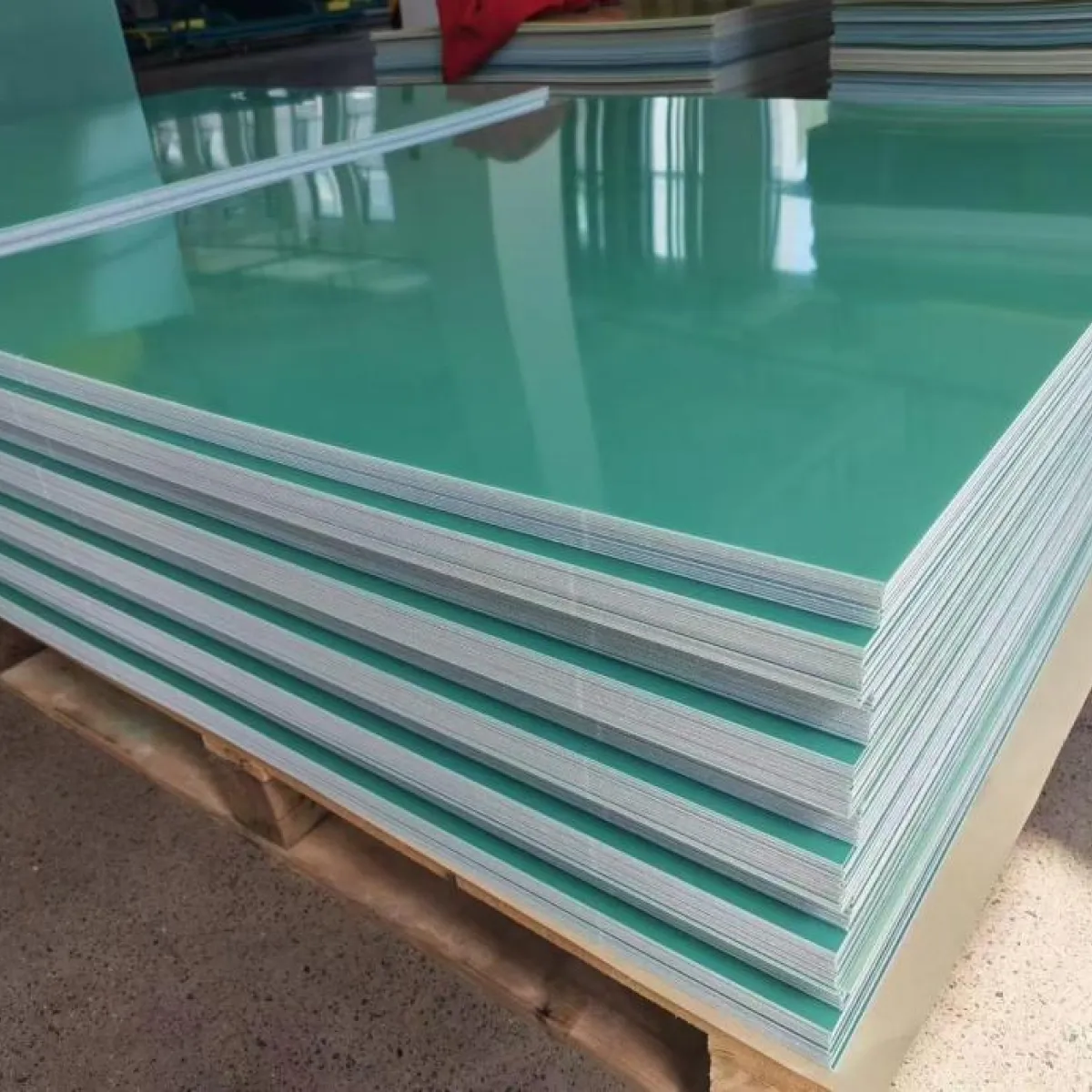
These properties make EPGC308 particularly suitable for electrical equipment operating under high temperature, high humidity and high-voltage conditions.
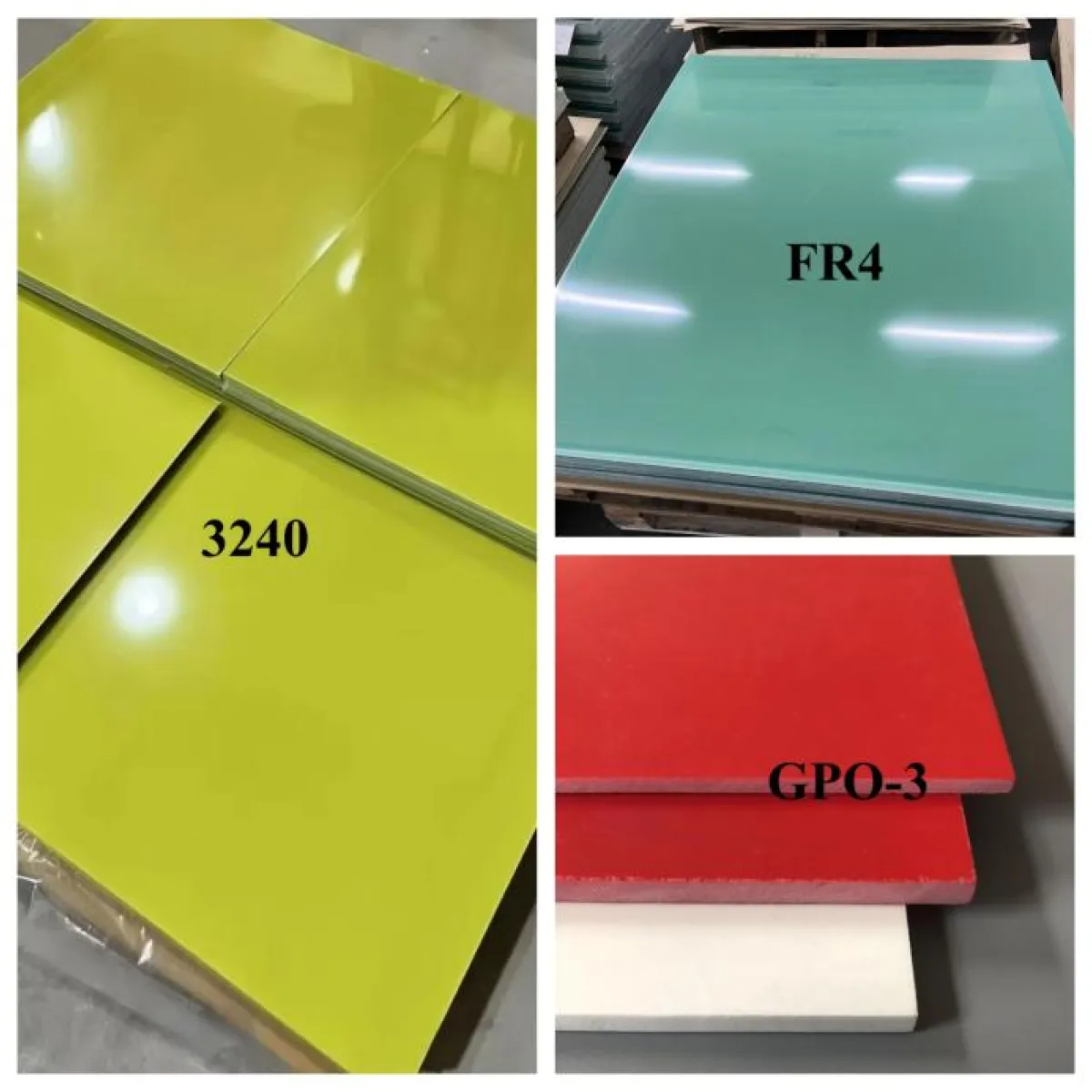
Understanding these differences can help engineers and buyers select the most suitable insulation material for their specific operating conditions.
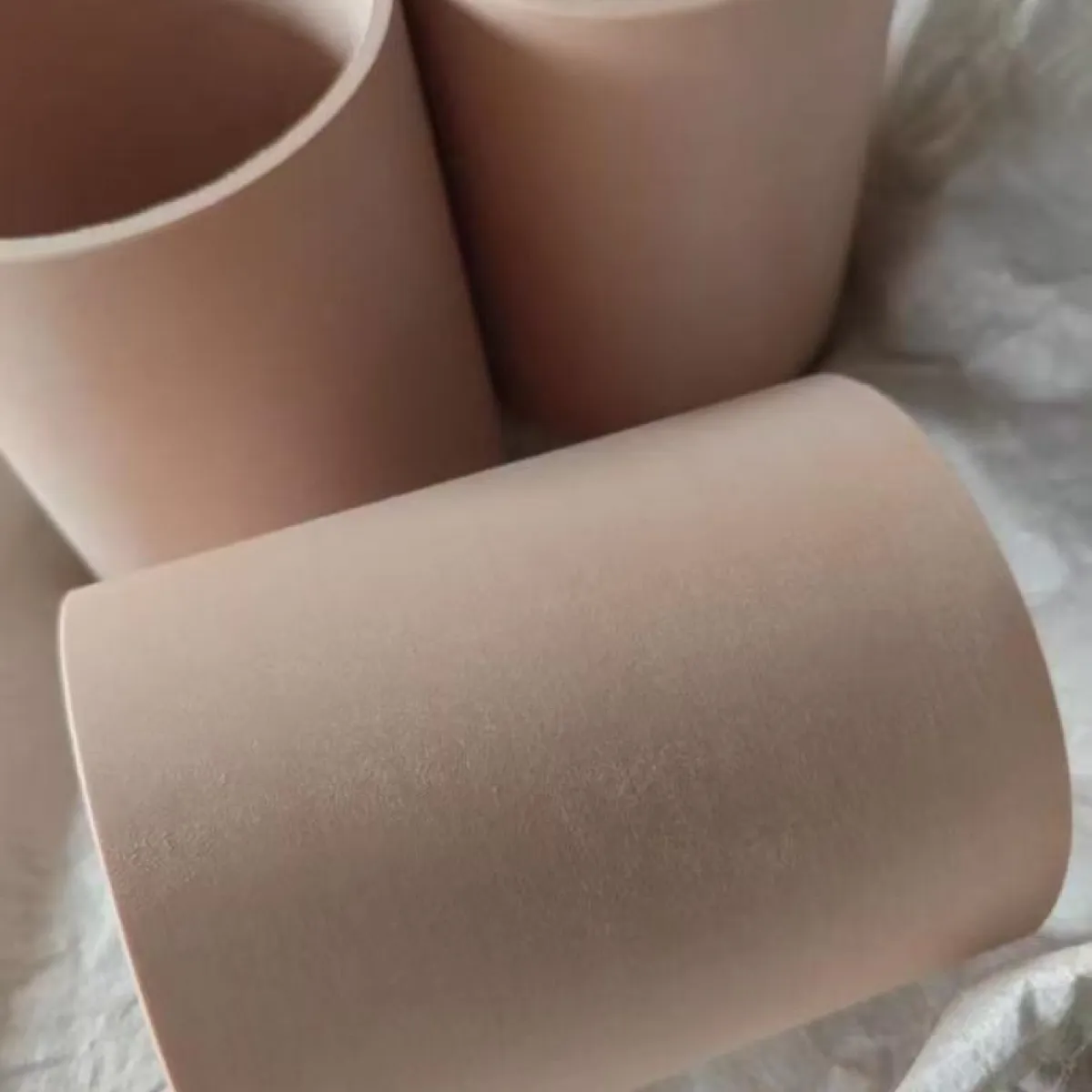
Phenolic Cotton Tube boasts multiple prominent competitive strengths for industrial use. It features extraordinary insulating performance: fully non-conductive, anti-static, and st
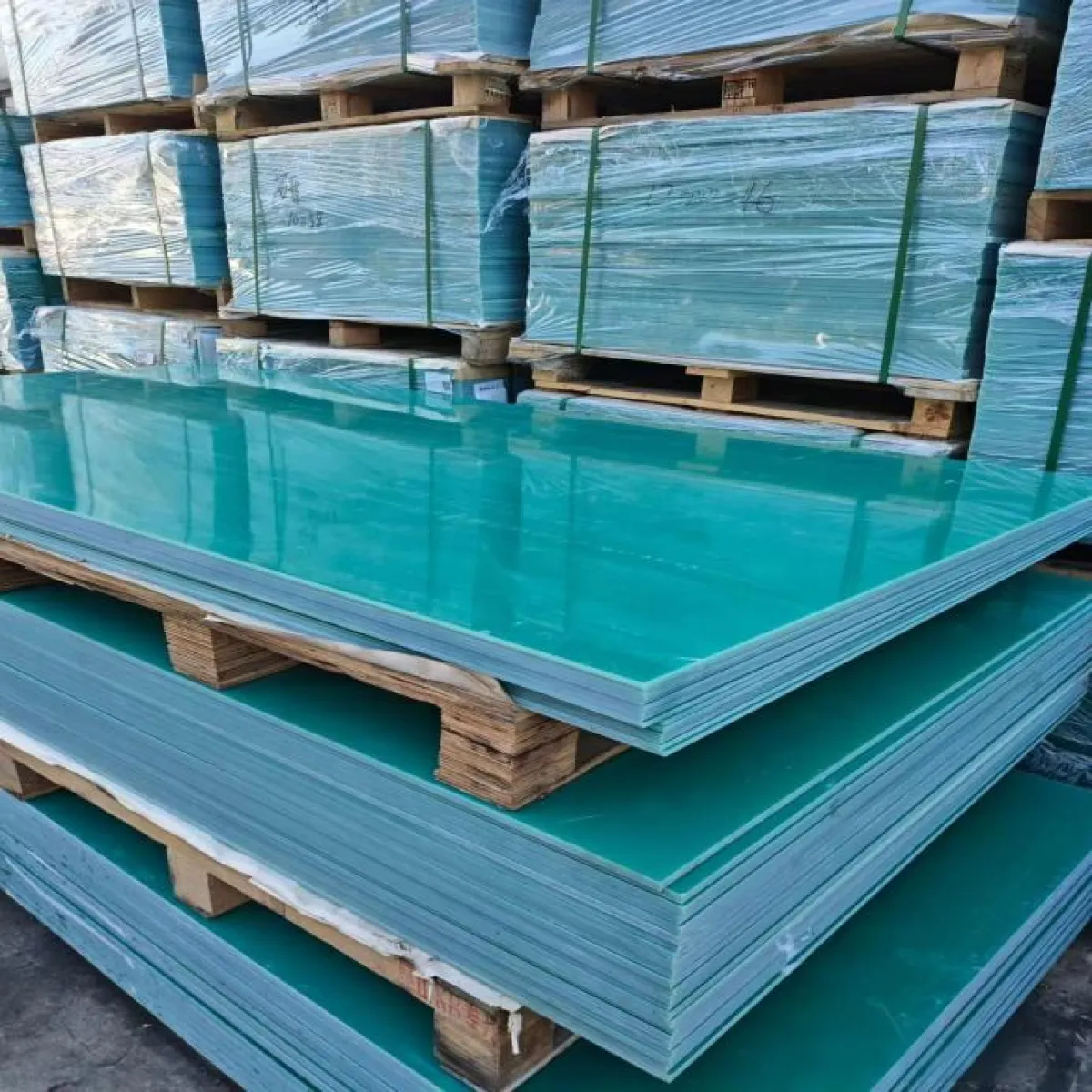
First let us look at its regular uses. In power plants, substations, power distribution rooms and other sites, Insulation Laminated Board is commonly laid on floors to avoid electr
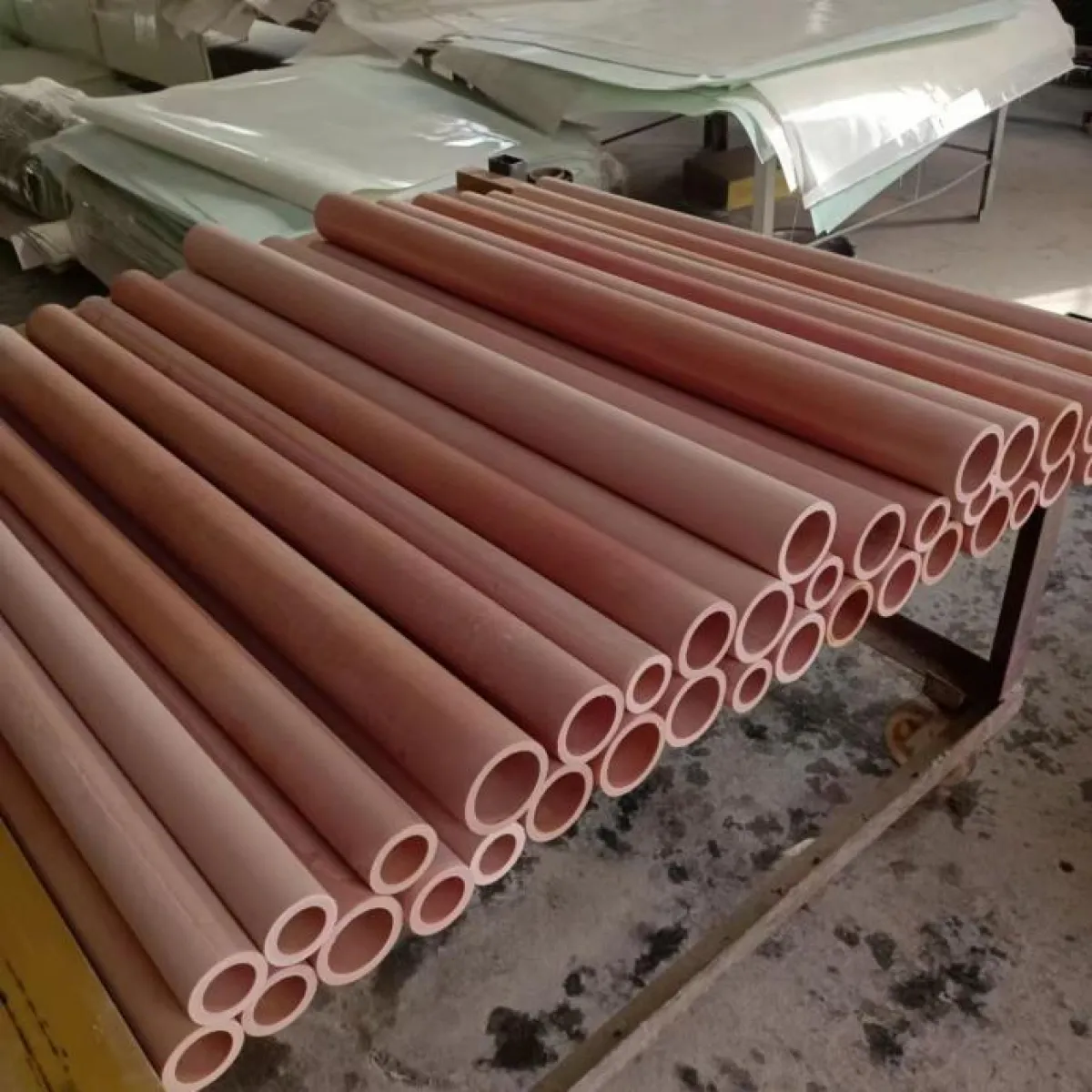
From the perspective of composite materials, Phenolic Cloth Tube is not made of a single substance, but formed by combining thermosetting phenolic resin with reinforcing materials

No.3, Mianzhi Street, Zhucheng, Shandong, China





Copyright © 2026 by Qingdao Yilong Insulation Material Company Limited All Rights Reserved